
Reviewed · E-BIKE TOURS
Private eBike Tour Exploring Fushimi with Torii Red Gate Ride
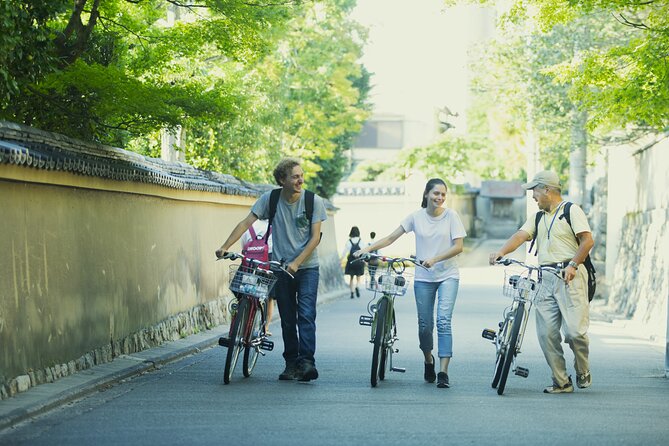
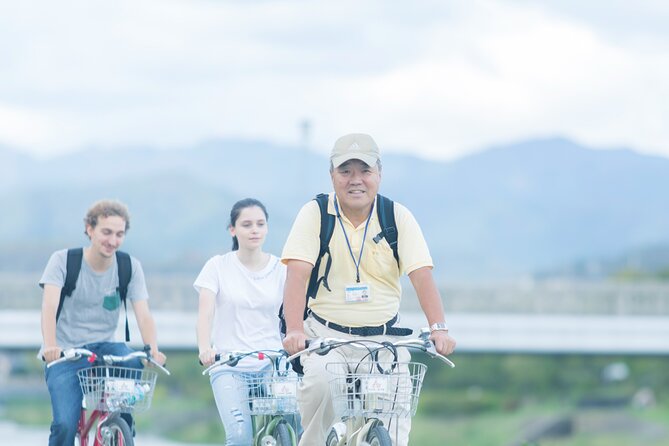
Fushimi Inari’s red torii gates are Kyoto’s great visual hit, but reaching them by eBike makes the visit feel less like a race from one sight to the next. You pedal through quieter streets, stop at Sanjusangen-do and Tofuku-ji, then ride back beside the Kamo River. I like the private format and the chance to see ordinary Kyoto between the famous sights. The main drawback is that the tour lasts about three and a half hours, so you only get a short taste of each place.
I also like that guides such as Kaz, Yuichi, Tibor, and JJ have earned praise for humor, patience, history, and taking photos. The ride is gentle rather than athletic, but you still need to handle a bicycle safely on public roads, and children must be at least 10 years old and 145 centimeters tall.
In This Review
- Key points to know before you book
- Why this Kyoto bike route works so well
- Starting at Kyoto Station and passing Nintendo’s old office
- Sanjusangen-do and its thousand statues
- Tofuku-ji, a short stop with a Zen atmosphere
- Riding through Fushimi Inari’s red torii gates
- The Kamo River ride back to Kyoto Station
- What the $111.05 price really covers
- Pace, fitness, rain, and family details
- Who will enjoy this tour most
- Should you book this Fushimi eBike tour?
- FAQ
- How long does the private Fushimi eBike tour last?
- Where does the tour start?
- Where does the tour end?
- Is this a private tour?
- Is an English-speaking guide included?
- Are bicycles and helmets provided?
- Are food and snacks included?
- Can children join the tour?
- Does the tour run in rainy weather?
Key points to know before you book
- Fushimi Inari by bicycle: Reach the famous red torii paths after riding through less crowded Kyoto streets.
- Two sacred stops included: Spend about an hour inside Sanjusangen-do and pause at Tofuku-ji.
- Private group of 2 to 6: Your guide can adjust the pace and answer your questions directly.
- Kamo River return ride: Finish beside a peaceful embankment where you might spot wildlife.
- Rain or shine operation: Rain ponchos are supplied, so the tour does not stop simply because Kyoto’s weather turns wet.
- Useful guide support: Guides have been praised for clear explanations, family patience, photography help, and even practical assistance during a medical emergency.
Why this Kyoto bike route works so well
Kyoto can feel packed around its headline sights. Buses crawl, taxis cost money, and walking between major temples takes time. A bicycle gives you another option: you can use side streets, cover more ground than on foot, and still notice houses, lanes, riverside paths, and small corners of the city.
This tour uses eBikes, which matters because Kyoto is not perfectly flat. You still pedal, but the electric assistance takes the sting out of longer stretches and makes the pace more relaxed. The tour is not designed as a hard workout. Its appeal is the combination of movement, scenery, and short visits to places that would be difficult to connect efficiently on foot.
The private setup is especially useful. Groups are limited to two to six people per guide, and a single-person booking is not accepted. If your party has seven to twelve people, an extra guide can be arranged at no additional guide fee. You are not being folded into a large line of bicycles, and your guide can spend time explaining details or helping with photos.
The guides vary. Kaz has been praised for bringing energy, local stories, humor, and history to the ride. Yuichi is known for a calm pace, taking photos, and creating quiet moments at a temple. Tibor has been especially patient with children, while JJ and Y Yagyu have been praised for strong regional knowledge and a helpful attitude. Your guide will depend on the date, but the guiding style is clearly a major part of the experience.
A few more Kyoto tours and experiences worth a look

Starting at Kyoto Station and passing Nintendo’s old office
You meet at the Kyoto Cycling Tour Project terminal near Kyoto Station, at 552-13 Higashiaburanokōjichō in Shimogyo Ward. The location is close to public transportation, which makes it a practical starting point if you are staying near the station or arriving by train.
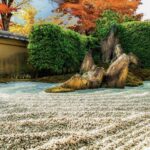
After getting your bicycle and helmet, you cycle past the former offices of Nintendo. This is a quick stop, about 10 minutes, and there is no admission fee. Do not expect a museum visit or a detailed look inside. The value is the setting: you see a piece of Kyoto connected to one of Japan’s best-known companies while moving through the city rather than stopping for a long formal tour.
The original building is a fun detail for anyone interested in Nintendo, design, or modern Japanese business. It also gives the ride an early change of mood. Kyoto is not only shrines and wooden lanes. It is a working city with familiar global names tucked into its streets.
Your tour time includes the cycling between stops. That is important when planning your day. The three-and-a-half-hour duration is not three and a half hours inside temples and shrines. You are paying for the route itself, the guide’s explanations, the bicycle, and the way the stops fit together.
Sanjusangen-do and its thousand statues
The first major visit is Sanjusangen-do, where you spend about an hour with the guide inside. The temple is known for its long wooden hall and its remarkable display of one thousand Buddhist statues. The effect comes from repetition and scale, but the visit also gives you a quieter indoor pause after the first section of riding.
This is one of the strongest parts of the route for anyone who wants more than a quick photo stop. The guide explains the temple’s history and meaning, helping you understand what you are seeing rather than simply walking through a famous building.
The stop also offers a useful contrast with Fushimi Inari. Sanjusangen-do is enclosed, orderly, and contemplative. Fushimi Inari is more open, colorful, and active. In one morning or afternoon, you get two very different religious settings without spending the day crossing Kyoto by bus.
The one-hour visit is enough for a proper look, but not for an unhurried study of every detail. If you are fascinated by Buddhist art, you may want more time than this tour allows. If you are looking for a well-paced introduction, the stop should feel substantial.
Tofuku-ji, a short stop with a Zen atmosphere
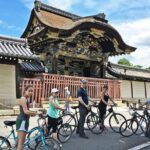
The route continues to Tofuku-ji Temple for about 15 minutes. This is mainly a photo and atmosphere stop, with no admission ticket included. The temple is described as quiet and imposing, which makes it a good bridge between the indoor stillness of Sanjusangen-do and the more famous torii gates ahead.
Fifteen minutes is brief. You will not have time for a full temple visit, extended garden viewing, or a slow architectural study. Think of Tofuku-ji as a chance to pause, take photos, and get a sense of the site before continuing.
That short timing is also part of the route’s practicality. The tour is trying to show you several sides of southern Kyoto in one half-day. Tofuku-ji adds another historic setting without taking an hour from Fushimi Inari.
Riding through Fushimi Inari’s red torii gates
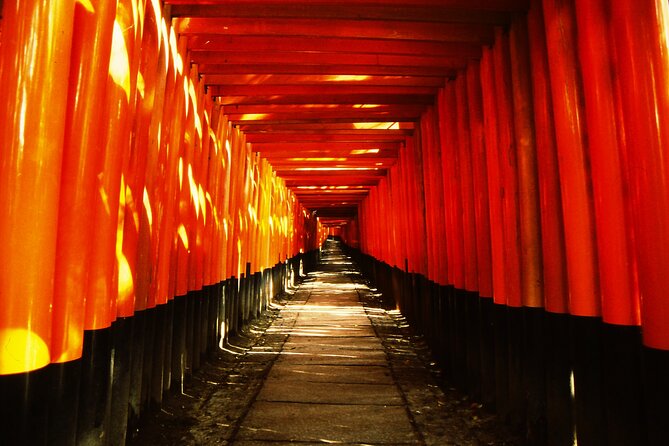
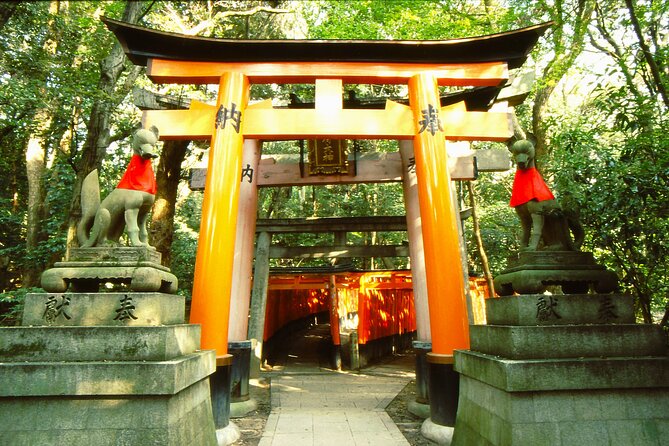
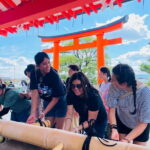
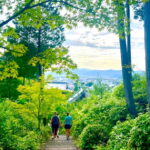
Fushimi Inari-taisha is the main event. The guide takes you to the thousand-gate paths and explains the shrine as you walk through the famous red torii. The bicycle gets you to the shrine, but you explore the gates on foot. That distinction matters: bicycles are useful for crossing the city, not for riding along the narrow shrine paths.
Fushimi Inari is one of Kyoto’s most photographed sights, and the first rows of torii can be crowded. This tour cannot remove the popularity of the shrine, but arriving by bike and following a guide can make the visit more efficient. You spend less time figuring out transport and more time walking beneath the gates.
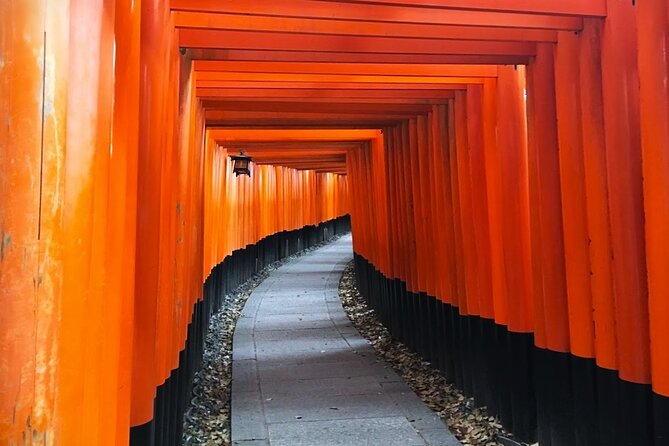
The torii are offered by individuals and businesses, and their close-set arrangement creates the tunnel effect that makes this place so striking. Your guide can give you context about the shrine and Shinto practice while you walk, adding meaning to what might otherwise become a quick photo session.
The planned stop is about an hour. That allows time for the famous lower paths, explanations, and photos. It is not enough for a full climb through every section of the mountain trails. If your main goal is to reach the summit of Mount Inari, this tour is not built around that. If you want the classic torii experience combined with other Kyoto sights, the timing is sensible.
Afterward, you can look around the shops and food stalls surrounding the shrine. Snacks are not included, so bring money if you want to try local specialties. This is a small but useful part of the outing. The area around Fushimi Inari gives you a chance to sample something instead of moving directly from shrine to bicycle.
Other cycling tours in Kyoto


The Kamo River ride back to Kyoto Station
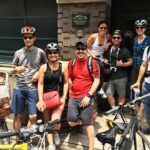
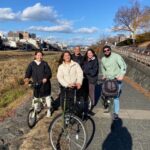
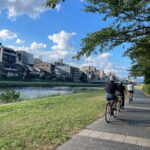
The return route follows the Kamo River embankment. This is where the tour slows down and lets Kyoto’s natural side take over. You ride beside the water, with wildlife and riverside scenery replacing temple walls and city traffic.
I like this part because it gives the route a proper ending. You have seen two major religious sites and a famous company building, then you return through a quieter setting. The river ride also helps balance the visual intensity of Fushimi Inari.
The route ends back at the Kyoto Station cycle terminal, so you do not need to arrange a separate return transfer. That makes the tour easy to fit into a larger sightseeing day. Still, allow a little extra time after the scheduled end if you have a train to catch. The published duration is approximate, and the group may pause for photos or questions.
What the $111.05 price really covers
At $111.05 per person, this is not the cheapest way to see Fushimi Inari. You can reach the shrine by train and walk there for far less. The price makes more sense if you value the complete route and the services wrapped into it.
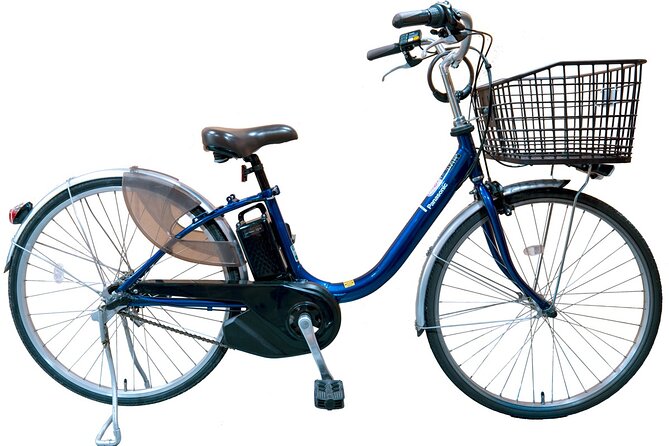
You receive the eBike, helmet, English-speaking licensed or certified guide, accident insurance, an original cycling map, and a rain poncho. You also receive a private experience rather than a large group outing. For a couple, family, or small group, that private attention may justify the cost.
The guide is the key value. You are not simply renting a bicycle. You are getting help with the route, explanations inside Sanjusangen-do and Fushimi Inari, and someone who can adjust the pace. The personal service has also extended beyond sightseeing in at least one case, when JJ spent significant personal time helping with a medical emergency and navigating the local health system.
That kind of help cannot be promised, but it shows why the guide matters. A bicycle tour in a foreign city comes with small practical questions: where to ride, how to cross busy sections, where to stop, and how to fit several sights together. A good guide removes much of that friction.
The value drops if you dislike cycling, want a long visit at every temple, or only care about the torii gates. In those cases, public transport and a self-guided visit may suit you better.
Pace, fitness, rain, and family details
You need to ride a bicycle safely on the road without assistance. Children must be at least 10 years old, at least 145 centimeters tall, and able to manage a bicycle safely in traffic. Most people can participate, but this is not a walking tour with bikes used only on quiet paths.
The tour operates in rain, and a poncho is provided. That is convenient, but it does not make wet weather comfortable for everyone. Kyoto rain can affect visibility, clothing, temple floors, and the general feel of the ride. If you book during a wet forecast, wear clothing that dries reasonably fast and protect anything you carry.
The tour is private, so tell the guide if your group needs a slower pace or extra time for questions. You should not assume that every stop can be extended, since the route has several fixed points and the duration includes travel.
The booking information contains two different cancellation statements. One says you can request a refund at least three days before the tour date by 18:00 Japan time, while another says the experience is non-refundable and cannot be changed. Check the active terms at booking and confirm directly with the provider before paying. If the minimum number of participants is not reached and the tour is canceled, you are offered another date or experience, or a full refund.
Who will enjoy this tour most
I would choose this for a first or second Kyoto visit when you want to connect several southern Kyoto sights without spending the day on buses. It suits couples, families with older children, and small groups that prefer a private guide.
It is also a good match if you want local conversation rather than a fixed audio explanation. The guides have been praised for humor, patience, photo help, and clear explanations. Those details matter when a temple visit might otherwise feel hard to interpret.
I would be more cautious if you are uncomfortable cycling beside traffic, have limited control of a bicycle, or want a long, scholarly visit at each site. The tour is leisurely, but it is still an active road-based outing.
Should you book this Fushimi eBike tour?
Book it if you want Fushimi Inari plus a wider slice of Kyoto, not just a trip to the red gates. The route combines Sanjusangen-do, Tofuku-ji, Nintendo’s former offices, the Kamo River, and the shrine in a manageable half-day.
The strongest reasons to choose it are the private group size, the guide support, and the efficient route. Kaz, Yuichi, Tibor, JJ, and Y Yagyu are named in the guiding feedback, but assignments vary. The main reasons to hesitate are the price, the short time at some stops, and the need to ride safely in the city.
For a small group that wants history, scenery, gentle exercise, and a guide who can make Kyoto feel easier to navigate, I think the price is reasonable. For a single person, the tour is not available, and for anyone seeking an all-day shrine pilgrimage, it will feel too brief.
FAQ
How long does the private Fushimi eBike tour last?
The tour lasts approximately 3 hours and 30 minutes, including the time spent cycling between locations.
Where does the tour start?
It starts at the Kyoto Cycling Tour Project, Kyoto Station Cycle Terminal, located at 552-13 Higashiaburanokōjichō, Shimogyo Ward, Kyoto, 600-8235, Japan.
Where does the tour end?
The activity ends back at the same meeting point near Kyoto Station.
Is this a private tour?
Yes. Only your group participates. Each guide can accept a minimum of two and a maximum of six people. Groups of seven to twelve can have an extra guide arranged without an additional guide fee.
Is an English-speaking guide included?
Yes. A licensed or certified English-speaking guide is included.
Are bicycles and helmets provided?
Yes. The use of the bicycle and helmet is included, along with accident insurance, a cycling map, and a rain poncho.
Are food and snacks included?
No. Snacks are not included. You can buy food from the shops and stalls around Fushimi Inari.
Can children join the tour?
Children must be at least 10 years old, at least 145 centimeters tall, and able to ride a bicycle safely on the road without assistance.
Does the tour run in rainy weather?
Yes. The tour operates in rain, and a rain poncho is provided.
More Private Tours in Kyoto
More Cycling Tours in Kyoto
More E-Bike Tours in Kyoto
More tours in Kyoto we've reviewed


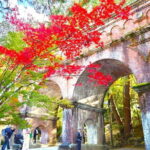
E-Bike Tours, compared.
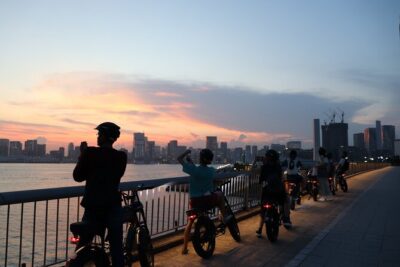 ★ 5.0Tokyo Top Highlights 3h Guided E-bike TourFrom $63
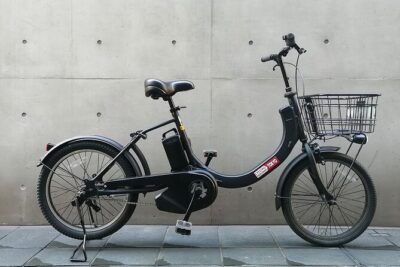 ★ 5.03h Tokyo E-Bike Tour: Hidden Gems, and Local Life with guideFrom $63
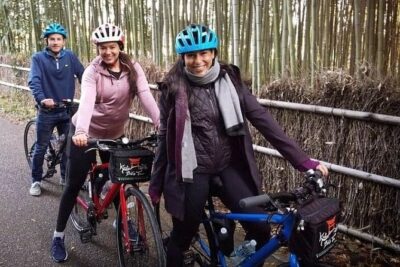 ★ 5.05 Top Highlights of Kyoto Full Day Bike Tour (E-bike option)From $172
 ★ 4.83-Hour Bike or E-Bike City Highlights TourFrom $453 hours
 ★ 5.0E-Bike Tours of the highlights of Kyoto!!!From $109
 ★ 4.83-hour Guided E-Bike Tour of the City’s Hidden GemsFrom $65
 ★ 5.0Osaka E-Bike Tour with a Local GuideFrom $59
 ★ 5.03-Hour Bike/E-Bike Tour of the City’s HighlightsFrom $63
Browse the lists this tour appears in