
Reviewed · KYOTO CYCLING TOURS
South Kyoto in a Nutshell: Gentle Backstreet Bike Tour!
Kyoto’s best bike rides often happen between the famous sights. This small-group tour uses quiet lanes and narrow backstreets to link Nishi Honganji, Gion, Tofukuji, and Fushimi Inari, giving you a look at the city that buses and long walking tours miss.
I like the easy half-day length and the way the ride mixes major attractions with calmer streets and canal paths. I also like that a guide handles the route, local customs, and traffic advice while a Cannondale bike, helmet, and bottled water are provided.
The main drawback is pace. You cover several important places in about three to four hours, so stops can feel brief, especially in Gion and at Fushimi Inari. If you want long temple visits or lots of time for photos, you may find the schedule tight.
In This Review
- Key points before you book
- Why a bike makes sense in South Kyoto
- Getting fitted and ready at Cycle Kyoto
- Nishi Honganji and Kyoto’s large wooden halls
- Following the Takase Canal
- Gion, where time for photos can be short
- Tofukuji Temple and the bridge view
- Fushimi Inari, the big finish
- The guides shape the experience
- Bikes, safety, and physical effort
- Is the $79.59 price fair?
- Who will enjoy this ride most?
- Should you book South Kyoto in a Nutshell?
- FAQ
- How long does the South Kyoto bike tour last?
- What time does the tour begin?
- Where does the bike tour start and finish?
- Which sights are included?
- Are the bicycle and helmet included?
- Is there a minimum age?
- How many people can join the tour?
- What happens if the weather is poor?
Key points before you book
- Small group of up to eight: The limited size should make it easier to hear the guide and keep the group together.
- A useful South Kyoto route: You visit Nishi Honganji, Takase Canal, Gion, Tofukuji Temple, and Fushimi Inari-taisha Shrine in one morning.
- Quiet streets are part of the attraction: The ride is designed around back lanes that buses cannot use and walking tours cover slowly.
- Good standard bikes included: A Cannondale bike, helmet, bottled water, and bicycle use are part of the price.
- Guides add personal color: Guides named in feedback include Jay, Indra, Juan, Kevin, Sam, Jaime, Paul, Carl, Shaun, Julian, Quin, and Thierry.
- Best for confident riders aged 13 and older: You need to be comfortable riding a bike, and the tour depends on good weather.
Why a bike makes sense in South Kyoto
Kyoto can be awkward to cover on foot. The sights are spread across neighborhoods, buses can be crowded, and a taxi between every stop quickly becomes expensive. A bicycle gives you a practical middle ground: you cover more ground than on foot without spending the day in traffic.
The route also lets you see the spaces between attractions. You may pedal past ordinary homes, small shrines, local shops, and quiet lanes rather than moving from one packed gate to another. That change of scale is the real point of the tour.
This is not a hard cycling challenge. The route is described as manageable, with mostly side streets and a relaxed pace. You should still be comfortable stopping, starting, following traffic instructions, and staying with a group.
The tour begins at Cycle Kyoto at 7 Higashikujō Nishisannōchō in Minami Ward. The start time is 9:00 a.m., and the ride returns to the same meeting point. Since the tour takes place in the morning, it can work well as an introduction to Kyoto before a longer afternoon visit elsewhere.
The maximum group size is eight. That matters on city streets. A guide can give clearer instructions, adjust the route when crowds build, and answer questions without the feel of a large bus excursion.
A few more Kyoto tours and experiences worth a look
Getting fitted and ready at Cycle Kyoto
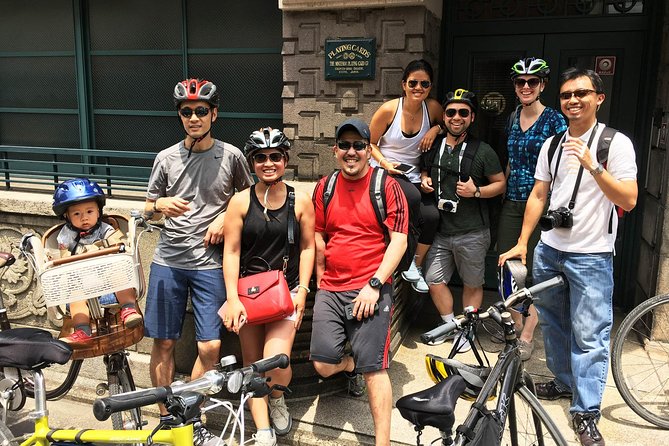
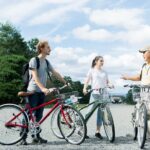
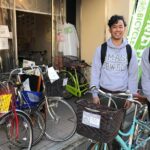
The first part takes about 15 minutes. You meet the guide and the other riders, get fitted for the bike, and put on a helmet before setting out.
A Cannondale bike is included, along with bottled water. Some riders have chosen an e-bike upgrade, though the supplied information does not say that an e-bike is included in the basic price. If you prefer electric assistance, ask about the upgrade when booking rather than assuming it is part of the standard package.
The guide also covers riding etiquette and traffic. One particularly useful part of the experience is learning how to interact with pedestrians and handle the city streets. That advice is worth having in Kyoto, where narrow roads and mixed foot and bicycle traffic require attention.
You should arrive ready to ride rather than treating this as a sightseeing bus with a short bicycle segment. Wear comfortable clothing and shoes, and remember that summer conditions can be hot. One ride took place on a 36°C day, so heat can affect your comfort even on an easy route. The experience can also run in chilly or rainy weather if conditions allow, although poor weather may lead to cancellation.
Nishi Honganji and Kyoto’s large wooden halls
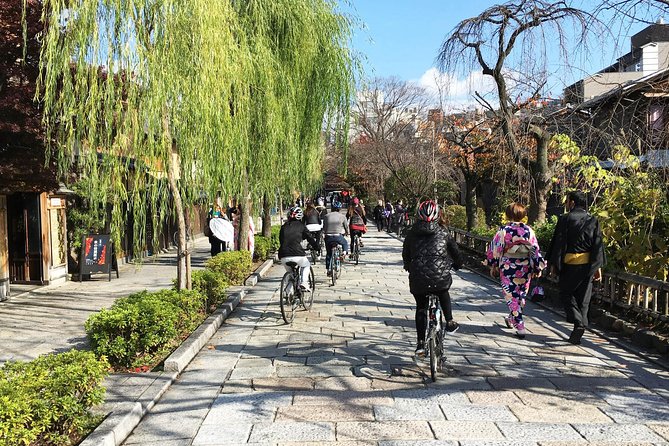
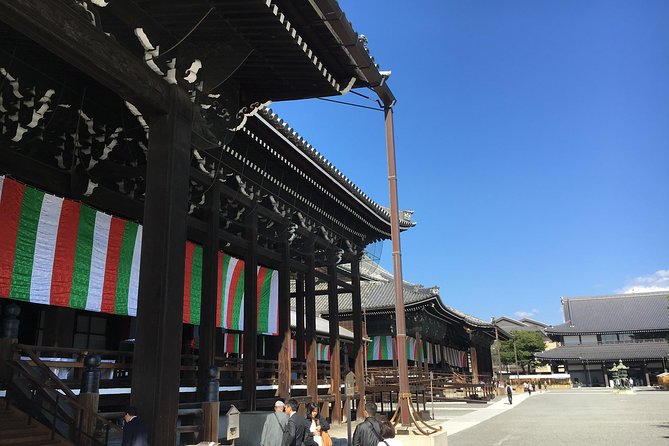
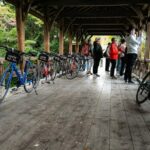
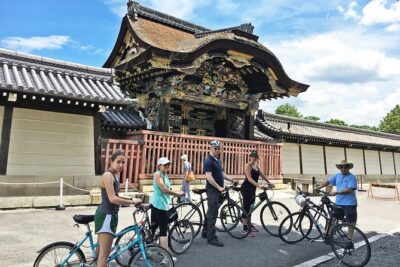
Nishi Honganji is one of the first stops, with about 15 minutes set aside. It is one of Kyoto’s less-visited religious sites and contains one of the largest wooden buildings in the world.
That makes it a smart opening stop. You get a major architectural sight without beginning the day in Kyoto’s most crowded setting. The scale of the wooden hall is the main reason to pay attention here. A guide can help explain what you are seeing, which is useful if you are still finding your feet with Japanese religious architecture.
Fifteen minutes is enough for a look and a few photographs, but not for a long, quiet visit. If Nishi Honganji catches your interest, you may want to return on your own later. The tour gives you an introduction rather than a full temple visit.
Following the Takase Canal
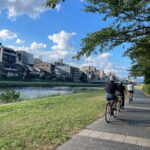
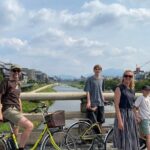
The route then follows the Takase Canal by bicycle. This is one of the calmer stretches of the ride, and it gives you a break from formal monuments.
The canal has a place in Kyoto’s past, and the guide explains its role while you ride and stop for photographs. This section shows why the bicycle format works so well. You can move beside the water, pause for a picture, and continue without spending a large block of time walking between distant points.
The canal stop also helps vary the morning. The tour is not only a checklist of temples and shrines. You get water, residential streets, and ordinary city views in between the headline attractions.
Gion, where time for photos can be short
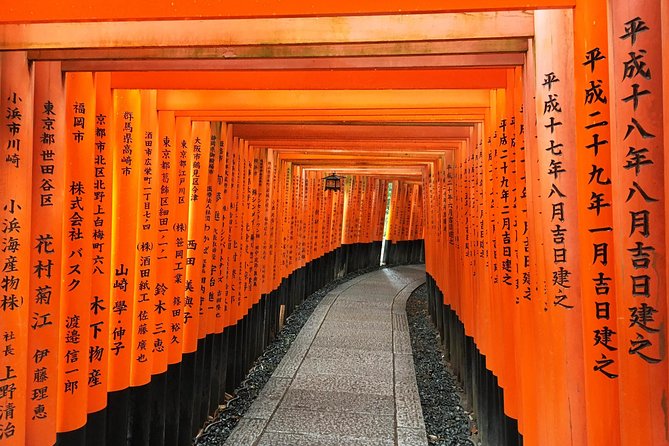
Gion is the route’s most famous neighborhood stop. The guide introduces the traditional geisha district, explains some of its customs, and points out the character of this historic area.
You may catch a glimpse of a maiko or geisha, but that should be treated as a possibility, not a promise. If you do see one, give her space and follow the guide’s advice. This is a working neighborhood, not a stage set, and respectful behavior matters.
The bike can take you through streets that are difficult to cover efficiently on foot. Still, Gion is also where the schedule may feel rushed. The planned stop is about 15 minutes, and one rider felt there was not enough time to take photographs and absorb the atmosphere. You may need to make a choice between listening to the guide, taking photos, and simply looking around.
That is not a serious flaw if you want an overview. It is worth knowing before you book if Gion is a main reason for your Kyoto visit. You can always return later for a slower walk.
A few more Kyoto tours and experiences worth a look

Tofukuji Temple and the bridge view
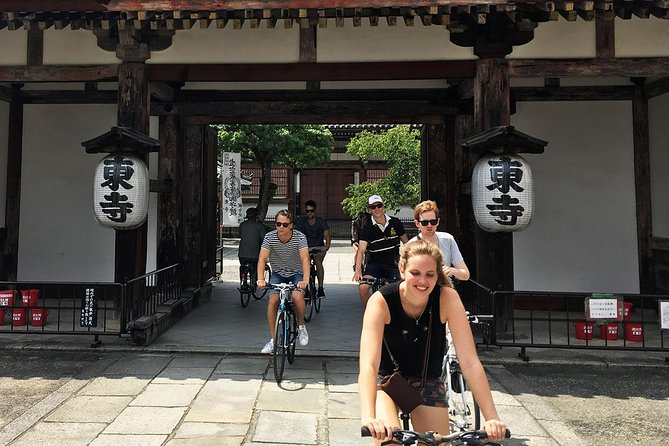
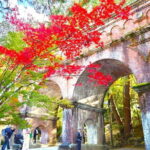
Tofukuji Temple receives a short stop of about five minutes. The temple is one of Japan’s oldest and largest Zen temples, and its spacious grounds are best appreciated from the bridge view highlighted on the route.
The brief timing is the clearest limitation here. Five minutes gives you a viewpoint and a quick sense of the setting, not a full temple visit. You will not have time to explore every building or spend long in the grounds.
Still, the stop earns its place because it breaks up the ride with a strong visual point. The bridge offers a memorable view, and the broad temple grounds contrast with the narrow streets used elsewhere. Think of Tofukuji as a preview for a return visit, not a complete tour of the temple.
Fushimi Inari, the big finish
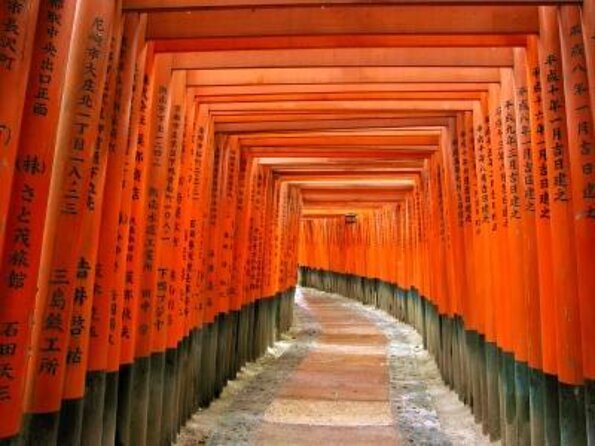
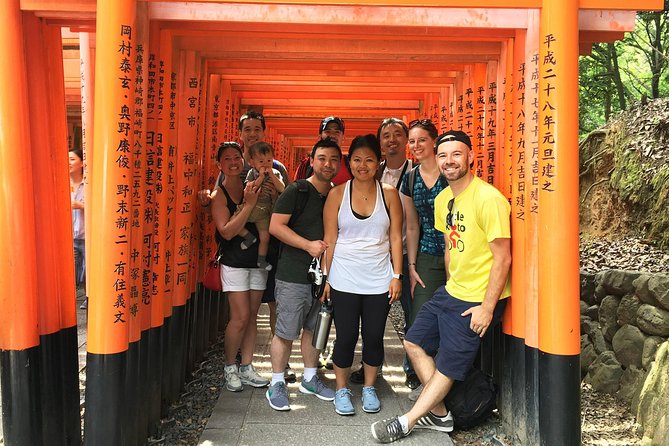
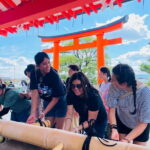
Fushimi Inari-taisha Shrine is the final major stop, with around 25 minutes planned. Its rows of orange torii gates make it one of Kyoto’s most recognizable sights, and it is also one of the city’s busiest attractions.
A bicycle tour cannot remove the crowds, but the guide can help you approach the shrine and choose a sensible path through the busy areas. That route advice is valuable because Fushimi Inari can feel confusing when you first arrive, especially if you are trying to find the best photo spots while keeping an eye on time.
Twenty-five minutes is enough for an introduction and photographs near the lower shrine area. It is not enough to walk far up the mountain trail. If you want the full torii-gate hike, plan a separate visit and allow much more time.
Ending here gives the morning a clear finish. You see a major Kyoto icon after spending much of the ride in quieter places, so the contrast is strong. The tour then returns to the Cycle Kyoto meeting point.
The guides shape the experience
The route matters, but the guide is likely to shape your impression even more. The named guides include Jay, Indra, Juan, Kevin, Sam, Jaime, Paul, Carl, Shaun, Julian, Quin, Thierry, and others.
Several guides are praised for combining practical help with stories about Japanese culture and Kyoto’s past. Jay is noted for a friendly manner and explanations of Gion, shrines, and temples. Indra is described as attentive to safety and good with family groups. Juan has made personal adjustments for riders, including an extra stop connected with Nintendo for a young fan.
Other useful touches include help with a restaurant reservation, lunch suggestions, explanations of Japanese counting, and personal stories about life in Japan. One guide was also an ordained Shinto priest, bringing a distinctive perspective on religion and local customs. These details can turn a basic sightseeing ride into a more personal introduction to Kyoto.
Guide quality can vary from one departure to another, as it does with any guided activity. One rider felt that side conversations took time away from another possible stop. The provider acknowledged that questions and distractions can sometimes affect the group schedule. If you want maximum control over every minute, a private ride or self-guided route may suit you better.
Bikes, safety, and physical effort
The standard package includes a Cannondale bike, helmet, bottled water, and bicycle use. That saves you from arranging a rental before the tour and makes the price easier to assess.
The route is mainly on side streets and is described as manageable terrain. You still need to be comfortable riding a bike. Riders must be at least 13 years old, and the activity is not designed for someone who is uncertain on two wheels.
The guide gives clear instructions about pedestrians and traffic, and the small group helps keep the ride organized. Families have used the tour successfully, with particular praise for guides who watched out for safety. Even so, you should be ready for normal city riding rather than a protected cycle path from start to finish.
Weather is an important factor. Kyoto summers can be very hot, and rain or cold can change the feel of the morning. Some departures have gone ahead in difficult conditions, with extra gloves and a hat provided on one chilly, rainy ride, but you should not count on every comfort item being included. The tour requires good weather, and a weather cancellation comes with the choice of another date or a full refund.
Is the $79.59 price fair?
At $79.59 per person, this is not the cheapest way to rent a bicycle for a morning. A self-guided rental costs less if your only goal is to pedal around town.
The value comes from the combination of equipment, route planning, interpretation, and time saved. You get a good standard bike, helmet, water, and a guide who knows how to connect several South Kyoto sights without asking you to build the route yourself. You also avoid spending the morning checking maps, missing a turn, or trying to understand which streets are suitable for bicycles.
The maximum group size of eight strengthens the value. You are paying for a guided experience, but not for a large procession. For a first morning in Kyoto, the tour can serve as an orientation ride, showing you places you may later revisit at a slower pace.
I would book it for the first or second day of a Kyoto stay if I wanted a broad view of the southern part of the city. I would not book it as my only chance to see Fushimi Inari, Gion, or Tofukuji, since each stop is fairly short.
Free cancellation is available if you cancel at least 24 hours before the 9:00 a.m. start. Changes or cancellations inside that window are not refunded, and the experience can also be canceled if the minimum group size is not met.
Who will enjoy this ride most?
This tour is a strong match for you if:
- You want to see several Kyoto highlights in one morning.
- You enjoy local streets and city scenery between major sights.
- You are comfortable riding a bike in an urban setting.
- You prefer a small group and a guide to handle the route.
- You want cultural background, not just photographs.
- You are visiting Kyoto for the first time and want help getting oriented.
It may be less suitable if you want long temple visits, a serious cycling workout, a private itinerary, or a slow photography tour. The ride is gentle and practical, but the schedule has several stops to fit into a single morning.
Should you book South Kyoto in a Nutshell?
Book this tour if you want an active, friendly introduction to South Kyoto and like the idea of reaching quiet backstreets that buses cannot use. The strongest reasons are the manageable half-day format, the small group, the included bike and helmet, and the mix of major sights with canal and neighborhood riding.
Go in with realistic expectations. Nishi Honganji, Tofukuji, and Fushimi Inari are short visits, while Gion may leave you wanting more time for photos. Plan to return independently to the places that catch your eye.
For confident riders aged 13 and older, this is a good-value way to cover ground, learn how Kyoto fits together, and get useful advice from guides such as Jay, Indra, Juan, or Kevin. If your priority is seeing many places at a pleasant pace rather than studying one temple in detail, I would book it.
FAQ
How long does the South Kyoto bike tour last?
The experience lasts approximately three to four hours.
What time does the tour begin?
The tour starts at 9:00 a.m.
Where does the bike tour start and finish?
It starts at Cycle Kyoto, 7 Higashikujō Nishisannōchō, Minami Ward, Kyoto, 601-8003, Japan. It ends back at the same meeting point.
Which sights are included?
The route includes Nishi Honganji, the Takase Canal, Gion, Tofukuji Temple, and Fushimi Inari-taisha Shrine, along with backstreet sections of Kyoto.
Are the bicycle and helmet included?
Yes. A Cannondale bike, helmet, bottled water, and bicycle use are included.
Is there a minimum age?
Yes. Riders must be at least 13 years old and comfortable riding a bicycle.
How many people can join the tour?
The group is limited to a maximum of eight people.
What happens if the weather is poor?
The experience requires good weather. If it is canceled because of poor conditions, you are offered another date or a full refund.
More Cycling Tours in Kyoto
More Backstreet & Hidden Rides in Kyoto
More Kyoto Cycling Tours in Kyoto
More tours in Kyoto we've reviewed
Kyoto Cycling Tours, compared.
 ★ 5.0Bike Tour Exploring North Kyoto plus LunchFrom $106
 ★ 5.05 Top Highlights of Kyoto Full Day Bike Tour (E-bike option)From $172
 ★ 5.0E-Bike Tours of the highlights of Kyoto!!!From $109
 ★ 5.0Afternoon Kyoto Bike Tour: Bamboo Forest, Monkeys & Hidden SpotsFrom $106
 ★ 4.9Kyoto: City Secrets eBike TourFrom $1273h 45m
 ★ 5.0Pedal Adventure Kyoto’s iconic landmarks on an e-bike tourFrom $86
 ★ 4.9Kyoto: Hidden Gems E-Bike Tour with Local Japanese GuideFrom $753h 30m
 ★ 5.0Historical Kyoto E-Bike TourFrom $99
Browse the lists this tour appears in