
Reviewed · KYOTO CYCLING TOURS
Kyoto: Hidden Gems E-Bike Tour with Local Japanese Guide
Kyoto is easier to understand from a bicycle seat. This small-group ride takes you from the Gojo area toward the Kamo River, Ginkaku-ji, the Philosopher’s Path, Nanzen-ji, and Heian Jingu without forcing you through Kyoto’s most crowded sightseeing routes. Guides such as Aska, Tai, Tatsuya, and Natsuki bring an international outlook and easy English to the morning.
I especially like the gentle pace and the chance to ride beside the river, where Kyoto feels open and quiet. I also like that the guide leaves room for conversation, questions, souvenir browsing, and a coffee or matcha crepe near Ginkaku-ji. The catch is simple: you need to be a confident cyclist. Some streets have traffic, and popular sights can still be crowded during leaf season.
In This Review
- Key points at a glance
- Why an e-bike works so well in Kyoto
- Starting near Gojo and heading toward the Kamo River
- Ginkaku-ji and time for a matcha crepe
- The Philosopher’s Path at a slower speed
- Nanzen-ji, aqueduct views, and a strong temple setting
- Heian Jingu brings the route to a grand finish
- Guides who make the ride feel personal
- The real value of the $75 price
- Weather, fitness, and what to bring
- Who should book this Kyoto bike tour?
- Should you book it?
- FAQ
- How long does the Kyoto e-bike tour last?
- Where does the tour begin?
- Which places does the tour visit?
- Is the e-bike rental included?
- Is the tour conducted in English?
- How large is the group?
- Can I join if I have never ridden an e-bike?
Key points at a glance
- River-first route: Ride beside the Kamo River and stop to cross its stepping stones.
- Three major sights: Visit Ginkaku-ji, Nanzen-ji, and Heian Jingu, with admission included.
- Small groups: The tour is limited to eight people, allowing a social and flexible outing.
- Helpful e-bikes: Electric assistance takes the strain out of hills and longer city stretches.
- International guide perspective: Aska has lived in North Carolina and London, while other guides have also spent time abroad.
- A practical Kyoto introduction: Ask for suggestions about food, neighborhoods, and the rest of your Japan itinerary.
Why an e-bike works so well in Kyoto
Kyoto’s main sights are spread across a broad city grid. You can walk between a few nearby temples, but linking northern Higashiyama with the Kamo River and central Kyoto can mean a long day on foot, plus crowded buses.
An electric bike solves much of that problem. You still pedal, but the motor supplies extra help, particularly on uphill sections. Several people who had never used an e-bike before found it easy to handle, and one older couple in their sixties described the ride as a comfortable way to cover the city without walking seven or eight miles.
That does not make this a lazy sightseeing trip. You will be riding for much of the 210 minutes, stopping at temples, shrines, river paths, and streets along the way. The motor helps with effort, but it cannot replace balance, braking, and awareness.
The route mixes peaceful cycling beside water with moderately trafficked roads. I would not choose this outing if you wobble badly, dislike riding near cars, or have not ridden a bicycle for years. You should be able to control the bike confidently while watching pedestrians and other cyclists.
A few more Kyoto tours and experiences worth a look

Starting near Gojo and heading toward the Kamo River
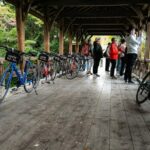
You meet the guide at a rental bicycle shop in the Gojo area. The shop is about six minutes from Kyoto Station by train, or roughly 20 minutes on foot. The electric bike and helmet are included, and the tour ends back at the same shop.
Allow a little time at the start to adjust the bicycle and get familiar with the controls. One person specifically wished for an extra five minutes for bike setup and route orientation, so do not arrive at the last second. If you have never used an e-bike, ask the guide to explain the power levels and brakes before setting off.
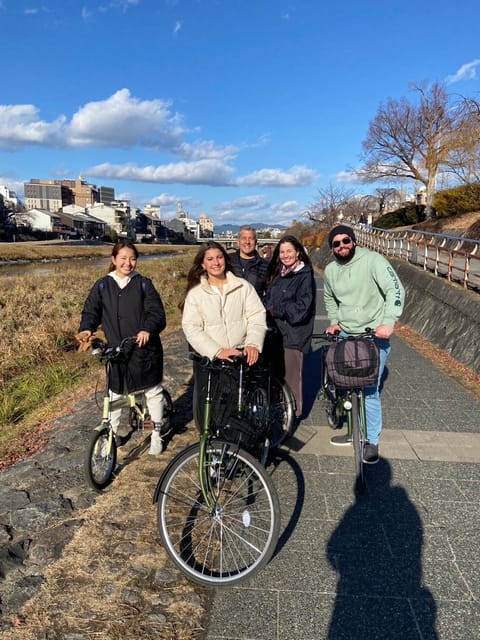
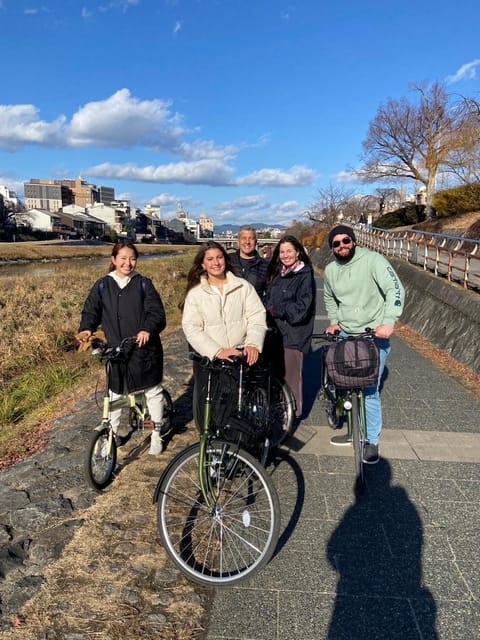
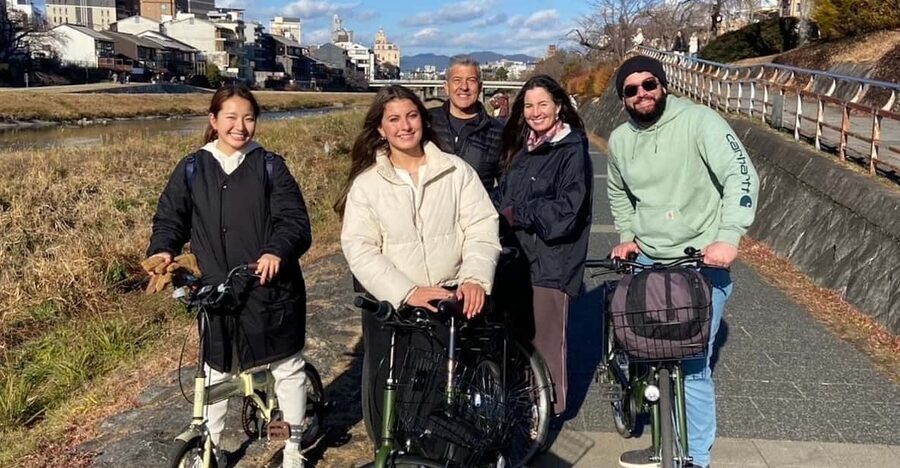
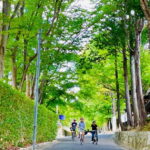
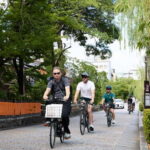
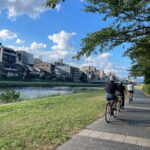
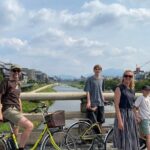
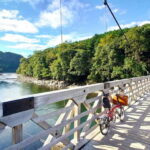
The early part of the ride follows the Kamo River. This is one of the best reasons to choose a bicycle tour rather than a standard coach outing. You can move at river level, pause for views, and see how Kyoto residents use the open banks for walking and relaxation.
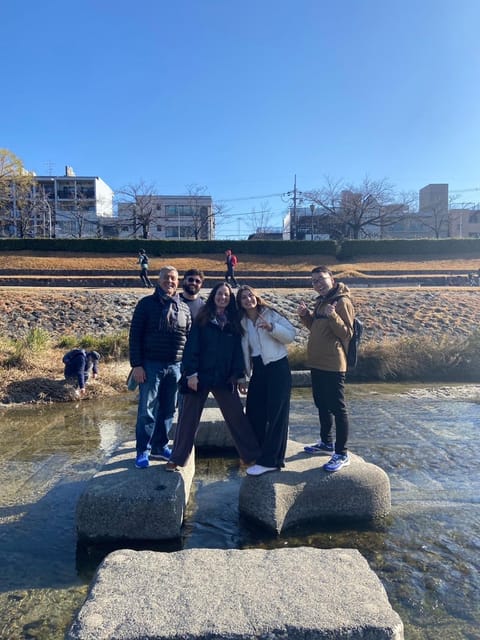
A playful feature is the chance to hop across the large stones set in the river. You do not need to cross them, and you should take care on wet surfaces, but it adds a small local detail that a bus route cannot provide. The river section also gives the group time to settle into a comfortable rhythm before the temple visits begin.
Ginkaku-ji and time for a matcha crepe
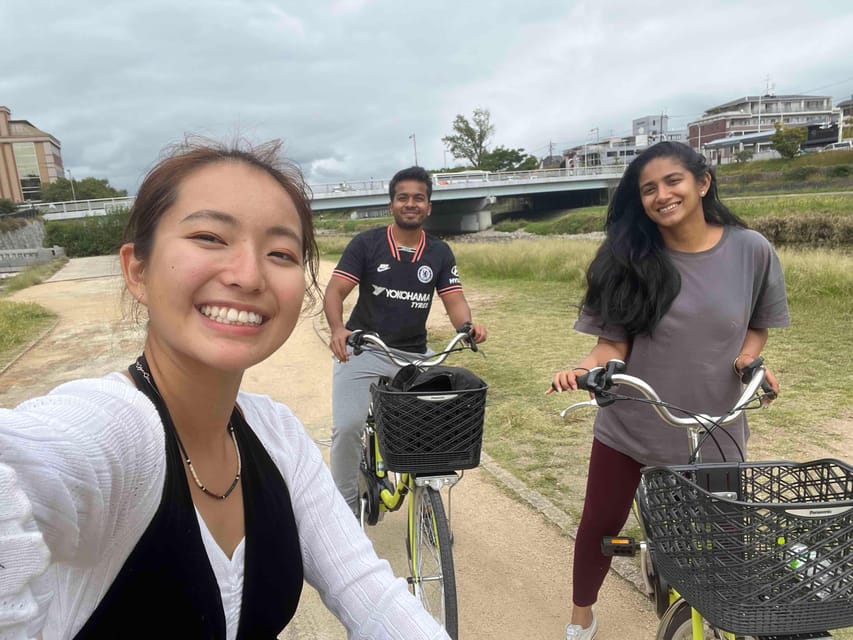
The first major stop is Ginkaku-ji, also called the Silver Pavilion. The temple is known for its restrained design, garden setting, and connection to Kyoto’s refined arts culture. It is not silver-colored in the way its name might suggest, but the understated character is part of its appeal.
Admission is included in the tour price. That matters because the $75 cost is not simply paying for a bicycle and a guide. You are also covering the entry ticket, helmet, bike rental, and parking fees.
Near the temple is a shopping street with places to browse for souvenirs, have coffee, and try matcha crepes. The free time here is useful. You are not rushed from one photo stop to the next, and the guide can help with souvenir choices or answer questions about what you are seeing.
The tradeoff is that Ginkaku-ji is still a well-known Kyoto sight. The tour avoids the city’s most crowded routes, but it cannot promise an empty temple or street, especially on a Saturday during peak autumn color. You may need to move patiently through pedestrian areas, so keep your bicycle under control and follow the guide’s instructions.
The Philosopher’s Path at a slower speed
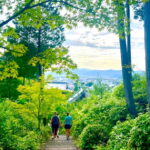
From Ginkaku-ji, the group follows the Philosopher’s Path toward Nanzen-ji. This pleasant route runs beside a canal and is especially attractive when trees are green or changing color. It is a place to slow down, not a section to rush through simply to reach the next temple.
The path can be busy at popular times. You will share space with walkers, and the route is not a private cycling track. The guide sets the pace and helps the group stay together, but you remain responsible for steering and braking around people.
I like this part of the experience because it connects the famous places with the quieter details between them. You see canals, residential streets, temple walls, and ordinary Kyoto scenery rather than only gates and ticket counters. That gives the city a more complete feel.
The information is also kept at a manageable level. Guides explain cultural and historical points, but the outing is not built around a long lecture at every stop. You can ask about Japanese customs, local life, food, and places to visit later in your trip.
Nanzen-ji, aqueduct views, and a strong temple setting
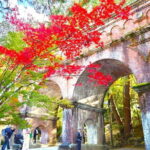
Nanzen-ji is the next major stop. Its broad grounds and large temple buildings provide a change of scale after the quiet canal path. The tour includes time to enjoy the views, and the route may include the area’s striking aqueduct, a memorable piece of Kyoto’s late nineteenth-century infrastructure.
This stop works well in a bicycle itinerary because you arrive without having to deal with a crowded bus or search for a place to park. You can leave the bike in the designated area and explore on foot with the guide.
Nanzen-ji is historically important and visually impressive, but the tour does not appear to force you into an exhaustive visit. That is a good thing for a three-and-a-half-hour outing. You get context and time to look around, while still keeping enough energy for Heian Jingu and the ride back.
The exact amount of time at each stop can shift with the group. A small group may spend a little longer at a place that interests everyone, and guides have shown flexibility when participants want extra time. That makes the experience feel less mechanical, though it also means the schedule may not run to the minute.
A few more Kyoto tours and experiences worth a look
Heian Jingu brings the route to a grand finish
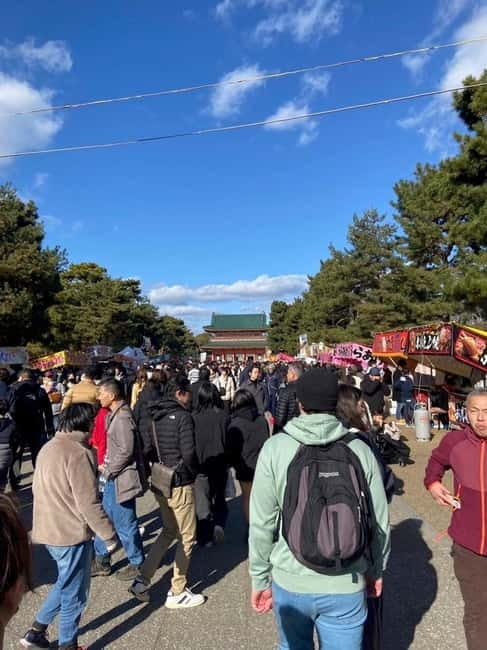
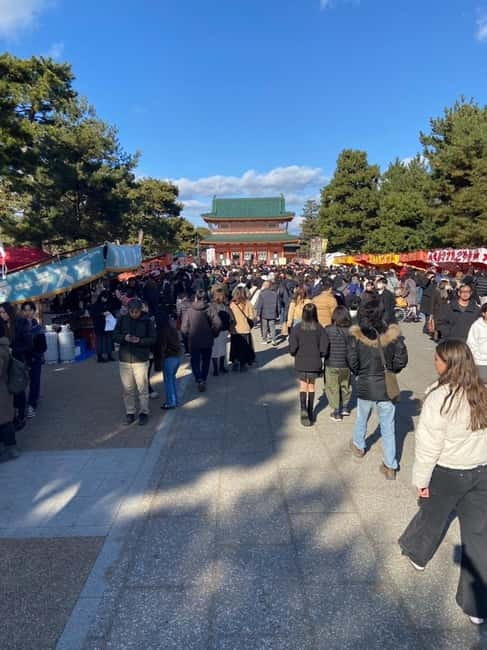
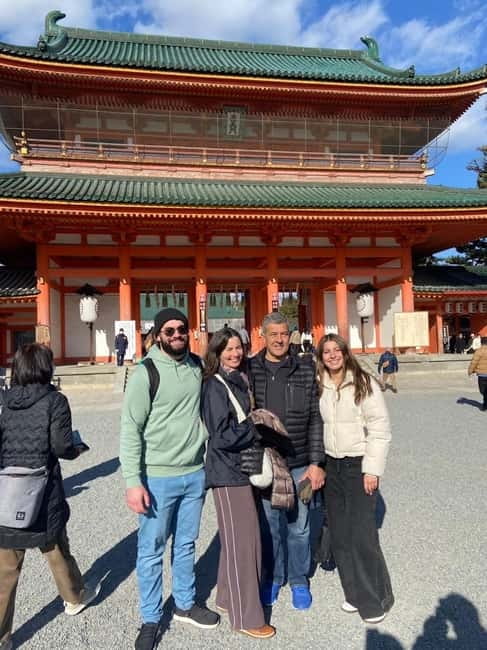
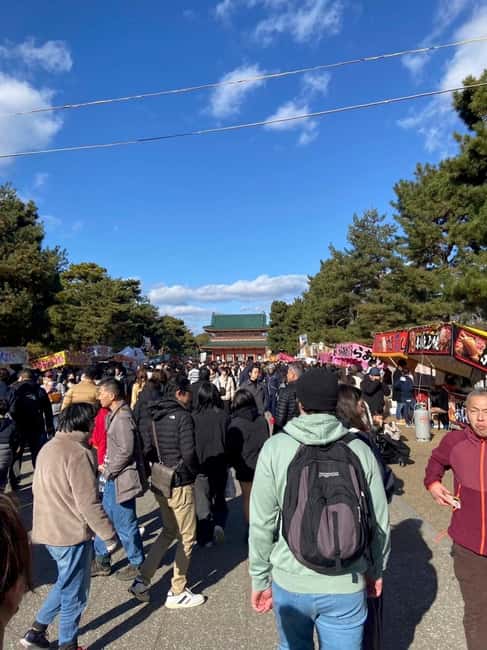
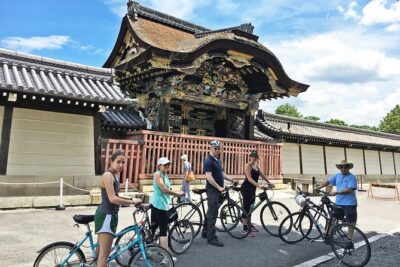
The final main stop is Heian Jingu Shrine. Its large vermilion buildings and spacious approach provide a dramatic contrast with Ginkaku-ji’s quieter style and the narrow canal paths earlier in the ride.
The shrine gives you a chance to see another side of Japanese religious architecture. The guide can explain the difference between a Buddhist temple and a Shinto shrine, along with local customs and the meaning of what you are seeing. Three historic religious sites in one morning make this a useful first introduction to Kyoto.
Some descriptions of the route refer to temples and shrines rather than promising a fixed set of interior visits. Expect the focus to be on the grounds, buildings, approach, and surrounding streets. Ask the guide questions as you go, since the conversation is one of the tour’s strongest features.
After Heian Jingu, you cycle back to the rental shop. The listed duration is 210 minutes, while the practical estimate is about three to three and a half hours. If you want to continue exploring by bicycle, the operator can arrange continued rental for the rest of the day if you ask.
Guides who make the ride feel personal
Aska founded the experience after studying sociology and international relations in the United Kingdom. She has also lived in North Carolina and London, which helps her explain Japanese culture to people who may be seeing it for the first time.
Her English is described as excellent, and her guiding style is relaxed, friendly, and patient. She has also helped people with souvenir buying and offered advice about places to eat and visit after the tour. That sort of practical local help can be worth as much as a formal temple explanation.
You may not have Aska herself. Other Japanese guides, including Tai, Tatsuya, Natsuki, and guides referred to as Asuka, may lead the outing. The common thread is that the guides are young, friendly, English-speaking, and have lived abroad.
The small group limit of eight is important. You are more likely to hear the guide, ask questions, and make conversation with the other riders. Several outings had only a handful of people, and one early morning departure had a single participant. A tiny group can make the ride especially flexible, though group size depends on the date you choose.
The real value of the $75 price
At $75 per person, this is not the cheapest way to rent a bicycle in Kyoto. A basic bike rental on its own would cost less, but it would not include an English-speaking local guide, a planned route, temple access, or the confidence of having someone lead you through city streets.
The value is strongest if you want to see several parts of northeastern Kyoto in one morning. You avoid the time spent planning a route, checking maps, finding bike parking, and working out which roads are comfortable to ride.
The included entry ticket also helps. Parking fees, the electric bicycle, helmet, guide, and admission are covered. Water, food, hotel transfers, and tips are not included, so bring a bottle and some spending money for the shopping street.
I consider the price fair for a small-group experience with this much coverage. It becomes less attractive if you already know Kyoto well, prefer to explore alone, or only want a short bike rental without temple visits.
Weather, fitness, and what to bring
Wear comfortable clothes and shoes. High heels, oversize luggage, and large bags are not allowed, and the rental shop is not a place to bring a suitcase. A small day bag is the practical choice, but keep it compact.
Kyoto can be hot in summer. The route still runs in warm weather, and riders have found the scenery worthwhile, but you should bring water and expect to feel the heat. Water is not included.
If rain arrives, the tour can provide raincoats or reschedule. The experience does not accept responsibility for accidents or injuries, so you need to know how to ride and should take the safety warning seriously.
This outing is not suitable for children under 12, pregnant women, wheelchair users, people who cannot ride a bicycle, people with diabetes, people with altitude sickness, people with a low level of fitness, or anyone over 95. The altitude warning may seem unusual for Kyoto, but it is part of the stated health guidance.
Free cancellation is available up to 24 hours before departure, and you can reserve now and pay later. Check the available start times when booking, since an early departure may offer a quieter ride around the most popular temple areas.
Who should book this Kyoto bike tour?
I would choose this tour for a first or second visit to Kyoto when you want a friendly orientation without spending the day on buses. It suits couples, solo visitors, families with children aged 12 or older, and moderately fit adults who can ride confidently in a city.
It is particularly good for people who want conversation rather than a formal audio-guide experience. You can ask Aska or another guide about Japanese culture, restaurants, neighborhoods, and plans for the rest of your trip.
I would skip it if you strongly dislike traffic, need a completely flat and crowd-free route, or want a deep architectural tour of each temple. The route includes busy sections and pedestrians, even though much of the riding is calm and scenic.
Should you book it?
Book this e-bike tour if you want to connect Kyoto’s major sights with its quieter riverbanks, canals, and streets. The best features are the relaxed pace, small groups, helpful English-speaking guides, and the way electric assistance lets you cover ground without turning the morning into a workout.
The main question is your cycling confidence. If you can ride steadily, brake calmly, and pay attention around pedestrians and traffic, this is a memorable and practical way to see northern Higashiyama. If not, choose a walking tour or public transport instead.
FAQ
How long does the Kyoto e-bike tour last?
The tour lasts about 210 minutes, or approximately three to three and a half hours.
Where does the tour begin?
You meet the guide at a rental cycling shop in the Gojo area. It is about six minutes from Kyoto Station by train or around 20 minutes on foot.
Which places does the tour visit?
The route includes the Kamo River, Ginkaku-ji, the Philosopher’s Path, Nanzen-ji, and Heian Jingu Shrine.
Is the e-bike rental included?
Yes. The electric bike and helmet are included, along with the tour guide, entry ticket, and parking fees.
Is the tour conducted in English?
Yes. The live tour guide language is English. Aska and the other listed Japanese guides have international experience and speak English.
How large is the group?
The tour is limited to eight participants.
Can I join if I have never ridden an e-bike?
You must already know how to ride a bicycle. The e-bike is designed to make pedaling easier, but you still need to balance, steer, brake, and ride safely around traffic and pedestrians.
More Backstreet & Hidden Rides in Kyoto


More E-Bike Tours in Kyoto
More Kyoto Cycling Tours in Kyoto
More tours in Kyoto we've reviewed


Kyoto Cycling Tours, compared.
 ★ 5.0Bike Tour Exploring North Kyoto plus LunchFrom $106
 ★ 5.05 Top Highlights of Kyoto Full Day Bike Tour (E-bike option)From $172
 ★ 5.0E-Bike Tours of the highlights of Kyoto!!!From $109
 ★ 5.0Afternoon Kyoto Bike Tour: Bamboo Forest, Monkeys & Hidden SpotsFrom $106
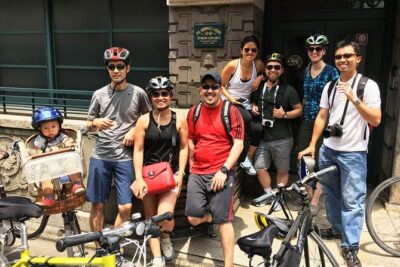 ★ 5.0South Kyoto in a Nutshell: Gentle Backstreet Bike Tour!From $79
 ★ 4.9Kyoto: City Secrets eBike TourFrom $1273h 45m
 ★ 5.0Pedal Adventure Kyoto’s iconic landmarks on an e-bike tourFrom $86
 ★ 5.0Historical Kyoto E-Bike TourFrom $99
Browse the lists this tour appears in