
Reviewed · KYOTO CYCLING TOURS
Kyoto: City Secrets eBike Tour
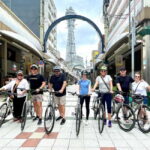
Kyoto’s best surprise is often found between the famous sights. This 9km e-bike ride uses quieter streets, temple lanes, mountain roads, and local neighborhoods to connect major places with peaceful corners that are easy to miss on foot or by bus. You may see the Golden Pavilion, old geisha streets, Zen gardens, shrines, and even a 1,000-year-old café in one well-paced half-day.
I like the small group of up to eight and the guides’ personal approach. Yuta, Henry, Sean, Michael, Shawn, and Shizuka have each led tours praised for clear explanations, careful riding, and useful Kyoto tips. I also like the electric bikes: they make the hills manageable while still giving you the pleasure of moving through the city under your own power.
The main consideration is that this is still a bicycle tour. You need to ride confidently, handle traffic lights, tight turns, cobblestones, and at least one steeper hill. It is not suitable for anyone under 140 centimeters, and a first-time visitor may want a more traditional Kyoto sightseeing tour before choosing this less conventional route.
In This Review
- Key points worth knowing
- Why an e-bike makes sense in Kyoto
- The Golden Pavilion gives you the classic Kyoto moment
- Zen gardens bring the quiet you may be seeking
- Old geisha streets show another side of Kyoto
- Shrines, temples, and the shrine of knowledge
- Traditional tea, mochi, and a 1,000-year-old café
- What the ride feels like on the road
- Guides are the heart of the experience
- Is $127 a fair price?
- Timing, weather, and booking details
- Who should book this Kyoto ride?
- Should you book the City Secrets eBike Tour?
- FAQ
- Where does the Kyoto City Secrets eBike Tour meet?
- How long does the tour last?
- How far do you ride?
- What departure times are available?
- What is included in the price?
- How many people are in each group?
- Is the tour suitable for children?
- What happens if bad weather cancels the tour?
- How early should I arrive, and what happens if I am late?
Key points worth knowing
- A 9km route links famous Kyoto sights with quiet backstreets, so you see more than a string of crowded temple entrances.
- The Golden Pavilion provides the big-name highlight, while Zen temples and mountain lanes offer the calm contrast.
- Guides such as Yuta, Henry, Sean, and Michael add local context, including religious customs, history, food, and neighborhood life.
- Electric assistance takes the strain out of Kyoto’s hills, though you still need solid bicycle control.
- A group capped at eight keeps the ride personal, with room for questions and adjustments.
- The 225-minute schedule works well for a first or second day, but arrive 15 minutes early and plan carefully around the fixed departure times.
Why an e-bike makes sense in Kyoto
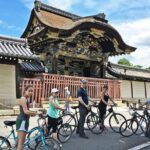
Kyoto is spread across a broad plain, with hills rising toward the north and east. Its major temples are not always close together, and buses can be slow when roads fill with cars and sightseeing traffic. An e-bike gives you a practical middle ground: faster than walking, more flexible than public transport, and far less tiring than a standard bicycle.
The electric motor matters most on the uphill sections. You still pedal, but the bike takes much of the effort out of the climb. That lets you save energy for the temples, gardens, and explanations rather than arriving at each stop overheated.
The route covers about 9 kilometers over 225 minutes, so this is not a race or a serious cycling workout. The pace is shaped around sightseeing. You stop often, leave the bikes when needed, and spend time looking at the places rather than simply passing them.
Still, do not confuse electric assistance with complete effortlessness. The route includes descents, tighter turns, uneven surfaces, and at least one hill. A former rider described most of the route as flat and easy, with more technical riding toward the end. Keep to the left, watch red lights, and follow your guide closely.
A few more Kyoto tours and experiences worth a look

The Golden Pavilion gives you the classic Kyoto moment
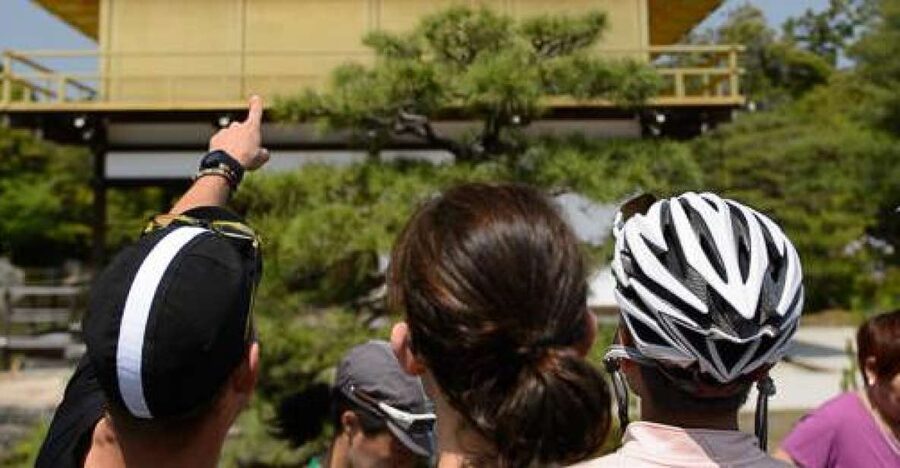
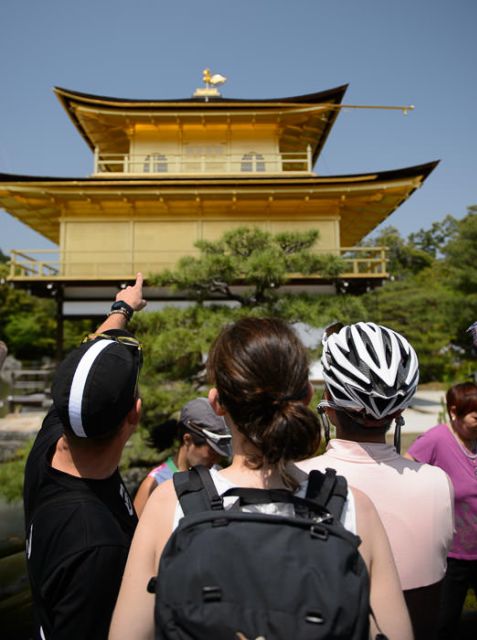
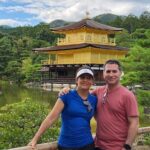
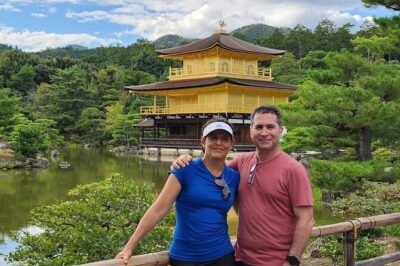
The Golden Pavilion, or Kinkaku-ji, is the obvious headline stop. Its bright exterior reflected in the surrounding pond delivers the picture many people carry in their heads before arriving in Kyoto. The setting is carefully composed, with trees, water, and the shimmering pavilion working together.
The value of seeing it by bike is not that you avoid all crowds. You should still expect this to be one of Kyoto’s popular sights. The benefit is the contrast around it. You arrive as part of a route through quieter streets, then return to a more peaceful rhythm afterward instead of spending the whole day in the busiest tourist zones.
Your entrance fee is included, as are the other attraction admissions on the tour. That makes the $127 price easier to assess, since you are paying for the bike, helmet, guide, admissions, and nearly four hours of organized sightseeing.
Allow yourself time to look beyond the famous golden structure. The temple grounds offer a wider sense of Japanese garden design, where water, clipped trees, stones, and carefully placed buildings create a scene meant to be viewed from different angles.
Zen gardens bring the quiet you may be seeking
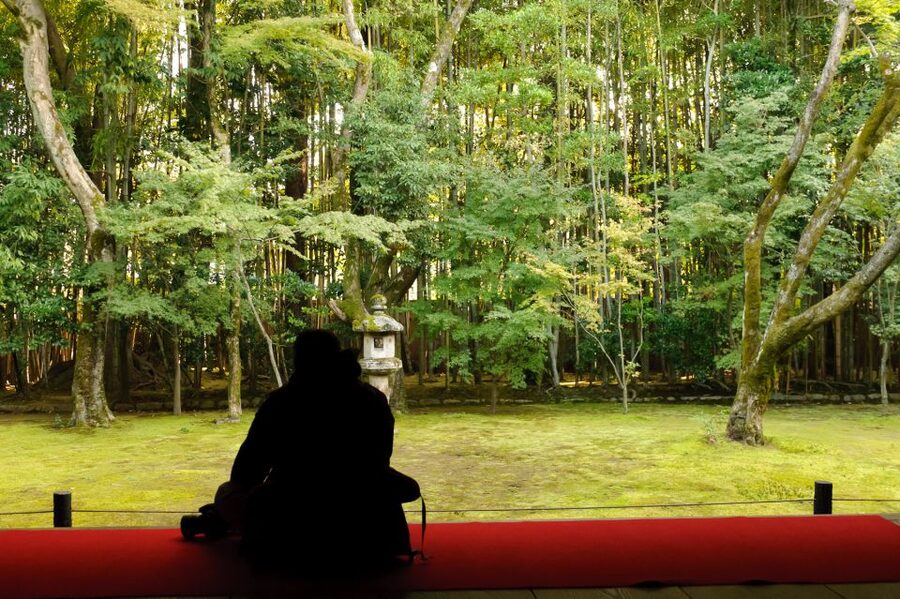
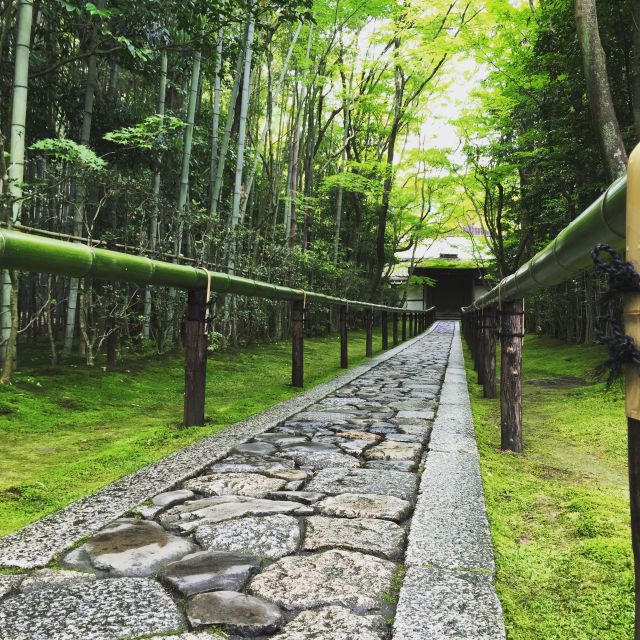
The strongest part of the tour may come after the famous temple. The route moves toward quieter Zen settings, where the mood changes from photographing a landmark to sitting still and paying attention.
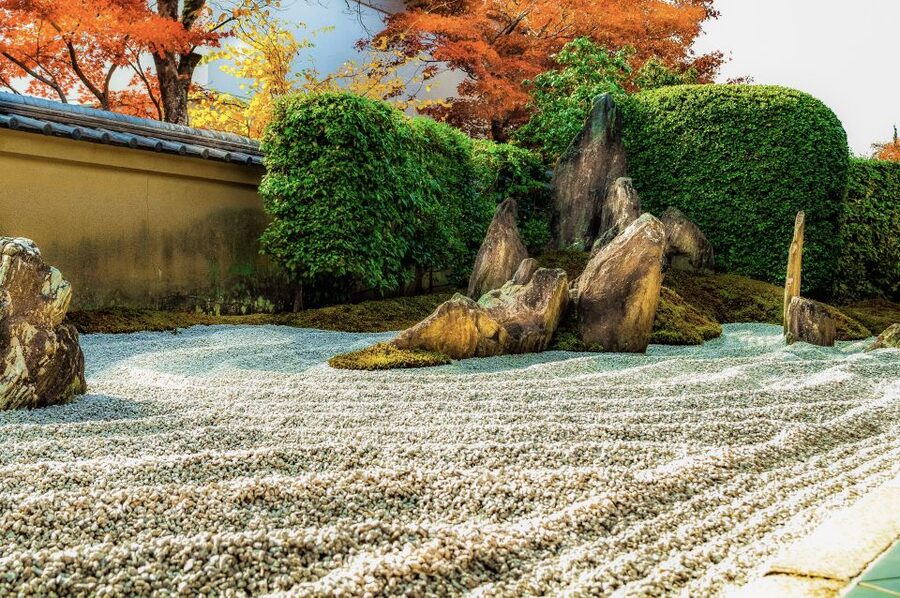
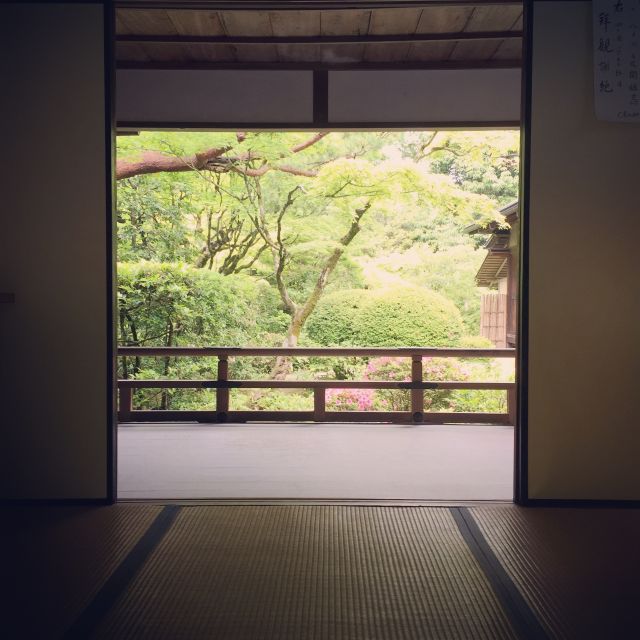
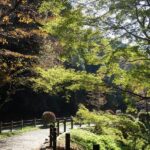
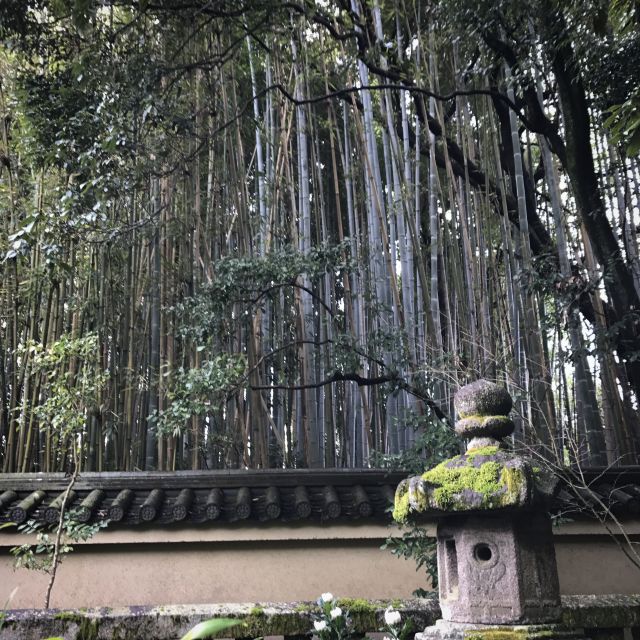
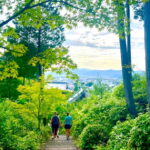
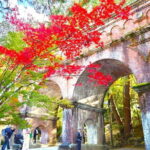
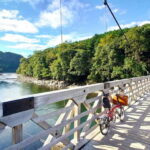
Several stops may include Zen temples, monastery grounds, or gardens reached through less-used roads. One especially praised section takes you toward the hills, where mountain roads and streams replace city noise. The reward is simple: birds, trees, cool air, and time to let your mind slow down.
A guide can make a Zen garden far more meaningful than a quick walk past a dry stone arrangement. Yuta, who has been described as a Zen Buddhist, has led visits that connect the gardens and temple spaces to Zen ideas. Shizuka has also explained Zen philosophy during a temple and tea experience.
You should not expect a long meditation class. This is a sightseeing tour with room to pause. If you want every minute filled with famous monuments, the slower garden stops may feel too quiet. If you want a break from Kyoto’s packed central sights, this is where the tour earns its price.
Old geisha streets show another side of Kyoto
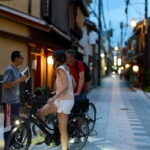
The tour also passes through Kyoto’s oldest geisha district and nearby backstreets. This is useful because Kyoto’s traditional culture is not limited to temple buildings. Narrow lanes, old houses, small businesses, and discreet entrances reveal how the city’s historic neighborhoods still function.
You may be lucky enough to see geisha, though that is not something the tour can promise. One group saw two geisha during its ride. The important point is to treat such encounters with care: keep your distance, avoid blocking lanes, and follow local etiquette.
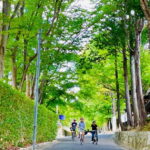
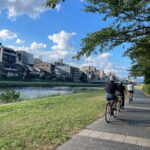
The quieter streets also make the ride more pleasant. Guides have been praised for steering the group away from heavy traffic and for choosing lanes where riders can look around without feeling rushed. That does not mean there is no traffic at all. Kyoto remains a working city, so you need to stay alert at crossings and intersections.
Shrines, temples, and the shrine of knowledge
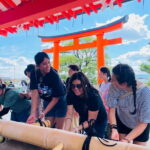
The route includes several religious sites, with visits to both shrines and temples. That distinction matters in Japan. Shinto shrines and Buddhist temples have different traditions, visual details, and rituals, and a good guide helps you notice the difference.
The tour description highlights Kyoto’s shrine of knowledge, along with World Heritage temples and shrines. Exact stops can vary by departure and guide, so you should think of the experience as a themed route rather than a guaranteed checklist of every named site.
That flexibility can work in your favor. Guides have adapted rides to group interests, weather, crowds, and riding comfort. Yuta, Henry, Sean, and Michael have each been praised for explaining the history and culture in an approachable way, while also answering questions and offering ideas for the rest of your Kyoto visit.
The short visits are another practical advantage. You see several places without spending an entire morning inside one complex. One rider specifically liked moving along instead of lingering too long at each stop. The tradeoff is that this tour gives you an introduction to many sites, not an exhaustive study of any single temple.
A few more Kyoto tours and experiences worth a look
Traditional tea, mochi, and a 1,000-year-old café
The food stop adds welcome texture to a tour built around temples. Past groups have stopped at a traditional tea room or a café with a history reaching back 1,000 years. Tea and small sweets may be served, and another highlight has been a family-run mochi establishment.
These details matter because they connect the grand sights with everyday traditions. A golden temple can feel distant and formal. Sitting down with tea or tasting mochi gives you a more grounded sense of Kyoto’s food culture and hospitality.
Do not book this expecting a full meal. The café or sweets stop is a refreshment and cultural pause, not a restaurant visit. If you have allergies or strict dietary needs, ask the supplier before booking, since the available information does not list specific food arrangements.
What the ride feels like on the road
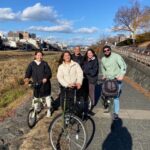
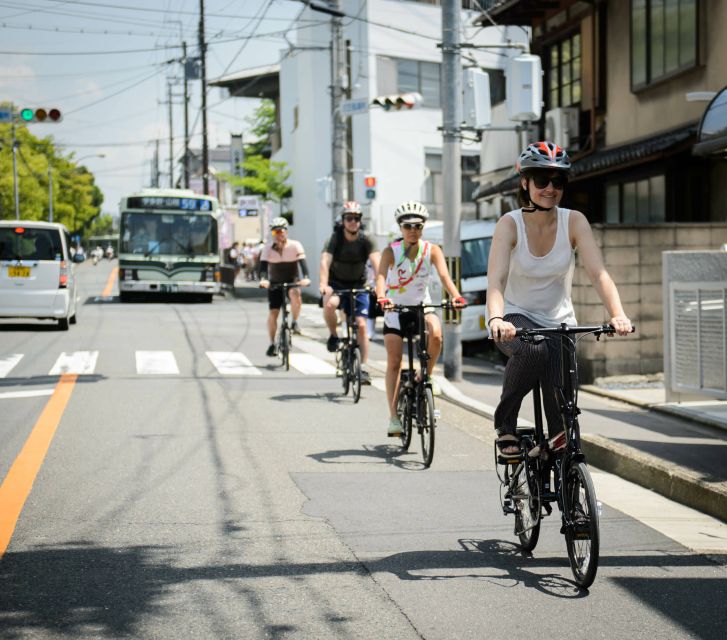
The bikes have been repeatedly praised for being comfortable and well maintained. Electric assistance makes the route approachable for many riders, including families with teenagers and people who do not want a strenuous cycling day.
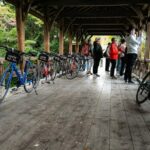
The group size is a major help. With no more than eight participants, the guide can check on everyone, keep the line together, and adjust the pace. Yuta has been praised for stopping to check on riders, providing water, and taking breaks in hot weather. Ponchos have also been available during wet conditions.
You will encounter some riding that deserves attention. Tight bends, a quick descent, cobblestone paths, and a hill require more control than a casual ride along a flat cycle path. The route is designed for people over 13 who can ride a bicycle confidently, not for complete beginners.
If you are uneasy about city cycling, tell the guide at the start. The route uses many side streets, and the guides are accustomed to helping riders feel safe. But you should still know how to brake, steer, stop at lights, and manage a bicycle around other road users.
Guides are the heart of the experience
The bike is useful, but the guide determines how much you take away. The named guides include Yuta, Henry, Sean, Michael, Shawn, and Shizuka. You cannot assume which person will lead your departure, but the range of strong guide feedback is reassuring.
Yuta’s style appears especially suited to visitors who want religious and cultural context. He has explained Zen Buddhism, temple customs, Japanese social rules, Kyoto’s past, and the city’s modern life. Henry has been praised for mixing major sights with small local places and for giving restaurant and festival suggestions after the ride.
Sean has guided groups through wet weather, busy holiday periods, and quieter lanes. Michael has been praised for making history personal and entertaining. Shawn has been noted for remembering names and giving clear explanations, while Shizuka has brought a thoughtful perspective to Zen philosophy and tea.
The English-language guiding is a clear part of the value. You are not just following a route and taking photos. You have someone explaining why a shrine matters, how a neighborhood developed, and what you are seeing beyond the surface.
Is $127 a fair price?
At $127 per person, this is not Kyoto’s cheapest way to see temples. You are paying a premium for a small group, electric bicycle, helmet, English-speaking guide, entrance fees, and a 225-minute route that covers ground efficiently.
The value improves if you would otherwise pay for several individual admissions, rent bikes, navigate unfamiliar roads, and work out how to connect the sights yourself. The guide also saves planning time and helps you reach quieter places that may not appear on a standard first-day itinerary.
The value is weaker if you already know Kyoto well, prefer independent cycling, or mainly want to visit one or two specific temples at your own pace. The tour moves between several stops, so you will not have unlimited time at each one.
I see it as a strong choice for people who want one active half-day with transport, interpretation, and a taste of local neighborhoods folded together. The high rating, 4.9 from 196 bookings, supports the idea that the format works well, though your enjoyment will still depend on comfort with cycling and the guide assigned to your group.
Timing, weather, and booking details
There are three departure times: 9:00 am, 9:30 am, and 1:00 pm. The afternoon option works well if you have a slow morning or want to use the tour as an introduction on your first day. The morning departures leave more time afterward for dinner or another Kyoto sight.
Meet at NORU and arrive 15 minutes before departure. This warning matters. Missing the start can mean missing the entire tour, and no-shows are not refundable.
The cancellation terms provided are inconsistent, listing both 24 hours and 12 hours before departure for a full refund. Confirm the exact deadline at booking, and cancel as soon as you know your plans have changed. The supplier can cancel for heavy rain, storms, or other bad weather, with a full refund in that case.
Bring practical clothing for the season, and remember that a sunny day can feel hotter once you are riding. Water has been provided on some departures, but you should not rely on that without checking. The supplier provides the bicycle and helmet, but no other personal equipment is listed.
Who should book this Kyoto ride?
You should book it if you enjoy seeing a city in motion. It suits families with confident teenagers, couples, active solo visitors, and repeat Kyoto visitors who want something beyond the standard temple circuit.
It is especially useful early in a trip. You will get a feel for different parts of Kyoto, hear recommendations for later meals and sightseeing, and learn how the city fits together geographically. Repeat visitors may appreciate it even more because the route spends time away from the most familiar stops.
Think twice if you dislike cycling, have limited balance, or want a slow, fully guided walk. The electric motor helps with stamina, but it does not remove the need to ride safely. Anyone below 140 centimeters cannot take part.
Should you book the City Secrets eBike Tour?
I would book this tour if you want Kyoto’s famous sights plus its quieter side, and if you are comfortable on a bicycle. The best features are the small group, strong English-speaking guides, electric bikes, Zen garden pauses, and side streets that give the city room to breathe.
I would not make it your only Kyoto sightseeing plan if you are visiting for the first time and have a long list of major temples. Pair it with a traditional walking tour or independent day at the big sights. For a return visit, or for an active first look at Kyoto, this 225-minute ride offers excellent variety and a more personal view of the old capital.
FAQ
Where does the Kyoto City Secrets eBike Tour meet?
The meeting point is NORU in Kyoto.
How long does the tour last?
The tour lasts 225 minutes, or three hours and 45 minutes.
How far do you ride?
The planned e-bike route covers about 9 kilometers.
What departure times are available?
Departures are scheduled for 9:00 am, 9:30 am, and 1:00 pm. Check availability for the date you want.
What is included in the price?
The price includes an English-speaking guide, an e-bike, a helmet, and entrance fees to the attractions visited.
How many people are in each group?
The tour is a small-group experience limited to eight participants.
Is the tour suitable for children?
Riders must be over 13 and able to ride a bicycle confidently. The tour is not suitable for anyone under 140 centimeters.
What happens if bad weather cancels the tour?
The supplier may cancel because of heavy rain, storms, or other severe weather. Weather cancellations receive a full refund.
How early should I arrive, and what happens if I am late?
Arrive 15 minutes before your scheduled departure. Missing the departure can make the booking non-refundable, and you may need to rebook. Cancellation information lists both 12 and 24 hours as refund deadlines, so confirm the exact policy when you reserve.
More Cycling Tours in Kyoto



More E-Bike Tours in Kyoto
More Kyoto Cycling Tours in Kyoto
More tours in Kyoto we've reviewed




Kyoto Cycling Tours, compared.
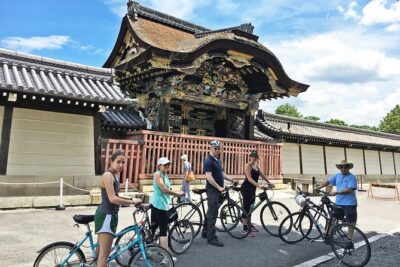 ★ 5.0Bike Tour Exploring North Kyoto plus LunchFrom $106
 ★ 5.05 Top Highlights of Kyoto Full Day Bike Tour (E-bike option)From $172
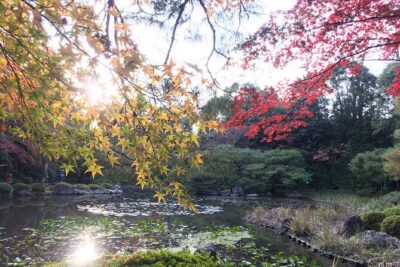 ★ 5.0E-Bike Tours of the highlights of Kyoto!!!From $109
 ★ 5.0Afternoon Kyoto Bike Tour: Bamboo Forest, Monkeys & Hidden SpotsFrom $106
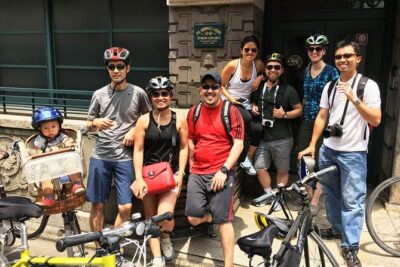 ★ 5.0South Kyoto in a Nutshell: Gentle Backstreet Bike Tour!From $79
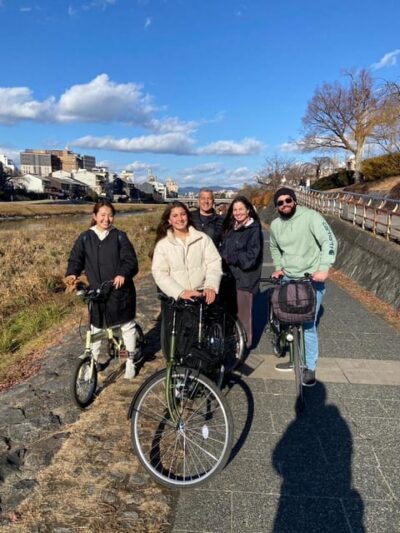 ★ 4.9Kyoto: Hidden Gems E-Bike Tour with Local Japanese GuideFrom $753h 30m
 ★ 5.0Pedal Adventure Kyoto’s iconic landmarks on an e-bike tourFrom $86
 ★ 5.0Historical Kyoto E-Bike TourFrom $99
Browse the lists this tour appears in