
Reviewed · KYOTO CYCLING TOURS
Kyoto: Higashiyama Slow Cycling Tour along the quiet waterfront
Kyoto’s best cycling often happens away from its famous lanes. This four-hour ride follows the Kamo River and Lake Biwa Canal, then slips through quiet streets toward shrines, temples, and old waterworks. The compact Brompton bicycles suit a gentle pace, not a race.
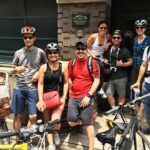
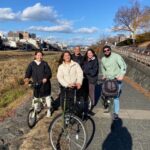
I like the small maximum group of six, which makes it easier to stop for photos and ask questions. I also like the route’s mix of nature, religious sites, and modern Kyoto engineering, especially the brick aqueduct at Nanzenji. The main consideration is the price: at $129 per person, you are paying for a private-feeling experience and local guidance rather than simple bike hire.
In This Review
- Key points to know before you book
- Why slow cycling works so well in Kyoto
- Starting beside the Kamo River at Demachiyanagi
- Quiet woodland at Shimogamo Shrine
- Following the canal on the Philosopher’s Walk
- Nanzen-ji and the brick aqueduct
- Industrial history at Keage Incline
- Finishing among the open grounds of Kyoto Gyoen
- Food, flexibility, and what is not included
- Is $129 a fair price for four hours?
- Who should book this Kyoto bike tour?
- Should you book it?
- FAQ
- Where does the Kyoto cycling tour begin?
- What time does the tour start?
- How long is the experience?
- How far do you cycle?
- What equipment is included?
- Is food included?
- What happens if the weather is poor?
Key points to know before you book
- Ride about 12 kilometers: The pace is described as slow, making this more of a sightseeing outing than a fitness challenge.
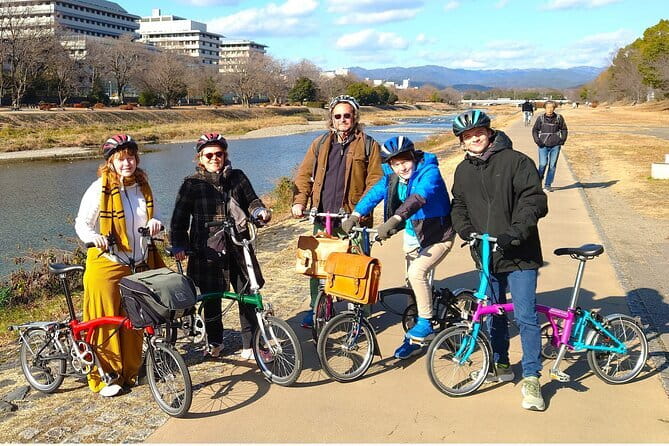
- Use a Brompton bicycle: Bike rental, helmets, and bags for wheeled transport are provided.
- See Kyoto through its water: The Kamo River, Lake Biwa Canal, aqueduct, and Keage Incline give the day a clear theme.
- Visit seven notable stops: The route includes Shimogamo Shrine, the Philosopher’s Walk, Nanzen-ji, and Kyoto Gyoen.
- Keep the group small: No more than six people take part, with an exclusive navigator.
- Allow for a little extra cost: Insurance is 500 yen, and food, drinks, and the Nanzen-ji admission fee are not included.
Why slow cycling works so well in Kyoto
Kyoto can be tiring on foot. Its major sights are spread across a broad city, and a day of temples can turn into a long march between crowded roads. A bicycle lets you cover more ground while still moving slowly enough to notice the water, trees, side streets, and small changes in the city.
This tour is designed around that idea. You ride approximately 12 kilometers, but the scheduled stops take up most of the four-hour outing. The point is not to pedal hard. It is to connect several parts of eastern and northern Kyoto at a manageable speed.
I would especially consider this tour if you are curious about cycling but do not think of yourself as particularly fit. The information provided calls for a moderate level of physical fitness, so this is not entirely effortless. Still, the slow pace makes it more approachable than a standard sightseeing bike tour.
The Brompton format is part of the appeal. These stylish folding bicycles are compact and practical, and the tour supplies the main riding equipment. Helmets and bags for wheeled transport are included, so you do not need to arrange a rental separately or bring cycling gear.
The ride also gives you a way to reach places that are less convenient to connect by public transport. You are not simply checking off temples. You are moving between them along Kyoto’s waterways, with a navigator who can point out quieter alternatives and local places along the way.
A few more Kyoto tours and experiences worth a look
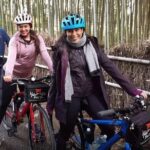
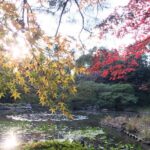
Starting beside the Kamo River at Demachiyanagi
The meeting point is outside Demachiyanagi Station, at 32-1 Tanaka Kamiyanagicho in Sakyo Ward. The tour begins at 10:00 a.m. and finishes back at the same meeting point, which keeps the day simple if you have evening plans elsewhere in Kyoto.
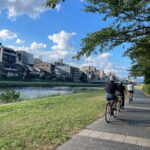
The first stop is the Kamo River, one of the city’s defining natural features. It runs through central Kyoto, offering an open stretch of water and greenery amid the urban setting. You have about 15 minutes here, enough to get comfortable on the bike and take in the river before moving on.
I like this as a starting point because it gives you a clear sense of the tour’s theme. Kyoto is not only a city of temples and wooden streets. Its rivers and canals have shaped how people travel, build, work, and relax here.
The exact route can be arranged around your wishes. That flexibility matters if you have already visited one of the listed sights or want to spend more time taking photographs. You should discuss your priorities with the navigator at the start, since the published stops provide a framework rather than a rigid promise that every pause will feel identical.
Quiet woodland at Shimogamo Shrine
From the river, the route goes to Shimogamo Shrine, a UNESCO World Heritage Site near the Kamo River delta. The visit includes about 45 minutes, giving you more time here than at the opening riverside stop.
The shrine’s Tadasunomori forest is a major reason to pause. Sunlight filters through the trees, creating a calm setting before you even focus on the shrine buildings. After city streets and river paths, the wooded approach gives the ride a welcome change of pace.
I would plan to use this stop for atmosphere rather than a rushed checklist. The forest is part of the experience, and the longer timing lets you look around without treating the shrine as a quick photo stop.
There is no admission charge listed for Shimogamo Shrine. As with the other outdoor and shrine stops, you should still follow local etiquette and keep the bicycle parked as directed by the navigator.
Following the canal on the Philosopher’s Walk
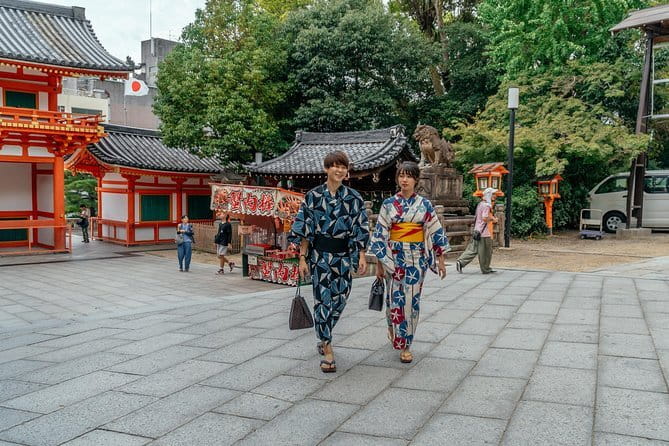
The Philosopher’s Walk follows the Lake Biwa Canal along the foot of Mount Higashiyama. Its name comes from philosophers who walked here in thought, and the path remains one of Kyoto’s more reflective routes.
You have approximately 30 minutes here. That is enough for a measured ride and a short look around, though it is not a long walking visit. The canal gives the tour a useful thread: water is not just scenery, it is part of the city’s infrastructure and daily shape.
The path can also be a good place for photos with the Brompton bicycle. The bikes are one of the tour’s visual pleasures, and the route’s greenery and water provide a more relaxed backdrop than a crowded temple entrance.
You should not expect to cycle every inch of every path at speed. Some sections may be better suited to walking the bike or proceeding carefully, depending on conditions and other people using the route. The tour’s slow approach is an advantage here.
Nanzen-ji and the brick aqueduct
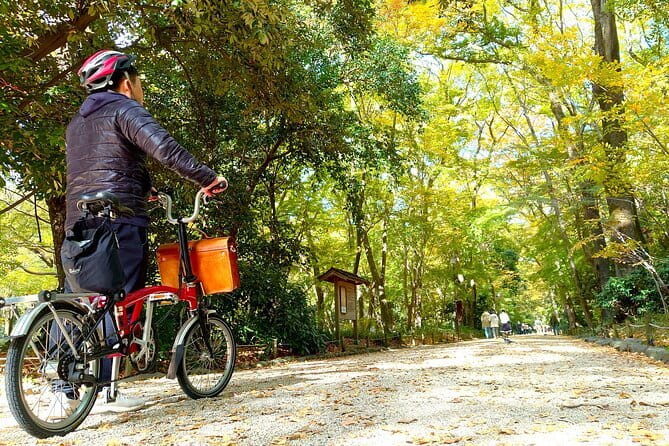
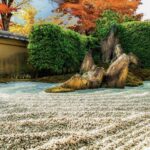
Nanzen-ji is one of Japan’s most prestigious Rinzai temples. Its Sanmon Gate is famous and has a connection to Kabuki plays, while the temple grounds are also known for their gardens.
The planned visit lasts about 30 minutes. That is enough to appreciate the major visual features, but it may feel brief if you want a detailed temple visit or plan to pay for an interior garden. Admission to Nanzen-ji is not included, so bring extra money if you want to enter any area requiring a fee.
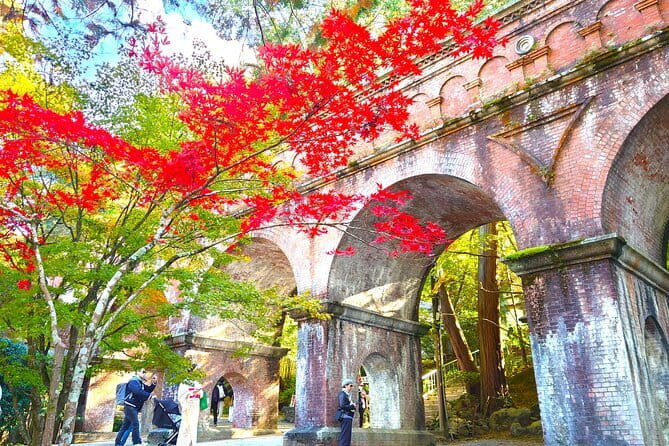
The next stop, Nanzenji Suirokaku, is especially interesting because it shifts the focus from religious heritage to public works. The brick aqueduct carries the Lake Biwa Canal and played an important role in Kyoto’s modernization during the Meiji era. It remains in use today.
You get another 30 minutes at the aqueduct. I find this pairing of temple and engineering site one of the strongest parts of the route. It shows two sides of Kyoto at once: an older sacred center and the infrastructure that helped the city adapt to a modern age.
The aqueduct is also a practical reminder that canals are not decorative additions. They brought water and transport links into the city, helping Kyoto grow and change. A guide can give this structure a meaning that you might miss if you only stop for a photograph.
Other cycling tours in Kyoto


Industrial history at Keage Incline
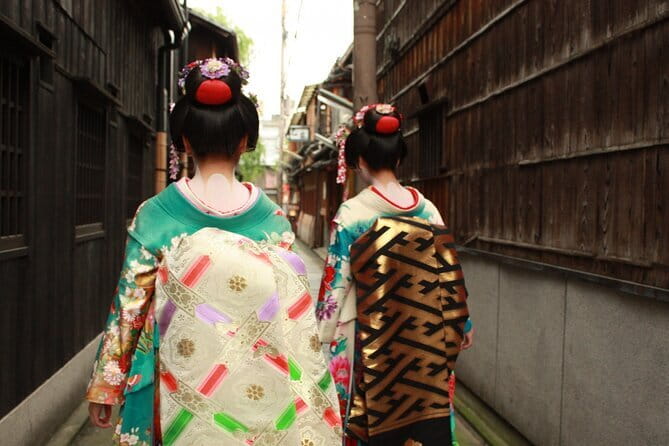
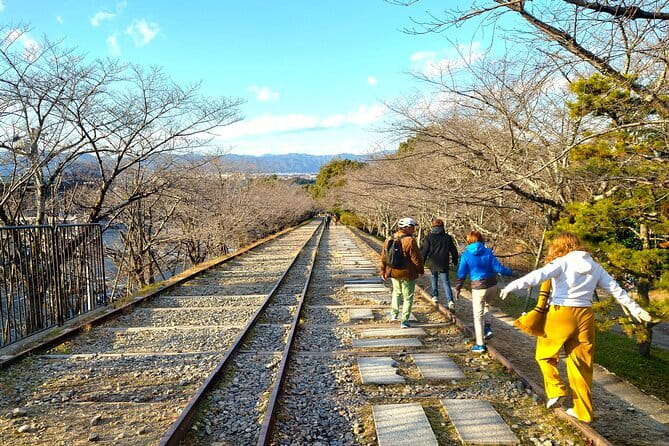
Keage Incline is another Lake Biwa Canal site. The preserved incline railway formed part of the route used to move boats and is now an industrial heritage attraction.
The visit lasts about 30 minutes. Cherry trees line the area, making it particularly attractive during blossom season, though the tour information does not promise a particular seasonal display. The incline adds another layer to the water story, showing how Kyoto once handled the change in elevation along the canal route.
This stop should suit you if you like places where history is visible in practical structures rather than only in statues, gates, and gardens. It also gives the day some variety after the shrine and temple visits.
The area can be used for photographs, but remember that the tour is still moving through a full route. If you want to linger at Keage Incline, tell the navigator early so the route can be adjusted according to your wishes.
Finishing among the open grounds of Kyoto Gyoen
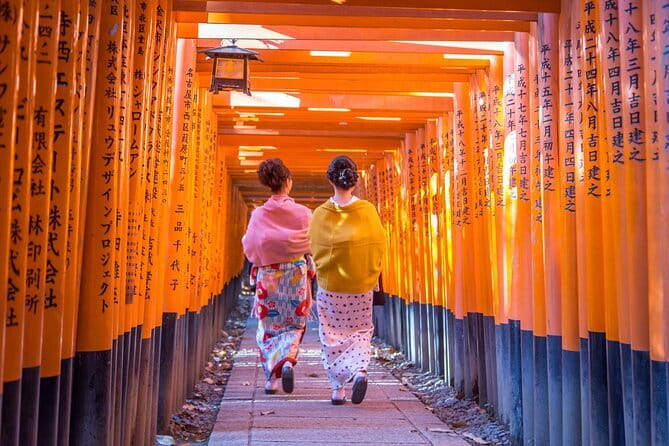
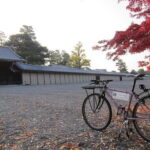
The final listed stop is Kyoto Gyoen National Garden, where you have about one hour. The grounds surround the Kyoto Imperial Palace, once the residence of Japan’s emperor until the middle of the 19th century.
An hour is the longest scheduled pause of the day. That makes sense after several shorter stops, since the garden offers room to slow down, take photos, and absorb the scale of the former imperial area.
I would view Kyoto Gyoen as a spacious finish rather than a final must-see monument. The open grounds provide a contrast to the canal paths, forest, and temple structures earlier in the ride. You end the outing with more room to breathe before returning to Demachiyanagi Station.
The tour ends where it begins. That is useful if you have stored luggage, another activity planned nearby, or simply want a clear finish without arranging a separate pickup.
Food, flexibility, and what is not included
The navigator can suggest restaurants for lunch according to your wishes. Snacks are not included, so you should plan to buy food separately or ask for a recommendation during the ride.
This is a useful feature because food can be hard to fit into a four-hour sightseeing schedule. You are not promised a meal or tasting, but you can ask for local specialty shops and lunch ideas that fit your interests and timing.
The ability to adjust the route is another practical benefit. You might prefer more time at the shrines, more canal scenery, or a shorter stop at a place you have already seen. The tour description says the course can be arranged according to your wishes, but you should raise those requests before the cycling begins.
The 500-yen insurance fee is separate. The Nanzen-ji admission fee is also not included, and snacks are extra. These costs are modest compared with the main price, but they are worth remembering when you set your day’s budget.
Is $129 a fair price for four hours?
At $129 per person, this costs considerably more than renting a bicycle and following a map. The value comes from the small group, the exclusive navigator, the equipment, the route planning, and the chance to connect several distant areas without working out the logistics yourself.
The group maximum is six, which is important. A small group can stop more easily, keep the pace relaxed, and make it practical to discuss route changes. It also gives the experience a more personal feel than a large cycling procession.
I would consider the price fair if you want local route knowledge and a gentle, organized introduction to Kyoto by bike. I would be less likely to book it if you are already comfortable cycling around Kyoto, have your own bicycle, or mainly want independent time at each temple.
The tour is also booked an average of 35 days ahead, so you should not leave it until the last minute if your dates are fixed. Confirmation is sent within 48 hours of booking, subject to availability, and mobile tickets are available.
Who should book this Kyoto bike tour?
I would recommend it to first-time visitors who want to see several parts of Kyoto without spending the day on buses and crowded sidewalks. It also suits repeat visitors who have already seen the major central sights and want quieter waterfront routes and canal history.
People who are unsure about their fitness may find the slow pace appealing, but you still need a moderate physical fitness level. Cycling for four hours, even with stops, is different from a walking tour, and you should be comfortable spending a substantial part of the morning on a bicycle.
The tour is a good match for photographers, couples, small groups, and anyone who likes a mix of natural scenery, sacred sites, and practical history. It may be less suitable if you want a fast ride, a long temple lecture, or a food-focused outing.
The available rating is 5 out of 5 from 10 ratings, with a 100 percent recommendation figure. That is a small sample, so I would treat it as encouraging rather than final proof, but it fits the tour’s strongest qualities: quiet lanes, riverside paths, local route choices, and access to calm alternatives when the main sights feel too crowded.
Should you book it?
Book this tour if you want Kyoto to feel spacious and connected. The best reason to choose it is not simply the bicycle. It is the way the ride links the Kamo River, Shimogamo Shrine, the canal, Nanzen-ji, Keage Incline, and Kyoto Gyoen into one manageable morning.
Skip it if you want the cheapest way to rent a bike or prefer to spend a full hour or more inside each major temple. At $129, this is a guided experience with a small group, not basic transportation.
For the right person, the route offers a smart balance: enough distance to see more of Kyoto, enough stops to keep the pace gentle, and enough flexibility to shape the day around your interests.
FAQ
Where does the Kyoto cycling tour begin?
The tour begins at Demachiyanagi Station, at 32-1 Tanaka Kamiyanagicho, Sakyo Ward, Kyoto, 606-8205, Japan.
What time does the tour start?
The scheduled start time is 10:00 a.m.
How long is the experience?
The tour lasts approximately four hours.
How far do you cycle?
The route covers approximately 12 kilometers.
What equipment is included?
The bicycle rental, helmets, and bicycle equipment such as bags for wheeled transport are included.
Is food included?
No. Snacks are not included, but the navigator can suggest restaurants and local specialty shops for lunch according to your wishes.
What happens if the weather is poor?
The tour requires good weather. If it is canceled because of poor weather, you can choose a different date or receive a full refund.
More Cycling Tours in Kyoto
More Kyoto Cycling Tours in Kyoto
More tours in Kyoto we've reviewed


Kyoto Cycling Tours, compared.
 ★ 5.0Bike Tour Exploring North Kyoto plus LunchFrom $106
 ★ 5.05 Top Highlights of Kyoto Full Day Bike Tour (E-bike option)From $172
 ★ 5.0E-Bike Tours of the highlights of Kyoto!!!From $109
 ★ 5.0Afternoon Kyoto Bike Tour: Bamboo Forest, Monkeys & Hidden SpotsFrom $106
 ★ 5.0South Kyoto in a Nutshell: Gentle Backstreet Bike Tour!From $79
 ★ 4.9Kyoto: City Secrets eBike TourFrom $1273h 45m
 ★ 5.0Pedal Adventure Kyoto’s iconic landmarks on an e-bike tourFrom $86
 ★ 4.9Kyoto: Hidden Gems E-Bike Tour with Local Japanese GuideFrom $753h 30m
Browse the lists this tour appears in