
Reviewed · KYOTO CYCLING TOURS
Pedal Adventure Kyoto’s iconic landmarks on an e-bike tour
Kyoto makes you work for its best moments on foot, but an e-bike lets you cover far more ground without turning the day into a march. This four-hour ride links Gion, Fushimi Inari, and Tōfuku-ji with quiet lanes, neighborhood streets, and a pleasant river route. Guides Maki and Mika add the local stories that turn gates, shrines, and temple details into something you can understand.
I like the mix of famous sights and quieter corners, and I like that the group is capped at eight people. Baskets, helmets, water, and snacks make the ride easy to manage. The main consideration is weather: Kyoto heat can be tough, and rain can cancel the tour. You should also feel comfortable riding a bicycle in city traffic.
In This Review
- Key points at a glance
- Why an e-bike works so well in Kyoto
- Starting near Shōgoin and getting set up
- Gion and the world of geisha
- Higashiyama, a quieter temple stop, and a snack
- Fushimi Inari and its famous gates
- Tōfuku-ji and the ride beside the Kamogawa River
- The guiding style makes the difference
- What the $86.22 price really buys you
- Heat, rain, and riding comfort
- Who should book this Kyoto ride
- Should you book Pedal Adventure Kyoto?
- FAQ
- How long does the e-bike tour last?
- Where does the tour start?
- Where does the tour finish?
- Which sights are included?
- Is bicycle equipment provided?
- Are food and drinks included?
- How many people can join the tour?
- What happens if the weather is poor?
Key points at a glance
- Four hours on an e-bike: Cover several historic parts of Kyoto with electric assistance and very few demanding hills.
- A smart route: Combine Gion and Fushimi Inari with smaller lanes, local neighborhoods, Higashiyama, Tōfuku-ji, and the Kamogawa River.
- Personal guiding: Maki, the owner and guide, and Mika are praised for clear English, humor, cultural explanations, and thoughtful pacing.
- Small group size: A maximum of eight people keeps the ride more personal and makes it easier to ask questions.
- Practical extras included: You get the bicycle, helmet, bottled water, snacks, and an English-speaking route coordinator.
- Good value at $86.22: The price covers about four hours of guiding, equipment, several major sights, and access to parts of Kyoto that are awkward to reach in one short walk.
Why an e-bike works so well in Kyoto
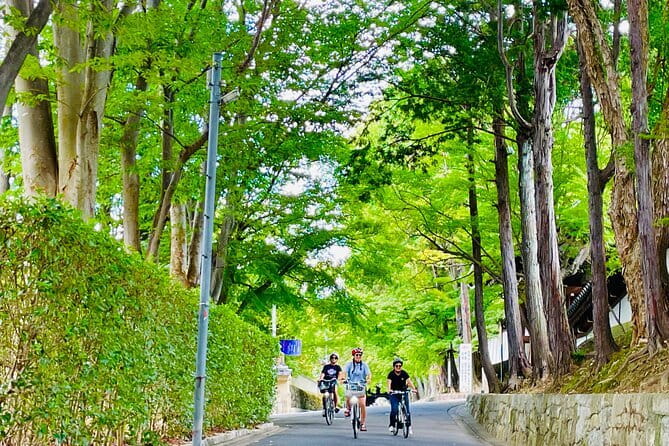
Kyoto is laid out broadly enough that walking between its major areas can eat up much of your day. Public transport helps, but trains and buses do not give you the same feel for the small streets between the sights. On a bicycle, you see homes, shopfronts, riverbanks, narrow lanes, and ordinary corners that are easy to miss from a vehicle.
The electric motor matters most when you are tired, riding in warm weather, or trying to keep up with a group. Several people found the bikes comfortable and easy to handle, with enough power for the route. The ride is described as mostly flat, so this is not a mountain-bike challenge. Still, an e-bike remains a bicycle. You need to steer, brake, watch traffic, and follow your guide’s hand signals.
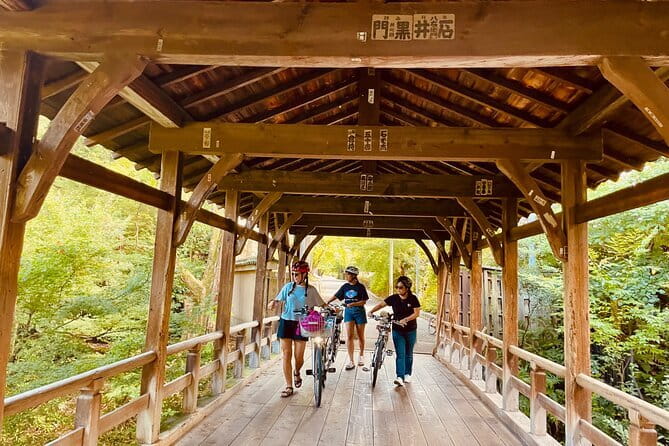
I especially like the route’s variety. You are not simply being taken from one famous entrance to another. The ride includes larger roads, side streets, scenic paths, neighborhood lanes, and a riverbank return. That changing scenery gives you a better sense of how Kyoto works as a living city, not just as a collection of monuments.
A few more Kyoto tours and experiences worth a look

Starting near Shōgoin and getting set up
The meeting point is 19 Shōgoin Higashimachi in Sakyo Ward, Kyoto, 606-8325, near public transportation. The tour ends at the same place, which makes planning easier if you are carrying luggage or have a later reservation elsewhere.
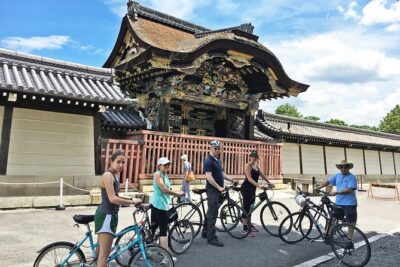
You will be fitted with an e-bike and helmet before setting off. The equipment includes a basket, a useful touch if you want to carry a small backpack, jacket, or other light items. Bottled water and snacks are included, so you do not need to begin by hunting for a shop.
The first ride takes about ten minutes. That short opening stretch gives you time to settle into the bike before the sightseeing begins in earnest. I would use it to check the seat, brakes, electric assistance, and basket. If anything feels wrong, tell the guide at once rather than waiting until you are on a busy street.
The group limit of eight is a real advantage. A large bike group can become a slow-moving line, with people at the back missing both traffic instructions and commentary. A smaller group lets the guide keep an eye on everyone and adjust the pace. Maki is also the owner and current guide, which gives the operation a direct, personal feel. Mika is another guide named in the tour details and is praised for her English and local perspective.
Gion and the world of geisha
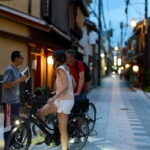
After the short opening ride, you spend about ten minutes in Gion. This is one of Kyoto’s most recognizable historic districts, known for traditional streets and geisha culture. The stop is brief, so think of it as an introduction rather than a full Gion walk.
That short timing is sensible on a bicycle tour. Gion’s appeal comes from its atmosphere and details, but the streets can be busy and narrow. Your guide can point out what you are seeing and explain the difference between geisha and maiko traditions, subjects that come up often during the tour. Maki and Mika are also able to connect these customs with personal and family stories, giving the explanation a human scale.
Please keep your expectations in check. This stop is not designed for a long photo session or a detailed visit to every lane. The value is in getting context early, then moving on before the route becomes repetitive. You will have other chances to ask about Japanese customs, etiquette, and daily life as the ride continues.
Higashiyama, a quieter temple stop, and a snack
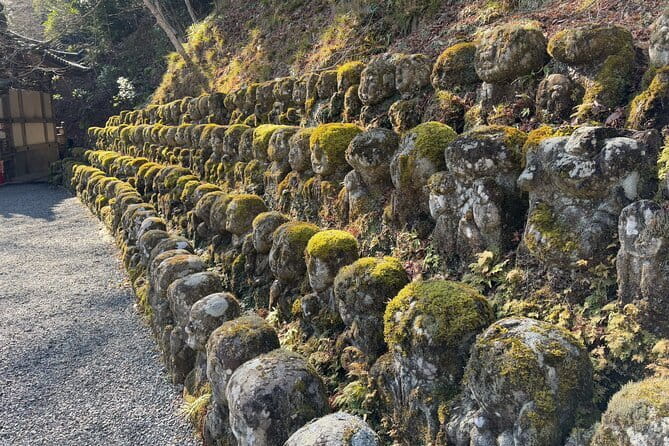
The group then rides for roughly fifteen minutes to the Higashiyama area. You spend about fifty minutes here, making it the longest stop on the route. Your guide takes you to a temple with lesser-known details, followed by a quick snack.
This is where the tour’s local focus becomes clearest. Kyoto has no shortage of major temples, but a guide can help you notice the meaning behind gates, statues, offerings, and ritual spaces. The tour covers Buddhism and Shinto, and the explanations are tied to visible customs rather than delivered as a string of dates.
You might hear about the ways the two traditions appear in everyday Japanese life, along with subjects such as samurai culture, shrine practices, and common etiquette. Guides also explain details you might otherwise walk past, including objects found outside homes and in the street. That kind of observation is one of the strongest reasons to choose a guided ride instead of simply renting a bicycle.
The snack break is modest but useful. Four hours of riding and sightseeing can leave you hungry, especially in summer. Lunch is not included, so plan a proper meal before or after the tour. The included snack is best viewed as a boost, not a replacement for lunch.
Fushimi Inari and its famous gates
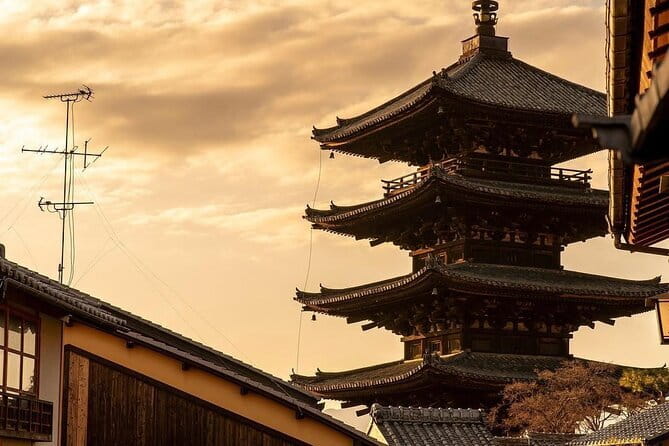
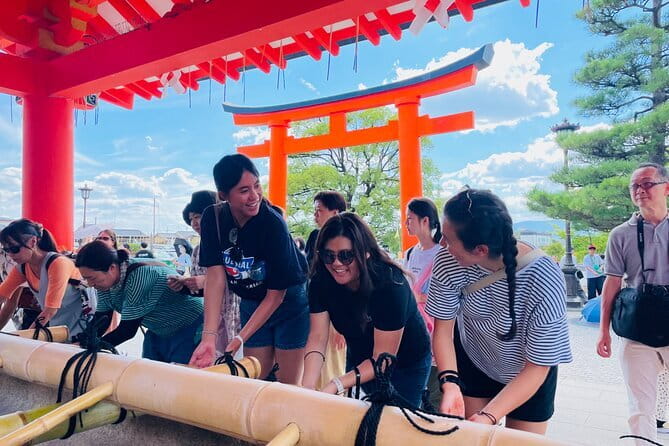
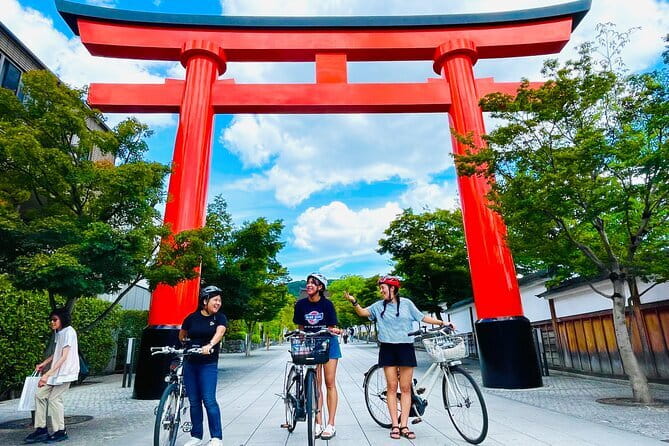
Fushimi Inari-taisha is the route’s headline sight. You spend about forty minutes at the shrine, including time around its famous rows of gates. The vermilion gates are one of Kyoto’s defining images, but a guide can give you more than a photo stop by explaining Shinto customs and the role of the shrine.
Forty minutes is enough to see an important section and get an introduction, though it is not enough to walk the full mountain path. Keep that distinction in mind when comparing this tour with a dedicated Fushimi Inari visit. If you want a long uphill hike through the gates, you will need separate time on another day.
The bicycle helps here because the shrine is paired with several other parts of the city. You get a clear look at Fushimi Inari without spending the entire morning or afternoon on one location. The stop also works well after the quieter Higashiyama visit: first you see a less obvious temple setting, then one of Kyoto’s most famous religious sites.
Your guide can explain how to behave at a shrine, what certain objects mean, and how Shinto differs from Buddhism. That background gives the visit more purpose. You are not required to arrive with any prior knowledge, and the tour is designed for questions.
A few more Kyoto tours and experiences worth a look
Tōfuku-ji and the ride beside the Kamogawa River
After Fushimi Inari, it is about ten minutes by bicycle to the Tōfuku-ji temple complex. The stop lasts around twenty minutes, so it is shorter than Higashiyama and Fushimi Inari. You should expect an exterior or introductory visit rather than an extended temple study.
Tōfuku-ji adds another important religious site to the day and rounds out the discussion of Kyoto’s temple culture. The shorter stop keeps the overall ride moving, which matters because the best part of this tour is the combination of cycling and sightseeing rather than standing in one place for hours.
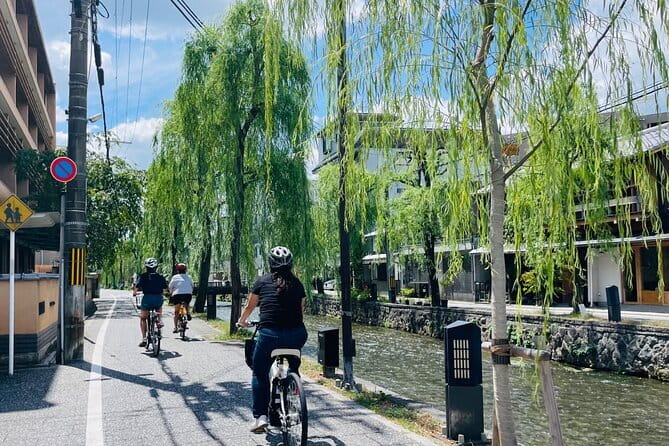
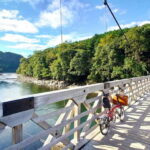
From there, the group follows the Kamogawa River back toward the starting point. This return leg is one of the most appealing parts of the route. After city streets and shrine grounds, the river path gives you room to breathe and enjoy the ride. It is also a chance to see Kyoto from a different angle, with less emphasis on monuments and more on the city’s everyday rhythm.
The river route is scenic, but conditions can vary. Rain may make paths slippery or force a change in plans. In hot weather, shade and water become important. One family found the guide especially attentive during severe August heat, with water, rest stops, and cooling body spray. That level of support is useful, but you should still bring any extra hydration you personally need.
The guiding style makes the difference
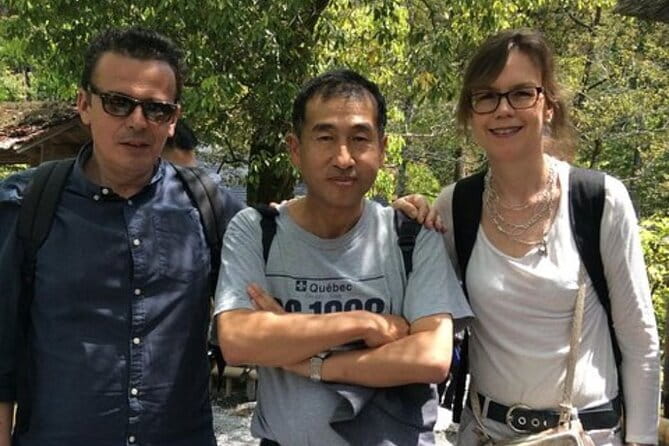
A bicycle tour can be little more than a moving checklist if the guide does not explain what you are seeing. Here, the guiding is the main reason the experience earns its price. Maki is described as lively, funny, patient, and deeply familiar with Kyoto. Mika is praised for her clear English and her ability to connect Japanese customs with family experience.
The subject range is broad but practical. You can ask about geisha and maiko, Buddhism, Shintoism, samurai, shrine rituals, temple customs, food etiquette, and daily life. The tour can also explain small points that may otherwise seem puzzling, such as why chopsticks should not be used to pass food directly from person to person.
I like that the guiding appears conversational rather than rigid. The guide asks for feedback during the ride and can adjust pacing to the group. That matters if one person wants more history, another wants more riding, or the weather changes during the morning.
Safety is another strong point. The guide uses regular hand signals while riding and pays attention to group comfort. That does not eliminate the need for care, but it is reassuring for families and for anyone who is unsure about cycling in an unfamiliar city.
What the $86.22 price really buys you
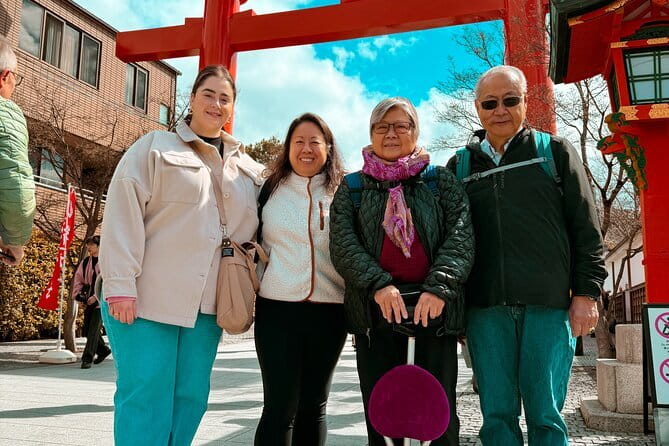
At $86.22 per person, this is not the cheapest way to see Kyoto. You could visit some temples by public transport for less, and you could rent a bicycle independently at a lower daily cost. Those options also require you to plan the route, find the sights, manage navigation, and supply your own cultural context.
The tour’s value comes from combining several services in one morning or afternoon:
- An e-bike with a basket
- Helmet use
- Bottled water
- Snacks
- An English-speaking guide
- A route linking four distinct areas
- A group capped at eight people
- A return to the original meeting point
The price makes the most sense if you want an active introduction to Kyoto and would otherwise book separate transport or guiding. It is also a good fit for a first visit, when a well-planned route can help you understand the city’s layout quickly.
The value is weaker if you dislike bicycles, want long indoor temple visits, or prefer to explore one neighborhood at a very slow pace. You are paying for movement, local explanation, and variety. If you mainly want quiet contemplation at Fushimi Inari or Tōfuku-ji, a slower walking visit may suit you better.
Heat, rain, and riding comfort
Kyoto can be brutally hot in summer. The e-bike reduces effort, but it does not remove the heat. Wear light clothing, use sun protection, and bring extra water beyond the bottle supplied. An electrolyte drink can be useful in August, particularly if you do not handle humidity well.
The tour requires good weather. If poor weather causes cancellation, you are offered another date or a full refund. You can also cancel for a full refund up to 24 hours before the start time. Changes or cancellations made inside that 24-hour window are not accepted, so do not leave the decision until the last minute.
Most people can participate, but you should be honest about your cycling ability. The route includes big streets, side streets, narrow lanes, and paths beside the river. You need to remain alert and follow the guide’s instructions. The electric assistance and generally gentle terrain help, but this is still an active outing.
Who should book this Kyoto ride
I would choose this tour for a first or second visit to Kyoto, especially if you want to understand how the famous sights fit together. It suits couples, families, and small groups who enjoy learning while moving. Families in particular may appreciate the variety, the short stops, the snacks, and the chance to ask questions rather than keep children inside temples all day.
It is also a strong choice if you have limited time. In four hours, you see Gion, Higashiyama, Fushimi Inari, and Tōfuku-ji, while also passing through residential areas and along the Kamogawa River. You will not explore each sight fully, but you get a useful first look at several sides of Kyoto.
I would hesitate to book it for a non-cyclist, anyone seeking a fully indoor activity, or someone hoping for a long Fushimi Inari hike. The tour is active, weather-dependent, and built around a steady route. It is not a hop-on, hop-off sightseeing bus with unlimited time at each stop.
Should you book Pedal Adventure Kyoto?
Yes, if you want a friendly, active way to cover a lot of Kyoto without giving up local explanation. The strongest features are the small group, comfortable e-bikes, quiet backstreets, river riding, and guides such as Maki and Mika, who bring Japanese customs and personal stories into the day.
Book it early if the date suits you, since the group is limited to eight and the experience has been booked repeatedly. Choose a cooler part of the day when possible, bring extra water in summer, and leave time for lunch afterward. For a first taste of Kyoto that mixes major sights with ordinary streets, $86.22 is a fair price.
FAQ
How long does the e-bike tour last?
The tour takes approximately four hours.
Where does the tour start?
It starts at 19 Shōgoin Higashimachi, Sakyo Ward, Kyoto, 606-8325, Japan.
Where does the tour finish?
The activity ends back at the same meeting point.
Which sights are included?
The route includes Gion, the Higashiyama area, Fushimi Inari-taisha Shrine, and the Tōfuku-ji temple complex. It also follows the Kamogawa River on the return ride.
Is bicycle equipment provided?
Yes. The tour includes use of an e-bike and a helmet. The bikes also have baskets.
Are food and drinks included?
Bottled water and snacks are included. Lunch is not included.
How many people can join the tour?
The group has a maximum of eight people.
What happens if the weather is poor?
The tour requires good weather. If it is canceled because of poor weather, you can choose another date or receive a full refund.
More Cycling Tours in Kyoto



More E-Bike Tours in Kyoto
More Kyoto Cycling Tours in Kyoto
More tours in Kyoto we've reviewed

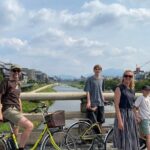

Kyoto Cycling Tours, compared.
 ★ 5.0Bike Tour Exploring North Kyoto plus LunchFrom $106
 ★ 5.05 Top Highlights of Kyoto Full Day Bike Tour (E-bike option)From $172
 ★ 5.0E-Bike Tours of the highlights of Kyoto!!!From $109
 ★ 5.0Afternoon Kyoto Bike Tour: Bamboo Forest, Monkeys & Hidden SpotsFrom $106
 ★ 5.0South Kyoto in a Nutshell: Gentle Backstreet Bike Tour!From $79
 ★ 4.9Kyoto: City Secrets eBike TourFrom $1273h 45m
 ★ 4.9Kyoto: Hidden Gems E-Bike Tour with Local Japanese GuideFrom $753h 30m
 ★ 5.0Historical Kyoto E-Bike TourFrom $99
Browse the lists this tour appears in