
Reviewed · TOKYO CYCLING TOURS
3h Tokyo E-Bike Tour: Hidden Gems, and Local Life with guide
Tokyo makes more sense from a bicycle seat. In three hours, this small-group ride carries you from Kanda’s little drinking streets to grand avenues, palace moats, market lanes, and ordinary residential backstreets. The electric assist helps you cover serious ground without arriving sweaty and worn out.
I like the local scale of the tour, especially the contrast between Tokyo Station’s polished Marunouchi district and the small bars around Kanda. I also like the guides’ practical touch: Yo, Jenny, Take, Kazu, Ted, Yoshiko, and Ninja are praised for clear explanations, steady pacing, and careful riding.
The main catch is simple: you must already know how to ride a bicycle and feel comfortable on busy city streets. Tokyo traffic is manageable, but this is still an urban cycling tour, not a quiet park ride.
In This Review
- Key points to know before you book
- Why an e-bike works so well in Tokyo
- Starting among Kanda’s small bars
- Morning route: Tokyo Station and the Imperial Palace
- Ginza backstreets and Tsukiji’s food lanes
- Afternoon route: Akihabara beyond the maid cafés
- Kappabashi, Asakusa, and the city’s traditional side
- Ryogoku and Nihonbashi complete the picture
- What the guides add to the ride
- Heat, rain, traffic, and physical demands
- Is $63.01 a fair price?
- Who should book this Tokyo e-bike tour?
- Should you book it?
- FAQ
- Where does the Tokyo e-bike tour begin?
- How long does the tour last?
- What is included in the price?
- Can I choose between morning and afternoon?
- What are the age and height requirements?
- What happens if it rains or becomes dangerously hot?
Key points to know before you book
- Morning and afternoon routes differ: Morning rides focus on Tokyo Station, the Imperial Palace, Ginza, Tsukiji, and local streets. Afternoon rides head toward Akihabara, Kappabashi, Asakusa, Ryogoku, and Nihonbashi.
- Small groups keep the ride personal: The maximum is six participants, though other people may join your booking.
- The e-bike does the hard work: Electric assist makes hills, heat, and long city distances easier, but you still need basic cycling control.
- Kanda is a useful starting point: The shop is about one minute from JR Kanda Station’s west exit and offers restrooms, luggage storage, and a waiting area.
- Weather matters: Rain can cancel the tour, and extreme summer heat can also lead to a cancellation or early return.
- The strongest value is orientation: You see major sights while learning which neighborhoods and streets deserve a later visit on foot.
Why an e-bike works so well in Tokyo
Tokyo is too large to understand by walking between only its headline sights. Trains are quick, but underground travel hides the transitions between districts. On a bicycle, you see the city change block by block.
That is where the electric bike earns its keep. You pedal, but the motor reduces the strain. This matters in Tokyo’s hot, humid summers, and it also lets the group cover more ground in three hours. You are not limited to one neighborhood or a few isolated monuments.
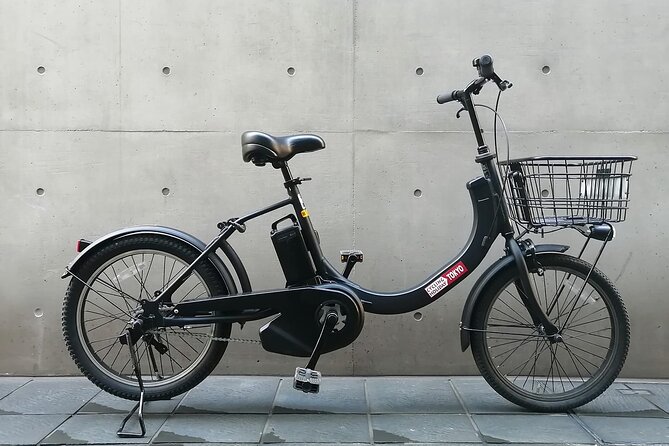
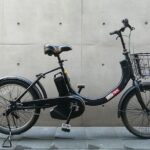
The bikes are described as easy to operate, with a useful front basket for a water bottle or small bag. Helmets are provided and must be worn. Simple rain gear is available, winter gloves are supplied in cold weather, and cooling items are offered in summer.
Do not mistake electric assistance for an automatic ride. You still need to start, stop, steer, and pay attention around cars, pedestrians, and other bicycles. One useful piece of advice from the experience is to stay close to the guide. It is easy to fall behind at intersections or on side streets.
A few more Tokyo tours and experiences worth a look
Starting among Kanda’s small bars
The tour begins at Cycling Holiday Tokyo in Uchikanda, close to JR Kanda Station. This is a convenient meeting point for a morning activity, and the nearby station makes it easy to reach without a long transfer across town.
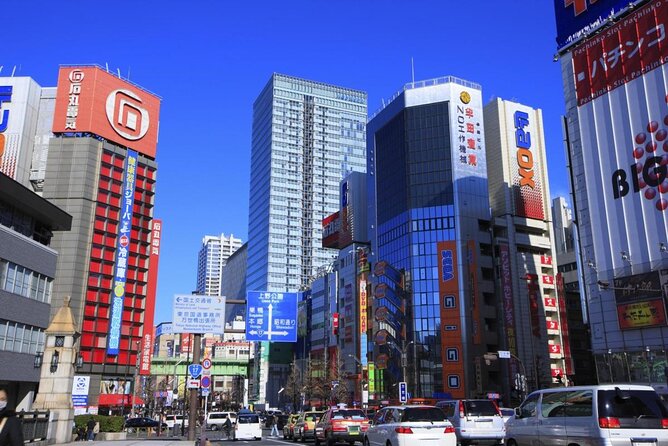
Kanda gives you an immediate taste of everyday Tokyo. It is a compact business district filled with small Japanese-style bars and narrow streets. During the workweek, the area serves office workers. It feels more local and less polished than the grand Marunouchi district you may visit later.
This opening stop is brief, but it sets the tone. You are not simply being transported from one famous sight to another. You are watching how Tokyo functions in ordinary neighborhoods, where modest restaurants and tiny drinking spots sit close to major office towers.
The shop has a restroom, waiting room, and luggage storage. You may leave luggage during the ride, except valuables. Bring only what you need on the bicycle, especially in hot weather.
Morning route: Tokyo Station and the Imperial Palace
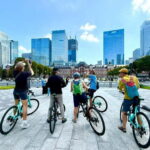
The morning ride moves through Tokyo’s financial center, where modern office buildings create some of the city’s best urban views. The contrast with Kanda is sharp. Within a short ride, you go from compact local streets to broad avenues and carefully maintained architecture.
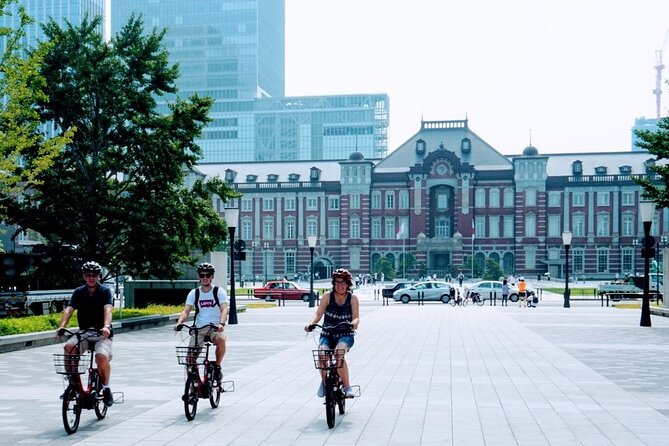
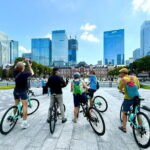
At Tokyo Station’s Marunouchi forecourt, you pause for a view of the red-brick station building from Gyoko-dori Street. The guide explains the station’s history, giving the grand façade more meaning than a quick photograph would provide.
This is a short stop, so think of it as a visual introduction rather than a full station visit. You will not have time to explore the building, shop, or take a long break inside. The strength is the outside view and the explanation that comes with it.
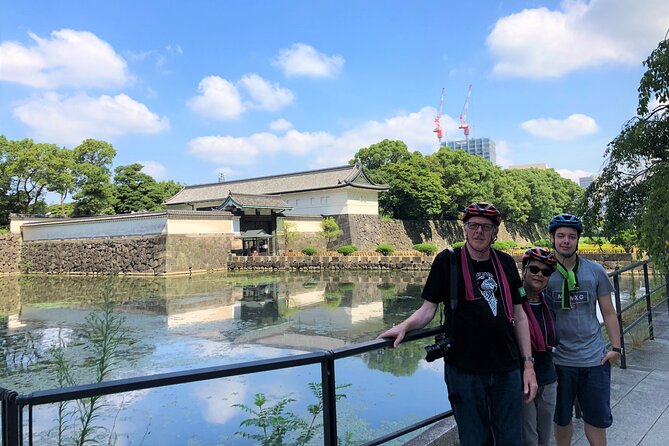
The route then reaches the Imperial Palace area. At Otemon Gate, you look across the moat toward Fujimi-yagura, a traditional watchtower. The setting gives you a sense of the palace grounds without requiring a formal palace tour.
You may also pass through the Sakuradamon gate, one of the area’s traditional castle gates. These stops are compact, but they work well together. Tokyo’s modern capital and its older castle-centered past come into view within the same morning.
The palace area includes a large central park of about 200,000 square meters. That open space is valuable after riding through office districts, and it gives the group room for photos and explanations. The route is not just about monuments. It shows how large, quiet public areas can exist in the middle of a crowded capital.
Ginza backstreets and Tsukiji’s food lanes
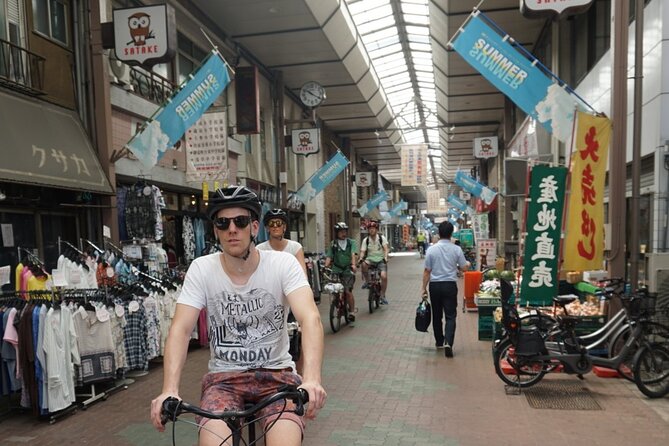
From the palace area, the morning route reaches Ginza. Depending on traffic and conditions, you may ride the main streets or use back lanes behind the luxury stores.
The backstreet option is especially useful. Ginza is famous for high-end shopping, but its side streets offer a different view of the district. You might see a more practical, local side of an area known mainly for polished storefronts.
The ride continues toward Tsukiji Jogai Market, the outer market. Small, old-fashioned food shops line the streets, selling ingredients and kitchen-related goods. The stop is short, about ten minutes, so it is best treated as a quick look rather than a full food tour.
Food and drinks are not included, so any snack or purchase is self-paid. If you want to eat properly, plan to do so before or after the ride rather than expecting a long market meal during the tour.
One of the most useful parts of the morning route is the local street riding between the headline stops. The guide uses passages and smaller roads that are practical for an e-bike and gives you a feel for ordinary Tokyo life. This is where the tour becomes more than a checklist of landmarks.
Afternoon route: Akihabara beyond the maid cafés
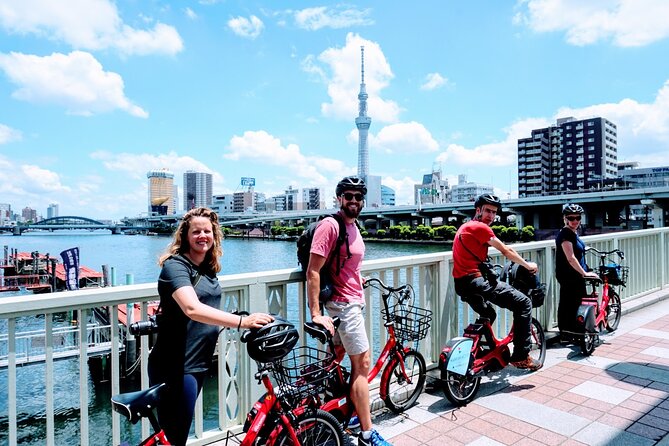
The afternoon route begins in the direction of Akihabara, Tokyo’s famous subculture district. The area is associated with youth culture, electronics, games, anime, and manga, though the tour’s stop is brief.
The guide gives you context beyond the usual maid café image. That matters because a quick walk down the main strip can make Akihabara seem like one large commercial theme zone. A local explanation helps place the district within Tokyo’s wider youth and geek culture.
Do not expect an extended shopping session here. The planned stop is about five minutes, enough for orientation and photographs. If you want to browse stores or make purchases, save time for a separate visit.
A few more Tokyo tours and experiences worth a look


Kappabashi, Asakusa, and the city’s traditional side
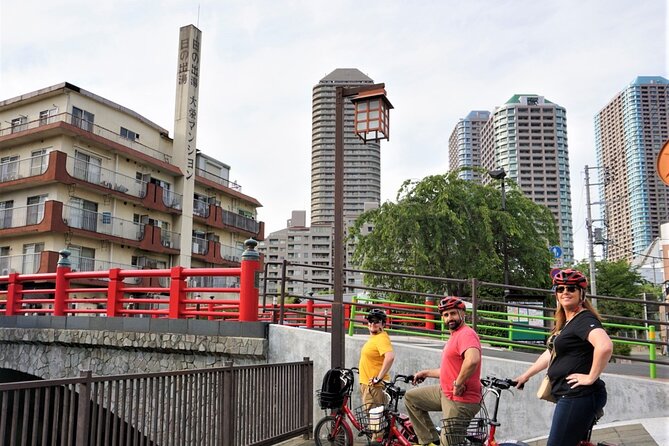
The afternoon ride continues to Kappabashi Street, also known as Kappabashi Dogugai. This is a practical shopping street built around kitchen equipment, professional cooking tools, Japanese knives, and restaurant supplies.
The guide may allow time to look around or shop. This is one of the more distinctive stops because it offers something different from Tokyo’s temples and towers. You see the working side of the food business, and a useful kitchen item can make a more memorable souvenir than another generic trinket.
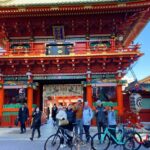
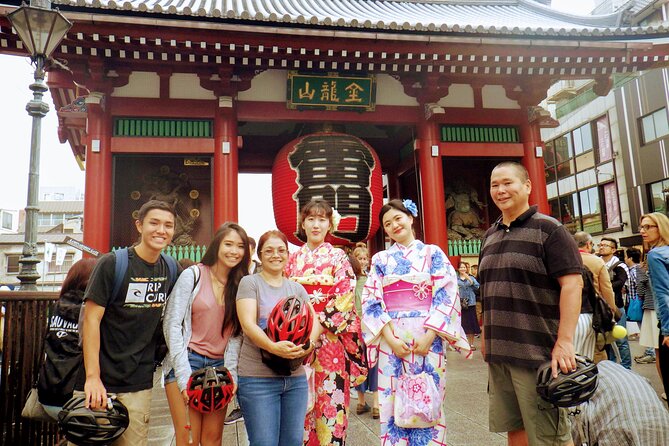
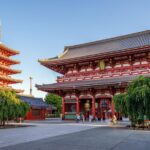
Next comes Asakusa, home to Tokyo’s oldest and most famous temple area. The stop is short, about ten minutes, but it gives you the essential setting and a chance to learn basic temple customs and rituals.
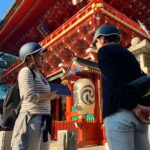
That cultural guidance can help during the rest of your Japan trip. Knowing how to behave at a temple, how rituals work, and what you are seeing makes later visits less confusing. The tour does not replace a longer Asakusa visit, but it gives you a sound first look.
Asakusa can be crowded, and bicycles require attention around pedestrians. Listen closely to the guide and do not assume you can stop wherever you want. The point is to see the district safely, then return later if you want more time at the temple, shops, or food stalls.
Ryogoku and Nihonbashi complete the picture
The afternoon route continues toward Ryogoku, Tokyo’s sumo district. If timing is lucky, you may see real sumo wrestlers near the arena. This is not guaranteed, so treat it as a pleasant possibility rather than a promised encounter.
Even without that chance meeting, Ryogoku adds another layer to Tokyo. The district is tied to Japan’s national sport and offers a useful contrast with Akihabara’s modern subculture and Asakusa’s temple traditions.
Both morning and afternoon routes include Nihonbashi Bridge. The bridge has long been a central reference point in Tokyo, and road distances in Japan traditionally begin there. The guide explains this role, giving a small piece of civic and geographic context that is easy to miss when you move around only by train.
The tour returns to the Kanda shop. That makes planning easy. You can collect stored luggage, use the restroom, and continue with your day from a station-linked neighborhood.
What the guides add to the ride
The guide may be Yo, Jenny, Take, Kazu, Ted, Yoshiko, Ninja, or another member of the team. The strongest pattern across the experience is not a single scripted personality, but the guides’ ability to explain Tokyo while keeping a group moving safely.
Yo is praised for patience and an easygoing manner. Jenny is noted for keeping groups together and offering useful suggestions for authentic, less costly places to eat and drink near Ginza. Take is described as entertaining and able to adjust information for adults and teenagers.
Kazu is associated with clear history and neighborhood explanations. Ted is praised for answering questions, looking after safety, and making regular stops for photographs. Ninja receives particular praise for route knowledge and careful attention around the Imperial Palace and bay area.
This range matters because a small-group cycling tour depends heavily on the person leading it. The guide needs to balance facts, traffic, photography, and the pace of people with different cycling ability. The tour’s high 4.9 rating from 670 reviews and 98 percent recommendation rate suggest that this balance is usually handled well, though no guide-led experience is identical every day.
Heat, rain, traffic, and physical demands
Tokyo’s weather is the biggest practical concern. July and August can be hot and muggy, and the operator uses Japan’s official heat stress index when deciding if conditions are safe. A tour can be canceled before departure, stopped during the ride, or returned early if the guide considers the heat dangerous.
Bring water, sunscreen, and a small towel in summer. An electrolyte drink is a sensible choice on very hot days. Cooling products are provided, but they do not replace your own preparation.
Rain can also cancel the tour. The forecast is checked the day before, but conditions can change during the ride. Simple rain gear is supplied, though rain can still make glasses, hands, and road visibility less comfortable. In winter, bring warm clothes and gloves even though simple gloves are available.
Traffic deserves equal attention. One route may use busy central streets, and you need to be healthy enough to ride, brake, and follow directions in an urban setting. The guide’s job is to manage the group, but you remain responsible for staying alert and keeping pace.
The minimum age is 12, and the minimum height is 147 centimeters. Anyone who cannot ride a bicycle cannot join. Most people who meet those requirements can participate, but confidence matters as much as age.
Is $63.01 a fair price?
At $63.01 per person, the tour is reasonably priced for a three-hour guided activity that includes an electric bike, helmet, English-speaking guide, insurance, and basic weather supplies.
You are paying for more than bike rental. A bicycle rental alone would not give you a planned route through several districts, explanations of Tokyo’s history, or the confidence to use side streets without worrying about getting lost. The small group, with a maximum of six people per booking, also gives the guide a better chance to answer questions and manage the pace.
The value is strongest if you are new to Tokyo or want a useful first morning orientation. You can mark places to revisit, learn how neighborhoods connect, and get restaurant or shopping ideas from a local guide.
The value is weaker if you dislike city cycling, want long visits at each sight, or plan to spend hours shopping in Akihabara or Kappabashi. The stops are short by design. This is a moving overview, not a series of full guided visits.
Who should book this Tokyo e-bike tour?
I would choose this ride for a first visit to Tokyo, especially if you want to understand the city’s layout quickly. It also suits families with teenagers, couples, and active adults who want a break from trains and crowded pedestrian streets.
It can work well as the first activity after arriving. You get an overview of several districts, then return to the ones that interest you most. Families should note the minimum age of 12 and minimum height of 147 centimeters.
I would think twice if you are nervous on roads, cannot ride confidently, or are visiting during the hottest part of summer without a plan for heat. You also need flexibility because rain and dangerous heat can affect departure.
Free cancellation is available up to 24 hours before the start time. If poor weather or an insufficient number of participants cancels the tour, you can receive a different date or a full refund.
Should you book it?
Yes, if you want a friendly, active introduction to Tokyo that mixes famous sights with ordinary streets. The electric bike lets you cover far more ground than walking, while guides such as Jenny, Yo, Take, Kazu, Ted, and Ninja add history, customs, food tips, and steady safety advice.
Choose the morning ride for Tokyo Station, the Imperial Palace, Ginza, Tsukiji, and local backstreets. Pick the afternoon for Akihabara, Kappabashi, Asakusa, Ryogoku, and Nihonbashi.
Book it with water, sunscreen, comfortable clothes, and realistic expectations about traffic. You will see many places, but you will only pause briefly at most of them. For the right rider, that is the appeal: three useful hours, a local guide, and a much clearer sense of how Tokyo fits together.
FAQ
Where does the Tokyo e-bike tour begin?
It begins at Cycling Holiday Tokyo, 3-chōme-8-6 Uchikanda, Chiyoda City, Tokyo. The shop is about a one-minute walk from the west exit of JR Kanda Station.
How long does the tour last?
The tour lasts approximately three hours and ends back at the meeting point in Kanda.
What is included in the price?
The price includes an electric-assist bike, helmet, English guide, insurance, simple rain gear, winter gloves, and summer cooling products. You can also leave luggage at the shop, except valuables.
Can I choose between morning and afternoon?
Yes. Morning and afternoon departures use different routes. Morning visits include Tokyo Station, the Imperial Palace, Ginza, Tsukiji, and local streets. Afternoon visits include Akihabara, Kappabashi, Asakusa, Ryogoku, and Nihonbashi.
What are the age and height requirements?
The minimum age is 12, and the minimum height is 147 centimeters. You must already know how to ride a bicycle.
What happens if it rains or becomes dangerously hot?
The tour may be canceled because of rain or unsafe heat. If conditions become dangerous during the ride, the guide may stop the tour and return to the starting point. A weather-related cancellation offers a different date or a full refund.
More Backstreet & Hidden Rides in Tokyo
More E-Bike Tours in Tokyo
More Tokyo Cycling Tours in Tokyo
More tours in Tokyo we've reviewed



Tokyo Cycling Tours, compared.
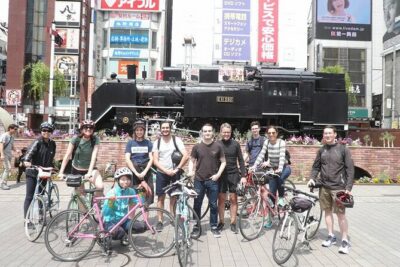 ★ 5.0Tokyo Great Cycling TourFrom $99
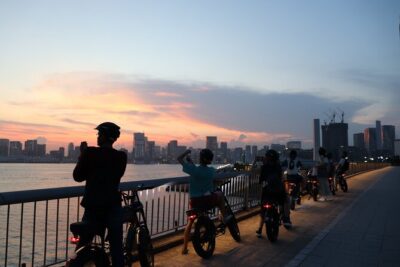 ★ 5.0Tokyo Top Highlights 3h Guided E-bike TourFrom $63
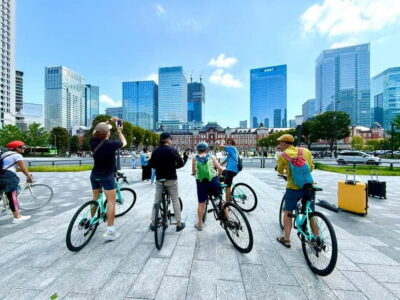 ★ 4.83-Hour Bike or E-Bike City Highlights TourFrom $453 hours
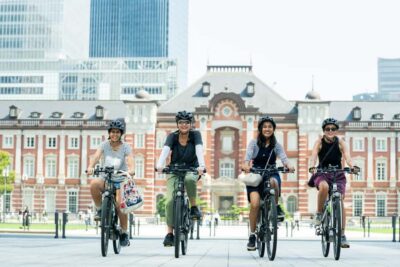 ★ 4.83-hour Guided E-Bike Tour of the City’s Hidden GemsFrom $65
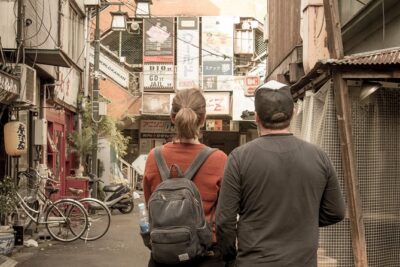 ★ 5.0Tokyo West-Side Cycling & Food TourFrom $99
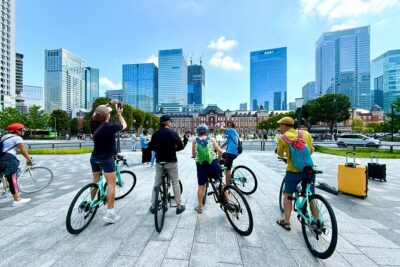 ★ 5.03-Hour Bike/E-Bike Tour of the City’s HighlightsFrom $63
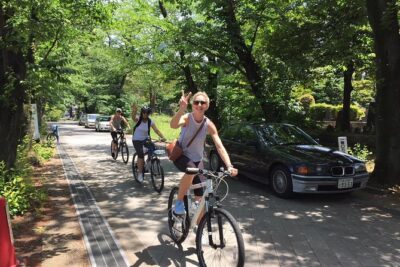 ★ 5.0Small Group Cycling Tour in TokyoFrom $66
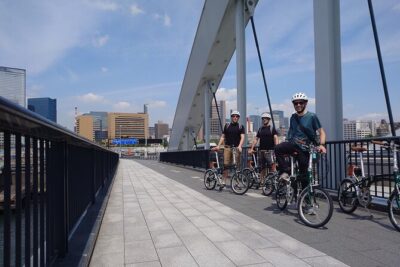 ★ 5.03-Hour Tokyo Private E-Bike Tour Starting from Your HotelFrom $145
Browse the lists this tour appears in