
Reviewed · KYOTO CYCLING TOURS
E-Bike Tours of the highlights of Kyoto!!!
Kyoto is easier to understand from a bicycle seat. This e-bike tour links temples, shrine gardens, old neighborhoods, river paths, and narrow lanes that are easy to miss by bus. With a guide leading the way, you can cover far more ground than on foot without spending the day trying to read a map.
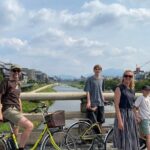
I like the small-group feel and the chance to see ordinary Kyoto between major sights. I also like the guides’ personal touch. Philippe, Kevin, and Niall are praised for clear explanations, local insight, and smart route changes when crowds or road closures get in the way.
The main thing to consider is the physical effort. An e-bike helps, and much of Kyoto is flat, but you still spend several hours cycling, walking through temple grounds, and managing city traffic. One poor experience also raised concerns about bicycle quality, so check your bike carefully before setting off.
In This Review
- Key points to know before booking
- Why Kyoto works so well by e-bike
- Meeting the group and choosing your side of Kyoto
- Heian Shrine and its quiet garden
- Ginkakuji and the art of restraint
- The Philosopher’s Walk and riverside cycling
- Kinkakuji, Kyoto’s golden landmark
- Arashiyama Bamboo Forest in half an hour
- Ryoanji and the famous rock garden
- The guides make the difference
- Bikes, safety, and the physical side
- Is $109.43 good value?
- Who should book this Kyoto ride?
- Should you book it?
- FAQ
- Where does the e-bike tour start?
- Where does the tour end?
- How long does the tour last?
- What sights are included on the East Side Course?
- What sights are included on the West Side Course?
- Is the bicycle included in the price?
- Is lunch included?
- How many people can join the tour?
- What level of fitness is required?
- Can I cancel for a full refund?
Key points to know before booking
- Two distinct Kyoto routes: The East Side includes Heian Shrine, Ginkakuji, and the Philosopher’s Walk. The West Side covers Kinkakuji, Arashiyama Bamboo Forest, and Ryoanji.
- E-bike rental is included: The electric assistance makes the long route more manageable, especially for visitors unsure about cycling for nearly six hours.
- Guides add real context: Philippe, Kevin, and Niall explain religion, architecture, customs, local homes, and daily life rather than simply leading you from gate to gate.
- Backstreets are part of the appeal: The route uses quieter lanes, river paths, and old neighborhoods to reduce time on crowded main roads.
- Lunch is not included: The group may arrange food or a picnic, but you pay for lunch separately.
- Allow up to six hours: The advertised duration ranges from about 3.5 to 6 hours, with the full tour described as roughly 5.5 hours.
Why Kyoto works so well by e-bike
Kyoto’s famous sights are spread across a broad city. A bus can take you between them, but buses may be slow and crowded. Walking gives you a close view of the streets, yet connecting Gion, temples, gardens, and western Kyoto on foot takes serious time.
A bicycle gives you a middle ground. You move at a human pace, notice wooden houses and small shops, and still reach places that would require several separate rides by public transport. The electric motor matters because this is not a short rental spin around one neighborhood. You ride between stops, then park and explore on foot.
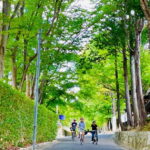
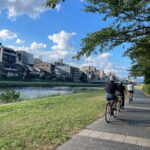
I especially like the way the route makes room for the city between the monuments. You may cycle along the Kamo River, pass through Gion, follow quieter residential streets, and see the changing shape of Kyoto from one district to the next. This is more personal than a coach tour and less tiring than attempting the same day on foot.
The pace is not nonstop cycling. Several people describe short or moderate riding sections followed by time at temples and gardens. That makes the tour more accessible than the total duration first suggests, though you should still be comfortable on a bicycle and have a moderate level of fitness.
A few more Kyoto tours and experiences worth a look


Meeting the group and choosing your side of Kyoto
The tour begins at Kyoto Fun E-Bike Tours & Rentals, at 222-2 Koyamacho in Kita Ward. It ends back at the same meeting point, so you do not need to arrange a separate pickup at the end.
There are two main course patterns. The East Side Course visits Heian Shrine, Ginkakuji Temple, and the Philosopher’s Walk. The West Side Course includes Kinkakuji, Arashiyama Bamboo Forest, and Ryoanji Temple.
This distinction matters. The advertised highlights mention places such as Gion and Tofuku-ji, while the detailed route describes the East and West courses separately. Confirm which course you are booking and which sights it includes before paying. The operator has noted that the booking platform does not always display the two routes as clearly as it should.
The group size is limited, with the additional information stating a maximum of eight people. The overview describes a group of no more than six, so the exact number may vary by departure. Either way, this is intended to be a small-group outing, not a large procession of bicycles.
Heian Shrine and its quiet garden
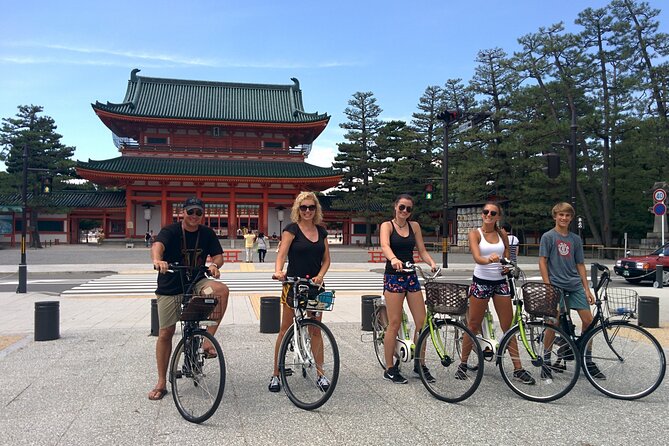
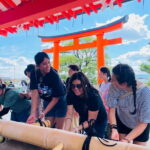
On the East Side route, Heian Shrine is more than a quick photo stop. The shrine recreates the old imperial capital, with broad grounds and a grand approach that gives you a sense of Kyoto’s ceremonial past.
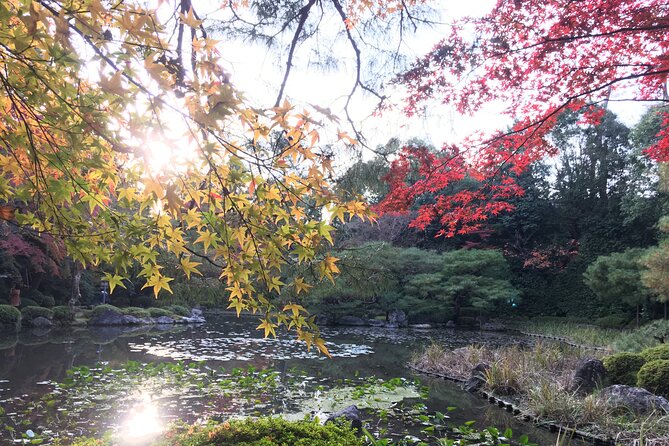
The included garden is the real reason to allow time here. It has three large ponds and plenty of greenery, offering a calmer setting after the ride. The schedule allows about an hour, which gives you time to walk, listen, and take in the garden rather than rush through the main entrance.
This stop suits you if you enjoy Japanese garden design and want a little quiet during a busy sightseeing day. It is also a good example of how this tour differs from simply ticking off famous buildings. Your guide can explain how the shrine and garden fit into Kyoto’s religious and cultural life.
Ginkakuji and the art of restraint
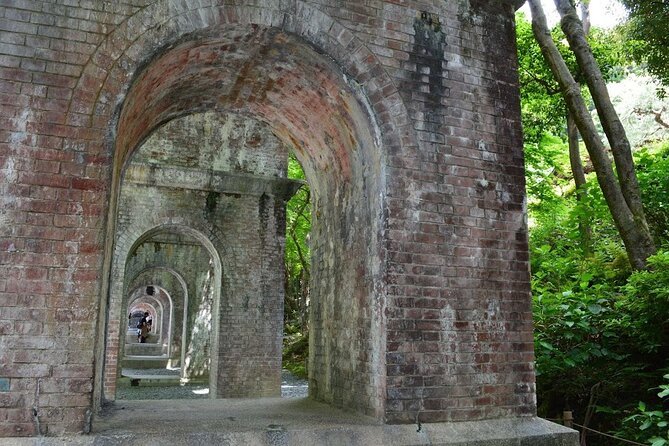
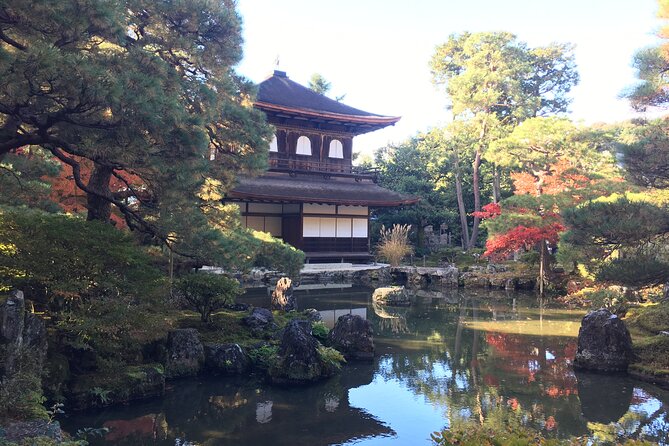
Ginkakuji, or the Silver Pavilion, is often praised for its garden rather than for a glittering exterior. The grounds are an excellent introduction to Japanese garden design, with carefully arranged gravel, plants, paths, and views.
The tour allows about an hour here. That is useful because the garden rewards slow looking. You can ask about the layout, the symbolism, and the place’s role in Kyoto’s past instead of walking through with only a few minutes for photographs.
I would choose the East Side route if gardens and atmosphere matter more to you than collecting the city’s most instantly recognizable sights. Ginkakuji offers a more restrained experience than Kinkakuji, and the guide’s explanations help you notice details you might otherwise pass without understanding.
The Philosopher’s Walk and riverside cycling
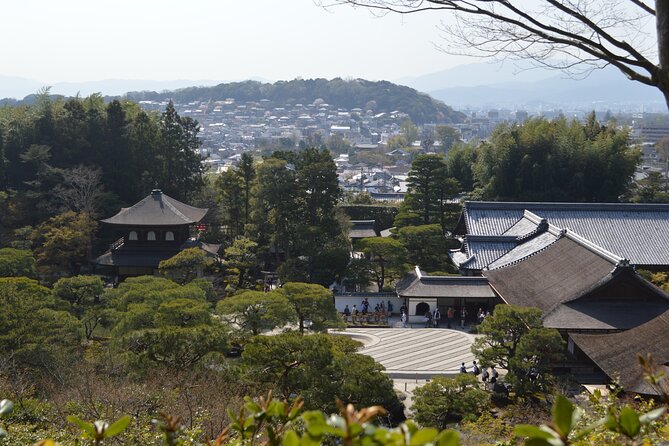
The Philosopher’s Walk follows a canal through leafy surroundings. The tour spends about 40 minutes here, cruising along the path rather than treating it as a formal temple visit.
This is one of the strongest parts of the East Side route. The riding is gentler, the setting changes from city streets to water and trees, and you get a pleasant break from major temple grounds. Several guests particularly enjoyed cycling here and along the river, where the route feels more relaxed.
The path can be popular, and bicycles require care around other people. Still, it gives you the kind of close, unhurried Kyoto experience that is hard to reproduce from a bus window. If you want a day with gardens, nature, and quieter streets, this course has a strong case.
A few more Kyoto tours and experiences worth a look
Kinkakuji, Kyoto’s golden landmark
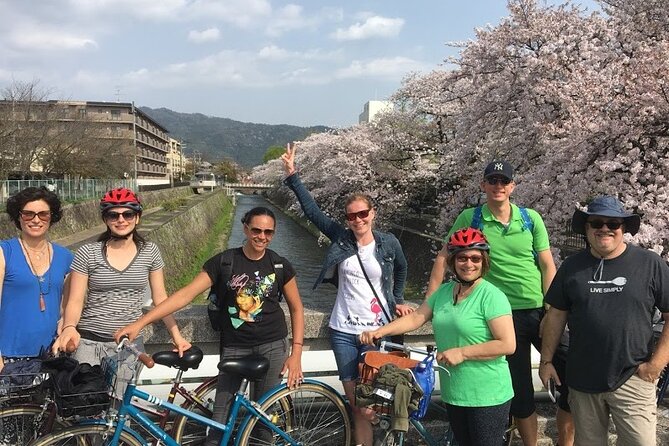
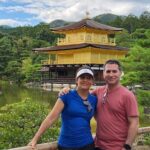
The West Side route begins its major sightseeing with Kinkakuji, the Golden Pavilion. The upper structure is covered in real gold leaf, with more than 20 kilograms used in the building’s finish.
You have about 45 minutes here. That is enough to walk the main grounds and see the pavilion from its classic viewpoints, though it is not a long, reflective visit. Kinkakuji is one of Kyoto’s most photographed sights, so the experience can feel more concentrated and crowd-sensitive than the East Side stops.
The value of arriving by bicycle is not only the pavilion itself. You avoid piecing together a separate route from central Kyoto, and your guide can set the building in a wider story about Japanese aesthetics and temple culture. If Kinkakuji is high on your personal list, the West Side course makes practical sense.
Arashiyama Bamboo Forest in half an hour
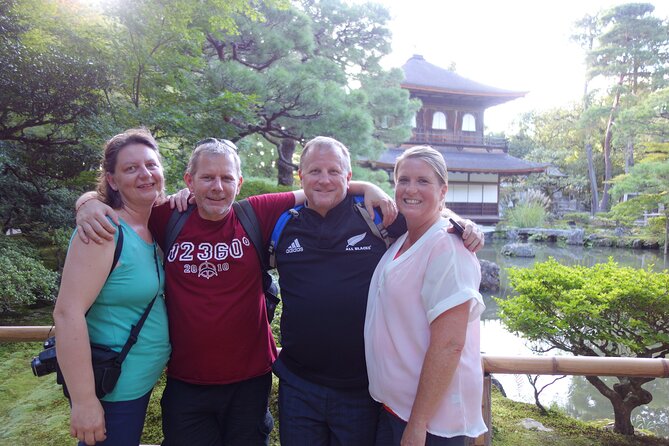
Arashiyama’s Bamboo Forest is a short stop of about 30 minutes. You walk among tall bamboo in a setting that feels unlike the rest of the city, with narrow paths and towering green stalks enclosing the route.
Half an hour is enough for a taste, but not for a long wander through Arashiyama. This is important if you have imagined spending a full morning in the district. The bike tour gives you a compact visit, then moves on to another major sight.
The forest is often one of Kyoto’s busiest photo locations. A guide who knows the area can help you keep the stop efficient, but you should not expect complete solitude. The appeal is the contrast: after riding through streets and neighborhoods, you enter a striking natural corridor for a brief walk.
Ryoanji and the famous rock garden
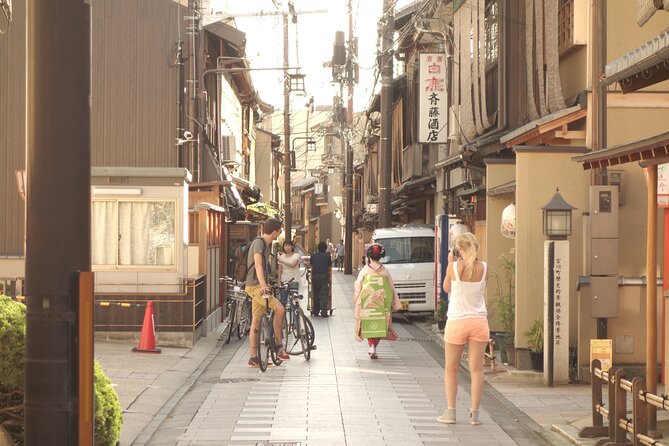
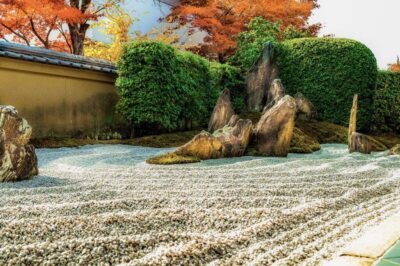
Ryoanji is known for its dry garden of rocks and raked gravel. The schedule allows about 40 minutes, with time to sit, look, and hear an explanation of the garden’s imagery and meaning.
This stop benefits greatly from having a guide. Without context, the garden can seem simple at first glance: stones, gravel, and a plain wall. With an explanation of the design and the ideas connected to it, the visit becomes more rewarding.
The West Side route therefore combines three very different sights: a gold-covered pavilion, a bamboo grove, and a spare Zen garden. That variety is its strength. The tradeoff is that each stop is relatively brief, so you will not explore every corner of western Kyoto.
The guides make the difference
The strongest part of this experience is the guiding. Philippe is praised for explaining Kyoto with enough detail without turning every stop into a lecture. His background and long connection with Kyoto help him point out visual details, local customs, legends, and the difference between religious traditions.
Kevin is described as friendly, enthusiastic, and able to speak several languages. His explanations cover Japanese religion, temple design, shrine rituals, local homes, and everyday life. That wider focus is valuable because Kyoto is not only a collection of temples. It is also a living city with its own housing styles, streets, shops, and routines.
Niall brings the same useful blend of history and local observation. The guides also appear willing to adjust the route around festivals, closures, and crowd conditions. That flexibility can turn a rigid sightseeing plan into a better day.
Lunch is not included, but the group may choose food from a local grocery store and arrange a picnic. Some people especially enjoy this informal pause. Treat it as a possible part of the day, not a guaranteed included meal.
Bikes, safety, and the physical side
The e-bikes are included in the price, and most descriptions call them comfortable, high-quality, and easy to ride. Electric assistance is helpful on a long day, especially if you have not cycled recently or worry about tiring before the final temple.
Still, you should inspect the bicycle before departure. One negative experience specifically cited poor bicycle quality and discomfort around crowded streets. That is a minority concern against many positive comments, but it is sensible to check the brakes, tires, saddle, gears, and motor assistance before leaving the meeting point.
Kyoto is often a good city for cycling because much of the route is flat. You will still share space with cars, pedestrians, and other cyclists. The route is designed with safety and comfort in mind, and guides use backstreets where possible, but no city cycling tour is entirely free of traffic or surprises.
The East Side route may include more walking in temple grounds and, based on one account, a mountain trail with a city view. That hike was described as manageable at a slower pace but challenging for anyone who rarely hikes. Ask about the planned route if you want to avoid an extra climb.
Is $109.43 good value?
At $109.43 per person, this is not the cheapest way to see Kyoto. You are paying for the bicycle, electric assistance, guide, facility and landing fees, route planning, and the convenience of linking several distant sights in one outing.
The value is strongest if you have limited time. In roughly 5.5 hours, you can see a large portion of Kyoto while receiving explanations that would be difficult to get from a rental bike or self-guided map. Admission is included for the listed shrine and temple stops, though lunch is not.
It is less compelling if you prefer to spend an entire morning at one temple, dislike cycling in cities, or want complete control over every stop. The schedule moves along, and the major sights receive set blocks of time.
The 99 percent recommendation rate and 4.9 rating from 292 ratings suggest very steady satisfaction, but the practical details still matter more than the number. Check the course, prepare for several hours outside, and make sure the bicycle feels right before setting off.
Who should book this Kyoto ride?
I would recommend it to first-time visitors who want orientation quickly, couples or friends seeking a more active day, and anyone who finds Kyoto’s bus and train connections awkward. It also suits people who care about local streets and gardens as much as famous landmarks.
It is particularly useful for a short Kyoto stay. One account described having only two nights in the city, and the bike tour helped make those limited hours count. You see major sights while also getting a feel for how the districts connect.
I would hesitate if you have poor balance, dislike traffic, or cannot comfortably cycle and walk for several hours. Families with young children may also want to ask more questions before booking, since the tour requires moderate fitness and the cycling load is greater than the word e-bike might suggest.
Should you book it?
Book this tour if you want Kyoto in motion: temples, gardens, rivers, old homes, and quieter lanes linked by an electric bicycle. The East Side course is the better pick for Heian Shrine, Ginkakuji, and the Philosopher’s Walk. Choose the West Side for Kinkakuji, Arashiyama, and Ryoanji.
The best reason to go is the guide-led route through parts of Kyoto you might not connect on your own. The main cautions are the long duration, city cycling, separate lunch cost, and the need to confirm which course you are receiving.
Free cancellation is available until 24 hours before the start time. Poor weather or an insufficient number of bookings can also lead to a rescheduled date or full refund. If the route matches your interests and you are comfortable on a bike, this is a lively, useful way to make a first visit to Kyoto feel much larger.
FAQ
Where does the e-bike tour start?
It starts at Kyoto Fun E-Bike Tours & Rentals, located at 222-2 Koyamacho, Kita Ward, Kyoto, 603-8152, Japan.
Where does the tour end?
The activity ends back at the meeting point.
How long does the tour last?
The listed duration ranges from about 3 hours 30 minutes to 6 hours. The tour is also described as lasting about 5.5 hours.
What sights are included on the East Side Course?
The East Side Course includes Heian Shrine, Ginkakuji Temple, and the Philosopher’s Walk.
What sights are included on the West Side Course?
The West Side Course includes Kinkakuji Temple, Arashiyama Bamboo Forest, and Ryoanji Temple.
Is the bicycle included in the price?
Yes. E-bike rental is included, along with the guide and landing and facility fees.
Is lunch included?
No. Lunch is not included in the tour price.
How many people can join the tour?
The additional information lists a maximum of eight people. The overview describes a small group of no more than six, so the exact group size may vary.
What level of fitness is required?
A moderate level of physical fitness is required. You should be comfortable cycling for several hours and walking around temple and shrine grounds.
Can I cancel for a full refund?
Yes, if you cancel at least 24 hours before the experience start time. Cancellations or changes made less than 24 hours in advance are not refunded. If bad weather or too few bookings cancel the activity, you are offered another date or a full refund.
More Cycling Tours in Kyoto


More E-Bike Tours in Kyoto
More Kyoto Cycling Tours in Kyoto
More tours in Kyoto we've reviewed


Kyoto Cycling Tours, compared.
 ★ 5.0Bike Tour Exploring North Kyoto plus LunchFrom $106
 ★ 5.05 Top Highlights of Kyoto Full Day Bike Tour (E-bike option)From $172
 ★ 5.0Afternoon Kyoto Bike Tour: Bamboo Forest, Monkeys & Hidden SpotsFrom $106
 ★ 5.0South Kyoto in a Nutshell: Gentle Backstreet Bike Tour!From $79
 ★ 4.9Kyoto: City Secrets eBike TourFrom $1273h 45m
 ★ 5.0Pedal Adventure Kyoto’s iconic landmarks on an e-bike tourFrom $86
 ★ 4.9Kyoto: Hidden Gems E-Bike Tour with Local Japanese GuideFrom $753h 30m
 ★ 5.0Historical Kyoto E-Bike TourFrom $99
Browse the lists this tour appears in