
Reviewed · KYOTO CYCLING TOURS
Historical Kyoto E-Bike Tour
Kyoto’s best-known sights are spread across the city, and this small-group e-bike tour links them without making you spend the whole day on buses. You ride from the Kitano area toward Kinkaku-ji and Arashiyama, using ordinary streets and quieter lanes along the way.
I especially like the chance to see both headline sights and the less polished parts of Kyoto, plus the way guides such as Jody, Pohan, Diego, and Jorge explain shrine customs in plain English. The bikes are a real help, too. The main drawback is that this is still a city cycling day, with traffic, pedestrians, stop signs, and stretches of walking at each temple.
In This Review
- Key points to know before booking
- Why an e-bike works well in Kyoto
- Kitano Tenmangu and Kyoto’s learning tradition
- Kinkaku-ji, the Golden Pavilion
- Riding west toward Arashiyama
- Walking through the Arashiyama Bamboo Forest
- Tenryu-ji and its garden
- Lunch, local food, and the cash you need
- Guides and the value of a small group
- Price, timing, and practical value
- Who should book this Kyoto bike tour?
- Should you book it?
- FAQ
- How long does the Historical Kyoto E-Bike Tour last?
- What sights are included?
- Are e-bikes included?
- Is lunch included in the tour price?
- How large is the group?
- Where does the tour start and finish?
- Do I need to be an experienced cyclist?
- Can I cancel for a full refund?
Key points to know before booking
- Four major sights in one day: Visit Kitano Tenmangu Shrine, Kinkaku-ji, the Arashiyama Bamboo Forest, and Tenryu-ji Temple.
- E-bikes reduce the strain: The electric assistance makes the long route more manageable, but you still need to pedal and handle a bike in city traffic.
- Small groups keep the day personal: The maximum group size is eight, and some departures use two guides to keep the group together.
- Lunch is separate: The tour includes time for lunch, but bring yen for food. Cash-only ramen and food court options have been used.
- Expect plenty of walking: Temple grounds and the bamboo forest are explored on foot, so this is not a ride-only excursion.
- The meeting point needs care: Memory Kyoto Bike Tour is at 8-6 Umaryo-cho in Nishikyo Nakagyo-ku, and the entrance can be easy to miss.
Why an e-bike works well in Kyoto
Kyoto rewards slow exploration, but its sights are not all close together. A walking tour can cover one neighborhood well, while public transportation can leave you waiting, transferring, and walking between stations. On this route, the bicycle becomes your connection between the city’s famous western sights.
The electric motor takes the edge off the distance. You still pedal, but hills and longer stretches feel less demanding than they would on a standard bicycle. That makes the tour a good fit if you want an active day without turning it into an endurance test.
You also get a look at Kyoto between the major sights. The route passes through narrow streets and local neighborhoods rather than keeping you on one tourist corridor. That ordinary city scenery is part of the appeal: homes, traffic patterns, small shops, and the practical rhythm of daily life.
The tour lasts about five to six hours, with time divided between riding, temple visits, the bamboo forest, and lunch. It is a full morning-to-afternoon commitment, not a quick sampler.
A few more Kyoto tours and experiences worth a look
Kitano Tenmangu and Kyoto’s learning tradition
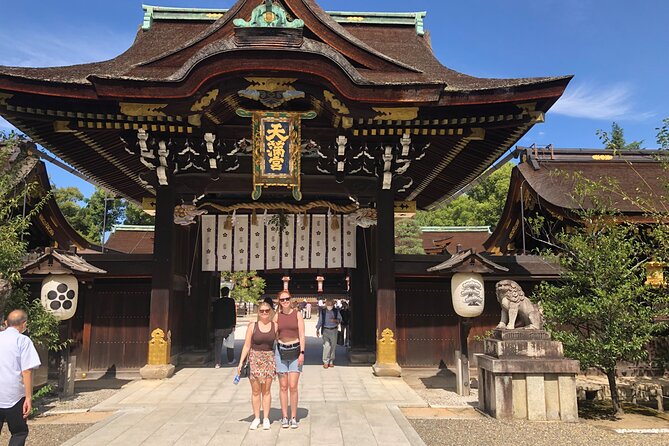
The first stop is Kitano Tenmangu Shrine, where you spend about 30 minutes. The shrine is linked with Sugawara no Michizane, a historical figure honored as a deity of learning.
Your guide can explain why students and families come here to pray for academic success, and how shrine rituals fit into Japanese religious life. This context matters because Kyoto’s religious sites are not simply old buildings. They remain part of everyday practice.
Kitano Tenmangu is also known for its roughly 1,000 plum trees, which flower in early spring. If your visit falls during that season, the grounds can be especially photogenic. Outside the blossom period, the shrine still provides a useful introduction to the customs you will see later.
Thirty minutes is enough for an overview, but not for an unhurried visit to every corner. If this shrine is a personal priority, you may want to return on your own.
Kinkaku-ji, the Golden Pavilion
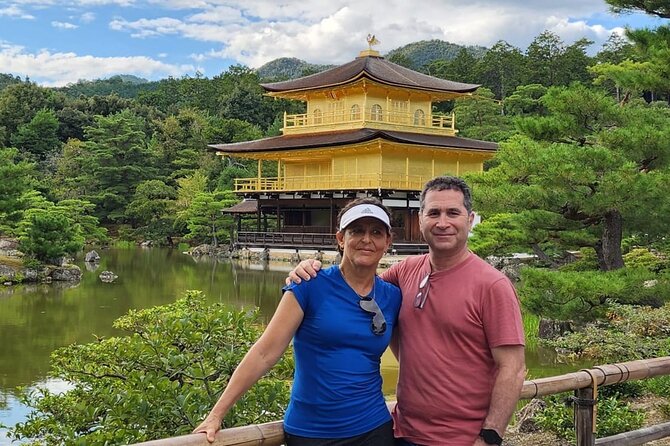
From Kitano Tenmangu, you continue by bike to Kinkaku-ji, one of Kyoto’s most recognizable sights. The pavilion is covered in gold leaf and reflected in the pond beside it, creating the image most people associate with the temple.
The scheduled visit lasts about 45 minutes, including admission. That time gives you a chance to see the main view, walk the grounds, and hear how the temple began as a residence before becoming a Zen temple.
Kinkaku-ji is visually powerful, but it is also one of Kyoto’s busiest stops. The famous pond view can feel crowded, especially at popular times of day. The advantage of arriving with a guide is that you get historical and cultural context instead of simply taking a photograph and moving on.
Weather changes the mood here. Snow can make the gold pavilion look almost unreal, while spring brings softer color around the grounds. On a rainy day, reflections may be less clear, but the site can still be striking.
Do not expect a quiet meditation garden experience at Kinkaku-ji. Think of it as an essential Kyoto image with a large audience, handled efficiently within a broader day.
Riding west toward Arashiyama
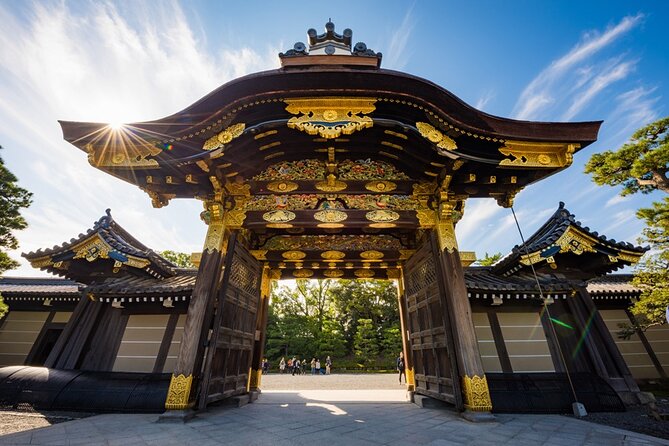
The stretch between the central Kyoto sights and Arashiyama is where the tour earns much of its value. You cover ground that would be awkward on foot and get a feel for how Kyoto’s neighborhoods connect.
The guides place strong attention on road safety. George, for example, has been praised for explaining crossings and bicycle rules, while other guides have kept riders together by positioning one person at the front and another at the back. That kind of supervision is useful in a city where bikes share space with cars, buses, mopeds, pedestrians, and other cyclists.
You should be comfortable riding in an urban setting. The tour is not limited to protected cycle paths, and some riders have found the streets challenging. Teenagers may manage well if they already ride confidently in traffic, but basic bike control and attention are important.
The route is not a race. Guides have adjusted plans for rain and snow, and the small group size makes it easier to pause or adapt when conditions change. Still, keep your attention on the road rather than treating every stretch as a sightseeing stop.
Walking through the Arashiyama Bamboo Forest
The Bamboo Forest Trail takes about 45 minutes and is one of the tour’s most memorable sections. Once you leave the bikes, you walk beneath tall bamboo stalks that create a narrow, shaded corridor through the hillside.
Photos rarely convey the scale of the grove. The bamboo rises well above you, and the close-packed trunks give the path a calm, enclosed feeling. It is a sharp change from the open streets and busy traffic of the ride.
The grove is also a major attraction, so do not expect solitude. Your guide can help you make the most of the visit and, according to the tour details, may allow some choice about where the walk finishes in Arashiyama.
This is another reason to wear comfortable shoes. The bike gets you to the area, but the memorable part happens on foot. If you have mobility concerns, keep in mind that the tour includes several walks at temple and shrine grounds.
Some tours have also included time near the Kimono Forest, a colorful installation in the Arashiyama area. Treat that as a possible extra rather than a guaranteed stop, since the listed itinerary centers on the bamboo grove and Tenryu-ji.
A few more Kyoto tours and experiences worth a look
Tenryu-ji and its garden
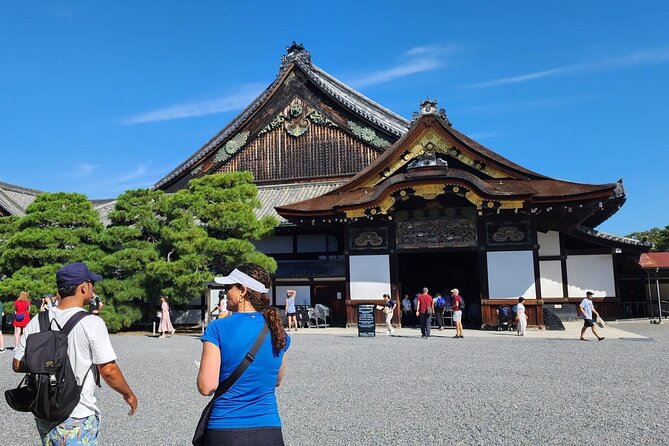
Tenryu-ji is the final listed sight, with about 45 minutes set aside for a walk through its garden. The temple has been a UNESCO World Heritage Site since 1994, and its garden is widely regarded as one of the finest in Kyoto.
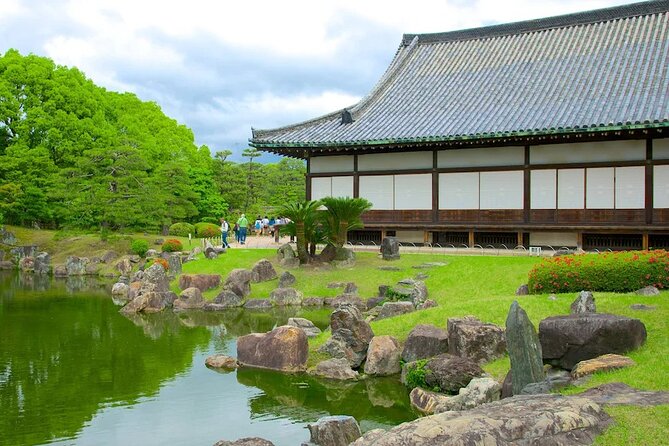
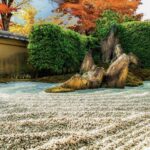
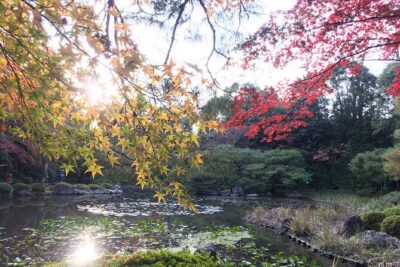
After the tightly framed bamboo paths, the garden gives you more room to breathe. Ponds, planted areas, and carefully arranged views create a different kind of visual experience from Kinkaku-ji’s bright pavilion.
Your guide can explain the temple’s place in Zen tradition and point out how the garden is designed to be viewed from specific areas. That interpretation helps you notice details you might otherwise pass by.
The visit is not only about architecture. As at Kitano Tenmangu, the value comes from learning how religion, ritual, gardens, and daily customs connect. Guides including Pohan and Jody have been praised for making these explanations approachable, with humor and practical examples rather than a string of dates.
After Tenryu-ji, the activity returns to the original bike-tour meeting point. The exact order or pacing can change with weather, traffic, and group comfort.
Lunch, local food, and the cash you need
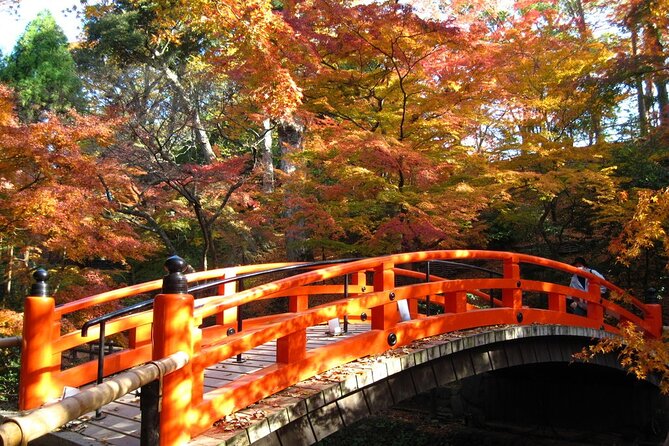
Lunch takes up part of the unlisted time between the main stops. You should plan to pay for your own meal. Bring yen, since a ramen stop has been cash only, and food court purchases may also require cash.
The lunch setting has varied in the experience described by the operator. Some groups have eaten ramen, while others have stopped at a food court with a wide choice of Japanese street food. One memorable restaurant used robot carts to deliver dishes, adding a bit of modern Kyoto novelty to the meal.
This arrangement gives you a chance to eat local food without paying for a fixed meal you may not want. It also means the final cost is higher than the tour price alone, so carry enough cash for lunch and any small shrine purchases.
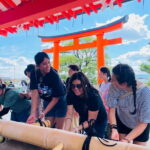
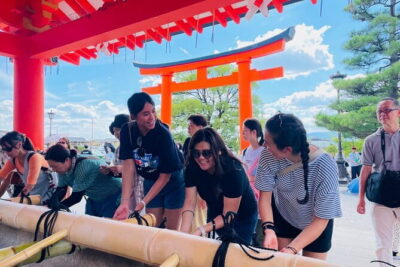
If you want to take part in shrine customs, bring some low-value coins as well. You may have the opportunity to purchase prayer candles or make a small offering. These are optional, but they make the religious sites feel more meaningful than a quick walk past a gate.
Guides and the value of a small group
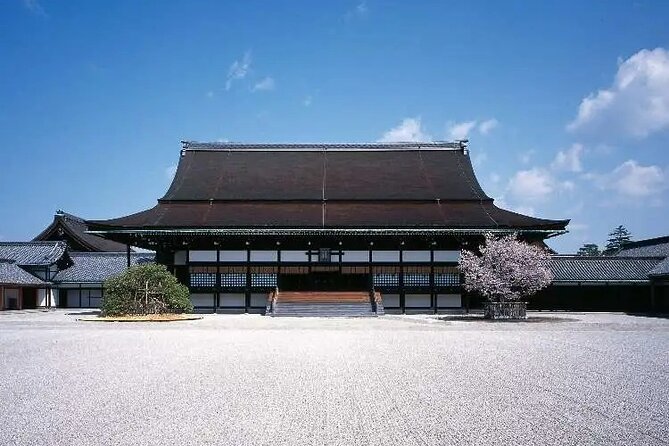
The guide is central to this experience. The strongest part of the day is not simply getting from one famous place to another. It is having someone explain why the sites matter and how to behave respectfully.
Jody has been described as a Canadian who has lived in Japan for more than 20 years and previously worked as a teacher. Pohan, Diego, Jorge, George, and Benjamin have also led departures, with an emphasis on history, customs, humor, and safety. Guide assignments can change, so you should not book expecting one specific person unless the operator confirms it.
The group limit is eight. That is small enough for questions and usually easier to manage at crossings than a large coach group. Some family groups have also benefited from guides adjusting their pace, helping with dietary needs at lunch, and responding calmly when someone falls behind.
That said, small group does not mean private tour. You share the day with other people, and the pace must suit the whole group. The social side can be a plus, especially if you enjoy meeting people from different countries.
Price, timing, and practical value
At $99.49 per person, the tour sits in a reasonable range for a half-day-plus guided experience that includes an e-bike, helmet, water, and admission tickets to the listed sights. You are paying for the bike equipment, route planning, guide, safety support, and the time saved by linking distant parts of Kyoto.
Lunch is not covered, so budget separately. You may also want a few coins for optional shrine customs. Those extra costs are small, but knowing about them prevents an awkward search for cash halfway through the day.
The two morning start options add useful flexibility. Choose the one that fits your hotel and other plans, but allow time to reach the meeting point. The address is near public transportation, yet the entrance has been described as tucked down a back road with limited signage. Read the meeting instructions carefully and avoid arriving at the last minute.
Confirmation is issued when you book, and free cancellation is available until 24 hours before the start time. Changes or cancellations inside that window are not refunded.
Who should book this Kyoto bike tour?
I would choose this tour if you have limited time and want a strong first look at Kyoto’s western sights. It works especially well for active couples, families with confident teenage riders, and anyone who finds long bus days dull.
It is also a good choice early in your Kyoto stay. The guide’s explanations of shrine etiquette, temple customs, and Japanese culture can help you understand later visits on your own.
I would think twice if you are uneasy riding beside traffic, dislike changing between cycling and walking, or want long, quiet visits at each temple. The tour covers a lot, but that means each stop has a set time.
Weather is another factor. Rain and snow do not automatically cancel the experience, and guides may rearrange the day, but you should be ready for outdoor riding in changing conditions.
Should you book it?
Book this Historical Kyoto E-Bike Tour if you want to see Kitano Tenmangu, Kinkaku-ji, Arashiyama, and Tenryu-ji in one day while learning the customs behind the sights. The e-bike makes the distance manageable, and the small group keeps the day more personal than a bus excursion.
Skip it if you want a slow temple-focused day or do not feel safe on city streets. For confident riders, though, this is an efficient and active way to connect Kyoto’s major sights with the back streets and local details that make the city more than a checklist.
FAQ
How long does the Historical Kyoto E-Bike Tour last?
The tour lasts approximately five to six hours. The time includes cycling between locations, visits to the shrines and temples, walking through the bamboo forest, and lunch.
What sights are included?
The listed stops are Kitano Tenmangu Shrine, Kinkaku-ji Temple, the Arashiyama Bamboo Forest, and Tenryu-ji Temple.
Are e-bikes included?
Yes. Each participant uses an e-bike, and a helmet and bottle of water are also provided.
Is lunch included in the tour price?
No meal is listed as included. The tour allows time for lunch, and you should bring yen to pay for food. A ramen restaurant or food court may be used.
How large is the group?
The tour has a maximum of eight people. Some departures may use two guides to help keep the group together.
Where does the tour start and finish?
The meeting point is Memory Kyoto Bike Tour at 8-6 Umaryo-cho, Nishikyo Nakagyo-ku, Kyoto. The activity ends back at the same meeting point.
Do I need to be an experienced cyclist?
You do not need to be a competitive cyclist, since the e-bike reduces physical effort. However, you should be comfortable riding on city streets shared with cars, buses, mopeds, pedestrians, and other cyclists.
Can I cancel for a full refund?
You can cancel up to 24 hours before the experience start time for a full refund. Cancellations or changes made less than 24 hours before the start time are not accepted for a refund.
More Cycling Tours in Kyoto


More E-Bike Tours in Kyoto
More Kyoto Cycling Tours in Kyoto
More tours in Kyoto we've reviewed
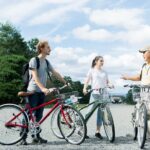
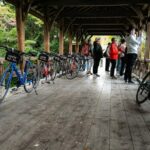
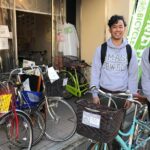
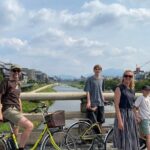
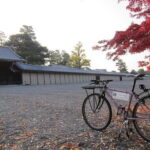
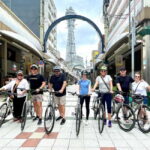
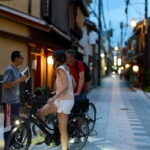
Kyoto Cycling Tours, compared.
 ★ 5.0Bike Tour Exploring North Kyoto plus LunchFrom $106
 ★ 5.05 Top Highlights of Kyoto Full Day Bike Tour (E-bike option)From $172
 ★ 5.0E-Bike Tours of the highlights of Kyoto!!!From $109
 ★ 5.0Afternoon Kyoto Bike Tour: Bamboo Forest, Monkeys & Hidden SpotsFrom $106
 ★ 5.0South Kyoto in a Nutshell: Gentle Backstreet Bike Tour!From $79
 ★ 4.9Kyoto: City Secrets eBike TourFrom $1273h 45m
 ★ 5.0Pedal Adventure Kyoto’s iconic landmarks on an e-bike tourFrom $86
 ★ 4.9Kyoto: Hidden Gems E-Bike Tour with Local Japanese GuideFrom $753h 30m
Browse the lists this tour appears in