
Reviewed · KYOTO CYCLING TOURS
Discover Kyoto by Bike: Authentic Half Day Tour
Kyoto’s best bike routes connect famous sights with quiet streets that buses cannot reach. On this four-hour private outing, you pedal a sturdy Mamachari through Gion, Nanzenji, the Philosopher’s Path, Ginkakuji, Shimogamo Shrine, and the Imperial Palace. I like the local pace and the chance to see Kyoto between its headline attractions.
I also like the personal guiding. Guides such as Alex, Nobumasa, and Miya have led this outing, and the format allows time for history, photos, and questions. The main drawback is simple: a standard three-speed bike is not an electric bicycle, and six major stops make the schedule fairly full.
In This Review
- Key Points to Know Before You Ride
- Why Cycling Works So Well in Kyoto
- Starting Near Gojo Station
- Gion: Kyoto’s Famous Streets by Bicycle
- Nanzenji Temple and Its Calm Temple Grounds
- The Philosopher’s Path by Canal
- Ginkakuji, the Silver Pavilion
- Shimogamo Shrine and Its Wooded Setting
- Kyoto Imperial Palace and the Open Grounds
- What the Guide Adds to the Ride
- Is $85 a Fair Price?
- Who Will Enjoy This Most
- My Take: Book It for Orientation, Not for Long Temple Visits
- FAQ
- How long is the Discover Kyoto by Bike tour?
- Where does the tour start?
- Where does the tour end?
- Is the bicycle included?
- Is the tour private?
- Is Nanzenji admission included?
- Are meals and drinks included?
- Can I cancel for a full refund?
Key Points to Know Before You Ride
- Mostly flat cycling: The route includes gentle slopes, but it is designed for a relaxed pace rather than hard exercise.
- Six major Kyoto sights: Gion, Nanzenji, the Philosopher’s Path, Ginkakuji, Shimogamo Shrine, and the Imperial Palace all fit into one morning or afternoon.
- Private group format: Only your own group takes part, so the guide can adjust explanations and photo stops to your interests.
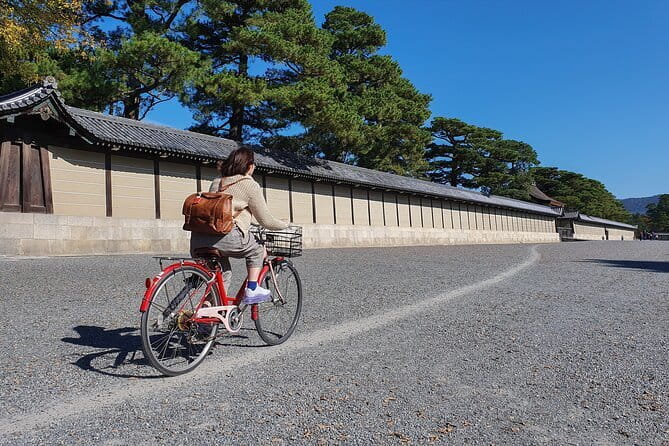
- Standard Mamachari bicycle: You ride a non-electric B-type bike with three gears, plus a helmet.
- Strong guide element: The tour works best when you want local orientation, street navigation, and historical context rather than a simple bike rental.
- Four hours for $85: The price includes the guide, bicycle, helmet, insurance, and Nanzenji entrance fee, but not meals, drinks, or other admissions.
Why Cycling Works So Well in Kyoto
Kyoto is compact in the areas covered here, but its major sights are spread across several neighborhoods. Walking between them takes time, while a bus can leave you looking at traffic and crowded stops. A bicycle gives you a useful middle ground.
You can move from Gion’s old streets to temple grounds, canal paths, wooded shrine grounds, and open palace gardens without spending the whole tour waiting for transport. The route is mostly flat, with a few mild slopes, so you are not signing up for a serious cycling workout.
The bike itself matters. This is a regular Mamachari, the familiar Japanese city bicycle, with three gear shifts. It is practical and approachable, but it is not designed for speed or long-distance touring. If you are comfortable riding a normal bicycle, the equipment should suit the relaxed plan. If you rarely cycle, tell the guide at the start and keep your pace easy.
Because this is a private activity, your group has more control than it would on a large shared tour. You can pause for photographs, ask for more explanation at a shrine, or keep moving if a particular stop interests you less. That flexibility is especially useful in Kyoto, where each temple and neighborhood can easily absorb more time than a four-hour route allows.
A few more Kyoto tours and experiences worth a look

Starting Near Gojo Station
The meeting point is at Gojo Station in Shimogyo Ward, at Osakacho, Kyoto 600-8177. You make your own way there, since hotel pickup and drop-off are not included. The area is near public transportation, which makes the start practical if you are staying elsewhere in Kyoto.
Allow time to reach the station and find the exact meeting point. The tour ends back at the same location, so you do not need to arrange a second pickup at the far end of the city.
At the beginning, you receive the bicycle, helmet, and basic orientation. The three-speed setup keeps the controls simple. That is a plus for anyone who wants to focus on the streets and sights instead of learning a complicated bike.
The tour lasts about four hours. Since the route includes six stops, the guide needs to keep the group moving. You should expect short visits at several locations rather than long, unhurried temple sessions.
Gion: Kyoto’s Famous Streets by Bicycle
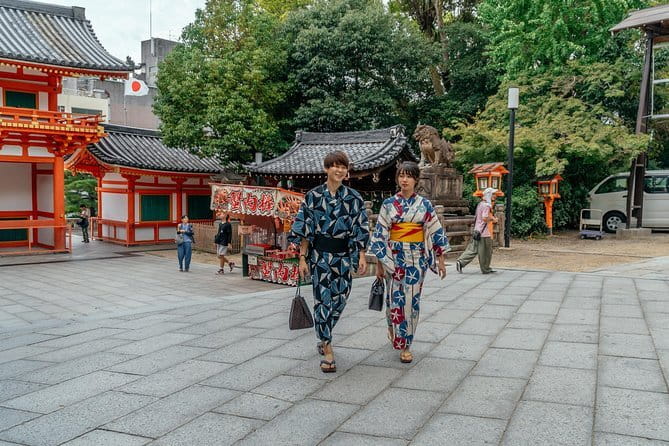
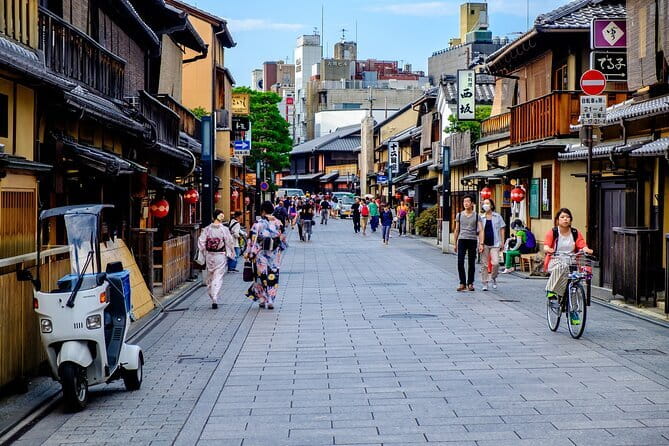
The first stop is Gion, one of Kyoto’s best-known historic districts. Its narrow streets, traditional buildings, and connection to geisha culture make it an important introduction to the city.
Seeing Gion by bike changes the experience. You are not simply being dropped at a photo point. You are moving through the district at street level, with time to notice the transition between busy roads and quieter lanes.
Your guide also helps with navigation. One particularly useful part of a bike tour is knowing where to ride and where to slow down. Kyoto may be friendly to bicycles, but its streets and pavements still require care. A guide who understands the local routes can help you avoid wasting time and can explain how cycling fits into daily life here.
The listed visit is about 20 minutes, so think of Gion as a short orientation rather than a full neighborhood tour. You will not have hours to explore every lane or browse at leisure. The value is in seeing the district as part of a larger route.
Nanzenji Temple and Its Calm Temple Grounds
From Gion, the ride continues to Nanzenji Zen Temple. The stop lasts about 30 minutes, and admission to Nanzenji is included in the tour price.
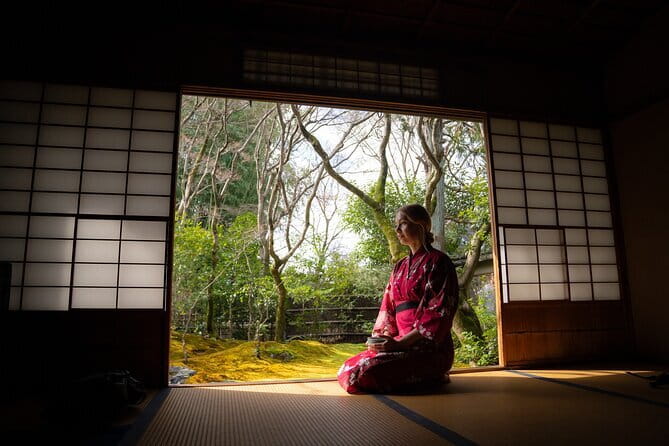
Nanzenji gives the route a quieter, more contemplative turn. Its Zen setting provides a useful contrast to Gion. Instead of focusing mainly on streets and buildings, you can pause in a temple environment and hear about the beliefs, design, and customs that shape Kyoto’s religious sites.
The included entrance fee is a small but useful benefit. You do not need to stop and sort out an extra payment during a tightly timed tour. Still, 30 minutes is not enough to inspect every corner of a major temple complex. I would treat this as an introduction, not a substitute for a dedicated Nanzenji visit.
The bicycle makes the connection between Gion and Nanzenji more interesting than a direct vehicle transfer. You get a sense of how the neighborhoods relate to one another, and the route keeps the focus on Kyoto as a lived-in city rather than a string of isolated monuments.
The Philosopher’s Path by Canal
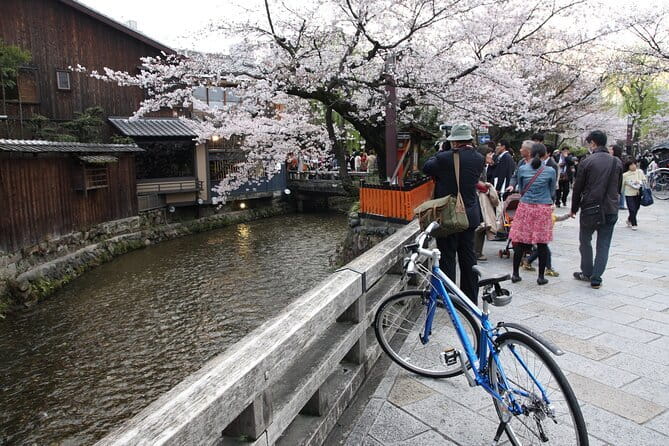
Next comes the Philosopher’s Path, a canal-side route known for its pleasant scenery. The cycling portion is listed at about 20 minutes, and the route offers one of the most appealing stretches of the outing.
This is where the bike format makes particular sense. You can move beside the canal at a comfortable speed, stop briefly for photos, and enjoy the route without turning it into a long walk. The setting also gives you a break from formal sightseeing.
The path is not presented as a separate ticketed attraction, and no admission fee is included or required in the tour details. Your time here is mainly about the ride and the surroundings.
The practical catch is that the Philosopher’s Path can feel busy at popular times, and a bicycle needs room. Stay attentive, follow the guide’s lead, and do not expect to race along the canal. The pleasure comes from the gentle movement and changing views, not speed.
Other cycling tours in Kyoto



Ginkakuji, the Silver Pavilion
The route then reaches Ginkakuji, commonly called the Silver Pavilion. The stop is about 20 minutes, and the tour description identifies the temple’s gardens as a key part of the visit.
Ginkakuji is a good place to see how Kyoto’s temple culture uses gardens to create a sense of order and calm. The name may suggest a glittering building, but the appeal here is more restrained. The gardens and setting do much of the work.
Twenty minutes gives you a quick look. You can take in the main atmosphere and hear the guide’s explanation, but you will need to keep your expectations realistic. If Ginkakuji is one of your top Kyoto priorities, you may want to return independently for a slower visit.
This short stop also shows the tradeoff built into the tour. You see more of Kyoto in one half-day, but no single sight receives a long, detailed exploration. For a first day in the city, that can be a good bargain. For a temple specialist, it may feel brisk.
Shimogamo Shrine and Its Wooded Setting
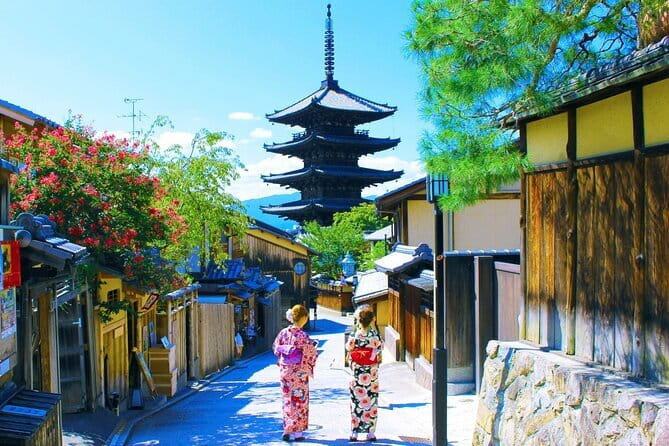
Shimogamo Shrine receives the longest stop, about one hour. That extra time matters because this is not just a quick photograph beside a gate. The shrine sits in peaceful wooded grounds and is one of Kyoto’s oldest Shinto shrines.
I consider this the route’s best chance to slow down. After several shorter stops, an hour allows you to listen to the guide, look carefully at the shrine buildings, and appreciate the difference between Shinto and Zen Buddhist sites.
The wooded setting also changes the tone of the day. Gion is urban and polished. Nanzenji and Ginkakuji are temple destinations. Shimogamo feels more connected to trees, open space, and long-standing ritual practice.
This is a strong stop for anyone who wants cultural context rather than a checklist of famous names. The guide can explain what you are seeing as you go, and the private format gives your group room to ask questions.
There is no separate entrance fee listed for Shimogamo Shrine. That keeps the visit simple, although the price of the tour should still be judged by the complete package rather than by admission costs alone.
Kyoto Imperial Palace and the Open Grounds
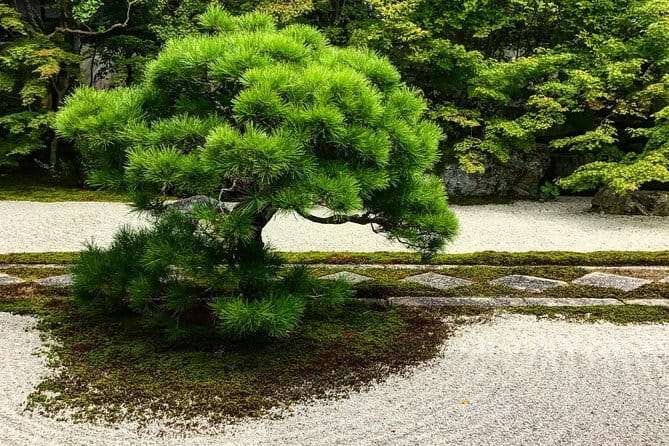
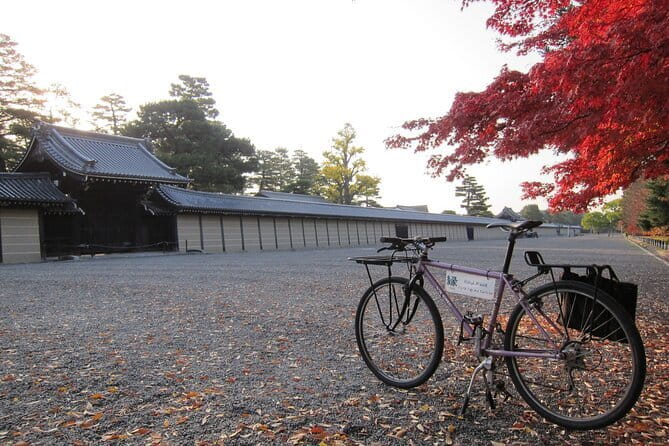
The final stop is the Kyoto Imperial Palace, once the residence of Japan’s imperial family. The visit lasts about 30 minutes and focuses on the broad palace grounds.
After the close streets of Gion and the shaded setting of Shimogamo, the palace provides a sense of space. You can relax, take in the large grounds, and finish the sightseeing portion without the pressure of another lengthy transfer.
The palace is also a useful place to connect Kyoto’s religious sites with its political past. Across the tour, you see several sides of the city: traditional neighborhood life, Zen practice, Shinto worship, imperial history, and everyday cycling.
Again, 30 minutes is an overview. You should not expect an exhaustive palace tour in this format. The benefit is that the Imperial Palace becomes part of a wider picture of Kyoto, rather than requiring a separate half-day commitment.
The route then returns to the Gojo Station meeting point. That makes the end straightforward, especially if you have dinner plans or another activity booked nearby.
What the Guide Adds to the Ride
The guide is more important here than the bicycle. You can rent a bike on your own, but you would need to plan the route, find the right streets, manage temple timing, and work out how to connect sights efficiently.
Guides named Alex, Nobumasa, and Miya have led this experience. Their roles go beyond reciting dates. The strongest part of the guiding style is the mix of practical help and cultural explanation.
You should expect help with streets and pavements, along with stories about Kyoto’s past and present. The guide can also take photographs, which is useful when you are traveling as a couple or small group and do not want to rely on strangers for every picture.
The private format gives this strength more room to show. On a large group tour, a question can hold up everyone. Here, the guide can spend more time with your group and adjust the pace within the limits of the four-hour schedule.
Is $85 a Fair Price?
At $85 per person, this is not the cheapest way to borrow a bicycle for a few hours. But it is not simply a rental. The fee includes an English-speaking guide, a standard bicycle, a helmet, insurance, and the Nanzenji entrance fee.
The real value comes from combining transport, route planning, local orientation, and six major sights. If you were already planning to visit these places and feel comfortable navigating Kyoto alone, you might prefer to rent a bicycle independently. You would have more time at each stop and could set your own route.
I think the price makes more sense for a first visit, a short stay, or anyone who wants a clear introduction without spending hours researching bike routes. The private arrangement also improves the value for couples, families, or friends who want attention from the guide instead of joining a large group.
Group discounts are available, which may make the cost more attractive for a larger private party. Meals, drinks, personal spending, and hotel transfers are extra, so plan for those separately.
Who Will Enjoy This Most
This tour suits you if you want to cover a lot of ground but do not want a bus-based sightseeing day. It is also a good match if you like learning while you move, rather than sitting through long indoor explanations.
You should be comfortable riding a standard bicycle. The route is mostly flat, but it includes several hours of movement and some gentle slopes. The tour is not described as an electric-bike experience, so do not book it expecting motor assistance.
It works well for:
- First-time Kyoto visitors who want a broad introduction
- Couples and families seeking a private outing
- Small groups interested in history and local customs
- Active visitors who prefer cycling to buses
- People who want help with streets, shortcuts, and photographs
It may be less suitable if you want a slow, detailed visit at every temple. The schedule is thoughtfully spread out, but six stops in four hours require discipline.
Confirmation arrives when you book, and most people can participate. Free cancellation is available up to 24 hours before the start time. Cancellations or changes made inside that window are not accepted for a refund.
My Take: Book It for Orientation, Not for Long Temple Visits
I would book this tour if I had limited time in Kyoto and wanted to understand how the city fits together. The bike lets you connect Gion, the eastern temple area, the canal route, Shimogamo, and the Imperial Palace in a way that feels more direct and local than a standard vehicle tour.
The best reasons to choose it are the private format, the useful street guidance, and the balance between riding and sightseeing. The main caution is the pace. You get an excellent sampler of Kyoto, but you will need to return on your own if one temple captures your imagination.
If you ride comfortably, value a guide’s stories, and want an active half-day with no hotel transfer fuss, $85 is a reasonable price. If you prefer long temple visits, electric assistance, or complete freedom to change plans, rent a bicycle independently instead.
FAQ
How long is the Discover Kyoto by Bike tour?
The activity lasts approximately four hours.
Where does the tour start?
The meeting point is at Gojo Station, Osakacho, Shimogyo Ward, Kyoto, 600-8177, Japan.
Where does the tour end?
The activity ends back at the meeting point near Gojo Station.
Is the bicycle included?
Yes. Bicycle rental is included, along with a helmet. The bicycle is a standard non-electric B-type model with three gear shifts.
Is the tour private?
Yes. Only your own group participates in the activity.
Is Nanzenji admission included?
Yes. The Nanzenji entrance fee is included in the tour price.
Are meals and drinks included?
No. Meals, drinks, and personal expenses are not included.
Can I cancel for a full refund?
Yes, if you cancel at least 24 hours before the experience start time. Cancellations or changes made less than 24 hours before the start time are not accepted for a refund.
More Cycling Tours in Kyoto
More Kyoto Cycling Tours in Kyoto
More tours in Kyoto we've reviewed

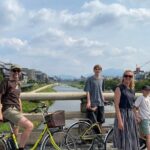

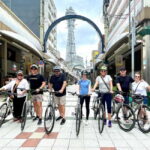
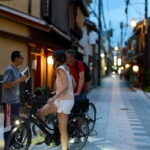

Kyoto Cycling Tours, compared.
 ★ 5.0Bike Tour Exploring North Kyoto plus LunchFrom $106
 ★ 5.05 Top Highlights of Kyoto Full Day Bike Tour (E-bike option)From $172
 ★ 5.0E-Bike Tours of the highlights of Kyoto!!!From $109
 ★ 5.0Afternoon Kyoto Bike Tour: Bamboo Forest, Monkeys & Hidden SpotsFrom $106
 ★ 5.0South Kyoto in a Nutshell: Gentle Backstreet Bike Tour!From $79
 ★ 4.9Kyoto: City Secrets eBike TourFrom $1273h 45m
 ★ 5.0Pedal Adventure Kyoto’s iconic landmarks on an e-bike tourFrom $86
 ★ 4.9Kyoto: Hidden Gems E-Bike Tour with Local Japanese GuideFrom $753h 30m
Browse the lists this tour appears in