
Reviewed · TOKYO CYCLING TOURS
3h Tokyo E-Bike Tour: Hidden Gems, and Local Life with guide
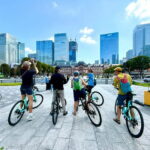
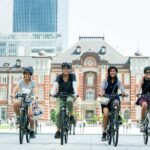
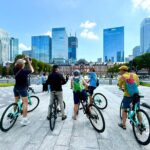
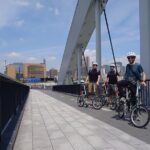
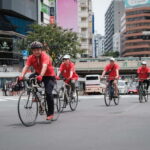
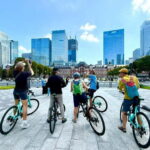
Tokyo makes more sense from a bicycle seat. This three-hour ride links Akihabara, Asakusa, Ryogoku, Ningyocho, and Nihonbashi, giving you famous sights plus the ordinary lanes between them. The electric-assist bikes keep the pedaling light, and the small groups make it easier to hear your guide and move through city traffic.
I especially like the small limit of six people and the chance to stop for photos instead of simply passing attractions in a van. Guides Jo, Ted, and Ninja have each earned warm praise for friendly service, local explanations, and careful attention to traffic. The main consideration is timing: the 1:30pm to 4:30pm ride is useful for a first afternoon in Tokyo, but three hours only allows brief visits at several stops.
In This Review
- Key points to know before you ride
- Why an e-bike is a good way to meet Tokyo
- Starting in Akihabara at 1:30pm
- Kappabashi Street and the quieter side of downtown
- Asakusa, Tokyo’s classic postcard scene
- Ryogoku and the world of sumo
- Ningyocho and Nihonbashi, where old Tokyo meets business Tokyo
- What the small group changes
- How much value do you get for $61?
- Weather, clothing, and riding comfort
- Who should book this Tokyo ride?
- Should you book it?
- FAQ
- How long is the Tokyo e-bike tour?
- What time does the afternoon tour run?
- Where does the tour start and finish?
- How many people can join the group?
- Is the tour conducted in English?
- Which Tokyo areas does the route visit?
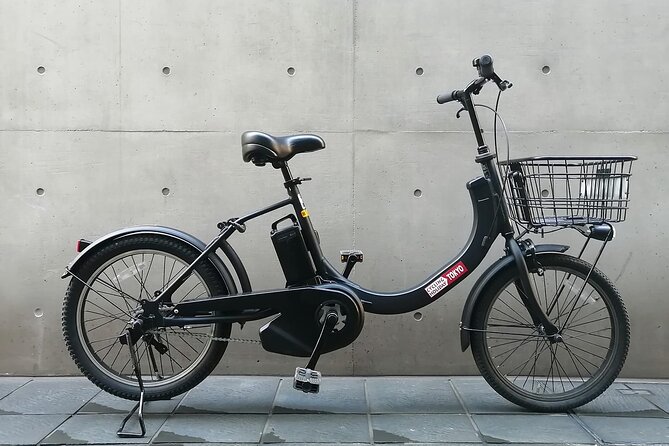
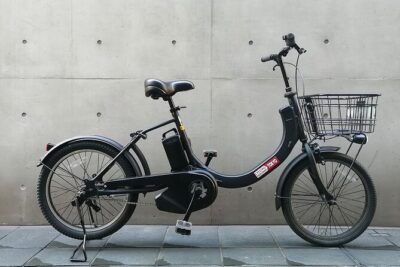
- Is an electric bicycle included?
- Is a helmet provided?
- Are food and drinks included?
- Can I cancel for a full refund?
Key points to know before you ride
- Electric-assist bicycles: The motor support makes the route manageable, even if you are not a regular cyclist.
- A six-person maximum: You get a more personal ride, clearer guide commentary, and a safer group to watch in city traffic.
- A smart first-timer route: Akihabara, Asakusa, Ryogoku, Ningyocho, and Nihonbashi show several sides of Tokyo in one afternoon.
- Photo stops built in: You can pause at key places, take pictures, and listen while the guide explains what you are seeing.
- English-speaking guides: Jo, Ted, and Ninja are among the guides praised for friendly service and careful road awareness.
- Weather support: Simple rain gear is provided, with simple gloves in winter and cooling products in summer.
Why an e-bike is a good way to meet Tokyo
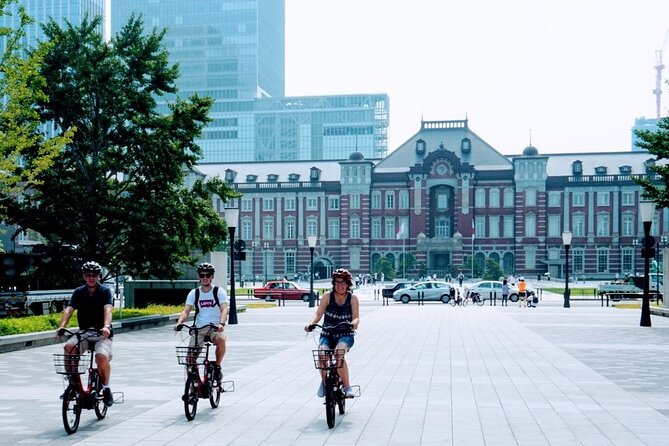
Tokyo is huge, and its best-known areas do not all sit next to one another. On foot, visiting Akihabara, Asakusa, Ryogoku, and Nihonbashi in one afternoon would mean a lot of transit planning and several changes of scene. By bicycle, you get the useful sense of moving through the city itself.
The electric assist matters. You still pedal, but the motor takes the sting out of the effort. That makes the ride less about fitness and more about looking around. You can focus on shop signs, temples, canals, old streets, and the changing feel of each district.
This is not a racing tour. The point is to travel at a human pace and stop when the guide has something worth pointing out. The route includes famous places, but the ride between them is part of the experience. You get a closer look at local streets than you would from a tour bus.
You need to arrive in clothing that is comfortable for cycling. A helmet is required, so wear a hairstyle that allows one to fit securely. The tour includes the bicycle, helmet, insurance, and basic seasonal items, but food and drinks are your own expense.
A few more Tokyo tours and experiences worth a look
Starting in Akihabara at 1:30pm
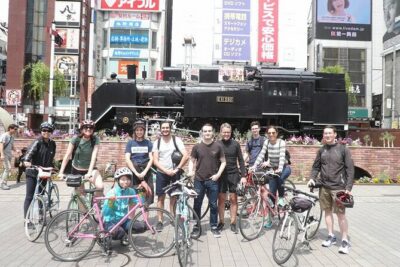
The afternoon begins at Cycling Holiday Tokyo, where the bicycles are lined up outside the store and staff are waiting. This simple meeting setup should make the start easy, but give yourself enough time to arrive without rushing. You will need to get fitted for the bike and helmet before setting off.
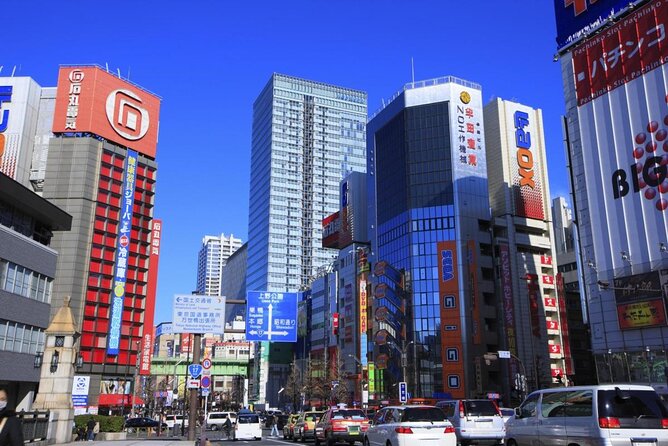
Akihabara gives the ride an immediate jolt of modern Tokyo. It is the city’s famous electronics and pop-culture district, and it offers a sharp contrast with the older neighborhoods later in the route. You stop here for photos rather than spending a long time shopping.
That choice makes sense. Akihabara can swallow an entire afternoon if you browse every arcade, shop, and display. This tour uses it as an introduction to Tokyo’s pop-culture side, then moves on before the schedule gets stuck in one district.
The guide’s comments are important here. Instead of only snapping pictures, you can hear how Akihabara fits into the wider character of Tokyo. The small group helps because you can ask a question without trying to catch a guide’s voice across a crowd.
Kappabashi Street and the quieter side of downtown
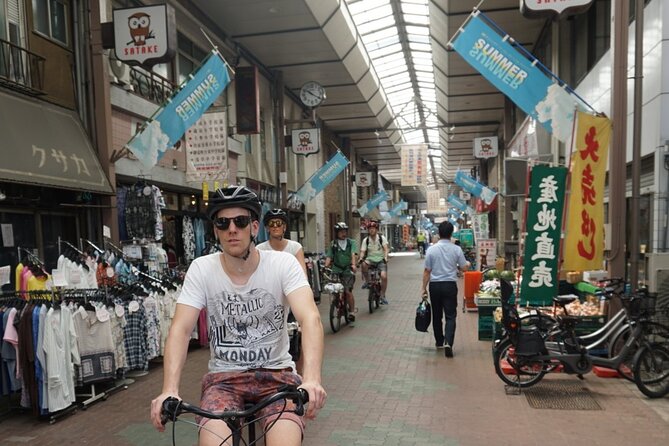
Kappabashi Street is a useful stop for seeing a more specialized part of Tokyo. You have about 15 minutes of free time here, so this is a short visit rather than a full shopping session.
The street is known for shops connected with restaurant supplies, including the kind of practical goods that help reveal Tokyo’s working side. The supplied details do not promise specific purchases or a long browse, so think of this stop as a quick look and a chance to take in a district many first-time visitors miss.
The short time limit is both a benefit and a drawback. It keeps the tour moving, but you may not have time to inspect every shop. If you enjoy browsing at leisure, you will need to accept that this ride favors variety over long stops.
Asakusa, Tokyo’s classic postcard scene
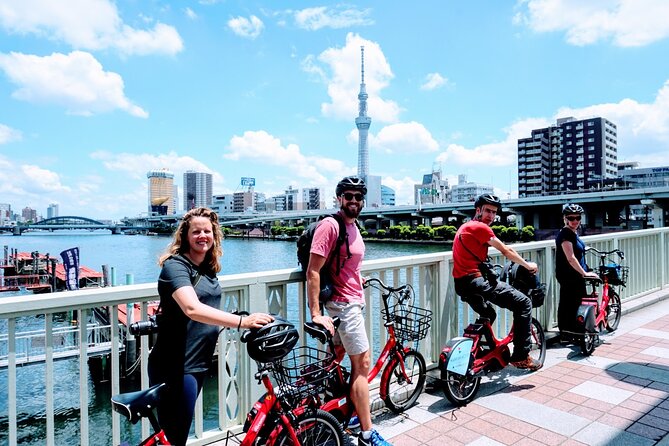
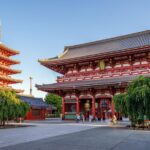
Asakusa is the route’s major traditional stop. You have free time here, giving you more room than at Kappabashi Street to look around and take photos.
This is where the ride connects with the Tokyo many first-time visitors picture: old downtown, religious sights, and streets shaped by centuries of city life. The activity description places Asakusa alongside Akihabara, which is useful because the contrast is so strong. In a few hours, you move from electric pop culture to one of Tokyo’s best-known traditional districts.
You should keep your expectations realistic. The schedule does not specify a long guided visit inside individual buildings, nor does it include food or drinks. The value is in seeing Asakusa as one part of a wider route, with time to look around before returning to the bikes.
I like this arrangement for a first afternoon. You get a clear introduction without spending the whole day in one tourist center. If Asakusa is your main goal, though, you may prefer a dedicated walking visit with more time for shops, temples, and snacks.
Ryogoku and the world of sumo
The ride then reaches Ryogoku, the area associated with sumo. This is a 10-minute photo stop, so the guide’s explanation and the group picture matter more than extended sightseeing.
Ryogoku adds another layer to the route. It is not simply another old neighborhood. Its identity is tied to Japan’s national sport, and the stop gives you a quick way to place sumo within Tokyo’s city map.
Ten minutes is enough for orientation and photographs, but not for a full exploration. You should not book this tour expecting a sumo museum visit, a tournament, or a long stop at a particular arena. None of those are included in the stated plan.
Still, the brief pause works well in a compact tour. The route is showing you different parts of Tokyo rather than asking you to study one subject in detail. Your guide can add context while you take pictures, then the group continues before the afternoon disappears.
A few more Tokyo tours and experiences worth a look
Ningyocho and Nihonbashi, where old Tokyo meets business Tokyo
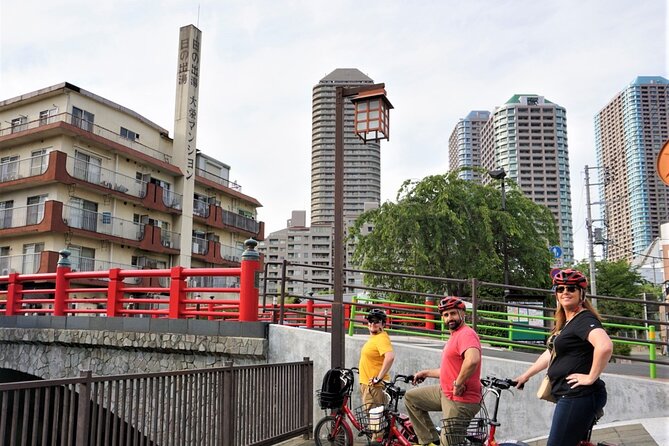
Ningyocho is described as a local, energetic district, and it helps shift the ride away from the city’s headline attractions. The route presents it as part of Tokyo’s everyday downtown character, a place to see local streets rather than only famous photo backdrops.
This is one reason I prefer a bicycle tour to a checklist of major sights. You are not only moving between attractions. You are also passing through the spaces that connect them, and those in-between sections can give you a better feel for how Tokyo is arranged.
The final photo stop is Nihonbashi, with about five minutes to pause. Nihonbashi was built in the Edo period, roughly 400 years ago, and remains one of the city’s important historic names. The stop is short, but its place at the end of the route gives the afternoon a useful finish: from modern Akihabara through traditional Asakusa and sumo-centered Ryogoku to an old commercial heart.
Five minutes will not satisfy anyone hoping for a detailed historical tour of Nihonbashi. It is best treated as a closing introduction and a photo opportunity. You can return later if this area catches your interest.
What the small group changes
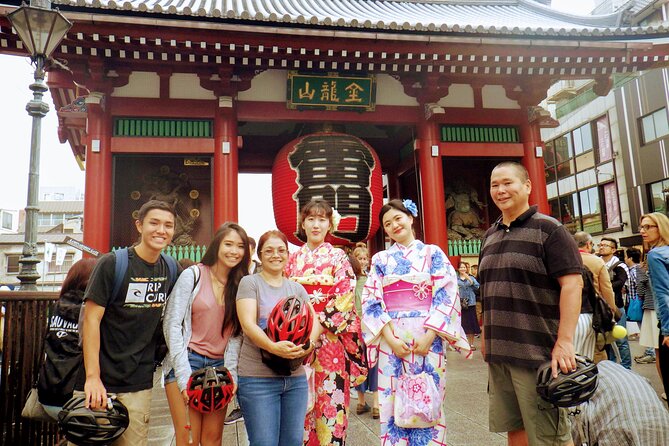
A six-person maximum is one of the strongest practical features here. Tokyo cycling requires attention, and a smaller group is easier to keep together at turns, crossings, and stops.
It also improves the teaching side of the ride. When the group pauses, you can listen to the guide’s comments and ask for clarification. You are less likely to be pushed to the back of a large crowd, and the guide can keep a closer eye on everyone.
The praise for Jo, Ted, and Ninja points to two things you should value: a friendly manner and careful traffic awareness. One rating specifically highlights Ninja’s attention to both the road and the people in the group. That is exactly what you want on a city bicycle tour.
The small group does not remove every concern. You still need to be comfortable riding a bicycle and following the guide. Tokyo is a busy city, and the tour is not suitable for someone who wants to avoid cycling altogether.
How much value do you get for $61?
At $61 per person, this is priced as a guided sightseeing experience rather than a simple bike rental. The price includes the electric-assist bicycle, helmet, English-speaking guide, insurance, and basic weather or seasonal gear.
The value comes from the route and the time saved. You do not have to work out how to connect five different districts, and you get local commentary while riding between them. For a first visit with only one free afternoon, that can be more useful than paying for separate transport and trying to plan every stop yourself.
The price is less attractive if you are already comfortable navigating Tokyo by bicycle or if you want long visits at each place. The schedule is broad, not slow. You see many districts, but only Asakusa has open-ended free time, while Kappabashi Street, Ryogoku, and Nihonbashi have short pauses.
Food and drinks are not included. That is easy to manage, since you can pay for anything you want at a shop, but remember that the three-hour price is not an all-inclusive afternoon.
Weather, clothing, and riding comfort
The company provides simple rain gear, which is helpful if the weather turns damp. In winter, simple gloves are available, and in summer, cooling products are provided. These are basic supports, not a promise of full protection in severe weather.
Your own clothing still matters more. Wear comfortable riding clothes and shoes. You must wear the provided helmet, so plan your hair accordingly. A complicated hairstyle can make helmet fitting awkward and uncomfortable.
The electric assist should make the ride easier, but the supplied information does not give a difficulty grade, distance, or details about the bicycle models. If you have specific cycling concerns, ask the provider before booking. The clear requirement is that you should be able to ride a bicycle and remain comfortable for three hours.
Who should book this Tokyo ride?
I would recommend it most strongly to first-time visitors who want a quick, guided introduction to several central districts. The 1:30pm start leaves the morning open for another activity, and the route gives you useful ideas for where to return later.
It also suits people who like seeing a city from street level but do not want a demanding cycling workout. The electric assist, small group, helmet, insurance, and guide support all make the ride more approachable.
Couples, solo visitors, and small groups of friends can all fit comfortably within the six-person limit. The English-language guidance is a clear advantage if you want explanations while riding rather than simply following a route on your own.
I would choose something else if your priority is deep time at Asakusa, shopping in Akihabara, a full sumo experience, or a relaxed meal stop. This tour offers a broad sample of Tokyo, with short photo stops and limited free time at several places.
The activity has an overall rating of 4.8 from five submitted ratings, with particular praise for the guides and the pleasure of riding lanes and streets rather than only visiting major sights. That matches the tour’s real strength: the movement between districts is just as useful as the stops.
Should you book it?
Book this tour if you have three spare hours, want an easy way to cover several Tokyo neighborhoods, and like having a guide nearby to explain what you are seeing. The electric bikes and six-person limit make the ride feel practical, while the route gives you a memorable first look at both modern and old downtown Tokyo.
Skip it if you dislike cycling, need long visits at every attraction, or want food and drinks included. For the right rider, $61 is a fair price for the equipment, guide, safety support, and city coverage packed into one afternoon.
Free cancellation is available up to 24 hours before the start for a full refund, and you can reserve now and pay later. Starting times should be checked when booking.
FAQ
How long is the Tokyo e-bike tour?
The tour lasts three hours.
What time does the afternoon tour run?
The afternoon tour runs from 1:30pm to 4:30pm.
Where does the tour start and finish?
It starts and finishes at Cycling Holiday Tokyo. The bicycles are lined up in front of the store, with staff standing nearby.
How many people can join the group?
The group is limited to six participants.
Is the tour conducted in English?
Yes. The tour includes an English-speaking live guide.
Which Tokyo areas does the route visit?
The route includes Akihabara, Kappabashi Street, Asakusa, Ryogoku, Ningyocho, and Nihonbashi.
Is an electric bicycle included?
Yes. Rental of an electric-assist bicycle is included.
Is a helmet provided?
Yes. A rental helmet is included, and you are required to wear it.
Are food and drinks included?
No. Food and drinks are not included, so you pay for them yourself at shops.
Can I cancel for a full refund?
Yes. You can cancel up to 24 hours in advance for a full refund. You can also reserve now and pay later.
More Backstreet & Hidden Rides in Tokyo
More E-Bike Tours in Tokyo
More Tokyo Cycling Tours in Tokyo
More tours in Tokyo we've reviewed




Tokyo Cycling Tours, compared.
 ★ 5.0Tokyo Great Cycling TourFrom $99
 ★ 5.0Tokyo Top Highlights 3h Guided E-bike TourFrom $63
 ★ 5.03h Tokyo E-Bike Tour: Hidden Gems, and Local Life with guideFrom $63
 ★ 4.83-Hour Bike or E-Bike City Highlights TourFrom $453 hours
 ★ 4.83-hour Guided E-Bike Tour of the City’s Hidden GemsFrom $65
 ★ 5.0Tokyo West-Side Cycling & Food TourFrom $99
 ★ 5.03-Hour Bike/E-Bike Tour of the City’s HighlightsFrom $63
 ★ 5.0Small Group Cycling Tour in TokyoFrom $66
Browse the lists this tour appears in