
Reviewed · TOKYO CYCLING TOURS
Tokyo: Rice Ball Making Class
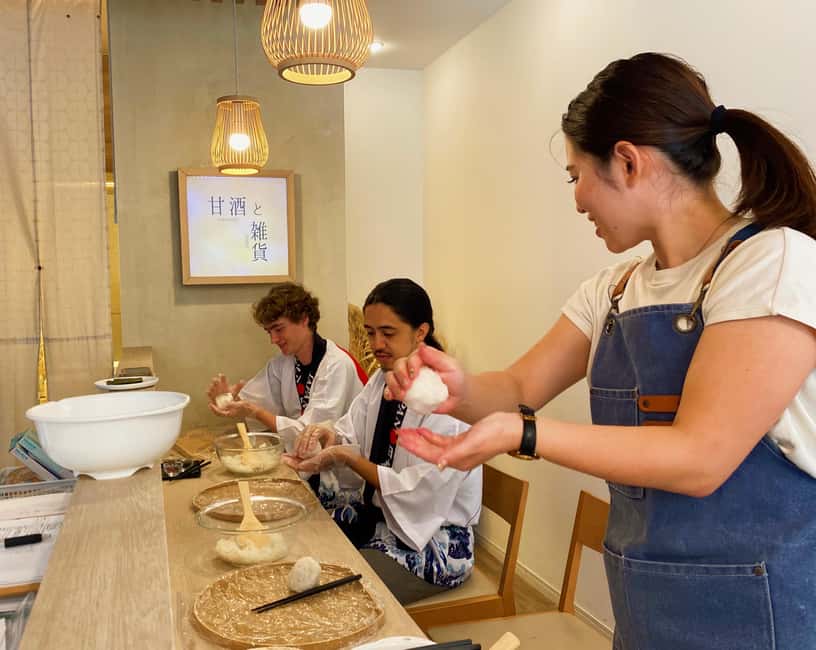
Tokyo has plenty of grand sights, but this experience begins with a warm handful of rice. You learn to season and shape onigiri, Japan’s practical rice snack, then eat what you made in the calm grounds of Hamarikyu Gardens. Afterward, a guide leads you by bike through quiet streets, riverside paths, and waterfront views.
I like the hands-on cooking lesson, which gives you something to do rather than simply watch. I also like the small group of no more than six, plus the chance to see Tokyo at street level by bicycle. The main consideration is physical: this is not a good choice if you cannot ride a bike, have limited mobility, or have a low level of fitness.
In This Review
- Key points to know before booking
- Why onigiri makes such a good Tokyo activity
- Shaping rice with a local guide
- Cycling from the class to Hamarikyu Gardens
- A picnic among ponds and teahouses
- Tokyo sights from two wheels
- How the $51 price works for you
- Who will enjoy this most
- Small details that make the day better
- Should you book the Tokyo rice ball and bike tour?
- FAQ
- How much does the Tokyo rice ball making class cost?
- How long does the experience last?
- What food will I make?
- Is the bike included?
- Is admission to Hamarikyu Gardens included?
- Is the activity conducted in English?
- How large is the group?
- What should I bring and wear?
- Who should not book this activity?
Key points to know before booking
- You make your own onigiri with freshly steamed rice and fillings such as salmon, pickled plum, and tuna mayo.
- Your picnic takes place at Hamarikyu Gardens, where saltwater ponds, old teahouses, seasonal flowers, and Tokyo’s skyline share the same view.
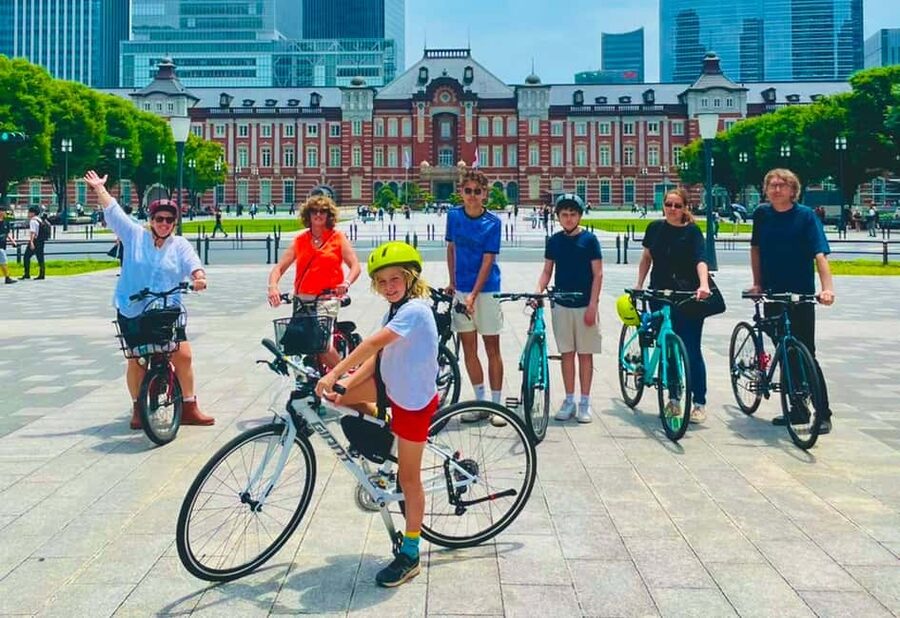
- The bike route mixes ordinary Tokyo with major sights, including Tokyo Tower, the Imperial Palace, Zojoji Temple, and Tokyo Bay.
- The group is limited to six people, making it easier to hear the guide and get help with shaping the rice.
- English guidance is provided, and previous sessions have featured friendly instructors, including a guide named Sho.
- Comfortable clothes and water matter, since the activity combines food preparation, outdoor time, and cycling.
Why onigiri makes such a good Tokyo activity
Onigiri is simple food with a lot of cultural weight. At its core, it is seasoned rice shaped by hand, often wrapped or served with nori and filled with something savory. You can find it in convenience stores all over Japan, but making it yourself gives you a better sense of the care behind this everyday staple.
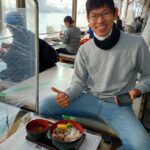
The class is built around doing, not just eating. You season freshly steamed rice, choose fillings, and work out how to shape it without scattering grains across the table. Salmon brings a familiar savory taste, pickled plum gives the rice a sharp and salty kick, and tuna mayo offers a creamy option.
That mix is useful if you are new to Japanese food. You can compare several classic flavors in one sitting instead of ordering a full meal and hoping for the best. The lesson also suits curious eaters who want a small, approachable introduction to Japanese cooking.
There is a social side to the class too. With only six people, you should have a reasonable chance to ask questions and get a closer look at the instructor’s technique. The English speaking guides have earned strong praise for being friendly and clear, and Sho is one guide who has been specifically named as making the session fun.
Do not expect a long cooking school course. The advertised duration is one to three hours, depending on the available start time and the way the activity runs. This is a compact food experience paired with a bike outing, not a full morning spent studying several Japanese dishes.
A few more Tokyo tours and experiences worth a look

Shaping rice with a local guide
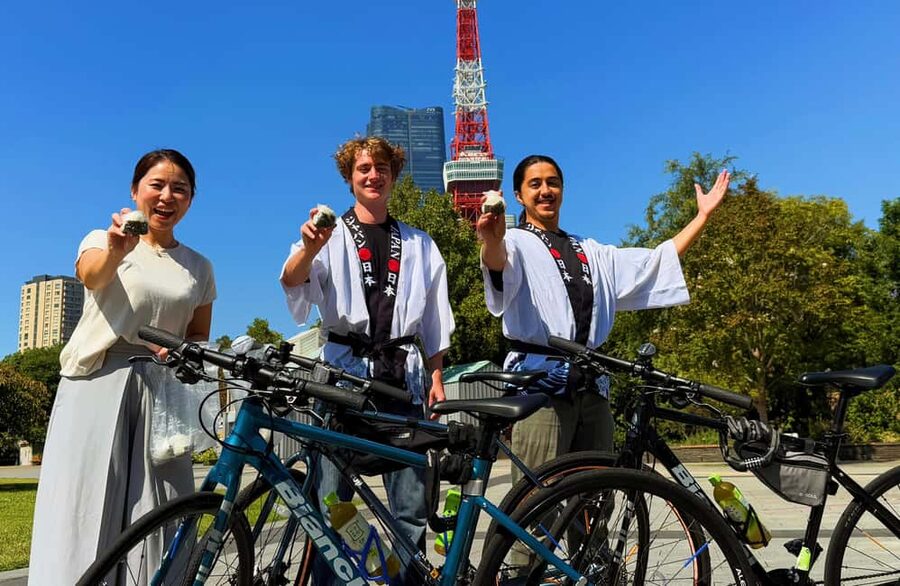
The first part takes place at the onigiri making class, which is also the meeting point. You should arrive ready to work with warm rice and to follow instructions on seasoning, filling, and shaping.
The appeal is in the small choices. How much filling should go in the center? How firmly should you press the rice? How do you form a neat triangle or another shape without making the outside too dense? An expert can show you the basic method and help you avoid the common problem of handling the rice too roughly.
Your ingredients are included, so the $51 price covers more than a demonstration. You actually produce food to eat later in the outing. That makes the class feel more worthwhile than a simple tasting, especially if you enjoy activities that leave you with a new skill.
The class also gives you a gentle start to the day. You are not asked to tackle difficult techniques or a long list of ingredients. Instead, you learn one useful Japanese food tradition and then carry the results with you.
One practical point: extra snacks and drinks from the shop are not included. Bring water, as requested, and plan on buying anything else separately if you need it. The handmade rice balls are intended to be the main food portion of the activity.
Cycling from the class to Hamarikyu Gardens
Once your onigiri are packed, you take a bicycle toward Hamarikyu Gardens. The bicycle and a local guide are included, so you do not need to arrange a rental for this part of the outing.
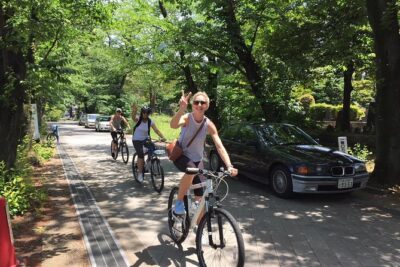
The ride changes the rhythm of the experience. Instead of moving from one major attraction to another by train or taxi, you travel through the city at a slower pace. You see the spaces between the famous sights, including backstreets, local neighborhoods, and riverside routes.
That is where this activity earns its place among Tokyo’s many tours. You are not only looking up at famous buildings. You are also watching the city pass at street level, where quieter residential areas and working urban districts show how Tokyo functions day to day.
The route is carefully selected, but the information does not specify its exact distance or cycling time. That matters if you are trying to fit the activity tightly between other plans. The full experience can last from one to three hours, so check the available start time and allow enough room for the class, ride, garden visit, and return cycling.
You should also take the fitness guidance seriously. The activity is not suitable for people who cannot ride a bike, people with back problems, people with mobility impairments, wheelchair users, visually impaired people, people with high blood pressure, or people with a low level of fitness. It is also not suitable for children under 12 or people over 70.
Those limits may sound strict, but they give you a useful picture of the outing. This is active sightseeing, even if the pace is described as leisurely. Wear clothes that are comfortable for cycling, and avoid treating the ride as an afterthought.
A picnic among ponds and teahouses
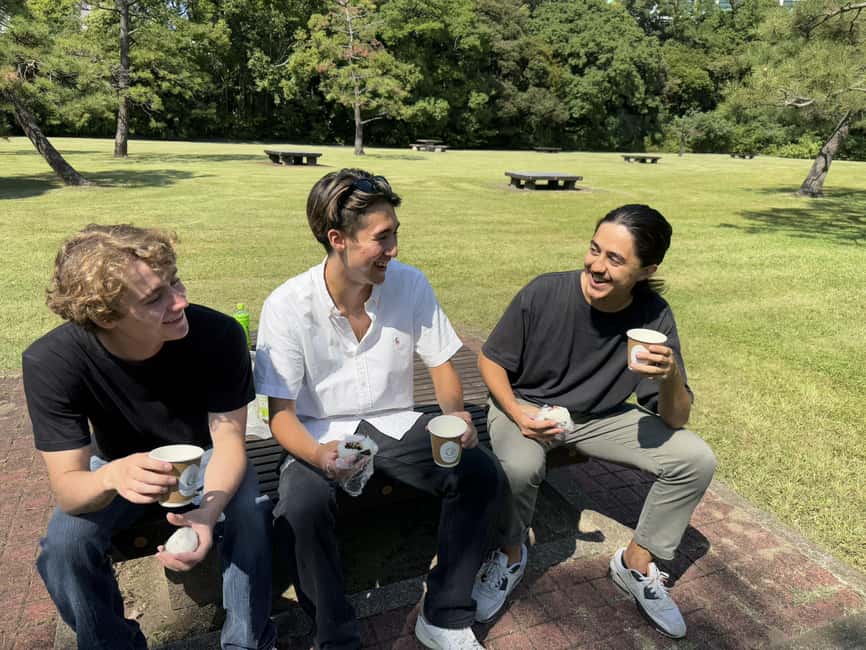
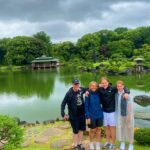
Hamarikyu Gardens is the centerpiece of the outdoor portion. The garden sits between central Tokyo and the bay, creating a striking change from the surrounding city. Its saltwater ponds, walking paths, seasonal flowers, and traditional teahouses give you a quieter setting for the food you just prepared.
You eat your still-warm onigiri in the garden, with the modern Tokyo skyline in view. That contrast is one of the strongest ideas in the itinerary: humble handmade rice in a historic Japanese garden, with the city’s towers rising behind it.
The entrance fee is included, so you do not need to make a separate payment for the garden. You should still remember that extra drinks and snacks are not part of the package. If you want more than the onigiri, budget for it separately.
The garden visit also provides a useful pause after the class and before more cycling. You can sit down, eat, and take in the surroundings rather than rushing through another sightseeing stop. The exact picnic arrangements are not specified, so you should follow the guide’s instructions about where to sit and how long you have.
Hamarikyu is especially appealing if your Tokyo schedule is heavy on train stations, department stores, and major urban sights. It gives you a little breathing room without taking you far from the center. You still have the skyline, but the view is framed by ponds and garden paths instead of traffic.
Tokyo sights from two wheels
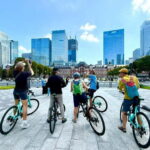
After eating, the ride continues through backstreets and riverside paths. The route brings together several different sides of the city, from everyday neighborhoods to broad waterfront lanes with views across Tokyo Bay.
You may see Tokyo Tower in the distance, the Imperial Palace, and Zojoji Temple along the way. These are not presented as long, formal sightseeing stops. Their value is in the changing viewpoints as you ride, with the guide pointing out what you are seeing and explaining the area.
Zojoji Temple is particularly effective in this kind of route because it gives you a traditional religious landmark within a modern central Tokyo setting. The Imperial Palace adds another layer, while Tokyo Tower provides an easy visual reference as you move through the city.
The waterfront section offers a different feel from the narrow streets. Open lanes and bay views give you space to look around, and the ride becomes less about individual attractions and more about seeing how Tokyo meets the water.
You should not book this expecting a specialist history tour or a high-speed cycling excursion. The details promise a local route and an English speaking guide, but they do not give a full list of stops, mileage, or cycling pace. If your priority is a fixed, detailed commentary at every landmark, another tour may suit you better.
If you want a relaxed way to connect food, gardens, neighborhood streets, and major views, the balance is appealing. You get a more varied outing than a class alone, while avoiding a full day of cycling.
A few more Tokyo tours and experiences worth a look
How the $51 price works for you
At $51 per person, this sits above the cost of buying a convenience-store onigiri and visiting a garden on your own. That comparison is fair, but it misses what the fee includes.
You are paying for an English guided class, ingredients, a bicycle, a local bike guide, and admission to Hamarikyu Gardens. The small group size is important here. A maximum of six people should make the cooking instruction more personal than a large workshop, and it can keep the cycling group easier to manage.
The value is strongest if you want several experiences combined into one booking. You learn how to make a Japanese snack, eat it in a historic garden, and ride through parts of Tokyo you might not choose to find alone. The guide also removes some of the effort involved in planning a safe and interesting route.
The value is weaker if you mainly want a cooking class. In that case, the bike ride and garden entrance may not matter much to you. Likewise, if you already have a bicycle and know Tokyo well, you may prefer to arrange these pieces independently.
The flexible booking terms help if your schedule is still shifting. You can reserve and pay later, and cancellation is available up to 24 hours in advance for a full refund. Check the specific start times before you commit, since the activity can run for one to three hours.
Who will enjoy this most
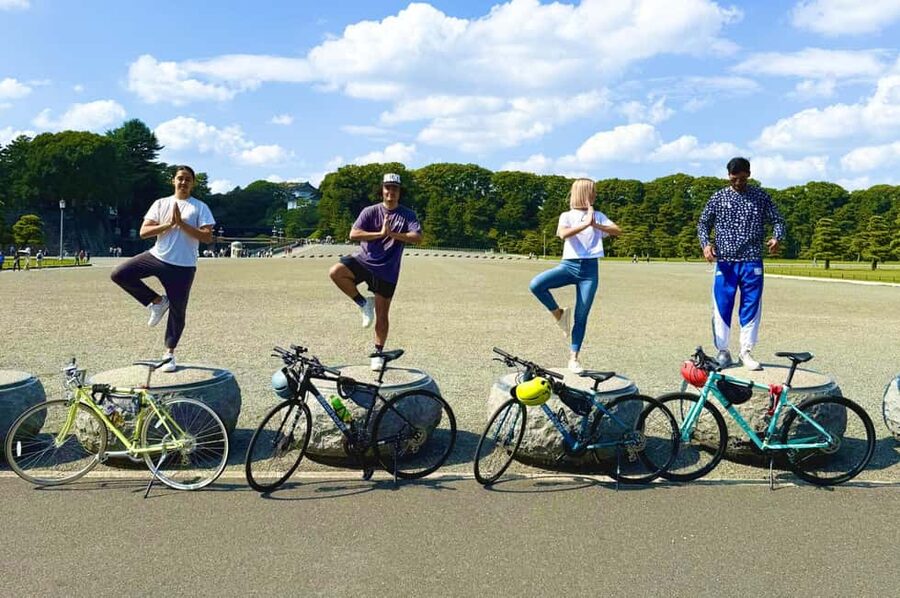
I would recommend this to adults and older children who like food, light outdoor activity, and small group tours. It is a good fit for a first visit if you want an introduction to Japan that feels more personal than ticking off a major attraction.
Food-focused visitors will get the most from the first half. You can ask about fillings, practice the shaping method, and then eat the result soon afterward. The activity is also a good choice if you prefer a useful souvenir of a place, such as a cooking skill, rather than a purchased item.
The ride suits you if you enjoy seeing a city from a bicycle without committing to a full-day cycling program. The route includes both local streets and famous sights, so you get variety without losing the main Tokyo highlights.
I would be cautious if you have a packed sightseeing schedule. The flexible one to three hour duration is useful, but the exact length and start options need checking. Also, do not count on the onigiri alone if you need a large meal, since extra snacks and drinks cost extra.
The age and health restrictions are clear. Children under 12 cannot join, and the experience is not designed for people with back or mobility problems, high blood pressure, poor fitness, or difficulty riding. Baby strollers are not allowed, and the outing is not suitable for wheelchair users or visually impaired participants.
Small details that make the day better
Bring water from the start. The organizer specifically recommends it, and you may prefer not to search for a drink while moving between the class, garden, and bike route.
Wear comfortable clothes that allow you to cycle without fuss. You do not need to dress formally for the cooking class, and practical clothing will serve you better during the ride.
Keep your expectations at the right level. This is a compact local activity, not a full cooking course, a long garden tour, or an exhaustive Tokyo history lesson. Its strength is the combination of three modest pleasures: making food, eating outdoors, and seeing the city by bicycle.
The consistently high praise centers on the human side of the outing. Instructors have been described as friendly, helpful, clear in English, and fun to spend time with. That matters because both cooking and cycling become easier when you feel comfortable asking for help.
Should you book the Tokyo rice ball and bike tour?
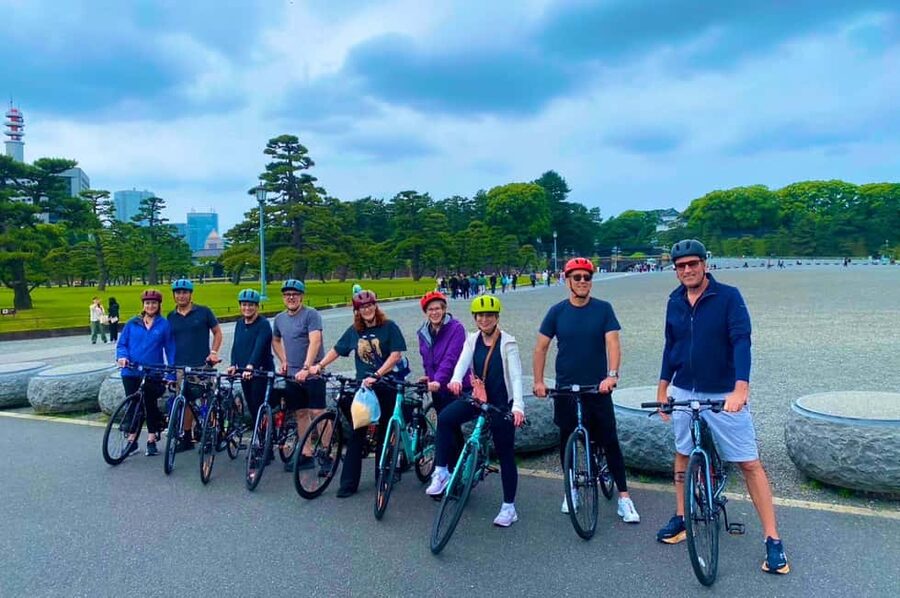
Book it if you want a hands-on morning or afternoon that joins Japanese food with gentle city exploration. The combination of onigiri making, Hamarikyu Gardens, and a guided ride to Tokyo Bay gives you a fuller sense of Tokyo than a class or garden visit alone.
The $51 cost is reasonable when you plan to use every included part: ingredients, instruction, bike, guide, and garden entry. I would skip it if you cannot ride comfortably, need a fully accessible outing, or want a substantial meal and a long, detailed sightseeing tour.
For the right participant, this is a friendly, practical introduction to Tokyo. You leave with a new food skill, a garden picnic, and a better view of the city’s quieter streets.
FAQ
How much does the Tokyo rice ball making class cost?
The activity costs $51 per person.
How long does the experience last?
The stated duration is one to three hours. Check the available start times when booking.
What food will I make?
You will make onigiri, Japanese rice balls, using freshly steamed rice and fillings such as salmon, pickled plum, and tuna mayo.
Is the bike included?
Yes. A bicycle and a local bike tour guide are included.
Is admission to Hamarikyu Gardens included?
Yes. Entrance to Hamarikyu Gardens is included.
Is the activity conducted in English?
Yes. The tour has a live English speaking guide.
How large is the group?
The group is limited to six participants.
What should I bring and wear?
Bring water and wear comfortable clothes for cycling.
Who should not book this activity?
It is not suitable for children under 12, people who cannot ride a bike, people with back problems, mobility impairments, high blood pressure, or a low level of fitness. It is also not suitable for wheelchair users, visually impaired people, or people over 70. Baby strollers are not allowed.
More Workshops & Classes in Tokyo
More Tokyo Cycling Tours in Tokyo

More tours in Tokyo we've reviewed



Tokyo Cycling Tours, compared.
 ★ 5.0Tokyo Great Cycling TourFrom $99
 ★ 5.0Tokyo Top Highlights 3h Guided E-bike TourFrom $63
 ★ 5.03h Tokyo E-Bike Tour: Hidden Gems, and Local Life with guideFrom $63
 ★ 4.83-Hour Bike or E-Bike City Highlights TourFrom $453 hours
 ★ 4.83-hour Guided E-Bike Tour of the City’s Hidden GemsFrom $65
 ★ 5.0Tokyo West-Side Cycling & Food TourFrom $99
 ★ 5.03-Hour Bike/E-Bike Tour of the City’s HighlightsFrom $63
 ★ 5.0Small Group Cycling Tour in TokyoFrom $66
Browse the lists this tour appears in