
Reviewed · TOKYO CYCLING TOURS
Tokyo: 3-Hour Bike or E-Bike Tour of City’s Hidden Gems
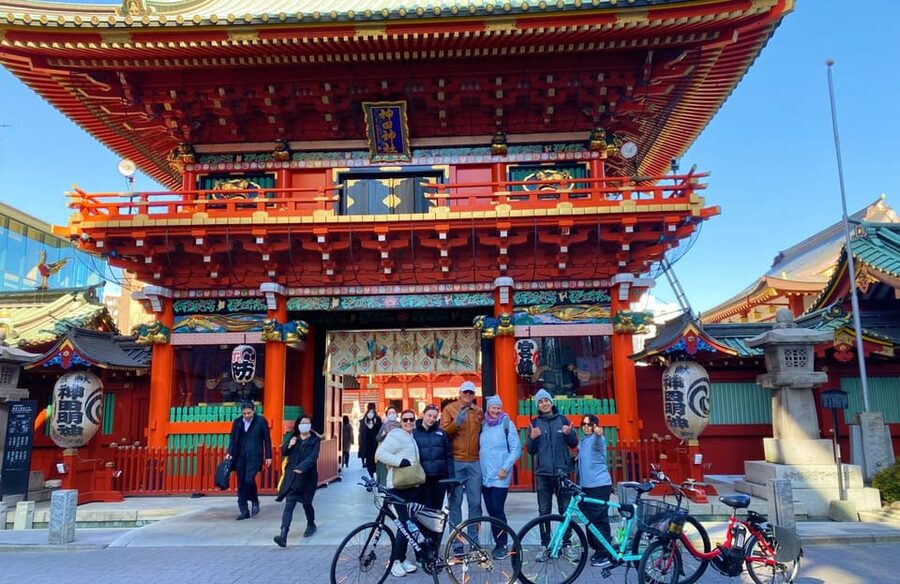
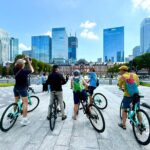
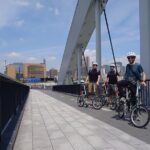
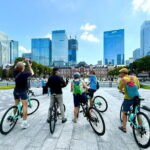
Tokyo reveals itself differently from a bike seat. In three hours, you can ride from Zojo-ji Temple and Shiba Park to the Imperial Palace, Akasaka, Aoyama, and Shibuya Crossing, covering ground that would take much longer on foot. Guides such as Shin, Casey, Naoki, and Marika add stories about Japanese culture and daily life, not just dates and names.
I like the good-quality Bianchi and Fuji bikes, and I like the small-group or private format, which makes city riding less awkward. The main caution is that this is a sightseeing ride, not a series of long temple visits. You will stop, hear an explanation, take photos, and move on. Also, bring cash for the optional ¥1,000 helmet rental and choose the e-bike if stamina is a concern.
In This Review
- Key points to know before you pedal off
- Why a bike is a smart way to see central Tokyo
- Starting near Commodore Perry and Zojo-ji Temple
- Imperial Palace views and Ōte-mon Gate
- Akasaka Palace and the modern Olympic district
- The less obvious stops between Aoyama and Harajuku
- Miyashita Park and the finale at Shibuya Crossing
- What the guides add to the ride
- Bike choice, helmets, and comfort
- Is $60 a fair price?
- Who should book this Tokyo bike tour?
- My verdict: book it for a fast, active introduction
- FAQ
- How long is the Tokyo bike tour?
- Where does the tour meet?
- Where does the tour finish?
- What kind of bikes are available?
- Are helmets included?
- Is bike insurance included?
- What languages are offered?
- Who should not take this tour?
Key points to know before you pedal off
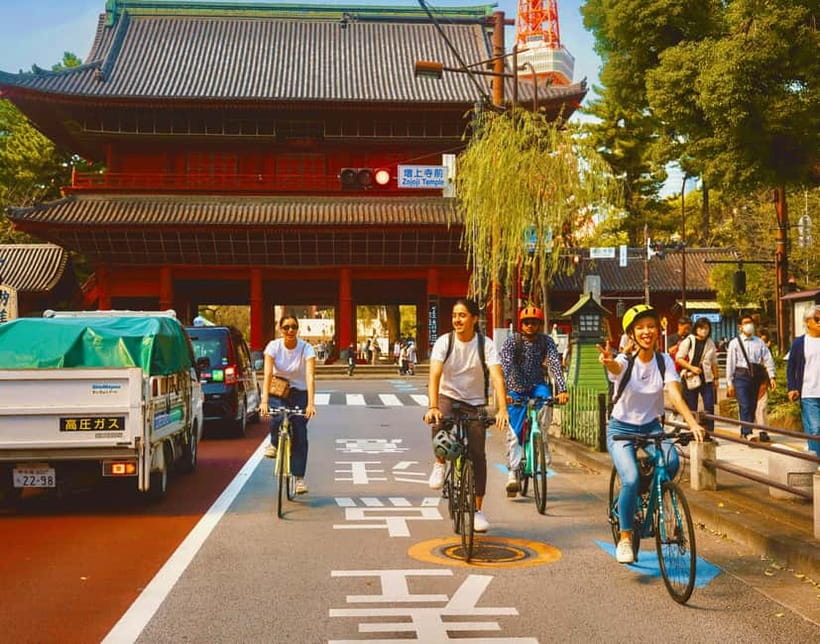
- Three hours, many central districts: The route links Tokyo Tower country, the Imperial Palace, Akasaka, Aoyama, Harajuku, and Shibuya.
- Quality bikes make a difference: Bianchi and Fuji cross bikes are supplied, with an e-bike choice for riders who do not cycle often.
- A guide leads you through city traffic: English and Japanese are offered, and the guides help you ride safely through busy streets.
- This is mainly a photo-and-story tour: Zojo-ji, palace sites, and major landmarks receive short guided stops rather than full interior visits.
- The route mixes old and new Tokyo: Temples and palace gates sit alongside Cat Street, Miyashita Park, and Shibuya Crossing.
- Budget for the helmet: Helmets are not included and cost ¥1,000 each, payable in cash on site.
Why a bike is a smart way to see central Tokyo
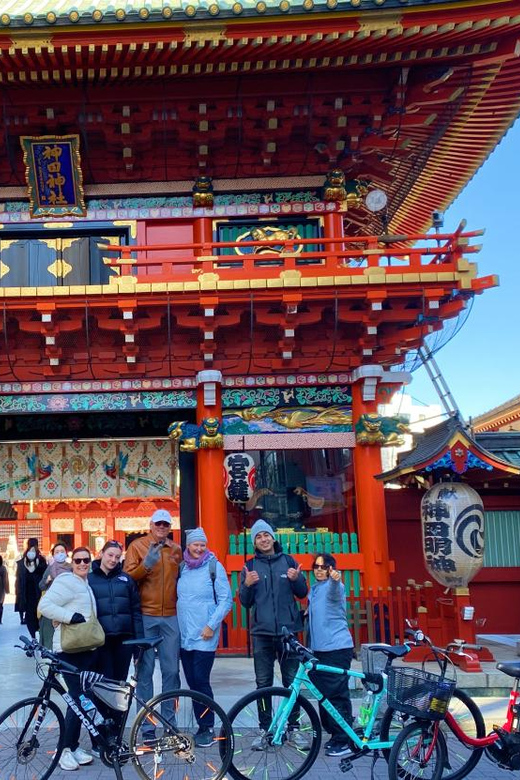
Tokyo is enormous, yet many of its key districts sit close enough together to connect by bicycle. On the train, you move quickly but lose the changing character between stations. On foot, you get the details but cover less ground. This ride gives you a useful middle path.
You pedal through several parts of central Tokyo in one outing, with time to stop at landmarks and small local spots. The route is especially useful early in a Tokyo visit because it helps you understand how the districts relate to one another. Afterward, you may know where you want to return for a longer walk.
The tour includes high-quality cross bikes from Bianchi and Fuji, plus an e-bike option. That matters more than it may sound. Tokyo riding involves stops, starts, traffic lights, and several hours in the saddle. A dependable bike makes the ride less tiring and more pleasant.
You should still expect a workout. One rider described the outing as extended cycling for this type of tour, while another advised preparing for a workout session. If you rarely ride, select the e-bike rather than hoping you will feel stronger once the tour starts.
A few more Tokyo tours and experiences worth a look
Starting near Commodore Perry and Zojo-ji Temple
The meeting point is near the Statue of Commodore Perry, about a three-minute walk from Daimon Station’s A6 exit. This is close to the Tokyo Tower area, but allow extra time to locate the exact statue. The meeting point has been described as a little hard to find, so check your route before leaving the hotel and keep your phone accessible.
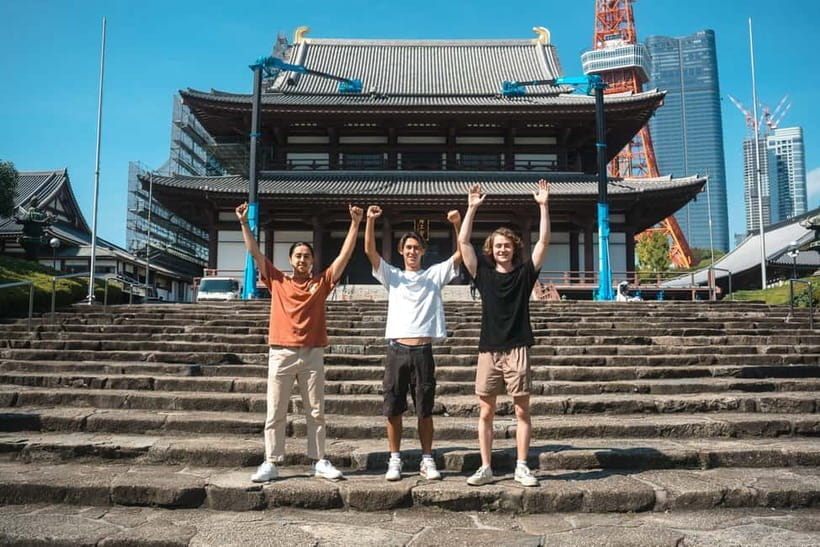
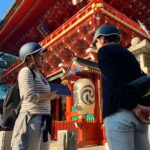
From there, the ride heads to Zojo-ji Temple in Shiba Park. This is one of the strongest early stops because it gives you a clear introduction to Tokyo’s older religious traditions while placing you near one of the city’s most recognizable modern sights, Tokyo Tower.
The stop lasts about 15 minutes and includes a guided explanation and time for photos. You will not have an hour to wander the grounds, but the short visit works well as a first look. Your guide can explain the difference between temples and shrines, a point that helped one participant better understand Japanese religious sites.
Imperial Palace views and Ōte-mon Gate
The next major stop is the Tokyo Imperial Palace, with about 10 minutes for a guided visit and photos. The tour does not promise entry into the palace grounds or access to palace buildings, so think of this as an exterior orientation.
That limitation is worth knowing. If you want a long walk around the East Gardens or a detailed palace visit, plan a separate outing. Here, the value comes from seeing the palace in the context of the city and hearing the guide explain its place in modern Japan.
The route then reaches Ōte-mon Gate for another short stop, about five minutes. The gate provides a more focused look at the defensive and ceremonial character of the palace area. It is a quick pause, but it breaks up the cycling and gives you another chance to take photographs.
The palace section is best for people who want a broad introduction rather than a deep historical tour. I would treat it as a preview, then return independently if the setting catches your interest.
Akasaka Palace and the modern Olympic district
The ride continues to State Guest House Akasaka Palace, where you get roughly 10 minutes for photos. The grand setting contrasts nicely with the temple and palace stops. It adds another side of Tokyo: formal, governmental, and designed for state occasions.
Next comes the New National Stadium, also with around 10 minutes for photos. This gives the route a modern architectural note and helps keep the day from feeling like a procession of old monuments.
These stops are not full admissions or extended tours. You should expect to view the exteriors, hear context from the guide, and continue. That keeps the route moving, but it also means you should not book this ride if your main goal is to spend substantial time inside each attraction.
The less obvious stops between Aoyama and Harajuku
After the better-known sights, the route shifts toward smaller stops. The itinerary includes a stop described as a hidden spot, followed by a brief visit in 3 Chome Minamiaoyama. Since the exact character of the smaller stop can depend on the day and guide, this is where the personal side of the tour matters most.
Guides adjust the route and explanations to the group when possible. Shin, for example, was praised for adapting the ride to the interests of two well-traveled participants. That flexibility is valuable on a private or small-group outing, though you should not assume every departure will follow a completely different route.
Aoyama brings a quieter, more polished side of Tokyo. You may find the pace here more relaxed than around the major stations. The five-minute stop is short, but it helps you see that Tokyo is not one continuous wall of towers and signs.
The route then reaches Cat Street. This area links Harajuku and Shibuya and is known for independent shops, youth fashion, and a more relaxed street feel than the main commercial avenues. The scheduled stop is only about five minutes, so use it as a quick orientation rather than a shopping break.
A few more Tokyo tours and experiences worth a look

Miyashita Park and the finale at Shibuya Crossing
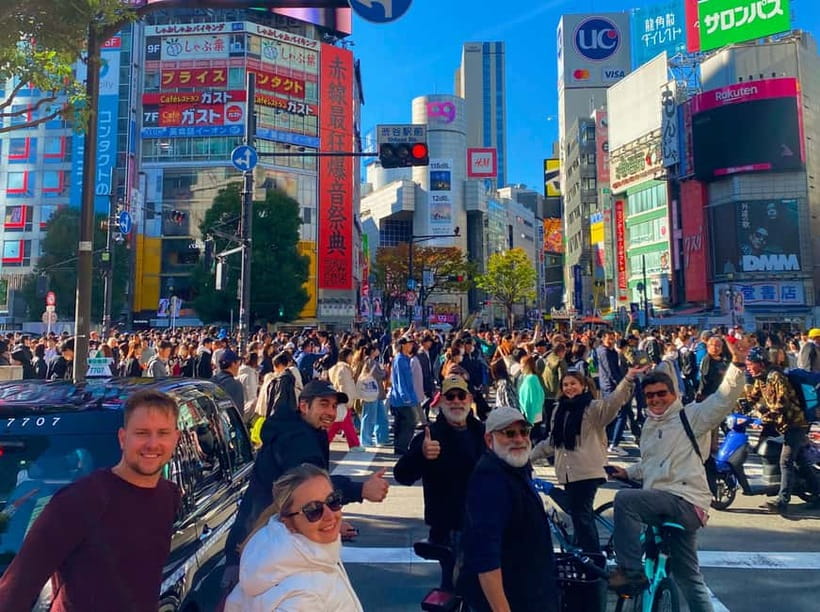
Miyashita Park receives a very brief stop of around three minutes. That sounds minor, and it is. Still, it adds a current, urban note to the route before the final major stop.
Shibuya Crossing follows, with about five minutes for photos and a short visit. You will get the classic view of one of Tokyo’s most famous intersections, but do not expect a long period to explore Shibuya on foot. The finish is at the Bell of Peace, giving the group a defined endpoint.
The final stretch works because it moves from quieter Aoyama streets into the spectacle of Shibuya. You see how quickly Tokyo changes in a short distance. The drawback is that the stop times at Cat Street, Miyashita Park, and Shibuya are too brief for serious shopping or neighborhood exploration.
If Shibuya is high on your list, plan to stay in the area after the tour. The ride gives you an introduction and a convenient place to continue independently.
What the guides add to the ride
The guides are a major part of the experience. English and Japanese tours are available, and the English-speaking guides explain the sights while helping the group handle city riding.
The names attached to especially strong outings include Shin, Casey, Naoki, Marika, Nouchi, Georgie, Miguel, and KG. Casey was praised for giving the right amount of information, taking photos, and watching out for the group. Shin was described as flexible, personable, and careful on busy streets. Miguel and KG were noted for their humor and explanations of Japanese history, culture, and people.
You should expect the guide to stop the group, explain a site, and sometimes take pictures. One outing also included refreshment stops during record-breaking summer heat. I would not count on a particular refreshment stop every time, but it shows that the guide can respond to conditions.
The guide cannot remove every challenge of riding in central Tokyo. You still need to pay attention, follow instructions, and feel comfortable on a bicycle. Bike insurance is included, which provides useful reassurance, but it does not replace sensible riding.
Bike choice, helmets, and comfort
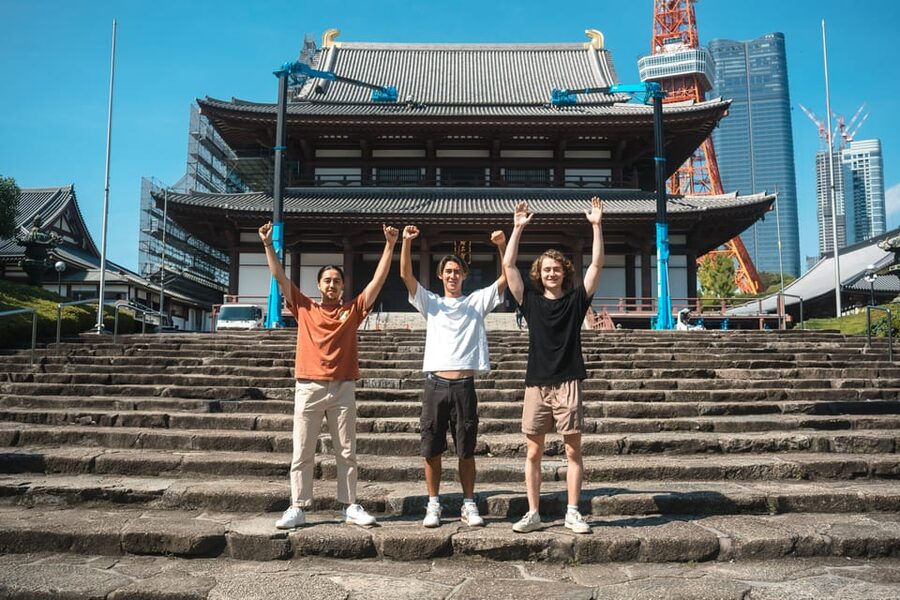
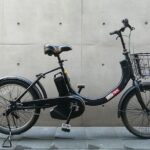
The standard equipment includes Bianchi and Fuji cross bikes, described as high quality and easy to ride around the city. A small pouch on the bike holds a phone, wallet, keys, and similar items. Bike insurance is included.
The e-bike is the sensible choice if you do not cycle often, lack stamina, or feel uneasy about a three-hour ride. The distance and city traffic can make a regular bike more demanding than the cheerful wording suggests. If you are deciding between the two, be honest about your fitness rather than choosing based only on price.
One practical issue deserves attention: the booking information has not always made the difference between an e-bike and a regular bike clear. Confirm your selection when booking. The e-bike is listed as an option, not as the standard bike for everyone.
Helmets cost an additional ¥1,000 per unit and must be paid in cash on site. Since helmets are not included, bring the money if you want one. Wear comfortable clothing and shoes, and carry water. Smoking, alcohol, drugs, and littering are not allowed.
The tour is not suitable for children under 12, pregnant women, people with back problems, or anyone who cannot ride a bike. The provider offers private and small-group departures, so you may have a more personal experience than on a large sightseeing bus.
Is $60 a fair price?
At $60 per person, the value depends on how you use the three hours. You are paying for a bike, a guide, insurance, local stories, and a route that connects several districts without requiring you to plan the transport between them.
That is a fair deal if you have limited time in Tokyo or want an active introduction to the city. A taxi or a series of train trips might move you between the same broad areas, but neither would give you the same sense of the streets between them. A self-guided rental could cost less, but you would need to choose a route, navigate, manage traffic, and supply your own context.
The price feels less compelling if you want long visits at temples, palace grounds, museums, or shopping areas. Several stops last only three to 10 minutes. You are buying a moving overview, not a collection of full attraction visits.
Free cancellation up to 24 hours before departure and reserve-now, pay-later booking make it easier to fit into a changing Tokyo schedule. Check available start times when booking, since the exact departure time is not fixed in the supplied information.
Who should book this Tokyo bike tour?
I would recommend it to first-time visitors who want to understand the shape of central Tokyo quickly. It also suits active couples, friends, and small families with children aged 12 or older who can ride confidently.
It is particularly good for you if:
- You want a mix of temples, palace sites, city streets, and modern districts.
- You prefer seeing a city from street level rather than from a bus or train.
- You have only a few days and want a broad introduction.
- You enjoy hearing local explanations while moving between sights.
- You are comfortable with several hours of cycling, or are willing to choose the e-bike.
I would hesitate if you dislike traffic, have back problems, are pregnant, or rarely ride and do not want an e-bike. I would also skip it if your priority is extended time inside individual attractions.
My verdict: book it for a fast, active introduction
Book this tour if you want to cover a lot of Tokyo in three hours and do not mind that most stops are short. The route is well chosen: Zojo-ji and the palace area provide older Tokyo, Akasaka adds formal architecture, Aoyama and Cat Street bring street life, and Shibuya supplies the big finish.
The strongest reasons to go are the bikes, the compact route, and the guides’ personal explanations. Choose the e-bike if your cycling habits are modest, confirm your bike type before arrival, and bring ¥1,000 cash for a helmet.
I would not use this as your only Tokyo sightseeing plan. Use it to get your bearings fast, then return by train or on foot to the places that deserve more time.
FAQ
How long is the Tokyo bike tour?
The tour lasts three hours.
Where does the tour meet?
You meet the guide near the Statue of Commodore Perry, about a three-minute walk from Daimon Station’s A6 exit.
Where does the tour finish?
The tour finishes at the Bell of Peace.
What kind of bikes are available?
The tour provides Bianchi and Fuji cross bikes, with an e-bike option available for riders who prefer assistance.
Are helmets included?
No. Helmets are available for ¥1,000 per unit, payable in cash on site.
Is bike insurance included?
Yes. Bike insurance is included in the tour.
What languages are offered?
The tour is available in English and Japanese, with live guides.
Who should not take this tour?
The tour is not suitable for children under 12, pregnant women, people with back problems, people who cannot ride a bike, or riders who are not comfortable cycling.
More Backstreet & Hidden Rides in Tokyo
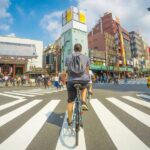
More E-Bike Tours in Tokyo
More Tokyo Cycling Tours in Tokyo
More tours in Tokyo we've reviewed



Tokyo Cycling Tours, compared.
 ★ 5.0Tokyo Great Cycling TourFrom $99
 ★ 5.0Tokyo Top Highlights 3h Guided E-bike TourFrom $63
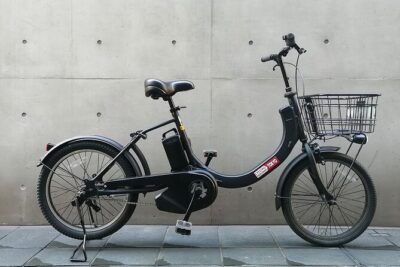 ★ 5.03h Tokyo E-Bike Tour: Hidden Gems, and Local Life with guideFrom $63
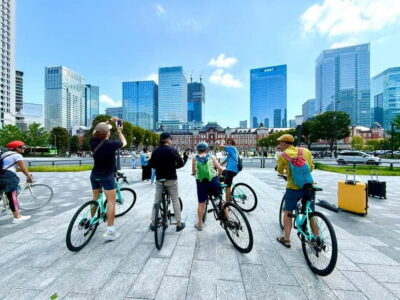 ★ 4.83-Hour Bike or E-Bike City Highlights TourFrom $453 hours
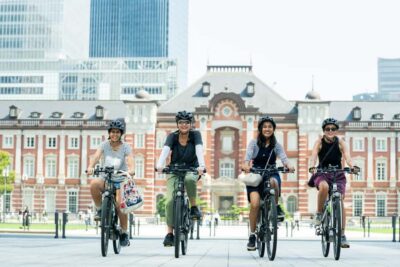 ★ 4.83-hour Guided E-Bike Tour of the City’s Hidden GemsFrom $65
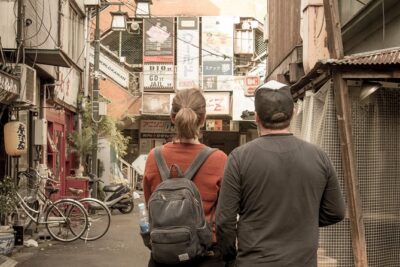 ★ 5.0Tokyo West-Side Cycling & Food TourFrom $99
 ★ 5.03-Hour Bike/E-Bike Tour of the City’s HighlightsFrom $63
 ★ 5.0Small Group Cycling Tour in TokyoFrom $66
Browse the lists this tour appears in