
Reviewed · TOKYO CYCLING TOURS
Tokyo: 3-Hour Bike/E-Bike Tour of the City’s Hidden Gems
Tokyo reveals itself quickly from a bicycle. In three hours, you can roll from Zojo-ji and Tokyo Tower to the Imperial Palace, Tokyo Station, Aoyama, Harajuku, and Shibuya. That is a lot of ground for one morning or afternoon, and it gives you a useful first look at how the city’s old temples, government buildings, shopping streets, and giant crossings fit together.
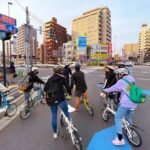
I like the small group of no more than seven and the route’s variety. I also like the practical lift of an e-bike, especially in hot weather or on the uphill sections. The trade-off is clear: you must be comfortable riding near cars and pedestrians, and three hours of city cycling can still feel demanding even with electric assistance.
In This Review
- Key points before you book
- Why a bicycle is a smart way to see Tokyo
- Zojo-ji and Tokyo Tower: a strong opening
- The Imperial Palace and Otemon Gate
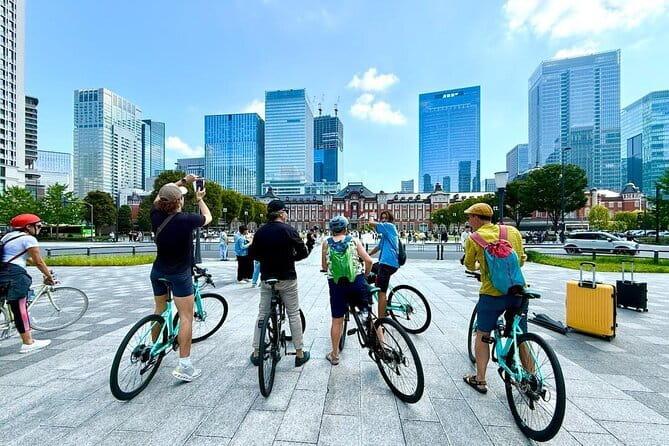
- Tokyo Station’s red-brick face
- Akasaka Palace and the Olympic stadium
- Aoyama, Cat Street, and the change in mood
- Shibuya Crossing and the finish near Harajuku
- E-bike or regular bicycle?
- Fitness, traffic, and comfort
- The guides make the difference
- Who will get the most from this ride?
- Should you book it?
- FAQ
- How long is the Tokyo bike tour?
- What places does the tour visit?
- Is an e-bike available?
- Is a helmet included?
- Can I bring a child?
- What happens if the weather is bad?
Key points before you book
- 18 kilometers in three hours: You cover far more of central Tokyo than you could on foot.
- A route from temple to neon: Zojo-ji, the Imperial Palace, Tokyo Station, the National Stadium, Cat Street, and Shibuya Crossing all appear in one outing.
- Small-group guiding: The group is capped at seven, allowing guides such as Show, Naoki, Kosei, Miguel, or Rinto to answer questions and manage the ride.
- E-bike help matters: The electric option is especially useful in Tokyo’s heat and on hills, though the bike choice may affect the price.
- A practical ending point: The tour finishes in Jinnan, about five minutes from Yoyogi Park and ten minutes from Shibuya Station.
- Bring cash for extras: Helmets cost ¥1,000 to rent, and a child seat costs ¥3,000 with advance notice.
Why a bicycle is a smart way to see Tokyo
Tokyo is enormous, yet many first-time sightseeing plans keep you underground on trains or walking short loops around individual neighborhoods. This ride gives you a different view. You pass between districts at street level, see how the architecture changes, and avoid spending much of the outing waiting for trains or working out transfers.
The route covers about 18 kilometers, so this is not a slow temple visit with a short ride between stops. It is a moving tour with brief pauses for photos and explanations. Guides have been praised for giving useful background on Japanese culture and history, and for making time for questions. The depth can vary with the guide and the group, but the format is best understood as a lively introduction rather than a detailed study of each sight.
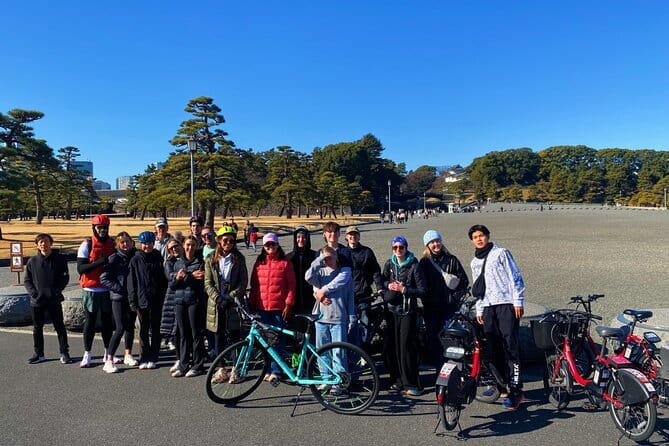
The group limit is a real advantage. Seven riders are much easier to keep together than a large column of bicycles, especially around intersections and crowded shopping areas. Guides including Show, Naoki, Kosei, Miguel, Kazu, Keiji, and Rinto have led rides, so the exact personality and style depend on the day. The consistent theme is an energetic, friendly guide who keeps the route moving while stopping for photos and context.
A few more Tokyo tours and experiences worth a look
Zojo-ji and Tokyo Tower: a strong opening
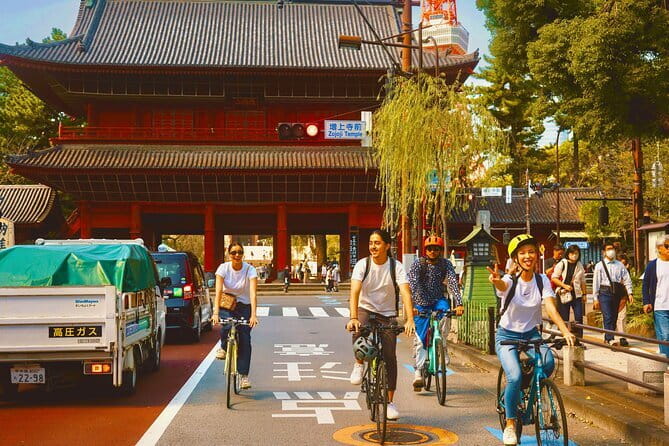
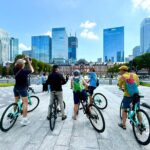
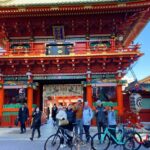
The meeting point is at Shiba Park in Minato City, near Zojo-ji. The temple is one of Tokyo’s best combinations of old and new: a major Buddhist site with Tokyo Tower rising behind it. That pairing gives you an immediate sense of the city’s character, where traditional buildings and modern engineering share the same view.
You have about 15 minutes here. That is enough for photographs and a quick look around, but not enough for a detailed temple visit. Entry is free, and you might be able to go inside the temple structure if conditions allow. Do not plan on a long, quiet examination of the grounds. This stop sets the tone for the tour, with the guide explaining what you are seeing before the group moves on.
Shiba Park is also a sensible starting area for a bicycle route. You begin near a major landmark rather than wasting the first part of the tour on an anonymous stretch of road. Arrive ready to ride, since the sightseeing time is built around a fairly ambitious circuit.
The Imperial Palace and Otemon Gate
The ride continues toward the Imperial Palace, where you see the entrance and, according to the planned route, the guards. The palace itself is not a regular stop for an interior visit, so think of this as an exterior overview and photo opportunity.
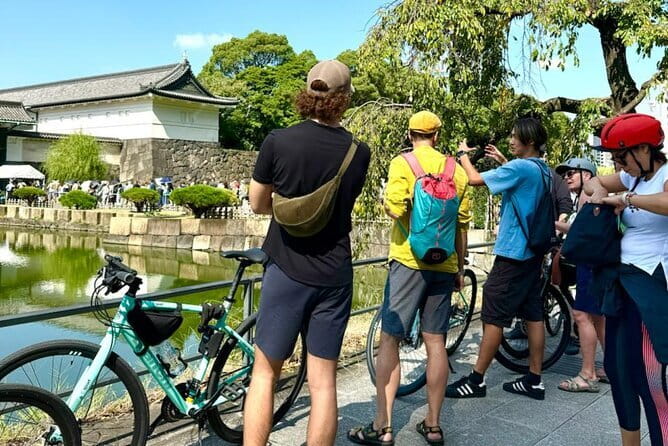
The Imperial Palace stop lasts about ten minutes, followed by another ten minutes at Kokyo Otemon Gate. Otemon is the more visual stop, with its historic gate providing a strong contrast to the surrounding office towers and broad avenues. It is one of those places where a guide helps: without some context, you may simply see a large old gate. With a short explanation, the site becomes part of the larger story of Japan’s imperial center.
The wording hidden gems should not be taken too literally here. The Imperial Palace and Otemon Gate are major Tokyo sights, not secret discoveries. That is not a serious problem, but you should book this ride for its efficient mix of familiar landmarks and less obvious street-level connections, not for a tour made entirely of places unknown to other visitors.
Tokyo Station’s red-brick face

Tokyo Station Marunouchi is another short stop, usually around ten minutes. The red-brick facade dates to the station’s opening in 1914 and gives the district a more historic appearance than you might expect from a modern business center.
The station is worth seeing from outside because it shows how Tokyo preserves older civic architecture amid dense commercial development. You will have time for photographs and a quick explanation, but not for a station interior tour or a long look at the surrounding shops.
This is also where the value of a bicycle becomes obvious. Tokyo Station, the palace area, and Zojo-ji are not impossibly far apart, but walking between them takes time and energy. On this tour, you connect them without sacrificing the later stops in Aoyama and Shibuya.
Akasaka Palace and the Olympic stadium
Akasaka Palace, once built as a royal villa and now used as a state guesthouse, receives only about five minutes. Admission is not included, and the stop is mainly for a look and a photograph. That short timing means it will appeal most to you if you enjoy seeing important buildings from the outside rather than touring their interiors.
The Japan National Stadium gets a more generous 15-minute stop. This is the venue associated with the 2020 Tokyo Olympic and Paralympic Games. It adds a modern architectural and sporting note to a route that has already included a temple, imperial grounds, and a century-old railway station.
These two stops show the tour’s broad purpose. You are not spending an hour at any single attraction. Instead, you get a quick visual education in Tokyo’s changing identity, from royal residences to international sporting venues. If you want long visits and museum interiors, a bicycle tour is not the right format. If you want to understand the city’s layout and collect a wide range of views, the pace works well.
A few more Tokyo tours and experiences worth a look

Aoyama, Cat Street, and the change in mood
Aoyama brings the ride into a polished shopping district known for high-end brands and distinctive architecture. The planned stop is brief, about five minutes, so you will mainly pass through the area and pause for a quick look rather than shop.
From there, the route heads toward Shibuya Cat Street. This stretch has fashion labels, vintage shops, and a more youthful street feel. Again, the stop is around five minutes. The bicycle lets you see the transition from broad avenues and formal buildings to narrower, more personal shopping streets.
There is an important practical point here: pedestrians are part of the challenge. One person described the ride as fun but requiring comfort around traffic and people on foot. That is fair advice. You need to follow the guide closely, pay attention at crossings, and avoid treating the ride like a private cycling path. The tour is designed for city riding, not a relaxed park loop.
Shibuya Crossing and the finish near Harajuku
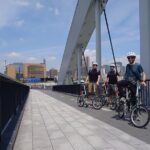
The final major stop is Shibuya Crossing, with about five minutes allocated to biking through the famous intersection and taking in the surrounding scene. This is the most intense part of the route, especially after quieter stretches near the palace and parkland.
The tour finishes in Jinnan, a shopping and dining area between Shibuya and Yoyogi Park. From there, Yoyogi Park is about a five-minute walk, while Shibuya Station is roughly ten minutes away. This is a useful ending point because you can continue into Harajuku, walk through the park, or head toward Shibuya for food and shopping.
The finish is not at the original meeting point, so plan your next move before you start. The route works nicely if you want to continue exploring Harajuku or Shibuya afterward. It is less convenient if you need to return immediately to Shiba Park, though Tokyo’s public transportation makes that manageable.
E-bike or regular bicycle?
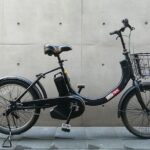
The e-bike is the most useful choice for many people on this tour. Tokyo can be hot and humid, and the ride includes hills. Several participants found the electric assistance made the route easier, while one older couple said it allowed them to enjoy the ride without needing to be serious cyclists.
You do not need to assume that a regular bicycle is impossible. One person found a standard bike perfectly adequate. Still, riders on regular bikes have lagged behind on climbs, and one participant found an e-bike too small and not fully effective. That suggests you should check the available bike type and fit at booking rather than assume every electric bicycle will suit every rider.
The advertised price is $59.45 per person, which is reasonable for a three-hour guided ride with a bicycle, insurance, and a route covering much of central Tokyo. The value is strongest if you have limited time or want help connecting districts that are spread across the city. Check the booking details carefully for the bike option, since the bicycle choices may have different prices.
A small pouch attached to the bike is included for your phone, wallet, and keys. Raincoats are supplied on rainy days. Food and drinks are not included, so carry water or plan to buy something before or after the ride.
Fitness, traffic, and comfort
The operator asks for moderate physical fitness, and that is an accurate description. You will be riding for three hours, stopping often but still covering a substantial distance. An e-bike reduces the effort, but it does not remove the need to balance, steer, brake, and stay alert.
The summer heat can make a real difference. Electric assistance received especially strong praise on warm days, and I would choose it if you are not accustomed to long rides, are visiting during humid weather, or want to save energy for the rest of your day.
Helmets are not included. You can rent one for ¥1,000, and you need cash if you want one. A child seat costs ¥3,000 and must be arranged at least two days ahead, with cash brought on the tour date. The supplied information does not give a minimum age or detailed child policy, so contact the operator before booking for a young child.
The ride has bike insurance, but insurance is not a substitute for careful cycling. You should be comfortable riding on city streets and among pedestrians. Some guides use clear spoken explanations, but headsets are not provided, so traffic noise or distance from the guide may make it harder to hear at times.
The guides make the difference
The guide is central to the quality of this tour. Show has been praised for answering questions and explaining Japanese culture and history at the stops. Naoki has led very personal rides and has been singled out for combining routes around a rider’s interests. Kosei has kept groups motivated on hot days, while Miguel has been described as friendly and well informed.
Other named guides include Rinto, Kazu, and Keiji. The useful pattern is not that every guide delivers the same lecture. It is that the best guides adjust the pace, wait when needed, point out details along the route, and make the ride feel like an introduction to Tokyo rather than a race between landmarks.
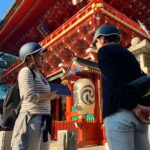
If you want an academic presentation at every stop, you may find the explanations light. One person appreciated the concise information but relied on the guide for answers rather than long formal talks. I see that as a strength for most visitors. You get enough context to understand the places, then have time to ask about customs, neighborhoods, or your own plans.
Who will get the most from this ride?
This is a good fit for a first visit, a short stay, or the first full day of a longer trip. You will get your bearings quickly and learn which districts you want to revisit on foot. It also suits anyone who likes active sightseeing and would rather spend three hours moving through the city than inside a vehicle.
Solo visitors can benefit from the small group, especially if they want an easy way to ask questions. The tour can also work for older riders who choose e-bikes and feel comfortable cycling in traffic. One family group that included a 33-year-old person with special needs found the route enjoyable, but individual comfort and cycling ability matter.
I would be cautious if you dislike traffic, have limited balance, or want lengthy visits at temples and historic buildings. The itinerary is broad and fast. You will see many places, but only Zojo-ji and the National Stadium receive about 15 minutes, while several other stops are five or ten minutes.
Should you book it?
Book this tour if you want an active crash course in central Tokyo, especially if you have only half a day. The route is well chosen, the group is small, the endpoint is useful, and the combination of old temples, imperial sites, modern architecture, fashion streets, and Shibuya gives you a clear sense of the city’s range.
Choose the e-bike if you are visiting in warm weather or do not regularly cycle hills. Add the helmet rental if you want one, bring cash, and arrive prepared for city traffic. The $59.45 price offers solid value when you consider the bicycle, guide, insurance, and distance covered.
Skip it if your priority is a slow, detailed visit to each attraction or if cycling near cars and pedestrians makes you uneasy. For the right rider, though, this is an efficient and enjoyable way to see Tokyo at street level, with enough history and local explanation to make the route more than simple sightseeing.
FAQ
How long is the Tokyo bike tour?
The tour lasts approximately three hours and covers about 18 kilometers through central Tokyo.
What places does the tour visit?
The route includes Zojo-ji, the Imperial Palace entrance, Tokyo Station Marunouchi, Kokyo Otemon Gate, Akasaka Palace, Japan National Stadium, Aoyama Street, Shibuya Cat Street, and Shibuya Crossing. It ends near Yoyogi Park and Harajuku Station.
Is an e-bike available?
Yes. You can choose a bicycle or e-bike, though the available options may have different prices. The e-bike is particularly helpful in hot weather and on uphill sections.
Is a helmet included?
No. Helmet rental costs ¥1,000, and you should bring cash if you want one.
Can I bring a child?
A child seat is available for ¥3,000. You must contact the operator at least two days before the tour and bring cash on the day. The provided information does not state a minimum age.
What happens if the weather is bad?
The tour requires good weather. If poor weather causes cancellation, you will be offered another date or a full refund. You can also cancel for a full refund up to 24 hours before the start time.
More Backstreet & Hidden Rides in Tokyo
More E-Bike Tours in Tokyo
More Tokyo Cycling Tours in Tokyo
More tours in Tokyo we've reviewed




Tokyo Cycling Tours, compared.
 ★ 5.0Tokyo Great Cycling TourFrom $99
 ★ 5.0Tokyo Top Highlights 3h Guided E-bike TourFrom $63
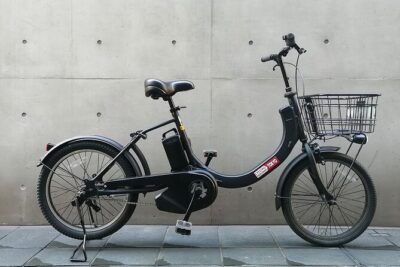 ★ 5.03h Tokyo E-Bike Tour: Hidden Gems, and Local Life with guideFrom $63
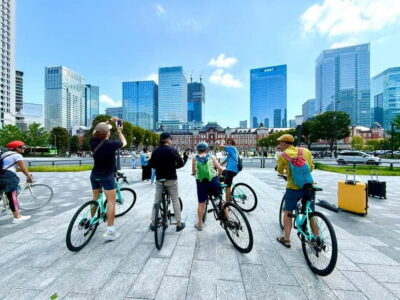 ★ 4.83-Hour Bike or E-Bike City Highlights TourFrom $453 hours
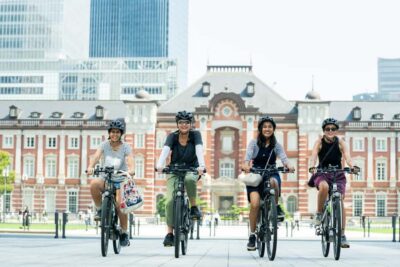 ★ 4.83-hour Guided E-Bike Tour of the City’s Hidden GemsFrom $65
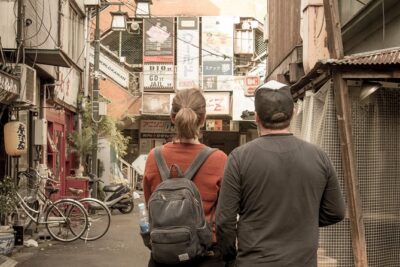 ★ 5.0Tokyo West-Side Cycling & Food TourFrom $99
 ★ 5.03-Hour Bike/E-Bike Tour of the City’s HighlightsFrom $63
 ★ 5.0Small Group Cycling Tour in TokyoFrom $66
Browse the lists this tour appears in