
Reviewed · TOKYO CYCLING TOURS
Tokyo: Private Cycling Tour with cute E-bike
Tokyo reveals itself at street level on this private electric-bike tour, where one turn can take you from polished Ginza to an old shrine, the Imperial Palace gates, or the food-filled streets around Tsukiji. The small 20-inch bikes are made for Tokyo’s tight bicycle parking spaces, but they are also easy to handle, even if you are new to cycling.
I like the personal pace and the practical help from guides such as Brezza and Hiro. I also like the thoughtful picnic, with Japanese sweets, green tea, and bread from Kimuraya bakery in Ginza. The main thing to consider is traffic and weather. You are riding in a major city, and one tour had rain and a puncture, though the guide changed the tire in less than 10 minutes.
In This Review
- Key points at a glance
- Why cycling shows you a different Tokyo
- From your hotel to the first streets
- Imperial Palace gates and the formal side of Tokyo
- Shrines that preserve Edo-era character
- Ginza, Kimuraya bread, and a taste of the city
- Tsukiji and the waterfront ride
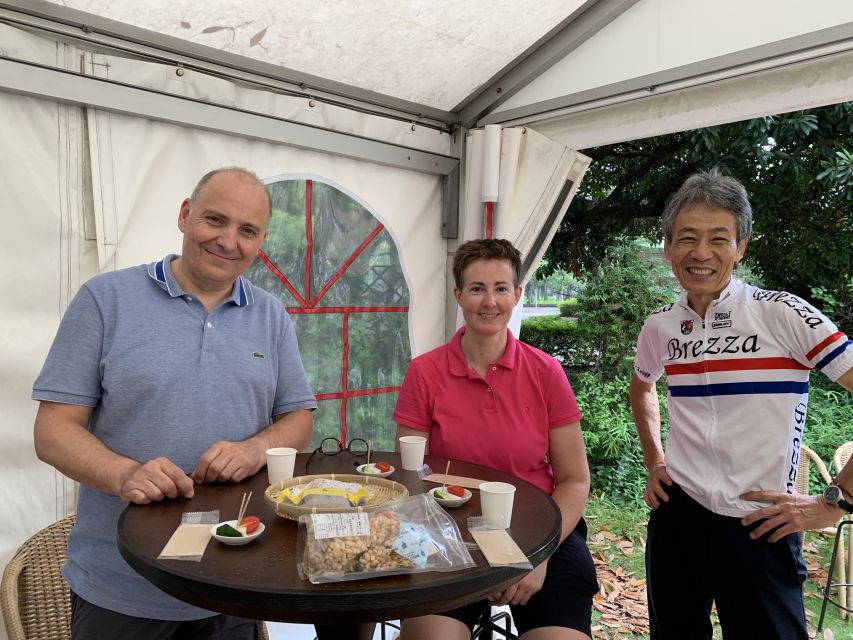
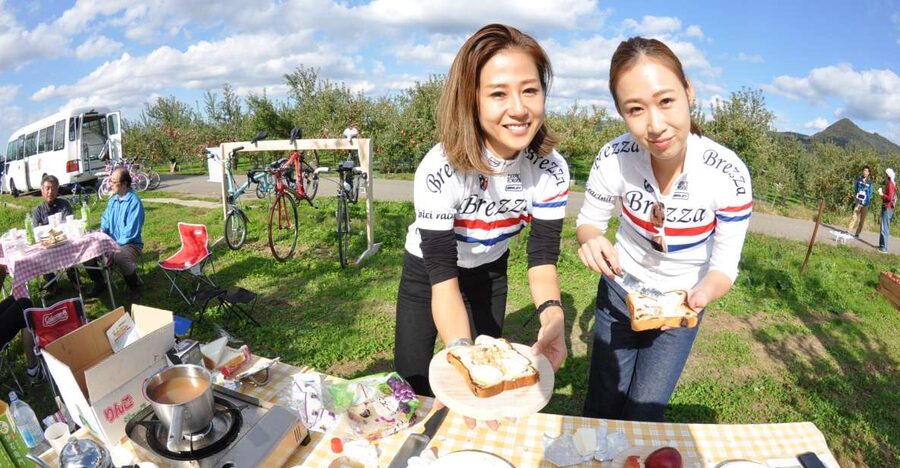
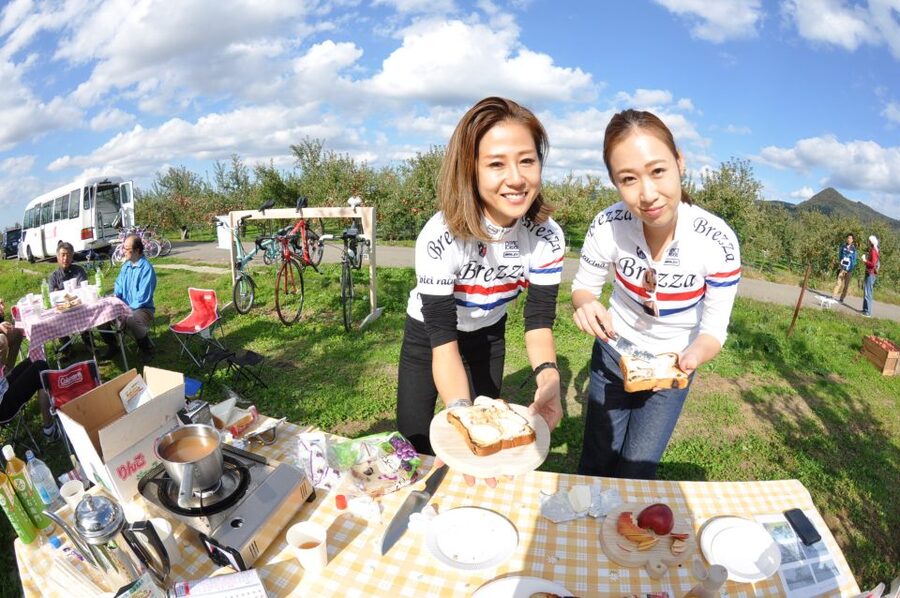
- The picnic: sweets, green tea, and a proper pause
- Safety, comfort, and what the reviews reveal
- Is $318 good value for four people?
- Who should book this ride?
- Should you book the Tokyo e-bike tour?
- FAQ
- How long does the Tokyo cycling tour last?
- How many people can join the private tour?
- What kind of bicycle is provided?
- Are helmets and gloves included?
- What food and drink are included?
- Is hotel pickup included?
- Which languages does the guide speak?
- Can I cancel the booking for a refund?
Key points at a glance
- Small 20-inch e-bikes: Compact bikes suit Tokyo’s narrow bicycle parking areas and offer electric assistance on gentle slopes.
- A true private outing: Your group can include up to four people, with time for photos, souvenirs, and possible itinerary requests.
- Tokyo in several moods: The route may connect refined Ginza, Edo-era shrines, the Imperial Palace, Tsukiji, and the Tokyo waterfront.
- A picnic with local flavor: Japanese sweets, green tea, and bread from Kimuraya add a pleasant break beside the ride.
- Personal help from the guide: Brezza and Hiro have helped riders with restaurant suggestions, safety, route choices, rain gear, and a quick bike repair.
- Useful flexibility: Hotel pickup is included, and you can cancel up to 24 hours before departure for a full refund.
Why cycling shows you a different Tokyo
Tokyo is easy to admire from trains and observation decks, but a bicycle gives you the small changes between major sights. You notice a quiet side street after a formal palace gate. You pass from a traditional shrine setting into a modern shopping district without having to wait on a platform or study another subway map.
The electric assist matters here. Tokyo is not a mountain town, but gentle slopes and long city streets can wear you down, especially in warm weather. The motor lets the guide include routes that standard cycling tours may avoid. You still pedal, but the bike takes some strain out of the ride.
This is not a race or a serious cycling workout. The advertised experience lasts four hours, with pickup time bringing the full outing to about four and a half hours. The pace is designed around seeing places, stopping for pictures, and making the ride comfortable for a private group.
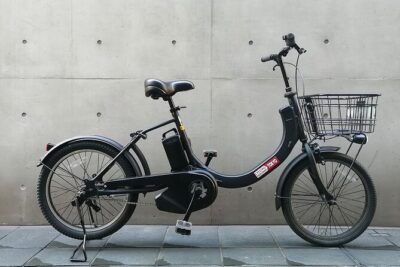
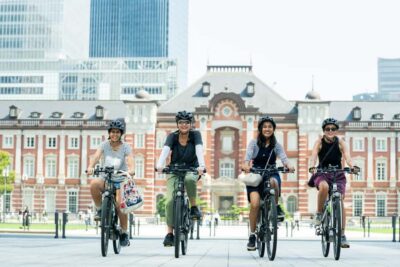
The small-wheel design may look unusual if you normally ride a full-size bicycle. In Tokyo, it is a practical choice. Bicycle parking areas can be tight, and the compact frame is easier to manage in city conditions. The bikes are described as casual and cute, with electric assistance and Italian manufacture, giving the ride a more polished feel than a basic rental bicycle.
A few more Tokyo tours and experiences worth a look
From your hotel to the first streets
Pickup is included, so you should wait in your hotel lobby five minutes before the scheduled time. The operator asks for a mobile contact because traffic can delay the pickup car, and a short text message will be sent if that happens.
That small detail matters in Tokyo, where a late vehicle can affect the first part of a tightly timed tour. Keep your phone on and make sure the guide or operator has a working number. You will also want to wear clothes that allow easy movement and shoes suited to four hours of riding.
The tour is private for a group of up to four people. That gives you more control than a large group outing. You can stop when you want a photograph or souvenir, and the guide may include a place you have requested if time and the route allow.
Do not treat that flexibility as a promise of a completely custom tour. There is a basic route, and the final plan depends on time, traffic, and the day’s conditions. The value is that you can discuss your interests instead of simply following a fixed line of bicycles.
Imperial Palace gates and the formal side of Tokyo
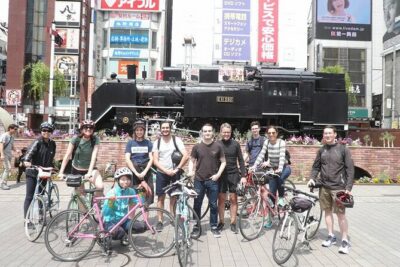
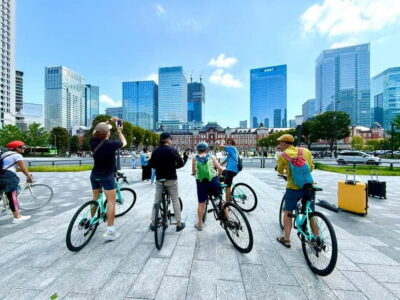
The Imperial Palace area brings a grand change of mood. Beautiful gates and broad approaches show Tokyo in its official, carefully maintained form. You get a sense of the city’s connection to the imperial institution while still moving through an active modern capital.
A bicycle works well around this part of Tokyo because you can cover more ground than on foot and pause without committing to a long train transfer. The guide can point out details as you ride and help you find a safe place to stop. For many visitors, this is a useful early orientation to central Tokyo.
The palace grounds should not be confused with a full palace interior visit. The information provided describes the gates and surrounding sights, not entry to private palace areas. If your main goal is an indoor palace tour, this experience will not replace it.
What you gain is a visual connection between several parts of the city. The formal palace setting sits close to commercial districts, and the bicycle makes that contrast clear. One moment feels ceremonial; a short ride later, Tokyo is all storefronts, bicycles, signs, and daily business.
Shrines that preserve Edo-era character
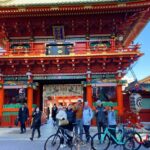
The tour also visits shrines linked with Tokyo’s Edo traditions. Shrines offer a quieter pause from the city’s traffic and a chance to see the customs, gates, and spaces that have shaped local life for generations.
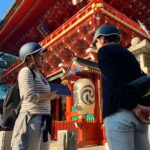
The guide is important here. A shrine can look like a quick photo stop if you do not know what you are seeing. With an English-speaking guide, you can ask questions and get context as the route unfolds. Brezza and Hiro are the named guides associated with the experience, and their role includes helping you ride safely while explaining sights and useful local places.
You should expect an outdoor visit rather than a formal class in Japanese religion. The strength of the stop is its place in the larger route. Tokyo’s character comes from these contrasts: a shrine with old customs, then a city street built for today’s crowds and commerce.
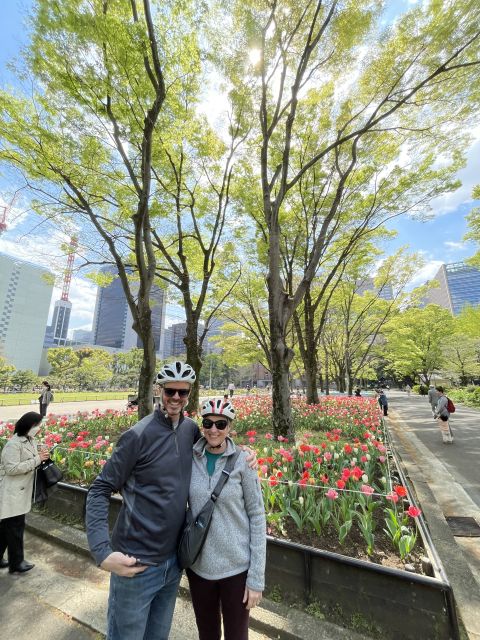
The flowers of the four seasons are also part of the tour’s appeal. The exact flowers and timing are not specified, so your experience will depend on the date. Still, the promise of seasonal plant life gives the ride a changing visual element that a standard indoor sightseeing plan cannot offer.
Ginza, Kimuraya bread, and a taste of the city
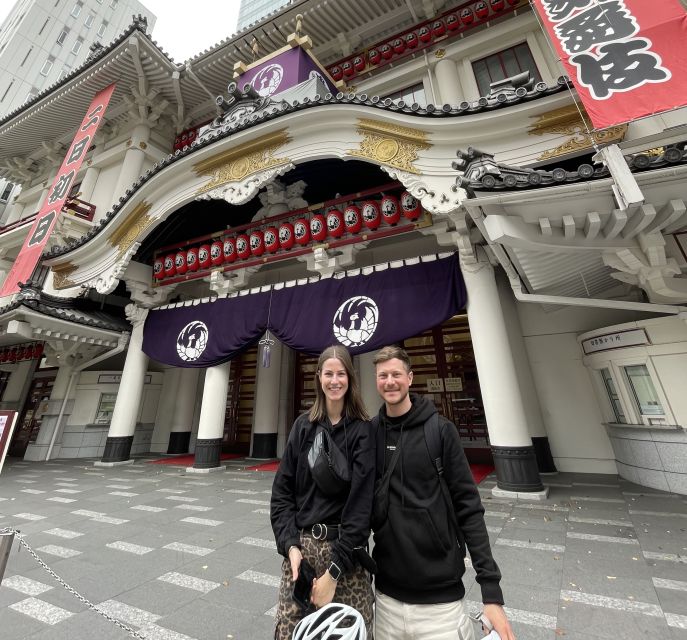
Ginza supplies the polished commercial side of the outing. It is a place for elegant streets, established shops, and a very different feel from the shrine and palace sections. Cycling through it lets you see the district as part of the city rather than as a single shopping stop.
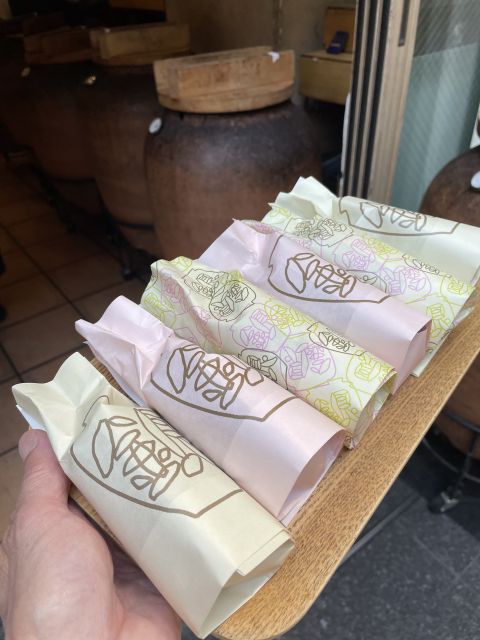
The included bread comes from Kimuraya, a popular bakery in Ginza. That is a small but appealing detail. Instead of treating food as an afterthought, the tour uses a local bakery item as part of the break. You may appreciate this most after several hours on the bike, when a simple piece of bread tastes better than a rushed snack from a station kiosk.
The tour provider can also introduce and make reservations at designated restaurants. The available information does not name those restaurants or promise a meal during the four-hour ride, so you should see this as planning assistance rather than a guaranteed dining stop. It can still be useful after the activity, especially if you want to keep eating in the same part of Tokyo.
Ginza can also mean more pedestrians and tighter street conditions. The guide’s job is to keep the group safe and choose a workable route. You should stay alert, follow instructions, and avoid expecting the relaxed cycling space you might find on a country trail.
A few more Tokyo tours and experiences worth a look



Tsukiji and the waterfront ride
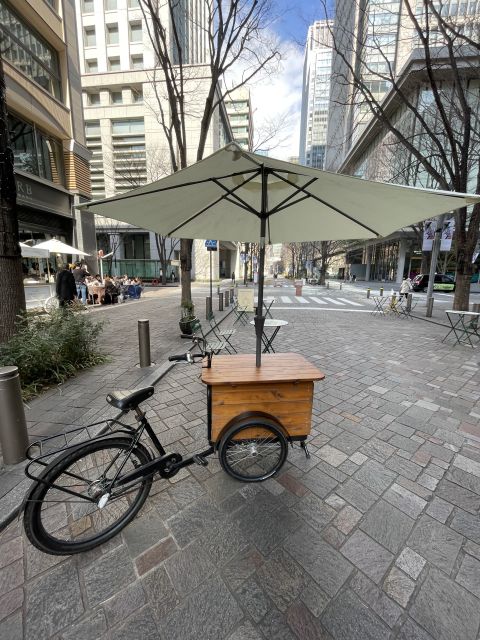
Tsukiji brings a more food-centered side of Tokyo. The area is known for its fish market streets and the steady energy of vendors, shops, and people looking for something to eat. A bicycle lets you approach the district from nearby streets and connect it with other central neighborhoods.
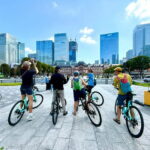
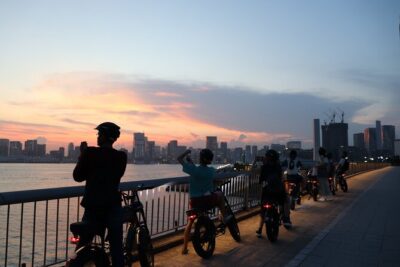
The route may also include the Tokyo waterfront and a ride beside the river. One afternoon outing included a short tea break by the water, which shows how the guide can turn the tour into more than a list of photo stops. The waterfront gives you room to pause and reset before returning to city streets.
Do keep the limits of the schedule in mind. Tsukiji is a place where you can easily spend hours browsing and eating. A four-hour cycling tour can show you the district and provide an introduction, but it is not designed to cover every shop or replace a dedicated food walk.
The mix is the real benefit. You might see an imperial gate, ride through Ginza, visit a shrine, pause with tea, and then reach the market area in one outing. That range gives you a useful first picture of central Tokyo. You can return later to whichever district deserves more time.
The picnic: sweets, green tea, and a proper pause
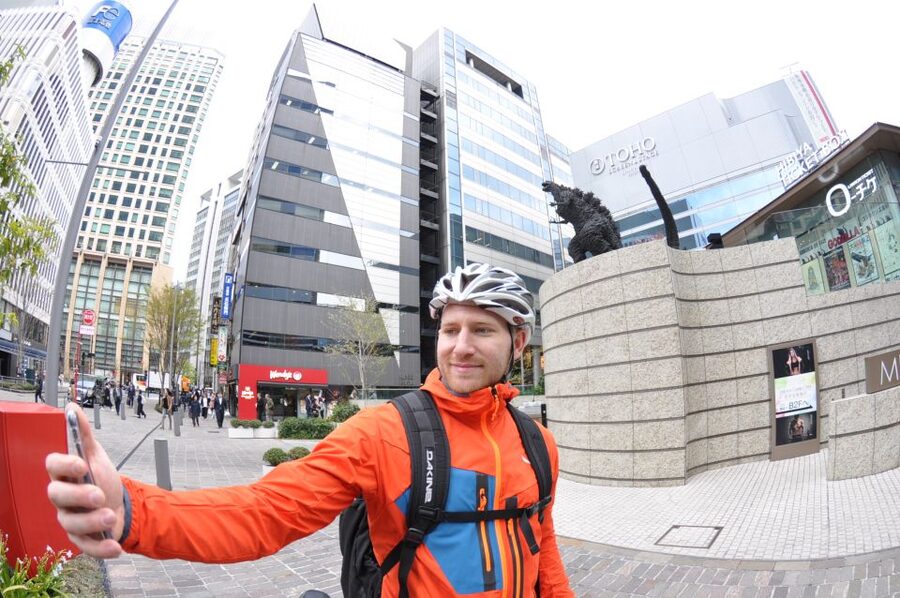
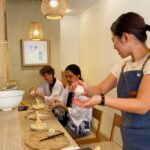
The picnic is one of the most distinctive parts of the experience. It includes popular Japanese sweets and green tea, along with the Kimuraya bread. The exact sweets are not specified, so you should expect a selection rather than a named tasting menu.
I like this kind of break because it gives the day a human pace. You are not simply checking off attractions. You have time to sit, eat something connected with Japan, and talk with the guide about what you have seen.
A previous outing included a riverside tea break, but the precise picnic location can vary with the itinerary and conditions. Weather may affect the plan. On a rainy day, the organizers supplied rain clothing and towels for each participant, which is reassuring, though you should still dress for the forecast.
The picnic will not satisfy you as a full lunch unless your group eats lightly. The tour includes snacks and bread, not a stated restaurant meal. If you need a substantial lunch, ask about restaurant arrangements when booking or plan to eat before or after the ride.
Safety, comfort, and what the reviews reveal
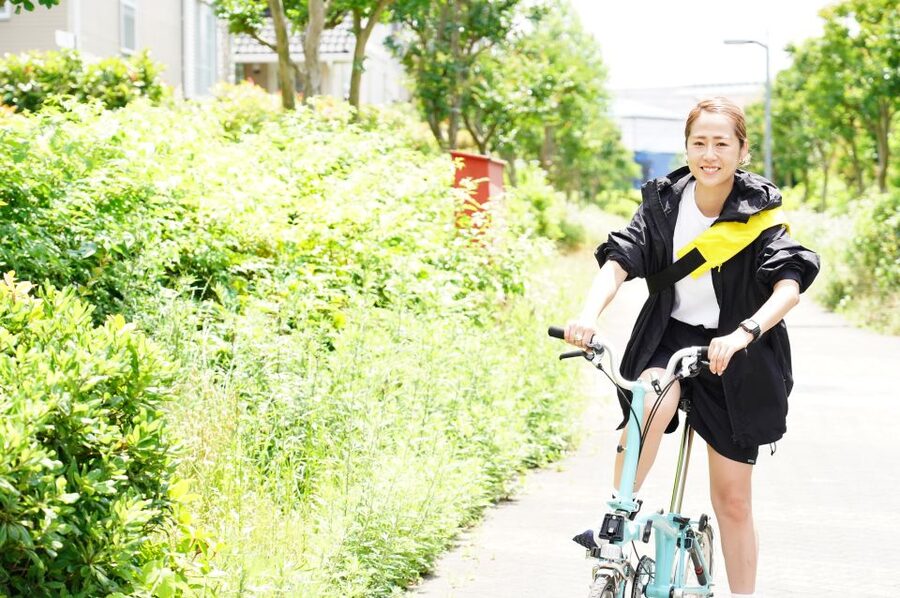
The guide rides with you and provides a helmet and gloves. That basic equipment is important on Tokyo streets, where traffic, pedestrians, and narrow areas require attention. The electric assist is intended to make the ride easier, but it does not remove the need for normal cycling confidence and care.
The strongest pattern in the feedback is personal attention. Rachel from the United States described Brezza as patient and willing to stop for photographs and souvenirs. She also received restaurant suggestions that led to good local meals. That is the kind of help that can make a private tour useful beyond its official end.
Hiro receives similar praise for safety, friendliness, and local explanations. A rider who had visited Tokyo many times still found the bike route interesting, while another first-time rider found the e-bike easy to use. These details suggest the tour can work for both repeat visitors and beginners, provided you are comfortable riding in an urban setting.
The tour also has a practical record when plans go wrong. During one rainy outing, the group received rain gear and towels. When a bike had a flat tire, the guide changed it in less than 10 minutes. That does not mean mechanical trouble is impossible, but it shows the guide is prepared to deal with a basic interruption instead of abandoning the group.
The reviews are not a reason to ignore the risks. Rain can make city cycling less pleasant, and traffic can slow the route. A puncture, even a quickly fixed one, uses part of your limited time. If weather or urban riding makes you uneasy, a walking or vehicle-based tour may suit you better.
Is $318 good value for four people?
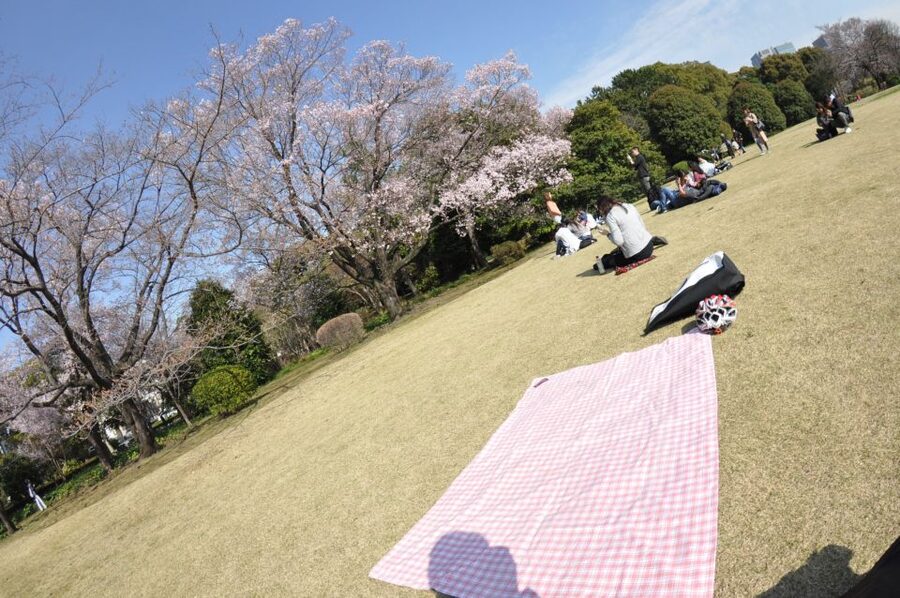
The price is $318 per group of up to four, not per person. At the maximum group size, that works out to $79.50 each before considering the included pickup, equipment, guide, picnic, and bakery bread.
That is a fair price for a private half-day experience in Tokyo if you have three or four people sharing the cost. You are paying for a guide who can adjust stops, provide riding support, and connect several districts without making you organize the route yourself.
For one person or a couple, the cost feels higher. The private format still has value if you want personal attention, hotel pickup, or help with restaurant planning, but a shared cycling tour could cost less. The information provided does not give a shared-tour alternative, so compare based on your own group size and priorities.
The included food is a pleasant bonus, not the main reason to book. The real value is the route and the guide. You can see several sides of Tokyo in four hours, with a local person helping you manage the streets and make sense of the places between major sights.
You can also reserve now and pay later, which helps if your Tokyo schedule is still changing. Free cancellation is available up to 24 hours before the start for a full refund. Check the exact start time when you book because availability controls the departure choices.
Who should book this ride?
I would recommend it most to people who want an active introduction to Tokyo without committing to a demanding cycling day. The electric assist, small wheels, and guide support make the ride approachable for a novice, according to the experience described by a first-time rider.
It is also a good fit for repeat visitors. If you have already seen the major sights from trains and sidewalks, riding between them can make the city feel fresh. Hiro’s route appealed to someone who had visited Tokyo many times, which is a useful sign for returning visitors.
Families or friends sharing the four-person private price may find the format especially appealing. You can keep the group together, ask for photo stops, and discuss possible additions to the basic course. The tour is less suitable for anyone who dislikes city traffic, cannot ride for several hours, or wants a slow indoor cultural program.
Because guides speak English and Japanese, English-speaking visitors can ask questions throughout the outing. The guide is not just there to lead the bikes. You can also receive suggestions for restaurants and local addresses, which adds value if you are still deciding where to eat in central Tokyo.
Should you book the Tokyo e-bike tour?
Book it if you want to connect Tokyo’s palace gates, shrines, Ginza, Tsukiji, and waterfront areas in one active outing. The private format, electric assistance, and personal route adjustments make it more useful than a rigid sightseeing circuit, especially for a group of four.
Think twice if you want a deep visit inside each district, a full meal, or a completely traffic-free ride. This is a broad city sampler with snacks and tea, not a dedicated market tour or a countryside cycling trip.
For the best value, book with three or four people, keep your schedule flexible, and treat the ride as a way to learn which neighborhoods deserve a longer return visit. Brezza or Hiro can help you see the city safely, explain the sights, and point you toward a good meal after the bikes are parked.
FAQ
How long does the Tokyo cycling tour last?
The cycling activity is listed as four hours. Including pickup time, the full outing takes about four and a half hours.
How many people can join the private tour?
The private group can include up to four people.
What kind of bicycle is provided?
You ride a casual, cute 20-inch small-wheel electric-assist bicycle. The compact size suits Tokyo’s narrow bicycle parking spaces.
Are helmets and gloves included?
Yes. The tour includes an e-bike, helmet, and gloves.
What food and drink are included?
The picnic includes popular Japanese sweets and green tea. You also receive recommended bread from Kimuraya bakery in Ginza.
Is hotel pickup included?
Yes. Pickup is included. You should wait in your hotel lobby five minutes before the scheduled pickup time.
Which languages does the guide speak?
The live guide service is available in English and Japanese.
Can I cancel the booking for a refund?
Yes. You can cancel up to 24 hours in advance for a full refund. You can also reserve now and pay later.
More Cycling Tours in Tokyo
More E-Bike Tours in Tokyo
More Tokyo Cycling Tours in Tokyo
More tours in Tokyo we've reviewed



Tokyo Cycling Tours, compared.
 ★ 5.0Tokyo Great Cycling TourFrom $99
 ★ 5.0Tokyo Top Highlights 3h Guided E-bike TourFrom $63
 ★ 5.03h Tokyo E-Bike Tour: Hidden Gems, and Local Life with guideFrom $63
 ★ 4.83-Hour Bike or E-Bike City Highlights TourFrom $453 hours
 ★ 4.83-hour Guided E-Bike Tour of the City’s Hidden GemsFrom $65
 ★ 5.0Tokyo West-Side Cycling & Food TourFrom $99
 ★ 5.03-Hour Bike/E-Bike Tour of the City’s HighlightsFrom $63
 ★ 5.0Small Group Cycling Tour in TokyoFrom $66
Browse the lists this tour appears in