
Reviewed · TOKYO CYCLING TOURS
Tokyo Bike Tour: Shibuya & Hidden Tokyo
Tokyo looks like a hard place to cycle, yet this three-hour ride finds a calmer side of the city. With Taichi leading, you pedal from Yoyogi Park through Shibuya, Harajuku, Aoyama, and Gaien, mixing major sights with quiet lanes and residential streets. It is a smart way to see more ground than you can cover on foot.
I like the small maximum group of six, which makes hand signals, questions, and route changes easier. I also like the local focus: Taichi may show you a shrine, an old comedy club, a tiny cafe, or a tucked-away street that does not fit neatly into a standard Tokyo tour.
The main catch is that this is real urban cycling, not a sightseeing ride on a closed path. You need to ride confidently at about 15 kilometers per hour, handle pavement and cross traffic, and squeeze through crowded or narrow spaces.
In This Review
- What makes this Tokyo bike ride worth your time
- A useful first look at Tokyo by bicycle
- Yoyogi Park: a calm start before the city rush
- Shibuya Crossing and Hachiko: the famous Tokyo moment
- Cat Street and Harajuku: fashion districts from a different angle
- Aoyama Street and the quieter side of central Tokyo
- Aoyama Cemetery: open space and a change of pace
- Japan National Stadium and Gaien
- Taichi’s guiding style and the safety factor
- Bikes, weather, and what to wear
- Is $64.73 a fair price?
- How this tour compares with exploring on foot
- Who should book this ride?
- Final verdict: book early in your Tokyo stay
- FAQ
- How long is the Tokyo Bike Tour?
- Where does the tour begin?
- Where does the tour finish?
- Which places does the route visit?
- How many people can join?
- What cycling ability do I need?
- Are there age, height, and weight requirements?
What makes this Tokyo bike ride worth your time
- A local route through four districts: Shibuya, Harajuku, Aoyama, and Gaien all appear in one compact ride.
- A maximum of six riders: The guide can keep the pace together and answer questions without shouting across a crowd.
- Famous sights plus ordinary Tokyo: You see Shibuya Crossing and Hachiko, then leave the main streets for alleys, parks, and residential areas.
- Taichi’s neighborhood advice: The ride includes tips on cafes, restaurants, local customs, bike etiquette, and places to return later.
- A practical three-hour format: Morning and afternoon departures make it easy to fit into a full Tokyo schedule.
- A gentle but genuine ride: The route is mostly manageable, but it includes traffic, slight gradual hills, and a steady pace on non-electric bicycles.
A useful first look at Tokyo by bicycle
The best reason to choose this tour is simple: a bicycle connects the dots. On foot, Shibuya Crossing, Yoyogi Park, Aoyama Cemetery, and the National Stadium feel like separate outings. By bike, you can see how the districts meet, change, and flow into one another.
The route also gives you two kinds of Tokyo. You get the bright, famous city of crossing crowds, fashion streets, and giant signs. Then you turn into quieter lanes where daily life takes over. That contrast is more useful than a long list of monuments because it helps you understand the city’s shape.
I would consider taking this ride near the start of your Tokyo stay. It can give you a feel for the neighborhoods and help you decide which streets, parks, restaurants, and shopping areas deserve a longer visit later.
The meeting point is Umayamichi Park in Sendagaya, at 5-chome-24-11. It is about a 10-minute walk from Shinjuku Station and only about a minute from Yoyogi Station, so you do not need to wrestle with a complicated transfer before the ride begins. The activity returns to the same place.
A few more Tokyo tours and experiences worth a look

Yoyogi Park: a calm start before the city rush
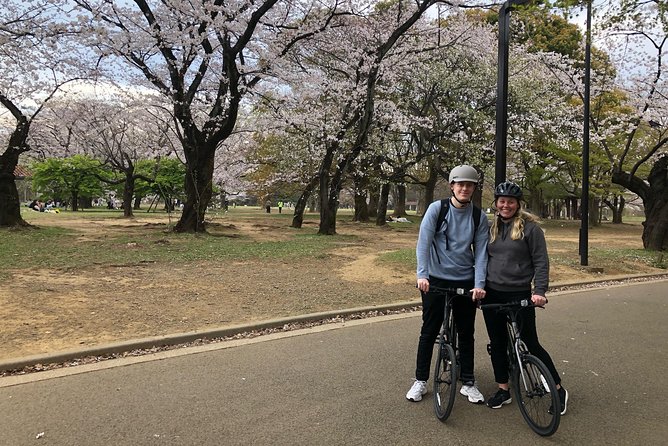
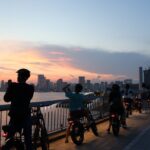
Yoyogi Park makes a sensible opening stop. It gives you space to get used to the bike before the route moves into denser streets. The park also offers an early look at how Tokyo uses open space for recreation, rest, and community life.
This part of the ride is likely to feel relaxed, though you should not expect a long park-only cycle. The tour is built to cover several districts, so the guide uses the park as one part of a wider route.
The bikes are non-electric, and past riders have described them as light and easy to handle. One detailed account noted that the smaller wheels made the bike maneuverable. That is useful in Tokyo, where quick, controlled turns matter more than speed.
Shibuya Crossing and Hachiko: the famous Tokyo moment
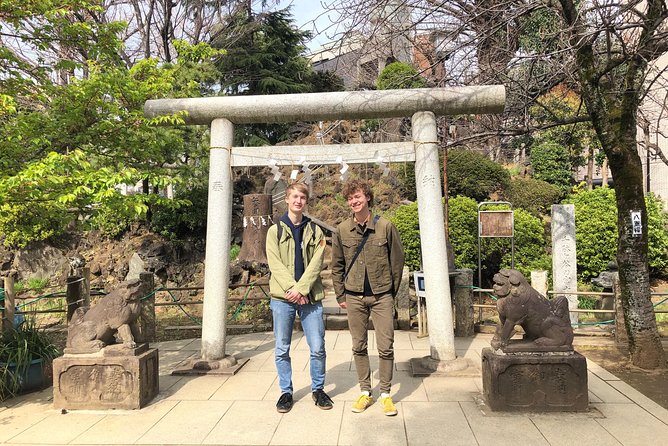
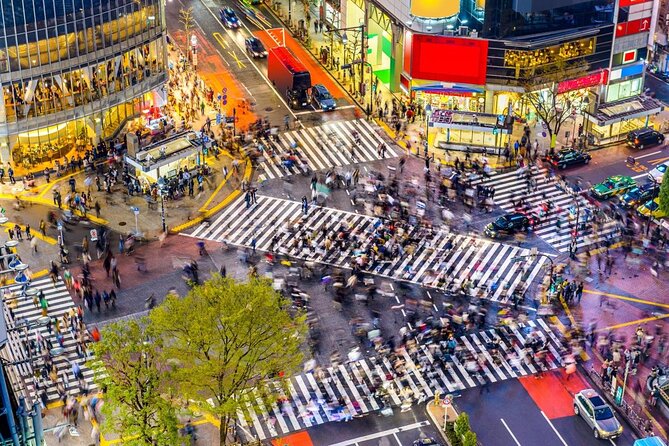
The ride then reaches the landmarks most first-time visitors associate with Shibuya. Shibuya Crossing is a quick lesson in Tokyo scale. From a bicycle, you approach it as part of the street system rather than viewing it only from above or from the edge of a crowd.
Hachiko, the famous dog statue near Shibuya Station, is another natural stop. It is a brief visit, but it gives Taichi a chance to explain the setting and answer questions about the area. If you have already visited the crossing or statue, say so. The route can sometimes be adjusted, especially for a private-feeling small group.
Do not expect to spend a long time at either landmark. Their value here is in seeing them within the larger neighborhood, then moving on. You are not stuck waiting for a train or walking through several station corridors to reach the next stop.
Cat Street and Harajuku: fashion districts from a different angle
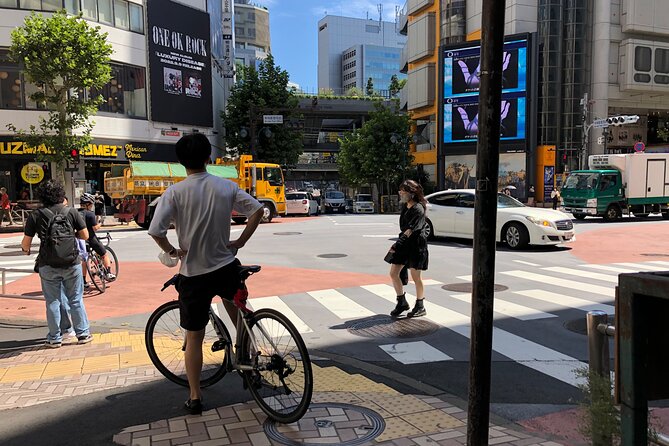
Shibuya Cat Street shifts the mood. This is a well-known pedestrian and shopping area, but the bike ride lets you approach it as part of the surrounding street network. You get a better sense of how the polished shopping zones connect with smaller lanes and less formal spaces.
Cycling near popular shopping streets requires care. You may need to slow down, follow Taichi’s signals, and accept that some sections feel tighter than others. The guide’s role matters here. You are not trying to choose a route while watching traffic, pedestrians, signs, and your phone at the same time.
Harajuku appears as part of the wider route, linking the youthful shopping scene with Yoyogi and Aoyama. The tour does not promise a shopping stop or time inside stores, so plan a separate visit if fashion, cosmetics, or specialty shops are a priority.
What you gain is a broader picture. Instead of treating Harajuku as one crowded destination, you see it as a neighborhood with different textures and streets.
Aoyama Street and the quieter side of central Tokyo
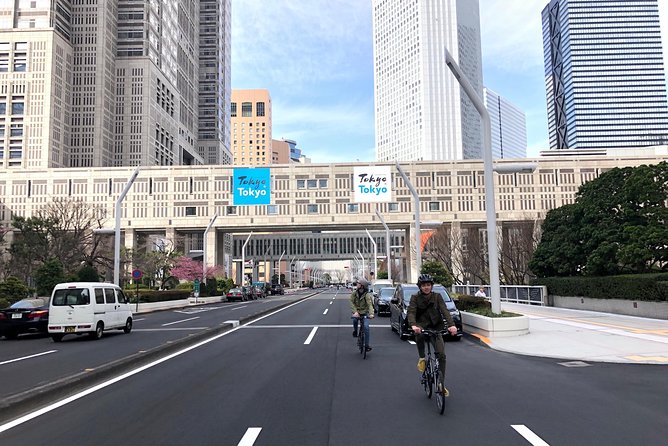
Aoyama brings a more orderly, spacious feel to the route. Cycling here helps you notice the change from Shibuya’s intensity to a district known for wide streets, design, shops, and calmer corners.
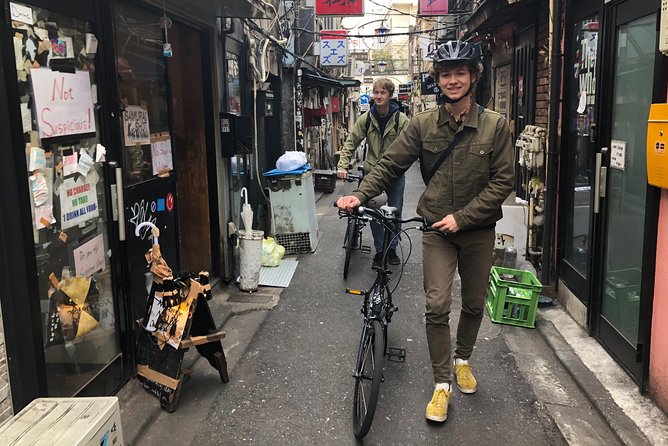
This is where the tour’s local knowledge becomes especially useful. Taichi is based in Shibuya and cycles regularly, so he can explain what you are passing and suggest places for food or coffee beyond the usual guidebook list. One ride included coffee at a small local place, though that should not be treated as a guaranteed part of every departure.
The route may also pass through residential streets and lanes that you would not choose on your own. That is one of the strongest reasons to book with a guide. You can focus on the city around you instead of stopping at every intersection to work out the next turn.
A few more Tokyo tours and experiences worth a look




Aoyama Cemetery: open space and a change of pace
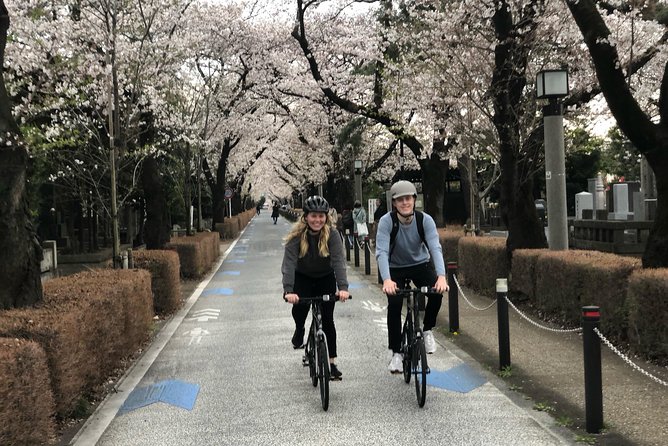
Aoyama Cemetery is a surprising stop in a central Tokyo cycling route. It offers a quieter setting and a break from shop fronts, traffic, and station crowds. The broad paths and stillness make it easier to appreciate the contrast between Tokyo’s dense districts and its pockets of open space.
This stop also gives the guide room to discuss local history and culture. The experience is not only about taking pictures at famous landmarks. It is about learning how different parts of the city function and why a quiet place can exist so close to major commercial streets.
You should remain attentive to the setting. A cemetery is not a loud sightseeing backdrop, so respectful behavior matters. The stop is best approached as a place for observation and context, not as a rushed photo opportunity.
Japan National Stadium and Gaien
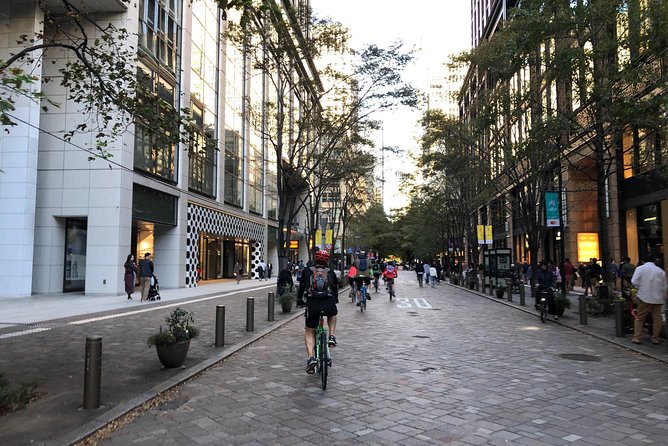
The Japan National Stadium adds a modern sports landmark to the route. Its presence gives the tour another useful contrast: old lanes and local streets on one side, a major contemporary venue on the other.
Gaien helps tie the route together with more open streets and greenery. You get another chance to ride at an easier pace and ask questions. Several parts of the experience are built around these pauses, which is why the stated three hours does not mean three hours of nonstop pedaling.
The ride covers roughly 9 to 10 miles according to one detailed account. At an average pace near 15 kilometers per hour, that is a respectable amount of ground, but the stops keep the outing from feeling like a workout for most reasonably active cyclists.
Taichi’s guiding style and the safety factor
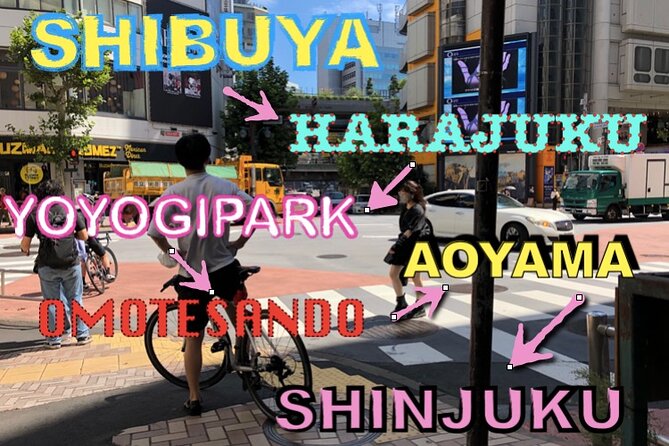
Taichi receives the strongest praise for three things: calm instruction, local knowledge, and careful route leadership. He uses hand signals, watches the group, and selects smaller streets where possible. That does not remove the need for attention, but it makes a major difference in a city where traffic patterns can feel unfamiliar.
You should still know your own limits. The tour requires you to:
- Ride confidently on pavements and city roads
- Cross traffic lights without hesitation
- Manage crowded and narrow spaces
- Maintain approximately 15 kilometers per hour
- Follow Japanese traffic laws and the guide’s instructions
The tour is open to participants aged 13 and older. The bikes suit people between 155 and 195 centimeters in height, and the maximum weight is 120 kilograms. The group limit of six is a real advantage for safety, since the guide can keep the riders closer together.
This is not the best choice if you are nervous on a bicycle, have not ridden for many years, or want a completely traffic-free outing. One detailed account described the route as suitable for a casual rider, with a couple of gradual uphills, but comfort on roads remains important.
Bikes, weather, and what to wear
The bicycles are non-electric. Several riders found them light, well maintained, and easy to steer. One person felt the bike was practical rather than especially polished, so set your expectations accordingly. This is transportation for a city ride, not a high-end road-bike rental.
Tokyo’s weather can change the feel of the outing quickly. The tour proceeds in light rain, but sudden weather changes may lead to cancellation. It also requires good weather overall, with a different date or full refund offered if the operator cancels because of conditions.
For comfort, wear clothes that let you pedal freely and shoes that stay secure. Bring water, especially in hot weather. The wind while riding can feel refreshing in summer, but heat still matters when you stop at intersections or landmarks.
Is $64.73 a fair price?
At $64.73 per person, this tour sits in a reasonable range for a three-hour guided experience in central Tokyo. The value comes from the distance covered, the small group, the bicycle, and the route planning.
You are paying for more than a bike and a map. Taichi handles navigation, traffic decisions, neighborhood connections, and commentary. You also save the time it would take to move between these districts by train or on foot.
The price makes the most sense if you want an overview early in your visit. You can use the ride to mark places for later meals, shopping, photography, or quiet walks. It is less valuable if you already know Shibuya well, dislike cycling near cars, or want extended time inside museums and shops.
Group discounts are available, and groups of four or more should contact the operator directly. With a maximum of six riders, the experience should feel more personal than a large city tour.
How this tour compares with exploring on foot
Walking gives you more freedom to stop. You can browse a store, linger at a shrine, or change direction whenever something catches your eye. A bike tour asks you to follow a set route and maintain a group pace.
The payoff is reach. You can see Yoyogi Park, Shibuya, Cat Street, Aoyama, the cemetery, the stadium, and Gaien in one outing. You also get a better sense of distance. Tokyo neighborhoods that seem far apart on a map become part of one connected urban area.
The bike is especially useful for a short stay. If your Tokyo schedule is tight, three hours can replace a lot of walking and train transfers. If you have plenty of time, use the ride as an introduction, then return to the places that caught your interest.
Who should book this ride?
I would recommend it most strongly to:
- First-time Tokyo visitors who want an overview of western central Tokyo
- People with limited time who want to cover several districts
- Casual cyclists who are comfortable riding in city traffic
- Families with teenagers who can maintain the required pace
- Repeat Tokyo visitors looking for backstreets and a fresh neighborhood angle
- Anyone who enjoys asking a local guide about food, customs, and daily life
The tour also works well for a solo booking or a couple. A small group can sometimes become nearly private, and the route may be adjusted when the guide knows you have already seen a major stop or have a particular interest.
I would skip it if you want an effortless sightseeing ride, cannot comfortably cycle at 15 kilometers per hour, or prefer to avoid narrow streets and cross traffic. You should also check the height and weight limits before booking.
Final verdict: book early in your Tokyo stay
This is a strong-value introduction to Shibuya and its neighboring districts. The famous stops are useful, but the real appeal is the movement between them: quiet lanes, parks, residential areas, cultural sites, and city streets that are easy to miss from a train.
Book this tour if you want a practical sense of Tokyo, enjoy active sightseeing, and feel comfortable on a standard bicycle. Take it early in your visit if possible, then use Taichi’s suggestions to plan the rest of your time.
The 4.8 rating from 53 ratings and 94 percent recommendation reflect a consistent pattern: riders praise Taichi’s calm leadership, clear directions, cultural explanations, and ability to make city cycling feel manageable. The experience is not perfect for every visitor, but for the right cyclist, it offers a generous amount of Tokyo in three useful hours.
FAQ
How long is the Tokyo Bike Tour?
The tour lasts approximately three hours.
Where does the tour begin?
It begins at Umayamichi Park, 5-chome-24-11 Sendagaya, Shibuya, Tokyo 151-0051, Japan.
Where does the tour finish?
The activity ends back at the meeting point.
Which places does the route visit?
The route includes Yoyogi Park, Shibuya Crossing, Hachiko, Shibuya Cat Street, Aoyama Street, Aoyama Cemetery, and Japan National Stadium. It also covers parts of Harajuku and Gaien.
How many people can join?
The maximum group size is six travelers.
What cycling ability do I need?
You should be comfortable cycling on pavements, crossing traffic lights confidently, and riding through crowded or tight spaces. The expected pace is approximately 15 kilometers per hour.
Are there age, height, and weight requirements?
Participants must be at least 13 years old. The bicycles suit heights from 155 to 195 centimeters, and participants must weigh no more than 120 kilograms.
More Cycling Tours in Tokyo
More Backstreet & Hidden Rides in Tokyo
More Tokyo Cycling Tours in Tokyo
More tours in Tokyo we've reviewed





Tokyo Cycling Tours, compared.
 ★ 5.0Tokyo Great Cycling TourFrom $99
 ★ 5.0Tokyo Top Highlights 3h Guided E-bike TourFrom $63
 ★ 5.03h Tokyo E-Bike Tour: Hidden Gems, and Local Life with guideFrom $63
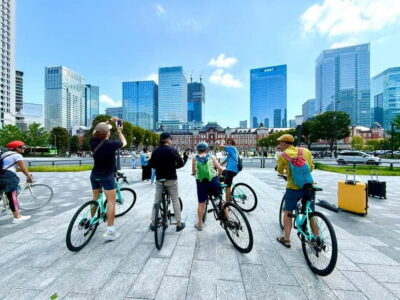 ★ 4.83-Hour Bike or E-Bike City Highlights TourFrom $453 hours
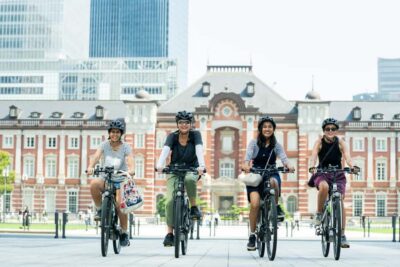 ★ 4.83-hour Guided E-Bike Tour of the City’s Hidden GemsFrom $65
 ★ 5.0Tokyo West-Side Cycling & Food TourFrom $99
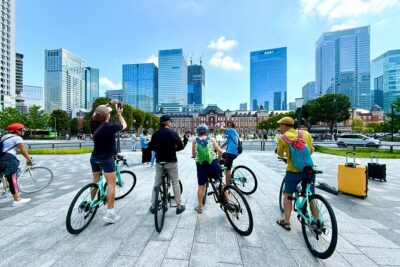 ★ 5.03-Hour Bike/E-Bike Tour of the City’s HighlightsFrom $63
 ★ 5.0Small Group Cycling Tour in TokyoFrom $66
Browse the lists this tour appears in