
Reviewed · TOKYO CYCLING TOURS
Tokyo: Rice Ball Making Class by an Expert
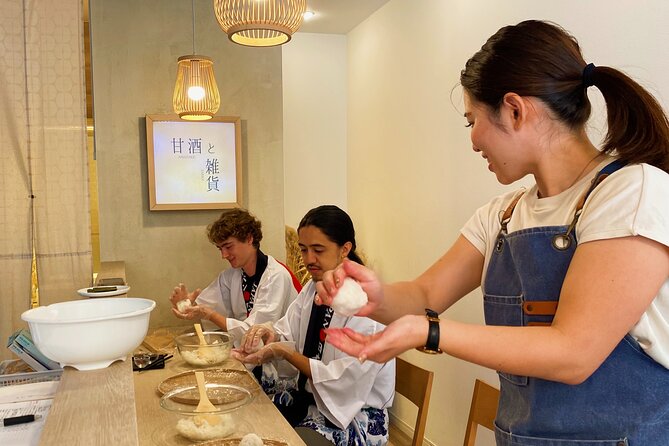
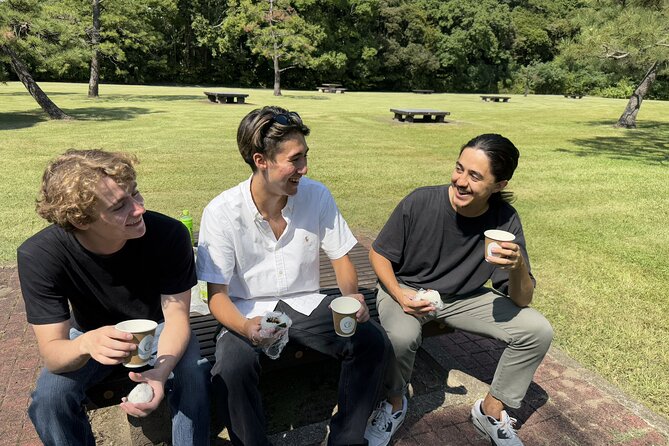
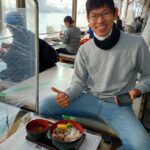
The best part of this experience is the mix of hands-on food making and easygoing city cycling. You shape your own onigiri, fill it with ingredients you choose, then eat it during a picnic at Hamarikyu Gardens. It is a small, personal way to connect with everyday Japanese food rather than simply photographing it.
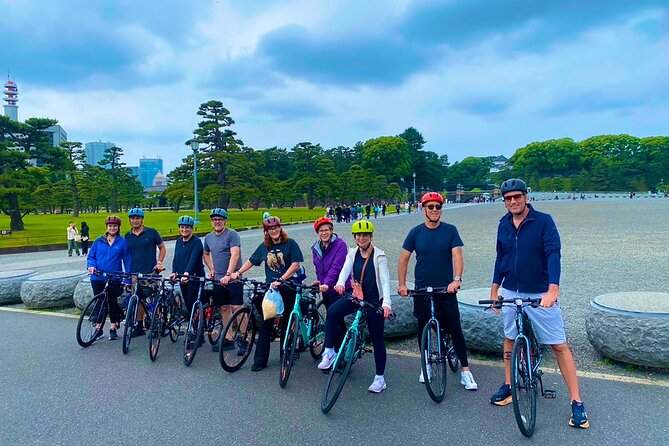
I like two things here: the intimate group size, capped at six, and the route through places that feel different from one another. You move from a small shop near Tokyo Tower to a formal garden, a local shrine, Tsukishima’s monja district, Tsukiji, and Zojo-ji Temple. The main consideration is physical: you need moderate fitness, and the tour depends on good weather.
In This Review
- Key points
- A Tokyo food lesson that becomes a bicycle outing
- Why the six-person limit changes the experience
- From AMAZAKE CAFE to Hamarikyu Gardens
- Italian Town and the changing face of Minato
- Sumiyoshi Jinja and a traditional neighborhood
- Tsukishima Monja Street by bike
- A quick look at Tsukiji Fish Market
- Cycling toward Tokyo Tower and Zojo-ji Temple
- What the $39.19 price includes
- Who should book this experience
- Practical details before you reserve
- The good and the less convenient parts
- Should you book the onigiri and bicycle tour?
- FAQ
- How long does the experience last?
- What time does the tour start?
- Where does the experience begin?
- Where does the activity end?
- Is the onigiri-making class included?
- Is a bicycle provided?
- Is admission to Hamarikyu Gardens included?
- How many people can join the tour?
- Do I need to be physically fit?
- What happens if the weather is poor?
Key points
- Make and eat your own onigiri: You learn the basics, choose fillings, and enjoy the finished rice balls during the outing.
- Small group of six or fewer: The format should make it easier to ask questions and receive help while shaping the rice.
- Hamarikyu picnic included: Your garden entry fee and handmade lunch are covered in the price.
- Tokyo by bicycle: The route links Tokyo Tower, Italian Town, Tsukishima, Tsukiji, and Zojo-ji Temple.
- Guide Sho may lead the ride: His name is specifically associated with the bicycle portion of this experience.
- Good value at $39.19: The fee includes the class, ingredients, bike, guide, and Hamarikyu Gardens admission.
A Tokyo food lesson that becomes a bicycle outing
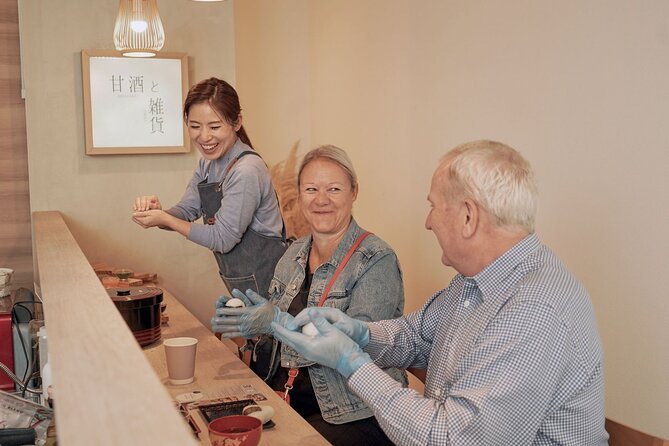
Onigiri is one of Japan’s most familiar foods: rice shaped by hand around a filling, often wrapped or finished with nori. You can buy one at a convenience store in seconds, but making one yourself gives you a better sense of its simple appeal. The class teaches the basic method, then lets you eat what you made.
The experience starts at AMAZAKE CAFE KomeDreaming, a small gift and souvenir shop near Tokyo Tower in Minato City. The listed start time is 11:00 a.m., and the food portion lasts about 30 minutes. An expert guides you through the process step by step, helping you handle the rice and add your chosen ingredients.
That last part matters. You are not just watching a demonstration and receiving a prepared snack. You put together your own rice balls and try them afterward. The food is both the lesson and part of the reward.
This is also a nice choice if you are traveling alone. The small group keeps the activity from feeling like a large cooking class, while the bicycle ride gives the day a natural social rhythm. Families and friends can choose their own fillings, compare results, and then set off together.
A few more Tokyo tours and experiences worth a look
Why the six-person limit changes the experience
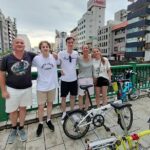
A maximum of six people is one of the strongest features here. Small groups usually make practical activities easier because the guide can see what you are doing. If your rice ball will not hold its shape, you can ask for help instead of waiting behind a crowd.
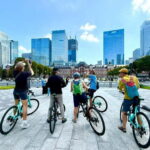
The compact group also suits the route. Cycling through central Tokyo requires attention, and a guide can keep a small party together more easily than a large one. The experience is not designed as a long-distance ride or a hard athletic challenge, but you should still be comfortable on a bicycle and able to manage several hours of activity.
The tour lasts about three hours. That includes food preparation, the garden visit, and stops along the cycling route. You will not have hours at each sight, so think of this as an introduction to several parts of Tokyo rather than a detailed tour of any one place.
From AMAZAKE CAFE to Hamarikyu Gardens
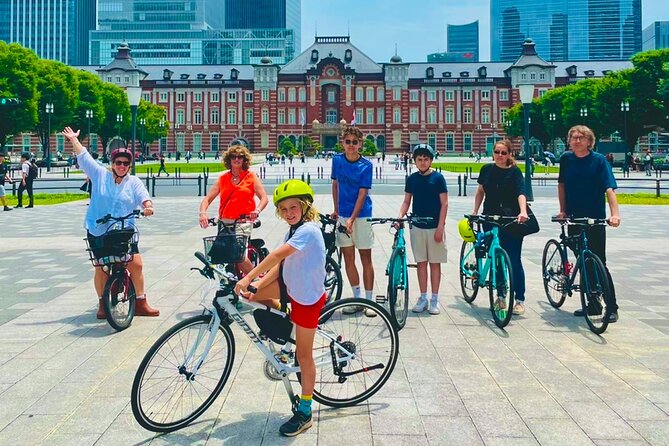
After the onigiri lesson, you pick up a bicycle and ride toward Hamarikyu Wharf. The garden is a good setting for lunch because it offers a change of pace from the city streets. You enter Hamarikyu Gardens with admission included, then eat the rice balls you made earlier.
This is the point where the tour feels most distinctive. Many food classes end at the table where the cooking took place. Here, you carry your food into a traditional Japanese garden and turn it into a picnic. The handmade lunch gives the garden visit a purpose, and the garden gives the food a pleasant setting.
The picnic lasts about 30 minutes. That is enough time to eat and enjoy the surroundings, but not enough for a slow, extended garden visit. If Hamarikyu is high on your Tokyo wish list, plan to return later for a longer look. On this outing, the garden works as a calm lunch stop within a broader city ride.
Bring your appetite, but do not count on the onigiri being your only food for the day. Extra snacks and drinks from the shop are not included. You can buy those separately if needed.
Italian Town and the changing face of Minato
The next short ride passes through Italian Town, a small area designed to feel Italian. The stop lasts about 10 minutes and has no separate admission charge.
This is a quick visual break rather than a major sightseeing visit. It adds contrast to the Japanese garden and the traditional neighborhoods later in the route. You get a glimpse of how Tokyo can shift from one architectural mood to another within a short ride.
Do not book this tour expecting a full explanation of every stop. The schedule gives only a few minutes at Italian Town, so the value comes from seeing it as part of the ride. Your bicycle lets you connect these fragments of the city without spending the day changing trains.
Sumiyoshi Jinja and a traditional neighborhood
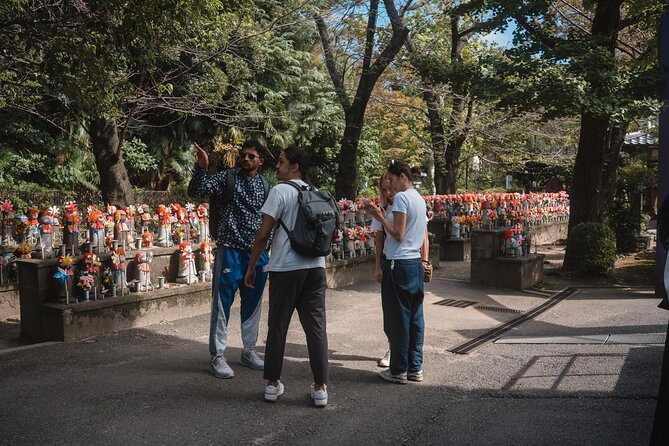
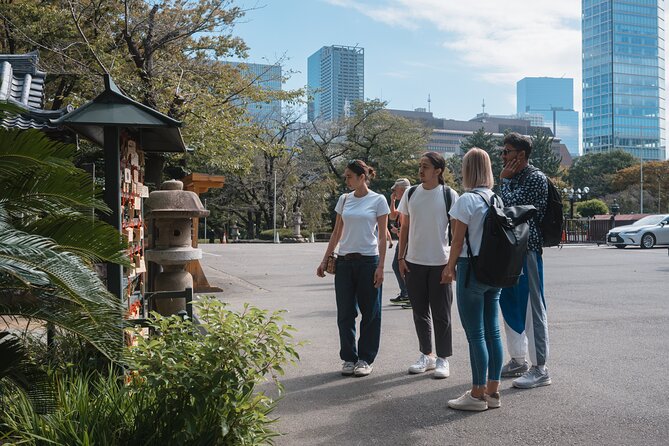
At Sumiyoshi Jinja, you stop at a local shrine in a traditional Japanese town. The visit lasts about 10 minutes, with no admission fee listed.
A shrine stop gives the route a more local feel than a parade of major landmarks. You can pause, look at the setting, and get a brief sense of how religious sites fit into ordinary neighborhoods. The short timing keeps the tour moving, though it also means you should not expect a full ritual or an extended historical talk.
If you want to take photographs, use the stop efficiently. Ten minutes goes quickly, especially if the group arrives and departs together. Follow the guide’s lead and be mindful of the shrine as a functioning place of worship.
A few more Tokyo tours and experiences worth a look
Tsukishima Monja Street by bike
Tsukishima Monja Street is another brief stop, lasting about 10 minutes. The street is associated with monja, a Tokyo-style savory dish cooked on a hot griddle. The tour takes you through the traditional street by bicycle, but it does not include a monja meal.
That distinction is useful when you plan your food budget. Your included food is the onigiri you make at the start. Any extra snacks or drinks are separate, and the tour does not list a monja tasting as part of the package.
Even without eating there, the street adds an everyday Tokyo food connection to the route. You have already made one familiar Japanese food, then pass through a neighborhood known for another. It is a smart pairing for anyone who likes seeing how food and local streets fit together.
A quick look at Tsukiji Fish Market
The ride continues to Tsukiji Fish Market for about 15 minutes. No admission fee is listed for this stop.
The word market can create high expectations, so keep the timing in mind. This is a short visit within a bicycle tour, not a long market exploration with time to inspect every stall or stop for a full meal. You will get a taste of the area and its place in Tokyo’s food culture before moving on.
If you have a strong interest in Tsukiji, you may want to return independently. The tour gives you a convenient introduction without asking you to spend the whole morning there. That works well for a first look, especially if you want to see several districts in one outing.
Cycling toward Tokyo Tower and Zojo-ji Temple
After Tsukiji, you cycle toward Tokyo Tower. The route ends its sightseeing portion at Zojo-ji Temple, where you can see the temple with Tokyo Tower behind it. The temple visit lasts about 15 minutes, and no admission fee is listed.
This is one of the strongest visual moments of the experience. The pairing of a major modern landmark with a major Buddhist temple gives you a compact picture of Tokyo’s contrasts. You get the tower, the temple, and the surrounding city in one stop.
The visit is short, so treat it as a photo and orientation stop rather than a full temple tour. If you want to study the grounds at length, you will need another visit. Still, the location makes a satisfying finish to the ride, especially after the quieter garden picnic and the older neighborhood stops.
The activity then returns to the original meeting point at AMAZAKE CAFE KomeDreaming. That makes the outing easier to fit into a day of sightseeing. You are not left at a distant station or another district with your bicycle to sort out.
What the $39.19 price includes
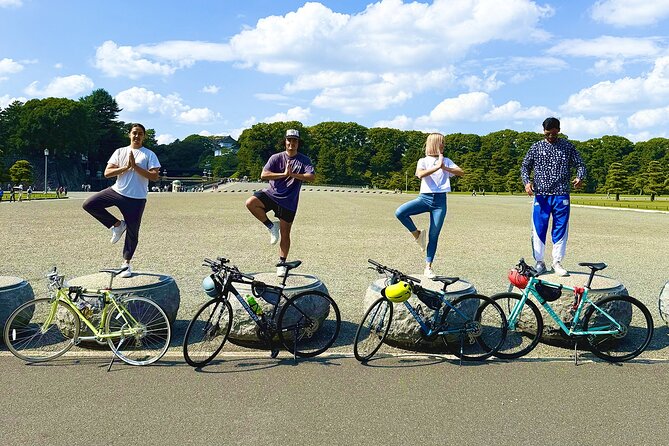
At $39.19 per person, this is reasonably priced for a three-hour experience with several inclusions. The fee covers:
- The onigiri-making class with an expert
- Ingredients for the rice balls
- A local bicycle tour guide
- Use of a bike
- Entrance to Hamarikyu Gardens
The value is strongest if you would otherwise pay separately for a cooking class, bicycle rental, and garden admission. You also get the small-group format and a guide who connects the stops into one route.
The price is less attractive if you only want a cooking lesson. The food class itself lasts about 30 minutes, while most of the experience is the bicycle ride and sightseeing. Likewise, it is not the right choice if you want a long, serious bike tour or a full day at Tsukiji and Hamarikyu.
I would think of the fee as paying for variety and convenience. You receive a meal activity, transport between districts, a guide, and a few carefully chosen sights. That is more useful than a simple rental if you want someone else to handle the route.
Who should book this experience
I would recommend it most strongly to people who want an active introduction to Tokyo without committing to a demanding full-day tour. The route mixes food, gardens, neighborhoods, a shrine, a market, a temple, and a landmark. You get a broad sample in a short window.
It is also a good fit for solo visitors. The class gives you something to do with your hands, and the small group makes the experience less awkward than joining a large sightseeing coach. Families can enjoy it too, particularly if children are interested in making and eating their own food, though the listed fitness requirement still matters.
Food lovers should note that this is a making class, not a broad tasting tour. You learn one simple Japanese staple and eat it. If you want a long lunch or several tastings, budget extra time and money afterward.
Cycling ability is important. The operator says you should have a moderate level of physical fitness. Since the activity requires riding through Tokyo streets and lasts about three hours, it is best for anyone comfortable spending a substantial part of the outing on a bike.
Practical details before you reserve
The meeting point is AMAZAKE CAFE KomeDreaming, Japan, 105-0011 Tokyo, Minato City, Shibakōen, 1-chōme 7-14, KS Hikari Building. It is near public transportation, but check the exact address before setting out because Tokyo addresses can be confusing.
The start time is 11:00 a.m. Confirmation is provided when you book, and the activity ends back at the meeting point. The mobile ticket makes it easy to keep the booking on your phone.
Good weather matters. If poor weather forces a cancellation, you are offered another date or a full refund. You can also cancel for a full refund if you do so at least 24 hours before the start time. Changes or cancellations inside that window are not accepted, and the amount paid is not refunded.
The experience is commonly reserved about eight days ahead. That is a useful guide if your schedule is fixed, especially because the group limit is six people. I would reserve earlier if you need a particular date.
The good and the less convenient parts
The strongest feature is the way the pieces fit together. Making onigiri, eating it in Hamarikyu Gardens, and then riding through several districts feels more connected than a standard list of unrelated photo stops.
The guide matters, too. Sho is specifically associated with the bicycle portion, and the guide-led format gives you a route through Tokyo without requiring you to plan every turn. The expert at the shop explains the food clearly, which is important for a hands-on class where small instructions affect the result.
The limits are just as clear. Sightseeing stops are short, and the onigiri class is brief. You will see many places, but you will not study any one of them in depth. Extra drinks and snacks cost more, and bad weather can disrupt the plan.
The tour also asks you to be ready at 11:00 a.m. and physically prepared for cycling. If you prefer a slow morning, long museum visits, or extensive time at one market, choose a different activity.
Should you book the onigiri and bicycle tour?
Book it if you want a small-group Tokyo experience that combines food and movement. The $39.19 fee is fair because it includes ingredients, a bike, a guide, and Hamarikyu Gardens admission, with your handmade lunch included along the way.
I would especially choose it for a first or second day in Tokyo, when a guided route can help you see how different districts connect. Skip it if you dislike cycling, need a weather-proof plan, or want a full cooking class with a long meal.
For the right visitor, this is a cheerful, practical way to spend three hours. You learn a Japanese staple, eat what you make, and see Tokyo from the saddle instead of through a train window.
FAQ
How long does the experience last?
The activity lasts approximately three hours.
What time does the tour start?
It starts at 11:00 a.m.
Where does the experience begin?
It begins at AMAZAKE CAFE KomeDreaming, a Japanese gift and souvenir shop in Shibakōen, Minato City, Tokyo.
Where does the activity end?
The activity ends back at the original meeting point.
Is the onigiri-making class included?
Yes. The expert-led onigiri class and the ingredients are included.
Is a bicycle provided?
Yes. A bike and a local bicycle tour guide are included.
Is admission to Hamarikyu Gardens included?
Yes. The entrance fee for Hamarikyu Gardens is included.
How many people can join the tour?
The experience has a maximum group size of six people.
Do I need to be physically fit?
You should have a moderate level of physical fitness because the experience includes cycling through Tokyo.
What happens if the weather is poor?
The experience requires good weather. If it is canceled because of poor weather, you can choose a different date or receive a full refund.
More Workshops & Classes in Tokyo
More Tokyo Cycling Tours in Tokyo
More tours in Tokyo we've reviewed


Tokyo Cycling Tours, compared.
 ★ 5.0Tokyo Great Cycling TourFrom $99
 ★ 5.0Tokyo Top Highlights 3h Guided E-bike TourFrom $63
 ★ 5.03h Tokyo E-Bike Tour: Hidden Gems, and Local Life with guideFrom $63
 ★ 4.83-Hour Bike or E-Bike City Highlights TourFrom $453 hours
 ★ 4.83-hour Guided E-Bike Tour of the City’s Hidden GemsFrom $65
 ★ 5.0Tokyo West-Side Cycling & Food TourFrom $99
 ★ 5.03-Hour Bike/E-Bike Tour of the City’s HighlightsFrom $63
 ★ 5.0Small Group Cycling Tour in TokyoFrom $66
Browse the lists this tour appears in