
Reviewed · TOKYO CYCLING TOURS
Tokyo Great Cycling Tour
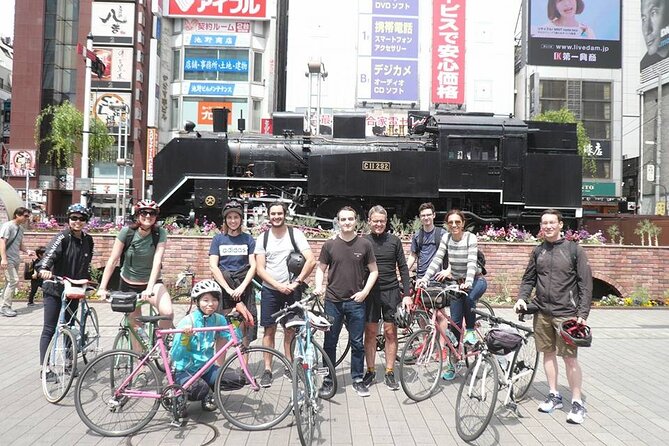
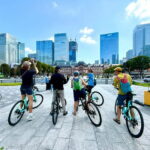
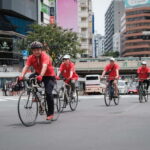
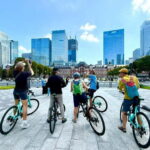
Tokyo reveals itself differently from a bicycle. In six hours, you can move from the food stalls of Tsukiji Jogai Market to temple grounds, shrine paths, expensive city blocks, and the Imperial Palace without spending the day underground on trains. The small group, capped at 12, keeps the ride personal.
I like the mix of famous sights and ordinary city scenes, and I like that guides such as Toshi, Nick, and Naoko pay close attention to safety and comfort. The main drawback is simple: this is a six-hour physical outing, so hot weather, poor cycling fitness, or rain can change the experience.
In This Review
- Key points to know before you book
- Why a bicycle works so well in Tokyo
- Starting near Shinkawa at 9:00 a.m.
- Tsukiji Jogai Market and the city’s food culture
- Zojo-ji and Tokyo Tower in one frame
- High-rise districts and a cemetery among costly city blocks
- Meiji Jingu, Tokyo’s major Shinto shrine
- The Imperial Palace and Tokyo’s center of power
- What the six-hour ride feels like
- Guides, group size, and the personal feel
- Is $99.49 a fair price?
- Who should book this Tokyo cycling tour?
- Booking, weather, and cancellation details
- Should you book it?
- FAQ
- How long is the Tokyo Great Cycling Tour?
- What time does the tour start?
- Where does the tour begin?
- Where does the tour end?
- How many people can join the tour?
- What level of fitness is required?
- Can I cancel for a refund?
Key points to know before you book
- Tsukiji starts the ride with food-market energy: You see the outer market area that continued after the inner market moved to Toyosu.
- Zojo-ji gives you Tokyo’s best old-and-new contrast: A traditional Buddhist temple sits with Tokyo Tower rising behind it.
- Meiji Jingu offers a quieter change of pace: The city’s most popular Shinto shrine brings Japanese religious culture into the route.
- The group never exceeds 12 people: That is small enough for more direct help from the guides and a less crowded ride.
- The tour lasts about six hours: You cover far more ground than on a walking tour, but you need moderate physical fitness.
- Weather matters: You can cancel free up to 24 hours ahead, while poor weather may lead to a new date or a full refund.
Why a bicycle works so well in Tokyo
Tokyo is huge, and its most interesting parts are spread across several districts. On foot, you would spend much of the day moving between sights. On a bus, you would miss the smaller streets and local neighborhoods between them.
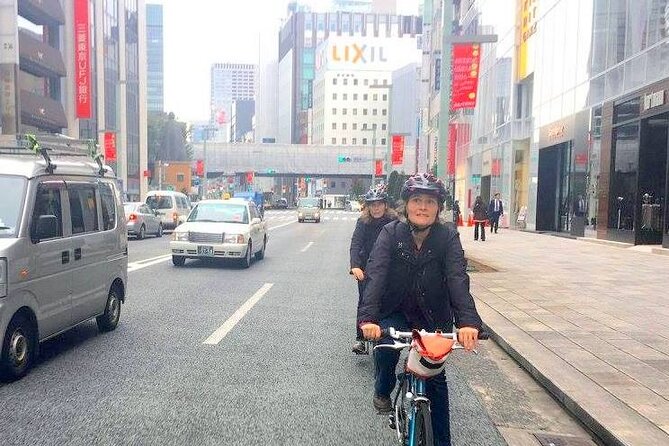
A bicycle gives you a useful middle ground. You can cover serious distance, then slow down for a temple, shrine, market, cemetery, or city view. I like this approach because Tokyo’s character often appears between the headline sights. You may pass high-rise apartment buildings, polished shops, and office blocks before reaching a quiet religious site only minutes later.
The route also gives you a sense of how different parts of Tokyo fit together. Tsukiji connects the city to its food culture. Zojo-ji introduces Buddhist tradition. Meiji Jingu shows Shinto practice. The Imperial Palace brings you to the center of Japan’s modern imperial identity.
This is not a racing tour. The listed pace includes several stops of 15 to 20 minutes, which gives you time to look around and hear explanations. Still, you should be comfortable riding for much of the day and managing city streets with a group.
A few more Tokyo tours and experiences worth a look
Starting near Shinkawa at 9:00 a.m.
The tour begins at Tokyo Great Tours at 1-chome-3-2 Shinkawa in Chuo City. The start time is 9:00 a.m., and the activity returns to this same meeting point at the end.
That return is useful if you have plans later. You will not need to arrange a separate pickup across town after the ride. The meeting point is near public transportation, which makes it practical to reach from other parts of Tokyo, though you should allow enough time to arrive before the 9:00 start.
The mobile ticket is convenient for a morning activity. Keep the booking details available on your phone, and pay attention to the confirmation timing. Confirmation is sent within 48 hours, subject to availability, so this is not an experience I would leave until the last moment if your Tokyo schedule is tight.
The tour is usually booked well in advance, with an average of 46 days. That does not guarantee that every date will sell out, but it is a good reason to reserve early, especially if you have only a few days in the city.
Tsukiji Jogai Market and the city’s food culture
The first stop is Tsukiji Jogai Market, the outer market area. The inner fish market moved to Toyosu, but Tsukiji’s outer streets remain a busy shopping district with food businesses, local shoppers, and sightseers.
The stop is scheduled for about 15 minutes and admission is free. That is enough time to get your bearings and absorb the atmosphere, but not enough for a long meal or an extended shopping session. I would treat it as an introduction to Tokyo’s food culture rather than a full market visit.
This part of the route also shows why a bicycle is useful. You arrive as part of a moving city experience instead of spending your first hours finding the market by train and then retracing your steps. The market is not presented as an isolated attraction. It is one piece of a much larger look at Tokyo.
If you hope to buy several things or eat at length, you may want to return on your own after the tour. The scheduled stop is brief, and the group needs to keep moving.
Zojo-ji and Tokyo Tower in one frame
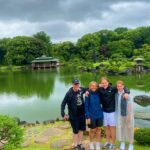
At Zojo-ji, you see an old Buddhist temple with Tokyo Tower behind it. This is one of the clearest visual meetings between traditional Japan and modern Tokyo, and the 15-minute stop is well chosen for a quick visit.
The temple grounds give the ride a strong change of mood after Tsukiji. You move from food shops and city traffic into a place shaped by Buddhist practice and older architecture. Then the tower pulls your eyes back to the present.
I find this kind of contrast more useful than visiting only one famous building. Tokyo is not an old city preserved under glass, nor is it only a forest of tall buildings. The value here is seeing both at once.
The short stop has a limit. You will not have time for a long temple visit, detailed study of every building, or a leisurely photography session. If Zojo-ji is a major personal interest, plan to come back independently. On the cycling tour, it works as a focused cultural stop within a bigger day.
High-rise districts and a cemetery among costly city blocks
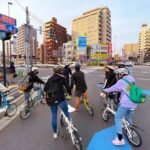
Between the named sights, the route passes areas filled with tall, expensive apartments, shops, and office buildings. These sections may not appear on a standard sightseeing checklist, but they are important to understanding Tokyo’s scale and daily life.
I like this part because it connects the major attractions. You see how people live and work between the temples, shrines, and palace grounds. The changing streets also make the ride feel less like a string of photo stops and more like a trip through several sides of the city.
The route also includes a cemetery located in the middle of fashionable areas. That detail is a useful reminder that Tokyo’s older religious and memorial spaces can remain part of modern neighborhoods. A cemetery may sound less dramatic than a tower or palace, but it gives the tour a quieter, more reflective pause.
No separate timing is provided for these passing sections, so your experience will depend on the pace of the group and the guide’s route. Think of them as context and observation rather than formal attractions with long visits.
Other cycling tours in Tokyo



Meiji Jingu, Tokyo’s major Shinto shrine
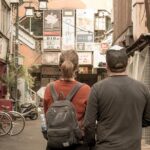
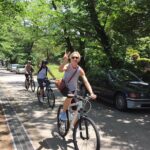
Meiji Jingu is the tour’s main Shinto stop and lasts about 20 minutes. It is described as Tokyo’s most popular Shinto shrine, so this is one of the key cultural visits of the day.
The shrine brings a different religious tradition from Zojo-ji. That contrast matters. You are not simply seeing several historic buildings. You are seeing two major strands of Japanese religious life, presented within a single city ride.
The 20-minute visit gives you time to take in the setting and listen to the guide’s explanation of Japanese history and culture. I would expect a concise introduction rather than a full religious or architectural study. The tour has to keep moving, and Meiji Jingu is only one part of six hours.
The stop also shows the strength of a small group. With no more than 12 people, it is easier to stay together and hear the guide without the scale of a large coach tour. That does not remove city crowds, but it can make the visit feel more manageable.
The Imperial Palace and Tokyo’s center of power
The Imperial Palace is the final listed sight, with about 15 minutes set aside. It is where the Emperor and Empress live, making it an important stop for understanding Japan’s present-day national identity.
Do not expect a long palace tour. The supplied details describe a visit to the palace area, not entry into private residences or an interior tour. The value is the chance to see this central site as part of the city around it and to hear its place in Japanese life.
By reaching the palace after markets, temples, shrine grounds, and commercial districts, the route builds a useful picture of Tokyo. You have seen food, religion, housing, business, and imperial symbolism in one day.
The 15-minute timing keeps the tour moving but may feel short if you want extensive palace grounds exploration. I see this as a well-placed overview stop. You can decide later if the area deserves a longer independent visit.
What the six-hour ride feels like
The tour lasts about six hours, so you should plan your day around it rather than squeeze it between two fixed appointments. The route includes frequent stops, but the central activity remains cycling through Tokyo.
A moderate fitness level is expected. You do not need to be an athlete, but you should feel comfortable riding for several hours and keeping pace with a group. The experience is a poor match if you are looking for a mostly seated sightseeing tour.
The guides place clear attention on safety and welfare. That matters in a large city, particularly when the group is moving between busy districts. One rider specifically noted that the bike was running smoothly and that the guides kept an eye on safety and comfort. I would still recommend asking questions at the start if you have concerns about the route or your riding ability.
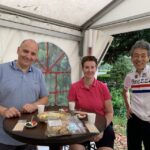
Hot weather can affect the day. On one especially hot outing, the planned picnic changed to lunch at an izakaya. That shows useful flexibility, but it also confirms that summer heat is not a minor detail. Bring water, dress for the conditions, and remember that a weather-sensitive activity can be canceled or rearranged.
Guides, group size, and the personal feel
The group maximum is 12. That is small enough for a guide to notice if someone is struggling, help with practical questions, and explain what you are seeing without addressing a huge crowd.
Several guides are named in the supplied tour details, including Toshi, Nick, and Naoko. The guide team may vary by date, but these names give you a sense of the personal style attached to the experience. Toshi and Nick led one highly praised outing, while Naoko and Nick guided another.
I especially like the combination of route knowledge and care for the group. The strongest praise centers on guides looking after safety, welfare, and comfort, not just reciting facts. That is exactly what I want from a cycling tour. A smooth bike and a guide who keeps the day organized can matter as much as the sights.
You may also be offered different routes, such as Route B. If your guide presents a route choice, ask what changes before setting off. The available details confirm that Route B was a happy choice for one participant, but they do not specify every difference between routes.
Is $99.49 a fair price?
At $99.49 per person, this is not the cheapest way to spend six hours in Tokyo. You can visit many public places on your own for little or no admission cost. Tsukiji Jogai Market, Zojo-ji, Meiji Jingu, and the Imperial Palace stop all list free admission.
The price pays for more than entry tickets. You are paying for the bicycle experience, route planning, a guide, safety oversight, and the ability to connect distant areas in one outing. You also avoid piecing together several train rides while trying to understand what lies between each sight.
I consider the price reasonable if you value coverage and local explanation. It is especially good value during a short Tokyo stay, when seeing several districts in one day matters. It is less appealing if you already know Tokyo well, dislike group activities, or would rather spend six hours slowly exploring one neighborhood.
The small group improves the value. A 12-person maximum is not private, but it is far more personal than a large coach tour. The fact that the tour returns to the starting point also saves some planning effort.
Who should book this Tokyo cycling tour?
I would recommend it to first-time Tokyo visitors who want an organized introduction without being confined to a bus. It suits people who enjoy seeing how neighborhoods change and who want a mix of famous sights and everyday city scenes.
It is also a good choice for families with older children who can ride comfortably. One positive experience included a parent and son, both of whom had a very good day. The small group and guide support can help keep the outing friendly and manageable.
You should think twice if you have limited cycling ability, a health concern that makes six hours of activity difficult, or a strong dislike of hot weather. The tour requires moderate fitness, and the schedule cannot be treated as a gentle walking excursion.
The experience also suits repeat visitors who want a new way to connect familiar places. Even if you have seen Meiji Jingu or the Imperial Palace before, riding through the surrounding districts can change how you understand their place in Tokyo.
Booking, weather, and cancellation details
You receive confirmation within 48 hours, subject to availability. Because the experience is often booked well ahead, I would reserve before finalizing the rest of your Tokyo plans.
You can cancel for a full refund up to 24 hours before the local start time. Changes or cancellations made inside that window are not accepted and are not refunded. Poor weather can lead to a new date or a full refund, and a failure to meet the minimum group size can produce the same choices.
That policy is worth noting before you commit. Check the forecast close to departure, but do not wait until the last minute to book. The tour is weather-sensitive, and a backup plan for the day is sensible.
Should you book it?
Book this tour if you want to cover a lot of Tokyo in one active day and prefer seeing the city from street level. The best reasons are the small group, the careful guides, and the smart mix of Tsukiji, Zojo-ji, Meiji Jingu, the Imperial Palace, and the less famous districts between them.
Skip it if you want a slow market morning, a long temple visit, or a seated sightseeing experience. For most reasonably fit visitors, though, $99.49 buys a well-organized introduction to Tokyo that would be hard to reproduce on foot in six hours.
FAQ
How long is the Tokyo Great Cycling Tour?
The tour lasts approximately six hours.
What time does the tour start?
The tour starts at 9:00 a.m.
Where does the tour begin?
It begins at Tokyo Great Tours, 1-chome-3-2 Shinkawa, Chuo City, Tokyo 104-0033, Japan.
Where does the tour end?
The activity ends back at the same meeting point where it starts.
How many people can join the tour?
The group has a maximum of 12 travelers.
What level of fitness is required?
You should have a moderate level of physical fitness because cycling is the main activity for about six hours.
Can I cancel for a refund?
Yes. You can cancel at least 24 hours before the local start time for a full refund. Cancellations made less than 24 hours before the start are not refunded.
More Cycling Tours in Tokyo
More Tokyo Cycling Tours in Tokyo
More tours in Tokyo we've reviewed



Tokyo Cycling Tours, compared.
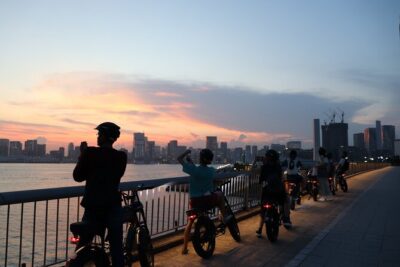 ★ 5.0Tokyo Top Highlights 3h Guided E-bike TourFrom $63
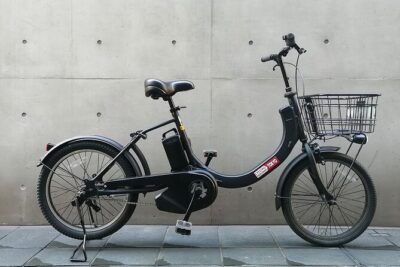 ★ 5.03h Tokyo E-Bike Tour: Hidden Gems, and Local Life with guideFrom $63
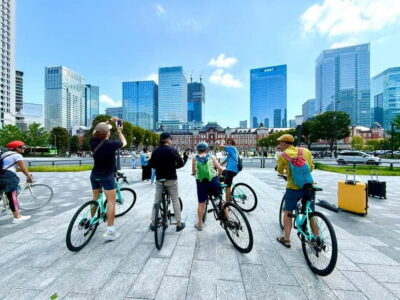 ★ 4.83-Hour Bike or E-Bike City Highlights TourFrom $453 hours
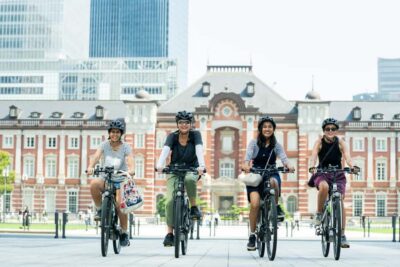 ★ 4.83-hour Guided E-Bike Tour of the City’s Hidden GemsFrom $65
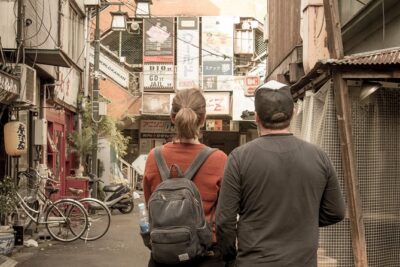 ★ 5.0Tokyo West-Side Cycling & Food TourFrom $99
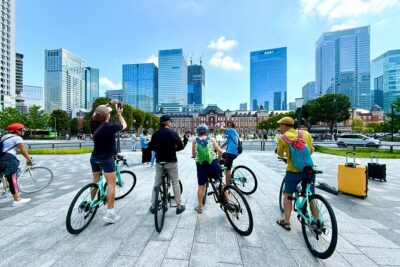 ★ 5.03-Hour Bike/E-Bike Tour of the City’s HighlightsFrom $63
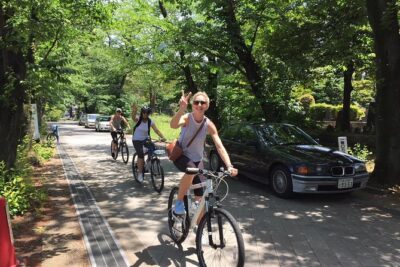 ★ 5.0Small Group Cycling Tour in TokyoFrom $66
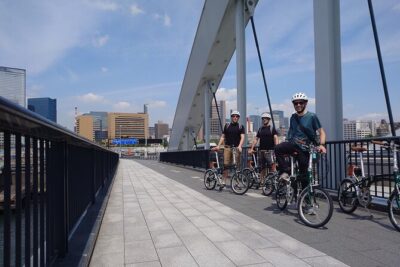 ★ 5.03-Hour Tokyo Private E-Bike Tour Starting from Your HotelFrom $145
Browse the lists this tour appears in