
Reviewed · TOKYO CYCLING TOURS
Private Half-Day Grand Bike Tour in Tokyo
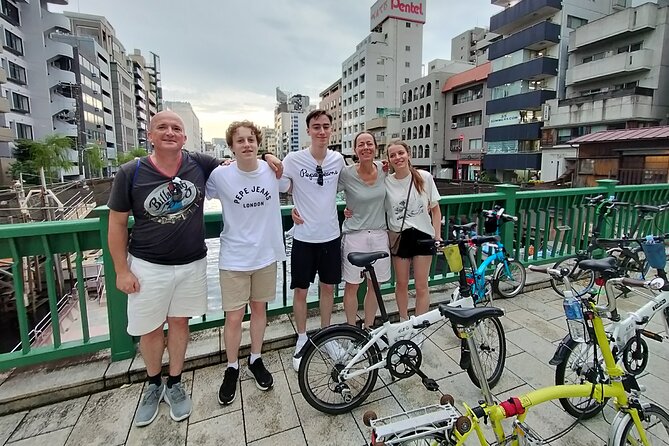
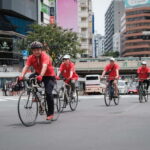
Tokyo makes far more sense from a bicycle seat. This private ride links Asakusa, the Imperial Palace, Tokyo Tower, and Shibuya in one long sweep, while also slipping along canals, back streets, shopping roads, and quiet shrine grounds that are easy to miss from a train.
I like the private format, since your guide can keep the pace suited to your group. I also like the practical route design: you see major sights, but you also pass old waterways, craft workshops, sumo country, and Tokyo neighborhoods between the famous stops. Guide Takeshi is praised for careful riding and a friendly, service-minded approach.
The catch is the length. Five to six hours on a folding bike is a serious half-day, and the route covers a lot of ground. You need moderate fitness, and the small bikes suit people between 140 and 180 centimeters unless you arrange something different in advance.
In This Review
- Key points to know before you book
- Why this route works for seeing Tokyo
- Starting with Skytree views at Sakura Bridge
- Traditional crafts and the busy lanes of Asakusa
- Sumo country, canals, and old Tokyo waterways
- Ginza, the Imperial Palace, and Japan’s political center
- Tokyo Tower, ginkgo trees, and Roppongi roads
- Takeshita Street, Omotesando, and Meiji Jingu
- Finishing at Shibuya Crossing
- Bikes, comfort, and safety
- Who will get the most from this ride
- Should you book the Private Half-Day Grand Bike Tour?
- FAQ
- How long does the bike tour last?
- What time does the tour start?
- Where does the tour begin?
- Where does the tour end?
- Is transportation included?
- Is this a private tour?
- What size bikes are provided?
- How physically demanding is the tour?
- What happens if the weather is poor?
Key points to know before you book
- A citywide route on two wheels: Move from the Tokyo Skytree area to Shibuya without spending the day underground.
- Private guiding with Takeshi: Your own group rides together, with safety guidance and local commentary.
- Major sights plus everyday Tokyo: Expect temples, royal grounds, fashion streets, canals, bridges, and back roads.
- Folding bikes for riders 140 to 180 centimeters: Tell the operator ahead of time if you are taller than 180 centimeters.
- A long, active half-day: The advertised duration is about five to six hours, with many stops and substantial riding.
- A useful finish near Shibuya Crossing: The tour ends at Shibuya Station, making it easy to continue by public transport.
Why this route works for seeing Tokyo
Tokyo is huge, and its best-known sights are spread across several districts. On foot, this route would take far too long. By train, you would get from one point to another quickly, but you would miss the transitions: the older streets, waterways, commercial roads, and changing feel of each neighborhood.
A bicycle gives you a middle ground. You cover distance faster than walking, yet you remain close enough to notice the city as it changes around you. The route begins in eastern Tokyo and gradually works west toward Shibuya, so the day feels like a cross-section of the city rather than a series of disconnected attractions.
The tour starts at 11:30 a.m. near Higashimukōjima in Sumida City, at the Tokyo Backstreets Bike Tour office. The end point is near Shibuya’s railway station and zebra crossing. You arrange your own way to the starting point and onward transport after the ride, since private transportation is not included.
The fee is $130.07 per person. That is not a bargain for a bike ride alone, but it becomes more reasonable when you consider the private guide, bicycle, helmet, bottled water, and the amount of ground covered. You are paying for a full route through several parts of Tokyo, not just a short spin around one neighborhood.
A few more Tokyo tours and experiences worth a look
Starting with Skytree views at Sakura Bridge
The first stop is Sakura Bridge, where you have about 10 minutes to take photographs of Tokyo Skytree. This is a quick orientation point rather than a long sightseeing visit, but it gives you an immediate sense of Tokyo’s scale.
The short stop also sets the tone for the day. You will not spend a long time at every attraction. Instead, you pause for photographs, a short explanation, or a walk, then get back on the bike.
Traditional crafts and the busy lanes of Asakusa
At the Edo Taito Traditional Crafts Center, you have about 20 minutes to see Japanese handicrafts and the work behind them. This is a useful counterpoint to the city’s sleek department stores and brand-lined roads later in the day.
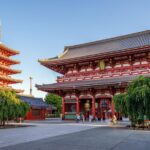
Senso-ji Temple gets another 20 minutes. It is one of Tokyo’s major Buddhist temples, with a traditional gate, pagoda, main hall, shops, and snack stalls. You can see the basic pattern of Japanese worship here, though the short visit means you should not expect a slow, detailed temple tour.
Asakusa is one of the places where the bike is especially handy. The district can be crowded around the temple, so the bikes are parked and you walk through the temple area. The tour is not designed to carry you through every side street, but it gives you a good look at one of Tokyo’s oldest-feeling sightseeing districts before moving on.
Sumo country, canals, and old Tokyo waterways
The ride continues toward Ryogoku Kokugikan, the famous sumo stadium. The stop lasts about five minutes and is mainly for a photograph in front of the building. If sumo is a major interest, this will feel brief, but it provides a clear look at the district associated with Japan’s national wrestling tradition.
At Yanagi Bridge, you spend about 10 minutes beside one of central Tokyo’s canals. The old waterside setting and the jetties used by yakatabune, traditional party boats, offer a different view of the city. This is one of the route’s more distinctive moments because it shows Tokyo away from its large avenues and landmark towers.
Nihonbashi Bridge receives about 20 minutes. From here, you can look over old waterways and the surrounding commercial district. The bridge area connects Tokyo’s past as a major urban center with its present-day office and shopping streets.
These stops explain why cycling can be more rewarding than simply checking off famous buildings. The gaps between attractions matter. You see the places that make Tokyo feel like a working city, not just a collection of sights.
Ginza, the Imperial Palace, and Japan’s political center
The ride through Ginza takes you along one of central Tokyo’s most fashionable high streets. The area is known for luxury brands such as Louis Vuitton and Chanel, so this section is more about watching the city pass by than stopping for a shopping session.
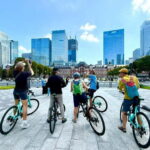
The Imperial Palace is a more substantial stop, with about 30 minutes. The palace occupies roughly 115 hectares and was built on the former Edo Castle site, once associated with the Tokugawa shoguns and the government of Edo. You see the outside of the palace grounds rather than entering royal interiors.
That distinction matters. This is a sightseeing and photo stop, not a palace admission visit. Still, the setting gives you a useful piece of Tokyo’s political and historical story, especially after seeing the old waterways and traditional districts earlier in the ride.
You also cycle near the National Diet Building, Japan’s parliamentary building, completed in 1936. There are no listed entrance arrangements, so treat this as an exterior pass-by. It is a brief look at the country’s political center, included naturally as the route crosses central Tokyo.
Other cycling tours in Tokyo
Tokyo Tower, ginkgo trees, and Roppongi roads
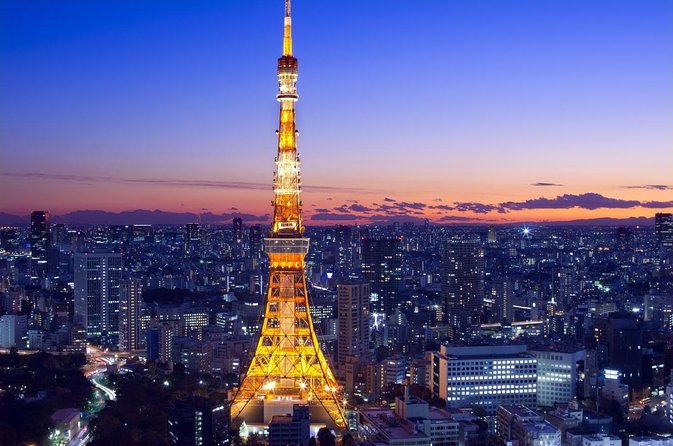
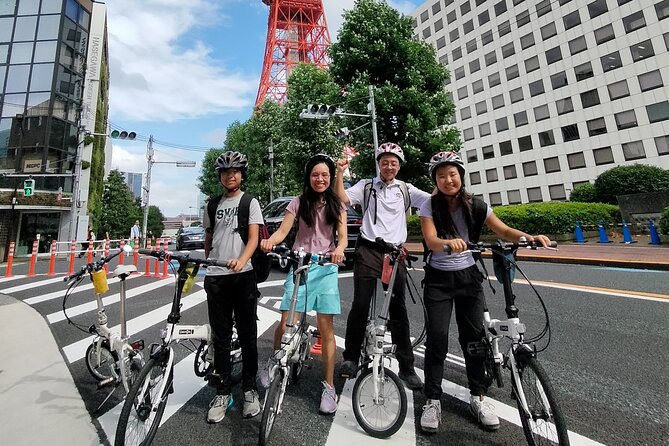
Tokyo Tower is another short stop, lasting about 10 minutes. At 333 meters, the red-and-white tower remains one of Tokyo’s most recognizable structures. You cycle under it and have time for photographs, but the tour does not include a trip to the observation decks.
That keeps the route moving. If going up Tokyo Tower is high on your list, you will need to return separately. On this ride, the value comes from seeing the tower as part of the city around it.
The Jingu Gaien Ginkgo Tree-lined Street offers about 20 minutes of cycling among rows of trees. The avenue is especially known for its yellow autumn foliage, but it is described as attractive in other seasons too. This is one of the more pleasant stretches for simply enjoying the ride rather than chasing a landmark.
The route then passes through Roppongi, known for its nightlife, before reaching Aoyama Street. Aoyama is one of central Tokyo’s fashionable roads, and the 20-minute cycling segment gives you a feel for its polished urban style. You may find this part less rewarding if you want long stops at monuments, but it works well for seeing how Tokyo’s districts change from one to the next.
Takeshita Street, Omotesando, and Meiji Jingu
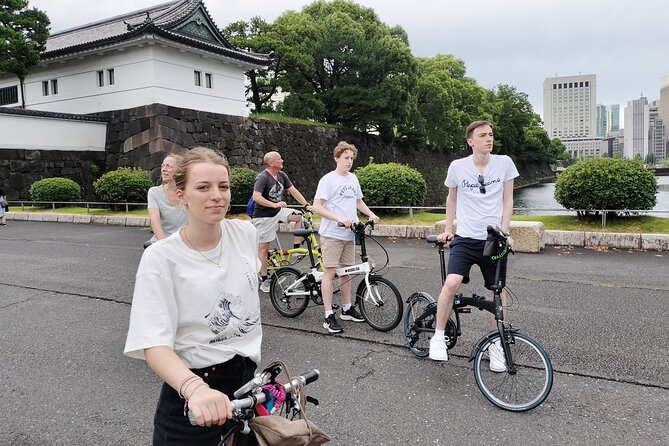
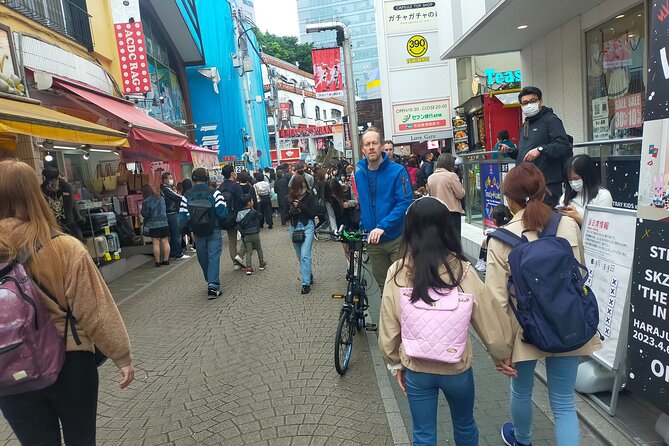
At Takeshita Street, you push the bicycles inside the popular shopping area and have about 30 minutes for browsing. This is a practical detail: you are not riding through the pedestrian shopping street. The stop gives you a chance to look around, but half an hour is enough for a taste rather than a serious shopping trip.
The ride continues along Omotesando, another major shopping road lined with luxury brands. This creates an interesting contrast with the craft center, Asakusa, and the old canal views. Tokyo’s identity shifts quickly here, from traditional goods and temple stalls to modern design and international fashion.
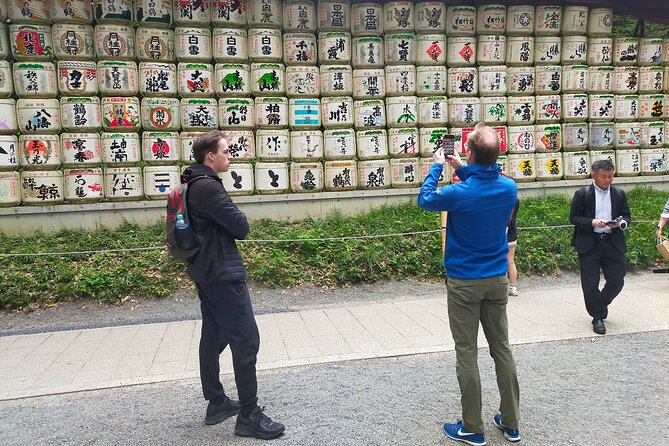
Meiji Jingu is the longest stop, with about one hour. You park the bikes and walk through the shrine grounds, which were established in 1920 and dedicated to the former Emperor. The sake barrels near the shrine are a familiar feature, donated for ceremonial use.
This hour is important because it gives you time to slow down. After several hours of cycling and short photo stops, Meiji Jingu provides a chance to walk and take in a major Shinto site without worrying about traffic. The tour does not include a separate transport option for anyone who wants to skip the walk, so plan on using your feet here.
Finishing at Shibuya Crossing
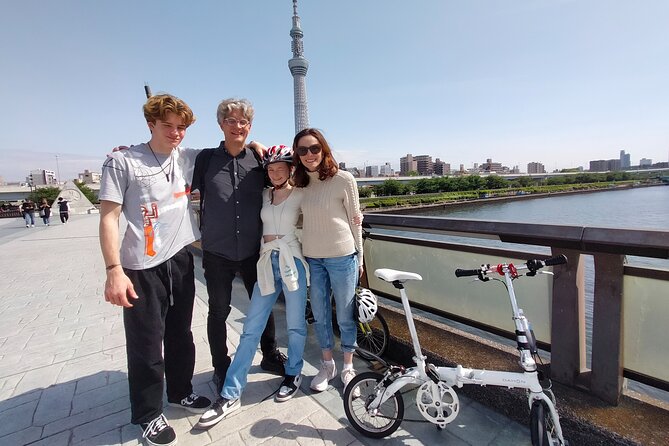
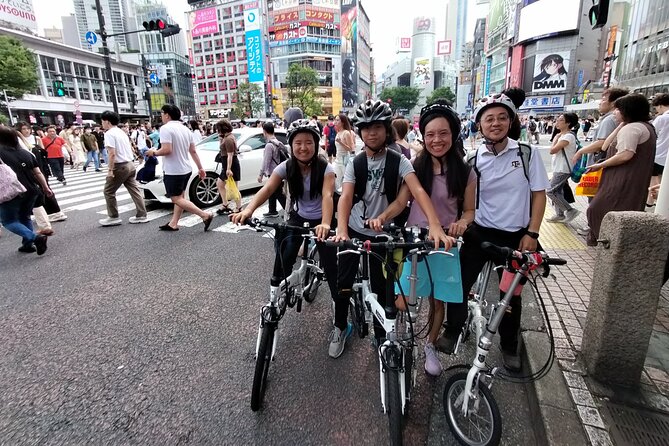
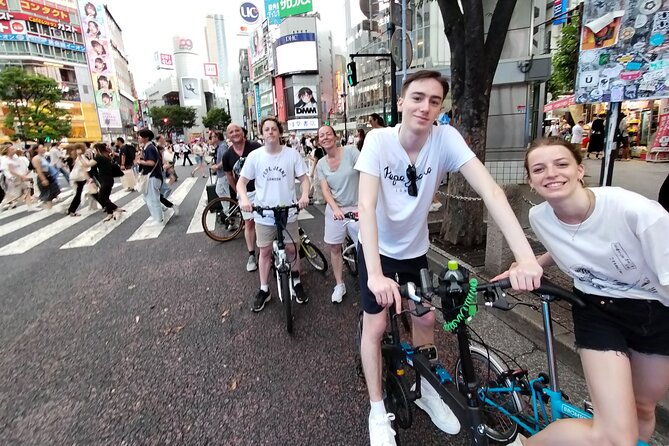
The final stop is Shibuya Crossing, with about 15 minutes. This is the famous zebra crossing known for its heavy pedestrian flow, and it makes a fitting finish to a route that has shown you both old and new Tokyo.
The tour ends at Shibuya Station, near the crossing. That is convenient if you want to continue shopping, find a meal, or use the rail network for your next stop. Since the end is not back at the starting point, think ahead about what you want to do afterward. The one-way design is efficient for sightseeing, but you should not expect to return to your accommodation by bike.
Bikes, comfort, and safety
The included bicycles are folding bikes with 14 to 20-inch wheels. They are intended for people between 140 and 180 centimeters tall. If you are over 180 centimeters, contact the operator before the tour rather than hoping the standard bike will be comfortable.
You also receive a helmet and bottled water. Those are modest inclusions, but both matter on a long ride through a large city. The tour requires a moderate level of physical fitness, and the five to six-hour schedule includes repeated cycling, getting on and off the bike, walking at temples, and pushing the bike through Takeshita Street.
The strongest practical point is the guide’s role in road safety. Takeshi is specifically praised for making sure the group stayed safe, while still reaching major sights and quieter roads. That is important in Tokyo, where the challenge is not only distance but also knowing how to move through unfamiliar streets.
This is a private activity, so only your group participates. That gives you more control over the pace than a large group tour. You can ask for a little more time at a place that interests you, though the route contains many stops and cannot linger everywhere without extending the day.
Who will get the most from this ride
I would choose this tour if you want a broad first look at Tokyo and enjoy active sightseeing. It suits couples, families with older children, and small private groups that would rather ride than spend the entire day transferring between train stations.
It is also a smart choice if you have limited time in Tokyo. In five to six hours, you reach Asakusa, Nihonbashi, Ginza, the Imperial Palace, Tokyo Tower, Aoyama, Meiji Jingu, and Shibuya. You will not explore each place fully, but you will learn where you may want to return.
I would hesitate if you dislike long bike rides, need a very relaxed schedule, or want extended indoor visits. The tour is mostly exterior sightseeing, with brief stops and one longer walk at Meiji Jingu. The route also requires good weather. If poor weather forces cancellation, you are offered another date or a full refund.
Booking is flexible if your plans change. You can cancel at least 24 hours before the local start time for a full refund. Confirmation is sent within 48 hours, subject to availability.
Should you book the Private Half-Day Grand Bike Tour?
Book it if you want to understand Tokyo by moving through it, not just jumping between stations. The best parts are the private pace, Takeshi’s careful guidance, the mix of famous sights and less obvious streets, and the efficient one-way finish at Shibuya.
Skip it if your priority is shopping time, museum interiors, or a slow visit at every temple and monument. The $130.07 price is fair for a private, guided five to six-hour route with equipment and water, but its value depends on your willingness to spend much of the day riding.
For an active visitor who wants a wide introduction to Tokyo, this is a smart use of half a day. Bring a sense of curiosity, allow for the physical effort, and tell the operator about your height before you arrive.
FAQ
How long does the bike tour last?
The tour lasts approximately five to six hours.
What time does the tour start?
The listed start time is 11:30 a.m.
Where does the tour begin?
It begins at Tokyo Backstreets Bike Tour in Higashimukōjima, Sumida City, Tokyo.
Where does the tour end?
The tour ends at Shibuya Station, near the Shibuya zebra crossing.
Is transportation included?
Private transportation is not included. The tour includes use of a bicycle, a helmet, and bottled water.
Is this a private tour?
Yes. Only your group participates in the activity.
What size bikes are provided?
The folding bikes have 14 to 20-inch wheels and are suitable for people between 140 and 180 centimeters tall. You should notify the operator in advance if you are over 180 centimeters.
How physically demanding is the tour?
A moderate level of physical fitness is required. The experience combines several hours of cycling with walking at locations such as Meiji Jingu.
What happens if the weather is poor?
The experience requires good weather. If it is canceled because of poor weather, you will be offered a different date or a full refund.
More Private Tours in Tokyo
More Cycling Tours in Tokyo
More Tokyo Cycling Tours in Tokyo
More tours in Tokyo we've reviewed


Tokyo Cycling Tours, compared.
 ★ 5.0Tokyo Great Cycling TourFrom $99
 ★ 5.0Tokyo Top Highlights 3h Guided E-bike TourFrom $63
 ★ 5.03h Tokyo E-Bike Tour: Hidden Gems, and Local Life with guideFrom $63
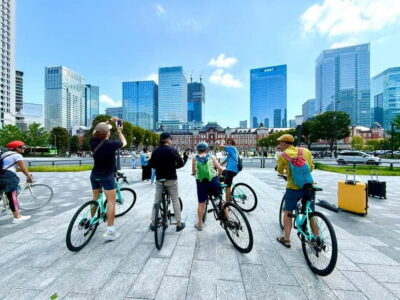 ★ 4.83-Hour Bike or E-Bike City Highlights TourFrom $453 hours
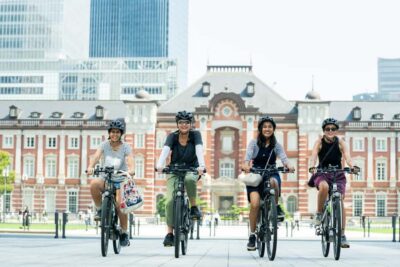 ★ 4.83-hour Guided E-Bike Tour of the City’s Hidden GemsFrom $65
 ★ 5.0Tokyo West-Side Cycling & Food TourFrom $99
 ★ 5.03-Hour Bike/E-Bike Tour of the City’s HighlightsFrom $63
 ★ 5.0Small Group Cycling Tour in TokyoFrom $66
Browse the lists this tour appears in