
Reviewed · TOKYO CYCLING TOURS
Tokyo: 3h Private E-bike Tours, Starting at Your Hotel
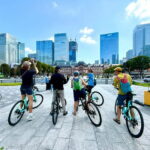
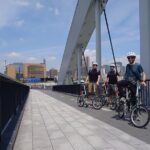
Tokyo makes more sense from a bicycle seat. In three hours, you can move from skyscrapers and Olympic sites to shrine lanes, old neighborhoods, riverside paths, and busy crossings without spending half the morning underground. Guide Kazuma meets you at your hotel, fits the bikes, and leads a private route of roughly 15 to 20 kilometers.
I like two things right away: hotel pickup and drop-off remove the usual Tokyo meeting-point puzzle, and the e-bikes make a long ride manageable even if you are not a strong cyclist. I also like the private format, which lets you set the pace and request places that match your interests.
The main consideration is the size of the ride. Three hours on city streets is not a gentle sightseeing stroll, and the tour is not suitable for children under 10, riders under 145 centimeters, or anyone over 100 kilograms. You must also wear proper shoes and avoid skirts, sandals, or flip-flops.
In This Review
- Key points to know before booking
- Why a bicycle works so well in Tokyo
- Meeting Kazuma at your hotel
- A flexible route from skyscrapers to side streets
- What the three hours actually feel like
- Safety, clothing, and riding ability
- Is $141 per person good value?
- Who will enjoy this Tokyo ride most?
- Should you book the private e-bike tour?
- FAQ
- Where does the Tokyo e-bike tour start and finish?
- How long is the tour?
- How far do you ride?
- What languages does the guide speak?
- What is included in the price?
- Who cannot join the tour?
Key points to know before booking
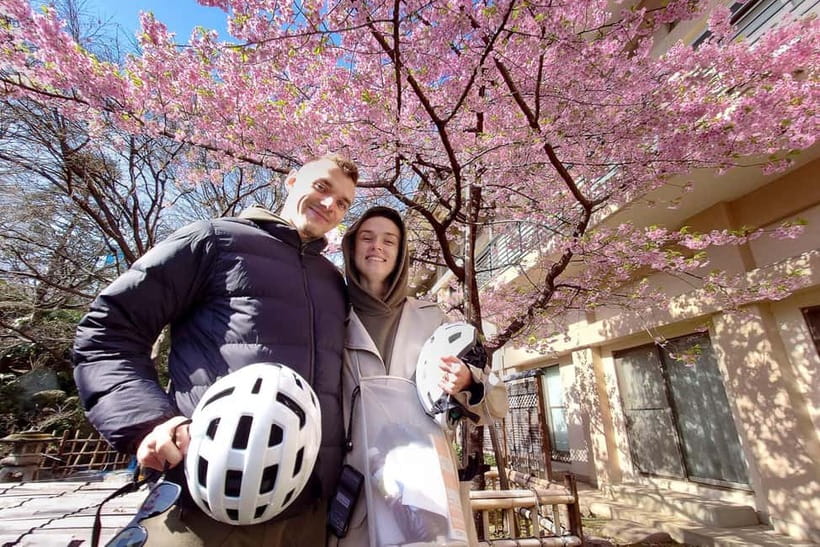
- Kazuma is the guide to look for: He provides English and Japanese guiding, careful bike fitting, cultural explanations, and often takes photos during stops.
- You start and finish at your hotel: Pickup is available from many central Tokyo districts, though hotels outside the service range may cost extra.
- The route can change to suit you: Choose among Tokyo landmarks, traditional neighborhoods, riverside areas, and quieter streets during your private ride.
- The e-bike does the hard work: Pedal assistance helps with distance and hills, but you still need to be comfortable riding in an urban setting.
- Expect frequent short stops: The ride includes time for explanations, water breaks, photographs, and brief sightseeing rather than nonstop cycling.
- The price is $141 per person: That is a serious outlay for three hours, but it includes a private guide, e-bike, helmet, hotel service, insurance, and a custom route.
Why a bicycle works so well in Tokyo
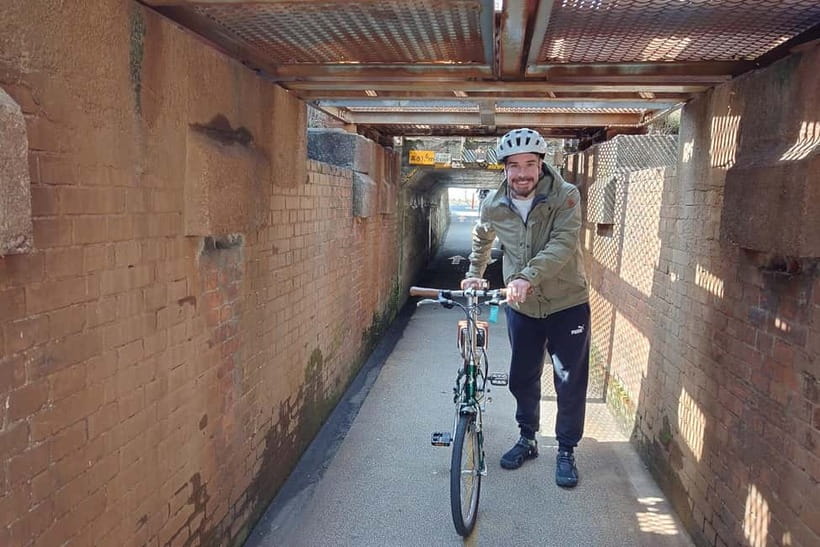
Tokyo is enormous, yet many of its best contrasts are close enough to connect by bike. A train can take you from Shinjuku to Shibuya in minutes, but it gives you little sense of the streets between them. On an e-bike, you can see the city change block by block.
That is the real value here. You are not simply checking off a tower, gate, or government building. You are moving through different parts of Tokyo and stopping when the guide has something useful to explain. The format also gives you a better chance to notice ordinary details, such as narrow back streets, small shrines, older homes, and the way modern districts fit around them.
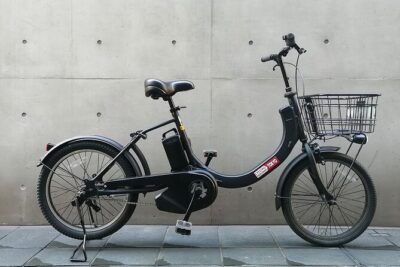
The e-bike matters. A 15 to 20 kilometer route would feel demanding on a standard bicycle, especially in warm weather or on a day when you are already tired from sightseeing. Motor assistance lets you cover ground without turning the outing into a race. You still pedal, steer, brake, and watch the road, but hills and longer stretches are less intimidating.
I would not call this a passive tour. Tokyo traffic, pedestrians, crossings, and changing road conditions require attention. The guide places safety first, gives instructions before setting off, and adjusts the bikes to fit each rider. That careful start is especially useful if you have not ridden recently.
A few more Tokyo tours and experiences worth a look
Meeting Kazuma at your hotel
The tour begins in your hotel lobby, where you should meet the guide five minutes before the scheduled pickup. Look for a person with a bicycle helmet. The operator uses WhatsApp, iMessage, or SMS to keep in touch, so make sure your booking contact information works while you are in Japan.
Hotel pickup is more useful than it may sound. Tokyo has many large hotels, and finding a small meeting point near a station can mean extra transfers, stairs, and a frustrating conversation with a taxi driver. Starting at your own lobby makes the first part simple. At the end, you do not have to find your way back while sweaty or tired.
Pickup and drop-off cover many central areas, including Shinjuku, Shibuya, Ginza, Marunouchi, Tokyo Station, Asakusa, Ueno, Roppongi, Shinagawa, Nihonbashi, Akihabara, Hamamatsucho, and Minato City. The exact hotel must be confirmed, and a location outside the operating range may involve an additional fee.
Kazuma also adjusts the bikes before you ride. This small step makes a real difference. A properly fitted bike is more comfortable, easier to control, and less tiring over three hours.
A flexible route from skyscrapers to side streets
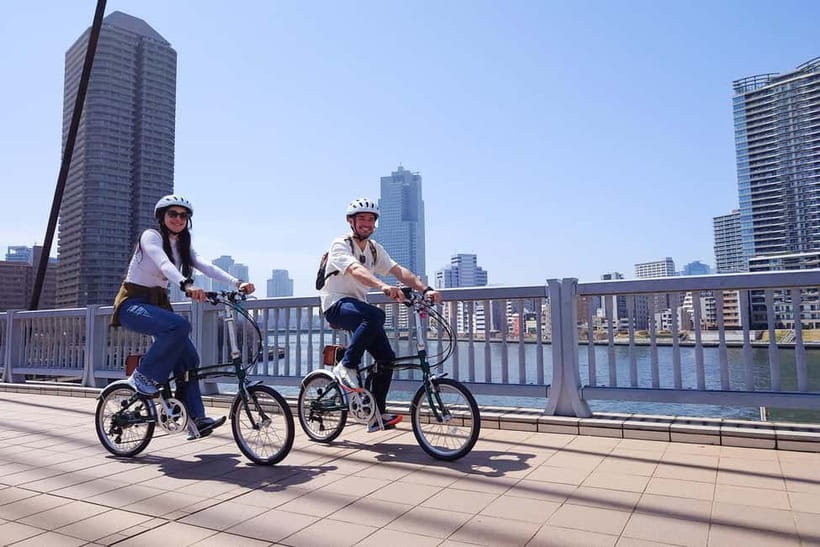
There is no single fixed sightseeing circuit. The guide proposes a route, then shapes it around your interests, time, and riding pace. The standard outing lasts about three hours, with extra charges possible for a different start time, a longer duration, or a request for a faraway stop.
The listed possibilities cover a wide slice of Tokyo:
- Shinjuku and the Tokyo Metropolitan Government Building: This is a strong opening if you want modern Tokyo and a high-rise setting. The government building is scheduled as a 10-minute photo stop, so think of it as a quick orientation point rather than a long indoor visit.
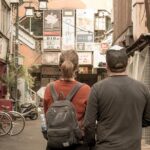
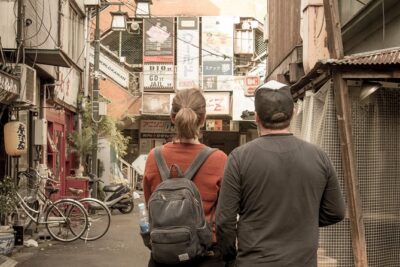
- Omoide Yokocho: The narrow Memory Lane area offers a very different feel from Shinjuku’s towers. Its compact lanes and small eating places provide a glimpse of older urban Tokyo, though a bicycle is for passing through, not for stopping in the middle of the lanes.
- Shibuya Crossing: This is one of the city’s most recognizable scenes. Reaching it by bike gives you a sense of how the surrounding streets connect, but traffic and crowds mean the stop may be brief and carefully managed.
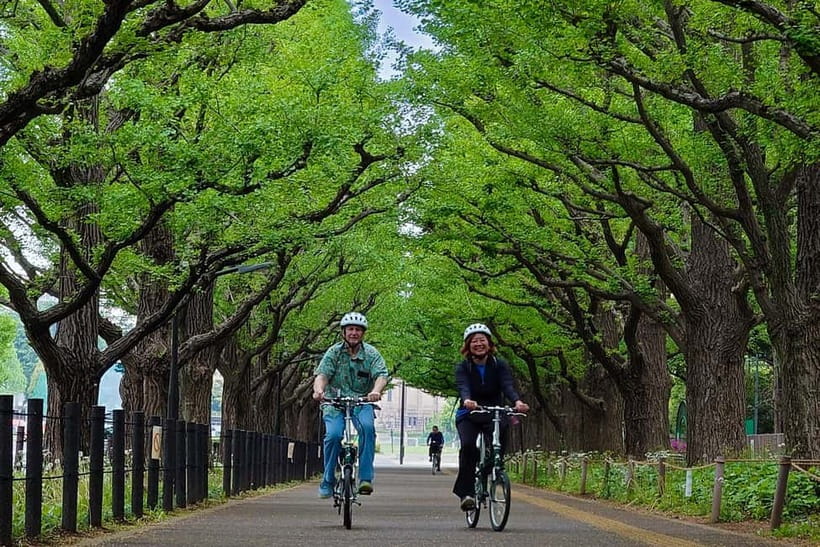
- National Stadium and Gaien Ginkgo Avenue: The Olympic venue and broad avenue show Tokyo’s polished, ceremonial side. The route can also include Aoyama Cemetery’s cherry blossom street, depending on the season and your chosen plan.
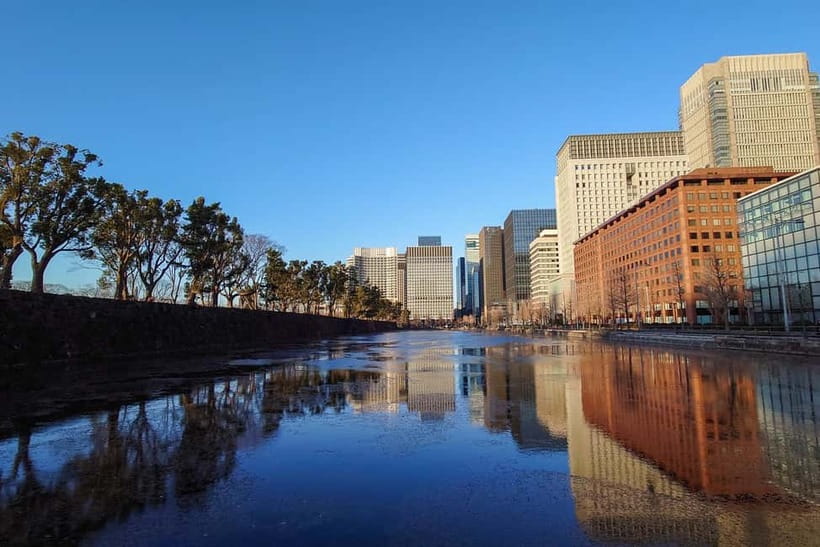
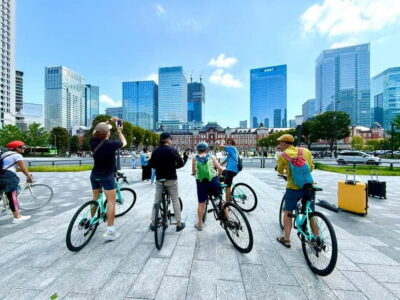
- Imperial Palace, Hibiya Park, Tokyo Station, and Nihonbashi Bridge: This sequence links formal gardens and historic city centers with major architecture. Hibiya Park is especially useful as a change of pace from dense commercial streets, while Nihonbashi helps explain Tokyo’s older trade and transport roots.
- Tsukuda Island and Tsukishima Monja Street: These waterfront districts bring a more local contrast. Tsukishima is associated with monja cuisine, but food and drinks are not included, so any eating stop would need to fit the timing and your own budget.
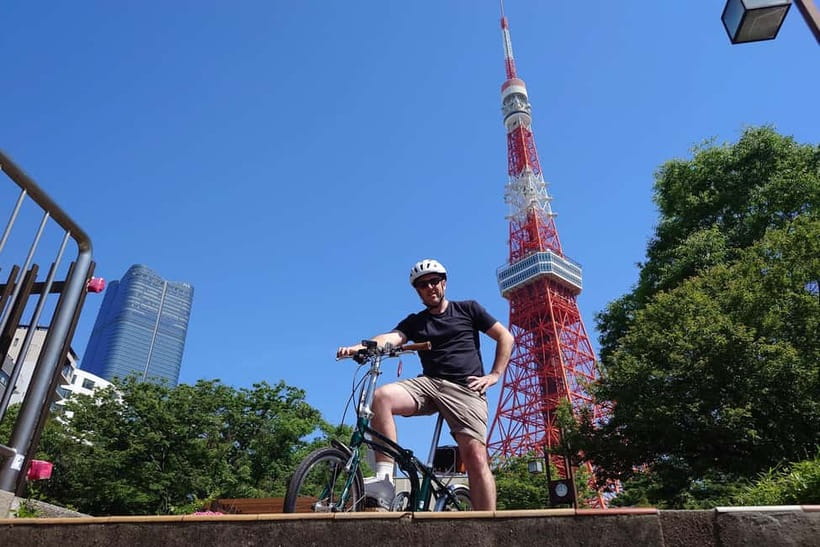
- Zojo-ji Temple and Tokyo Tower: This pairing gives you a classic Tokyo view, with a Buddhist temple framed by one of the city’s best-known modern towers. It is a good choice if you want both tradition and skyline scenery in one area.
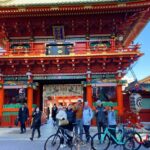
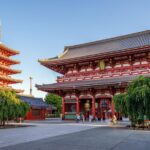
- Asakusa and Kaminarimon Gate: The gate is an obvious landmark, while the surrounding district offers an older, more traditional atmosphere. Asakusa can be crowded, so the guide may use nearby streets and limit the time spent riding in dense pedestrian areas.
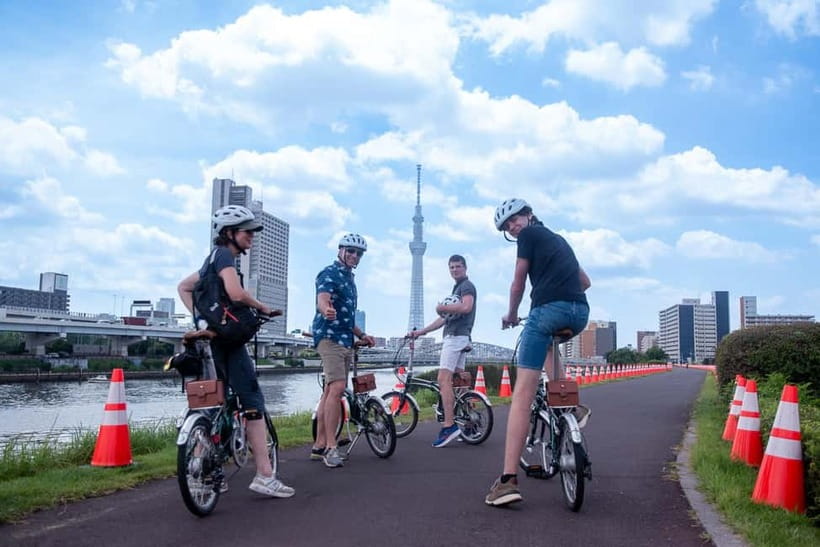
- Kitasenju, Arakawa Riverside, Sumidagawa Riverside, and Tokyo Skytree: These options shift the emphasis away from the usual central sights. Kitasenju offers a local neighborhood feel, while the riversides provide more open riding and different views toward the Skytree.
You should not expect to visit every place in one outing. The list is best understood as a menu of possibilities. A first-time visitor may prefer Shinjuku, Shibuya, the Imperial Palace, Tokyo Tower, and Asakusa. Someone who has already seen the headline sights may get more from Kitasenju, Tsukuda, Tsukishima, or the riverside districts.
What the three hours actually feel like
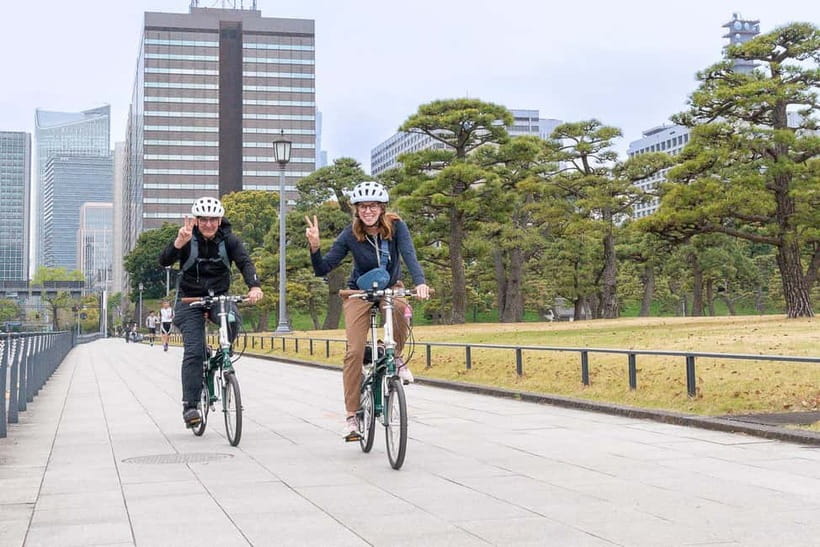
The ride includes multiple short stops. That rhythm is important because it keeps the tour from becoming a three-hour workout. You stop for commentary, water, photographs, and a closer look at selected places before getting back on the bike.
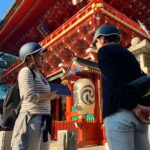
The guide’s role is not limited to pointing out names. Kazuma explains the areas you pass through and adds cultural and historical context. His English is described as excellent, and he is also patient and conversational, which helps when you want to ask questions or change the pace.
Photography is another useful touch. Kazuma has taken photos of riders during the tour and sent them afterward. You should not take photos or videos while cycling, but the guide can handle photos at suitable stops. That means you can keep both hands on the handlebars and stay focused on the road.
The private format is particularly helpful for mixed groups. A family or group of friends can ask for a slower pace, more stops, or a route built around places they have not yet seen. It also avoids the awkwardness of trying to keep up with strangers.
Still, private does not mean unlimited. A three-hour booking has a practical boundary. If you request a distant attraction, a later start, or extra riding time, the operator may charge more. Tell the company what you want when booking, rather than assuming every change is included in the base price.
Safety, clothing, and riding ability
You need closed, practical shoes. High heels, sandals, and flip-flops are not allowed, and skirts are also excluded. Smoking, alcohol, and drugs are prohibited. These rules are sensible on a bicycle, but they matter if you are planning the tour around a dressed-up evening or a hot summer day.
The stated height range is 145 to 185 centimeters. Riders under 145 centimeters are not accepted, and the tour is not suitable for anyone over 100 kilograms. Children under 10 cannot join.
You receive an e-bike, helmet, safety instruction, insurance, and a live guide. The bikes are described as easy to ride, and the motor assistance helps make the route relaxing. But you should still be comfortable balancing, braking, and riding near other road users. This is not a seated sightseeing vehicle.
The no-filming rule while cycling is worth following closely. Tokyo offers constant photo opportunities, but stopping safely is part of the experience. Let the guide choose the appropriate places to pause rather than trying to record from the bike.
A few more Tokyo tours and experiences worth a look


Is $141 per person good value?
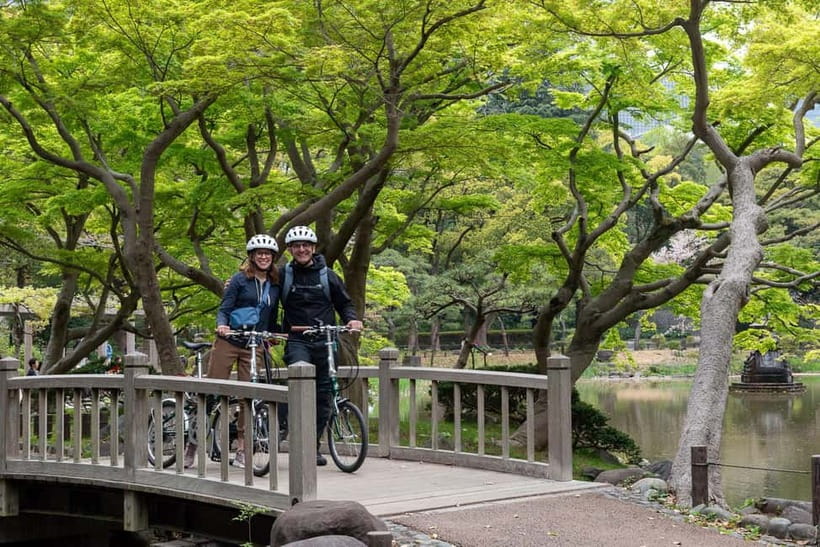
At $141 per person, this is not a budget activity. A couple pays $282 before any optional additions, and a family group can spend considerably more. The price makes the most sense when you value personal attention and want to cover several districts in one morning or afternoon.
You are paying for more than bicycle rental. The fee includes an e-bike, helmet, instruction, insurance, a live English or Japanese guide, and hotel pickup and drop-off. You also receive a route shaped around your interests rather than a fixed group itinerary.
I see the strongest value for a short Tokyo stay. If you have only a few days, the tour can help you understand the city’s layout quickly and show you areas you would not reach on foot. It also works well on your first day, when you want an active orientation before deciding where to return later.
The value is weaker if you only want one or two nearby sights, dislike cycling in cities, or prefer long interior visits. The tour is built around movement and short stops. Food, beverages, entrance fees, and optional extensions are not included.
Free cancellation is available up to 24 hours before departure, and you can reserve now and pay later. Those policies give you some flexibility, but they do not change the basic question: will you use a private guide and a 15 to 20 kilometer route enough to justify the cost?
Who will enjoy this Tokyo ride most?
I would recommend it to first-time visitors who want a broad introduction without spending all day underground. It is also a good fit for couples, families with older children, and friends who want their own pace rather than a large group schedule.
Novice riders may be comfortable because of the e-bike assistance and careful instruction. Still, novice does not mean non-rider. You need enough control to ride safely and follow directions.
This is less suitable for anyone who wants a slow walking tour, a food tour, or a deep visit inside museums and temples. It is also a poor choice if you are outside the stated height or weight limits, wearing unsuitable clothing, or unwilling to ride for several hours.
The route flexibility is the biggest advantage for repeat visitors. You can skip the famous crossings and towers and ask for quieter neighborhoods, riverside areas, or places you have not reached by train. I especially like that the tour can connect polished central Tokyo with ordinary streets, rather than keeping you inside the standard sightseeing loop.
Should you book the private e-bike tour?
Book it if you want to cover a lot of Tokyo while still stopping often, and if hotel pickup, a private guide, and route changes are worth paying for. Kazuma’s careful instruction, strong English, local explanations, and photo help add real value to the outing.
Skip it if cycling feels stressful, you need a fully seated activity, or your main goal is to spend long periods inside individual attractions. Also check your hotel, height, weight, clothing, and desired route before paying.
For an active first look at Tokyo, this is a smart choice. You get the city’s famous sights, but you also get the connecting streets and quieter corners that make Tokyo easier to understand.
FAQ
Where does the Tokyo e-bike tour start and finish?
The tour starts and ends at your hotel when the hotel is within the operator’s service range. Hotels outside that range may require an additional charge or a different meeting point.
How long is the tour?
The standard tour lasts about three hours. Extensions may be available for an additional fee.
How far do you ride?
Typical routes cover about 15 to 20 kilometers, depending on the selected route, stops, and pace.
What languages does the guide speak?
The live guide service is available in English and Japanese.
What is included in the price?
The tour includes hotel start, an e-bike, helmet, safety instruction, insurance, and a live guide. Food and beverages are not included.
Who cannot join the tour?
The activity is not suitable for children under 10, people under 145 centimeters, or anyone over 100 kilograms. High heels, sandals, flip-flops, and skirts are not allowed.
More Cycling Tours in Tokyo
More E-Bike Tours in Tokyo
More Tokyo Cycling Tours in Tokyo
More tours in Tokyo we've reviewed

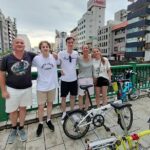
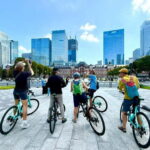
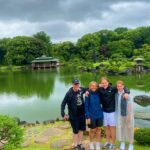

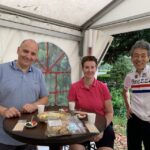

Tokyo Cycling Tours, compared.
 ★ 5.0Tokyo Great Cycling TourFrom $99
 ★ 5.0Tokyo Top Highlights 3h Guided E-bike TourFrom $63
 ★ 5.03h Tokyo E-Bike Tour: Hidden Gems, and Local Life with guideFrom $63
 ★ 4.83-Hour Bike or E-Bike City Highlights TourFrom $453 hours
 ★ 4.83-hour Guided E-Bike Tour of the City’s Hidden GemsFrom $65
 ★ 5.0Tokyo West-Side Cycling & Food TourFrom $99
 ★ 5.03-Hour Bike/E-Bike Tour of the City’s HighlightsFrom $63
 ★ 5.0Small Group Cycling Tour in TokyoFrom $66
Browse the lists this tour appears in