
Reviewed · TOKYO CYCLING TOURS
Tokyo Cherry Blossoms blooming spots E-bike Tour, 3hrs
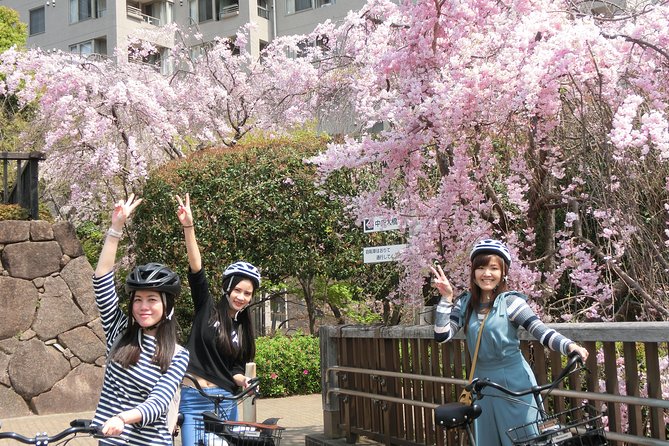
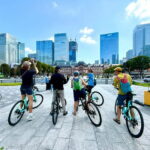
Tokyo’s cherry blossoms are best seen in motion. This three-hour e-bike ride links several central Tokyo parks and waterways, including Chidorigafuchi and the Imperial Palace area, without making you depend on trains or taxis between each stop. The electric assist helps you cover a route that one outing measured at about 15 kilometers.
I like the small maximum group of six, which makes city cycling easier to manage, and I like the guides’ focus on history and local culture. Guides such as Yoshihisa, Jenny, Take, Kenta, Kay, and Takako have led these rides, and the feedback repeatedly points to clear explanations and friendly support. The main catch is timing: the blossoms may be late or past their peak, and the tour depends on good weather.
In This Review
- Key points to know before you book
- Why an e-bike is a smart way to see Tokyo’s sakura
- Starting near Kanda Station
- Chidorigafuchi, the opening view
- Yasukuni Shrine and a chance to walk
- Sotobori Park beside the outer moat
- A quick pass through Hibiya Park
- Kensei Kinenkan and the final park stop
- What the guides add to the ride
- The cherry-blossom timing problem
- Is $64.57 a fair price?
- Who will enjoy this tour most
- Should you book the Kanda e-bike cherry-blossom tour?
- FAQ
- Where does the Tokyo cherry-blossom e-bike tour start and finish?
- How long does the tour last?
- Which cherry-blossom locations are included?
- What is included in the price?
- What are the age and height requirements?
- What happens if the weather is poor or the blossoms are not in bloom?
Key points to know before you book
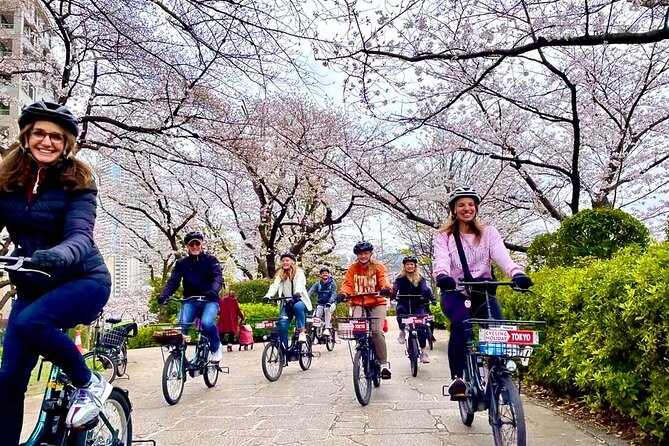
- Five central blossom stops: Chidorigafuchi, Yasukuni Shrine, Sotobori Park, Hibiya Park, and Kensei Kinenkan form the core route.
- Electric assist does the hard work: You still need to ride confidently, but hills and distance are less tiring.
- Small groups matter in Tokyo: The maximum is six people, with a minimum of two per booking, though a solo booking may be possible if you contact the operator.
- Guides add more than directions: The strongest part of the experience is the background on Tokyo, Japan, and the custom of enjoying sakura in public parks.
- Bring weather protection: Food and drinks are not included, and rain gear is not supplied.
- Age and height rules apply: You must be at least 12 years old, at least 147 centimeters tall, and able to ride a bicycle.
Why an e-bike is a smart way to see Tokyo’s sakura
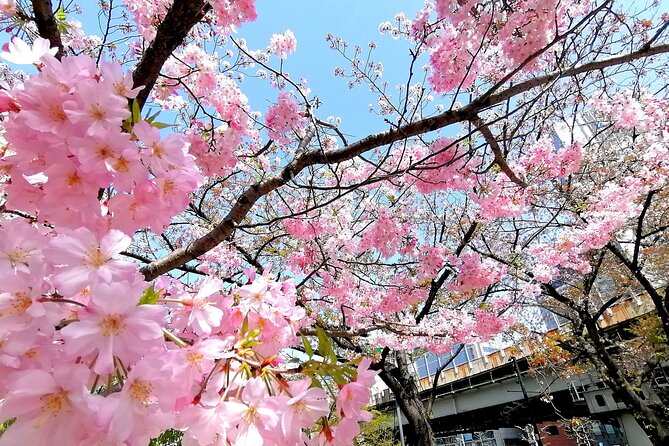
Cherry-blossom season can turn famous parks into slow-moving crowds. An e-bike gives you a different rhythm. You can ride along paths and streets that cars cannot use, then stop at selected parks for photographs and short walks.
The electric motor does not remove cycling from the experience. You still steer, brake, and follow your guide, but the assist makes the distance far more manageable. This matters if you are comfortable on a bicycle but do not want a long, tiring ride through central Tokyo.
The route also gives you more variety than settling into one park for an hour. You see blossoms beside a moat, around a shrine, along a city park, and near important civic sites. That change of setting helps you understand why Tokyo’s spring is not limited to a single famous viewing place.
I would not call this a pure sightseeing ride with no effort. You must be able to ride a bicycle, and you will share city streets and paths with other users. Still, the electric assistance and compact group make it a practical option for many people who would find a regular bicycle tour too demanding.
A few more Tokyo tours and experiences worth a look
Starting near Kanda Station
The tour begins at Cycling Holiday Tokyo, at 3-chome-8-6 Uchikanda in Chiyoda City. The base is near Kanda Station, served by the JR Yamanote Line and Tokyo Metro, and the meeting point has free Wi-Fi.
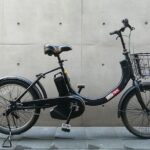
Allow enough time to locate the shop and complete the starting process without rushing. You receive the rental e-bike and helmet, and insurance is included. You can also leave luggage at the base during the ride, except for valuables. That is useful if you are carrying a day bag or have checked out of a hotel, but I would keep passports, cash, cameras, and electronics with you.
The operator says confirmation arrives within 48 hours of booking, subject to availability. The tour ends back at the same meeting point, so you do not need to plan a separate pickup at the final park.
The compact format is one of the tour’s practical strengths. A maximum of six riders is easier to organize than a large bicycle procession, especially near crowded spring viewing areas. There may still be other participants in your group, so do not expect a private ride unless you have arranged one.
Chidorigafuchi, the opening view
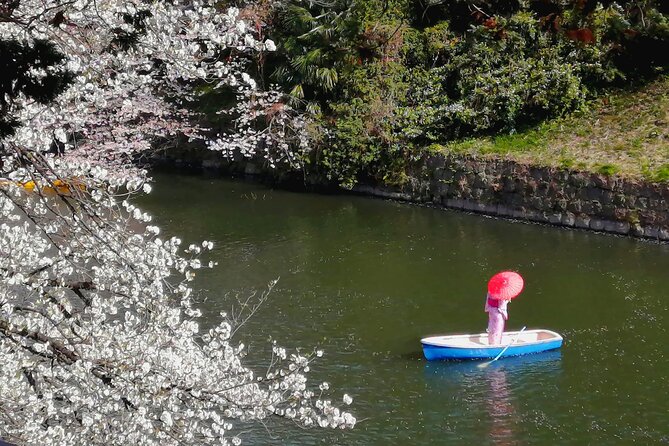
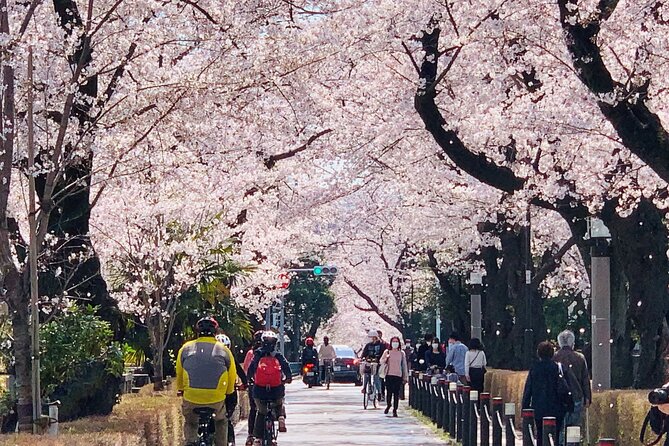
Chidorigafuchi is one of Tokyo’s most appealing places for a first look at the blossoms. The tour lets you enjoy the trees while riding an e-bike, with about 10 minutes allocated here.
The appeal is the combination of flowers and water. The moat gives the blossoms a broad setting, and riding lets you see more of the tree-lined route than you would from one stationary viewpoint. This is also a good early chance to settle into the bike and learn how your guide handles stops, traffic, and photo breaks.
The short scheduled time means this is not designed as a long picnic stop. You may pause for photographs, but the route keeps moving. If your main goal is to sit beneath the trees, eat lunch, or spend a long time composing pictures, you will want to return to Chidorigafuchi on your own later.
For a first-time visitor, though, the moving view is valuable. You get a strong sense of the area without spending the entire tour in one location.
Yasukuni Shrine and a chance to walk
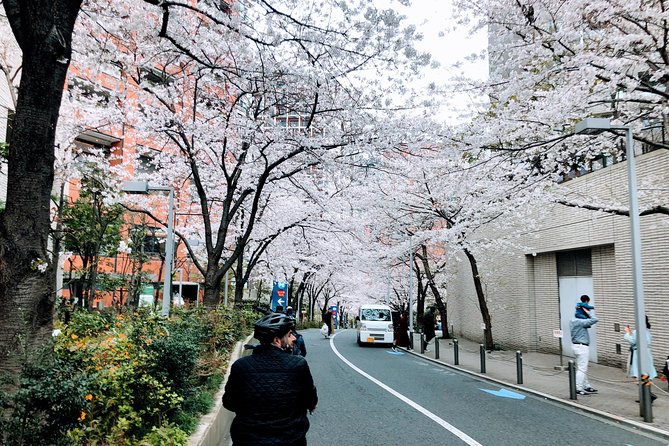
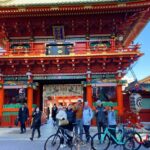
At Yasukuni Shrine, you get off the bike and view cherry trees in the park. The stop lasts about 15 minutes, making it the longest scheduled pause on the route.
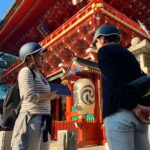
That small change in pace matters. After riding, you have time to stand among the trees, take photographs, and listen to the guide’s explanation. The shrine also gives the tour a cultural layer beyond flower viewing. Your guide can connect the setting with stories about Tokyo and Japanese traditions, something that is easy to miss when visiting on your own.
The stop remains fairly brief, so think of it as an introduction rather than a full shrine visit. If you want to explore the grounds in detail, read every sign, or spend time at other parts of the site, you will need another visit.
The guides have received especially strong feedback for their historical explanations. Take, for example, is described as offering background on Tokyo, the sites, and cherry blossoms that a visitor would not easily pick up alone. That kind of commentary can turn a pleasant bike ride into a more useful orientation to the city.
Sotobori Park beside the outer moat
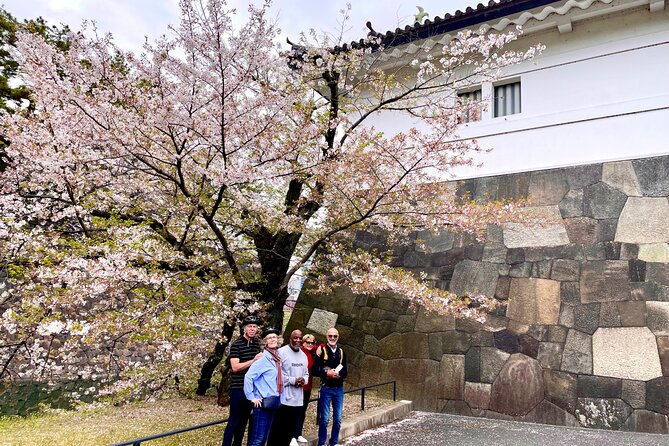
Sotobori Park brings you back onto the bicycle. For about 10 minutes, you ride beside the outer moat, viewing the cherry trees along the water.
This is one of the route’s best examples of why an e-bike works well. Instead of stopping at one park entrance, you follow the line of the moat and see how the blossoms shape a larger part of central Tokyo. The ride gives you a sense of scale and connects the separate viewing areas into one continuous route.
The park can also be a good place for photographs, although the exact amount of time available depends on the group and the pace of the day. One review describes a five-person group as easy to manage on Tokyo streets. That is a useful guide to the tour’s feel: small enough to move together, but not necessarily quiet or private.
If you are hoping to stop at every tree-lined side street you notice, the fixed route may feel a little limiting. The guide has to keep the group on schedule. Still, riding along the moat is more memorable than simply transferring between parks by train.
A few more Tokyo tours and experiences worth a look



A quick pass through Hibiya Park
Hibiya Park receives about five minutes, and the group passes through while looking at the cherry blossoms.
This is the shortest stop, so keep your expectations in check. It is a brief look rather than a full park visit. Its value comes from the overall sequence: you are not only seeing one celebrated sakura site, but also catching smaller pieces of central Tokyo as you ride between the major stops.
The quick pace can work well if you want variety and a broad introduction. It is less satisfying if you prefer to linger, make careful photographs, or pause for a drink. Food and drinks are not included, and the scheduled plan does not promise a café stop.
The itinerary is designed around movement, not a long meal break. If you need regular snacks or hydration, bring them with you.
Kensei Kinenkan and the final park stop
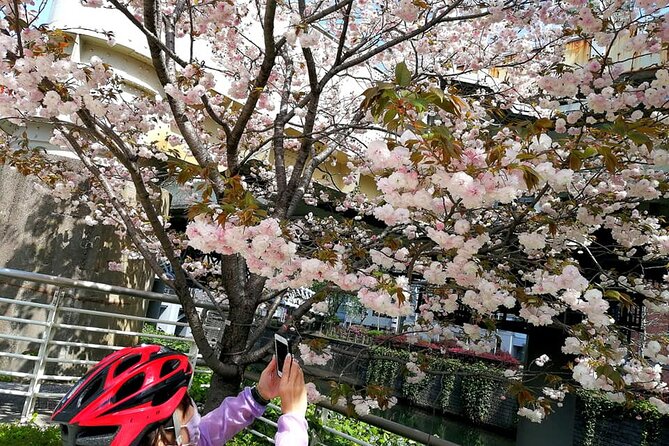
At Kensei Kinenkan, you leave the bike again and spend about 10 minutes in the park viewing the blossoms.
Like Yasukuni Shrine, this stop gives you a chance to slow down after several riding sections. It also helps round out the route with another setting for photographs and guide commentary. By this point, you have seen blossoms beside an outer moat, within shrine grounds, through a formal city park, and around another central park area.
The name Kensei Kinenkan may be unfamiliar to many visitors, which is part of the benefit of going with a guide. A guide can explain why the location matters and help you notice more than the trees themselves. The tour is not only about collecting famous photo stops. It is also about connecting the stops into a picture of Tokyo.
After this visit, you ride back to the Kanda base. The return to the starting point keeps the logistics simple and makes it easier to continue with dinner, shopping, or another Tokyo activity.
What the guides add to the ride
The guide is central to the experience. The strongest feedback is not only about the e-bikes or the flowers, but about the explanations and personal attention from guides including Yoshihisa, Jenny, Take, Kenta, Kay, Takako, and Yoshiko.
You can expect commentary about Tokyo, Japanese culture, the sites, and the meaning of cherry-blossom season. The guides have also adjusted routes when the flowers were late. In one case, a regular Tokyo e-bike ride was offered when the sakura were not yet in good bloom. Another guide took the group to places with at least some flowers so the day would still be worthwhile.
That flexibility is important because cherry blossoms are unpredictable. A warm week can bring full bloom quickly, while a cold spell can delay it. Even the local guides cannot guarantee the exact peak dates.
There is one useful point about group preferences. One participant disliked having many group photographs taken and felt the guide did not adjust quickly enough. If you prefer candid photographs, private pictures, or no group shots, say so clearly at the start. Guides may take pictures as part of the service, but your wishes should be known before the ride begins.
The cherry-blossom timing problem
This tour is most appealing when the trees are in bloom, but that timing is never certain. The experience requires good weather, and the operator may cancel for poor conditions, offering another date or a full refund.
The feedback shows both sides of the timing issue. On some days, the trees were in full bloom, parks were full of picnics and families, and the ride became a memorable look at Japanese spring customs. On other dates, the season arrived late. The operator offered alternatives, and guides worked to find the best available blossom spots, but the full sakura spectacle was not possible.
I would book this tour during the expected season, but I would not make it your only cherry-blossom plan. Keep your schedule flexible and check the forecast and local bloom reports before you go. If the flowers matter more to you than the cycling itself, ask about the bloom conditions before setting out.
The tour is still capable of being worthwhile when the blossoms are weak. Several rides became regular Tokyo cycling outings, with cultural explanations and local stops. One guide brought a group to a small mochi shop that would have been difficult to find without local help. That is a pleasant bonus, but you should book for the e-bike sightseeing format rather than count on an unlisted food stop.
Is $64.57 a fair price?
At $64.57 per person, the price is reasonable for a three-hour guided ride that includes the e-bike, helmet, insurance, and luggage storage. You are paying for equipment, route planning, a guide, and the chance to cover several areas without arranging the connections yourself.
The value is strongest when you want more than a standard park visit. A train can get you near many of these places, but it will not give you the same continuous view along the moat or the simple movement between parks. You also avoid the cost and effort of renting a bicycle separately and planning a route through central Tokyo.
The price is less compelling if you only want to sit beneath cherry trees for an afternoon. The tour gives some stops only five or 10 minutes, and food and drinks are not included. In that case, visiting one or two parks independently may suit you better.
The high rating of 4.9 from 27 reviews and a 93 percent recommendation rate support the idea that most people find the service worthwhile. Still, the key value depends on your priorities. You are buying access to a guided route and local context, not a guaranteed peak-bloom viewing session.
Who will enjoy this tour most
I would recommend the ride to you if you want an active introduction to central Tokyo and like seeing several places in one outing. It works well for families with older children, couples, and first-time visitors who want help understanding the city as they move through it.
The minimum age is 12, and the minimum height is 147 centimeters. You must already know how to ride a bicycle. The electric assist helps with fitness, but it does not replace basic cycling ability.
This is also a good choice for an active final day in Japan. One participant used it just before a flight and found the outing memorable, though you should leave a generous buffer before any departure. The activity returns to Kanda, but traffic and tour timing can vary.
You may prefer another plan if you dislike riding in cities, want a private guide, need a long lunch break, or care more about quiet photography than covering ground. The route is shared with other participants, with up to six people per booking.
For clothing, bring sunscreen and a towel in summer. In winter, wear warm clothes and gloves. Rain gear is not included, so check the forecast and prepare accordingly.
Should you book the Kanda e-bike cherry-blossom tour?
Book it if you want to combine spring scenery, light exercise, and useful Tokyo context in one compact outing. The small group, electric bikes, and range of stops make it a practical way to see more than one blossom area without spending the day on trains.
I would book with realistic expectations about the season. Peak flowers are never guaranteed, and some stops are short. The best reason to choose this experience is the complete route: Chidorigafuchi, Yasukuni Shrine, Sotobori Park, Hibiya Park, and Kensei Kinenkan, tied together by a guide who can explain what you are seeing.
Free cancellation is available up to 24 hours before the start time. If bad weather or the minimum number of participants causes cancellation, you are offered another date or a full refund. That policy gives you some protection, but bloom timing remains the main gamble.
FAQ
Where does the Tokyo cherry-blossom e-bike tour start and finish?
It starts and ends at Cycling Holiday Tokyo, 3-chome-8-6 Uchikanda, Chiyoda City, Tokyo 101-0047. The base is near Kanda Station, served by the JR Yamanote Line and Tokyo Metro.
How long does the tour last?
The tour lasts approximately three hours.
Which cherry-blossom locations are included?
The route includes Chidorigafuchi, Yasukuni Shrine, Sotobori Park, Hibiya Park, and Kensei Kinenkan.
What is included in the price?
The price includes an electric-assist bicycle, helmet, guide, insurance, and luggage storage for nonvaluable items. Food, drinks, and rain gear are not included.
What are the age and height requirements?
You must be at least 12 years old and at least 147 centimeters tall. You also need to be able to ride a bicycle.
What happens if the weather is poor or the blossoms are not in bloom?
The activity may be canceled because of poor weather, in which case you are offered another date or a full refund. Cherry-blossom timing can vary, and guides may adjust the route or offer a regular Tokyo e-bike tour if the flowers are late.
More Cycling Tours in Tokyo
More E-Bike Tours in Tokyo
More Tokyo Cycling Tours in Tokyo
More tours in Tokyo we've reviewed




Tokyo Cycling Tours, compared.
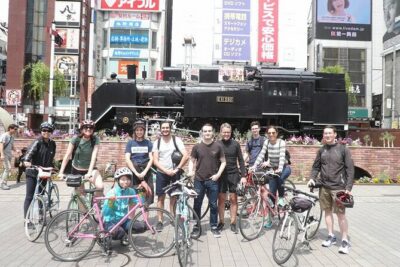 ★ 5.0Tokyo Great Cycling TourFrom $99
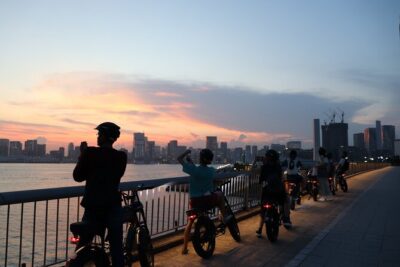 ★ 5.0Tokyo Top Highlights 3h Guided E-bike TourFrom $63
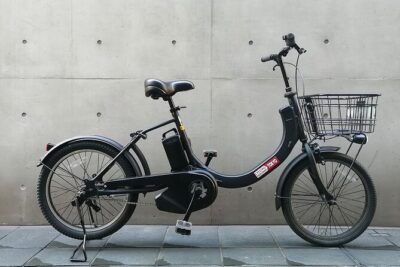 ★ 5.03h Tokyo E-Bike Tour: Hidden Gems, and Local Life with guideFrom $63
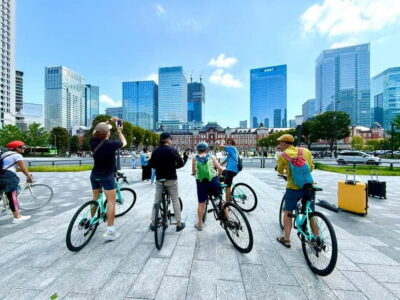 ★ 4.83-Hour Bike or E-Bike City Highlights TourFrom $453 hours
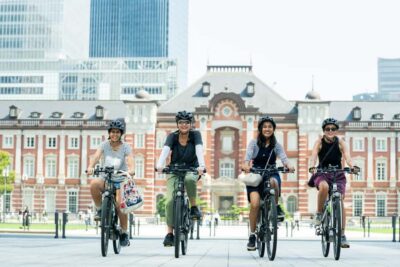 ★ 4.83-hour Guided E-Bike Tour of the City’s Hidden GemsFrom $65
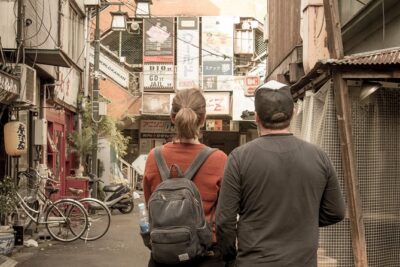 ★ 5.0Tokyo West-Side Cycling & Food TourFrom $99
 ★ 5.03-Hour Bike/E-Bike Tour of the City’s HighlightsFrom $63
 ★ 5.0Small Group Cycling Tour in TokyoFrom $66
Browse the lists this tour appears in