
Reviewed · TOKYO CYCLING TOURS
2.5 Hour-Guided Cycle Tour in the Central Tokyo
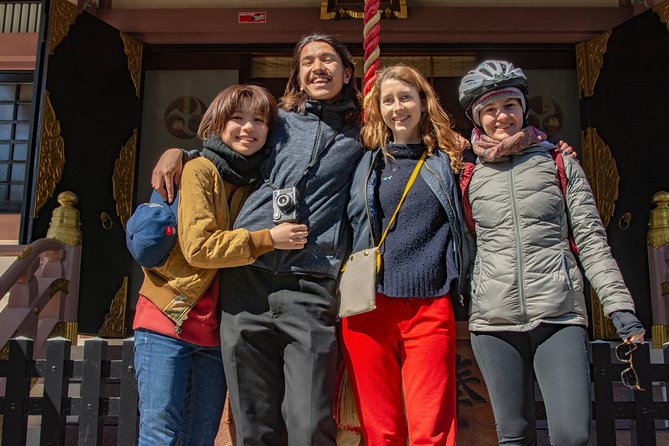
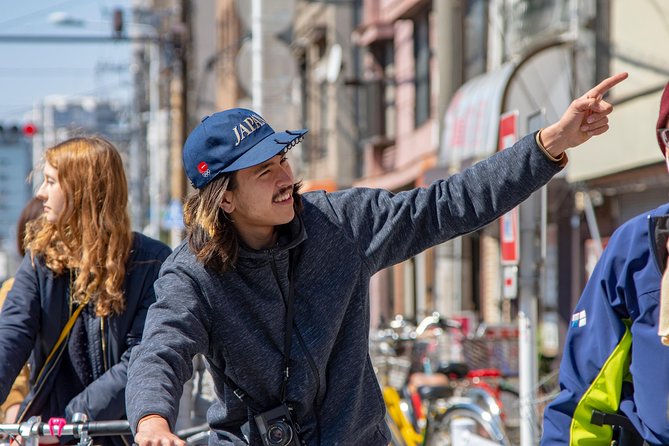
Tokyo reveals a different face from a bicycle seat. This gentle 2.5-hour ride leaves the major roads behind and threads through riverside paths, residential lanes, temple grounds, old shopping streets, and viewpoints beneath Tokyo Skytree. Guide Takeshi leads the way, stopping often enough for photos, local stories, and short walks.
I like the mix of everyday Tokyo and famous sights. You see Senso-ji, but you also pass places where ordinary neighborhood life takes center stage. I also like the small group size, capped at six, and the fact that Takeshi has helped nervous riders feel safe, even in wet weather.
The main consideration is the compact folding bike. Bikes fit riders from about 140 to 180 centimeters tall, so anyone taller should ask ahead about a suitable setup. This is a sightseeing ride, not a high-speed cycling workout, but you still need to feel comfortable riding in city streets.
In This Review
- Key points to know before you book
- Why a bicycle works so well in eastern Tokyo
- Starting near Hikifune Station
- Riding along the Sumida River
- Honryuin Matsuchiyama Shoden and its radish symbols
- Imado Shrine, a local power spot
- Senso-ji with time to leave the bike behind
- Watching candy take shape at Asakusa Amezaiku Ameshin
- Crossing the Sumida River under Tokyo Skytree
- Kyojima Minami Park and old neighborhood life
- How much cycling is involved?
- The guide makes the difference
- Is $50.08 a fair price?
- Who should book this ride?
- My recommendation for a Tokyo afternoon
- FAQ
- Where does the bike tour start?
- Where does the tour end?
- How long does the tour last?
- How many people can join?
- Are helmets provided?
- What type of bikes are used?
- Can I request a tandem bike?
- What happens if the weather is poor?
Key points to know before you book
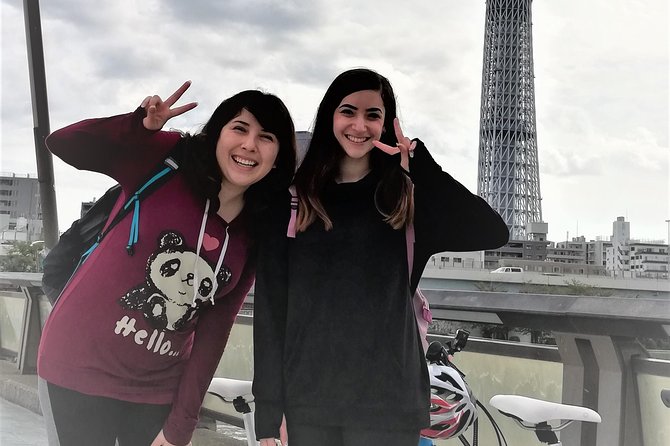
- Ride beneath Tokyo Skytree: Cross the Sumida River and see the tower from several useful photo angles.
- Visit Senso-ji without making it the whole day: You get about 30 minutes to park the bike and walk around the temple.
- See quieter religious sites: Honryuin Matsuchiyama Shoden and Imado Shrine offer a calmer contrast to central Asakusa.
- Taste Tokyo craft culture: At Asakusa Amezaiku Ameshin, you can watch traditional sugar candy being shaped into small works of art.
- Expect a small, easygoing group: The tour allows a maximum of six people and uses folding bikes with supplied helmets.
Why a bicycle works so well in eastern Tokyo
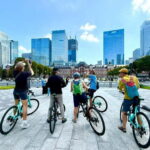
Tokyo is vast, and the train system is excellent, but trains can hide the spaces between major sights. On this ride, you move slowly enough to notice narrow streets, local storefronts, riverside views, and the way the Skytree changes shape as you approach it.
The route also gives you a useful contrast. Senso-ji is one of Tokyo’s best-known temples, while Honryuin Matsuchiyama Shoden and Imado Shrine offer quieter stops nearby. You get the major name for your Tokyo checklist, but the ride does not stop there.
I would call the pace recreational. One family used the tour with children aged 13 and 16 and found the ride manageable. Another rider was uneasy about cycling in a high-traffic city and felt well looked after by Takeshi. That does not mean you can switch off completely. You must still ride carefully, follow the guide, and be ready for ordinary city conditions.
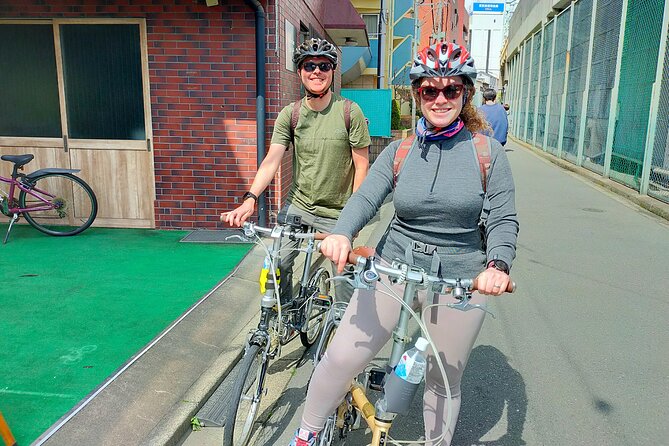
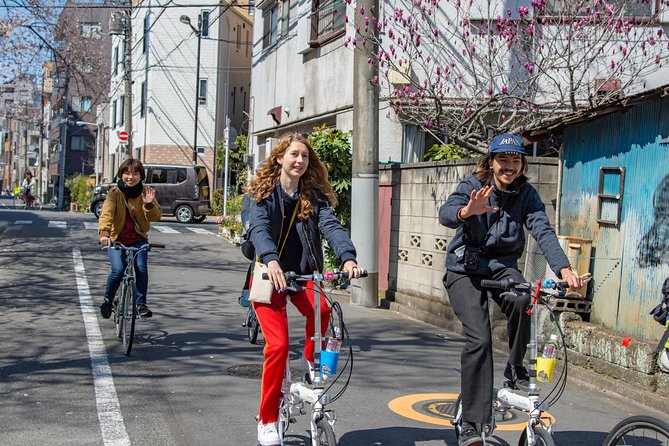
Your bike is a folding model with a 14 to 20 inch size range. It is intended for people from 140 to 180 centimeters tall. If you are taller than 180 centimeters, contact the operator before booking. A tandem bike may also be available if you request it at least three days before the tour.
A few more Tokyo tours and experiences worth a look
Starting near Hikifune Station
The meeting point is Tokyo Backstreets Bike Tour Japan, inside the Share Office Synapse at 2-chome 24-14 Higashimukojima, Sumida City, Tokyo 131-0032. The tour information also points you to Hikifune Station as the easy meeting landmark.
I would allow extra time to find the office, especially if you are not familiar with Tokyo’s station exits. Have the meeting address and booking confirmation ready on your phone. The activity returns to the same meeting point, which makes the rest of your day easy to plan.
Before setting off, you receive a helmet and get your bike. The small group limit matters here. A guide can keep an eye on six riders more easily than on a large pack, and the experience can remain flexible for photos or short stops.
Takeshi also pays attention to weather. On one wet and cold outing, he had raincoats ready and kept checking that the riders were safe. On another occasion, he contacted the group when rain was forecast to ask about changing the cycling time. Weather still matters, since the tour may be canceled in poor conditions, but this preparation is reassuring.
Riding along the Sumida River
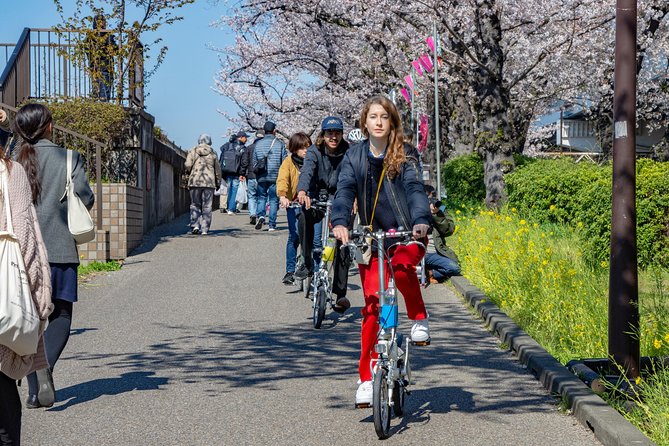
The ride includes cycling beside the Sumida River, a pleasant way to begin or continue the tour. In spring, the riverbank is known for cherry blossoms, so the timing of your visit can change the mood of this section.
A river route also gives you room to look around instead of watching traffic at every second. You may get open views toward the water and a better sense of how Tokyo’s neighborhoods fit around the river.
The route crosses the Sumida River by bridge as well. From there, you get broad views and a fresh angle on the city. The bridge crossing is one of the practical pleasures of the ride: you cover ground efficiently while enjoying scenery that is difficult to appreciate from a train window.
Honryuin Matsuchiyama Shoden and its radish symbols
The first named temple stop is Honryuin Matsuchiyama Shoden, part of the Senso-ji temple complex. Its founding date is given as 595, placing it among Tokyo’s old Buddhist sites.
The temple has many images of a daikon, or Japanese radish, along with a pouch. The daikon represents the human mind trapped in deep ignorance, while the pouch carries its own religious meaning. These symbols give Takeshi something specific to explain, and they make the visit more memorable than a quick look at an unfamiliar temple building.
You have about 20 minutes here, with no admission charge. That is enough time for a short visit and photos, though not a long study of every detail. I like this stop because it shows how Japanese religious sites often use ordinary objects to express ideas about human nature.
Imado Shrine, a local power spot
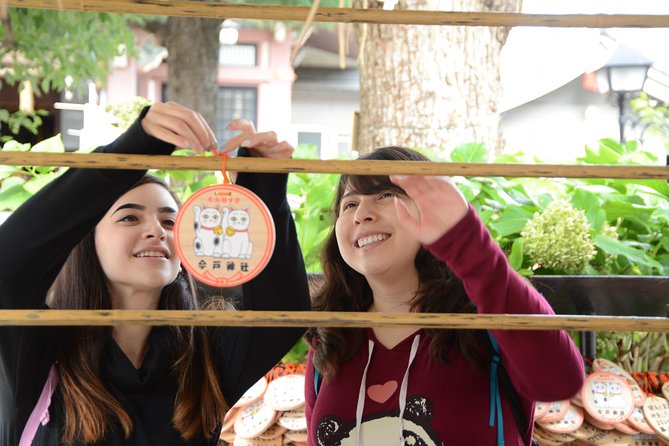
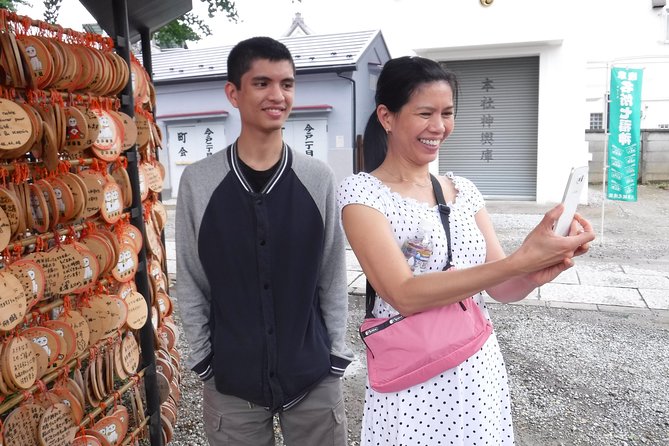
Imado Shrine dates to 1063 and is now known as a power spot for people hoping to find love or marriage partners. In Japan, a power spot is a sacred place associated with a particular hope or form of good fortune.
You spend about 15 minutes at the shrine, again with no admission fee. It is a brief stop, but it adds a different layer to the tour. The temple before it gives you Buddhist symbols and teaching; the shrine introduces another side of Japanese spiritual life.
Do not expect an extended ceremony or a long formal visit. The value is in seeing the site, hearing why people come here, and comparing it with the better-known Senso-ji nearby.
Other cycling tours in Tokyo

Senso-ji with time to leave the bike behind
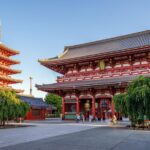
Senso-ji is the biggest sight on the route. The temple was founded in 595 and is one of Asakusa’s defining places. You park the bikes near the temple, then walk around for roughly 30 minutes.
That arrangement is important. You are not trying to steer a bicycle through the temple area while looking up at the buildings. You can leave the bike, stretch your legs, and focus on the site.
Half an hour gives you a useful introduction, but it is not enough for every corner of the temple grounds or the wider Asakusa district. If Senso-ji is your main reason for visiting the area, return later on foot and give it more time. On this tour, the temple works best as one part of a broader morning or afternoon.
The benefit is balance. You see one of Tokyo’s major attractions, then return to smaller streets rather than spending the entire ride in the busiest tourist zone.
Watching candy take shape at Asakusa Amezaiku Ameshin
At Asakusa Amezaiku Ameshin, you can watch Japanese traditional craft candy being made. Amezaiku is a delicate form of sugar art, with warm candy shaped into artistic figures.
The stop lasts about 15 minutes. It is a short visit, but it adds a hands-on visual element to a route otherwise centered on temples, streets, and river views. You get to see a traditional skill rather than only looking at finished buildings.
The available information does not promise a tasting or include a candy purchase, so treat this as a viewing stop. If you want to buy something, ask Takeshi or the shop about current options and prices.
Crossing the Sumida River under Tokyo Skytree
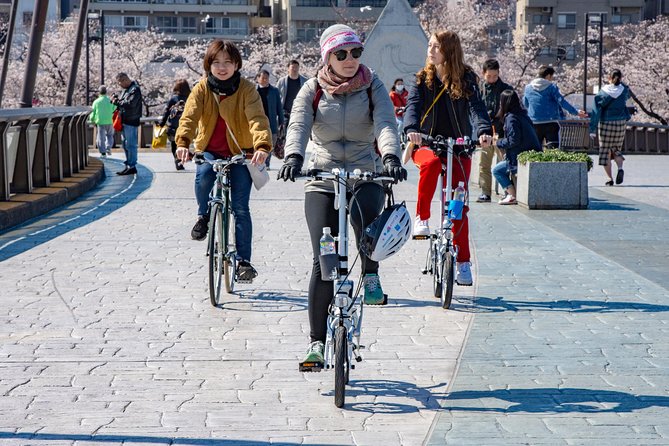
The ride continues across the Sumida River and under Tokyo Skytree. The tower appears from several perspectives as you move through the area, which makes the cycling route more rewarding than a single viewpoint.
One solo rider especially appreciated having Takeshi take a photo with the Skytree. If you are traveling alone, this is worth asking about. If you are with family or friends, the tower provides an easy backdrop for group pictures.
You do not go up Tokyo Skytree on this activity. The attraction here is the changing view from street level, along with the fun of cycling directly beneath the tower. That keeps the tour moving and avoids adding a separate observation-deck visit to a short experience.
Kyojima Minami Park and old neighborhood life
Kyojima Minami Park is the final named stop. The nearby old-fashioned shopping mall offers a look at daily Japanese life, away from the polished central shopping districts.
You have about 20 minutes here. This is the kind of stop I value on a city tour because it helps you understand how people shop and move through their own neighborhood. The attraction is not a famous monument. It is the ordinary setting, the local stores, and the sense of a district continuing its daily routine.
The phrase old-fashioned is useful here. Do not expect a large modern retail center or a long list of major attractions. The point is to see a less packaged side of Tokyo, and that may appeal to you more than another famous photo stop.
How much cycling is involved?
The total activity lasts about two and a half hours, including temple visits, the shrine, the candy workshop, and the park. The ride is described as gentle and suitable for recreational cyclists, but the tour still requires basic confidence on a bicycle.
Several stops break up the riding. You will park the bike at Senso-ji and walk inside, and the other visits are also short pauses. This makes the experience more accessible than a nonstop city ride.
The folding bikes are practical for a compact urban route, but they may feel different from the full-size bicycle you use at home. Riders above 180 centimeters should contact the provider before the day of the tour. If you want a tandem bike, make that request at least three days in advance.
Helmets are provided. That is a small but important detail in a city environment, particularly if you are cautious about riding near traffic. You should still wear comfortable clothing and shoes suited to both cycling and short walks, though the supplied information does not specify a dress code.
The guide makes the difference
Takeshi is the guide named in the available tour information, and his role goes beyond leading the route. He explains the temples and shrine, watches the group’s safety, helps with weather concerns, and takes photos when appropriate.
His local stories appear to be one of the main reasons this short ride works. Without explanation, a daikon symbol or a small neighborhood shrine might pass quickly. With context, you have a reason to stop and look.
The personal approach also helps families and solo riders. A family with teenagers found the pace right for recreational riders, while a solo rider appreciated support and a photo at the Skytree. If you want a fast way to cover maximum distance, this may feel too relaxed. If you want help noticing what you would otherwise pass, it is a better fit.
Is $50.08 a fair price?
At $50.08 per person, the price covers roughly two and a half hours of guiding, a rental folding bike, and a helmet. Admission is free at the listed temple and shrine stops, so you are paying mainly for the equipment, the route, and Takeshi’s local guidance.
I think the value is strongest if you want a compact introduction to eastern Tokyo. You see several distinct places without arranging bike rental, navigation, and a route yourself. The small maximum group of six also gives the price more weight than a basic self-guided rental.
The value is less clear if you already know the area, own a bicycle, and prefer to explore alone. You may also want to budget separately for food or candy purchases, since the tour can take you near street food and craft shops, but those purchases are not included in the stated price.
Group discounts are available, which may improve the cost for families or friends booking together. The tour is typically booked well ahead, around 36 days in advance on average, so it is sensible to reserve early if your Tokyo dates are fixed.
Who should book this ride?
I would choose this tour if you want:
- A mild cycling experience rather than a demanding athletic ride
- A small group with a local guide
- A mix of famous Tokyo sights and ordinary neighborhood streets
- A family-friendly way to see temples, a shrine, and the Skytree
- A route that fits into a half day and leaves the rest of your schedule open
- Help taking photos, learning local details, and staying on the right route
I would think twice if you dislike riding in city streets, need a full-size bike, or want several hours at Senso-ji alone. The route is short, and each stop is an introduction rather than a long visit.
You should also plan around the weather. Free cancellation is available up to 24 hours before the start time. Cancellations made later are not refunded, and late changes are not accepted. If poor weather cancels the ride, you are offered another date or a full refund. The same choice applies if the minimum number of participants is not reached.
My recommendation for a Tokyo afternoon
Book this tour if you want Tokyo to feel like a collection of neighborhoods rather than a list of major attractions. The best parts are the gentle pace, the small group, Takeshi’s careful guidance, and the variety packed into a short ride.
The route gives you Senso-ji and Tokyo Skytree, but it also gives you a riverbank, a radish-symbol temple, a shrine linked with romance, traditional candy making, and an old shopping area. That is a good deal of local texture for $50.08.
For confident recreational cyclists, families with older children, and solo visitors who want a guide and a few photos, this is an easy recommendation. Just check the bike size, allow time to find the Hikifune meeting point, and keep a backup plan in case Tokyo’s weather turns against you.
FAQ
Where does the bike tour start?
The tour starts at Tokyo Backstreets Bike Tour Japan, inside the Share Office Synapse at 2-chome 24-14 Higashimukojima, Sumida City, Tokyo 131-0032. Hikifune Station is the meeting landmark provided for the activity.
Where does the tour end?
The activity ends back at the original meeting point.
How long does the tour last?
The guided cycle tour lasts approximately 2 hours and 30 minutes.
How many people can join?
The maximum group size is six travelers.
Are helmets provided?
Yes. A helmet is provided for the cycling portion of the experience.
What type of bikes are used?
The tour uses folding bikes with 14 to 20 inch sizing, suitable for people from about 140 to 180 centimeters tall.
Can I request a tandem bike?
Yes, but you must inform the operator at least three days before your booked date.
What happens if the weather is poor?
The experience requires good weather. If the operator cancels because of poor weather, you can choose another date or receive a full refund.
More Guided Tours in Tokyo


More Cycling Tours in Tokyo
More Tokyo Cycling Tours in Tokyo
More tours in Tokyo we've reviewed


Tokyo Cycling Tours, compared.
 ★ 5.0Tokyo Great Cycling TourFrom $99
 ★ 5.0Tokyo Top Highlights 3h Guided E-bike TourFrom $63
 ★ 5.03h Tokyo E-Bike Tour: Hidden Gems, and Local Life with guideFrom $63
 ★ 4.83-Hour Bike or E-Bike City Highlights TourFrom $453 hours
 ★ 4.83-hour Guided E-Bike Tour of the City’s Hidden GemsFrom $65
 ★ 5.0Tokyo West-Side Cycling & Food TourFrom $99
 ★ 5.03-Hour Bike/E-Bike Tour of the City’s HighlightsFrom $63
 ★ 5.0Small Group Cycling Tour in TokyoFrom $66
Browse the lists this tour appears in