
Reviewed · TOKYO CYCLING TOURS
Tokyo: West-Side Cycling and Food Tour with Guide
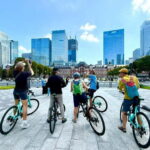
Tokyo’s west side is best understood from a mamachari bicycle, not a train window. This 3.5-hour outing carries you through Nakano, Koenji, and Asagaya, where twisting lanes, small shops, riverside paths, and ordinary lunch counters reveal a side of the city most first-time visitors miss.
I like the local food stops and the way the ride mixes cycling with short walks. I also like guide Andy’s easygoing approach, Australian humor, and knack for explaining Japanese habits without turning the tour into a lecture. The main consideration is the riding: you need to manage 12 to 15 kilometers on narrow, sometimes crowded streets and uneven surfaces, and the tour usually runs in light rain.
In This Review
- Key points to know before you book
- Why a bicycle changes your view of west Tokyo
- Starting outside Koenji Station
- Koenji, Nakano, and Asagaya by local streets
- What the riding is really like
- Food stops that make the ride worthwhile
- Andy’s style and the value of local explanation
- What the $110 price includes
- Who will enjoy this tour most
- Practical advice for a smooth ride
- Should you book this west Tokyo cycling tour?
- FAQ
- Where does the tour begin?
- How early should I arrive?
- How far will I cycle?
- What kind of bicycle is provided?
- What food and drinks are included?
- Can vegans or people with food allergies join?
- What happens if it rains?
Key points to know before you book
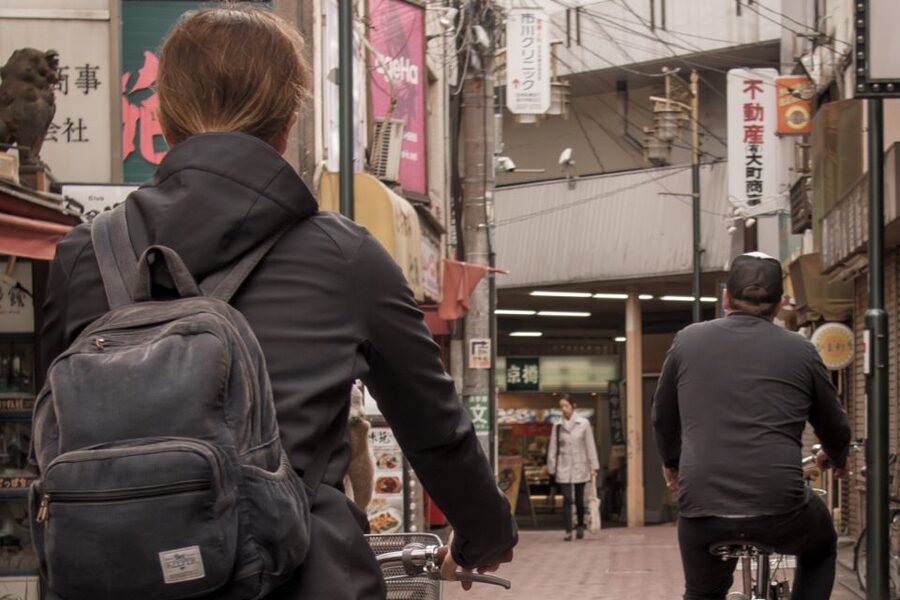
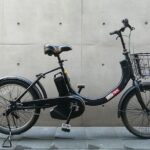
- Ride a classic mamachari bike: These practical city bicycles usually come with a front basket and suit Tokyo’s slower neighborhood lanes.
- See three inner-west neighborhoods: Nakano, Koenji, and Asagaya each offer a different look at everyday Tokyo life.
- Eat as locals do: Your fee covers two street food items, a simple Japanese lunch, and one bottled drink.
- Learn how Tokyo cycles: Andy explains bicycle parking, local customs, street etiquette, and the small rules that shape daily life.
- Expect a real city ride: The route covers roughly 7.5 to 9.5 miles on narrow streets, bike paths, and uneven ground.
- Start at Koenji Station: Meet Andy outside the ticket gates five minutes before departure, then set off on time.
Why a bicycle changes your view of west Tokyo
Shinjuku and Shibuya give you Tokyo at full volume. This tour moves only a short train ride away, yet the mood changes quickly. Koenji Station is six minutes from Shinjuku by JR train and about 18 minutes from Shibuya, making the meeting point easy to reach without spending half your morning crossing the city.
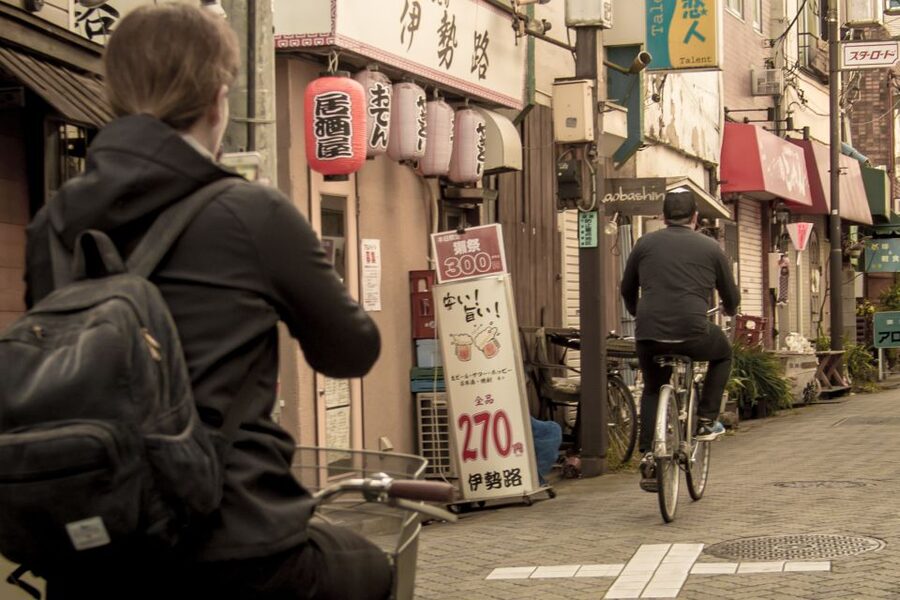
From the saddle, you can notice details that disappear from a taxi or packed train. You pass through lanes too narrow for most cars, pause beside local activity hubs, and see how bicycles fit into a city where every square meter matters. Bicycle parking is not an afterthought here. It is part of the daily system, and the tour includes the parking fees so you can see that system in practice without worrying about small extra charges.
The pace is leisurely, but this is not a sightseeing bus with a few photo stops. You will pedal, stop, walk, eat, and listen. Andy’s role matters because the streets alone do not explain themselves. He can point out the habits, customs, and small design choices that make the neighborhoods work.
A few more Tokyo tours and experiences worth a look
Starting outside Koenji Station
The meeting point is directly outside the ticket gates at Koenji Station. Look for the guide wearing a baseball cap and arrive at least five minutes early. This tour leaves on time, so a late arrival is more serious than it would be for a flexible restaurant booking. The group will not wait while you search the station concourse.
Koenji is a useful place to begin because it already feels more residential than central Tokyo. You are close to the major sights, but the starting point puts you in a district where ordinary errands and local routines take center stage.
Your bicycle is a salvaged mamachari, the practical Japanese city bike associated with short everyday trips. The bikes are described as carefully maintained, though some may be a little creaky or squeaky. That is part of their character, not a sign that you should expect a sleek road bike.
The front basket is useful for a small bag or purchases, but keep your belongings secure. You will be riding at an easy pace, yet the route includes narrow spaces and occasional crowds. This is a city ride, not a smooth cycle-path workout.
Koenji, Nakano, and Asagaya by local streets
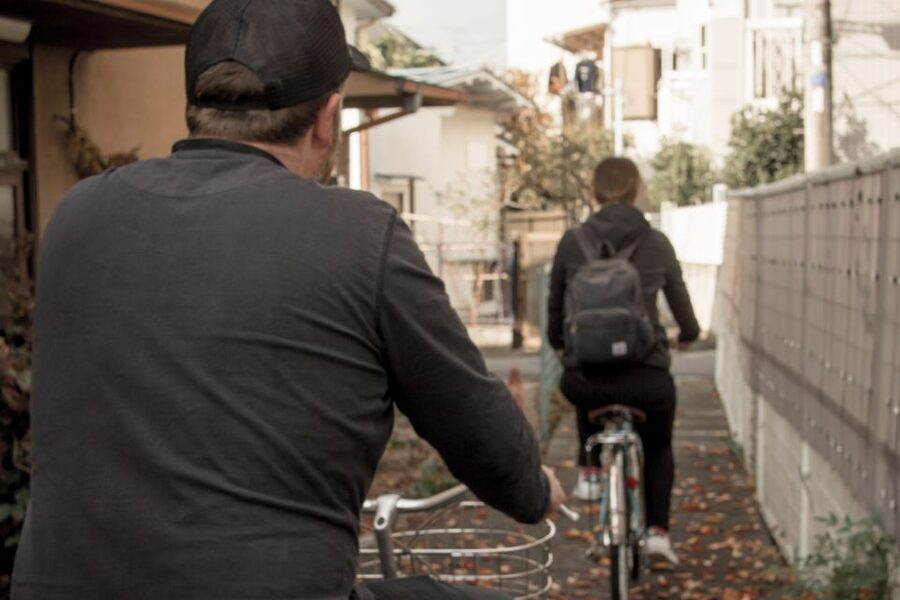
The route links Koenji, Nakano, and Asagaya, three areas that are close together but have their own feel. Exact stops can be tailored, especially for a private or small group, so do not expect a rigid list of landmarks with a fixed photo schedule.
Koenji is a particularly good fit for this kind of outing. Its side streets and activity areas reward slow travel, and a bicycle lets you move between them without constantly returning to a major station. You might pass through lanes where the interesting detail is a storefront, a residential corner, a bicycle arrangement, or the rhythm of people going about their day.
Nakano adds another layer of inner Tokyo life. The tour does not present the neighborhood as a parade of famous sights. Instead, you get a sense of how connected districts function beyond the main tourist routes, with local food, narrow streets, and everyday movement filling the gaps between better-known areas.
Asagaya helps complete the picture. Taken together, these neighborhoods offer a useful introduction to Tokyo outside the postcard circuit. You will not see every part of west Tokyo in 210 minutes, but you will come away with a clearer sense of how residential districts sit beside shops, food counters, transit stations, and small public spaces.
What the riding is really like
The distance is roughly 12 to 15 kilometers, or 7.5 to 9.5 miles, at a leisurely pace. That sounds modest, but the effort comes from the conditions rather than the mileage. You may ride on narrow and crowded streets, uneven surfaces, back lanes, and riverside bike paths.
You should be comfortable controlling a bicycle at low speed and making occasional sharp turns. One past participant specifically described the route as including sharp turns, while also finding the bikes easy to ride. That is a fair picture: this is manageable for a competent city cyclist, but not ideal for someone who has not ridden for years.
The mamachari design works well here. It is made for short urban journeys rather than speed, and the upright position should feel natural to most riders. The bikes are suitable for people over 140 centimeters, or about 4 feet 7 inches. Children under 10 are not accepted, and the activity is not suitable for anyone under the stated height.
The tour is advertised as all-season and all-weather. In rain, it generally proceeds as planned, so bring clothing that can get wet. There is no promise of a weather cancellation for ordinary rain. I would treat this as a practical outdoor activity, not something to schedule when you need a guaranteed dry day.
Food stops that make the ride worthwhile
Food is not a decorative extra here. The price includes two popular street food items, a simple local lunch, and one bottled drink. That gives the tour a useful rhythm: ride, stop, taste, ask questions, then continue.
The exact foods can vary, and the experience does not cater to personal tastes, dietary requirements, or allergies. Vegans and people with food allergies should not book this outing. If you are simply a cautious eater, keep in mind that this is not a custom menu experience. The point is to try the kind of everyday food selected for the group.
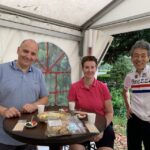
Lunch takes place at a small local noodle bar, based on the route described by the guide. The setting matters as much as the meal. Jostling for counter space with hungry salarymen gives you a glimpse of a normal workday lunch, rather than a polished restaurant designed for international visitors.
The bottled drink is another small but useful touch. Andy can help explain vending-machine drinks and local choices, which is exactly the sort of minor cultural question that can make Japan feel less puzzling. Bring hand sanitizer or tissues, and carry a garbage bag as requested. Tokyo is famously tidy, but you should not assume every stop has a convenient bin.
A few more Tokyo tours and experiences worth a look
Andy’s style and the value of local explanation
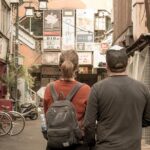
Andy is the English-speaking guide, and his personality is a major part of the outing. His style combines local knowledge with Australian humor, which can make the cultural explanations feel conversational rather than formal. He is also happy to answer questions, including the odd ones that come up when you are trying to understand daily life in Japan.
The most useful explanations are likely to concern things you would otherwise overlook: how people use bicycles, why parking is handled in particular ways, how neighborhood food fits into the day, and what certain local habits mean. The tour can also touch on architecture and customs as you move through the districts.
That kind of context is worth paying for. Without a guide, you can certainly cycle around west Tokyo, but you may simply see a sequence of streets. With Andy, the same streets become evidence of how residents shop, commute, eat, store bicycles, and share limited space.
One particularly nice benefit is the follow-up help. Andy has sent recommendations after the tour to answer questions and help participants continue exploring. That is useful if this ride becomes your introduction to west Tokyo and you want to return later on your own.
What the $110 price includes
At $110 per person, this is not the cheapest way to spend half a day in Tokyo. You could rent a bicycle, buy inexpensive food, and explore the west side for less money. The comparison, however, is not quite fair.
The fee includes the bicycle, bicycle parking charges, cycling liability insurance, two street food items, lunch, one bottled drink, and an English-speaking guide. More importantly, you are paying for route planning and interpretation. The guide takes responsibility for connecting the neighborhoods and keeping the group moving through streets that may be hard to read on your own.
The value is strongest for a first visit, especially if you want a practical introduction to local Tokyo rather than another pass through the major downtown districts. It is also good early in a trip because the guide can help you understand the city’s neighborhood rhythm and answer questions that improve the rest of your stay.
For a dedicated cyclist, the value may be less obvious. You may prefer a longer, faster ride or a route built around major sights. This tour is about ordinary city life, food, and cultural explanation, not athletic cycling.
The ticket also offers free cancellation up to 24 hours before departure and a reserve-now, pay-later option. Those policies help if your Tokyo schedule is still shifting, but they do not change the need to arrive on time at Koenji Station.
Who will enjoy this tour most
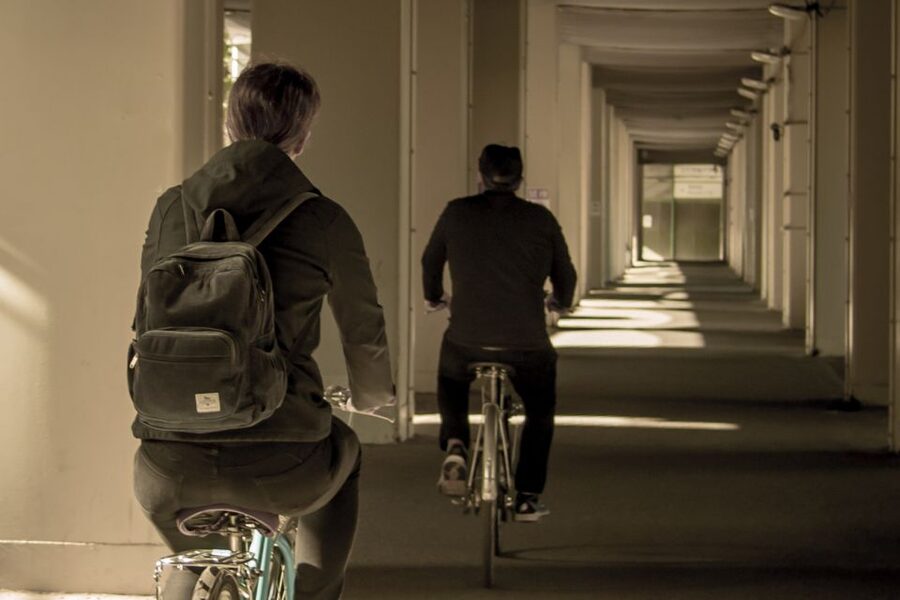
I would recommend it to visitors who have already seen, or do not particularly care about, Tokyo’s headline sights. It is a strong choice if you want:
- A small-group or private experience
- A gentle but active way to see residential districts
- Everyday Japanese food rather than a formal dining event
- Clear English explanations of customs and local routines
- A chance to ride through places you might not choose on your own
- A relaxed introduction to Nakano, Koenji, and Asagaya
It suits adults and children aged 10 or older who can ride confidently in city conditions. The height requirement matters, especially for younger riders. You should also be comfortable with the possibility of rain and with food choices that cannot be adjusted for allergies or vegan diets.
I would not choose it for a luxury-food seeker, a serious road cyclist, or anyone who wants a fully weather-proof plan. It is also a poor match if you dislike riding near pedestrians, navigating tight corners, or stopping at simple neighborhood eateries.
Practical advice for a smooth ride
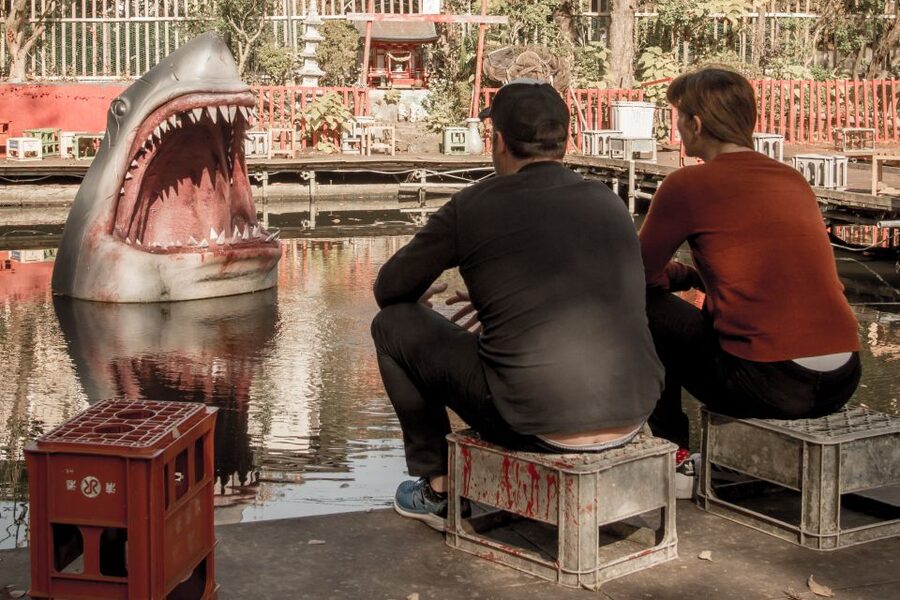
Arrive early at Koenji Station and go directly outside the ticket gates. The guide wears a baseball cap, but you should still avoid cutting it close. A missed departure means the group may already be on the route.
Wear clothes that allow easy movement and shoes suitable for pedaling and short walks. Pack light, since the bicycle basket is convenient but not unlimited. Bring your passport or another ID card, hand sanitizer or tissues, and a small garbage bag.
Check the forecast, but do not assume rain automatically cancels the tour. A light waterproof layer is sensible. If the day looks wet and you strongly dislike outdoor activities in rain, use the 24-hour cancellation window rather than hoping conditions will change.
The activity includes cycling liability insurance, but you remain responsible for riding within your ability. Keep your speed modest, follow Andy’s instructions, and do not treat the quiet lanes as race space. The tour works best when you stay alert and let the neighborhood set the pace.
Should you book this west Tokyo cycling tour?
Book it if you want Tokyo to feel less like a collection of major stations and more like a place where people actually live. The strongest features are the mamachari ride through three local districts, the food woven into the route, and Andy’s ability to explain small details that are easy to miss.
The five-star average from 37 ratings fits the experience’s clear appeal, but you should match the tour to your habits. At $110, it offers solid value when you want a guide, food, equipment, insurance, and a planned route in one package. Skip it if you need vegan or allergy-friendly meals, cannot ride confidently for 12 to 15 kilometers, or want a dry-weather guarantee.
For most active visitors who want an approachable first look at inner west Tokyo, this is a smart way to spend 210 minutes. You will leave with neighborhood bearings, a few new foods to seek out, and a better understanding of the city beyond its famous crossings and towers.
FAQ
Where does the tour begin?
The tour begins outside the ticket gates at Koenji Station on the JR Train Network. The station is about six minutes from Shinjuku and 18 minutes from Shibuya by train.
How early should I arrive?
You should arrive five minutes before the scheduled start time. The tour departs on time, so do not plan to arrive at the last minute.
How far will I cycle?
You will ride roughly 7.5 to 9.5 miles, or 12 to 15 kilometers, at a leisurely pace.
What kind of bicycle is provided?
You ride a salvaged mamachari bicycle. The bikes are maintained for the activity and may include a front basket.
What food and drinks are included?
The price includes a simple local lunch, two popular street food items, and one bottled drink.
Can vegans or people with food allergies join?
No. The experience does not cater to vegan diets, food allergies, personal tastes, or other dietary requirements.
What happens if it rains?
The tour generally proceeds in the rain, so you should be prepared to get wet. It is an outdoor activity that can be affected by weather conditions.
More Food Experiences in Tokyo
More Food & Cycling Tours in Tokyo
More Tokyo Cycling Tours in Tokyo
More tours in Tokyo we've reviewed



Tokyo Cycling Tours, compared.
 ★ 5.0Tokyo Great Cycling TourFrom $99
 ★ 5.0Tokyo Top Highlights 3h Guided E-bike TourFrom $63
 ★ 5.03h Tokyo E-Bike Tour: Hidden Gems, and Local Life with guideFrom $63
 ★ 4.83-Hour Bike or E-Bike City Highlights TourFrom $453 hours
 ★ 4.83-hour Guided E-Bike Tour of the City’s Hidden GemsFrom $65
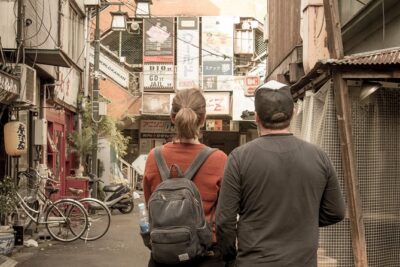 ★ 5.0Tokyo West-Side Cycling & Food TourFrom $99
 ★ 5.03-Hour Bike/E-Bike Tour of the City’s HighlightsFrom $63
 ★ 5.0Small Group Cycling Tour in TokyoFrom $66
Browse the lists this tour appears in