
Reviewed · KYOTO CYCLING TOURS
Kyoto: Fushimi Inari Shrine and Tofukuji Temple E-Bike Tour
Kyoto’s famous sights are easier to understand when you connect them by bicycle. This four-hour e-bike tour moves from Gion’s geisha traditions to Fushimi Inari’s orange torii gates, then gives you quiet temple time at Tofukuji. Along the way, guide Maki adds history, customs, personal stories, and plenty of humor.
I like two things right away: the route mixes major sights with ordinary Kyoto streets, and the electric bikes take the sting out of hills and longer stretches. You also get a small group of no more than eight people, which makes it easier to ask questions and stay close to the guide.
The main consideration is pace. This is a cycling tour with several stops, not a long temple visit. If Fushimi Inari is your top priority and you want to hike far up the mountain, four hours may not leave enough time for that.
In This Review
- Key points at a glance
- Why an e-bike works so well in Kyoto
- Gion, geisha traditions, and everyday Kyoto
- Fushimi Inari Shrine and the meaning of the torii gates
- Tofukuji Temple and a quiet Zen garden
- The ride back along Kyoto’s waterways
- Maki makes the cultural side work
- Is $83 a fair price?
- Who should book this Kyoto e-bike tour?
- Booking flexibility and meeting details
- FAQ
- How long is the Kyoto Fushimi Inari e-bike tour?
- Where does the tour meet?
- Which language is the tour conducted in?
- What sites are included?
- Are the bicycles and safety equipment included?
- Is the tour suitable for children?
- Can I cancel the booking?
- Should you book it?
Key points at a glance
- Gion by bicycle: Learn about geisha culture and Kyoto customs while riding through one of the city’s best-known districts.
- Fushimi Inari with context: See the famous torii gates and get a clear introduction to Shinto beliefs and shrine traditions.
- Tofukuji’s Zen pause: Slow down at a Buddhist temple and spend quiet time in its Zen garden.
- Quiet Kyoto in between: Ride residential lanes, suburban streets, waterways, and less visited shrines that are easy to miss on foot.
- A guide who shapes the day: Maki is praised for her English, humor, cultural explanations, personal stories, and care with road safety.
- Easy half-day format: At $83 per person, the tour combines a bike, helmet, insurance, snack, water, and entrance fees without taking over your whole day.
Why an e-bike works so well in Kyoto
Kyoto is spread out. Gion, Fushimi Inari, and Tofukuji are not difficult to reach by public transport, but moving between them can mean waiting for trains, walking to stations, and squeezing sightseeing into separate blocks.
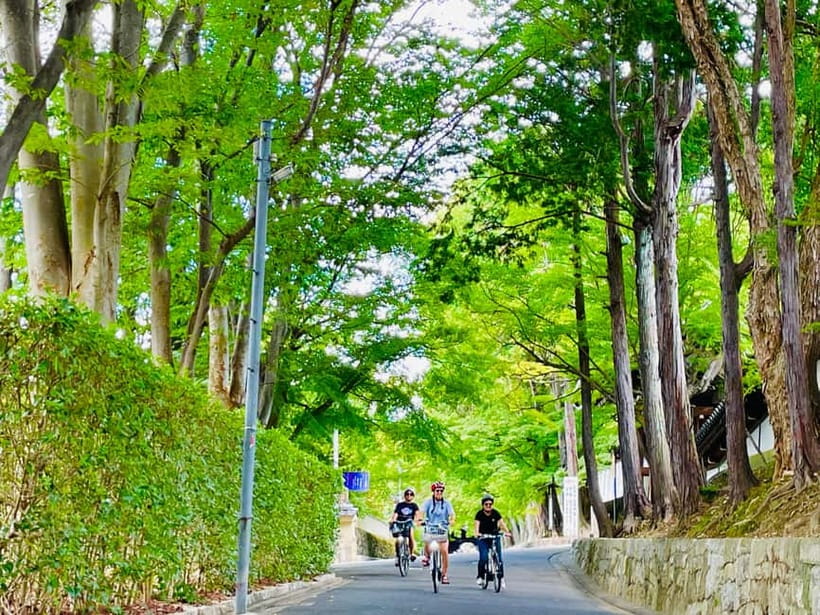
The bicycle gives you a better sense of how the city fits together. You see the change from central Kyoto to quieter residential areas instead of simply appearing at each attraction. The e-bike matters because the route includes some slopes and several hours of riding. You still pedal, but the motor helps when your legs begin to fade.
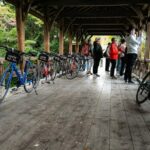
You start with a short orientation at the meeting point, Pedal Adventure Kyoto, near Higashiyama-Sanjyo. Maki explains how to use the electric bicycle and how to ride in Japan. That introduction is useful even if you cycle regularly at home, since your job on this tour is to follow the group, pay attention to traffic, and keep a steady pace.
The route uses a mix of side streets and busier roads. The guide leads from the front and gives clear directions, so you are not left to work out Kyoto traffic on your own. Still, you should be comfortable riding a bicycle and paying attention around vehicles and pedestrians.
A few more Kyoto tours and experiences worth a look

Gion, geisha traditions, and everyday Kyoto
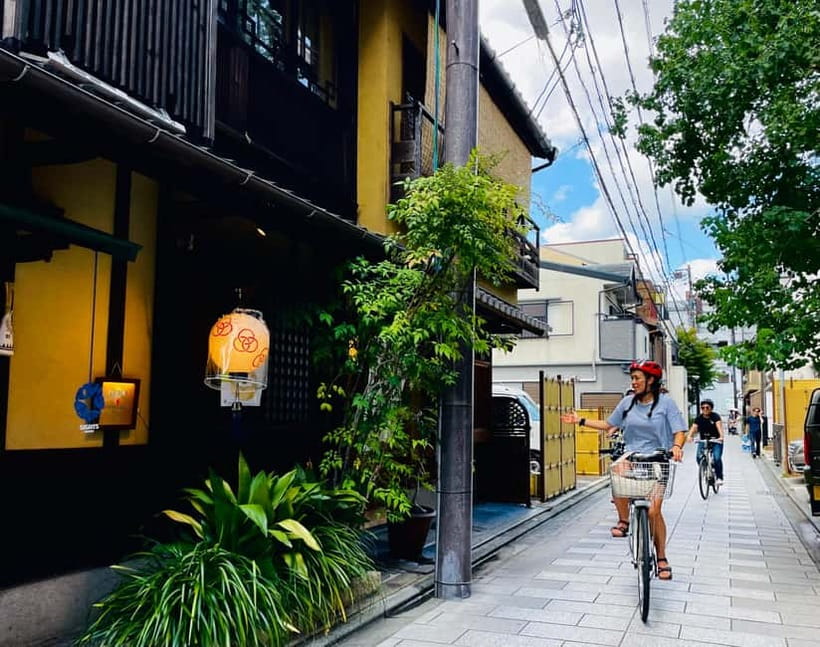
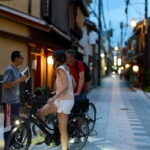
The first major stretch takes you through Gion, Kyoto’s traditional entertainment district. Its wooden buildings, narrow lanes, and old customs give the area a special feel, but the important part of this stop is the explanation.
Maki talks about geisha culture and Kyoto customs in plain English. That helps you look beyond the familiar images of kimono and teahouses. You gain a better sense of the rules, traditions, and social setting that shape this part of the city.
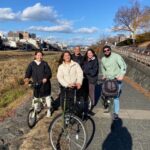
The tour does not stay only in the postcard version of Kyoto. It continues into suburban and residential areas where you can see more of daily life. That change is one of the strongest reasons to choose a bicycle instead of a standard sightseeing bus. You pass through streets that you might never seek out on your own, yet they show how Kyoto works away from its headline attractions.
The guide stops along the way to explain what you are seeing. Several stops are at smaller shrines and temples, including places that receive less attention than Fushimi Inari. These pauses break up the ride and give you time to ask questions.
The group size helps here. With up to eight participants, it is easier to gather around Maki and hear her explanations than it would be on a large coach tour. She has also used visual material, including a binder with pictures, to make historical subjects easier to follow.
Fushimi Inari Shrine and the meaning of the torii gates
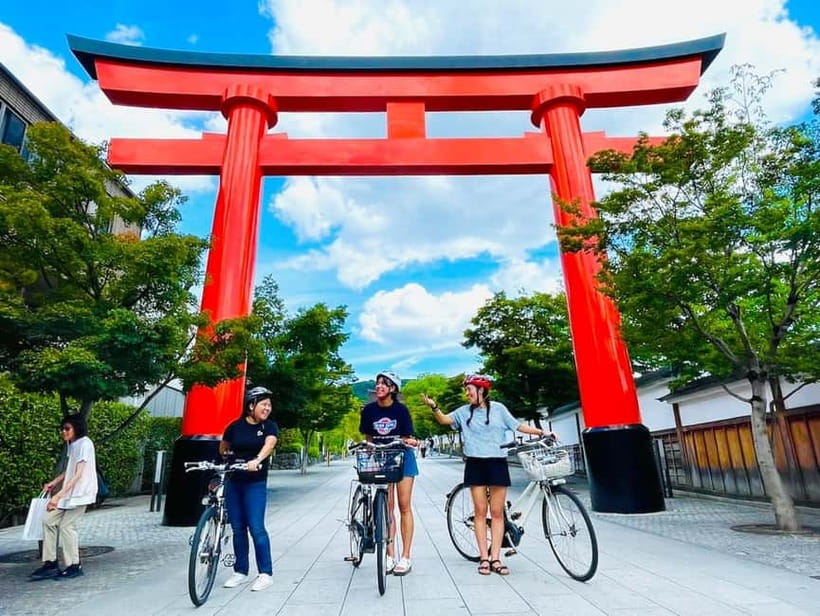
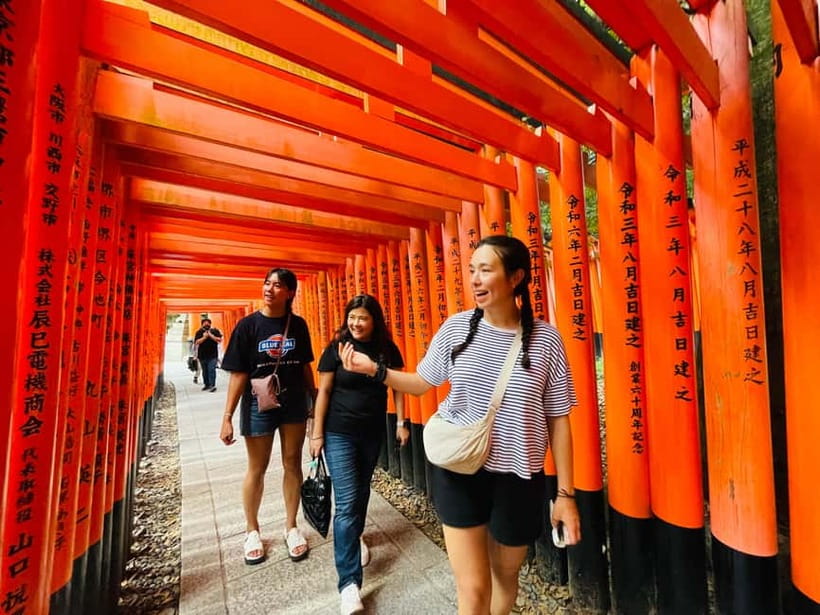
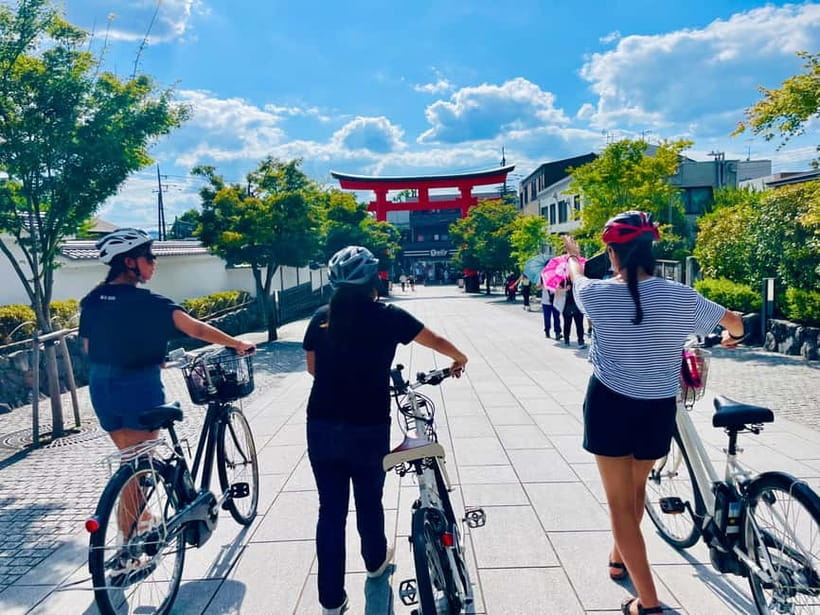
Fushimi Inari Shrine is the tour’s headline stop. It is among Japan’s best-known religious sites, famous for its long rows of orange torii gates climbing the wooded slopes behind the shrine buildings.
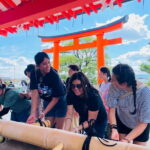
A quick visit can leave you with photographs but little understanding. Maki explains the history and cultural meaning of Fushimi Inari, along with basic ideas behind Shintoism. That context changes how you look at the gates, offerings, shrine buildings, and rituals.
You should set your expectations carefully. The tour includes Fushimi Inari, but it is not designed as an extended hike through every section of the mountain. The shrine area can be crowded, and the tour has to keep moving so the group can also reach Tofukuji and return to the city. One participant wanted more time at the shrine, while also recognizing that group pace and different riding abilities can affect the schedule.
If you have already spent hours at Fushimi Inari, this tour gives you another benefit: it places the shrine within a wider Kyoto route. If this is your first visit, you get a useful introduction without spending most of your day on one site.
The combination of cycling and walking is important. You leave the bikes while exploring the shrine area, then return to the route afterward. Wear shoes that can handle both activities, and bring sunscreen on a sunny day.
Tofukuji Temple and a quiet Zen garden
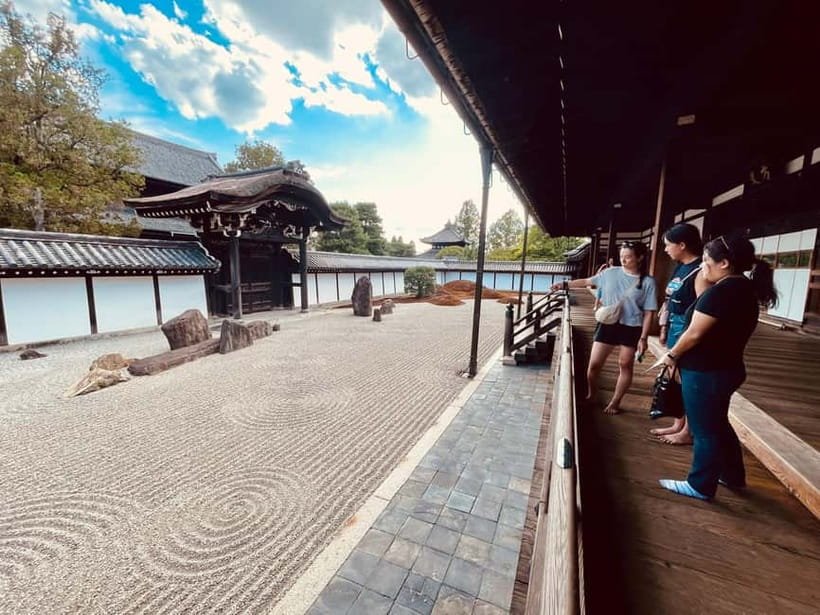
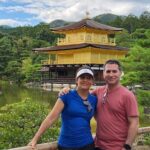
After Fushimi Inari, the tour continues to Tofukuji Temple. The stop provides a welcome change in mood. Fushimi Inari is visually dramatic and often crowded, while Tofukuji offers a calmer setting and time to slow down.
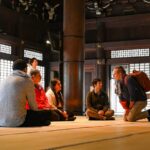
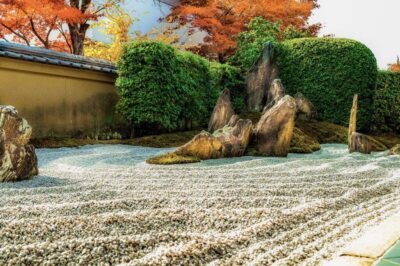
The Zen garden is not treated as a quick photo stop. Maki gives the group time to sit, look, and enjoy the quieter atmosphere. That pause adds balance to the tour. You spend part of the morning or afternoon learning and riding, then have a chance to absorb the setting without rushing from one landmark to the next.
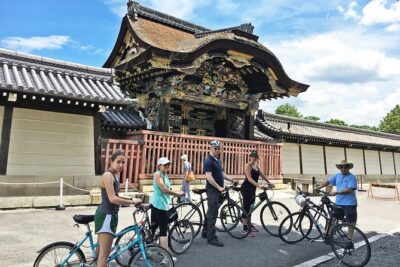
Maki also explains the differences between Shinto shrines and Buddhist temples. This is particularly helpful in Kyoto, where both traditions are part of daily life and the buildings can seem confusing at first. You learn to notice the different forms, customs, and religious roles rather than treating every sacred site as simply another old building.
The tour includes entrance fees for two places, so you do not need to plan separate admission for the included stops. The exact amount of time at each place can vary with the group, road conditions, and cycling ability, but the design clearly aims for variety rather than exhaustive sightseeing.
The ride back along Kyoto’s waterways
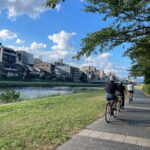
The return route is part of the experience, not just transportation back to the shop. The group rides through more of Kyoto’s streets and, according to the route description and participant accounts, may follow a river or riverside path on the way back.
That final section lets the tour finish at a gentler pace. After the shrine and temple visits, riding beside the water gives you a chance to enjoy the city without another formal lecture or major attraction. It also shows why a bike is useful in Kyoto: you cover ground efficiently while staying close to the streets, homes, bridges, and waterways around you.
A snack and water bottle are included, and cold drink breaks have been part of the experience. Even so, bring your own water bottle if you drink often, especially in summer. Four hours on a bicycle in the sun can feel longer than four hours on a train.
A few more Kyoto tours and experiences worth a look
Maki makes the cultural side work
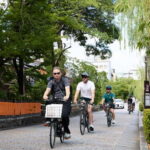
The guide is a major part of this tour’s appeal. Maki is repeatedly described as warm, funny, energetic, and easy to understand in English. Her strongest skill is not simply reciting dates. She links Japanese history, religion, infrastructure, customs, samurai stories, geisha culture, and everyday life in ways that keep the ride moving.
Her personal stories also help. You are not listening to a detached script. You can ask questions about Japanese life and get explanations that connect the sights to modern customs. Families with teenagers have found that her humor and willingness to involve younger riders keep the cultural material accessible.
Maki has also taken photographs for groups and families during the tour. That is a small but useful extra, particularly when everyone wants to be in the picture. Some participants appreciated follow-up local suggestions for the rest of their Kyoto stay as well.
One practical note: explanations usually happen after the group stops. Since cyclists spread out while riding, gather close when Maki begins speaking. One rider suggested a microphone and earpiece, which tells you that the group format can make it harder to hear every word if you linger at the back.
Is $83 a fair price?
At $83 per person, this is not the cheapest way to visit Fushimi Inari. You can reach the shrine and Tofukuji independently by train, and shrine grounds may be visited without paying for a guided ride. The value here comes from combining transport, a local guide, cultural interpretation, equipment, and several stops into one half-day.
Your fee includes the electric bicycle, helmet, insurance, snack, water bottle, and entrance fees for two places. You also avoid arranging a rental, planning a safe route, and working out how to connect Gion with the southern temples.
I consider the price reasonable if you want an active introduction to Kyoto. It is especially good value early in your stay, since Maki helps you understand what you are seeing and may point you toward useful ideas for the rest of your visit.
The calculation is less favorable if you dislike cycling, already know Kyoto well, or want to spend a long time inside each temple and shrine. In that case, public transport and self-guided visits give you more control over timing.
Who should book this Kyoto e-bike tour?
This tour suits first-time visitors who want to see several sides of Kyoto in one manageable outing. You get famous sites, smaller religious buildings, residential streets, cultural background, and a riverside finish without committing to a full-day excursion.
It also works well for families with older children and teenagers. The minimum age is 12, and families with children aged 13, 16, and older have enjoyed the mix of riding, stories, and stops. The electric assistance helps, but everyone still needs to be comfortable on a bicycle.
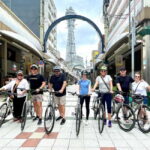
The tour is a good fit for couples and solo visitors who want company without a large group. A maximum of eight people keeps the setting personal and makes questions practical.
You should reconsider it if you are pregnant, have a mobility impairment, or are under 12. It is also not suitable if you want a purely walking tour, a private vehicle, or a long, unhurried visit at Fushimi Inari.
For the best experience, wear comfortable clothing and shoes, use sunscreen, and bring a camera if you like taking photos. Alcohol and smoking are not allowed during the ride. Most important, arrive ready for a mix of cycling and walking rather than a gentle sightseeing loop with no physical effort.
Booking flexibility and meeting details
You meet at Pedal Adventure Kyoto, near the Higashiyama-Sanjyo area. Hotel pickup and drop-off are not included, so plan your way to the shop before the start time.
The tour runs for four hours, with starting times subject to availability. It is conducted in English with a live local guide. You can reserve now and pay later, and cancellation is available up to 24 hours in advance for a full refund.
Those policies are useful in Kyoto, where weather and changing plans can affect an outdoor activity. Still, check the forecast and choose clothing that works for the season. The tour runs through city streets and open areas, so conditions can shape your comfort.
FAQ
How long is the Kyoto Fushimi Inari e-bike tour?
The tour lasts four hours, including cycling, walking, shrine and temple visits, explanations, and rest stops.
Where does the tour meet?
The meeting point is Pedal Adventure Kyoto, near Higashiyama-Sanjyo. Hotel pickup and drop-off are not included.
Which language is the tour conducted in?
The tour is conducted in English with a live local guide.
What sites are included?
The route includes Gion, Fushimi Inari Shrine, Tofukuji Temple, and additional shrines, temples, residential areas, and city routes along the way.
Are the bicycles and safety equipment included?
Yes. The price includes an electric bicycle, helmet, and insurance.
Is the tour suitable for children?
Children under 12 are not permitted. The tour is suitable for older children who can ride comfortably, and teenagers have taken part.
Can I cancel the booking?
Yes. You can cancel up to 24 hours before the activity for a full refund. You can also reserve now and pay later.
Should you book it?
Book this tour if you want Kyoto to feel like a real city rather than a string of isolated attractions. The route gives you the famous torii gates and temple gardens, but its best moments may come between them, on quiet streets and along the river.
The strongest reason to choose it is Maki. Her humor, clear English, cultural stories, road guidance, and personal attention turn a bike rental into a useful introduction to Kyoto. The main tradeoff is limited time at each major site, especially Fushimi Inari.
For $83, you get an active half-day with equipment, insurance, refreshments, admissions, and a guide who helps you see more than you likely would on your own. If you are comfortable on a bicycle and want a lively, practical first look at Kyoto, this is an easy tour to recommend.
More Temple & Shrine Rides in Kyoto
More E-Bike Tours in Kyoto
More Kyoto Cycling Tours in Kyoto


More tours in Kyoto we've reviewed




Kyoto Cycling Tours, compared.
 ★ 5.0Bike Tour Exploring North Kyoto plus LunchFrom $106
 ★ 5.05 Top Highlights of Kyoto Full Day Bike Tour (E-bike option)From $172
 ★ 5.0E-Bike Tours of the highlights of Kyoto!!!From $109
 ★ 5.0Afternoon Kyoto Bike Tour: Bamboo Forest, Monkeys & Hidden SpotsFrom $106
 ★ 5.0South Kyoto in a Nutshell: Gentle Backstreet Bike Tour!From $79
 ★ 4.9Kyoto: City Secrets eBike TourFrom $1273h 45m
 ★ 5.0Pedal Adventure Kyoto’s iconic landmarks on an e-bike tourFrom $86
 ★ 4.9Kyoto: Hidden Gems E-Bike Tour with Local Japanese GuideFrom $753h 30m
Browse the lists this tour appears in