
Reviewed · KYOTO CYCLING TOURS
Kyoto Bamboo Forest & Golden Pavilion E-Bike Tour
Kyoto’s famous sights make more sense when you connect them by bicycle. This five- to six-hour e-bike tour links Kinkaku-ji, Kitano Tenmangu Shrine, Tenryu-ji, and the Arashiyama Bamboo Forest, while giving you a look at quiet lanes that buses never reach.
I like two things here: the electric assist makes roughly 20 kilometers manageable, and the guides add history, practical help, and local food advice. Diego, Jody, and Jorge have all earned praise for clear explanations and attentive service. The main consideration is that cycling through Kyoto requires attention around traffic, crossings, and pedestrians.
In This Review
- Key points to know before you book
- Why an e-bike is a smart way to see Kyoto
- Starting at Kitano Tenmangu Shrine
- Kinkaku-ji and the famous golden reflection
- Cycling between Kyoto’s major districts
- Tenryu-ji’s Zen garden in Arashiyama
- Walking through the Arashiyama Bamboo Forest
- The guide and the local lunch advantage
- Is the $99.08 price good value?
- Who will enjoy this tour most?
- Practical details that affect your day
- Should you book the Kyoto e-bike tour?
- FAQ
- How long does the Kyoto Bamboo Forest and Golden Pavilion E-Bike Tour last?
- Which sights are included?
- Is admission included?
- How far do you ride?
- Where does the tour start and end?
- What happens if the weather is poor?
Key points to know before you book
- Four major Kyoto sights in one ride: Visit Kinkaku-ji, Kitano Tenmangu Shrine, Tenryu-ji, and Arashiyama’s bamboo forest.
- About 20 kilometers by e-bike: Electric assistance takes much of the strain out of a full day on two wheels.
- Small-group format: The stated maximum is eight participants, though one past account described a group of ten, so group size may be worth confirming.
- Guides make a difference: Diego, Jody, Jorge, and Pohan have been praised for historical knowledge, friendly care, and help with local dining.
- A useful choice for a short Kyoto stay: You cover two important areas, northwest Kyoto and Arashiyama, without planning several separate outings.
- Weather matters: Poor conditions can lead to a new date or a full refund.
Why an e-bike is a smart way to see Kyoto
This is not simply a bicycle ride between four ticketed attractions. The route uses the travel time to show you a more ordinary side of Kyoto, including residential streets, small lanes, and main roads connecting the city’s northwest sights with Arashiyama.
That matters because Kyoto’s temples can feel disconnected when you visit them only by taxi or tour bus. On a bike, you see the spaces between them. You get a sense of how the city changes from shrine neighborhoods to quieter residential streets and then toward the temple district around Arashiyama.
The electric motor is the practical heart of the day. A ride of about 20 kilometers would be tiring for many casual cyclists, especially when combined with walking around temple grounds. With e-bike assistance, you can save your legs for Kinkaku-ji gardens, Tenryu-ji, and the bamboo trail.
You still need to pedal and pay attention. This is an active tour, not a sightseeing bus with a bicycle parked at the end. But the electric support helps make the distance realistic for most people who are comfortable riding a bike.
The route also works well for a first visit. You do not have to puzzle out Kyoto’s bus system, select which temples fit together, or find a place to eat while keeping an eye on the clock. The guide handles the route and explains what you are seeing.
A few more Kyoto tours and experiences worth a look

Starting at Kitano Tenmangu Shrine
The meeting point is Memory Kyoto Bike Tour in Nakagyo Ward, at 8-6 Umaryo-cho, Nishikyo Nakagyo-ku. From there, the tour visits Kitano Tenmangu Shrine, one of Kyoto’s important Shinto sites.
The shrine is associated with Sugawara no Michizane, a deity connected with learning. That gives the visit a different feel from the later temple stops. You are not just looking at gates and wooden buildings. Your guide can explain why students and families come here, and how the shrine’s traditions fit into Japanese religious life.
Kitano Tenmangu is also known for its roughly 1,000 plum trees. They are especially attractive in early spring, when the blossoms add color around the shrine grounds. If you visit at another time of year, the plum display will not be at its seasonal best, but the shrine still provides a useful introduction to Kyoto’s customs.
The scheduled stop is about 30 minutes. That is enough for an orientation and a walk through the main area, but not enough for a slow, detailed exploration of every corner. I see that as a fair trade on a tour that also includes three other major stops.
Kinkaku-ji and the famous golden reflection
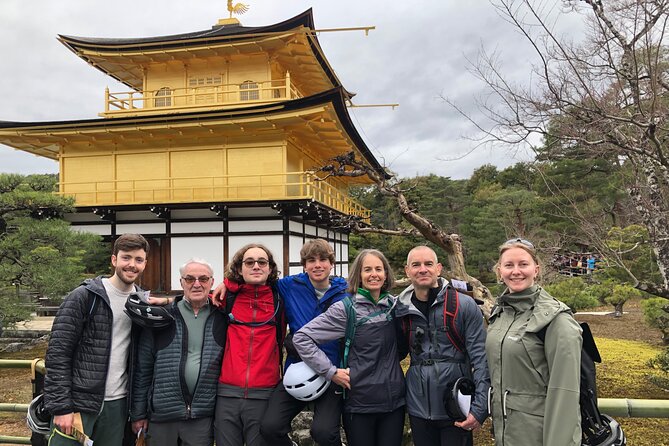
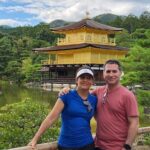
Kinkaku-ji, the Golden Pavilion, is the visual centerpiece of the tour. Its gold-leaf exterior reflects across a pond, creating the polished scene that appears in nearly every Kyoto guidebook.
The building’s story gives the view more meaning. It began as a retirement villa before becoming a Zen Buddhist temple. Your guide explains that change and the temple’s place in Kyoto’s long religious and political story.
You receive about 45 minutes here, with admission included. That saves you from buying a separate ticket during the visit and gives you enough time to see the pavilion, photograph the pond, and walk through the surrounding grounds.
Kinkaku-ji is also the stop most likely to feel crowded. One family account described a very long line, with the guide helping the group enter without waiting. That kind of assistance can be valuable, but you should not assume the same timing or queue conditions on your date. Crowds change quickly, especially during popular seasons.
The pavilion itself is viewed from the outside rather than entered. That is normal for this attraction, and the main pleasure is the composition of the gold building, water, trees, and sky. A guide’s explanation helps you look beyond the obvious photograph.
Cycling between Kyoto’s major districts
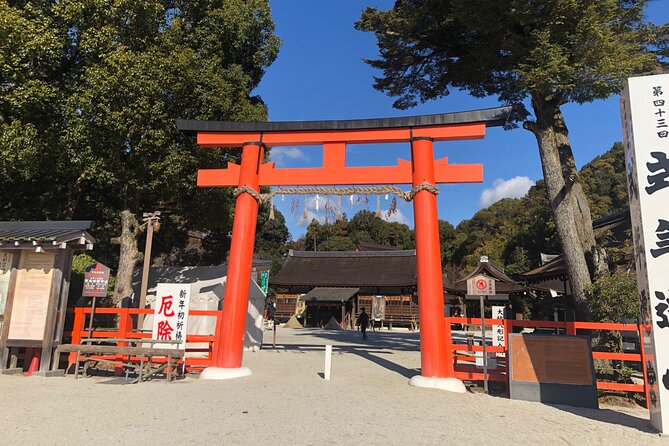
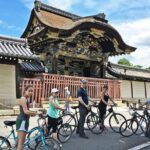
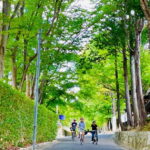
The ride between the stops is one of the tour’s best features. You move through local neighborhoods instead of spending the entire day inside a vehicle. The route includes small alleys, regular streets, and quieter residential areas.
I like this part because it gives you a better feel for scale. Kyoto is not a small collection of temples placed beside one another. The city has real homes, schools, shops, intersections, and daily routines between the sights.
The guide also controls the pace and keeps the group together. One past account described a larger group becoming spread out at pedestrian signals. The stated group limit is eight, which should make the ride easier to manage, but you should still stay alert and follow the guide’s instructions at crossings.
This is a good fit for riders who want a little structure. You do not need to navigate independently, and you can ask questions while moving through the city. At the same time, the tour is not ideal if you want to stop at every shop or choose your own route.
Tenryu-ji’s Zen garden in Arashiyama
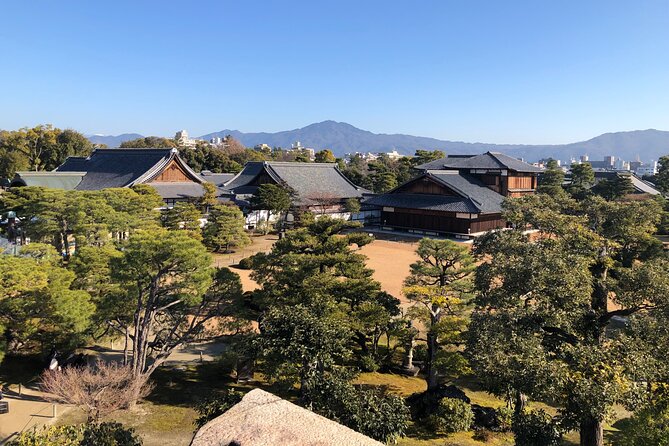
Tenryu-ji is a UNESCO World Heritage Site, listed since 1994, and it gives the tour a slower, more reflective stop after the city ride. The visit includes a walk through its celebrated garden.
The garden is important because it uses water, rocks, trees, and borrowed views in a carefully arranged scene. Your guide can help explain the Zen ideas behind the design, so you notice how the garden works rather than treating it as a pleasant place to stroll.
The planned visit lasts about 45 minutes. That is enough time to walk the main garden area and absorb its character, though you may want more time if gardens are your main reason for visiting Kyoto.
Tenryu-ji is also a useful contrast with Kinkaku-ji. The Golden Pavilion catches your eye immediately through color and reflection. Tenryu-ji rewards slower observation. Having both on the same day gives you two different examples of Kyoto’s temple culture.
Admission is included for the listed stops. That makes the price easier to judge, since you are not paying for the guide and then adding several separate entrance fees during the day.
A few more Kyoto tours and experiences worth a look
Walking through the Arashiyama Bamboo Forest
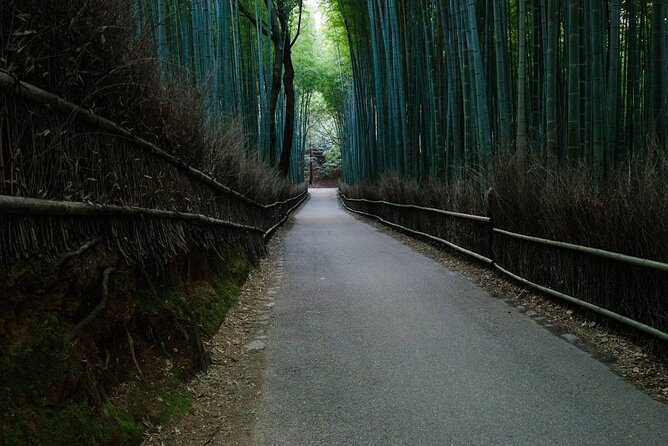
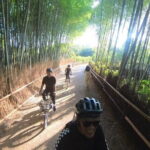
The Bamboo Forest Trail is one of Kyoto’s most recognizable sights. Tall bamboo trunks rise on both sides of the path, creating a narrow corridor with a very different mood from the open temple gardens.
The bamboo is known for its strength, flexibility, durability, and resilience. Those qualities are part of what makes the grove so striking. The trunks appear delicate at a distance, yet they rise high and close together, moving gently when the air passes through them.
You have about 45 minutes for the bamboo forest. That is enough to walk the main section and take photographs, though this is another place where crowds can affect the experience. The forest is particularly popular with photographers, so the path may not feel quiet or empty.
The bicycle helps here because you do not need to arrange a separate trip to Arashiyama. You ride to the area, park as directed, and explore on foot. Remember that the bamboo forest itself is a walking stop, not a place to cycle through.
Arashiyama can easily fill a whole day on its own. This tour gives you a useful sample of its main sights, but it does not leave unlimited time for every side street, shop, or additional temple. If you want a very slow Arashiyama visit, book this with that limit in mind.
The guide and the local lunch advantage
The guides are a major part of the experience. Diego is repeatedly praised for clear explanations, historical detail, and friendly care. Jody is noted for being helpful and calm, including assisting a participant during a medical emergency. Jorge is described as fluent in English and generous with stories about the area. Pohan is also named in a warm account of the tour.
Your guide may be someone else on your date, so treat these names as examples of the team rather than a guaranteed assignment. Still, the pattern is clear: the guide is expected to do more than lead a bicycle line.
The guide can explain temple customs, help you understand what you are seeing, and keep the day moving. At lunch, past groups were taken to a local diner, and the guide helped with ordering. Another account praised the lunch choice. Lunch details are not formally specified in the tour summary, so you should confirm what is included before booking, but the local dining stop appears to be an important part of the day when offered.
That kind of help is especially useful if you are unfamiliar with Japanese menus. It also gives the tour a more ordinary break than eating at a large attraction complex.
Is the $99.08 price good value?
At $99.08 per person, this is not the cheapest way to see Kyoto’s temples. You could visit some of the same places independently for less, especially if you already know the train and bus system, feel confident cycling in the city, and do not need a guide.
The value improves if you want several services bundled together:
- An e-bike for a full half-day
- A guided route through two separate Kyoto areas
- Historical explanations at four major sites
- Included admission at the listed ticketed stops
- Help with navigation and, when available, local lunch ordering
- A small-group setting with a stated maximum of eight
You are paying for time and coordination as much as transportation. A self-guided day may look cheaper on paper but can involve route planning, waiting for buses, changing lines, and deciding where to eat. If your Kyoto visit is short, this tour can cover a lot without making you manage every transition.
The price makes less sense for someone who dislikes cycling, wants long independent visits at each temple, or has already arranged a private guide and transportation. You should also consider the physical side. E-bike assistance reduces effort, but the day still includes riding, walking, temple grounds, and possible heat or rain.
Who will enjoy this tour most?
I would recommend it most strongly to first-time Kyoto visitors, active couples, families with older children, and anyone who wants a guided introduction without sitting on a bus all day.
A past family group included children aged 10 and 12, and both rode e-bikes. That suggests the format can work for families, provided everyone can ride safely and follow instructions. The tour data says most people can participate, but it does not provide detailed accessibility information, so contact the operator if mobility or medical concerns matter for your booking.
It also suits you if you want local context. The route is not limited to postcard views. You see neighborhoods, ride through smaller streets, and receive help with customs, temple details, and food.
You may prefer another format if you want to spend half a day at one garden, avoid traffic entirely, or take photographs without a schedule. The bamboo forest and Kinkaku-ji are both popular, and the tour must keep moving to fit four major stops into roughly five to six hours.
Practical details that affect your day
The tour starts and ends at the Memory Kyoto Bike Tour meeting point in Nakagyo Ward. You should plan your route to the meeting point before the morning begins, since the activity returns there rather than ending in Arashiyama.
A mobile ticket is provided, and confirmation arrives at booking. The experience is near public transportation, which helps with getting to the start and returning to your accommodation afterward.
The stated maximum is eight people. One past account referred to a group of ten and found the size slightly difficult at pedestrian crossings. Since group sizes can change, confirm the current number if keeping together on city streets is important to you.
Good weather is required. If poor conditions cancel the tour, you are offered another date or a full refund. You can also cancel for a full refund up to 24 hours before the start time. Changes or cancellations made inside that window are not accepted, and the cut-off follows Kyoto local time.
Should you book the Kyoto e-bike tour?
Book it if you want to connect Kinkaku-ji and Arashiyama in one active day, prefer local streets to a bus window, and value a guide who can explain the sites and help with practical details. The combination of e-bike transport, included admissions, four strong stops, and a small group gives the $99.08 price reasonable value.
I would skip it if you want a slow, unstructured day or are uncomfortable riding in city traffic. For most reasonably fit visitors, though, the electric assistance turns a long route into a manageable one, and the ride itself becomes part of the sightseeing rather than dead time between temples.
FAQ
How long does the Kyoto Bamboo Forest and Golden Pavilion E-Bike Tour last?
The tour lasts approximately five to six hours.
Which sights are included?
The route includes Kinkaku-ji, also called the Golden Pavilion, Kitano Tenmangu Shrine, Tenryu-ji Temple, and the Arashiyama Bamboo Forest Trail.
Is admission included?
Admission is included for Kinkaku-ji and the Bamboo Forest Trail according to the tour details. Kitano Tenmangu Shrine has no admission charge listed. Tenryu-ji is included as a scheduled temple visit, but the provided details do not separately specify its ticket arrangement.
How far do you ride?
The route is about 20 kilometers, based on the tour information and participant accounts. The e-bike assistance helps reduce the physical effort.
Where does the tour start and end?
The meeting point is Memory Kyoto Bike Tour, Japan, 604-8492 Kyoto, Nakagyo Ward, 8-6 Umaryo-cho, Nishikyo Nakagyo-ku, Kyoto City. The tour ends back at the same meeting point.
What happens if the weather is poor?
The experience requires good weather. If the operator cancels because of poor conditions, you can choose a different date or receive a full refund. You can cancel at least 24 hours before the start time for a full refund.
More Bamboo Forest Rides in Kyoto




More E-Bike Tours in Kyoto
More Kyoto Cycling Tours in Kyoto

More tours in Kyoto we've reviewed


Kyoto Cycling Tours, compared.
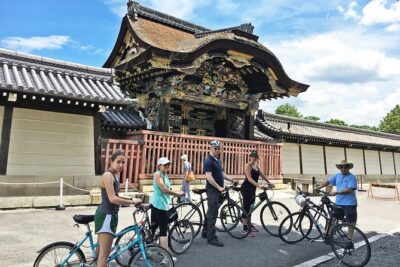 ★ 5.0Bike Tour Exploring North Kyoto plus LunchFrom $106
 ★ 5.05 Top Highlights of Kyoto Full Day Bike Tour (E-bike option)From $172
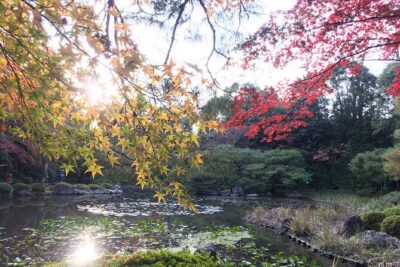 ★ 5.0E-Bike Tours of the highlights of Kyoto!!!From $109
 ★ 5.0Afternoon Kyoto Bike Tour: Bamboo Forest, Monkeys & Hidden SpotsFrom $106
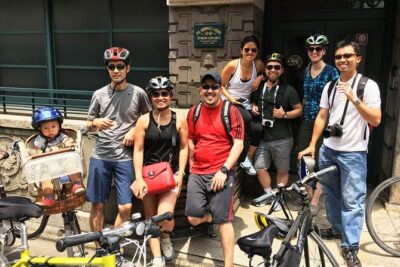 ★ 5.0South Kyoto in a Nutshell: Gentle Backstreet Bike Tour!From $79
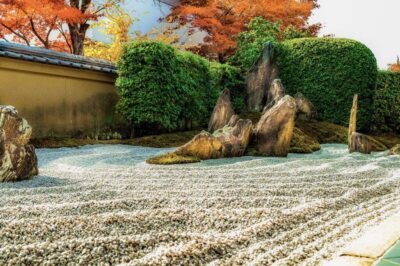 ★ 4.9Kyoto: City Secrets eBike TourFrom $1273h 45m
 ★ 4.9Kyoto: Hidden Gems E-Bike Tour with Local Japanese GuideFrom $753h 30m
 ★ 5.0Pedal Adventure Kyoto’s iconic landmarks on an e-bike tourFrom $86
Browse the lists this tour appears in