
Reviewed · KYOTO CYCLING TOURS
Kyoto: Full Day Bike Tour
Kyoto is much easier to understand from a bicycle. In one long day, you move from Toji and Nishi Honganji to the Golden Pavilion, the Imperial Palace, Gion, and Fushimi Inari, while also slipping through quiet back streets that buses cannot reach. The route covers a lot, and one rider logged more than 18 miles, so this is an active tour rather than a gentle spin.
I like the small group of no more than nine, which makes stops and road crossings easier to manage. I also like the mix of major sights and ordinary Kyoto neighborhoods, plus the included Japanese lunch at a place you might not find on your own.
The main catch is the pace and distance. You need to be comfortable riding for most of a day, and the tour is not suitable for children under 12, pregnant women, or anyone who cannot ride a bike. An e-bike is available upon request, but you should ask for one ahead of time.
In This Review
- Key points at a glance
- Why this full-day route works
- Toji and Nishi Honganji: a strong start near the shop
- Sanjo, Shinsen-en, and Kitano Tenmangu
- The Golden Pavilion: beautiful, busy, and included
- Lunch and the Kyoto Imperial Palace
- The Kamo River and Gion back streets
- Tofukuji and the final approach to Fushimi Inari
- Guides, bikes, and the group size
- What the $116 price really covers
- Who should book this ride
- Should you book the Kyoto Full Day Bike Tour?
- FAQ
- Where does the Kyoto Full Day Bike Tour start and finish?
- What time does the tour start?
- How long does the tour last?
- Is lunch included?
- Is the Golden Pavilion entrance fee included?
- What kind of bikes are provided?
- Is the tour conducted in English?
- How large is the group?
- What happens if it rains heavily?
Key points at a glance
- More than 18 miles of Kyoto by bike: One full day links temples, shrines, riverside paths, shopping streets, and residential lanes.
- A genuine small-group format: The group is limited to nine, with English-speaking guides who have lived in Japan for a considerable time.
- Major sights included: The Golden Pavilion entrance fee is covered, along with visits to Toji, Nishi Honganji, Kitano Tenmangu, the Imperial Palace, Gion, Tofukuji, and Fushimi Inari.
- A local lunch stop: A traditional Japanese lunch is included, with the restaurant changing according to availability.
- Good-quality bikes: You ride well-maintained Giant or Trek cross bikes, with e-bikes available on request.
- A useful first day in Kyoto: The route gives you a broad view of the city and plenty of ideas for places to revisit later.
Why this full-day route works
The smart idea here is combining two shorter cycling routes into one long Kyoto circuit. Instead of spending a morning on one side of the city and another afternoon figuring out transport, you get a connected ride through central, northern, eastern, and southern Kyoto.
That matters because Kyoto’s sights are spread out. The distance between the Golden Pavilion, Gion, and Fushimi Inari can eat up time on public transport, especially when you include walks from stations and crowded roads. A bicycle gives you a practical way to link them, while the guide handles the route.
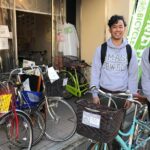
You begin at Cycle Kyoto at 9:30 AM. Arrive 15 minutes early. The opening safety briefing and bike fitting take about 25 minutes, giving you time to adjust the seat, check the brakes, and ask about the day’s riding.
The tour uses cross bikes from Giant and Trek. These are a sensible choice for a city route, offering more speed and comfort than a basic upright bicycle. Kyoto is generally flat enough for a standard bike, according to one participant who had worried about needing an e-bike. Still, the day is long, and an e-bike may be worthwhile if you are not used to several hours in the saddle.
A few more Kyoto tours and experiences worth a look
Toji and Nishi Honganji: a strong start near the shop
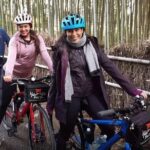
The first stop is Toji, often called the oldest temple in Kyoto. The opening safety briefing takes place here, followed by about 30 minutes to see the grounds and hear about the temple.
Toji is a good first stop because it immediately places you in Kyoto’s religious world without requiring a long ride from the shop. The temple is known for its five-story pagoda, a familiar Kyoto sight, though the amount of time available means this is an introduction rather than a slow, detailed visit.
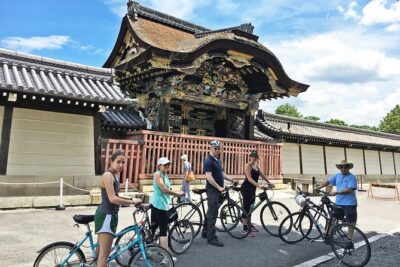
From Toji, it is about a 10-minute ride to Nishi Honganji. You spend roughly 50 minutes on a guided visit. The temple is a major Jodo Shinshu Buddhist site, and its spacious grounds, wooden halls, and formal gates give you a different feel from the more scenic hillside temples later in the day.
I appreciate this early pairing. Toji gives you a compact temple visit, while Nishi Honganji lets you consider how large Buddhist institutions fit into the city. You also begin to see how quickly a bike can move you between important places.
Sanjo, Shinsen-en, and Kitano Tenmangu
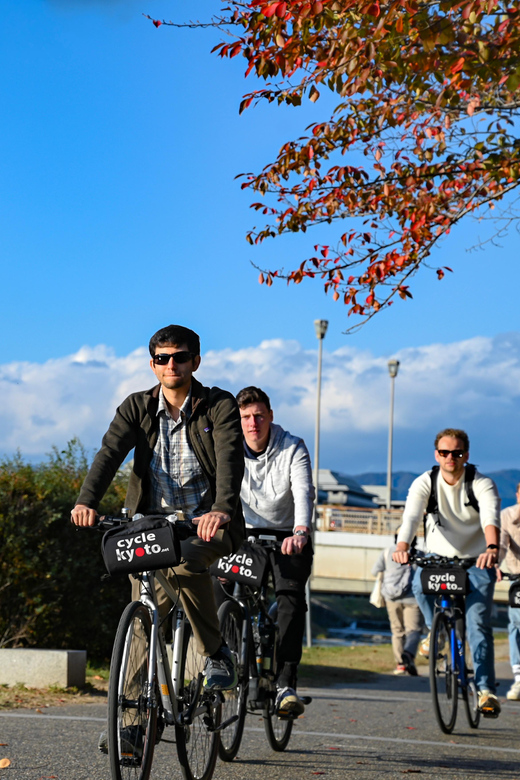
After Nishi Honganji, the route heads north through the Sanjo Shopping arcade. This section adds everyday Kyoto to the tour. You are not simply moving between famous monuments, you are riding through a commercial district where the city functions day to day.
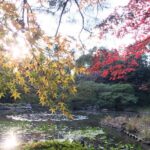
There is also a short stop at Shinsen-en gardens. It is a smaller and more picturesque pause than the major temple visits, giving you a change of rhythm before the next large shrine. Stops like this are one of the strongest reasons to choose the bike tour instead of a standard sightseeing bus.
Kitano Tenmangu comes next, with about an hour for a guided visit. The shrine is dedicated to Sugawara no Michizane, a scholar and historical figure associated with learning. The grounds offer a useful contrast to the Buddhist temples earlier in the morning, and the guide can help you notice the differences between shrine and temple customs.
The route also has room for surprises. On one occasion, the group came across a festival and visited an important temple that sees few international visitors. You should not expect that exact event, but the small-group format gives the guide more freedom to point out something unusual happening that day.
The Golden Pavilion: beautiful, busy, and included
Kinkaku-ji, the Golden Pavilion, is one of Kyoto’s most recognizable sights. The tour includes the entrance fee, and you spend approximately 25 minutes exploring the pavilion and its grounds, although the formal itinerary allows about an hour for the stop.
The pavilion’s gold-covered exterior reflected in the pond is the obvious reason for the visit. It is striking, but it is also one of Kyoto’s most popular sites, so do not expect solitude. The visit is designed for seeing the main view, taking photographs, and learning the key points before moving on.
I like that admission is already included. It keeps the day moving and removes one small decision at a busy attraction. The limitation is time: you will not have an open-ended wander through every garden path. If Kinkaku-ji is your main reason for coming to Kyoto, you may want to return separately at a quieter time.
Lunch and the Kyoto Imperial Palace
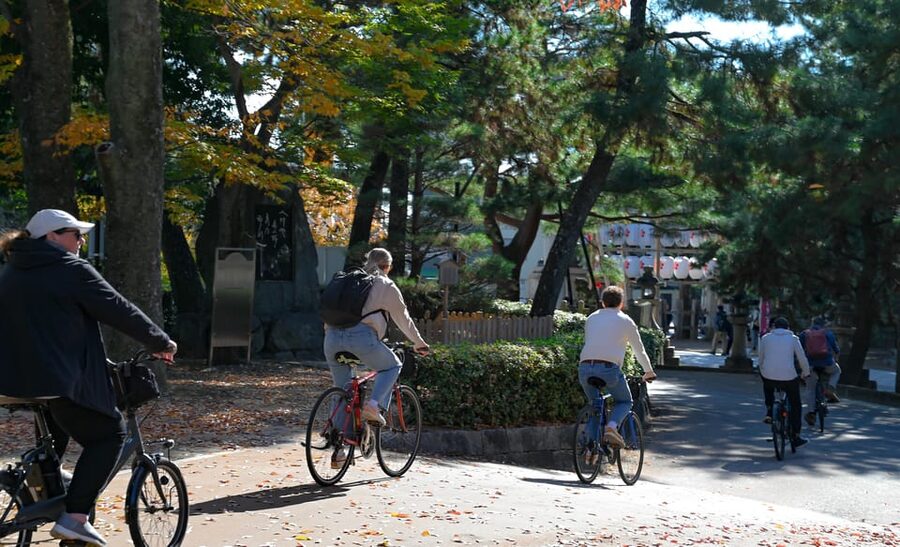
After the northern temples and shrine, you stop at a local restaurant for a traditional Japanese lunch. Lunch lasts about an hour and is included in the price, though the restaurant can change according to availability.
This is more than a convenient fuel stop. A guide can take you to a restaurant you would be unlikely to find by simply walking between major attractions. The food varies, but one group was served ramen with a duck broth, and another described the lunch as a particularly enjoyable part of the day. You should treat the exact menu as flexible rather than book this expecting one specific dish.
The lunch break is important because the tour is physically demanding. Use the hour to eat properly, refill your water, and prepare for the second half. Keep your personal belongings light, since storage on the bicycles is limited. Larger luggage can be left in the secure shop space.
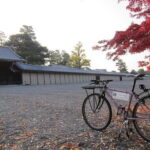
The Kyoto Imperial Palace follows lunch, with about an hour to visit. The palace grounds give you a broad sense of the city’s former political center and a more open setting after the compact temple and shrine visits.
You should not think of this as a full palace museum day. The tour gives you a guided look at the grounds within a larger city route. That balance suits anyone trying to see several sides of Kyoto in one day, but it may feel brief if you prefer to examine every building at length.
Other cycling tours in Kyoto


The Kamo River and Gion back streets
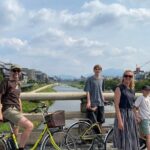
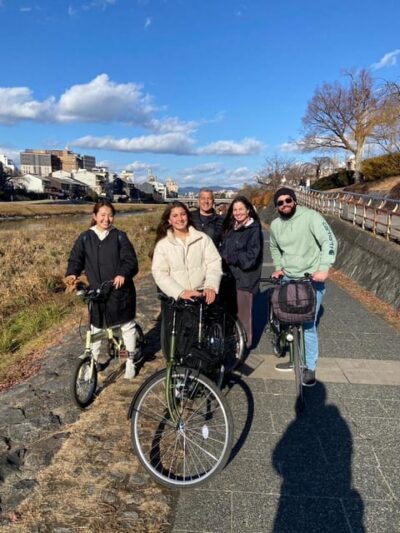
The ride then picks up the Kamo River and heads south. The river section is a welcome change after the formal sightseeing stops. There is about 40 minutes for a photo stop and riverside riding, letting you take in Kyoto at a slower pace.
The Kamo is also one of the clearest places to appreciate the city’s layout. Water, bridges, mountains in the distance, and dense neighborhoods come together in a view that is difficult to get from inside a bus or train. The ride here is not just transport between attractions, it is part of the sightseeing.
Next comes Gion, Kyoto’s famous geisha district. The tour takes you through its back streets and includes about an hour of guided exploration. You see the traditional wooden facades and narrow lanes associated with the district, while the guide explains how this part of Kyoto works.
Please keep your behavior respectful. Gion is a living neighborhood, not a stage set. Stay with the guide, avoid blocking lanes, and do not photograph people without permission. One participant happened to see a geisha during the day, but that is a lucky possibility, not something the tour can promise.
This section is especially good for anyone who wants more than a checklist of monuments. Riding slowly through the neighborhood helps you connect the grand temples with the smaller streets, homes, shops, and local traffic around them.
Tofukuji and the final approach to Fushimi Inari
The route continues south to Tofukuji Temple for a 30-minute photo stop. You will not have the same amount of time here as at the larger guided visits, but it adds another major religious site and another architectural change.
Tofukuji is also a useful pause before Fushimi Inari. By this point, you will have spent hours riding and walking, so a shorter stop can be welcome. Bring water and use every chance to adjust your clothing or seat if you need to.
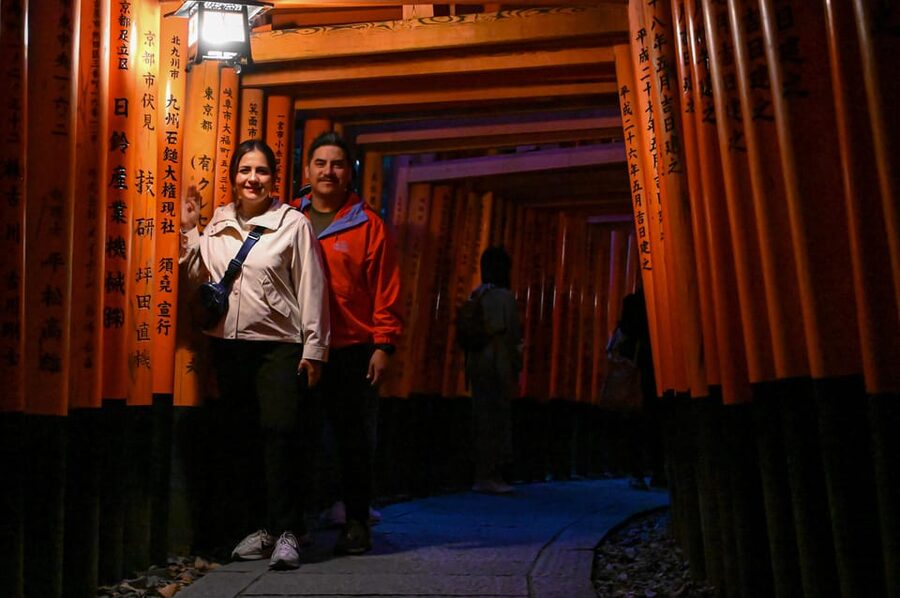
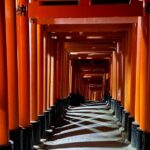
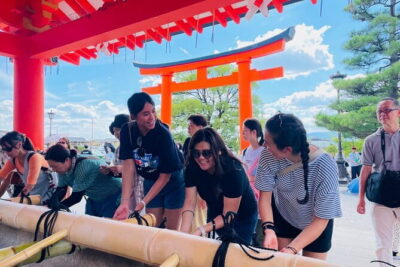
The last major stop is Fushimi Inari Taisha, reached through the Senbontorii, or thousand torii gates. The visit lasts about an hour and is one of the day’s most memorable sections. The closely spaced orange gates create a long corridor up the wooded slope, and even a short walk under them gives you a strong sense of why the shrine is so famous.
Do not expect to hike the entire mountain during this tour. The schedule includes many stops and a ride back to the shop, so your guide will manage the available time. The torii gates can also be crowded, especially at popular hours. The bicycle route still gives you a practical way to reach the shrine after seeing much of the city.
From Fushimi Inari, you ride back to Cycle Kyoto. By then, the day will feel full in every sense: full of temples and shrines, full of neighborhood views, and full of miles.
Guides, bikes, and the group size
All guides speak English fluently and have lived in Japan for a considerable time. That background matters because the best part of a guided city ride is often the explanation between the big sights.
Past guides have included Shawn, Vicky’s guide Karl, Juan, and Jay. Jay was praised for making the day funny and informative, while Juan was described as patient and helpful with ideas for later sightseeing. Those qualities are useful on a long tour, where a guide’s attitude can affect the whole day.
The group is capped at nine people. That is small enough for easier conversation and simpler road management, without the private-tour price you would normally pay for a one-to-one guide.
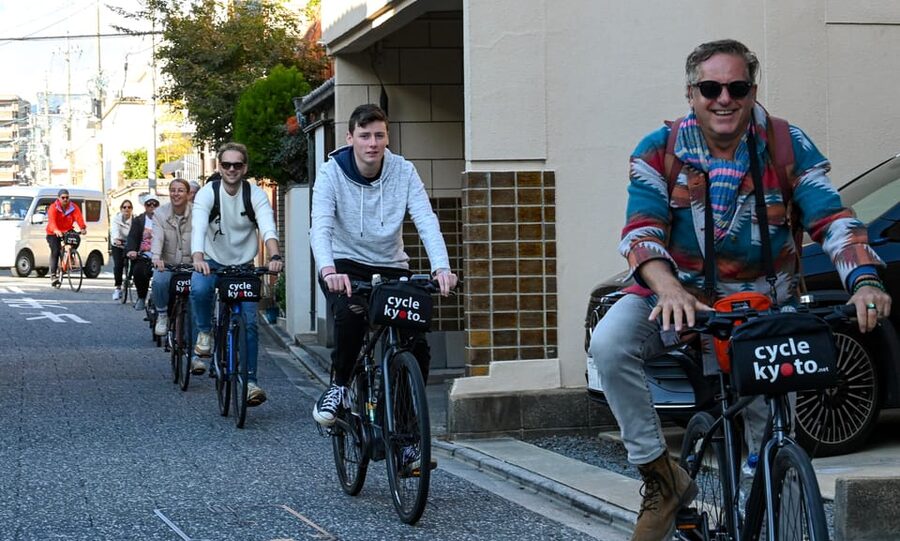
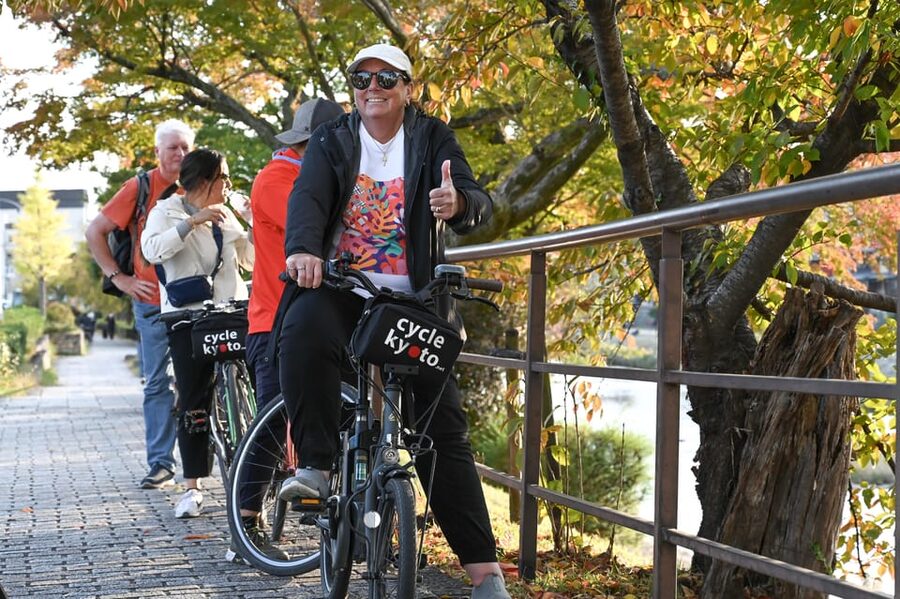
The bikes are well-maintained cross bikes from Giant and Trek. Helmets are included. E-bikes are available on request, but the provided information does not state an extra charge or guarantee availability, so ask when booking if you need one.
What the $116 price really covers
At $116 per person, this is not the cheapest way to see Kyoto. But the price includes the bicycle, helmet, Golden Pavilion admission, traditional Japanese lunch, a full-day English-speaking guide, and a route that covers much of the city.
You are also paying for efficient movement. Without a bike, visiting this many areas in one day would involve several train or bus rides, walks, and decisions about directions. The tour removes much of that friction.
The value is strongest if you want an active introduction to Kyoto and would otherwise pay separately for meals, transport, and several admission fees. The value is weaker if you dislike long rides, prefer unhurried temple visits, or mainly want to see one district in depth.
The cancellation policy is friendly: you can cancel up to 24 hours in advance for a full refund, and you can reserve now and pay later. The tour may be cancelled in heavy rain, with refunds provided. It does not operate in all weather conditions, so check the forecast and dress sensibly.
Who should book this ride
I would choose this tour for a first visit to Kyoto when you want a broad introduction in one day. It suits active adults, couples, friends, and families with children aged 12 or older who can ride confidently.
It is also a good choice if you enjoy local streets as much as headline attractions. The route includes shopping arcades, the Kamo River, Gion lanes, and smaller stops alongside the Golden Pavilion and Fushimi Inari.
I would hesitate if you are not comfortable cycling in a city, have limited stamina, are pregnant, or need a very slow schedule. Comfortable shoes, light clothing, a hat, sunscreen, water, and a camera are sensible. High heels are not allowed, and smoking is not permitted.
Should you book the Kyoto Full Day Bike Tour?
Book it if you want to see a large slice of Kyoto without spending the day underground or on buses. The combination of famous temples, quiet neighborhoods, a local lunch, and an English-speaking guide gives you both the headline sights and the connective tissue between them.
Skip it if your idea of a good Kyoto day involves sitting down often or spending hours at one temple. This is a full 450-minute outing, and the distance is real. For fit riders who want an efficient, social, and culturally focused introduction, it offers strong value. Request an e-bike in advance if you have any doubts about managing the mileage.
FAQ
Where does the Kyoto Full Day Bike Tour start and finish?
The tour starts and finishes at Cycle Kyoto.
What time does the tour start?
The tour starts at 9:30 AM sharp. You should arrive 15 minutes early for bike fitting and preparation.
How long does the tour last?
The tour lasts 450 minutes, or 7.5 hours.
Is lunch included?
Yes. A traditional Japanese lunch is included. The restaurant may vary depending on availability.
Is the Golden Pavilion entrance fee included?
Yes. The entrance fee to Kinkaku-ji, the Golden Pavilion, is included.
What kind of bikes are provided?
The tour provides well-maintained Giant and Trek cross bikes. E-bikes are available upon request.
Is the tour conducted in English?
Yes. The live guide speaks English, and all guides are fluent English speakers who have lived in Japan for a considerable time.
How large is the group?
The tour is limited to nine participants.
What happens if it rains heavily?
The tour may be cancelled in heavy rain, and refunds will be provided. The tour does not operate in all weather conditions, so dress appropriately and check conditions before setting out.
More Full-Day in Kyoto
More Cycling Tours in Kyoto
More Kyoto Cycling Tours in Kyoto
More tours in Kyoto we've reviewed

Kyoto Cycling Tours, compared.
 ★ 5.0Bike Tour Exploring North Kyoto plus LunchFrom $106
 ★ 5.05 Top Highlights of Kyoto Full Day Bike Tour (E-bike option)From $172
 ★ 5.0E-Bike Tours of the highlights of Kyoto!!!From $109
 ★ 5.0Afternoon Kyoto Bike Tour: Bamboo Forest, Monkeys & Hidden SpotsFrom $106
 ★ 5.0South Kyoto in a Nutshell: Gentle Backstreet Bike Tour!From $79
 ★ 4.9Kyoto: City Secrets eBike TourFrom $1273h 45m
 ★ 5.0Pedal Adventure Kyoto’s iconic landmarks on an e-bike tourFrom $86
 ★ 4.9Kyoto: Hidden Gems E-Bike Tour with Local Japanese GuideFrom $753h 30m
Browse the lists this tour appears in