
Reviewed · KYOTO CYCLING TOURS
Kyoto: Full-Day City Highlights Bike Tour with Light Lunch
Kyoto’s big sights are spread across the city, and this 44 km bike tour links them in one ambitious day. You’ll pedal from Saga-Arashiyama to Fushimi Inari, Gion, Kiyomizu-dera, and Kinkaku-ji, using small streets and back lanes that buses cannot reach. Guides such as Rob, Cass, Peter, and Ray add history, local customs, photos, and steady traffic guidance.
I like the mix of famous places and quieter Kyoto scenes, including gardens, laneways, local working areas, and peaceful shrine corners. I also like the small group size, capped at eight, because it keeps the ride personal and makes it easier to ask questions or pause for a photo.
The catch is simple: this is a long, active day. You need solid stamina and confidence on a bicycle. Several riders found an e-bike helpful, especially in summer, and I would seriously consider the upgrade unless you regularly ride long distances.
In This Review
- Key points to know before booking
- One ambitious day by bicycle
- Arashiyama Bamboo Grove starts the route
- Fushimi Inari and its orange torii gates
- A light lunch before the eastern hills
- Gion reveals Kyoto at street level
- Kiyomizu-dera and the Otowa Spring
- Gion and Kiyomizu-dera are where the hills matter
- Kinkaku-ji finishes with a golden view
- What the $167 price includes
- Summer heat and winter daylight
- Why the guide matters
- Who should book this Kyoto bike tour?
- Should you book it?
- FAQ
- Where does the Kyoto bike tour begin and end?
- How far do you ride?
- Which Kyoto sights are included?
- Is lunch included?
- Is an e-bike included?
- Who cannot join the tour?
Key points to know before booking
- The route covers about 44 km: This is a full-day ride, not a gentle neighborhood spin.
- Five major Kyoto sights are included: Arashiyama, Fushimi Inari, Kiyomizu-dera, Gion, and Kinkaku-ji.
- Small groups make a difference: The maximum is eight people, with an English-speaking guide.
- E-bikes can make the day easier: They still require pedaling, but help with distance, heat, and hills.
- Lunch, water, equipment, and entry fees are included: You pay $167 per person for a packed sightseeing day.
- The tour returns to Saga-Arashiyama Station: Hotel pickup and drop-off are not included.
One ambitious day by bicycle
The appeal here is not simply checking off five famous places. It is seeing how Kyoto fits together. You move between western Arashiyama, southern Fushimi, eastern Kyoto, central Gion, and the northern Golden Pavilion by bicycle rather than spending the day waiting for buses or changing trains.
That movement gives the tour its character. You pass through ordinary streets and quieter lanes between the headline stops. The pace is guided and described as leisurely, but the distance is substantial. The itinerary allows about 30 minutes at each named sight, with the rest of the day taken up by riding, lunch, safety stops, and transitions.
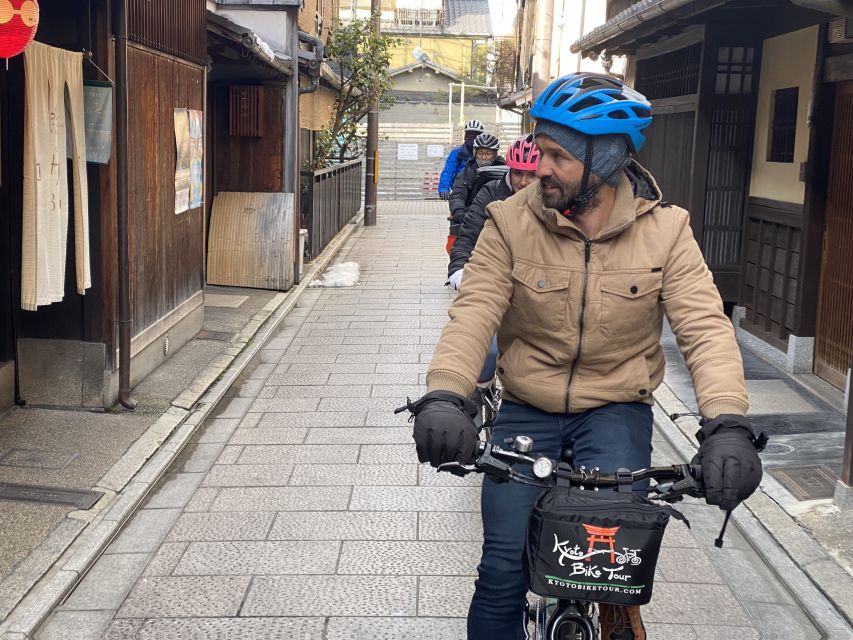
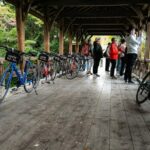
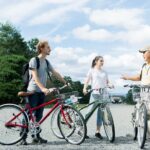
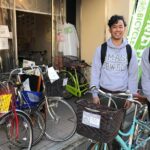
You meet outside JR Saga-Arashiyama Station. Look for a guide wearing a bicycle helmet and a Kyoto Bike Tour shirt. Before setting off, you receive a safety briefing and a bike fitting. This is important in Kyoto, where you will share roads and paths with other cyclists, pedestrians, and city traffic.
The group limit of eight is one of the tour’s strongest features. A guide can keep an eye on the group, explain what you are seeing without shouting across a crowd, and help a solo participant feel included. Rob, Cass, Peter, and Ray have each led outings noted for clear explanations, patience, organization, and careful riding.
A few more Kyoto tours and experiences worth a look
Arashiyama Bamboo Grove starts the route
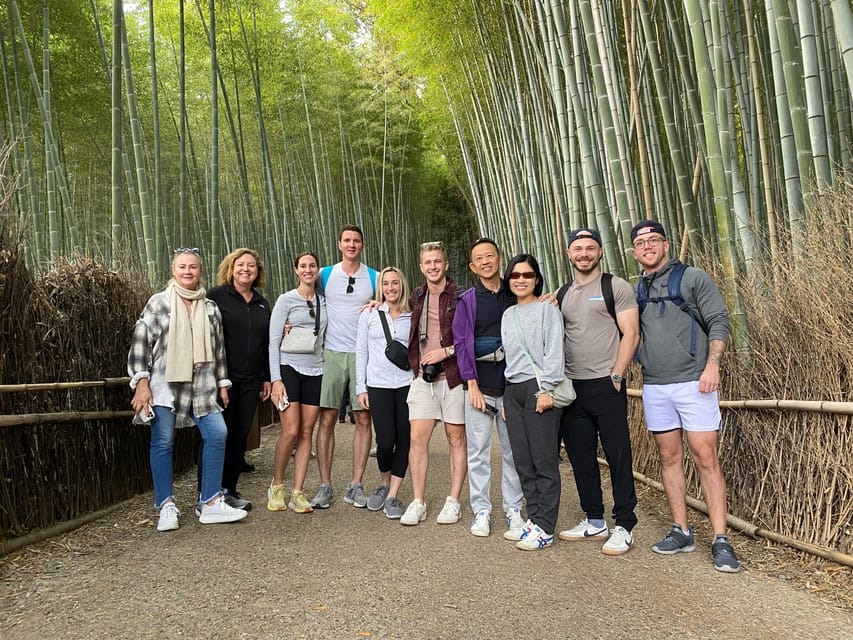
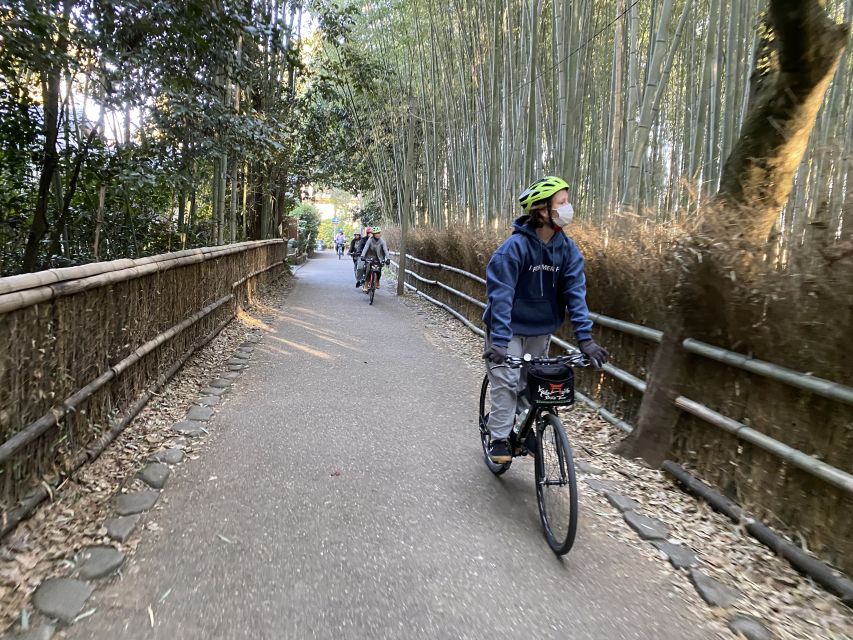
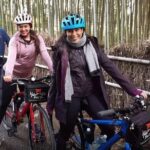
Arashiyama is a smart starting point. The district is already one of Kyoto’s great sightseeing areas, and the bamboo grove gives you an immediate sense of place. Tall green stalks rise on both sides of the path, creating one of Japan’s most recognizable views.
The stop itself is short, listed at about 30 minutes, so think of it as a guided introduction rather than a long, quiet walk through every corner of Arashiyama. You will likely park the bikes and stroll through the grove, taking in the changing shades of green and the filtered light.
This is also where you should set your expectations. The bamboo grove is famous and heavily photographed, so solitude is not guaranteed. The advantage of arriving by bike is that you do not need to build your whole day around local transport to reach it. You see the grove, then continue to other parts of Kyoto without retracing your steps by train or bus.
The first section also helps you settle into the bike. Pay attention during the fitting. A well-adjusted seat and handlebars matter after several hours in the saddle.
Fushimi Inari and its orange torii gates
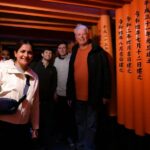
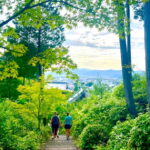
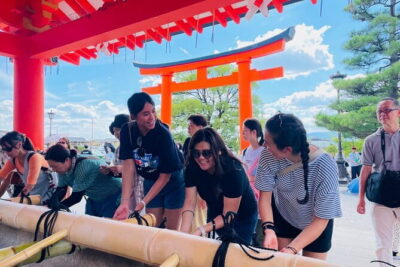
The ride to Fushimi Inari brings a major change in mood. The shrine is known for its long lines of vermilion torii gates, which climb through wooded trails behind the main shrine buildings. You will stroll among the gates rather than cycle the full trail.
Fushimi Inari is dedicated to Inari, the Shinto deity associated with rice and prosperity. Fox statues appear around the shrine because foxes are regarded as Inari’s messengers. A guide can point out the different forms and details, turning a quick photo stop into a more meaningful visit.
Again, the listed sightseeing time is around 30 minutes. That is enough to see the main approach and walk through part of the Senbontorii area, but not enough to explore every upper trail. If you have always wanted to hike deep into the mountain shrine, you may prefer a separate visit on another day.
The bicycle makes the wider itinerary possible, but it does not remove all effort. You will still be riding between distant districts, so save some energy for the second half of the day.
A light lunch before the eastern hills
A light lunch is included, which keeps the day moving and removes the need to search for a restaurant while managing bikes and a group. One outing included curry udon, a filling Japanese noodle dish that suited a long day outdoors.
The exact meal may vary, so do not book this expecting a large multi-course feast. The value is convenience and a chance to refuel. If you have dietary restrictions, check the arrangements before booking because no special meal details are provided.
This is also a useful point to judge your energy. You are not finished after Fushimi Inari. Gion, Kiyomizu-dera, and Kinkaku-ji still lie ahead, with more riding between them.
Gion reveals Kyoto at street level

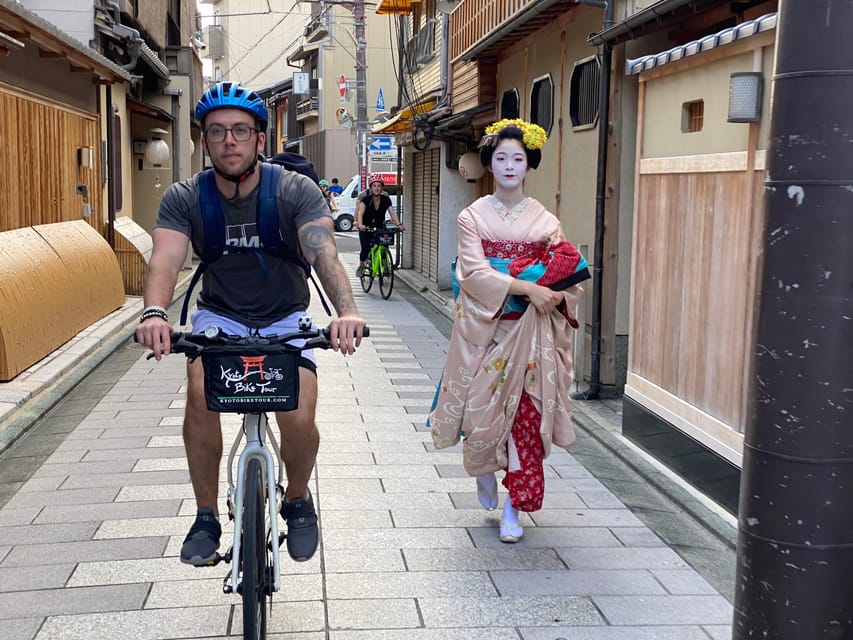
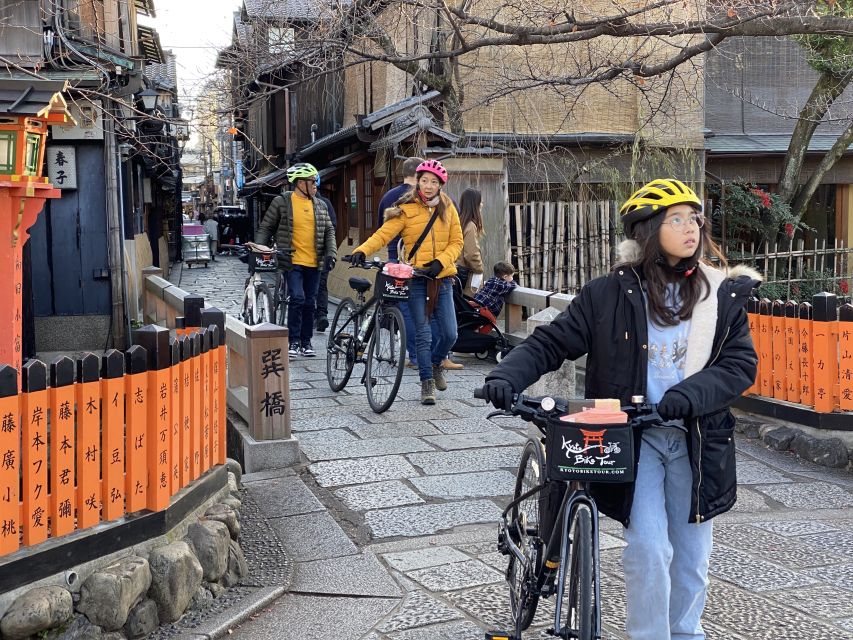
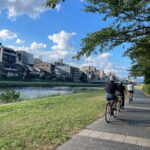
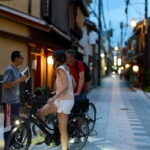
Gion is Kyoto’s best-known traditional entertainment district, with wooden buildings, restaurants, tea houses, and narrow streets. Cycling lets you approach the area through streets that feel more connected to daily life than a large sightseeing coach.
The route includes the wooden Tatsumi Bridge and Hanamikoji Street. You may see women in colorful kimono, including maiko, though sightings are never something to count on. It is best to treat the district as a living neighborhood rather than a stage set.
A good guide is especially useful here. The details can be easy to miss: the design of a building, the role of a particular street, or the etiquette around photographing people in traditional dress. Guides have also been praised for explaining Japanese customs without turning the stop into a long lecture.
Gion is one of the places where a small group helps. You can stop without creating the same obstruction as a large tour, and your guide can gather everyone quickly before the route continues.
A few more Kyoto tours and experiences worth a look
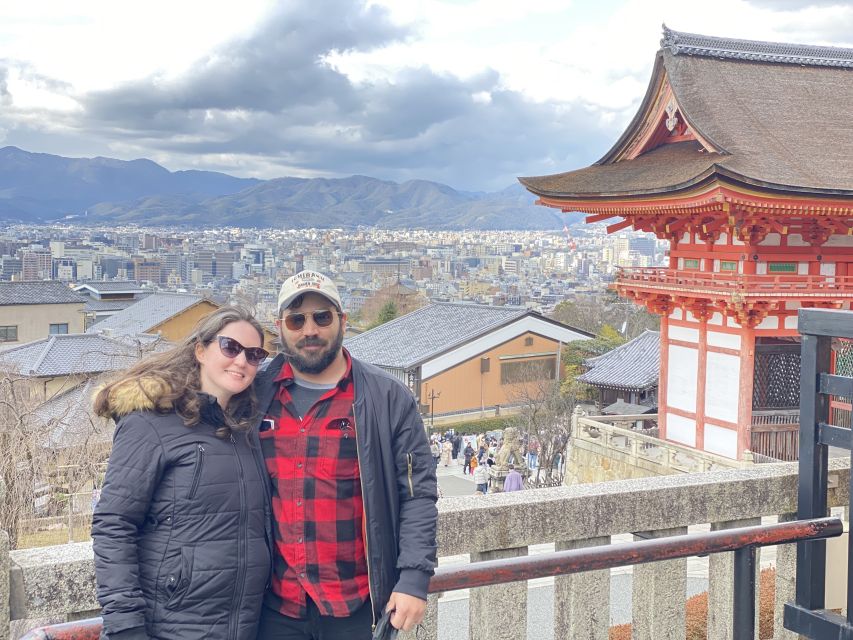
Kiyomizu-dera and the Otowa Spring
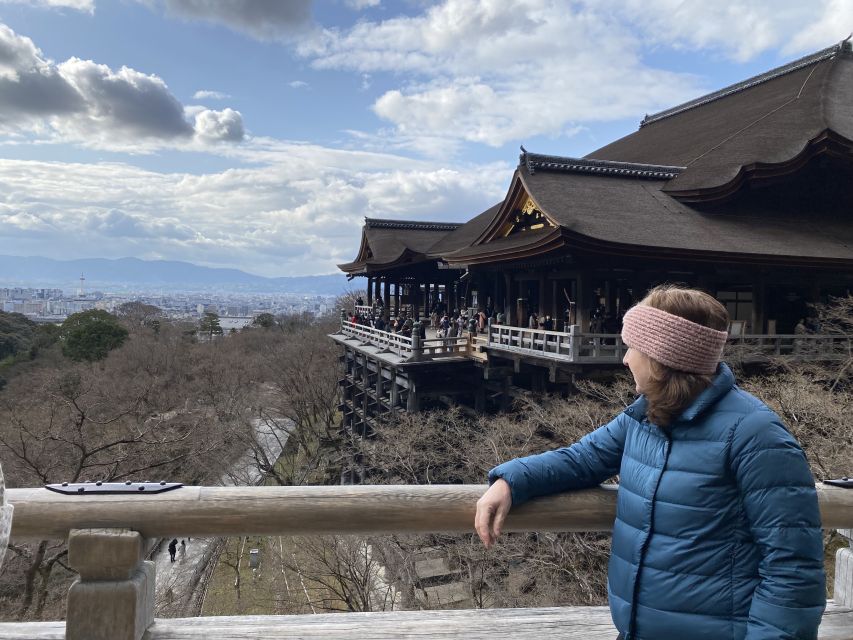
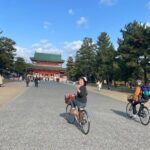
From Gion, the route heads toward Kyoto’s eastern hills and Kiyomizu-dera. This Buddhist temple is a UNESCO World Heritage Site and one of the city’s essential visits.
Kiyomizu-dera is famous for its wooden stage and its setting on the hillside. The temple is also linked with the pure waters of Otowa Spring, whose streams are associated with different benefits. The stop gives you both a major architectural sight and a chance to consider the religious traditions that continue to shape Kyoto.
The approach can be busy, and the eastern hills add physical work to the day. Your bicycle will not carry you through the temple grounds, so you should expect to walk once the bikes are parked. Comfortable shoes are essential.
The 30-minute sightseeing window means you will focus on the best-known areas rather than studying every hall. That is a fair trade for the chance to reach several districts in one day, but anyone wanting a slow temple visit should return separately.
Gion and Kiyomizu-dera are where the hills matter
The ride is not described as a mountain challenge, but Kyoto is not completely flat. The route toward the eastern hills, the total distance, and summer heat can all affect how comfortable you feel.
Pedal-assist bicycles have been a popular choice for riders who are fit but not regular cyclists. They do not turn the activity into a motorized sightseeing ride. You still pedal, but the assistance helps on longer stretches, hills, and hot days.
I would choose an e-bike if you are unsure about riding nearly 30 miles, if you have not cycled recently, or if you want more energy for the temples. A standard bicycle may suit regular cyclists who enjoy a long day in the saddle.
The tour is not suitable for children under 14, people who cannot ride a bike, people with low fitness, or those with back or mobility problems. High heels, sandals, flip-flops, boots, and loose clothing are also ruled out. Wear secure, comfortable shoes and clothes suited to the weather.
Kinkaku-ji finishes with a golden view
Kinkaku-ji, the Golden Pavilion, gives the day a striking final landmark. The Zen temple rises beside a reflecting pond, its gold exterior catching the light above the water.
This is a compact but memorable stop. The pavilion is viewed from the grounds rather than entered as a normal interior visit. The shine changes with the weather and time of day, and one carefully timed outing reached the site during the golden hour, when the building looked especially dramatic.
The stop is listed at about 30 minutes. That is enough to see the pavilion, walk the main viewing route, and take photographs, but not enough for a slow circuit of every garden feature. Your guide can help position the visit within the day and explain why the temple is so closely linked with Kyoto’s image.
After Kinkaku-ji, you ride back to Saga-Arashiyama Station. Ending where you began is practical, especially if you are staying or connecting near the station. It also means you do not need to work out a new transport route while tired.
What the $167 price includes
At $167 per person, this is not a cheap way to see Kyoto. The value depends on what you want from the day.
The price includes a bilingual English-speaking guide, bicycle, helmet, bottled water, entry fees, and light lunch. You are paying for route planning, traffic management, cultural explanation, and the ability to connect far-flung sights without arranging several separate transport legs.
It is also a small-group experience, with no more than eight participants. That matters more on a bicycle than it would on a standard walking tour. The guide needs to keep the group together, help with road safety, and adapt the pace when conditions change.
The main extra cost to consider is an e-bike upgrade, if available for your booking. The supplied price does not say that an e-bike is included. Several riders found pedal assist worthwhile, especially in August heat or when they were not regular cyclists.
For comparison, you could visit the same districts by public transport and on foot for less money. But that approach would take more planning, involve transfers, and likely require more than one day to see the sights at a comfortable pace. This tour is best value for you if your priority is covering a lot of Kyoto with a guide and minimal route planning.
Summer heat and winter daylight
Kyoto’s weather can change the feel of the day. Summer heat makes the 44 km route harder, even with water and an e-bike. Bring weather-appropriate clothing, drink regularly, and avoid treating the word leisurely as a promise of an easy ride.
December through February brings a different adjustment. Stops are shortened so the group can finish before sunset. You will still visit the main locations, but the time available for lingering and photographs is reduced.
The tour operates in cold weather unless conditions prevent it. Warm layers are sensible in winter, while breathable clothing and sun protection are useful in warmer months. Since loose clothing is not allowed, choose fitted or secure garments that will not catch on the bicycle.
Why the guide matters
The route would be possible without a guide, but much harder to manage in one day. You would need to connect five major sights across different parts of Kyoto, judge traffic, find bicycle-friendly streets, arrange admissions, and choose a lunch stop.
The strongest guides add more than directions. Rob has been singled out for clear answers, local perspective, interesting anecdotes, and making solo participants feel included. Cass has a reputation for an organized day with the right amount of explanation. Peter has been praised for patience, flexibility, photos, and helping riders through difficult conditions. Ray has been noted for respect toward Japanese culture and careful riding through busy streets.
That range of guide strengths is useful because this is a long day with a mixed group. You want someone who can explain a temple without holding everyone in the sun too long, and who can keep the pace safe without making the ride feel rushed.
Who should book this Kyoto bike tour?
I would recommend it to a fit adult who wants a broad first look at Kyoto and enjoys being active. It suits you especially well if you prefer small lanes and changing scenery to sitting on a coach or navigating several public transport connections.
It is also a good choice for solo visitors. The group is small, and the guide can make the day feel social without forcing a large tour atmosphere. Couples and families with older teenagers may also enjoy it, provided everyone is comfortable with the distance.
I would skip it if your main goal is slow temple visits, long photography sessions, or a relaxed day with little exertion. You may also prefer separate half-day visits if you have back trouble, low fitness, mobility limits, or limited cycling experience.
Book at least 24 hours ahead only if your plans are firm, but the activity allows free cancellation up to 24 hours before departure and offers reserve-now, pay-later booking. The meeting point is outside JR Saga-Arashiyama Station, and hotel pickup is not included.
Should you book it?
Book this tour if you want to see Kyoto’s biggest sights in one energetic sweep and you like the idea of reaching them through ordinary streets rather than only by train or bus. The small group, included equipment, lunch, and capable guides make the $167 price easier to justify.
My practical advice is to choose pedal assist if you are not a regular cyclist. The tour really is eight hours and about 44 km. With the right fitness level and sensible clothing, it can be one of the most efficient ways to understand Kyoto’s layout, culture, and famous sights in a single day.
FAQ
Where does the Kyoto bike tour begin and end?
The tour begins outside JR Saga-Arashiyama Train Station and returns to Saga-Arashiyama Station at the end of the day.
How far do you ride?
The full route covers approximately 44 km, or 27 miles, over about eight hours.
Which Kyoto sights are included?
The tour visits the Arashiyama Bamboo Grove, Fushimi Inari Taisha Shrine, Gion, Kiyomizu-dera, and Kinkaku-ji, also known as the Golden Pavilion.
Is lunch included?
Yes. A light lunch and bottled water are included in the price. The meal may include a local dish such as curry udon.
Is an e-bike included?
The included equipment lists a bicycle and helmet, but it does not specify that an e-bike is included. You can consider an e-bike upgrade if available, particularly if you are not used to long-distance cycling.
Who cannot join the tour?
The activity is not suitable for children under 14, people who cannot ride a bicycle, people with back problems or mobility impairments, or people with a low level of fitness. High heels, sandals, flip-flops, boots, and loose clothing are not allowed.
More Cycling Tours in Kyoto

More Rides with Lunch in Kyoto
More Kyoto Cycling Tours in Kyoto
More tours in Kyoto we've reviewed
Kyoto Cycling Tours, compared.
 ★ 5.0Bike Tour Exploring North Kyoto plus LunchFrom $106
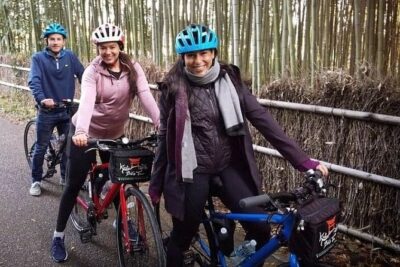 ★ 5.05 Top Highlights of Kyoto Full Day Bike Tour (E-bike option)From $172
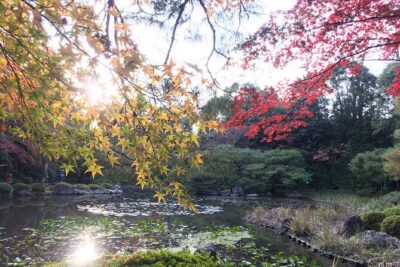 ★ 5.0E-Bike Tours of the highlights of Kyoto!!!From $109
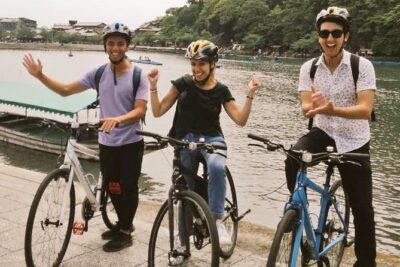 ★ 5.0Afternoon Kyoto Bike Tour: Bamboo Forest, Monkeys & Hidden SpotsFrom $106
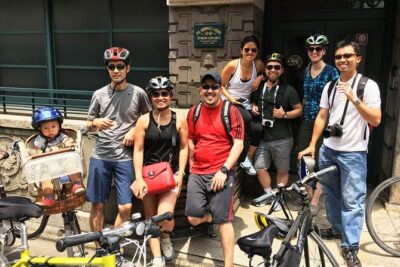 ★ 5.0South Kyoto in a Nutshell: Gentle Backstreet Bike Tour!From $79
 ★ 4.9Kyoto: City Secrets eBike TourFrom $1273h 45m
 ★ 5.0Pedal Adventure Kyoto’s iconic landmarks on an e-bike tourFrom $86
 ★ 4.9Kyoto: Hidden Gems E-Bike Tour with Local Japanese GuideFrom $753h 30m
Browse the lists this tour appears in