
Reviewed · KYOTO CYCLING TOURS
4.5-hr Kyoto Historical Highlights Bike Tour with UNESCO
Kyoto’s best moments often come between the famous sights, and this small-group bike tour makes those in-between places part of the experience. You’ll pedal beside the Kamo River, pass through Gion, visit Zen temples, and stop for a traditional Japanese lunch instead of spending the whole day underground on trains.
I like two things right away: the bike, helmet, lock, insurance, photos, temple admission, and lunch are included, and the group is limited to five people. The tour also gives you a useful mix of cycling and sightseeing, though the guide may be hard to hear on busy roads, especially if you are near the back.
In This Review
- Key points to know before booking
- Why a bike is a smart way to see Kyoto
- Kamo River: a gentle start beside the water
- Gion and Kennin-ji: Zen, geisha culture, and a rock garden
- Cycling through Kyoto’s quieter streets
- Nanzen-ji: a longer temple visit with room to look around
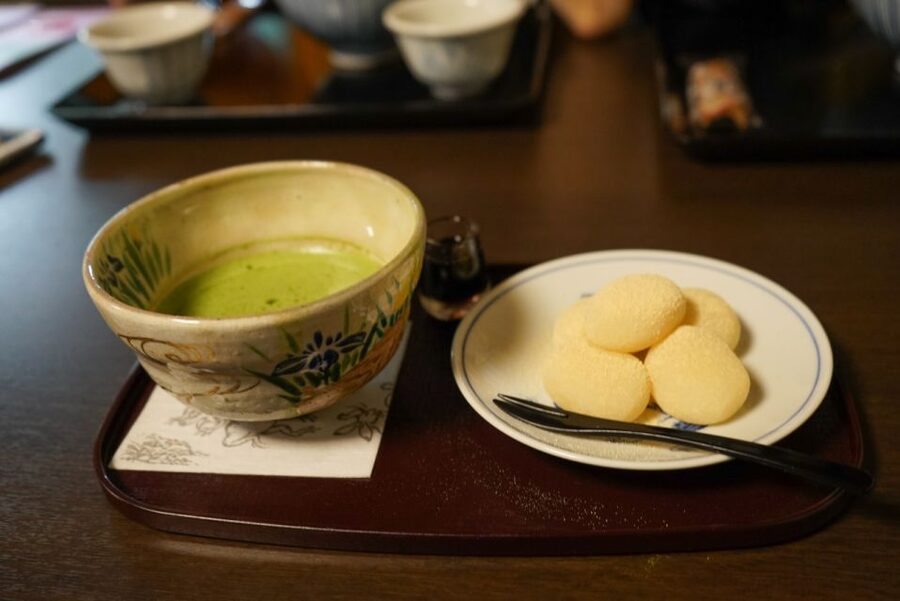
- A Kyoto lunch with soba, matcha, and mochi
- The final Kamo River ride and bicycle return
- What the $96 price covers
- Heat, weather, and the physical side of the tour
- Who will enjoy this Kyoto bike tour most
- Should you book it?
- FAQ
- How long does the Kyoto bike tour last?
- Where does the tour meet?
- What language is the tour offered in?
- How many people can join the tour?
- Is bicycle rental included?
- Is lunch included?
- Can I request a vegetarian or vegan meal?
- What sites does the tour visit?
- Is the tour suitable for beginner cyclists?
Key points to know before booking
- A small group of up to five makes it easier to ask questions and adjust the pace.
- Kennin-ji includes a Japanese rock garden, with 75 minutes set aside for the temple.
- Lunch is part of the tour, with soba, matcha, mochi, and vegetarian or vegan options available by advance request.
- The Kamo River ride is the calmest part, a pleasant way to see how local Kyoto life unfolds beside the water.
- The cycling is intended for ordinary riders, but you must be at least 150 centimeters tall and follow Japanese road rules.
- Guides such as Woohee, Tobu, and Karin have been praised for clear cultural explanations and personal help, though the guide for your date may be different.
Why a bike is a smart way to see Kyoto
Kyoto is large, with more than 1.4 million people, but its historic center can feel remarkably quiet. A bicycle lets you move through that contrast. You can cover more ground than on foot, avoid relying on public transport for every short hop, and see residential streets that are easy to miss from a train window.
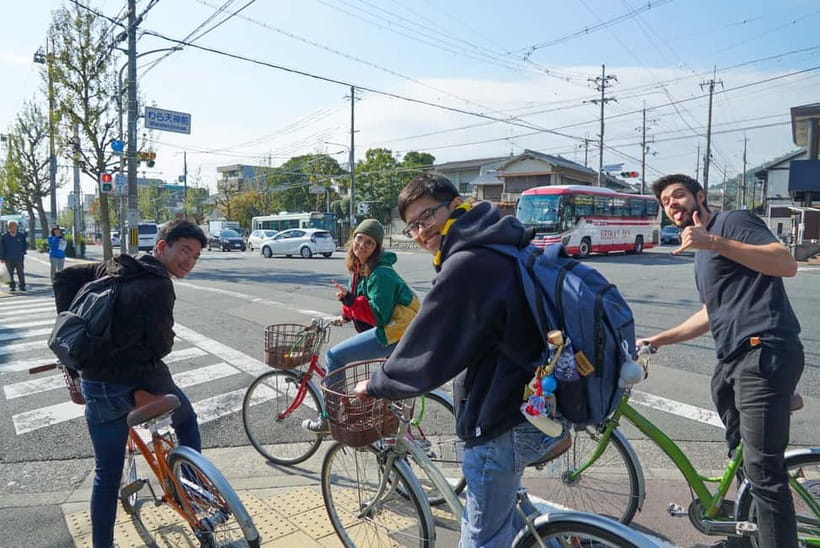
I especially like the balance here. You are not asked to cycle for four and a half hours without a break. The day includes temple visits, lunch, photo stops, and time to look around. The route is designed for people who can ride a bike but are not serious cyclists. One useful limit is that participants must be at least 150 centimeters tall.
The tour begins outside the Seven Eleven beside Hotel Via Inn Prime, in front of Exit Hachijo-guchi at Kyoto Station. Look for the guide holding a Magical Trip sign. This meeting point can be confusing because Kyoto Station is large, so arrive early and use the exit name carefully.
A few more Kyoto tours and experiences worth a look
Kamo River: a gentle start beside the water
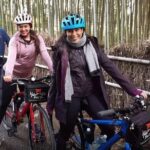
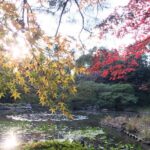
The first ride follows the Kamo River, with about 15 minutes set aside for a visit. This is a good opening because it gives you space to get used to the bicycle before the temple stops begin.
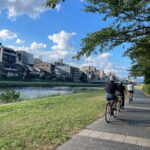
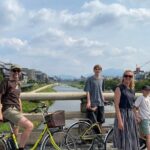
The riverbanks are one of Kyoto’s most local-feeling places. People come here to sit, walk, and enjoy the sun, and the route offers a quieter view of the city than the main shopping streets. The ride also helps you understand Kyoto’s layout. The river is a natural reference point, and cycling beside it feels relaxed rather than rushed.
Do not expect a long riverside excursion. The listed stop is brief, and the tour has several major sites to fit into 270 minutes. Still, this short section is valuable. It starts the morning at an easy pace and gives you a sense of Kyoto beyond its temples.
Gion and Kennin-ji: Zen, geisha culture, and a rock garden
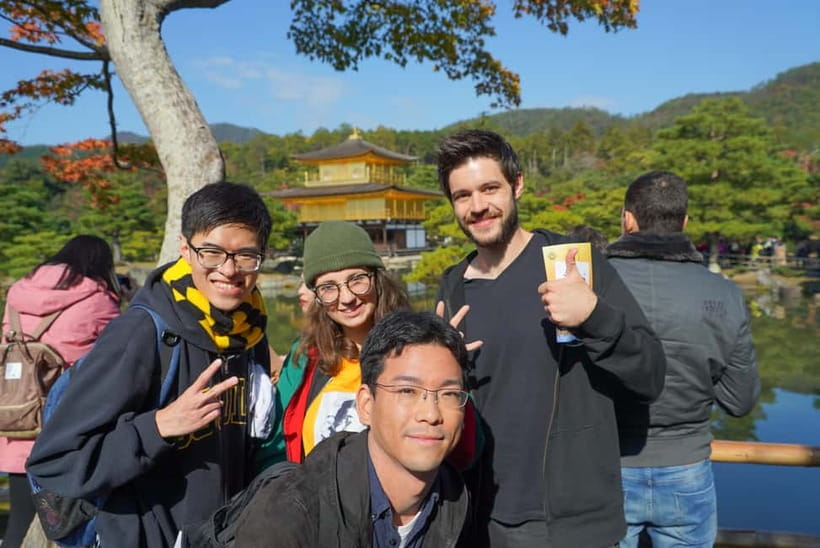
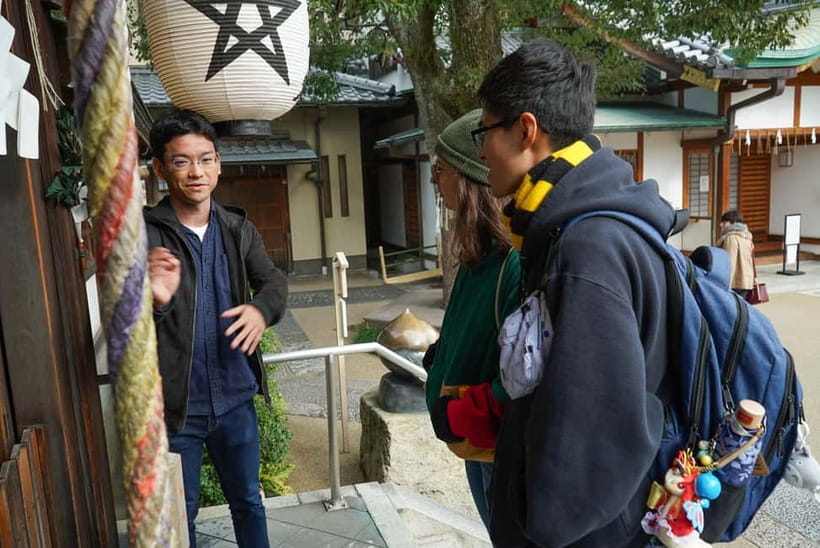
From the river, the route continues into Gion, one of Kyoto’s best-known historic districts. Your guide explains the area’s connection with geisha culture before taking you to Kennin-ji, a Zen temple in the Gion district.
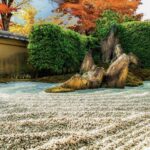
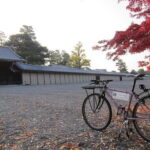
Kennin-ji receives about 75 minutes, making it one of the day’s main stops rather than a quick photo visit. The temple is a good place to slow down after cycling through city streets. You will learn about Zen culture and see a traditional Japanese rock garden, known as karesansui. Its carefully arranged stones and open gravel space invite quiet observation, even if you are new to Japanese temple design.
This is also where a good guide matters. Cultural details can be hard to pick up from signs alone. Guides including Woohee have been praised for explaining ideas in clear English, while Tobu has been noted for sharing useful information about Kyoto’s history, shrines, and religious traditions. Guide assignments can change, but the format gives you plenty of time to ask questions.
Kennin-ji does involve entering a religious site, so comfortable shoes are important. You should also expect to remove shoes in some traditional indoor areas when required. The temple admission is included, which makes the $96 price easier to assess.
Cycling through Kyoto’s quieter streets
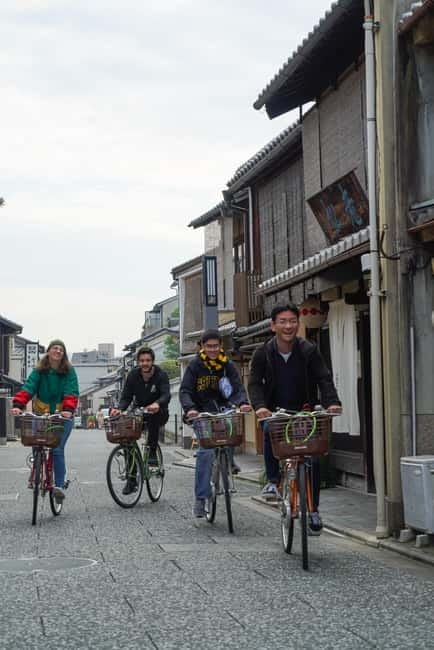
Between the major stops, the bike is doing more than saving your feet. You will pass through local streets and see the scale of Kyoto’s older districts at ground level. That can be more revealing than moving from one major entrance to another by taxi.
The route is not presented as a high-speed ride. You follow the guide, obey traffic rules, and stop before using a smartphone. Japanese law prohibits using a phone while cycling and cycling under the influence of alcohol. Headphones are not allowed, which is sensible here because you need to hear traffic and the guide.
One practical point is communication. A soft-spoken guide can be difficult to hear while riding on the road, especially when wind or traffic gets in the way. Stay close to the guide when safe, and ask for a repeat at stops rather than trying to listen while pedaling.
Nanzen-ji: a longer temple visit with room to look around
Nanzen-ji is given about 80 minutes, the longest stop on the route. Your guide discusses Zen and Kyoto’s earlier days, then points out photogenic parts of the temple grounds.
That time allocation is useful. Nanzen-ji is not treated as a quick backdrop for photographs. You have time to walk, look at the architecture, and take in the temple setting without immediately being called back to the bikes. The visit also follows Kennin-ji, so you can compare two Zen sites rather than hearing about Zen culture only in the abstract.
I would expect the guide to shape this part of the tour. Some people will want more religious and architectural context, while others will focus on pictures and atmosphere. A group of five allows for a more personal exchange than a large coach tour.
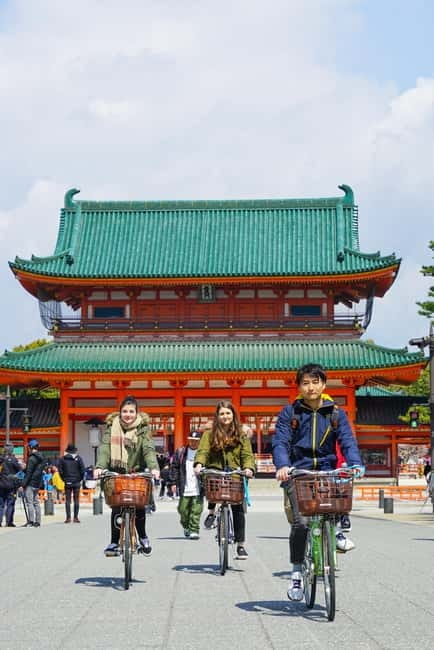
The route also includes Heian Shrine, with about 20 minutes for a visit. That is a shorter stop, but it adds variety after two Zen temples. Heian Shrine gives the day another view of Kyoto’s religious and civic identity, rather than repeating the same temple style throughout.
Other cycling tours in Kyoto
A Kyoto lunch with soba, matcha, and mochi
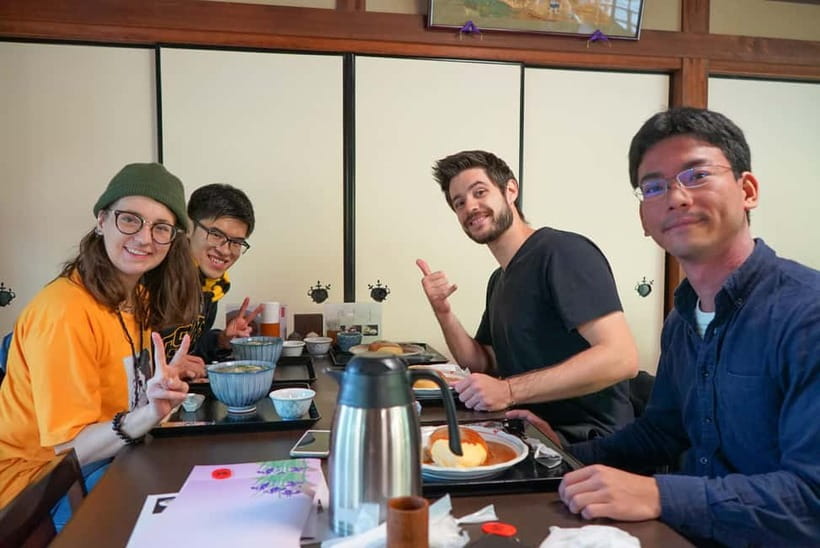
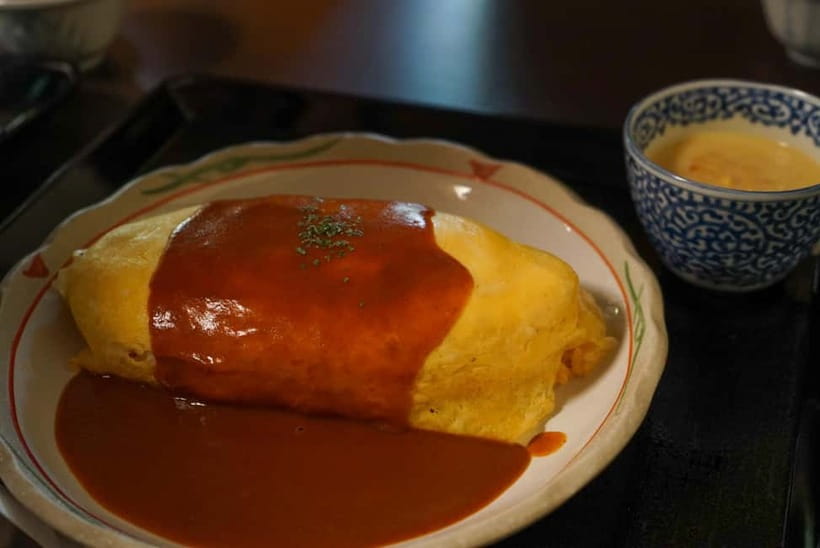
Lunch lasts about 45 minutes at a local restaurant or traditional Japanese house. This is one of the most appealing parts of the day because it turns lunch into a cultural stop, not just a practical break.
You can expect a selection of soba dishes, along with matcha and mochi desserts. The food provides a taste of familiar Kyoto staples in a setting intended to feel more traditional than a quick meal near the station. There is also a Japanese garden and a souvenir shop next door, where you can try Yatsuhashi, a well-known Japanese sweet associated with Kyoto.
Vegetarian and vegan meals can be requested, but there is an important limit: fish stock is still used. You need to tell the operator about dietary needs or allergies at least one day before the tour. Requests made on the day cannot be handled, and an allergy-free meal or exact substitution is not guaranteed because the food is prepared in kitchens outside the tour company’s control.
Drinks and extra food are not included. Bring money if you want something beyond the arranged meal.
The final Kamo River ride and bicycle return
After lunch and the temple visits, you return to the bicycle route for a relaxing ride along the Kamo River. This ending works well. You have already spent time learning about Kyoto’s temples and eating local food, so the river ride gives the day a quieter finish.
You may see local people enjoying the riverbanks and sunshine. It is a simple scene, but it helps connect the historic sites with daily life in modern Kyoto. The tour does not end at a grand monument. Instead, it finishes with a distinctly local stretch of the city.
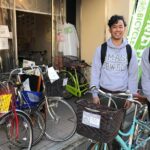
The final itinerary entry is the Kyoto Eco Trip flagship shop, with about 30 minutes for a guided visit. This is where the rental-bike portion is handled. Bikes, helmets, locks, and bodily injury liability insurance are included, so you do not need to arrange equipment separately.
What the $96 price covers
At $96 per person, this is not the cheapest way to see Kyoto. The value comes from combining several costs and services in one half-day outing:
- Bicycle rental
- Helmet and bike lock
- Bodily injury liability insurance
- English-speaking guide
- Tour photos
- Lunch
- Kennin-ji admission
The included lunch and temple entry matter most. A self-guided bike rental would cost less, but it would not give you the explanations, planned route, meal, or admission. If you already know Kyoto well and prefer to ride alone, the price may feel high. If you want help connecting Gion, Zen temples, Heian Shrine, and the river in one route, it is more reasonable.
The small group is another part of the value. With a maximum of five people, the guide can answer questions and offer suggestions for places to visit later. Karin, one guide who has led the tour, has been described as accommodating and helpful with personal questions. That kind of local advice can be useful when you have several days in Kyoto and want ideas beyond this route.
Heat, weather, and the physical side of the tour
Kyoto can be hot. One family completed the ride in weather around 30 degrees Celsius and still found the cycling manageable, but heat will affect how comfortable you feel. Wear light clothing, bring water, and use sunscreen. Comfortable shoes are required, and you should be ready to ride outdoors for part of the morning or afternoon.
The tour may be cancelled if weather conditions make cycling unsafe. You can cancel up to 24 hours ahead for a full refund, and the reserve-now-pay-later option lets you hold a place without paying immediately.
This is not suitable for wheelchair users, and the 150-centimeter minimum is firm. You also need enough confidence to ride on city streets while following the guide’s instructions. You do not need advanced cycling skills, but you should be comfortable starting, stopping, and steering around other road users.
Who will enjoy this Kyoto bike tour most
I would recommend this experience to first-time Kyoto visitors who want context, not just photographs. It is also a strong choice for families with teenagers. The cycling breaks up temple visits, and the river sections give younger participants something active to look forward to.
It suits you if you want:
- A half-day introduction to Kyoto’s historic districts
- A small group rather than a large guided party
- Temple explanations in English
- A traditional lunch included in the price
- An easy alternative to walking and public transport
- A route that mixes major sites with quieter streets
It may not suit you if you want a long, athletic ride, complete control over the route, or a fully private schedule. The itinerary is fixed enough to cover several stops, and the group must follow the guide’s timing. People with strict allergies should also consider the meal limits carefully.
Should you book it?
Book this tour if you want to see several sides of Kyoto in one well-organized half-day: Gion and geisha culture, Zen temples, a traditional meal, local streets, and the Kamo River. The strongest reasons are the small group, the included equipment and admission, and the guide-led explanations that make Kennin-ji and Nanzen-ji easier to understand.
Think twice if you dislike cycling in city traffic, struggle in hot weather, or need guaranteed allergy-free food. For most reasonably confident riders over 150 centimeters tall, this is a useful and enjoyable way to get your bearings in Kyoto while still leaving the rest of the day free.
FAQ
How long does the Kyoto bike tour last?
The tour lasts 270 minutes, or 4.5 hours.
Where does the tour meet?
Meet in front of the Seven Eleven outside Exit Hachijo-guchi at Kyoto Station, next to Hotel Via Inn Prime. The guide will hold a Magical Trip sign board.
What language is the tour offered in?
The tour is offered in English with a live guide.
How many people can join the tour?
It is a small-group tour limited to five participants.
Is bicycle rental included?
Yes. The bicycle, helmet, bike lock, and bodily injury liability insurance are included.
Is lunch included?
Yes. Lunch is included, with soba dishes and desserts such as matcha and mochi. Additional drinks and food cost extra.
Can I request a vegetarian or vegan meal?
Vegetarian and vegan options are available by advance request, but fish stock is still used. Send dietary requests or allergy information at least one day before the tour, and note that allergy-free meals and substitutions cannot be guaranteed.
What sites does the tour visit?
The route includes the Kamo River, Gion, Kennin-ji Temple, Nanzen-ji Temple, Heian Shrine, a local restaurant, and the Kyoto Eco Trip flagship shop.
Is the tour suitable for beginner cyclists?
The tour is intended for people who are not highly skilled cyclists, but you must be at least 150 centimeters tall and able to follow traffic rules and the guide’s instructions. Headphones are not allowed, and smartphone use is permitted only when the bicycle is stopped.
More Historical Tours in Kyoto
More Cycling Tours in Kyoto
More Kyoto Cycling Tours in Kyoto
More tours in Kyoto we've reviewed
Kyoto Cycling Tours, compared.
 ★ 5.0Bike Tour Exploring North Kyoto plus LunchFrom $106
 ★ 5.05 Top Highlights of Kyoto Full Day Bike Tour (E-bike option)From $172
 ★ 5.0E-Bike Tours of the highlights of Kyoto!!!From $109
 ★ 5.0Afternoon Kyoto Bike Tour: Bamboo Forest, Monkeys & Hidden SpotsFrom $106
 ★ 5.0South Kyoto in a Nutshell: Gentle Backstreet Bike Tour!From $79
 ★ 4.9Kyoto: City Secrets eBike TourFrom $1273h 45m
 ★ 5.0Pedal Adventure Kyoto’s iconic landmarks on an e-bike tourFrom $86
 ★ 4.9Kyoto: Hidden Gems E-Bike Tour with Local Japanese GuideFrom $753h 30m
Browse the lists this tour appears in