
Reviewed · KYOTO CYCLING TOURS
Kyoto Shogun Cycling Tour
Kyoto’s shogun-era story makes more sense when you travel through it by bicycle. This 3-hour-30-minute ride links the gold-covered Kinkakuji, quiet Toji-in Temple, and Nijo Castle, using an easy downhill route that keeps the effort manageable.
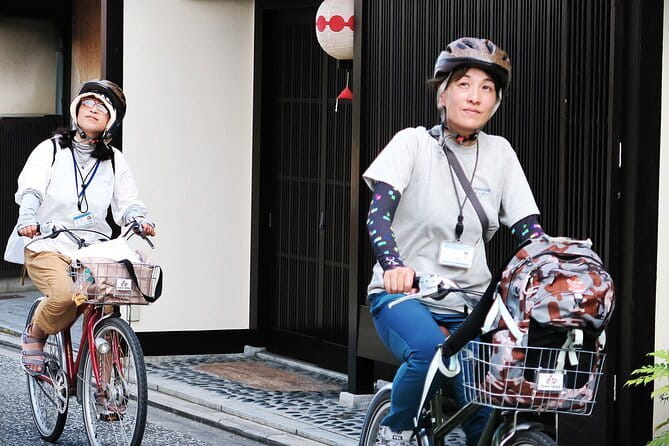
I like the small private-group format, capped at six people per guide, and the way admission, bicycle, helmet, and rainwear are included. I also like the range of guides, including Seiya, Makoto, Nozomi, and Yasunobu Yagyu, whose English, local knowledge, and friendly manner have helped make past rides especially enjoyable.
The main consideration is the fixed route and pace. You spend about an hour at each temple or castle, so this is not the right choice if you want long, unhurried visits or a full day at every site. The start and finish are also in different parts of Kyoto, so you need to plan your return trip.
In This Review
- Key points to know before you book
- Why cycling fits Kyoto’s shogun story
- Kinkakuji, where gold meets the Ashikaga past
- Toji-in Temple and the calm of wabi-sabi
- Nijo Castle and the end of shogun power
- What the guides add to the ride
- The bikes, timing, and road conditions
- Rain plans and Kyoto’s changeable weather
- Is $153.50 a fair price?
- Who should book this Kyoto cycling tour?
- The booking details worth checking
- Should you book it?
- FAQ
- How long does the Kyoto Shogun Cycling Tour last?
- Which places does the tour visit?
- Is admission included?
- Are bicycles and helmets provided?
- Does the tour operate in bad weather?
- How many people can join the private tour?
- Can children join the cycling tour?
- Is matcha included?
Key points to know before you book
- Three major sights in one ride: Visit Kinkakuji, Toji-in Temple, and Nijo Castle in a single morning or afternoon.
- An easy downhill route: The route is designed for broad participation, but you still need to ride safely on roads without help.
- A genuinely small group: Two to six people are accepted per guide, with another guide arranged for groups of seven to twelve.
- Strong guide element: Guides such as Seiya, Makoto, Nozomi, and Yasunobu Yagyu have been praised for clear English, warmth, and good local stories.
- Rain does not automatically cancel the ride: You can continue by bicycle with a free poncho or switch to a walking tour using public transport.
- The price includes the essentials: At $153.50 per person, admission, bicycle use, helmet, and rainwear are covered, but matcha service costs extra.
Why cycling fits Kyoto’s shogun story
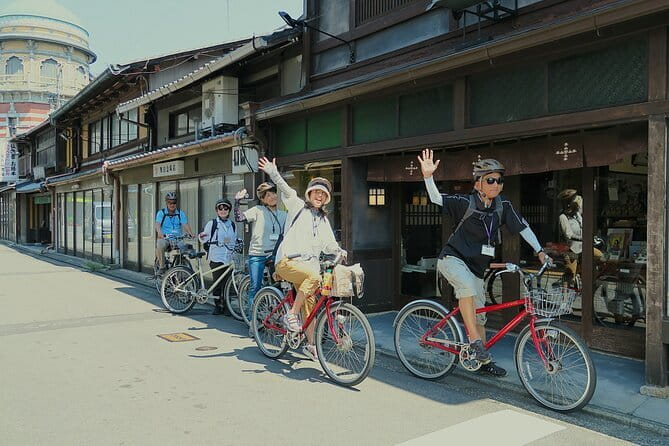
Kyoto can feel spread out when you move between temples by bus. A bicycle gives you a better sense of how the old city fits together. You pass from one historic district to another under your own power, with time to notice the quieter streets between the headline sights.
This tour is built around the Ashikaga and Tokugawa shoguns. Kinkakuji connects you with the Ashikaga period, Toji-in gives you a more restrained Zen setting, and Nijo Castle brings the Tokugawa era into view. The three stops are not simply three pretty places. Together, they show how military rulers shaped Kyoto, from polished authority to the closing chapter of shogun rule.
The route is described as easy and downhill, which is a useful detail for anyone who wants to cycle without turning the day into an athletic test. Still, you ride on public roads, and children must be at least 10 years old, at least 145 centimeters tall, and able to ride safely without help. That rule is sensible. You should feel fully comfortable controlling a bicycle before booking.
The private format gives the guide room to adjust explanations and keep the group together. A two-person booking feels especially personal. A group of six remains small enough for questions, though the ride will naturally feel less intimate than a one-on-one outing.
A few more Kyoto tours and experiences worth a look
Kinkakuji, where gold meets the Ashikaga past
The first stop is Kinkakuji, better known as the Golden Pavilion. The building’s gold exterior is the immediate visual hit, but the surrounding garden gives the visit its shape. You do not simply walk up, take a photograph, and leave. The paths let you view the pavilion from different angles while the guide explains its place in Kyoto’s political past.
The pavilion was once linked to the government of the Ashikaga shoguns, so this stop sets up the historical theme of the ride. It shows power presented through ceremony, architecture, and controlled beauty. The gold finish is not subtle, and that is part of the point.
You have about an hour here, with admission included. That is enough for a proper walk through the grounds, though Kinkakuji is a popular sight and can feel busy. The tour does not promise a quiet or private visit. You should expect the pavilion itself to draw attention, while the garden paths offer more room to slow down.
Your guide matters here. A good explanation can turn a famous photograph into a clearer picture of Ashikaga rule and Japanese aesthetics. Past guide feedback has highlighted Seiya’s English and ability to keep both adults and a 12-year-old engaged. That suggests this tour can work well for families, provided the child meets the cycling requirements.
Toji-in Temple and the calm of wabi-sabi
Toji-in changes the mood. After the polished display at Kinkakuji, you move into a quieter temple setting with a garden and a small tea house. The focus shifts from public power to contemplation, restraint, and the Japanese idea of wabi-sabi.
The tour includes entry and a guided look at the temple interior. You can expect the guide to explain how the spaces were used and to point out the details of the garden rather than simply marching you around the grounds. The temple hall is connected with Zen masters who once sat and considered the world from this kind of setting.
This is the stop where the tour’s pace may feel most rewarding. You have roughly an hour to look at the garden, sit with the atmosphere, and notice the contrast with Kinkakuji. If you prefer quiet historic places over famous photo stops, Toji-in may be your favorite part.
Matcha service is not included. That does not prevent you from visiting the temple or seeing the tea house, but you should not assume a tea presentation forms part of the standard price. If that experience matters to you, ask about the extra cost before the ride.
Nijo Castle and the end of shogun power
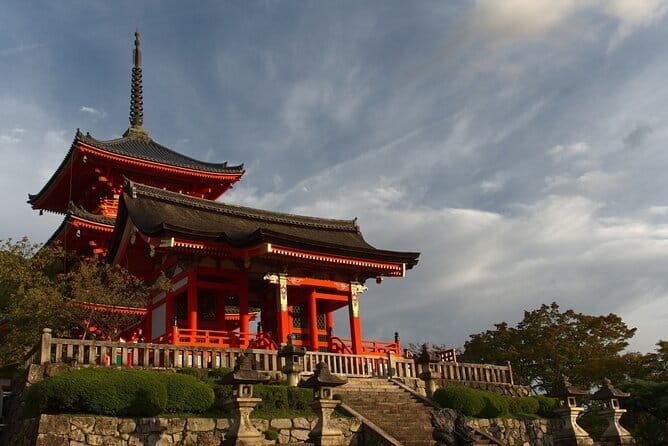
The final major stop is Nijo Castle, where the Tokugawa shoguns kept a residence in Kyoto. The castle’s importance is political as well as architectural. It was tied to events that marked the start of the end of the shogun era and the shift toward a new Japan.
You have about 90 minutes here, the longest stop on the route. That gives you time to take in the grounds, buildings, and ornamental carvings without treating the castle as a quick photo stop. The setting helps you understand the difference between a temple built for spiritual reflection and a castle built to project control.
A guide can add useful order to Nijo Castle. There is a lot to look at, and the buildings can blur together if you walk through alone. The best explanations connect the decorative details with the people and political events tied to the site.
The castle is also a strong finish because it brings the tour’s history forward. Kinkakuji shows Ashikaga authority at its most refined. Toji-in offers the quiet ideas behind Zen design. Nijo Castle shows Tokugawa power and the political changes that eventually ended the shogunate.
What the guides add to the ride
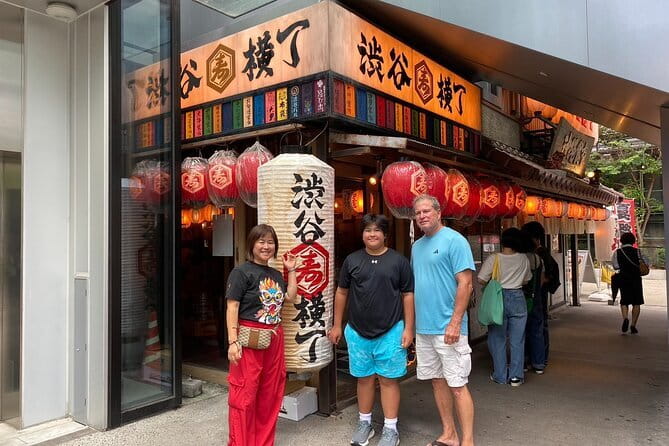
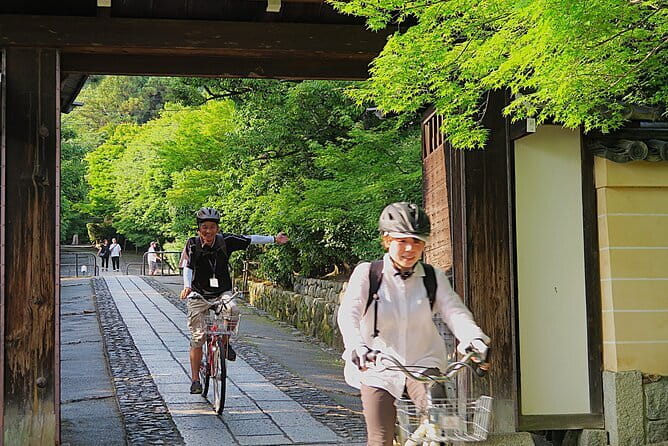
The guide is the part of this experience that can make it far better than simply renting a bicycle and visiting the same places independently. Guide names associated with past tours include Seiya, Makoto, Nozomi, Yasunobu Yagyu, Yutaka Kaneda, Kaz, and JJ. Your assigned guide may be different, but the range of feedback points to a guide-led experience with plenty of room for conversation.
English ability has been a repeated strength. That matters in Kyoto, where the history of a temple can be difficult to grasp from a short sign. A clear guide can explain the link between the Ashikaga and Tokugawa periods, describe the meaning of garden details, and answer questions as they come up.
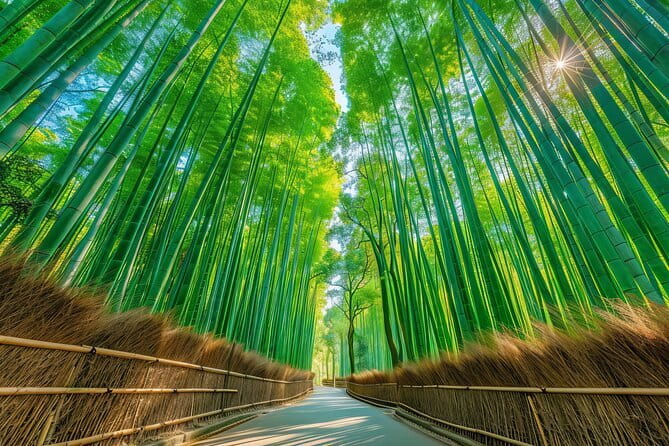
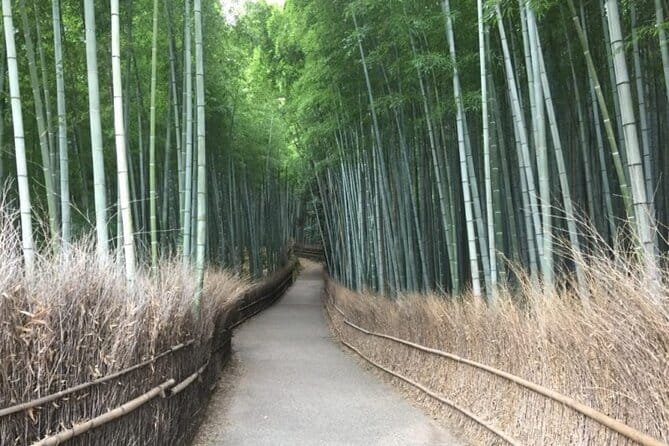
The guides have also been praised for warmth and humor. Makoto has been described as willing to spend extra time when a local festival appeared along the route. Nozomi has led rides through temples, Gion, and the Imperial Palace area. Other past rides have included riverside sections, geisha districts, and the bamboo forest, although you should not assume those places are part of this specific Shogun route.
That last point is important. Guide feedback describes several Kyoto cycling routes, not only this three-stop experience. Your tour is built around Kinkakuji, Toji-in, and Nijo Castle. Ask the operator if you have a particular district in mind, rather than assuming the route will include Gion, the Imperial Palace, or Arashiyama.
Other cycling tours in Kyoto
The bikes, timing, and road conditions
The tour lasts about three and a half hours, with approximately one hour at Kinkakuji, one hour at Toji-in, and 90 minutes at Nijo Castle. The timing gives you a focused introduction rather than an all-day cycling program.
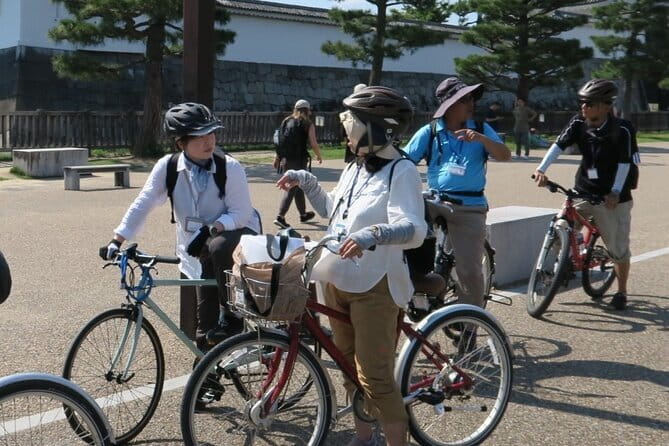
Bicycle use, helmet, and rainwear are included. The bikes have been described as easy to ride, but the information does not specify the bicycle model, gearing, basket space, or electric assistance. If you need a particular bike setup, ask before booking.
The easy downhill description is encouraging, but it should not be read as no-effort cycling. You still need road awareness and enough control to ride without assistance. Wear clothing that lets you pedal comfortably, and choose shoes that work for both cycling and walking around temple grounds.
The start is at Wara Tenjin mae in Kinugasa, Kita Ward. The finish is at the Kyoto Cycling Tour Project terminal near Kyoto Station. That one-way design is practical because it allows the route to flow across the city, but it also means you should not expect to return to the starting point for your belongings.
Plan your arrival carefully. The experience begins away from Kyoto Station and ends near the station, so the finish is convenient for onward travel. Public transport is nearby, but you should check your route to the starting point before the day begins.
Rain plans and Kyoto’s changeable weather
The ride operates in rain. You have two choices: continue on bicycles with a free rain poncho or change to a walking tour using buses or the metro, with the public transport fare included in the tour fee.
That flexibility is one of the better practical features. Kyoto rain can make cycling less pleasant, especially when you are also walking through temple grounds. On the other hand, a poncho can keep the plan moving if the weather is only lightly wet and you would rather avoid losing cycling time.
There is no promise that the weather choice will produce the same experience. A walking version changes the feel of the day and may affect how easily you move between places. If rain is likely, wear shoes suitable for wet pavement and ask the guide how the switch will work when you meet.
Hot weather is another consideration. Past cycling experiences in Kyoto have taken place in considerable heat, and a bike ride followed by three temple visits can feel tiring. Carry water and allow yourself to slow down when needed. The private format should make it easier to speak up if the pace needs adjusting.
Is $153.50 a fair price?
At $153.50 per person, this is not a cheap bicycle rental with a guide attached. You are paying for a private experience, three admissions, bicycle use, a helmet, rainwear, and a guide for about three and a half hours.
The value improves if you planned to visit all three sites anyway. Kinkakuji and Nijo Castle charge admission, and Toji-in is also included here, so you avoid arranging separate tickets and transport between each stop. You also gain a historical thread connecting the places.
The value is strongest for two to six people who want a private guide. A small group can ask questions, move at a sensible pace, and receive explanations suited to its interests. For a solo visitor, this option is not available because the minimum booking is two people.
The price is harder to justify if you are mainly looking for transportation. Kyoto’s buses and trains can move you around more cheaply, and independent visits cost less if you already know the sites well. This tour earns its price through the guide, the route design, and the ease of combining three admissions with bicycle travel.
Matcha service is extra, so budget for that separately if it is important to you. The tour’s core price is clear enough, but confirm any add-on before the day.
Who should book this Kyoto cycling tour?
I would recommend it to couples, families with older children, and small groups who want history without spending the whole day inside museums. It is especially useful early in a Kyoto visit because it gives you a sense of the city’s old power centers and several styles of Japanese design.
Families should pay close attention to the age and height rules. Children need to be at least 10 years old, at least 145 centimeters tall, and able to ride safely on the road without help. A confident young cyclist may enjoy the route, while a child who is still learning should not be pushed into it.
This tour also suits you if you prefer an active way to see Kyoto but do not want a demanding ride. The route is described as easy and downhill, and the ride is broken up by substantial sightseeing stops. You will still need energy for walking around Kinkakuji, Toji-in, and Nijo Castle.
I would choose another plan if your main goal is Arashiyama, the bamboo forest, Gion, or the Imperial Palace. Those places have appeared on other Kyoto cycling routes led by the same company, but they are not the three named stops for this experience.
The booking details worth checking
Confirmation is sent within 48 hours of booking, subject to availability. The tour requires at least two people and accepts up to six per guide. Groups of seven to twelve can arrange an additional guide.
The cancellation terms need careful attention because the supplied booking information gives two different statements. One section says you can receive a refund if you cancel at least three days before the tour date by 18:00 Japan time, while another says the experience is non-refundable and cannot be changed. Ask KCTP to confirm the exact rule before paying, especially since the non-refundable condition may apply to your booking.
If the minimum number is not met and the operator cancels, you are offered another date or experience, or a full refund. That protection applies to an operator cancellation, not necessarily to a change of your own plans.
Should you book it?
Book this tour if you want a compact, guide-led route through Kyoto’s shogun-era sights and like the idea of moving between temples by bicycle. The small group, included admissions, rain option, and strong record of friendly English-speaking guides make it a practical choice for a first or second Kyoto visit.
Skip it if you need a completely flexible schedule, dislike cycling on roads, or want to spend half a day at one temple. At $153.50, the tour makes sense when you value context and convenience, not when you are simply hunting for the lowest-cost way to see Kyoto.
FAQ
How long does the Kyoto Shogun Cycling Tour last?
The tour lasts approximately 3 hours and 30 minutes.
Which places does the tour visit?
The route includes Kinkakuji Temple, also called the Golden Pavilion, Toji-in Temple, and Nijo Castle.
Is admission included?
Yes. Admission tickets for Kinkakuji, Toji-in Temple, and Nijo Castle are included.
Are bicycles and helmets provided?
Yes. The tour includes bicycle use and a helmet. Rainwear is also included.
Does the tour operate in bad weather?
The tour operates in rain. You can continue by bicycle with a free rain poncho or switch to a walking tour using buses or the metro, with public transport included in the tour fee.
How many people can join the private tour?
A guide can accept a minimum of two and a maximum of six people. Groups of seven to twelve can arrange an additional guide.
Can children join the cycling tour?
Children must be at least 10 years old, at least 145 centimeters tall, and able to ride a bicycle safely on the road without assistance.
Is matcha included?
No. Matcha service is not included in the tour price.
More Cycling Tours in Kyoto
More Kyoto Cycling Tours in Kyoto
More tours in Kyoto we've reviewed
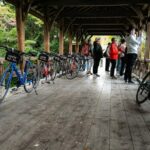
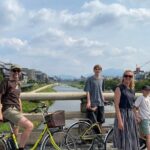
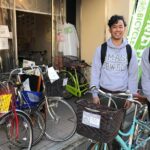
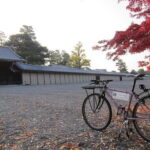
Kyoto Cycling Tours, compared.
 ★ 5.0Bike Tour Exploring North Kyoto plus LunchFrom $106
 ★ 5.05 Top Highlights of Kyoto Full Day Bike Tour (E-bike option)From $172
 ★ 5.0E-Bike Tours of the highlights of Kyoto!!!From $109
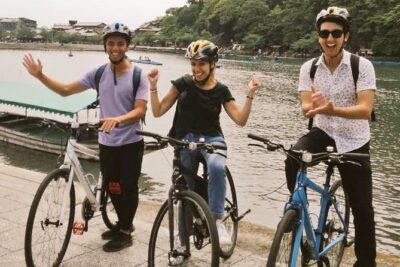 ★ 5.0Afternoon Kyoto Bike Tour: Bamboo Forest, Monkeys & Hidden SpotsFrom $106
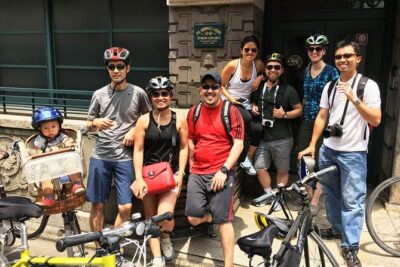 ★ 5.0South Kyoto in a Nutshell: Gentle Backstreet Bike Tour!From $79
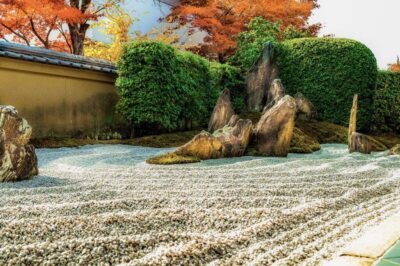 ★ 4.9Kyoto: City Secrets eBike TourFrom $1273h 45m
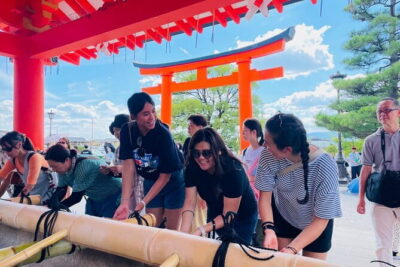 ★ 5.0Pedal Adventure Kyoto’s iconic landmarks on an e-bike tourFrom $86
 ★ 4.9Kyoto: Hidden Gems E-Bike Tour with Local Japanese GuideFrom $753h 30m
Browse the lists this tour appears in