

Reviewed · KYOTO CYCLING TOURS
Kyoto Satoyama Cycling with Lunch and English guide
The most memorable part of this five-hour tour is the way it moves beyond Kyoto’s famous city temples. You pedal into the nearby countryside, climb toward Kyoto Taishakuten’s 108 bells, and take part in a simple purification ritual by passing through a large ring. It is a fine change of pace from crowded central Kyoto.
I like the electric-assist bicycles, which make the hilly route manageable, and I like the personal touch from Maki, a guide born and raised in the area. A microphone built into the helmet lets you hear the guide while riding. The main consideration is physical: you still need moderate fitness, and the tour depends on good weather.
In This Review
- At a glance
- Why Kyoto’s countryside makes a good half-day escape
- Starting out with an electric bicycle and smart helmet
- Kyoto Taishakuten and the 108 bells
- Lunch at Kaeru no Oyado
- Wagashi at the Yatsuhashi Honpo store
- What the $97.55 price includes
- The pace, fitness level, and best season
- Who will get the most from this ride
- Practical details before you book
- Should you book Kyoto Satoyama Cycling?
- FAQ
- How long does the Kyoto Satoyama Cycling tour last?
- Where does the tour start and finish?
- Is lunch included?
- Are bicycles provided?
- Is the tour private?
- What fitness level is required?
- Can I cancel for a full refund?
- What happens if bad weather cancels the tour?
At a glance
- Ring 108 bells at Kyoto Taishakuten: Strike the bells one by one while offering prayers on the mountain path.
- Ride with local guide Maki: The guide uses a smart helmet microphone so you can talk and listen during the ride.
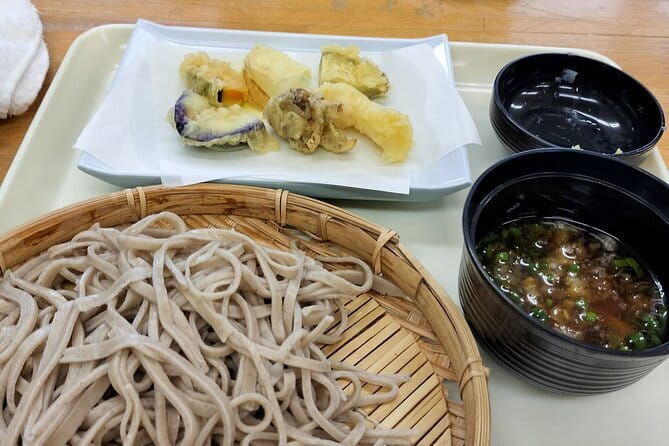
- Eat in a renovated old folk house: Lunch at Kaeru no Oyado features homemade Japanese food made with local ingredients.
- Try traditional wagashi: At the Yatsuhashi Honpo Shinkōetsu Village store, you can make Japanese sweets or buy them as gifts.
- Enjoy a private outing: Only your own group takes part, which makes the pace and conversation more personal.
- Pay about $97.55 for five hours: Lunch, drinks, bottled water, and bicycle use are included.
Why Kyoto’s countryside makes a good half-day escape
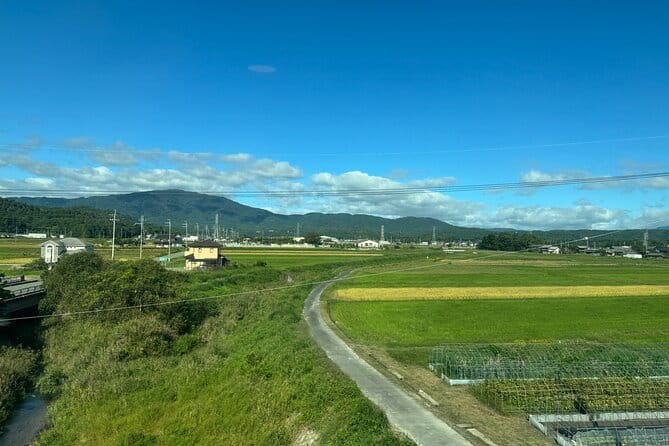
Kyoto is famous for temples, gardens, and narrow lanes, but the city’s surrounding prefecture offers a different view of Japanese life. This route takes you through the Satoyama, the rural zone where villages, rivers, wooded hills, farms, and traditional buildings meet.
You are not spending five hours on a demanding athletic ride. The electric-assist bicycle does much of the hard work on uphill sections, and the tour is designed around several stops. Still, cycling gives you a closer sense of the area than looking through a train window. You can feel the air change, see the river from the road, and talk with the guide as the route unfolds.
The tour begins and ends at Sonobecho Oyama Higashimachi in Nantan, Kyoto, postal code 622-0041. The activity runs from 10 a.m. to 3 p.m., every day during the listed operating period from January 31, 2025, through December 8, 2026. Since the meeting point is near public transportation, it may be easier to reach than a remote mountain activity, though you should still check your route before booking.
This is a private activity, not a large group ride. That matters if you want to stop for questions, need a little extra time at the temple, or are cycling with family. It also means you are paying for a more personal outing rather than a bare bicycle rental.
A few more Kyoto Prefecture tours and experiences worth a look

Starting out with an electric bicycle and smart helmet
The cycling begins with the use of an electric-assist bicycle and helmet. For first-time cyclists, this is one of the strongest reasons to consider the tour. Several participants had never taken a cycling tour before, and the guide’s clear explanation helped them get started with confidence.
An electric bicycle does not remove all effort. You still steer, pedal, brake, and manage the bike on roads and hills. It does, however, reduce the strain of climbs. That is especially useful in a rural area where the route is not flat from start to finish.
The helmet includes a built-in microphone. Maki can explain what you are seeing without forcing you to stop each time, and you can talk while riding. This is a small but clever feature. A normal cycling tour can become quiet once the group spreads out, but the audio setup keeps the ride social and lets you hear local stories along the way.
You should be comfortable on a bicycle before booking. The stated requirement is moderate physical fitness, so this is not the right pick if you want a completely passive sightseeing day. The electric support helps, but the tour still involves several hours of movement.
Kyoto Taishakuten and the 108 bells
The first major stop is Kyoto Taishakuten, a temple in the hills outside Kyoto City. Reaching it involves an uphill mountain path, which gives the electric bicycle a useful early test.
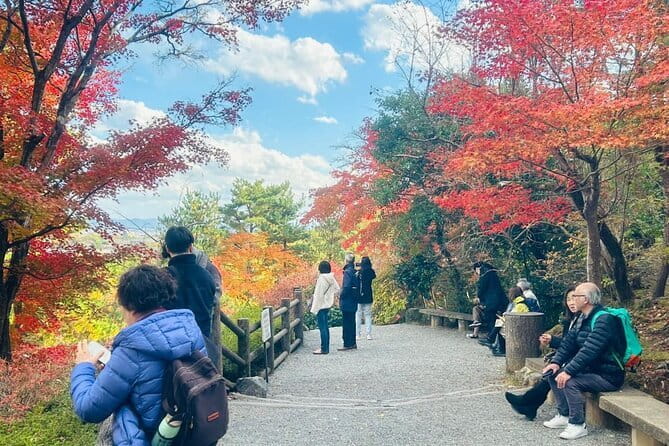
The temple’s central experience is the row of 108 bells. You strike them one at a time and offer a prayer with each sound. In Buddhist tradition, the number 108 is linked to human earthly desires, so the act has a reflective quality. You are not simply looking at an old building and taking a photograph. You take part in a small ritual.
Before reaching the temple, you pass through a large ring for purification. That detail gives the stop a clear rhythm: ride uphill, enter the temple setting, pass through the ring, then sound the bells. It is easy to understand and engaging even if you do not know much about Japanese religious practice.
The temple visit takes about two hours, including the ride and time at the site. That is a substantial share of a five-hour tour, so you should book this experience for the temple ritual as much as for the cycling. If you prefer a nonstop ride with little time off the bike, this pace may feel slow.
I also like that the temple is outside the usual central Kyoto circuit. You get a quieter setting and a stronger sense of the hills around the city. The experience is not presented as a major sightseeing landmark with a long list of monuments. Its appeal is the act of visiting, ringing the bells, and enjoying the route that leads there.
Lunch at Kaeru no Oyado
After the temple, the tour heads to the old folk house restaurant Kaeru no Oyado. The building has been renovated into a fusion-style restaurant while keeping the character of a traditional Japanese home.
Lunch is included, along with bottled mineral water and drinks for the meal. The food is homemade Japanese cuisine made with local ingredients. That is a useful contrast to the polished restaurant choices found in central Kyoto. Here, the setting and the meal are tied to the rural area you have just cycled through.
The stop lasts about an hour and a half. You have time to sit down properly, eat, and recover from the ride instead of grabbing something quickly between attractions. For a half-day bicycle outing, that pause matters. It breaks up the physical part of the tour and gives you a chance to talk with Maki and the rest of your private group.
The menu is not specified, so you should not book this expecting a particular dish. Personal expenses are not included, although lunch and the listed drinks are. If you have food allergies or strict dietary needs, confirm what can be provided before booking rather than assuming the meal can be changed.
The restaurant is also a good fit for families. The setting feels more connected to daily Japanese life than a formal city dining room, and the pace leaves room for conversation. For some people, this meal will be as memorable as the temple.
Wagashi at the Yatsuhashi Honpo store
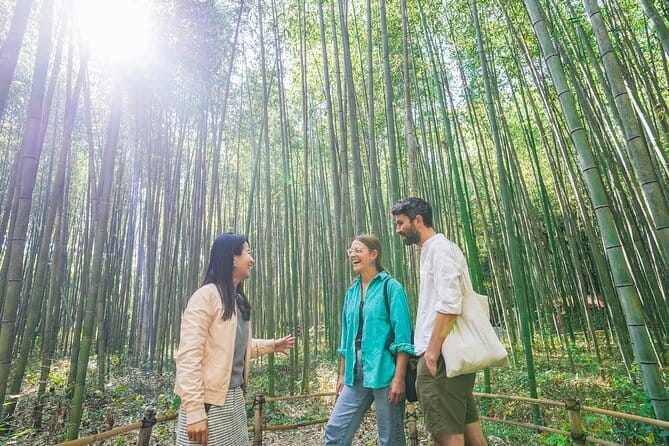
The final part of the outing takes place around Sonobe Park and the Yatsuhashi Honpo Shinkōetsu Village store. This is a factory specializing in traditional Japanese sweets.
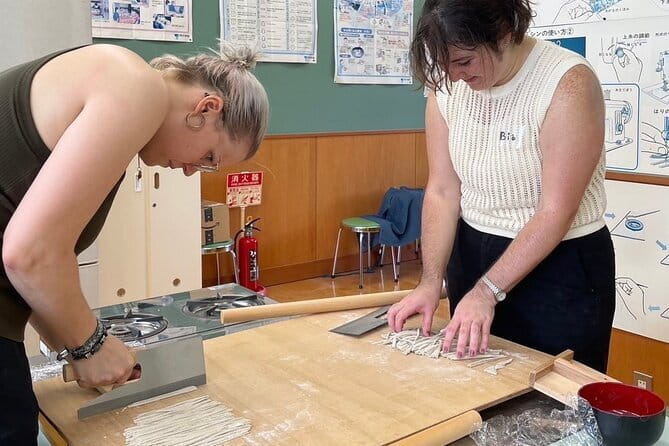
You can choose to experience making wagashi or simply purchase sweets as souvenirs. That choice gives the stop some flexibility. If you enjoy hands-on activities, making wagashi adds another cultural activity to the day. If you are tired from cycling or mainly want edible gifts, shopping is the simpler option.
Wagashi are not just snacks. Their shapes, colors, and seasonal presentation often reflect Japanese aesthetics, and preparing them gives you a more direct connection to a familiar part of local food culture. The information provided does not specify the exact sweet-making format, so expect an introduction rather than a long professional class.
This stop is listed as about an hour and a half. That seems generous for a store visit alone, but it makes sense if you choose the making activity, spend time shopping, and enjoy the park area. You should ask the guide about the day’s exact timing if you have a tight onward connection.
Shopping here also gives the tour a practical finish. Instead of ending with a quick ride back, you have a chance to take home something linked to the area. Sweets are easy to carry, and the factory setting adds interest beyond a standard souvenir shop.
What the $97.55 price includes
At about $97.55 per person, this is not the cheapest way to rent a bicycle in Kyoto. That comparison, however, misses what you are buying. The price covers a five-hour private experience, bicycle use, an English guide, lunch, bottled water, and drinks at lunchtime.
The strongest value comes from combining several separate activities in one outing. You get rural cycling, a temple visit, a religious ritual, a seated meal, and a wagashi stop without having to arrange each part yourself. For a private group, the price can also make more sense than it first appears, especially if you value a guide who can adjust conversation and explanations to your interests.
The tour also avoids the feel of a generic city excursion. Maki’s local connection is important here. The guide was born and raised in the area and can explain the surroundings from personal knowledge rather than offering only prepared facts.
Group discounts are available, though the amount is not stated. If you are traveling with family or friends, check the total group price before deciding. The value is strongest for people who want an organized day with food and a guide. It is weaker for confident cyclists who only want a bicycle and a self-guided route.
The pace, fitness level, and best season
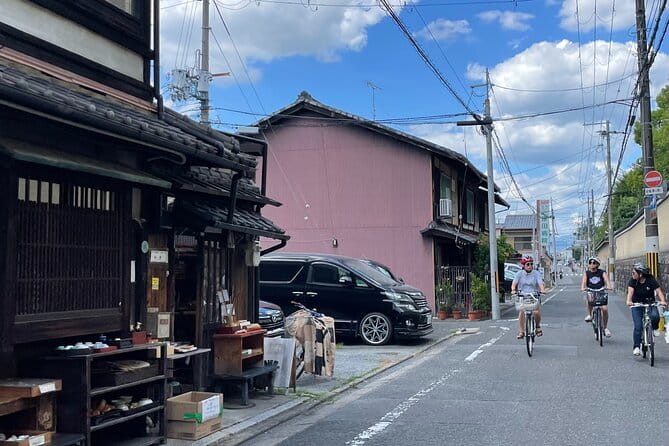
The tour runs for approximately five hours, from 10 a.m. to 3 p.m. That makes it a substantial half-day activity. You should allow enough time before and after it, especially if your plans involve a separate reservation in central Kyoto.
The route includes hills, but electric assistance helps. A moderate fitness level is required, and you should be prepared to ride for part of the day, get on and off the bicycle, and walk around the temple and other stops.
The experience can look very different by season. Spring may bring cherry blossoms, while early summer offers fresh green growth. Autumn is likely to bring color to the hills. The guide has specifically noted the appeal of both new greenery and fall foliage, and the cycling format lets you see more seasonal change than a short walk around one temple.
The tour requires good weather. If poor weather forces cancellation, you are offered another date or a full refund. You can cancel for a full refund up to 24 hours before the start time. Cancellations or changes made less than 24 hours before the start are not accepted for a refund.
Because the activity runs outdoors, check the forecast and wear clothing suitable for cycling. The provided information does not specify a clothing list, so use practical judgment: comfortable clothes, shoes suited to pedaling and walking, and protection from the day’s conditions.
Who will get the most from this ride
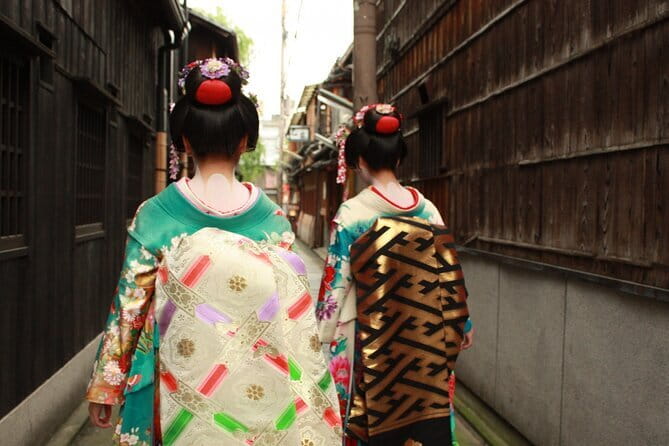
I would recommend this tour to families, couples, and small private groups who want to see a rural side of Kyoto without planning the route themselves. It is especially useful if you are curious about Japanese food and customs but do not want a full-day trip far from the city.
First-time cyclists can also consider it, thanks to the electric-assist bicycles, clear instructions, and helmet communication system. You should still be honest about your comfort level. Being new to cycling is manageable; being unable to ride for several hours is a different matter.
The tour is less suited to serious cyclists seeking speed or a long-distance workout. The schedule gives a lot of time to the temple, lunch, and sweets stop, so the bicycle is a way to connect the sites rather than the main sporting challenge.
It is also not ideal if you need a completely fixed, minute-by-minute schedule. The outing includes several moving parts, and the exact time spent making wagashi or shopping may depend on your preferences. The private format should help, but the end time remains listed as approximately 3 p.m.
Practical details before you book
The meeting and return point is Sonobecho Oyama Higashimachi in Nantan, Kyoto. The tour ends at the same place. Confirm the transport connection from your accommodation, since being near public transportation does not mean the meeting point is in central Kyoto.
The activity is offered Monday through Sunday during its operating period. Confirmation is sent at booking, and mobile tickets are available. The tour provider is Kyoto Satoyama cycling tour.
Lunch, bottled mineral water, and lunchtime drinks are included. Personal expenses are not, so budget separately for extra purchases at the sweets store or roadside shop.
The itinerary also includes shopping at a Michino-eki store, a roadside market-style stop. The supplied schedule places the wagashi experience around Sonobe Park, so the exact order or length of the shopping portion may vary. Think of it as a chance to browse local goods rather than a guaranteed major market visit.
Should you book Kyoto Satoyama Cycling?
Book this tour if you want a personal countryside day with food and local culture, not just a bicycle ride. The 108 bells, purification ring, old house lunch, and wagashi option give the outing a clear sense of place.
The electric bicycle and smart helmet make the ride friendlier to beginners, while the private format suits families and small groups. The main caution is the moderate fitness requirement and the outdoor schedule. You also need to reach the Nantan meeting point and accept that the experience depends on fair weather.
For a visitor who has already seen central Kyoto and wants a quieter half-day nearby, the $97.55 price is reasonable because it bundles transport by bicycle, guiding, lunch, and activities. If you only want a cheap ride, choose a rental instead. If you want an easy-to-follow route with a local guide, a meaningful temple visit, and a meal in a traditional home, this is a strong choice.
FAQ
How long does the Kyoto Satoyama Cycling tour last?
The activity lasts approximately five hours, from 10 a.m. to 3 p.m.
Where does the tour start and finish?
It starts at Sonobecho Oyama Higashimachi, Nantan, Kyoto 622-0041, Japan, and ends back at the same meeting point.
Is lunch included?
Yes. Lunch, bottled mineral water, and drinks for lunchtime are included.
Are bicycles provided?
Yes. Use of a bicycle is included in the tour price.
Is the tour private?
Yes. Only your own group participates in this activity.
What fitness level is required?
A moderate level of physical fitness is required. The tour uses electric-assist bicycles, but you still need to cycle and take part in walking activities at the stops.
Can I cancel for a full refund?
Yes. You can cancel at least 24 hours before the experience start time for a full refund. Cancellations or changes made less than 24 hours before the start are not refunded or accepted.
What happens if bad weather cancels the tour?
If the activity is canceled because of poor weather, you can choose a different date or receive a full refund.
More Cycling Tours in Kyoto Prefecture
More Rides with Lunch in Kyoto Prefecture
More Kyoto Cycling Tours in Kyoto Prefecture
More tours in Kyoto Prefecture we've reviewed
Kyoto Cycling Tours, compared.
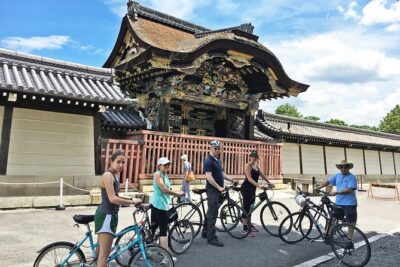 ★ 5.0Bike Tour Exploring North Kyoto plus LunchFrom $106
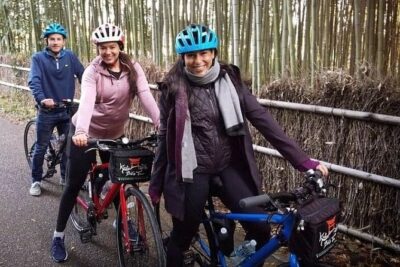 ★ 5.05 Top Highlights of Kyoto Full Day Bike Tour (E-bike option)From $172
 ★ 5.0E-Bike Tours of the highlights of Kyoto!!!From $109
 ★ 5.0Afternoon Kyoto Bike Tour: Bamboo Forest, Monkeys & Hidden SpotsFrom $106
 ★ 5.0South Kyoto in a Nutshell: Gentle Backstreet Bike Tour!From $79
 ★ 4.9Kyoto: City Secrets eBike TourFrom $1273h 45m
 ★ 5.0Pedal Adventure Kyoto’s iconic landmarks on an e-bike tourFrom $86
 ★ 4.9Kyoto: Hidden Gems E-Bike Tour with Local Japanese GuideFrom $753h 30m
Browse the lists this tour appears in