
Reviewed · HIROSHIMA CYCLING TOURS
Hiroshima: Peace Cycling Tour with Local Guide
Hiroshima’s story becomes easier to grasp when you ride beyond the Peace Memorial Park. This small-group tour follows the bombing’s path through parks, bridges, railway sites, hospitals, and ordinary neighborhoods, showing how a ruined city became green and livable again.
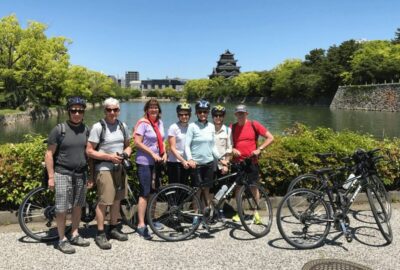
I like the comfortable electric bicycles, which let you cover more ground without turning the tour into a fitness test. I also like the local guides, including Shin, Kana, Moe, and others, who add family stories and a strong message of hope. The main drawback is that the bikes are not suitable for anyone under 145 cm unless a limited child bicycle or seat is arranged in advance.
In This Review
- Key points
- Why cycling gives Hiroshima a clearer story
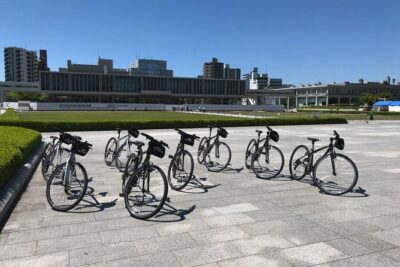
- Meeting at the Peace Park Rest House
- The two-hour route: a focused look at the Peace Park
- The three-hour route: a wider circuit of memory
- What the guides add to the tour
- Electric bikes, pace, and comfort
- The emotional tone: serious, but not bleak
- Is the $52 price good value?
- Who should book this Hiroshima bike tour?
- Final verdict: book it for context, not just transport
- FAQ
- How long is the Hiroshima Peace Cycling Tour?
- What is included in the price?
- Where does the tour meet?
- What language is the tour conducted in?
- How many people can join the tour?
- Do I need to be an experienced cyclist?
- What height is required for an adult electric bicycle?
- Are bicycles available for children?
- Can an infant join the tour?
- What should I bring?
- Can I cancel the booking?
Key points
- See Hiroshima beyond the Atomic Bomb Dome: Ride into less-touristed areas where the damage and rebuilding story becomes more physical and easier to understand.
- Hear local family stories: Guides such as Shin and Kana connect the city’s past with stories passed through parents and grandparents.
- Use an easy electric bicycle: The route covers modest distances, so you can enjoy the ride even if you are not especially fit.
- Choose two or three hours: The shorter route focuses on the Peace Park and nearby A-bomb sites, while the longer route adds Hiroshima Castle, bridges, parks, a hospital, and more.
- Travel in a small group: The maximum is 10 people, with the pace adjusted when children or less confident cyclists are present.
- Leave with more than photographs: The tour explains how Hiroshima remembers August 6, 1945, while also showing the city’s recovery and daily life.
Why cycling gives Hiroshima a clearer story
The Peace Memorial Park is essential, but it can also feel self-contained. You see the Atomic Bomb Dome, memorials, the river, and the museum area, then it is easy to move on without grasping how widely the destruction spread.
This bicycle tour helps connect those points. The area within roughly 2.5 kilometers of the hypocenter suffered severe damage, and the route takes you through several places linked to that destruction. You are not only looking at monuments. You are passing streets, bridges, parks, railway lines, and working parts of Hiroshima that carry traces of what happened.
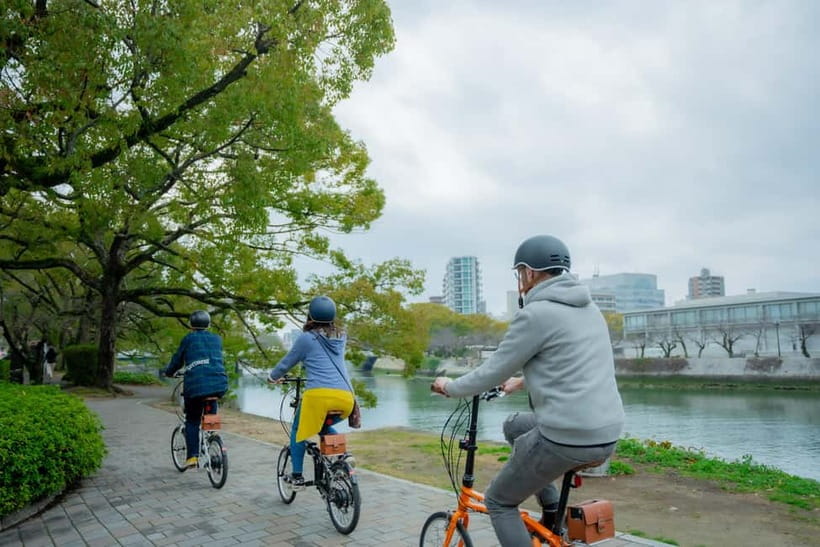
I like this approach because the city’s recovery is visible as you ride. Hiroshima today is full of trees and open spaces, yet the guide keeps bringing you back to the fact that much of this city had to be rebuilt after the bombing. The contrast is powerful without requiring a long lecture.
The tour is conducted in English and limited to 10 participants. That matters here. Hiroshima’s story calls for questions, pauses, and careful explanations, and a small group makes that easier than a large coach tour.
A few more Hiroshima tours and experiences worth a look
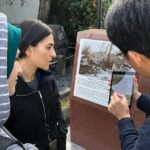
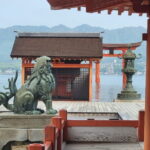
Meeting at the Peace Park Rest House
The meeting point is the Rest House in Hiroshima Peace Park. From Hiroshima Station, take the Hiroshima Electric Railway tram to Atomic Bomb Dome Station. The ride takes about 20 minutes, followed by a walk of roughly five minutes.
Build in extra time. If you arrive late without contacting the operator, the tour can be cancelled and the same-day fee is non-refundable. The starting point is central, but Hiroshima Station and the Peace Park are not next door to each other.
The tour usually runs at several start times. The two-hour version begins at 11:00 or 15:00, while the three-hour version begins at 10:00 or 14:00. Exact times can change on the day, so check the available departure when booking.
The two-hour route: a focused look at the Peace Park
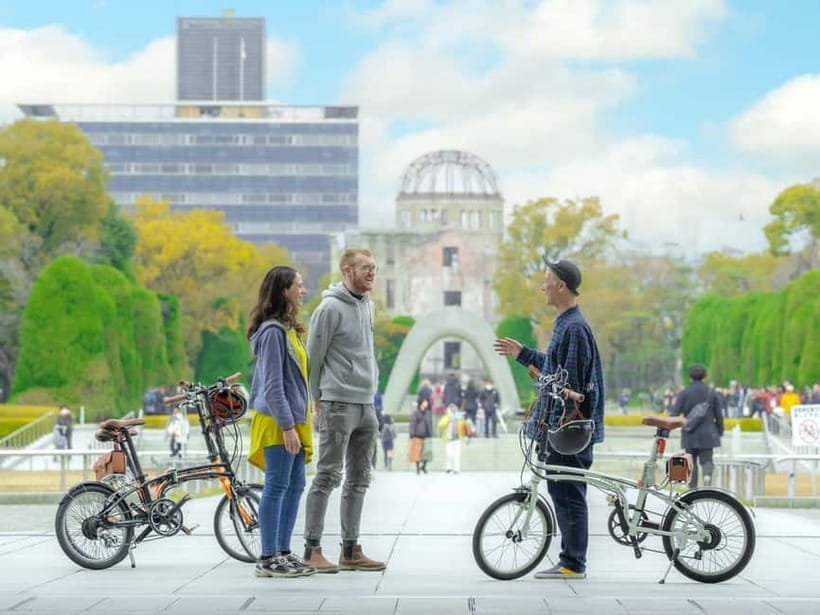
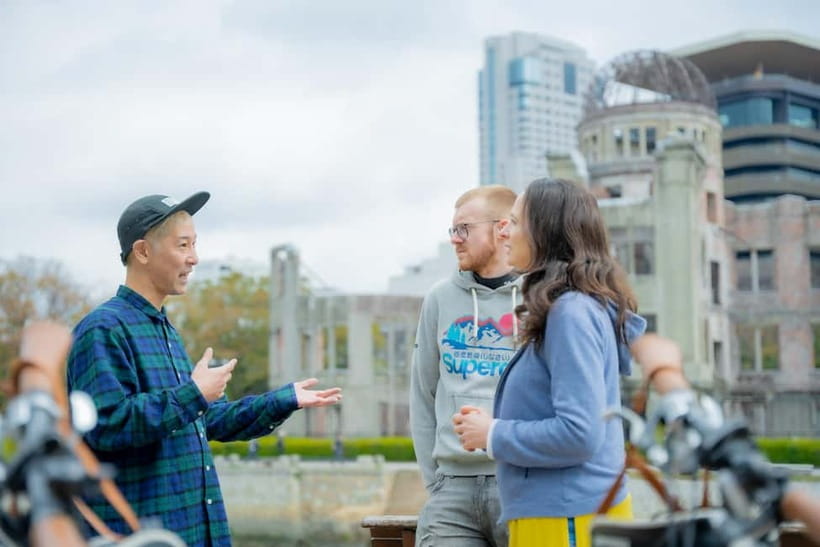
The shorter course begins inside the Peace Memorial Park. Your guide explains what the park represents, then introduces the memories connected with its monuments and the Atomic Bomb Dome.
This opening is valuable because the park can otherwise feel like a series of solemn structures without a clear map. The guide gives the sites a human and local frame, explaining what happened around August 6, 1945, and how people in Hiroshima have viewed the park over the decades.
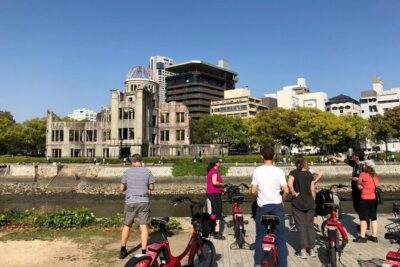
The Atomic Bomb Dome is the best-known sight in the city, but the bicycle format helps you avoid treating it as a quick photo stop. You have time to understand its place within the wider area and to ask questions before moving on.
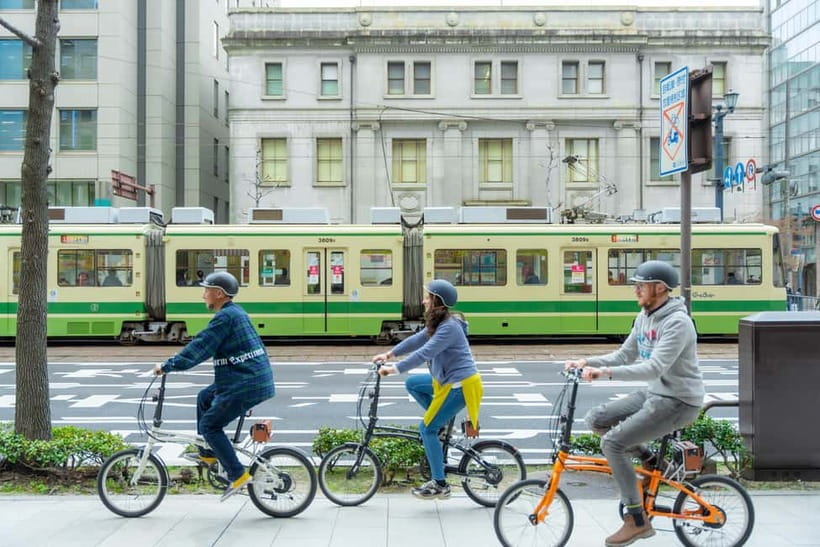
Around noon, the route heads away from the most touristic section. One memorable feature is the surviving A-bombed streetcar, a tram that was running at the time of the bombing and still operates today. Seeing a functioning part of Hiroshima’s transport system connected to that event gives the past an unusually direct link to the present.
The guide then points out additional A-bomb heritage sites and local streets. You see a Hiroshima that is not arranged only for visitors. That shift is one of the strongest reasons to choose the two-hour tour instead of spending all your time around the central memorials.
The shorter course finishes back at the meeting point at about 13:00 or 17:00. It works well if you have only one day in Hiroshima, want a guided introduction before visiting the museum, or need time afterward for other sights.
The three-hour route: a wider circuit of memory
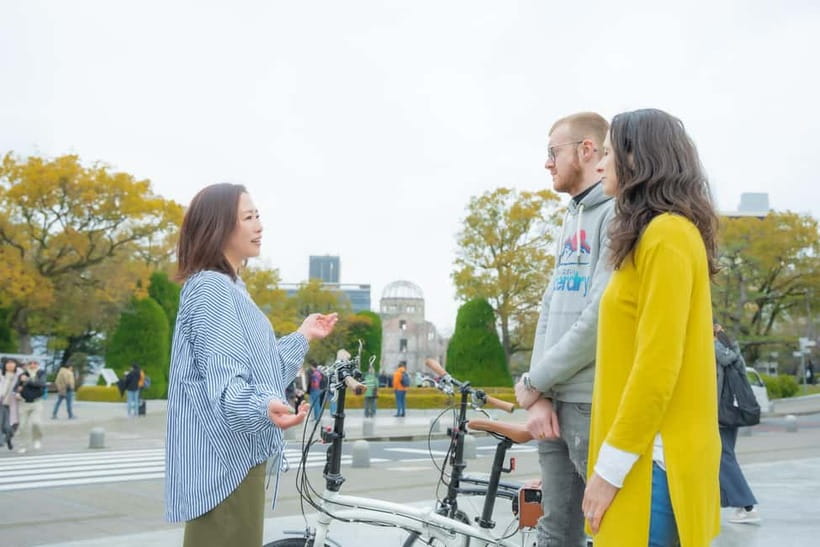
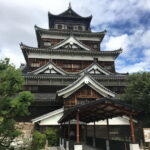
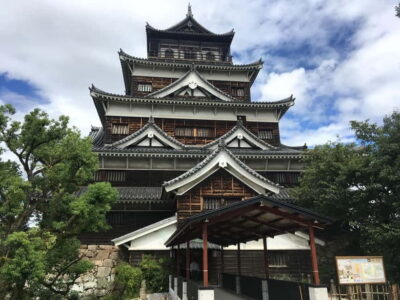
The longer route begins at Hiroshima Castle. From there, the ride moves through Hiroshima Gokoku Shrine and its shrine gate before reaching Hiroshima Central Park.
These early stops show the city in a broader setting before the route turns directly toward the bombing sites. Hiroshima Castle and the shrine area add useful context to the city’s identity, while Central Park gives you a sense of the open, green spaces that now shape central Hiroshima.
At Aioi Bridge, the tour approaches the core memorial area. The Atomic Bomb Dome follows shortly afterward, along with the Motoyasu River and the Peace Bridge. These are not random scenic stops. The rivers and bridges help you understand the geography of the central city and how close many important sites are to one another.
The route then continues to Higashisenda Park and the Hiroshima Red Cross Hospital. The hospital is especially important for understanding the medical impact of the bombing and the work required after the city was devastated. It is a more grounded stop than a monument alone, linking the story to injury, treatment, and the practical struggle to keep people alive.
At about the two-hour mark, the tour reaches Hiroshima Railway. The itinerary also includes the original 653 tram, a detail that railway enthusiasts and families may particularly enjoy. It is another reminder that Hiroshima’s transport network is part of the city’s memory, not just a way to get around.
The ride continues over Miyuki Bridge and along the Kobayashi River. You then see a surviving weeping willow tree, one of the natural reminders connected with the bombing. Trees and greenery can seem surprising in Hiroshima today, so these stops help explain the difference between the destroyed city of 1945 and the city you see now.
The final section follows Peace Boulevard before returning to the meeting point at about 13:00 or 17:00. The three-hour course gives you a more complete circuit and a better feel for the city outside the main park.
What the guides add to the tour
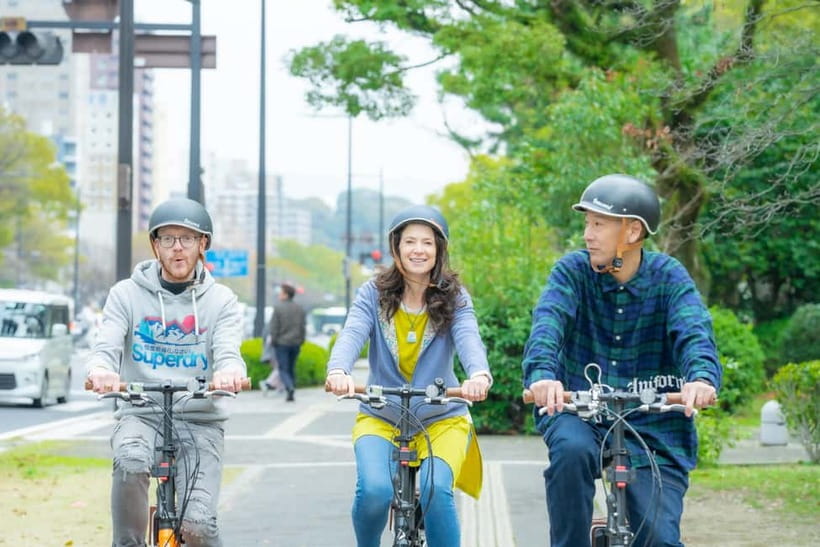
The route matters, but the guide makes the difference. Shin is repeatedly praised for his enthusiasm, clear English, humor, and personal connection to Hiroshima. His family stories, passed down through parents and grandparents, give the subject an intimate quality without making the tour feel stuck in the past.
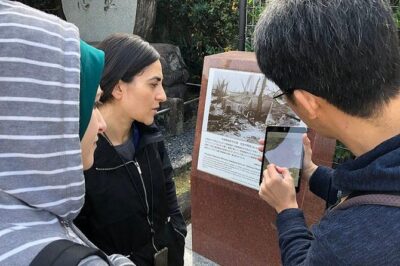
Kana is another guide to look out for. She is described as warm, energetic, thoughtful, and able to explain each stop in detail. Her tours balance the painful facts with ideas of hope and courage, which is important on a subject that can otherwise become emotionally exhausting.
Moe, Mai, Bella, Hugo, and other members of the local team also lead the tour. The exact guide depends on the day, so you should not book expecting one particular person unless the operator confirms it. What you can expect is an English-speaking local guide who grew up in Hiroshima or has a close connection to the city.
The best guides do not simply recite dates. They explain how the bombing affected families and how its memory has been passed between generations. Several guides also share personal or family connections, but the amount of personal material will vary.
This is also a good tour for questions. The small group format allows you to ask about the memorials, the city’s rebuilding, and the meaning of Peace Park. At the same time, the guide may need to slow down if a child or another participant is new to cycling.
Other cycling tours in Hiroshima
Electric bikes, pace, and comfort
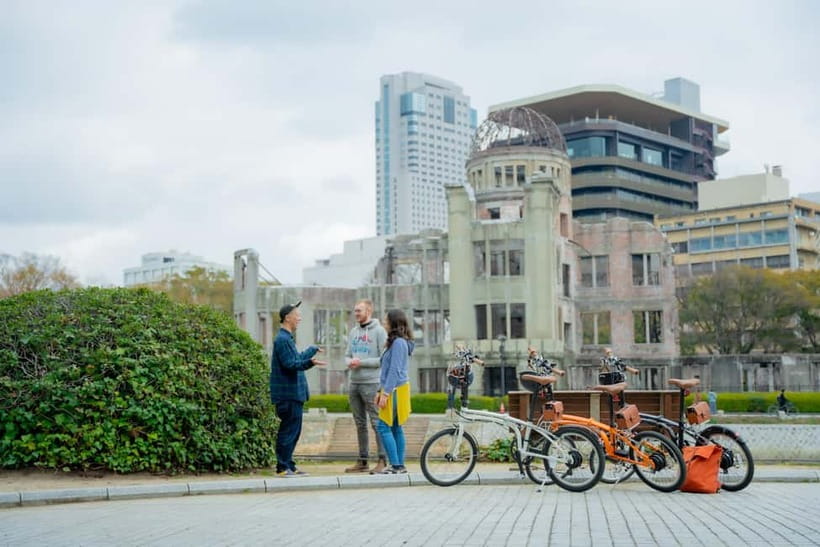
The bicycles are electric and described as comfortable and easy to operate. The route does not demand great stamina, since the distances between stops are fairly short and the motor assists your pedaling.
You still need to be able to ride a bicycle. The tour takes place on city streets, and the guides manage the group carefully, but it is not a stationary sightseeing ride. If you are unsteady on a bike, tell the guide at the start.
Adult electric bicycles are available for people at least 145 cm tall. Children under 15 can use an adult bicycle or a child bicycle at the child rate, provided they meet the relevant height requirements. Child bicycles are intended for children from 110 cm to 145 cm.
Infants can ride free in a child seat, but these seats are limited. The seat is for children under 22 kg and under 115 cm. Contact the operator before booking if you need a child seat or child bicycle, since availability is not guaranteed.
One practical concern is bike size. A tall rider, particularly someone around 6 feet 1 inch, may find the bicycle frame small. It may still be usable for a short route, but ask about sizing if you are tall or have leg or back issues.
Wear comfortable clothes and shoes. High heels are not allowed. Bring water, a small towel, and clothing suited to the weather. Hiroshima can be hot, and guides have been known to carry cold towels, salt candies, wet wipes, ice packs, or umbrellas to help in difficult heat, but you should still arrive prepared.
The emotional tone: serious, but not bleak
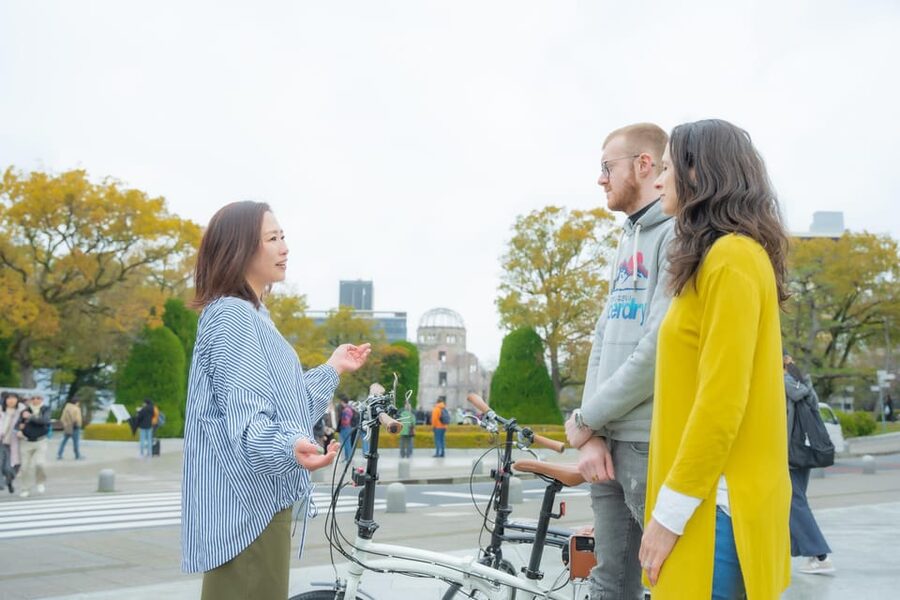
This is a tour about mass destruction, so it is not light sightseeing. You may hear difficult stories, and some stops can be moving.
The tone aims toward peace and recovery rather than anger or despair. The guides explain the damage clearly, then show how Hiroshima rebuilt itself. That balance is one of the tour’s strongest qualities. You are asked to think about war and its human cost, but you are also shown a living city with parks, trams, bridges, and ordinary neighborhoods.
I would schedule this experience early in your Hiroshima visit. It can give shape to a later visit to the Peace Memorial Museum, or help you understand the park if you have only a short stay. If you are sensitive to the subject, the two-hour course may be enough. The three-hour route offers more context but also keeps you with the topic longer.
Is the $52 price good value?
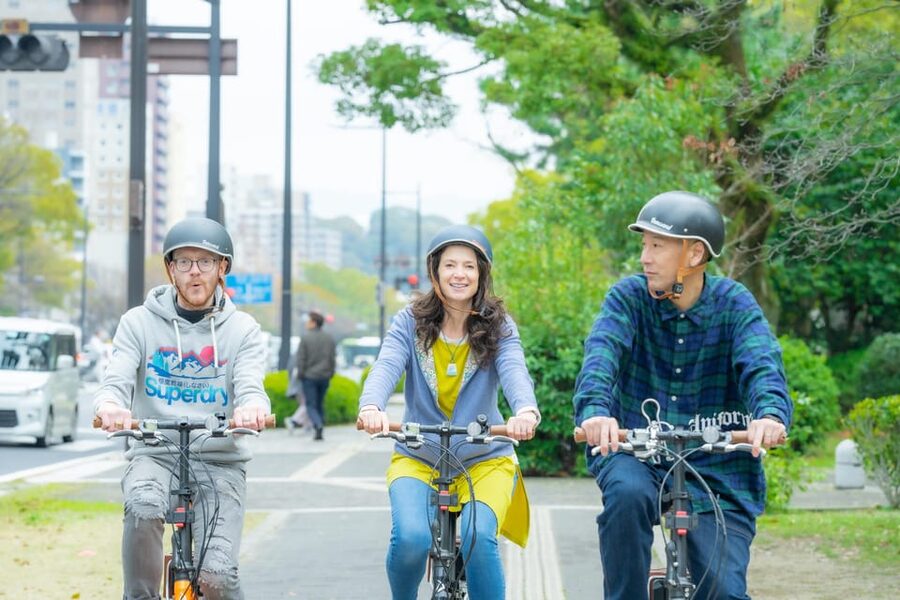
At $52 per person, the tour includes the electric bicycle, an English-speaking guide, and bicycle accident insurance. Food and drinks are not included.
I consider that fair value for a small-group experience lasting two to three hours. You are paying for transport between sites, but the real value is the interpretation. A standard tram ride can get you around Hiroshima cheaply, yet it will not explain why a hospital, bridge, tree, or streetcar matters.
The three-hour version offers the strongest value if you want a broad introduction to central Hiroshima. The two-hour version is more efficient and may suit you better if you plan to spend extra time in the museum or have other plans.
Free cancellation is available up to 24 hours before the start time, and you can reserve now and pay later. Those options are useful if your Japan itinerary is still shifting.
Who should book this Hiroshima bike tour?
I would choose this tour if you want a personal introduction to Hiroshima rather than a simple list of memorials. It suits solo visitors, couples, and families with older children. An 11-year-old has enjoyed it as a trip highlight, and the electric bikes make it more accessible than a conventional cycling tour.
It is also a smart choice if you have only one day in Hiroshima. The route covers the central historic area quickly, then adds places you might otherwise pass without noticing.
You should think twice if you cannot ride a bicycle, are below 145 cm without arranging child equipment, or want to explore areas far beyond central Hiroshima. The tour concentrates on the Peace Park and sites directly connected with the atomic bombing. It is not a general city cycling tour.
Final verdict: book it for context, not just transport
I recommend the Hiroshima Peace Cycling Tour for anyone who wants the city’s story to connect in a clear, human way. The electric bikes are easy, the group is small, and the route reaches important sites outside the usual sightseeing loop.
Choose the three-hour course if you want the fullest route, including Hiroshima Castle, the Red Cross Hospital, bridges, railway sites, and the surviving willow tree. Choose two hours if you want a focused Peace Park visit with a short ride into the suburbs.
Book it if you value local stories, thoughtful guiding, and a look at Hiroshima as a rebuilt city. Skip it only if cycling is not practical for you or if you prefer to explore the memorial sites quietly at your own pace.
FAQ
How long is the Hiroshima Peace Cycling Tour?
You can choose a route lasting approximately two or three hours. The shorter course focuses on Peace Memorial Park and nearby A-bomb heritage sites, while the longer course includes additional stops across central Hiroshima.
What is included in the price?
The price includes a rental bicycle, an English-speaking guide, and insurance for bicycle accidents. Food and drinks are not included.
Where does the tour meet?
The meeting point is the Rest House in Hiroshima Peace Park. From Hiroshima Station, take the Hiroshima Electric Railway tram to Atomic Bomb Dome Station, then walk about five minutes.
What language is the tour conducted in?
The tour is conducted in English with a live English-speaking guide.
How many people can join the tour?
It is a shared small-group tour with a maximum of 10 participants. The pace can be adjusted if children or people less used to cycling are in the group.
Do I need to be an experienced cyclist?
You do not need to be especially fit, since the bicycles are electric and the route covers short distances between stops. You do need to be able to ride a bicycle safely.
What height is required for an adult electric bicycle?
Adult electric bicycles are for people who are 145 cm or taller.
Are bicycles available for children?
Children from 110 cm to 145 cm may use a child cross-bike, and children under 15 can use child or adult bicycles at the child rate. Only two children’s bicycles are available for one booking.
Can an infant join the tour?
Children from 1 year old may be included. Infant seats are available for children under 22 kg and under 115 cm, but the seats are limited, so contact the operator before booking.
What should I bring?
Bring comfortable shoes, comfortable clothing, a towel, and drinks. High-heeled shoes are not allowed.
Can I cancel the booking?
You can cancel up to 24 hours before the tour for a full refund. If you arrive late without prior notice, the tour may be cancelled and the same-day fee is non-refundable.
More Guided Tours in Hiroshima
More Cycling Tours in Hiroshima
More Hiroshima Cycling Tours in Hiroshima
More tours in Hiroshima we've reviewed
Hiroshima Cycling Tours, compared.
 ★ 5.0Hiroshima in a Nutshell: Morning Bike AdventureFrom $72
 ★ 5.0Hiroshima 2hr Peace Cycling Tour with Local GuideFrom $59
 ★ 5.0Hiroshima and Miyajima by Bike and BoatFrom $142
 ★ 5.0Hiroshima 3hr Peace Cycling Tour with Local GuideFrom $85
 ★ 4.9Hiroshima: Best of Hiroshima Guided Bike TourFrom $703h 30m
 ★ 5.0Hiroshima Country Cycling: Explore Rural Life 1 HR from CityFrom $85
 ★ 5.0Hiroshima: City and Miyajima Bike and Boat TourFrom $1387h 30m
 ★ 5.0Hiroshima Scenic Cycling Guided TourFrom $73
Browse the lists this tour appears in