
Reviewed · HIROSHIMA CYCLING TOURS
Hiroshima 2hr Peace Cycling Tour with Local Guide
Hiroshima’s Peace Park is powerful on foot, but a bicycle lets you connect its memorials with the living city around them. This two-hour e-bike tour takes you from the A-Bomb Dome and Cenotaph to quieter viewpoints, surviving streetcars, and parts of modern Hiroshima that you could easily miss.
I like the small group size of up to 10 and the fact that guides such as Shin and Kana grew up in Hiroshima. Their family stories add a human layer to the history, while the electric bikes make the flat city easy to cover. The main drawback is time: two hours goes quickly, especially if you want long stops at the Peace Museum or more detailed discussion.
In This Review
- Hiroshima Peace Cycling Tour at a Glance
- Why a Bicycle Works So Well in Hiroshima
- Meeting at the Peace Park Rest House
- Atomic Bomb Dome and the Main Memorials
- Beyond the Park: Hiroshima as a Living City
- Shin, Kana, Bella, and the Human Side of the Tour
- What the $59.69 Price Buys You
- The Two-Hour Timing: Useful but Tight
- Cycling in Cold Weather and Rain
- Who Will Get the Most from This Ride
- Practical Tips Before You Book
- Should You Book the Hiroshima Peace Cycling Tour?
- FAQ
- Where does the Hiroshima Peace Cycling Tour begin?
- How long is the cycling tour?
- Are electric bicycles included?
- Can children join the tour?
- What happens if it rains?
- Can I cancel for a refund?
Hiroshima Peace Cycling Tour at a Glance
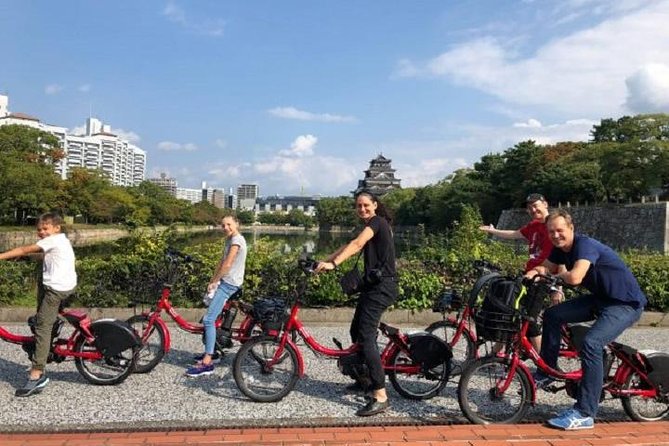
- Local guides with personal ties: Shin has shared family stories connected to atomic-bomb survivors, while guides including Kana, Bella, and Moet bring their own local knowledge and warm personalities.
- Electric bikes included: The route is gentle and mostly flat, so you can cover more ground without needing strong cycling fitness.
- Major memorials plus ordinary streets: You visit the A-Bomb Dome, Cenotaph, Children’s Peace Monument, and Peace Bell, then ride beyond the park.
- Small groups only: The maximum of 10 people helps the guide keep the pace together and answer questions.
- Rain plan available: Poor weather may mean a walking route covering the park, Hypocenter, Former Bank of Japan, Fukuromachi Elementary School, and nearby streets.
- A useful first or second Hiroshima activity: The tour gives you context for the Peace Museum and points out places you might not find on your own.
Why a Bicycle Works So Well in Hiroshima
The Peace Memorial Park is compact enough to walk, but Hiroshima’s story does not stop at the park gates. The city’s wartime destruction, postwar recovery, and present-day focus on peace are easier to understand when you move between the memorial grounds and the surrounding streets.
A bike gives you that connection. You can see the monuments, then quickly reach city viewpoints and suburban areas without spending your short visit waiting for transport. The route is described as a leisure ride, and the electric assistance matters if you are not used to cycling or simply want to focus on the guide rather than your legs.
Hiroshima is also a relatively easy city for this kind of outing. Several people who were concerned about traffic found the riding manageable, and the flat streets helped. Still, you should be comfortable steering and stopping a bicycle. It is not a sightseeing bus with occasional outdoor stops. You remain part of the group and need to follow the guide’s directions.
The bikes are adult electric bicycles for people at least 145 centimeters tall. Children between 110 and 145 centimeters can use one of the two children’s bicycles available for a booking, and children under 15 may use children’s or adult bicycles at the child rate. Electric child seats are available for children under 22 kilograms and under 115 centimeters.
A few more Hiroshima tours and experiences worth a look

Meeting at the Peace Park Rest House
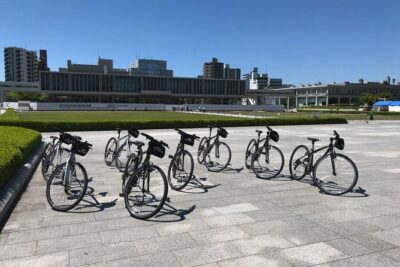
The tour begins at the Hiroshima Peace Memorial Park Rest House at 11:00 or 15:00. This is a practical meeting point, right inside the park and close to the major memorials.
Arrive early. The operator is strict about late arrivals, and missing the meeting time without notice can lead to cancellation with no refund. There is no luggage storage at the Rest House, so do not arrive with large bags that you need to leave behind. Coin lockers are available at the International Conference Center Hiroshima and Hiroshima Peace Memorial Museum, about a six-minute walk away.
After a short meeting and bike setup, the guide gets you moving. The exact timetable can shift during the day, so treat the listed times as a framework rather than a promise down to the minute.
Atomic Bomb Dome and the Main Memorials
The first substantial part of the ride takes place in Peace Memorial Park. This is not simply a stop for photographs. The guide explains what the park’s monuments mean and how the atomic bombing affected Hiroshima’s people.
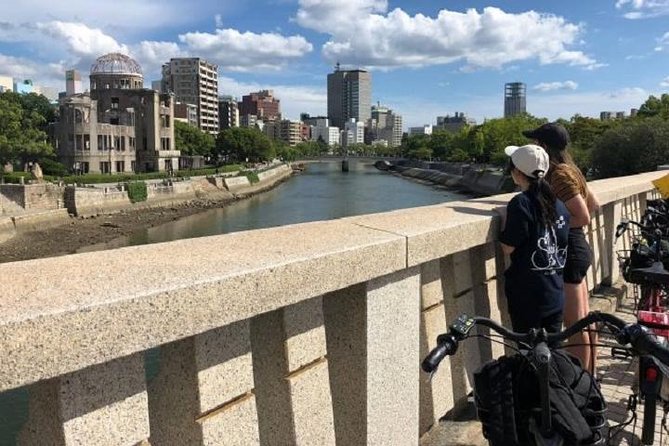
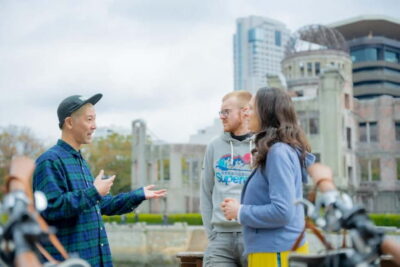
The Atomic Bomb Dome is the best-known sight, and the tour gives you more than the standard straight-on view. You ride to city viewpoints away from the most familiar angle, which helps you see the Dome in relation to the river, bridges, and rebuilt city around it. The building’s exposed frame is striking, but the surrounding setting matters just as much. Hiroshima is not preserved as a frozen ruin. It is a working city that rebuilt itself around a site of enormous loss.
You also visit the Cenotaph for the A-Bomb Victims, the Children’s Peace Monument, and the Peace Bell. Each has a different purpose and mood. The Cenotaph is a solemn focal point. The Children’s Peace Monument connects the bombing to the lives of young people, while the Peace Bell carries the park’s wider message of peace and never again.
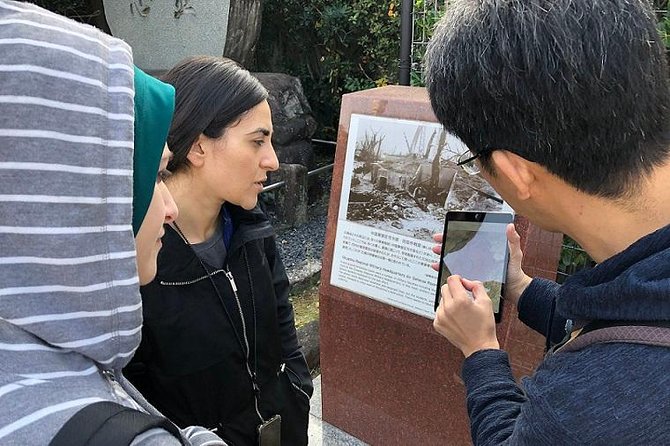
The guide’s explanations are especially useful here. A plaque can tell you a date or a name, but a local guide can explain how the site fits into Hiroshima’s memory today. Guides such as Shin have shared family accounts connected to survivors, including stories about relatives who lived through the bombing. Those details can make the history feel immediate without turning the tour into a museum lecture.
Allow yourself a quiet moment at each stop. The cycling is active, but this part should not feel rushed. The best guides adjust their pace and give the group room to absorb what they are seeing.
Beyond the Park: Hiroshima as a Living City
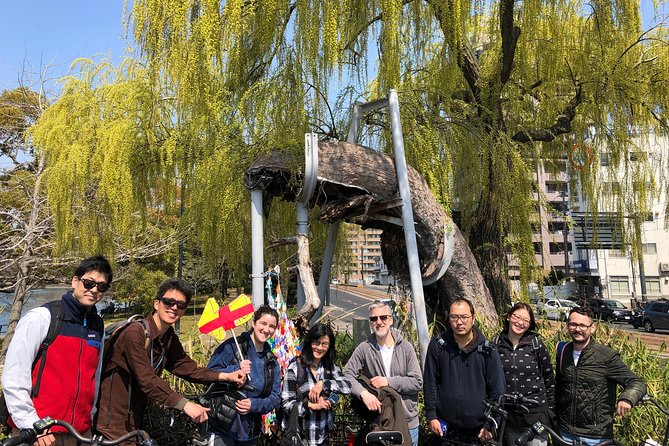
Around noon, the route moves beyond the memorial grounds and into Hiroshima itself. This is where the tour earns its place beside a museum visit.
You may see the A-Bombed Streetcars, trams that survived the bombing and continue to run today. The detail is easy to miss if you spend your entire visit inside the Peace Park, yet it links the city’s past with its daily life. Hiroshima is not only a place where history happened. It is also a city where people commute, shop, raise families, and carry those memories forward.
The ride also shows you parts of the reconstructed city and suburban townscape. That change in setting gives useful context. Within a few minutes, you move from memorials designed for reflection to ordinary streets shaped by recovery. The contrast helps you understand how Hiroshima’s peace message developed alongside the practical work of rebuilding.
The guide may point out views of the A-Bomb Dome from less expected positions and explain places that do not receive much attention in guidebooks. This is one reason I would take the cycling tour even after visiting the Peace Museum. The museum gives you essential evidence and testimony. The bike route shows how the city’s story sits within the streets you are walking through.
Shin, Kana, Bella, and the Human Side of the Tour
The guide can shape this experience more than the bicycle or route. Shin has been singled out for connecting historical facts with family stories, including a close family link to an atomic-bomb survivor. His personal connection brings emotional weight, but his role is not only to tell a family story. He also explains the memorials, answers questions, and places Hiroshima’s recovery in a wider context.
Kana has also led the tour with strong English, clear explanations, and an easygoing manner. She has taken families around the city, answered detailed questions, and suggested places to eat afterward. Bella is noted for showing visitors sites beyond the standard park route and for her personal commitment to Hiroshima’s history.
Other guides may lead your departure, including Moet and Tomas. The experience can therefore vary somewhat in tone and the exact emphasis of the storytelling. That is normal for a small shared tour. The consistent promise is a local guide, an English-speaking experience, and a focus on both wartime history and the rebuilt city.
One point is worth keeping in mind. Not every guide has a direct family connection to the bombing. That does not make the tour less worthwhile, but if a survivor family story is especially important to you, understand that guide assignments can vary.
Other cycling tours in Hiroshima
What the $59.69 Price Buys You
At $59.69 per person, this is not the cheapest way to see Peace Memorial Park. You can walk through much of the park for free, and the Peace Museum has its own admission fee rather than being included here.
The value comes from combining transport, interpretation, and access to less obvious parts of Hiroshima in one short outing. You receive an electric bicycle, a guide, bicycle accident insurance, and a route that covers more ground than most people would manage on foot in two hours. For a first day in the city, that can be a fair use of your sightseeing budget.
The tour does not include the Peace Museum, and the itinerary does not promise a long museum visit. I would treat the cycling as a companion to the museum, not a replacement for it. The museum provides a fuller account of the bombing, while this tour helps you place that account in the city itself.
The small-group limit also adds value. Ten people is large enough for a shared price but small enough for questions and a manageable pace. If the group includes children or people who are not comfortable cyclists, the guide may slow down. That is considerate, though it can reduce the distance covered.
The Two-Hour Timing: Useful but Tight
The scheduled tour runs from 11:00 to 13:00 or from 15:00 to 17:00. The first five minutes are for meeting up, about 55 minutes are set aside for the Peace Memorial Park, and the remaining hour is used to ride through Hiroshima beyond the park.
That division gives you a clear sense of the experience. You get enough time for the major memorials and a meaningful look at the wider city, but not enough time for every monument, extended private reflection, and a museum visit. Several riders have wished the tour were longer.
Choose the two-hour version if you want a focused introduction or have other plans that day. It is also a good fit if you want to combine the Peace Park with a separate museum visit, lunch, or a ferry trip to Miyajima.
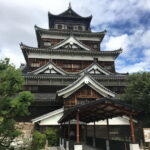
The three-hour option adds places such as Hiroshima Castle and spends more time on prewar history and postwar recovery. Choose that longer route if you want more conversation with the guide and a wider historical frame. The two-hour tour is focused mainly on the bombing, the Peace Park, and Hiroshima’s rebuilt present.
Cycling in Cold Weather and Rain
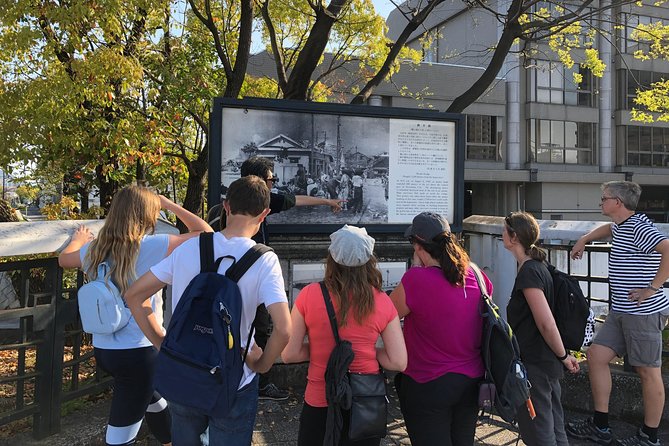
Weather can change the character of the outing. Riders have completed the route in cold winds, snowfall, and heavy rain, but poor conditions may lead to a safety cancellation or a change in format.
If rain prevents cycling, you can choose a Rainy Day Limited Peace Route or request a refund. The walking route follows Peace Memorial Park, the Atomic Bomb Dome, the Hypocenter, the Former Bank of Japan, Fukuromachi Elementary School, and a main street before returning to the Rest House at the planned finish time.
That alternative is not a token substitute. The Hypocenter is the point directly beneath the explosion, and the route covers sites that help explain the bombing’s immediate effect on the city. A walking tour may even suit you better if rain would make cycling uncomfortable.
Wear weather-appropriate clothing and shoes. In winter, cold wind can make a two-hour ride feel much longer. In wet conditions, confirm the day’s plan and be ready for the tour to change. If you do not want to switch to walking, a full refund is available when the cycling plan cannot operate because of rain.
Who Will Get the Most from This Ride
I would recommend this tour to first-time visitors who want a clear introduction to Hiroshima without spending the entire day inside museums. It is also a strong choice for families, since the e-bikes reduce physical effort and the guide can make difficult material easier to approach.
It suits you if you like history presented through places, stories, and movement. The route is active but not described as strenuous, and the city’s flat streets make the electric assistance useful. Older riders have found the pace manageable, though you should still be confident on a bicycle.
You may prefer a walking tour or private guide if you need a very slow pace, long periods at each memorial, or a highly customized route. A shared group means the guide must consider everyone, especially children and less experienced cyclists.
The tour is also a good choice for people who have already seen the A-Bomb Dome and museum. The off-park views, surviving streetcars, and rebuilt streets add another layer rather than repeating the same museum material.
Practical Tips Before You Book
Book with the weather in mind. The tour requires good conditions for cycling, and schedule changes are possible.
Arrive at the Peace Park Rest House before the stated start time. Late arrival can cancel the experience, and same-day cancellation is not refundable.
Bring only what you need. The Rest House has no luggage storage, though lockers are available near the museum and International Conference Center.
If you have not ridden an electric bicycle before, ask the guide for a careful introduction before setting off. The bikes are designed to make the route easy, but you still need to manage turns, braking, and group riding.
Plan your Peace Museum visit separately. You might go before the bike tour for background, or afterward so the ride can help you connect the museum’s testimony with the city outside.
Should You Book the Hiroshima Peace Cycling Tour?
Book it if you want to see more than the standard memorial route, value a local guide’s personal connection to Hiroshima, and like the idea of learning while moving through the city. The electric bikes make the ride accessible to most people who meet the height requirements, and the maximum group size of 10 keeps the experience personal enough for questions.
Skip it if your priority is a long, quiet museum visit or if you are not comfortable cycling in a shared group. The two-hour schedule is focused, not exhaustive.
For most visitors with limited time, I see this as a useful pairing: take the bike tour for the city’s memorials, streetcars, and personal stories, then visit the Peace Museum at your own pace. At $59.69, it costs more than walking, but it gives you a broader view of Hiroshima and a guide who can help the city’s difficult history make sense.
FAQ
Where does the Hiroshima Peace Cycling Tour begin?
The tour begins at the Hiroshima Peace Memorial Park Rest House in Naka Ward, Hiroshima. It also finishes back at the same meeting point.
How long is the cycling tour?
The tour lasts approximately two hours. Departure times are listed as 11:00 and 15:00, with scheduled finishes at 13:00 and 17:00.
Are electric bicycles included?
Yes. Adult electric bicycles are included for participants at least 145 centimeters tall. Bicycle accident insurance is also included in the price.
Can children join the tour?
Yes. Children between 110 and 145 centimeters can use one of the two children’s bicycles available for a booking. Children under 15 may use children’s or adult bicycles at the child rate. Electric child seats are available for children under 22 kilograms and under 115 centimeters.
What happens if it rains?
If rain prevents the cycling route, you can choose the Rainy Day Limited Peace Route or receive a refund. The alternative is a walking tour covering sites including the Hypocenter, Atomic Bomb Dome, Former Bank of Japan, and Fukuromachi Elementary School.
Can I cancel for a refund?
You can cancel at least 24 hours before the experience start time for a full refund. Cancellations or changes made less than 24 hours before the start time are not refunded or accepted.
More Guided Tours in Hiroshima

More Cycling Tours in Hiroshima
More Hiroshima Cycling Tours in Hiroshima
More tours in Hiroshima we've reviewed
Hiroshima Cycling Tours, compared.
 ★ 5.0Hiroshima in a Nutshell: Morning Bike AdventureFrom $72
 ★ 4.8Hiroshima: Peace Cycling Tour with Local GuideFrom $522 - 3 hours
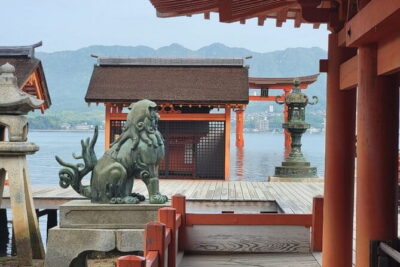 ★ 5.0Hiroshima and Miyajima by Bike and BoatFrom $142
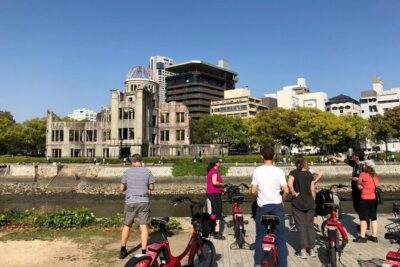 ★ 5.0Hiroshima 3hr Peace Cycling Tour with Local GuideFrom $85
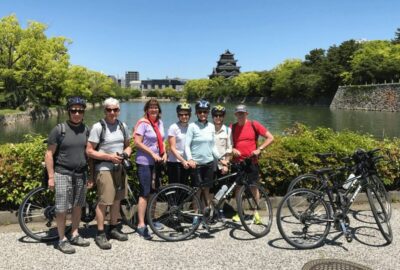 ★ 4.9Hiroshima: Best of Hiroshima Guided Bike TourFrom $703h 30m
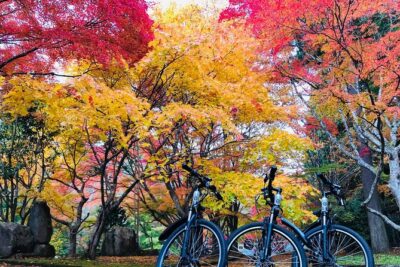 ★ 5.0Hiroshima Country Cycling: Explore Rural Life 1 HR from CityFrom $85
 ★ 5.0Hiroshima: City and Miyajima Bike and Boat TourFrom $1387h 30m
 ★ 5.0Hiroshima Scenic Cycling Guided TourFrom $73
Browse the lists this tour appears in