
Reviewed · CYCLING TOURS
Afternoon Adventure: Okinawa Local Cycling with Spectacular Views
Naha’s best cycling route is not along a flat waterfront. It climbs from Tsuboya’s pottery lanes to Shuri’s old castle town, then finishes with a wide view over the city. I like the way this tour connects ordinary Naha streets with major history, and I like the small maximum of five riders, which leaves room for questions and a relaxed pace. The one catch is that the route includes hills, narrow lanes, and city riding, so you should be comfortable on a bicycle.
I also like that the ride gives you more than a checklist of sights. Guides such as Aki, Maki, Tony, Jojo, and Hiro explain Okinawan customs as you go, while the power-assisted bikes make the climb toward Shuri far less demanding. Sunset timing can be especially lovely, but weather may force a change, and the tour is not suited to anyone seeking a completely flat or purely scenic ride.
In This Review
- Key points at a glance
- Why this route shows you more than central Naha
- Starting beside Makishi Monorail Station
- Tsuboya Yachimun Dori and the pottery story
- Asato Shotengai and everyday Naha
- Shikinjocho Stone-Path Road near Shuri
- Shurijo Castle Park in a quieter mood
- Shurisakiyamacho and the wide city view
- Returning to Makishi after three and a half hours
- What the $99.10 price gives you
- Who will enjoy this ride most
- Weather, clothing, and useful preparation
- Should you book the Naha cycling tour?
- FAQ
- Where does the cycling tour start?
- Where does the tour finish?
- How long does the tour last?
- Are e-bikes and helmets included?
- Can young children join?
- What happens if the weather is poor?
Key points at a glance
- Tsuboya pottery quarter: Explore Yachimun Dori, where Okinawa’s pottery tradition has been centered for about 300 years.
- Old Naha streets: Pass Asato Shotengai and quieter lanes with a few traditional houses still intact.
- Shuri by e-bike: Reach the former Ryukyu capital without having to fight every incline.
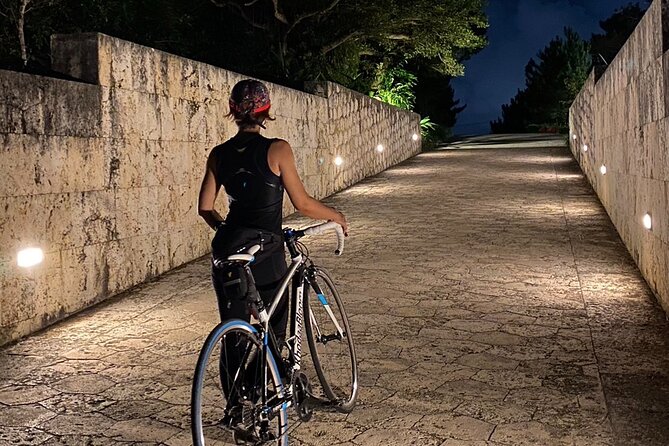
- Stone-paved history: Walk or ride along Shikinjocho Stone-Path Road near temples and sacred sites.
- City viewpoint: Stop in Shurisakiyamacho for a panoramic view over Naha, often with sunset light.
- Small group format: The tour accepts no more than five people, making guide conversation easier.
Why this route shows you more than central Naha
Many visitors see Naha through Kokusai Street, the city’s main shopping and dining strip. That is useful for food and evening energy, but it tells only one part of the story. This ride starts near Makishi Monorail Station and quickly moves into places where Naha feels less arranged for sightseeing.
You pass local shopping streets, old homes, pottery workshops and lanes connected to the former Ryukyu Kingdom. The route then rises toward Shuri, which served as the kingdom’s capital. That change in setting is the chief reason to book this experience. In three to three and a half hours, you see how present-day Naha fits around older Okinawan neighborhoods.
The tour uses a maximum of five riders. I consider that a real advantage in a city with tight streets. A guide can keep the group together without turning the ride into a slow-moving parade, and you have a better chance to ask about details that catch your eye.
The route is also more cultural than coastal. One review describes it as a historical seaside-town style ride rather than a typical seaside route, which is a useful distinction. If you want beaches and open ocean for most of the afternoon, choose another outing. If you want to understand Naha’s older districts, this is the stronger choice.
A few more Naha tours and experiences worth a look

Starting beside Makishi Monorail Station
The meeting point is e-CHARIty Naha Kokusai Street at 3-chōme-13-20 Makishi, about a one-minute walk from Makishi Monorail Station. That makes the start fairly easy to reach without arranging a taxi across town.
At the shop, you collect your bicycle, put on the included cycling helmet, and receive a short safety briefing. The operator supplies the bicycle and rental service as part of the booking. The bikes used on the route are power-assisted according to the tour information and rider feedback, which matters once the road begins climbing toward Shuri.
One useful detail: the helmets have microphones that let riders communicate while moving. That can make group riding easier, since you do not need to shout every time the guide gives an instruction. Camera mounts and phone holders are not included, so bring a secure pocket or small bag if you want to use your phone for photos.
The opening 15 minutes are practical rather than scenic. Use them to adjust the seat, check the brakes, and tell the guide if the bike feels too large or unfamiliar. Shorter riders should raise the issue early. One type of smaller bike has been described as a Mama-chan style bicycle, and an extra-small mountain-bike frame is not guaranteed.
Children from ages one to five may ride in a child seat attached to a parent’s bicycle. You need to consult the staff about that arrangement before setting out.
Tsuboya Yachimun Dori and the pottery story
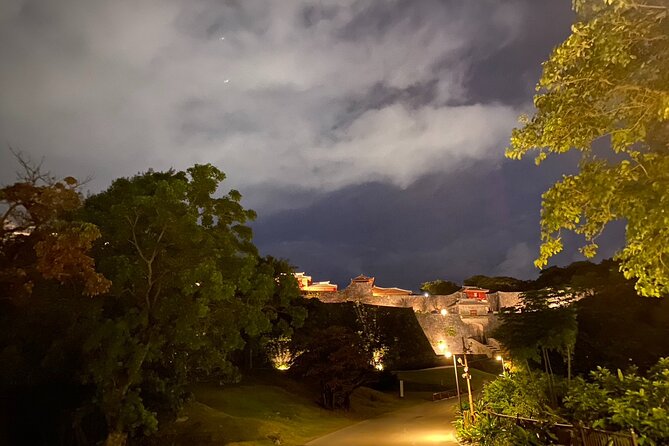
The first major stop is Tsuboya Yachimun Dori. In Okinawan, yachimun means pottery. Around 300 years ago, the Ryukyu Kingdom brought pottery kilns from scattered locations into this district, turning Tsuboya into a center for ceramic work.
The street gives the tour an immediate sense of place. You are not simply hearing that Okinawa has a distinctive culture. You are seeing a neighborhood shaped by a craft that still matters. The older buildings, pottery displays, and narrow streets make this one of the most characterful sections of the ride.
You get about 30 minutes here. That is long enough for the guide to explain the pottery tradition and point out details, but not long enough for a serious shopping trip. If you want to buy ceramics, tell the guide how much time you need, though the scheduled stop remains limited.
The bicycles are useful here, but you should expect to slow down. Tsuboya’s lanes are not built for speed, and the value comes from looking carefully. This is a place for small observations rather than dramatic views: a kiln tradition, a particular roof detail, or the way a craft district has been folded into modern Naha.
Asato Shotengai and everyday Naha
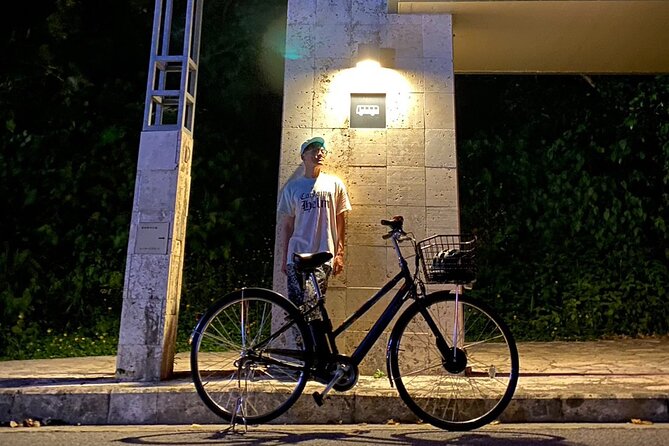
From Tsuboya, the route passes near Asato Shotengai. The area was once known as a red-light district. Today, it becomes livelier in the evening, when izakayas and other eateries open for business.
That history adds a layer that a standard sightseeing loop often skips. Your guide can explain how a district’s reputation and daily use change over time, while the ride keeps moving through the present-day neighborhood.
You also pass through local streets where a few traditional houses remain. This is one of the tour’s most valuable sections for anyone curious about daily Okinawan life. You see a Naha that is not polished for a major attraction, with residential streets and older structures sharing space with modern city buildings.
Do not expect a formal stop at every point. Some of this portion is viewed from the saddle. That is part of its appeal, but it also means you will need to listen while riding and accept that photographs may be quick. The helmet communication system is useful here, since the guide can continue explaining things without forcing the group to stop constantly.
Shikinjocho Stone-Path Road near Shuri

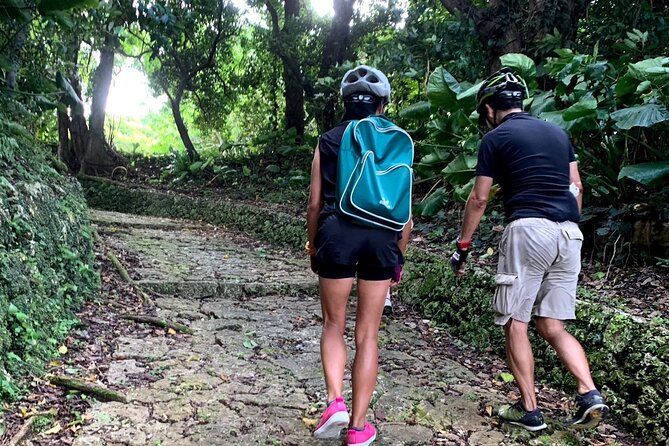
The route then reaches Shikinjocho Stone-Path Road, in the old town of Shuri. This section is scheduled for about an hour, and it is where the ride shifts from local neighborhood exploration to a stronger sense of the former Ryukyu capital.
The stone path, temples, and sacred shrines show how Shuri was organized around royal, religious, and residential life. You are riding through the setting of the old capital, not just checking off a castle gate.
The road is also where you need to pay attention to your footing and your bike. Stone surfaces can be uneven, and the route includes narrow sections. The guide’s role is important here. Sammi, one guide named in the tour material, was praised for handling tight alleyways and two-point turns, while other guides received similar praise for keeping the group moving and explaining the sites clearly.
The power assist earns its keep on this part of the ride. Several riders specifically found the e-bikes helpful on the steep inclines toward Shuri Castle. You still pedal, and you still need basic control, but the motor reduces the strain that could otherwise distract from the history.
If you are a novice cyclist, this is not a reason to cancel automatically. The bikes help, and the guides provide safety direction. Still, you should be honest about your comfort level before booking. Narrow urban streets and slopes require more attention than a flat park path.
Other cycling tours in Naha
Shurijo Castle Park in a quieter mood
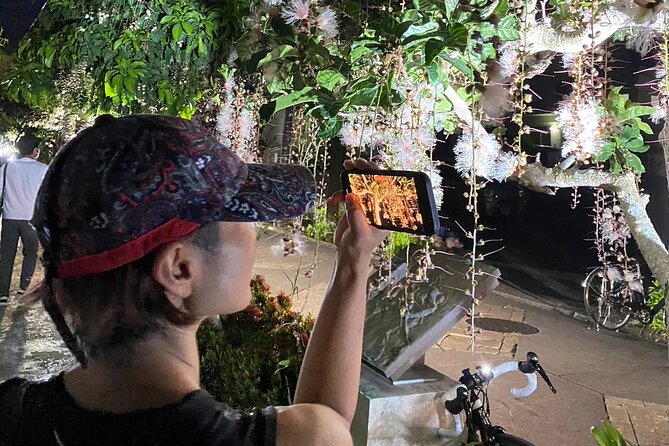
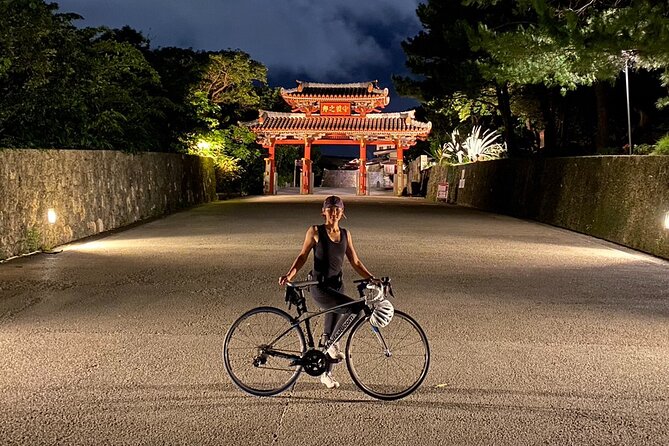
The tour spends about an hour passing through Shurijo Castle Park. The park includes stone walls, plants that change with the seasons, and the Shureimon gate, one of Okinawa’s most recognizable sights.
The experience here is a little different from entering a museum or taking a full castle tour. You are moving through the park by bicycle, with time to pause at selected points. That gives you a broader sense of the setting, though it may not satisfy you if your main goal is a detailed visit inside every castle building.
Shurijo Castle has deep importance to the Ryukyu Kingdom, and this part of the route helps connect the earlier pottery and neighborhood stops to that larger story. Tsuboya shows a working cultural tradition. Shuri shows the political center that once shaped the islands’ connections across East Asia.
The stone walls and Shureimon gate are particularly good for photographs. If your ride takes place late in the day, the changing light can add to the appeal. A December sunset ride was praised for its combination of historical stops and evening views, while summer riders appreciated the e-bike assistance in the heat.
The weather note matters here. If the chance of rain exceeds 70 percent or severe weather is expected, the operator may change the plan and contact you the day before. Bring something warmer for the evening, especially outside the hottest months.
Shurisakiyamacho and the wide city view
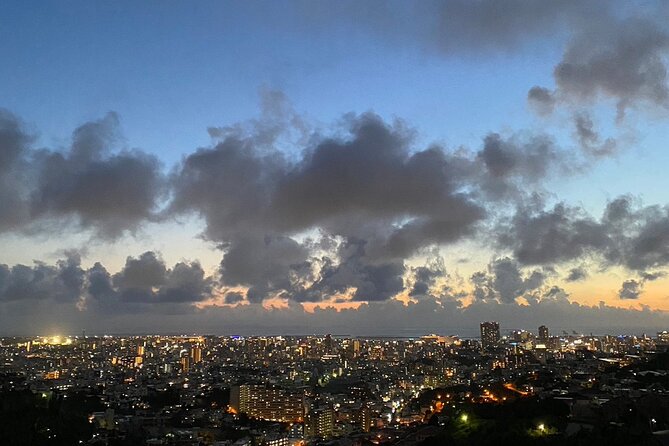
The final scenic stop is Shurisakiyamacho, where the guide takes you to a viewpoint over Naha. You have about 20 minutes to enjoy the panorama and take photographs.
This is the tour’s clean payoff after the city streets and uphill ride. From above, you can place the route in context. The dense central districts, older neighborhoods, and distant city spread become easier to understand as one connected place.
The viewpoint is also a strong reason to choose an afternoon departure rather than a morning ride. Depending on the season and exact timing, you may catch late-day light or sunset. Do not treat sunset as guaranteed, since the tour description calls itself an afternoon adventure and weather can alter the plan. Still, the route has clearly been designed to make evening views possible.
Twenty minutes is enough for photos and a short rest, but not a long picnic. Bring water and keep your camera ready. The tour does not include a phone holder or camera mount, so you may want a wrist strap or another secure way to carry your device.
Returning to Makishi after three and a half hours
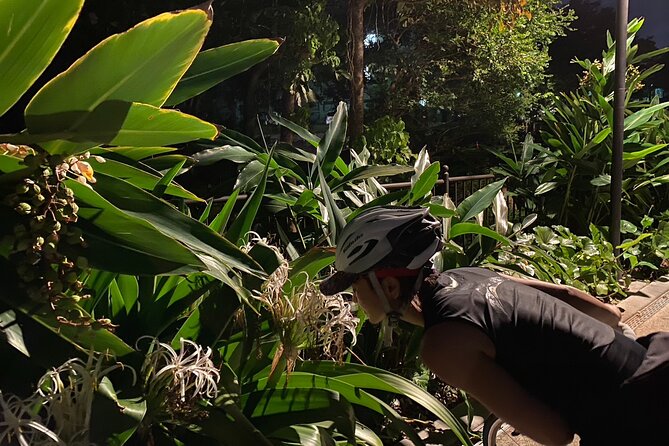
After the viewpoint, you ride back to e-CHARIty Naha Kokusai Street, return the bicycles, and finish at the original meeting point. The final bike return takes about five minutes, and you are free to enjoy Naha on your own afterward.
The location works well for an evening meal or a walk along Kokusai Street. Since the activity ends where it starts, you do not need to plan a second transfer from Shuri. The return also makes this a practical option for a half-day in Naha, especially if you want time before or after the ride for shopping and food.
The full outing lasts about three to three and a half hours. That is long enough to cover several districts without taking over your entire day. It is not a quick orientation ride, so avoid scheduling it immediately before a flight or another fixed appointment.
What the $99.10 price gives you
At $99.10 per person, this is not the cheapest way to rent a bicycle in Naha. You are paying for more than wheels, though. The price includes the bicycle, a cycling helmet, a guide, and the route planning that links Tsuboya, Asato, Shuri, Shurijo Castle Park, and the viewpoint.
The best value comes if you want context. A self-guided ride can take you to some of these places, but you would need to plan the route, navigate the climbs, interpret the sites, and decide which local streets are worth a detour. Here, guides such as Tony, Aki, Maki, Jojo, Hiro, Aziz, and others have been praised for clear explanations, friendly conversation, and careful riding support.
The small group limit improves the value further. With no more than five participants, the tour feels closer to a private outing than a large coach excursion. That is especially helpful if you have questions about Okinawan culture or want advice on what to do after the ride.
The price is less compelling if you already know Naha well, dislike guided schedules, or only want to rent an e-bike for independent wandering. You also pay for a guided route rather than extra equipment, so remember that phone holders and camera mounts are not supplied.
Who will enjoy this ride most
I would choose this tour if you want to combine exercise, local culture, and major historical sites in one afternoon. It suits solo visitors, couples, and small groups who enjoy asking questions and seeing a city from street level.
It is also a good match for cruise passengers with limited time in Naha. The ride covers several distinct areas and returns to the same central meeting point. A solo rider can also fit comfortably into the small group setup.
The e-bikes make the route more accessible to novice riders and anyone concerned about Shuri’s hills. They do not remove the need for balance, awareness, or safe riding. If you have not ridden in city traffic before, ask the staff about the route and bike size before setting out.
Families can ask about child seats for children ages one to five. The tour’s maximum group size is five, so larger families may not all fit into one departure.
Weather, clothing, and useful preparation
Good weather is required. If poor conditions cancel the ride, you may be offered another date or a full refund. If rain probability exceeds 70 percent or severe weather is forecast, the operator may change the plan and contact you the day before.
Wear clothes that let you pedal comfortably and bring an extra layer for the evening. Okinawa can feel warm at the start and cooler once the sun drops, particularly at the viewpoint.
Arrive ready to ride rather than dressed for a formal attraction. Comfortable shoes matter on the stone-paved sections, and a small secure bag is more useful than loose pockets. Since no phone holder or camera mount is included, protect your phone before you leave the shop.
You can cancel for a full refund up to 24 hours before the start time. Cancellations or changes made less than 24 hours ahead are not refunded or accepted under the stated policy.
Should you book the Naha cycling tour?
Book it if you want a compact, active introduction to Naha that reaches beyond Kokusai Street. The strongest reasons are the five-person limit, the helpful e-bikes, the pottery quarter, Shuri’s old lanes, and the city view at the end.
Skip it if you want a flat coastal ride, a long independent stop at Shurijo Castle, or a completely weather-proof plan. For most visitors who can handle a bicycle and enjoy local stories, $99.10 is fair value for a guided half-day route that ties together Naha’s craft traditions, old capital, residential streets, and sunset views.
FAQ
Where does the cycling tour start?
The tour starts at e-CHARIty Naha Kokusai Street, located at 3-chōme-13-20 Makishi, Naha, Okinawa 900-0013. The shop is about a one-minute walk from Makishi Monorail Station.
Where does the tour finish?
The activity ends back at the same meeting point. You return the bicycles at e-CHARIty Naha Kokusai Street and can continue exploring Naha afterward.
How long does the tour last?
The tour lasts approximately three to three and a half hours, including the bicycle briefing, cultural stops, viewpoint visit, and bike return.
Are e-bikes and helmets included?
The tour includes bicycle use, bike rental, a cycling guide, and an Incom-installed cycling helmet. The bicycles are described as power-assisted in the tour information and rider feedback.
Can young children join?
Children ages one to five can have a child seat attached to a parent’s bicycle. You should consult the staff for more information before booking.
What happens if the weather is poor?
If the precipitation probability exceeds 70 percent or severe weather is expected, the operator may change the plan and contact you the day before. If the experience is canceled because of poor weather, you can choose another date or receive a full refund.
More Cycling Tours in Naha
More Okinawa Cycling Tours in Naha
More tours in Naha we've reviewed
Cycling Tours, compared.
 ★ 5.0Bike Tour Exploring North Kyoto plus LunchFrom $106
 ★ 5.0Tokyo Great Cycling TourFrom $99
 ★ 5.0Tokyo Top Highlights 3h Guided E-bike TourFrom $63
 ★ 5.03h Tokyo E-Bike Tour: Hidden Gems, and Local Life with guideFrom $63
 ★ 5.0Arashiyama Bamboo Forest & Hidden Gems Bike Tour (Early Bird)From $106
 ★ 5.0Hiroshima in a Nutshell: Morning Bike AdventureFrom $72
 ★ 5.05 Top Highlights of Kyoto Full Day Bike Tour (E-bike option)From $172
 ★ 4.83-Hour Bike or E-Bike City Highlights TourFrom $453 hours