

Reviewed · TEMPLE & SHRINE RIDES
Zodiac Shrines and Naha Backstreets Cycling Tour
Naha’s most rewarding sights are not all along Kokusai Street. This small-group bicycle tour takes you through back lanes and uphill neighborhoods to zodiac shrines, Buddhist temples, sacred water, and royal burial sites tied to Okinawa’s Ryukyu Kingdom past. You see places that are easy to miss by bus or on foot.
I like the use of electric bicycles, which matters on Shuri’s hills, and I like the small maximum of five people. Guides such as Maria, Jojo, Sally, and Reija have been praised for explaining local customs, helping with photos, and answering questions. The main drawback is that some riding takes place on busy streets, so you need to feel comfortable cycling in city traffic.
In This Review
- Key points at a glance
- Why this cycling route shows you a different Naha
- Starting near Makishi and getting used to the e-bike
- Shuri Kannondo and the guardian of the kingdom
- Ankoku-ji Temple and old neighborhood lanes
- Shuri Castle’s vermilion gate
- Sairaiin, the Daruma Temple
- Seikoji and the sudden change in atmosphere
- Shuritobarucho and the forest spring
- The downhill ride to Sogenji-dori
- What the guides add to the ride
- Timing, fitness, and family details
- Weather, cancellation, and what to bring
- Who should book this Naha bike tour
- Should you book it?
- FAQ
- Where does the Zodiac Shrines and Naha Backstreets Cycling Tour start?
- Where does the tour end?
- How long does the experience last?
- How much does the tour cost?
- How many people can join?
- Is the tour suitable for children?
- What is included in the price?
- Is bottled water included?
- What happens in poor weather?
- Can I cancel for a full refund?
Key points at a glance
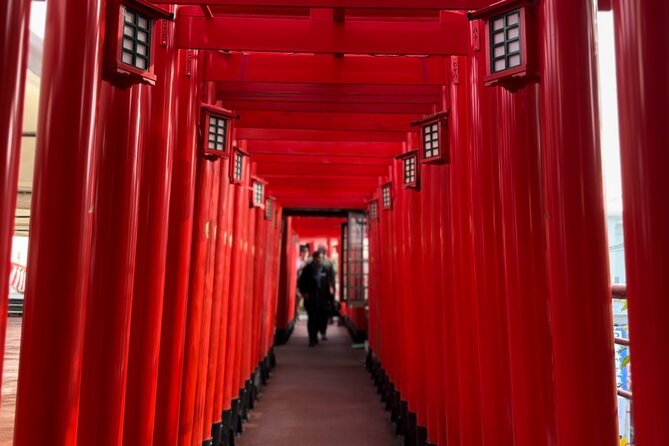
- Ryukyuan worship in modern Naha: Visit shrines, temples, a sacred spring, and royal tombs where local traditions remain part of daily life.
- Electric bikes for Shuri’s hills: The motor takes much of the sting out of the climbs, though you still ride on public roads.
- Maximum of five people: A small group gives you more time to ask questions and keep the pace manageable.
- A useful four-hour route: See several religious and royal sites in one morning or afternoon without arranging separate transport.
- Goshuin-cho included: You receive a pilgrim’s book, adding a personal record to the shrine visits.
- Weather matters: The plan may change if the precipitation chance exceeds 70 percent or severe weather is expected.
Why this cycling route shows you a different Naha
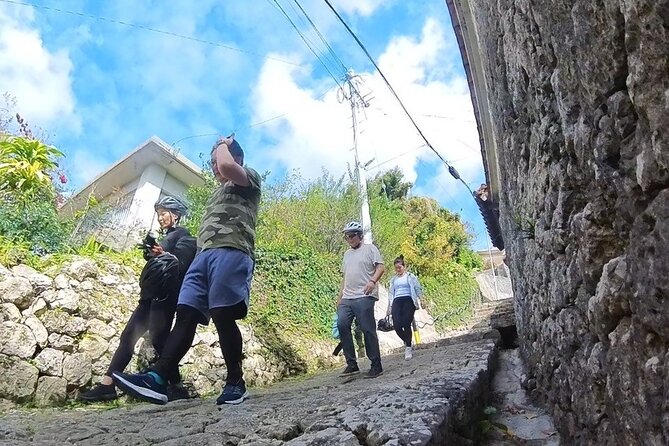
I like this tour because it treats Naha as a living place of worship rather than a checklist of famous buildings. You are not only looking at red gates and old stones. You see how Okinawan people continue to honor bodhisattvas, ancestors, local deities, springs, and former kings.
The route also gives you a useful bridge between central Naha and Shuri. By bicycle, you move through ordinary residential areas, pass traditional houses, climb toward historic sites, and then coast downhill through the city. That change of scenery is part of the appeal.
The tour starts near Makishi Monorail Station, just one minute from the station. You collect your electric bicycle, receive a short safety briefing, and begin with a maximum of five participants. That small size is especially helpful at temples, where a large group could feel intrusive.
The price is $108.72 per person. That is not the cheapest way to get around Naha, but it covers the bicycle, helmet, guide, snacks, and pilgrim’s book. I see the value in it if you want context and a planned route. Renting a bicycle alone would cost less, but you would need to find the sites, manage the hills, and understand the customs without help.
A few more Naha tours and experiences worth a look

Starting near Makishi and getting used to the e-bike
The meeting point is at 3-chōme-13-20 Makishi, Naha, near Makishi Monorail Station. The first 20 minutes are set aside for bicycle pickup and basic instructions.
That opening is practical rather than scenic. Take it seriously. You will ride through city streets, and part of the route uses busy roads. The electric motor helps with the hills, but it does not replace normal traffic awareness.
You receive an installed cycling helmet. A phone holder and camera mount are not included, so secure your phone another way if you want to follow directions or take pictures while stopped. Bottled water is also not included, so bring your own.
Snacks are included, which is a pleasant extra on a four-hour outing. Since the route involves several climbs and descents, a small drink is still worth carrying.
Shuri Kannondo and the guardian of the kingdom
The first major stop is Shuri Kannondo, a bright vermilion temple with views over Shuri. Here you can see Kannon Bodhisattva, described as the guardian deity of the Ryukyu Kingdom, along with detailed carvings and decorative ornaments.
The stop lasts about 20 minutes. That is enough for an explanation, a look around, and photographs, but not a long, quiet temple visit. Listen closely to the guide here, because the meaning of the site is more interesting than the building’s color alone.
The elevated position gives you one of the route’s first useful views over the city. You also begin to see the difference between Okinawan religious buildings and the more familiar temple styles of Japan’s main islands.
Ankoku-ji Temple and old neighborhood lanes
From Shuri Kannondo, you pass through a local part of Naha where several traditional houses remain. This section is one of the strongest reasons to choose a bicycle. A bus can get you near a major attraction, but it will not give you the same close look at quiet streets between the sites.
Ankoku-ji Temple has practiced Okinawan Buddhism for more than 500 years. The stop takes about 20 minutes and includes an ancient gate and other old features. The contrast is striking: modern streets and traffic sit close to a place with centuries of religious use.
You should expect the guide to explain the symbolism and customs rather than simply point out architecture. That is where the tour earns its keep. If you only want photographs, the visit may feel brief. If you want to understand why these places still matter, the time is better spent.
Shuri Castle’s vermilion gate
The route continues to Shuri Castle, although this experience focuses on a special ceremonial gate rather than presenting itself as a full castle tour. You can photograph your bicycle in front of the gate, whose vermilion color and balanced design make it one of the most recognizable images in Okinawa.
Allow your expectations to stay clear here. The listed stop is about 20 minutes and does not include a separate castle admission. You are visiting the gate as part of the cycling route, not spending several hours inside the castle grounds.
That limited stop can be an advantage if you already plan a separate Shuri Castle visit. You get a useful orientation and a memorable photograph without using the whole afternoon. If Shuri Castle is your main reason for coming, plan additional time on your own after the tour.
Sairaiin, the Daruma Temple
Sairaiin is also called the Daruma Temple. People come here to pray for good health and pregnancy, and to give thanks for their present lives. The bright red daruma dolls make the stop visually different from the earlier temples.
This is a good place to ask questions about how religious practice works in present-day Okinawa. The route is not only about old royal buildings. It shows you active traditions, personal hopes, and forms of gratitude that continue today.
The stop lasts around 20 minutes. Daruma figures are familiar across Japan, but the setting and local meaning give this visit its own character. You may find the stop more memorable if you pay attention to the purpose behind the offerings rather than treating the dolls as simple decoration.
Seikoji and the sudden change in atmosphere

At Seikoji, the route crosses a main street and passes beneath the monorail. Then the city noise gives way to a temple setting with a more secluded feel.
The current temple was rebuilt after the war, while an older Japanese camphor tree nearby connects the site with an earlier era. That combination is worth noticing. Okinawa’s past was heavily disrupted, and many places you see today contain both reconstruction and surviving fragments.
You spend about 20 minutes here. The stop works well as a pause in the ride because it offers a change from vermilion gates and open views. You move from transport infrastructure to a sacred setting in just a few minutes, a small example of how closely old and new Naha sit together.
Shuritobarucho and the forest spring
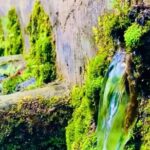
Shuritobarucho is described as a miraculous spring found deep in the forest after an Okinawan princess noticed waterfowl nearby. The spring gives the route one of its quieter and more natural moments.
The visit lasts roughly 15 minutes. Do not expect a long nature walk. The value is in the story and in the sense of continuity: water that served people in the past remains part of the area’s identity today.
This stop also helps break up the temple visits. If you enjoy sacred springs, local legends, and places with a simple physical focus, you will likely appreciate it. If you want large monuments at every stop, this smaller site may feel modest.
The downhill ride to Sogenji-dori
The route then takes a thrilling downhill ride along Sogenji-dori toward the burial place of successive Ryukyu kings. The downhill section sounds easy, but keep control and follow the guide’s instructions. City cycling is still city cycling, even when gravity is helping.
The royal tomb area is now a park within Naha, with clean air and open space. Look for the stone gate and the old banyan tree that remain from the former burial grounds. The setting is less formal than many royal sites elsewhere in Japan, but that is part of its appeal.
This final major stop lasts about 15 minutes. It gives you a direct connection to the Ryukyu royal line and closes the religious route on a suitably reflective note.
What the guides add to the ride
The guide is central to this experience. The route includes many places that might look small or ordinary if you arrived without explanation. A good guide connects the carvings, statues, springs, royal sites, and worship habits into a story you can follow.
The guiding team has included Maria, Jojo, Sally, and Reija. Maria has been singled out for handling busy streets and explaining Okinawan culture. Jojo has been praised for being open to questions and helping with memorable photographs. Sally has led a nature-focused variation, while Reija has provided detailed explanations during a private outing.
Your guide will depend on the date, so do not book on the assumption that one particular person will lead the ride. What you can reasonably expect is a local escort, a safety briefing, help with the route, and explanations at the religious sites.
I also like that the guides have shown flexibility. One outing shifted to a nature-oriented route that included the castle and other interesting areas, while another private ride moved at an individual pace. The exact feel of your tour may depend on weather, group size, and the day’s conditions.
Timing, fitness, and family details
The advertised duration is about four hours. The listed stop times add up to roughly two hours and 15 minutes, with the remaining time used for cycling, traffic, explanations, and transitions. One outing finished in about 2.5 hours, so the actual pace can vary.
You do not need to be an advanced cyclist, but you should be comfortable riding an electric bicycle on public streets. The hills are a real reason to choose an e-bike, and the motor makes Shuri more approachable. Still, you will need to steer, brake, watch traffic, and manage the bike on descents.
Children aged one to five can ride in a child seat attached to a parent’s bicycle. Consult the staff before booking for the specific arrangement. The activity is described as suitable for most people, but the busy-road sections and uneven city route are worth considering for anyone with limited cycling confidence.
The group maximum is five. That is small enough for individual questions and easier movement through narrow streets. It also means the experience may feel more like a guided outing than a large commercial excursion.
Weather, cancellation, and what to bring
This is an outdoor bicycle tour, so weather can change the plan. If the precipitation probability exceeds 70 percent or severe weather is expected, the operator may alter the route and will contact you the day before. If poor weather cancels the experience, you are offered another date or a full refund.
You can cancel for a full refund up to 24 hours before the local start time. Changes or cancellations inside that window are not accepted, so keep the policy in mind when arranging your Naha schedule.
Bring bottled water, since it is not supplied. Wear clothes suited to cycling and bring a way to protect your phone or camera. There is no included phone holder or camera mount, and the tour’s best photo moments come when you are safely stopped at the gates, temples, and royal sites.
Who should book this Naha bike tour
I would choose this experience if I had already seen the main shopping streets and wanted a more personal look at Naha and Shuri. It suits you if you enjoy temples, local beliefs, small historic sites, and moving through ordinary neighborhoods rather than staying on a sightseeing bus.
It is also a smart choice for a short stay. In roughly four hours, you cover several religious sites, a spring, a royal burial area, and a key Shuri gate. The route gives you enough context to decide which places deserve a longer visit later.
You may want another option if you dislike cycling beside traffic, need a completely flat route, or want extensive time inside Shuri Castle. This is a moving tour with short stops, not a slow temple retreat or a full castle excursion.
Should you book it?
Book this tour if you want small-scale sightseeing with cultural context, and if electric-bike riding sounds comfortable. The strongest features are the maximum group of five, the guide’s help with Okinawan customs, and access to places that do not fit neatly into a standard Naha itinerary.
At $108.72, the price makes sense for the bicycle, guide, helmet, snacks, and pilgrim’s book, especially if you value local explanation and efficient routing. Skip it if your priority is saving money, avoiding traffic, or spending most of your time at one major attraction.
For many visitors, this is a good way to see Naha’s quieter religious side before returning to the city on your own. The tour ends back at the shop, leaving you free to continue exploring after the bicycles are returned.
FAQ
Where does the Zodiac Shrines and Naha Backstreets Cycling Tour start?
It starts at 3-chōme-13-20 Makishi, Naha, Okinawa 900-0013, Japan. The shop is about a one-minute walk from Makishi Monorail Station.
Where does the tour end?
The tour ends back at the original meeting point, where you return the electric bicycle.
How long does the experience last?
The advertised duration is approximately four hours. The exact duration can vary, and one recorded outing lasted about 2.5 hours.
How much does the tour cost?
The listed price is $108.72 per person.
How many people can join?
The maximum group size is five participants.
Is the tour suitable for children?
Children aged one to five can use a child seat attached to a parent’s bicycle. You should consult the staff for details before booking.
What is included in the price?
The tour includes use of a bicycle, an installed cycling helmet, a pilgrim’s book called a Goshuin-cho, and snacks.
Is bottled water included?
No. Bottled water is not included, so bring your own.
What happens in poor weather?
If the precipitation probability is above 70 percent or severe weather is expected, the operator may change the plan and contact you the day before. If the tour is canceled because of poor weather, you are offered another date or a full refund.
Can I cancel for a full refund?
Yes. You can cancel at least 24 hours before the local start time for a full refund. Cancellations or changes made less than 24 hours before the start are not accepted.
More Temple & Shrine Rides in Naha
More Okinawa Cycling Tours in Naha
More tours in Naha we've reviewed
Temple & Shrine Rides, compared.
 ★ 4.8E-Bike Nara Highlights – Todaiji, Knives, Deer, ShrineFrom $903h 30m
 ★ 5.0Kyoto: Fushimi Inari Shrine and Tofukuji Temple E-Bike TourFrom $834 hours
 ★ 4.9Naha: Guided E-Bike Tour of the 12 Zodiac TemplesFrom $953 hours
 ★ 4.5E-Bike Nara Highlights – Todaiji, Knives, Deer, Shrine, and GemsFrom $92
 ★ 5.0Osaka Half-day E-bike Adventure: Minoh Falls & Katsuoji TempleFrom $34
 ★ 4.9Kyoto: Half-day Guided Bike Tour with Fushimi InariFrom $773h 30m
 ★ 5.0Kanazawa Ninja Temple Half Day E-bike tourFrom $133
 ★ 4.8Hiroshima: Peace Park, Castle, and Mitaki Temple E-Bike TourFrom $703h 30m
Browse the lists this tour appears in