
Reviewed · E-BIKE TOURS
Sakurajima Century Lava Climb Journey with E-bike
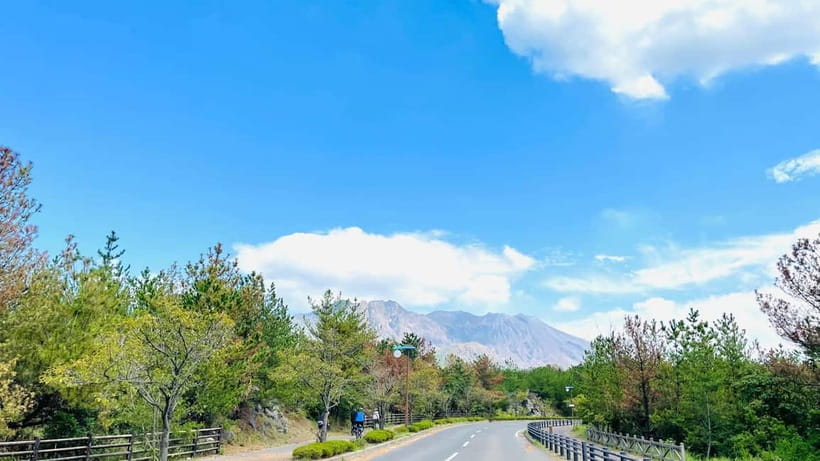
Sakurajima is best understood from a bicycle seat, where black lava, citrus farms, quiet roads, and the smoking volcano become part of one moving story. This three-hour ride takes you to Yunohira Observatory, the highest point on Sakurajima, while guide Rento explains how the island changed after its major 20th-century eruption.
I like the small group, limited to six, and the way the electric assist makes the uphill road possible for ordinary cyclists. I also like the personal touches: regular rest stops, local snacks and a drink at the viewpoint, and time to discuss geology, farming, and island life. The main drawback is simple: this is still a climb, and hot weather, wind, ash, or wet black sand can make the ride harder than expected.
In This Review
- Key points at a glance
- Why a bicycle makes Sakurajima feel different
- Starting at Sakurajima Visitor Center
- Following the traces of Taisho lava
- The climb to Yunohira Observatory
- Quiet roads, farms, and secret stops
- What the guide adds to the ride
- How difficult is the e-bike climb?
- Weather and volcanic conditions
- Is the $102 price good value?
- Who should book this Sakurajima ride?
- Should you book it?
- FAQ
- Where does the Sakurajima e-bike tour begin?
- How long does the activity last?
- What languages are available?
- How many people can join the tour?
- Is the e-bike rental included?
- Can I cancel for a full refund?
- What should I bring?
Key points at a glance
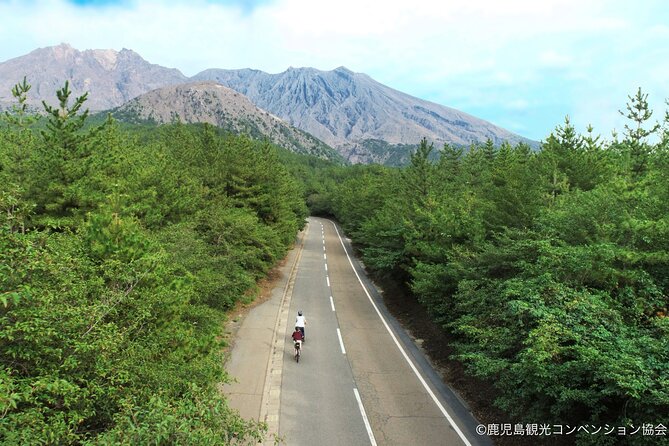
- Taisho lava under your wheels: See the hardened lava left by Sakurajima’s major 1914 eruption and learn how it changed the island.
- Rento’s patient guiding: He adjusts the pace, explains the volcano clearly, and gives less confident riders time to get comfortable with the e-bike.
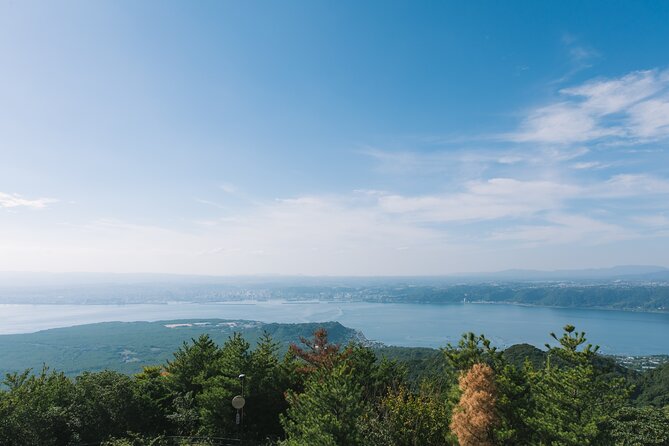
- Yunohira Observatory views: The highest stop on the route offers wide views toward Kagoshima and the surrounding area.
- A real uphill workout: Electric assistance helps, but you still pedal, so comfortable clothing and water matter.
- Quiet stops beyond the main viewpoint: The route includes lesser-known pauses, local agricultural sites, and scenic roads away from the main bus circuit.
- Small-group value: With no more than six people, the ride can feel personal rather than like a convoy.
Why a bicycle makes Sakurajima feel different
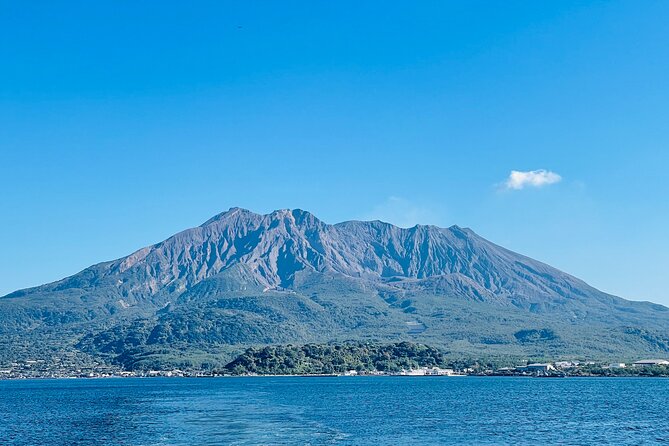
Many people see Sakurajima from the ferry, a bus window, or a quick stop near the visitor center. Those options are useful, but a bicycle gives you time to notice the ground beneath you. The dark volcanic surface, roadside farms, changing views, and signs of past eruptions come into focus at cycling speed.
This is not a technical mountain-bike outing. It is a guided electric-bike ride, with a helmet included and a safety briefing before departure. You need to be able to ride a bicycle, and you must be at least 145 centimeters tall, but you do not need previous e-bike experience.
The electric assist is the key. Several riders had never used an e-bike before and found it manageable after a little practice. Still, do not mistake electric assistance for a motorbike. You pedal, and the climb can feel like a proper workout, especially in warm weather.
A few more Kagoshima tours and experiences worth a look
Starting at Sakurajima Visitor Center
The meeting point is about an eight-minute walk from the Sakurajima Ferry Terminal. That makes the tour easy to pair with a ferry crossing from Kagoshima, though you should allow enough time to walk over, check in, and settle onto the bike.
The first 20 minutes are set aside for safety instructions. This is useful time, not filler. You can learn how the electric assist works, adjust your helmet, ask about the route, and get a feel for the bike before the road begins to rise.
Rento has earned a particularly strong reputation for patience and care. He explains the volcano in clear terms, watches the pace, and makes extra stops when the weather or the group calls for it. If you are nervous about e-bikes, tell him early. The small group format makes it easier to ask questions and ride at a comfortable speed.
Following the traces of Taisho lava
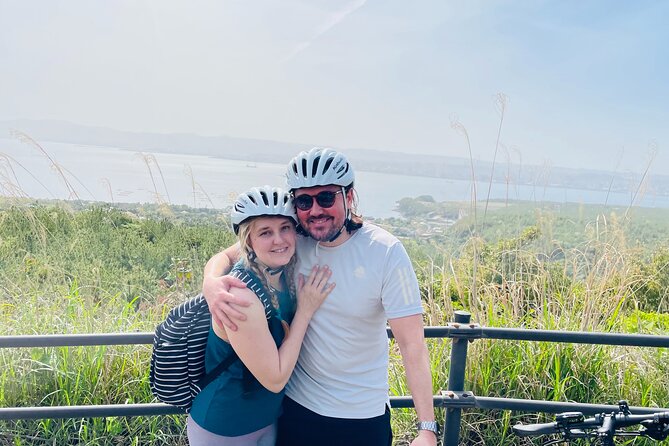
The central story is Sakurajima’s Taisho eruption, the huge 20th-century event that reshaped the island. The route uses visible traces of that eruption to turn geology into something you can see rather than just hear about.
You will learn how volcanic activity affected the island and its people, not only the technical facts of an eruption. The guide also connects the volcano to local agriculture and daily life. That link matters because Sakurajima is not simply a dramatic cone for photographs. It is a lived-in island where people continue to farm and adapt around an active volcano.
The early ride includes a guided e-bike section of about 10 minutes, followed by short breaks and sightseeing stops. The schedule gives you several chances to pause, listen, and take photographs. Those stops are especially welcome on the uphill portion, where the value of the electric assist becomes clear.
The climb to Yunohira Observatory
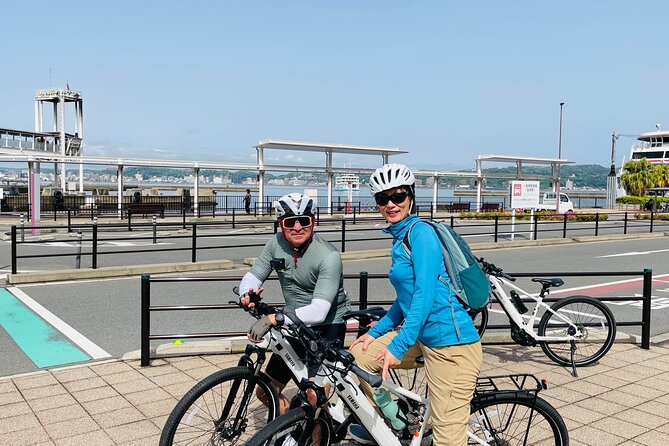
Yunohira Observatory is the high point of the tour and the main reward for the climb. From here, you can take in broad views of Kagoshima and the surrounding area. The 30-minute stop allows time for photographs, a guided explanation, free time, and a little shopping.
The viewpoint is not just a finish line. It is where the route’s geology and scenery come together. After seeing lava traces close to the road, you can look back across the island and understand the scale of the volcano’s presence.
A local snack and drink are included at the viewpoint. It is a small detail, but a welcome one after the uphill ride. You may also appreciate having time to cool down instead of being rushed straight back onto the bicycle.
The views depend on the day. Clear weather can bring sweeping scenery, while clouds, rain, volcanic ash, or strong wind may limit what you see. That uncertainty is part of visiting an active volcano, but it is also why weather-appropriate clothing and eye protection are sensible.
Quiet roads, farms, and secret stops
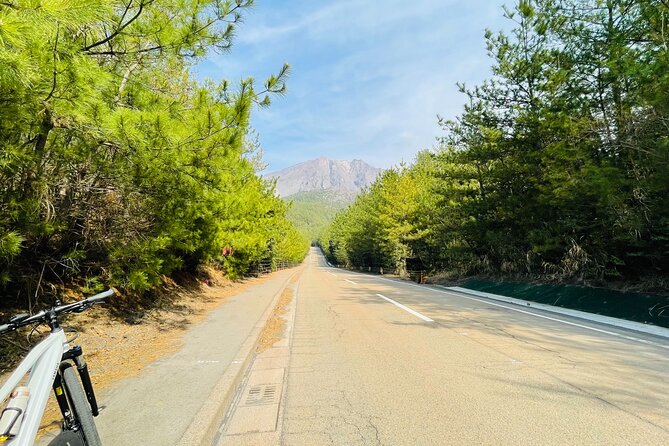
The return journey includes two short stops described as secret stops, each lasting around 10 minutes. The exact details are not fixed in advance, which gives the guide room to respond to the day’s conditions and show suitable points along the route.
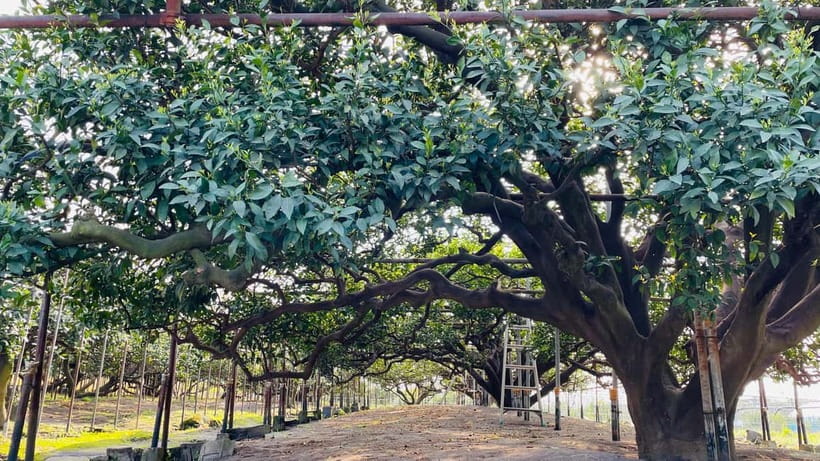
Past rides have included quiet agricultural areas and local orchards. These pauses add something that a standard sightseeing bus often misses. You see how the island is used, not only how it looks from a viewpoint.
The downhill ride is easier physically, but you still need to pay attention. One serious caution is wet black sand on the pathway. It can make a bicycle skid, and one rider suffered bruising and swelling after falling. Ask about surface conditions before setting off, slow down on questionable sections, and use slip-resistant gloves if conditions are wet or cold.
The tour provider specifically advises bringing protection against sudden rain and wind, sunglasses for glare and falling ash, and a small backpack. Bags can be attached to the bicycles, so you do not need to carry everything on your back.
Other cycling tours in Kagoshima
What the guide adds to the ride
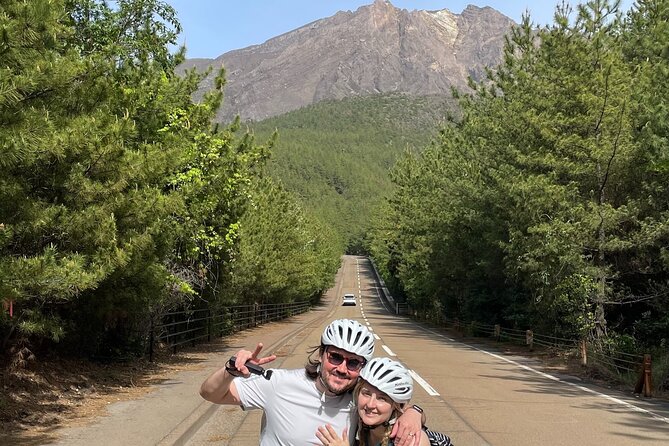
The volcano facts are important, but the guide is what gives the tour its shape. Rento has been praised for explaining geology in a way that stays connected to the places you are seeing. He also makes room for questions, photographs, and breaks instead of treating the route as a race.
That flexibility matters if your group has mixed ability. One solo rider was able to set the pace and stop often for questions. Another participant who was following by island bus was met at the top, where Rento explained the viewpoint. That is an unusual kindness and shows the guide’s willingness to make the day work for the people in front of him.
The tour is offered in English and Japanese. Since the group is capped at six, the guide can usually speak with you directly rather than delivering a long speech to a crowd. If you care about volcanoes, agriculture, or local history, this is a good setting to ask specific questions.
How difficult is the e-bike climb?
The ride is accessible, but I would not call it effortless. The electric motor reduces the strain, yet you remain active for much of the three hours. Several riders described the uphill stretch as challenging but worthwhile, and one called it a good workout even with the assist.
You should be comfortable balancing, braking, turning, and riding on changing surfaces. The tour is not suitable for anyone who cannot ride a bicycle. The minimum height is 145 centimeters, which is about 4 feet 8 inches.
Wear comfortable shoes. Bring water, even though a snack and drink are provided. In summer, heat can make the climb feel much tougher. In cooler months, wind protection and gloves may be more useful than you expect.
Sunglasses serve two purposes here: they reduce glare and help protect your eyes if ash is blowing. A small backpack is practical for personal items, but avoid bringing a large bag. Alcohol and drugs are not allowed.
Weather and volcanic conditions
Sakurajima’s weather can change quickly. The provider makes the bad-weather decision by the day before the activity and will notify you if the tour is canceled. In that case, you receive a refund.
You should still prepare for sudden rain and wind. A compact rain barrier or window breaker is recommended in the tour information, though the wording is unusual. The practical point is clear: bring a lightweight layer that keeps you dry and helps protect you from wind.
Ash fall can affect visibility, clothing, and comfort. Sunglasses are useful, and weather-appropriate clothing is essential. Ask the guide about the day’s conditions during the briefing, especially if you have sensitive eyes or dislike riding in poor weather.
One rider reported seeing the volcano erupt twice during the ride. That is a memorable possibility, not a promise. Conditions and volcanic activity are unpredictable, so the tour is better suited to people who accept some uncertainty than to anyone expecting a guaranteed clear view.
Is the $102 price good value?
At $102 per person, the tour costs more than simply taking public transport around Sakurajima. But the comparison is not quite equal. The price includes the e-bike, helmet, English or Japanese guide, safety briefing, guided stops, a snack, and a drink.
You are also paying for access to a much smaller group. With six people or fewer, the guide can adjust the speed, stop for questions, help with the bike, and spend time at places that would not suit a large bus group. That personal attention is the strongest part of the value.
The cost makes most sense if you want more than a viewpoint photograph. You get exercise, volcano interpretation, local scenery, and a route that includes lava traces, farms, quiet roads, and the island’s highest observation point.
It may feel expensive if you only want transportation to Yunohira Observatory or if you do not enjoy cycling. In that case, the island bus may be a better fit. The e-bike tour earns its price through participation, not convenience.
Who should book this Sakurajima ride?
I would recommend it to active sightseers, couples, solo visitors, and small families with older children who meet the height requirement and can ride confidently. It is also a strong choice if you have already seen Kagoshima from the waterfront and want a closer look at Sakurajima itself.
First-time e-bike users can manage the route, especially if they are willing to practice during the safety briefing. Rento’s patient style is a major help, and the frequent stops prevent the climb from becoming a test of endurance.
I would be cautious about booking if you dislike hills, struggle in heat, or need a fully predictable schedule. The route includes real pedaling, outdoor exposure, and surfaces that can become slippery. If you have any concern about cycling on volcanic roads, contact the provider before booking.
At the time of writing, the activity has a 4.9 out of 5 rating from 27 ratings. That matches the tour’s strongest qualities: Rento’s care, the well-kept bikes, the scenery, and the useful mix of volcano science and island life. The wet-sand warning is worth taking seriously, but it is a manageable safety issue if you ride carefully and listen closely at the briefing.
Should you book it?
Book this tour if you want to feel Sakurajima under your own power, with electric help and a guide who can explain what you are seeing. The best parts are not limited to Yunohira Observatory. They include the lava beneath the road, the quiet agricultural stops, the changing views, and the chance to ask questions in a small group.
Skip it if your ideal volcano visit means sitting back on a bus. For most people who enjoy gentle outdoor activity, though, the $102 price is fair for a three-hour guided ride with equipment, refreshments, and personal attention. Pack water, sunglasses, gloves, and a rain layer, then leave room in your schedule for the climb to unfold at a human pace.
FAQ
Where does the Sakurajima e-bike tour begin?
It begins at Sakurajima Visitor Center, about an eight-minute walk from the Sakurajima Ferry Terminal.
How long does the activity last?
The tour lasts three hours, including the safety briefing, guided ride, stops, and time at Yunohira Observation Deck.
What languages are available?
The live guide service is available in English and Japanese.
How many people can join the tour?
The group is limited to six participants.
Is the e-bike rental included?
Yes. The activity includes an e-bike rental and helmet, along with a guided e-bike tour.
Can I cancel for a full refund?
Yes. You can cancel up to 24 hours in advance for a full refund. The provider also issues a refund if the tour is canceled because of bad weather.
What should I bring?
Bring a passport or ID card, comfortable shoes, water, travel insurance, and clothing suited to the weather. Sunglasses, slip-resistant gloves, a small backpack, and protection from sudden rain and wind are also recommended.
More E-Bikes in Kagoshima
More Cycling Tours in Kagoshima
More E-Bike Tours in Kagoshima
More tours in Kagoshima we've reviewed
E-Bike Tours, compared.
 ★ 5.0Tokyo Top Highlights 3h Guided E-bike TourFrom $63
 ★ 5.03h Tokyo E-Bike Tour: Hidden Gems, and Local Life with guideFrom $63
 ★ 5.05 Top Highlights of Kyoto Full Day Bike Tour (E-bike option)From $172
 ★ 4.83-Hour Bike or E-Bike City Highlights TourFrom $453 hours
 ★ 5.0E-Bike Tours of the highlights of Kyoto!!!From $109
 ★ 4.83-hour Guided E-Bike Tour of the City’s Hidden GemsFrom $65
 ★ 5.0Osaka E-Bike Tour with a Local GuideFrom $59
 ★ 5.03-Hour Bike/E-Bike Tour of the City’s HighlightsFrom $63
Browse the lists this tour appears in