
Reviewed · NARA CYCLING TOURS
E-Bike Nara Highlights – Todaiji, Knives, Deer, Shrine, and Gems
Nara’s famous sights spread across a large park, and an e-bike lets you cover them without spending the day on foot. This 3.5-hour ride links the deer, Todaiji Temple, Kasuga Grand Shrine, a historic knife shop, and the quiet pond pavilion at Ukimido.
I like the smart route and the mix of major sights with local craft. I also like that guides such as Christophe, Jean-Yves, Robert, and Remi have been praised for clear explanations, patience, and careful attention to bike safety. The main consideration is pace: you see many places in one morning or afternoon, but you will not have long, unhurried time at each one.
In This Review
- Key points to know before booking
- Why the e-bike works so well in Nara Park
- Starting near central Nara
- Riding through Nara Park and its deer
- Meeting the guardians at Todaiji’s Great South Gate
- Entering Todaiji and seeing the Daibutsuden
- Learning about Japanese knives at Kikuichi
- Understanding Kasuga Grand Shrine
- Finding calm at Ukimido
- What the guides add to the ride
- Is $92.24 a fair price?
- Who should choose this Nara tour?
- Should you book E-Bike Nara Highlights?
- FAQ
- How long does the e-bike tour last?
- What sights are included?
- Is the Todaiji entrance fee included?
- Are e-bikes provided?
- Is food included?
- Where does the tour start and finish?
- Can one person book the tour?
Key points to know before booking
- E-bikes save your legs: You avoid much of the walking between Nara’s spread-out sights, including some uphill sections.
- Todaiji is the centerpiece: The temple houses Japan’s largest bronze Buddha statue and includes the famous Buddha’s-nostril passage.
- The knife shop adds local character: Kikuichi Monju Shiro Kanenaga offers an introduction to Japanese cutlery and buying advice.
- Kasuga is more than a photo stop: You learn about Shinto and the nature-centered spirit associated with the shrine.
- The group is capped at 12 people: That keeps the ride more manageable than a large coach excursion.
- Weather and minimum numbers matter: Bad weather or too few bookings can lead to a new date or a full refund.
Why the e-bike works so well in Nara Park
Nara Park looks compact on a map, but the main sites are not all next door to one another. Walking from the station area through the deer park to Todaiji, Kasuga Grand Shrine, and Ukimido can take a good part of a day, especially in warm weather or when uphill paths enter the route.
The electric assistance changes the rhythm. You still pedal, but the bike helps with the effort, so you can spend more energy looking at the scenery and less energy watching your step. Several people who booked the ride specifically appreciated cutting down on walking and covering more ground in a short visit.
That makes this a strong choice if Nara is one stop in a packed Japan schedule. You get a broad introduction to the park rather than spending most of your available time moving between sights.
The ride is not only about speed. The guide leads you along routes intended to avoid much of the traffic, and regular pauses give you time to hear about the sites, take pictures, and settle into the bike. Safety and comfort come up often in the feedback, with Robert, Christophe, Jean-Yves, and Remi receiving especially warm praise for their calm, friendly approach.
A few more Nara tours and experiences worth a look

Starting near central Nara
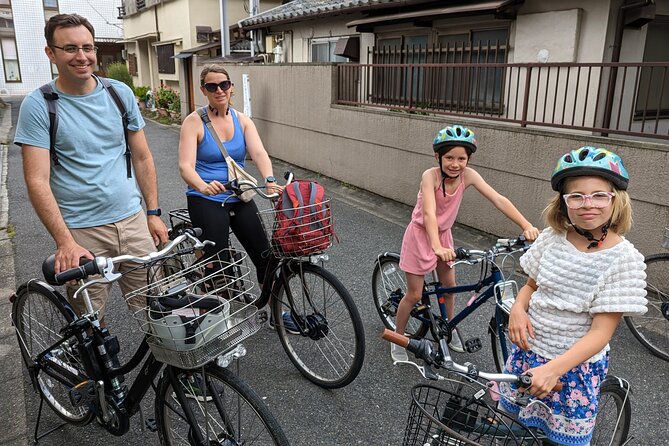
The meeting point is Nara Rent-a-Cycle at 2115-1 Takamaichicho, near public transportation. The activity returns to the same place, which makes the day easier to plan. You do not need to arrange a separate pickup at the end or figure out how to retrieve luggage from another part of town.
The bikes, entrance tickets, bilingual local guide, deer cookies, and online souvenir photos are included. Food, drinks, shopping, and personal souvenirs are not included, so bring water and budget separately if the Kikuichi stop tempts you.
The group can have up to 12 people. That is large enough for a social outing but small enough for a guide to keep an eye on the riders. A single person can book, but the departure needs at least two confirmed participants. If that minimum is not reached, the operator may cancel and offer another date, another experience, or a full refund.
French-speaking service is not guaranteed on a shared departure. English becomes the priority when several nationalities are mixed together. If you need a French-speaking guide, contact the operator ahead of time to check availability.
Riding through Nara Park and its deer
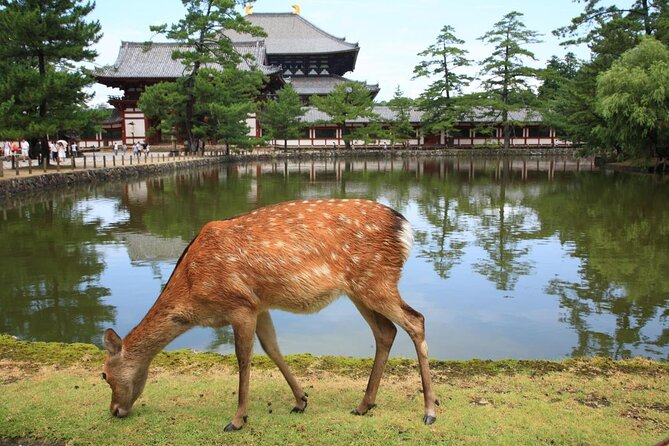
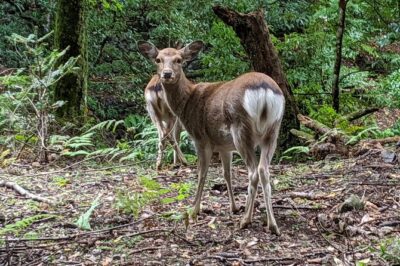
The first section takes about 30 minutes and introduces the unusual relationship between Nara’s city life and its free-roaming deer. You will ride through the park rather than simply walk from one gate to another, with time to watch the deer and take in the open spaces around the temples.
Deer cookies are provided for the group. Feed carefully and follow the guide’s instructions, since the animals are eager once they notice food. The cookies are a small touch, but they help turn a quick look at the deer into an active part of the experience.
The bike is especially useful here because you can move beyond the busiest pedestrian areas. The guide chooses routes that offer a better cycling experience and reduce exposure to much of the traffic. You still need to ride attentively around people and deer, but the electric bicycle gives you a practical way to see more of the park.
This part is also where the tour feels least like a checklist. You are moving through a public park where the deer, temple roofs, trees, and city streets meet. If you want a long, quiet encounter with one particular animal, the group format may feel too brisk. If you want a useful first look at Nara Park, the timing works well.
Meeting the guardians at Todaiji’s Great South Gate
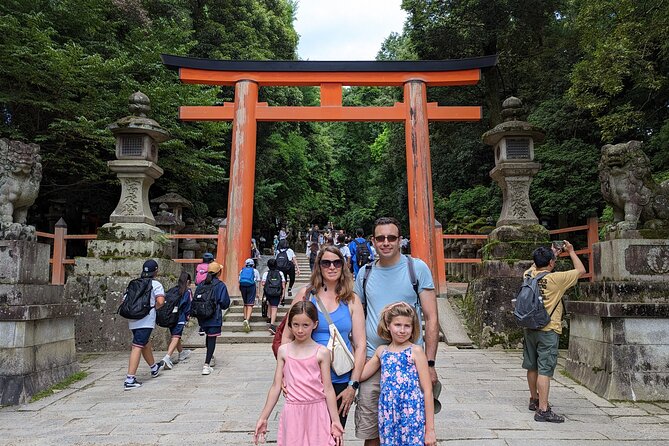
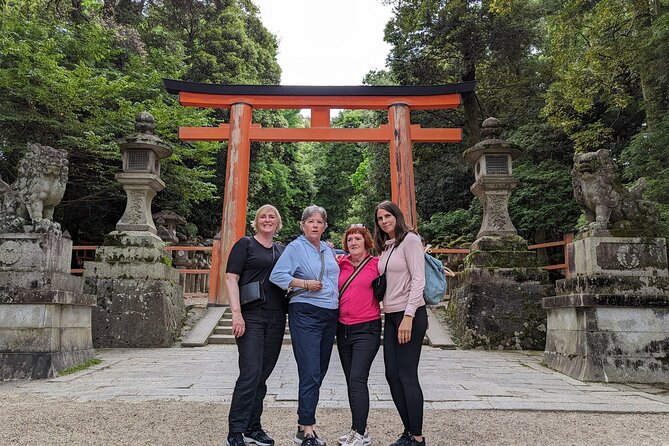
The ride then reaches Todaiji’s Namdaimon, or Great South Gate, for about 35 minutes. This enormous gate marks the approach to one of Nara’s most important religious sites, and it gives you an early sense of Todaiji’s scale.
The two fierce guardian figures are the visual focus. Their expressions and posture were designed to protect the temple grounds, and the guide explains how to read the gate and its architecture rather than leaving you with only a quick photo opportunity.
This stop is free, but it matters because it sets up the temple visit that follows. Take time to look upward and around the gate, not only straight ahead toward the main hall. The scale can be hard to grasp in a photograph, and the bike tour gives you a guide who can point out details you might otherwise pass.
Entering Todaiji and seeing the Daibutsuden
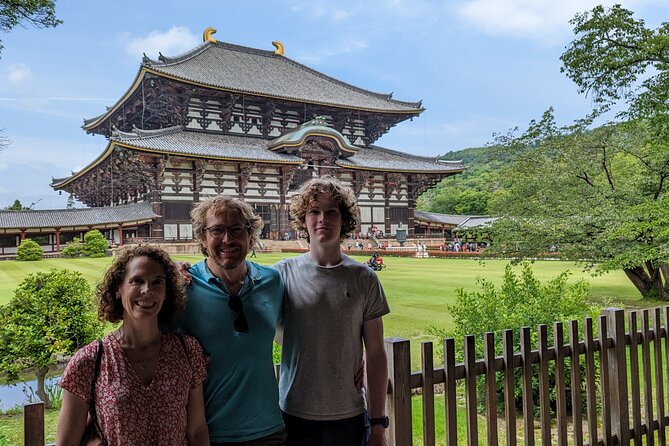
Todaiji receives about 45 minutes, including admission. The temple is home to the Daibutsuden, which contains Japan’s largest bronze Buddha statue. For many people, this is the central reason to choose the experience.
Your guide provides historical and cultural context before or during the visit, helping the huge statue feel like more than a famous object on a sightseeing route. The hall itself is a major part of the experience, and the Buddha’s size gives the visit its memorable punch.
You may also try to pass through the opening said to match the size of the Buddha’s nostril. It is a playful tradition within a serious temple visit, though the opening can be narrow and may not suit everyone. If you do not fit or prefer not to try, you lose nothing essential. The statue and hall are the important parts.
The time limit is useful for a first visit, but it is also the clearest tradeoff in the schedule. You can see the main hall and hear the key story, yet you may want to return on your own if architecture, Buddhist art, or temple history interests you deeply.
Learning about Japanese knives at Kikuichi
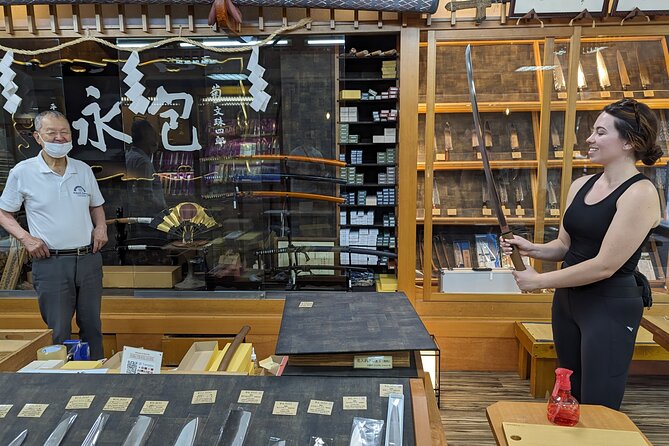
The stop at Kikuichi Monju Shiro Kanenaga gives the tour a different flavor. After deer and temple architecture, you visit an original shop connected with a prestigious Japanese knife maker.
The company’s background as a former katana maker adds useful context. Japanese blades are not only kitchen tools in this setting. They also reflect long traditions of metalwork, sharpness, maintenance, and craft.
You receive an introduction to Japanese cutlery, along with advice if you are considering a purchase. That guidance can be valuable because knife styles, steel types, handles, sharpening needs, and luggage rules can be confusing when you are shopping quickly.
This is not a required shopping stop. You are free to look without buying, and shopping is not included in the tour price. But if you have been hoping to bring home a Japanese kitchen knife, the stop gives you a better chance of making a considered choice instead of grabbing the first attractive blade you see.
One past participant returned home with a Japanese knife from the shop, which shows how practical this part can be for the right person. If you have no interest in cooking or crafts, the 35 minutes may feel less important than Todaiji or Kasuga. For anyone curious about Japanese workmanship, it adds substance to the route.
Understanding Kasuga Grand Shrine
The ride continues to Kasuga Taisha, known in English as Kasuga Grand Shrine. The stop lasts about 40 minutes and focuses on Shinto, the shrine’s spirit, and the idea of nature as a central force in Japanese religious life.
The lantern path is one of the most atmospheric parts. Stone and hanging lanterns lead through the shrine approach, creating a different mood from the open deer park and imposing Todaiji gate. You will want to slow down here, even though the overall tour keeps moving.
The guide’s role matters at Kasuga. Shinto customs can be easy to miss if you only walk through, take a picture, and leave. A bilingual explanation helps you understand why the shrine feels tied to the surrounding natural world and why its visual details matter.
The visit is free according to the tour details, but it does not include every possible paid area or personal purchase. Since the stop is limited to 40 minutes, treat it as an introduction. You will see the main approach and learn the basic ideas, but a person with a special interest in shrine architecture may want extra time afterward.
Finding calm at Ukimido
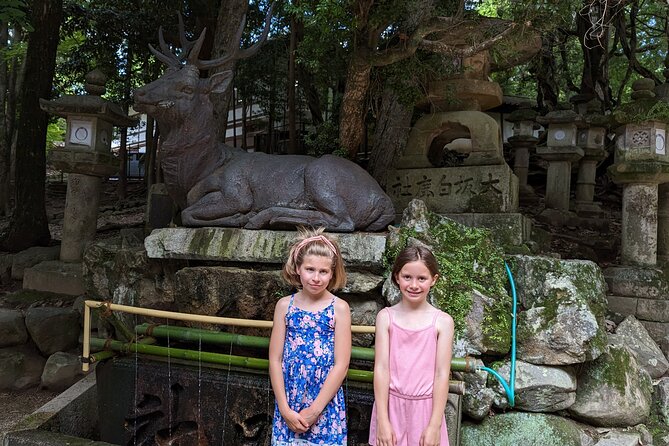
Ukimido is the quiet change of pace near the end. This pond pavilion sits in the southern part of Nara Park, with a wooden bridge and a peaceful setting often used for wedding photographs.
The planned 25-minute stop is short, but that is part of its appeal. After several major sights, you get a place to pause, take pictures, and enjoy a calmer corner of the park. The pavilion gives the tour a softer finish than simply returning from the shrine by the fastest route.
I like this stop because it shows you a less obvious side of Nara. The major temple and shrine are essential, but Ukimido helps you see why the park works as a place to linger, not just a corridor between famous buildings.
Do not expect a long break or a full nature walk. The point is a brief visit and a good photo setting. If you want to sit quietly for an hour, you will need to return independently.
What the guides add to the ride
The experience includes a bilingual local guide, and the guide can make or break a compact tour like this. You need someone who can explain the difference between a temple and a shrine, keep a group moving, and make sure riders are comfortable.
Christophe is described as friendly and welcoming, while Jean-Yves is noted for patience, energy, and clear explanations. Robert receives repeated praise for his warmth and ability to answer questions, and Remi is credited with teaching the group a great deal while keeping the outing fun.
Guide assignments can change, so you should not book on the assumption that one named person will lead your departure. Still, the pattern is clear: the strongest part of the service is the human guidance, especially at Todaiji, Kasuga, and the knife shop.
The ride also includes souvenir photos taken during the tour and made available online. That is useful when you are busy handling a bike, feeding deer, or listening to an explanation. It is a modest extra, but it means you do not have to ask another person to photograph every stop.
Is $92.24 a fair price?
At $92.24 per person, this is not the cheapest way to see Nara. You could walk through the park and visit some areas independently for less. The value comes from combining transportation, a bilingual guide, temple admission, deer cookies, photo service, and local introductions in one 3.5-hour block.
For a first visit, the price is easier to justify if you have limited time or want to avoid a high step count. The e-bike takes care of much of the distance between sights, and the route includes both headline attractions and places you might not select on your own.
The knife shop also gives the tour a local connection beyond the standard temple circuit. If you are only interested in Todaiji, it may make more sense to visit independently. If you want a broad, guided overview with less walking, the fee is reasonable.
The tour is booked around a month ahead on average, so reserve early if your Nara date is fixed. Free cancellation is available until 24 hours before the start time. Bad weather can also cancel the ride, with a new date or full refund offered.
Who should choose this Nara tour?
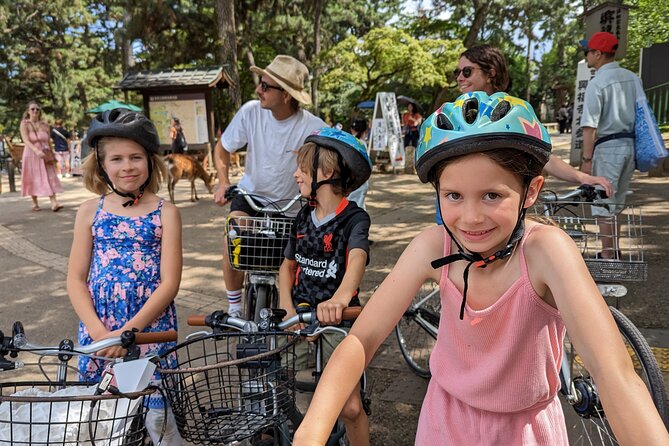
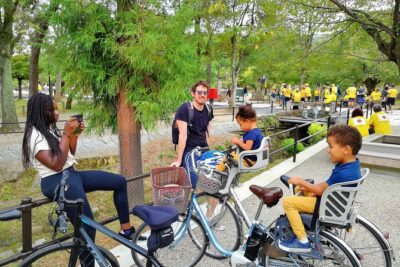
I would recommend it most strongly to first-time visitors, people with limited time, and anyone who finds long walks tiring. Families and mixed-age groups may also appreciate the electric assistance, though every rider still needs to be comfortable on a bicycle.
It suits curious cooks and craft fans because of Kikuichi. It also works for anyone who wants both the major religious sites and a quieter park setting without planning several separate visits.
You may want another format if you prefer to spend a full morning inside one temple, shop at your own pace, or avoid cycling altogether. The 12-person maximum helps, but this remains a shared outing with a fixed route and timed stops.
Should you book E-Bike Nara Highlights?
Book this tour if you want to see Nara’s main sights in one efficient loop and like having history, Shinto, deer, and local craft explained along the way. The e-bike is the real advantage, especially during hot weather or when you want to keep walking for the rest of your Japan trip.
Skip it if you already know Nara well or want deep, unhurried time at Todaiji or Kasuga. For most first-time visits, though, the combination is strong: a giant Buddha, guardian statues, deer cookies, lanterns, Japanese knives, and a quiet pond pavilion, all without making your legs do every bit of the work.
FAQ
How long does the e-bike tour last?
The experience lasts approximately 3 hours and 30 minutes.
What sights are included?
The route includes Nara Park, Todaiji’s Great South Gate, Todaiji Temple, Kikuichi Monju Shiro Kanenaga knife shop, Kasuga Grand Shrine, and Ukimido.
Is the Todaiji entrance fee included?
Yes. Entrance tickets are included, including the visit to Todaiji Temple.
Are e-bikes provided?
Yes. Use of an e-bike is included in the tour price.
Is food included?
Food and drinks are not included. Deer cookies for the group are included.
Where does the tour start and finish?
It starts at Nara Rent-a-Cycle, 2115-1 Takamaichicho, Nara, 630-8238, Japan, and ends back at the same meeting point.
Can one person book the tour?
A single person can book directly, but at least two participants are needed for the session to operate. If the minimum is not met, you may be offered another date or experience, or receive a full refund.
More Temple & Shrine Rides in Nara
More E-Bike Tours in Nara
More Nara Cycling Tours in Nara
More tours in Nara we've reviewed
Nara Cycling Tours, compared.
 ★ 4.8E-Bike Nara Highlights – Todaiji, Knives, Deer, ShrineFrom $903h 30m
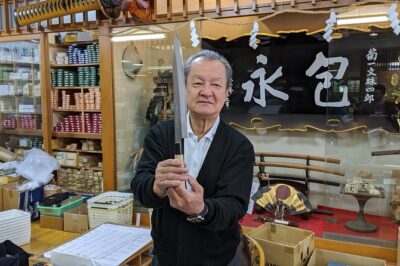 ★ 4.5Nara – Highlights Bike TourFrom $72
 ★ 5.0Nara: Bike Tour in Ancient Capital UNESCO World HeritageFrom $222 hours
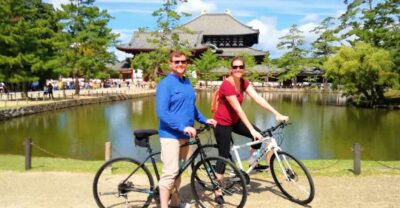 ★ 4.9Nara: City Highlights Shared Group or Private Bike TourFrom $703 hours - 210 minutes
 ★ 5.0Nara – Heart of Nature Cross Bike TourFrom $275
 ★ 5.0Nara – Private Family Bike TourFrom $195
Browse the lists this tour appears in