
Reviewed · CYCLING TOURS
Slow Cycling Tour at Uji’s Matcha Green Tea Fields and Heritage
Uji’s best moments are spread beyond its famous Byodoin Temple, and this tour gives you a smart way to connect them. You ride a stylish Brompton folding bicycle with a local navigator, moving from tea culture and ancient shrines to quiet river paths and the Amagase valley. The slow pace is the point. You get time to look around rather than simply tick off sights.
I like two things here. First, the guide can shape the route around your interests, including tea, temples, scenery, or local food. Second, the small group size, capped at six, makes it easier to ask questions and stop for photos. Guides such as Takashi have been praised for explaining Uji’s tea culture and history in clear, friendly fashion.
The main consideration is the price: $130.46 per person is a serious spend for a four-and-a-half-hour ride, especially since museum, temple, food, and optional insurance costs are extra. You are paying for the bicycle, equipment, English-speaking guide, and local route knowledge, not an all-inclusive day.
In This Review
- Key points to know before you book
- Why cycling works so well in Uji
- Starting near Uji Station at 10 a.m.
- Chazuna gives the tea story a proper beginning
- Uji Shrine and Ujigami Shrine, two linked sacred places
- Asagiri Bridge and the Uji River
- Koshoji Temple and the stone path to the gate
- The Amagase route is the day’s longest ride
- Byodoin Omotesando finishes the day with choices
- What the guide adds to the ride
- Extra costs, weather, and booking details
- Who should book this Uji cycling tour
- Should you book it?
- FAQ
- Where does the Uji cycling tour start?
- What time does the tour begin?
- How long does the experience last?
- Where does the tour end?
- How many people can join?
- Is an English-speaking guide included?
- Is the bicycle rental included?
- Are admission fees included?
- Is food included?
- Can I cancel for a full refund?
Key points to know before you book
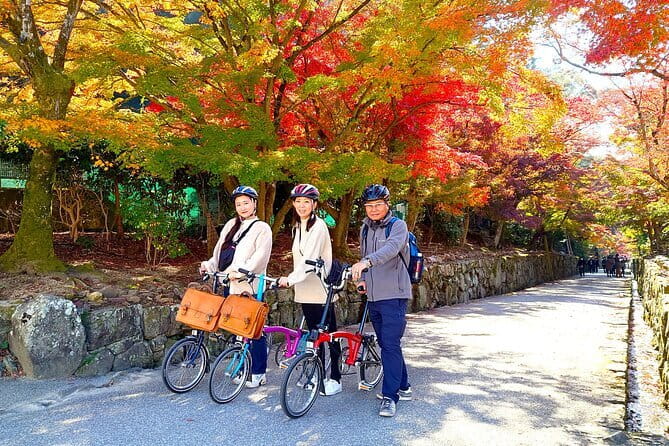
- Ride a Brompton, not a standard rental bike: The compact folding bicycle is part of the appeal and comes with riding equipment, including a helmet and wheeled transport bags.
- See more than Byodoin: The route links Chazuna, Uji Shrine, Ujigami Shrine, the Uji River, Koshoji Temple, Amagase Dam, and Byodoin Omotesando.
- Expect a gentle cycling pace: Slow cycling suits people who want to cover ground without committing to a hard workout.
- Keep the group intimate: The maximum is six people, which helps the navigator adjust stops and answer questions.
- Plan for add-on costs: Chazuna admission is 600 yen, Byodoin Phoenix Hall admission is 700 yen, food is extra, and optional insurance costs 500 yen.
- Book ahead for popular dates: The tour is booked an average of 49 days in advance, and confirmation arrives within 48 hours, subject to availability.
Why cycling works so well in Uji
Uji is easy to reach from Kyoto, but it does not feel like a simple extension of the city. Its main attractions sit along the river and in quieter areas beyond the central tea streets. Walking works for the core sights, but a bicycle lets you reach Koshoji Temple and the Amagase area without spending much of your limited time on foot.
This is not a race or a demanding cycling excursion. The tour is built around a leisurely pace, with time to pause at shrines, take photographs, and listen to explanations. That makes it a good fit if you are not confident about your fitness or if you want a quieter day after several packed sightseeing days.
The Brompton bicycle also changes the character of the outing. It is compact, distinctive, and easy to photograph. All bicycle equipment is provided, so you do not need to bring a helmet or arrange a rental separately.
The tradeoff is that cycling still requires some comfort on a bike. The tour description says most people can participate, but it does not provide details about bike fitting, route surfaces, or exact elevation. If you have a serious mobility concern, ask the operator before booking.
If you're still narrowing it down, here are other tours in Uji we've reviewed.

Starting near Uji Station at 10 a.m.
The meeting point is Chatsubo PostboxJapan at Umonji 1716, Uji, Kyoto 611-0021, near Uji Station. The start time is 10 a.m., and the activity returns to the same meeting point.
Starting near the station is practical. You can reach Uji by public transportation, then begin the ride without arranging a separate taxi transfer. Give yourself enough time to locate the meeting point, since a relaxed tour becomes less relaxed if you arrive at the last minute.
The group limit of six is one of the tour’s strongest practical features. A guide can adjust the route more easily for a tiny group than for a large busload, and you have a better chance to ask about tea production, shrine customs, local food, or the places you pass between stops.
The listed price is $130.46 per person, with group discounts available. I consider that fair only if you value the guide and the route planning. If you mainly want to rent a bicycle and visit Byodoin, you can probably find a cheaper way to spend the morning. If you want cultural context, equipment, and access to less obvious corners of Uji, the price makes more sense.
Chazuna gives the tea story a proper beginning
The first major stop is the Tea and Uji Town Exchange Center, Chazuna. You have about 45 minutes here, with admission not included. The center introduces Uji’s tea culture and history, giving the rest of the day a useful frame.
This is especially valuable if matcha is one of your reasons for visiting Uji. Tea shops can sell you excellent products, but a museum or cultural center helps explain why Uji is associated so strongly with Japanese tea. You can then look at the town’s tea stores and tea drinks with more context.
Allow 600 yen if you want to enter Chazuna. Since the tour time is approximately four hours and 30 minutes, this stop takes up a meaningful part of the morning, but it prevents the tea theme from becoming nothing more than shopping and tasting.
The stop may be less important to you if you have already spent a lot of time in tea museums elsewhere in Japan. In that case, ask the navigator if the route can give more time to temples, scenery, or food instead.
Uji Shrine and Ujigami Shrine, two linked sacred places
The tour then visits Uji Shrine for about 30 minutes. This shrine is said to be more than 1,700 years old and is associated with academic and childbirth success. The visit is free, so there is no admission decision to make.
Next comes nearby Ujigami Shrine, also for about 30 minutes. The two shrines are paired, and Ujigami has Kirihara Water, one of Uji’s seven famous waters, flowing from its grounds.
The value here is the pairing. You are not simply stopping at one shrine for a quick photograph. You can see how two nearby religious sites fit into Uji’s older cultural identity, while the guide explains the local meaning behind them.
Half an hour at each shrine is enough for a considered visit without making the tour feel stuck in one place. The free admission also helps balance the extra charges later in the day.
Shrines are active religious sites, not just open-air monuments. You should follow the guide’s lead on respectful behavior, photography, and where to stand. The tour’s small size should make these pauses feel more personal than a large organized group visit.
Asagiri Bridge and the Uji River
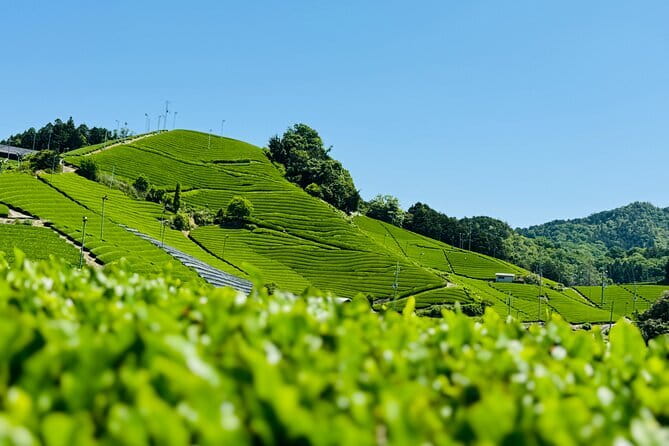
Asagiri Bridge receives about 15 minutes, and it is mainly a scenic and photo stop. The bridge crosses the Uji River and gives you a clean view of the water and surrounding town.
Fifteen minutes may sound brief, but that is appropriate for a bridge stop. You can take photographs, enjoy the river, and keep moving instead of turning a simple viewpoint into a long pause. Your guide can also help you fit the stop into the larger route.
The river is an important part of Uji’s appeal. It gives the town breathing room between the tea streets and religious sites. Cycling beside it makes the day feel less like a checklist of monuments and more like a tour through the setting that connects them.
Weather will matter here. On a clear day, the river views should be one of the most pleasant parts of the ride. In rain or poor conditions, the operator may cancel and offer another date or a full refund.
Koshoji Temple and the stone path to the gate
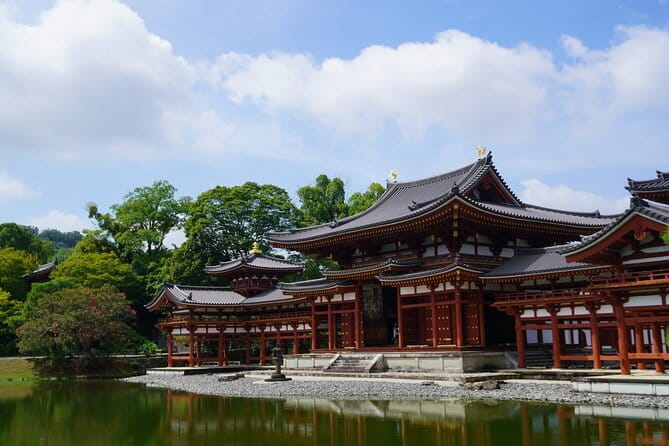
Koshoji Temple is allotted about 30 minutes. This Zen temple dates back roughly 800 years, and the approach known as Kotosaka is a beautiful stone path running from the gate toward the temple grounds.
This stop gives the tour a different mood from the shrines. The route up Kotosaka is part of the experience, with stone walls shaping the approach. You get a sense of arrival rather than simply stepping off a bicycle beside a major attraction.
Admission is listed as free. Thirty minutes is enough to see the approach and temple setting, though it is not an exhaustive visit. If you are deeply interested in Zen architecture or temple gardens, you may wish for more time. The advantage is that the tour keeps moving toward the river and dam instead of spending the entire day at one site.
The guide’s role matters here. A temple can look beautiful while leaving you unsure what you are seeing. A navigator who explains the site’s background helps turn the stone path and buildings into part of Uji’s story.
The Amagase route is the day’s longest ride
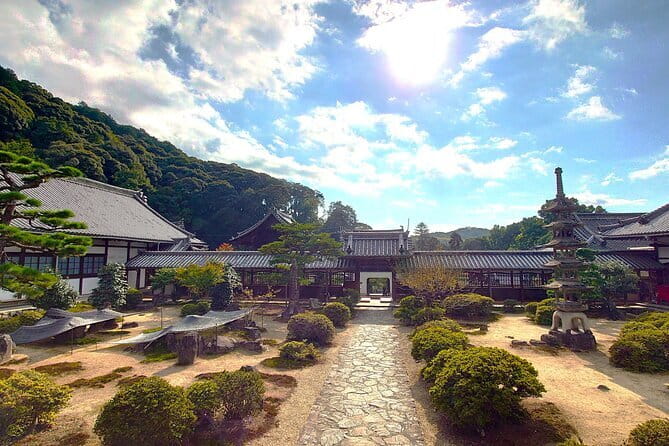
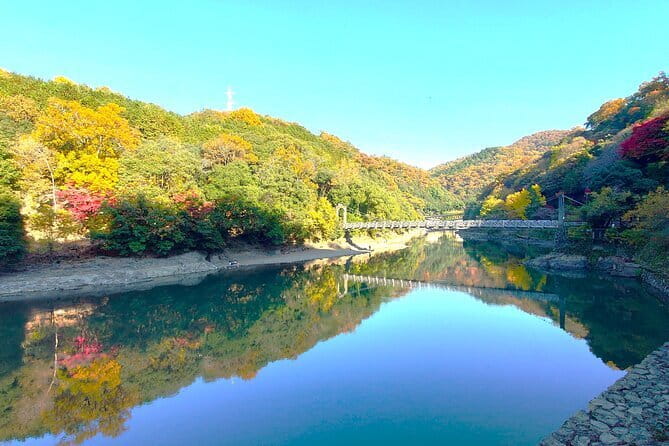
The tour allows one hour for Amagase Dam and the nature trail along the Uji River. You ride toward the wooden Amagase Bridge, where the valley becomes quiet enough to feel far removed from Kyoto’s busy core.
This is the part that makes the bicycle worthwhile. The central Uji sights are accessible on foot, but the Amagase area adds a natural setting and a longer stretch of riding. The wooden bridge and valley views provide a strong change of pace after the shrines and temple.
The tour calls this a nature trail, but the available details do not specify the trail’s exact surface or difficulty. You should expect a scenic cycling segment, not assume a fully paved, flat promenade. If you are uneasy on uneven paths, mention that when discussing the route with the operator.
The hour-long stop also means the tour is not just a series of short photo opportunities. You have time to ride, pause, and absorb the quieter side of Uji. The shade along river paths can be welcome in summer, though hot weather will still affect how comfortable you feel on a bicycle.
Byodoin Omotesando finishes the day with choices
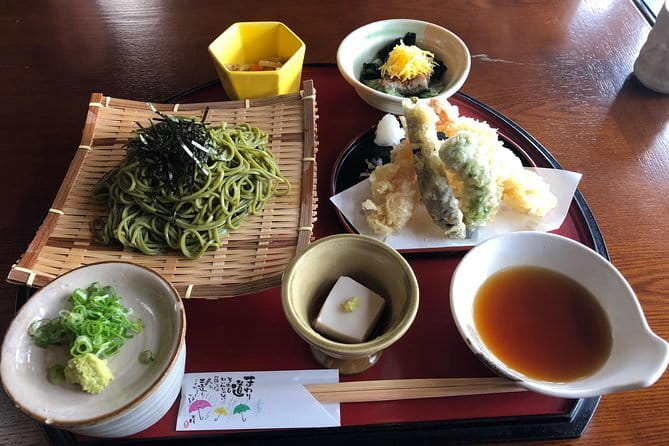
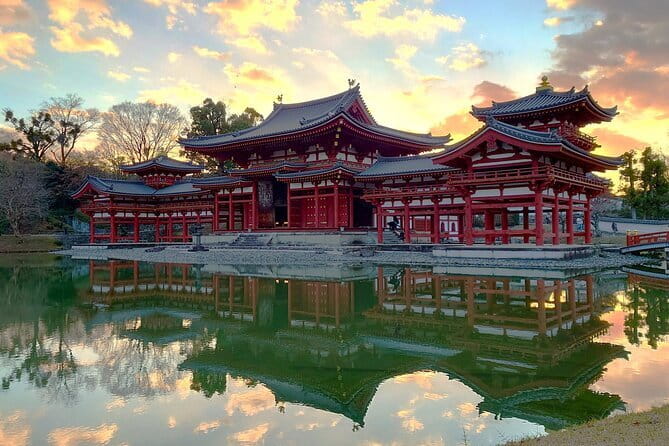
The final section returns you to the city and allows about an hour around Byodoin Omotesando. From here, you can visit Byodoin Phoenix Hall, a UNESCO World Heritage Site, or stop for tea at one of Uji’s specialty shops.
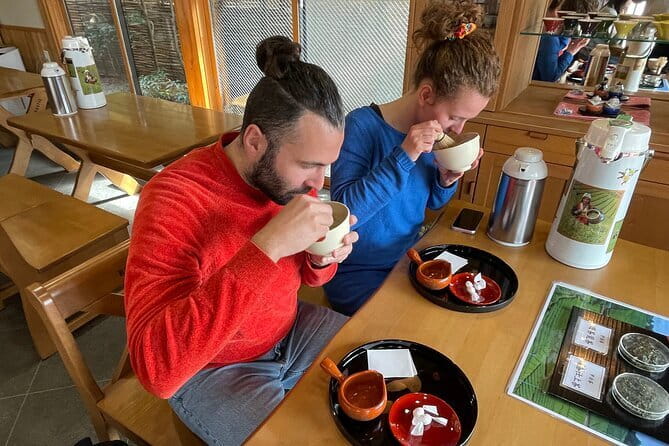
This flexible finish is useful because it recognizes that not everyone wants the same ending. A first-time visitor may want to pay for the Phoenix Hall. A matcha fan may prefer a tea drink or a look through the shops. Someone who has already seen Byodoin may want to use the time for food.
Byodoin admission is not included. The Phoenix Hall entrance fee is listed as 700 yen, and tea or snacks are also extra. The navigator can suggest restaurants based on your wishes, and one past itinerary included a vegan, gluten-free restaurant, so tell the guide about dietary needs before the food stop is chosen.
Keep your expectations clear: the tour does not promise a meal or a tea tasting in the base price. It provides local suggestions and the chance to choose how you spend the final hour.
What the guide adds to the ride
The English-speaking navigator is the heart of this experience. The bicycle gets you from place to place, but the guide explains why Uji matters, points out scenic areas, and helps you decide how to use the flexible route.
Takashi is the guide named in several accounts of the experience, and he is described as friendly, fun, and strong at explaining Uji’s history and tea production. You should not assume he will lead every departure, but his presence gives you a useful sense of the guiding style available.
A guide also helps with the small practical choices that can shape a day: where to stop for tea, which sights deserve more time, and how to adjust the course around your interests. The operator says the route can be arranged according to your wishes, but you should discuss those wishes early rather than wait until the final hour.
The strongest praise centers on the mix of information and companionship. This is not a silent bike rental. You have someone to connect the tea museum, shrines, temple approach, river, and food stops into one coherent day.
Extra costs, weather, and booking details
The tour includes the bicycle rental, exclusive navigator, helmet, wheeled transport bags, other riding equipment, and an English guide. It does not include insurance, food, Chazuna admission, or Byodoin Phoenix Hall admission.
Optional insurance costs 500 yen. You can cancel free of charge up to 24 hours before the start time. Cancellations or changes made less than 24 hours ahead are not accepted for a refund.
Good weather is required. If conditions force a cancellation, you are offered another date or a full refund. The tour also requires a minimum number of participants, so a failure to reach that number can lead to another date, another experience, or a full refund.
Confirmation is sent within 48 hours, subject to availability. Since the activity is booked an average of 49 days ahead, I would reserve early if your Kyoto schedule is tight, particularly for a small-group date.
Who should book this Uji cycling tour
I would choose this experience if you want to see Uji beyond the main temple street, enjoy matcha culture, and prefer a calm ride to a hard athletic outing. It suits couples, small groups, solo visitors who like guided sightseeing, and anyone who wants help shaping the day around food, history, or scenery.
It is also a good choice if you have only limited time in Uji. In four and a half hours, you can connect several sites that would otherwise require more planning and walking.
I would hesitate if you want a fully inclusive package, dislike cycling, or mainly want long, unhurried visits inside temples and museums. The paid admissions and food costs add up, and the route covers a lot of ground at the expense of extended time at any one sight.
Should you book it?
Book this tour if the idea of riding a Brompton through Uji, learning about matcha from a local English-speaking guide, and reaching the quieter Amagase area sounds better than following the standard Byodoin-only visit. The combination of tea culture, free shrines, a Zen temple, river scenery, and a flexible final hour gives you a well-rounded look at the city.
Skip it if the $130.46 base price feels high for a half-day or if you want to set your own pace without a guide. For everyone else, especially visitors who want Uji to feel like a town rather than a single famous building, this is a thoughtful and active way to spend a morning.
FAQ
Where does the Uji cycling tour start?
It starts at Chatsubo PostboxJapan, Umonji 1716, Uji, Kyoto 611-0021, near Uji Station.
What time does the tour begin?
The start time is 10 a.m.
How long does the experience last?
It lasts approximately four hours and 30 minutes.
Where does the tour end?
It ends back at the meeting point near Uji Station.
How many people can join?
The activity has a maximum of six participants.
Is an English-speaking guide included?
Yes. An English guide and an exclusive navigator are included.
Is the bicycle rental included?
Yes. The bicycle rental fee and riding equipment are included. Equipment includes helmets and bags for wheeled transport.
Are admission fees included?
No. Chazuna admission is an optional 600 yen, and the Byodoin Phoenix Hall entrance fee is an optional 700 yen.
Is food included?
No. Snacks and meals are not included. The navigator can suggest restaurants according to your preferences.
Can I cancel for a full refund?
Yes, if you cancel at least 24 hours before the experience start time. Poor weather or failure to meet the minimum number of participants can also lead to another date or a full refund.
More tours in Uji we've reviewed
Cycling Tours, compared.
 ★ 5.0Bike Tour Exploring North Kyoto plus LunchFrom $106
 ★ 5.0Tokyo Great Cycling TourFrom $99
 ★ 5.0Tokyo Top Highlights 3h Guided E-bike TourFrom $63
 ★ 5.03h Tokyo E-Bike Tour: Hidden Gems, and Local Life with guideFrom $63
 ★ 5.0Arashiyama Bamboo Forest & Hidden Gems Bike Tour (Early Bird)From $106
 ★ 5.0Hiroshima in a Nutshell: Morning Bike AdventureFrom $72
 ★ 5.05 Top Highlights of Kyoto Full Day Bike Tour (E-bike option)From $172
 ★ 4.83-Hour Bike or E-Bike City Highlights TourFrom $453 hours
Browse the lists this tour appears in