
Reviewed · CYCLING TOURS
Private Afternoon Cycling Tour in Hida-Furukawa
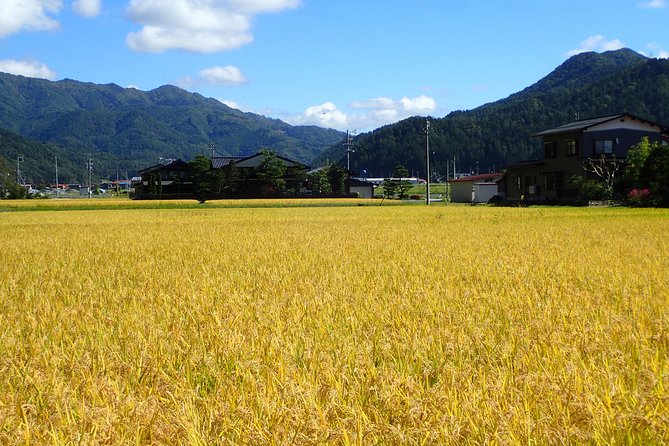
Hida-Furukawa is best seen at bicycle speed, where the old town gives way to rice fields, mountain views, canals, and small farming communities. This 22-kilometer route offers a useful look at ordinary life beyond the better-known sights of nearby Takayama.
I like the relaxed pace and the way local guides such as Ayato, Hisa, Nanami, and Kazuki bring the countryside to life with stories about customs, wildlife, farming, and local traditions. I also like the balance between gentle exercise and frequent pauses for scenery, markets, photos, and conversation.
The main consideration is the distance. The route is described as easy, and guides adjust it for children and mixed abilities, but 22 kilometers still takes time in the saddle. Rain can also shorten the ride, as one outing ended early because of wet weather.
In This Review
- Key points to know before booking
- Why Hida-Furukawa works so well by bicycle
- Starting at 2 pm in the old town
- Riding through Hida-Furukawa’s historic center
- From village roads to rice fields
- A market stop and small cultural details
- How hard is the 22-kilometer ride?
- What happens if it rains?
- Is the private format really private?
- What the price includes at $214.48
- Who should book this Hida-Furukawa ride?
- Should you book the afternoon cycling tour?
- FAQ
- Where does the cycling tour start?
- What time does the tour begin?
- How long does the tour last?
- How far do you cycle?
- Where does the tour end?
- What is included in the price?
- Are food and drinks included?
- Are there age and height requirements?
- How many people can join a booking?
- Can I cancel for a full refund?
Key points to know before booking
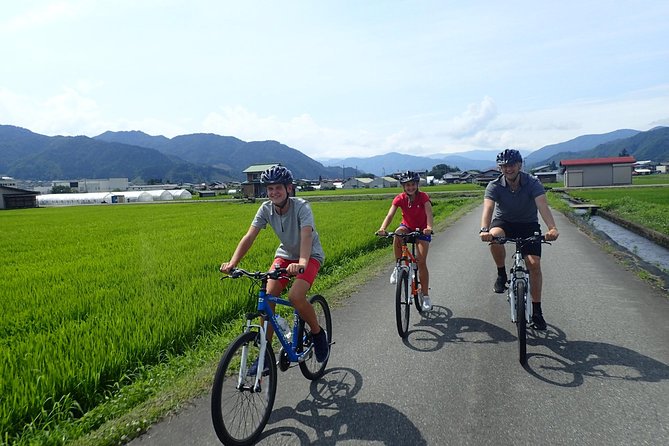
- A 22-kilometer countryside route: Ride from Hida-Furukawa’s old streets into rice fields, farm villages, and Satoyama scenery.
- A local guide makes the difference: Guides including Hisa, Ayato, Nanami, Marino, Hida, and Kazuki share stories about culture, nature, farming, and daily life.
- A gentle pace suits many riders: The tour has been adjusted for children, first-time riders, and people returning to cycling after many years.
- Small groups keep it personal: The maximum is eight people per booking, and the activity is advertised as private for your group.
- Useful inclusions: Bicycle, helmet, insurance, local taxes, a guide, and snacks are covered.
- Plan for the practical details: There is no basket on the bike, food and drinks are not included, and rain may change the route.
Why Hida-Furukawa works so well by bicycle
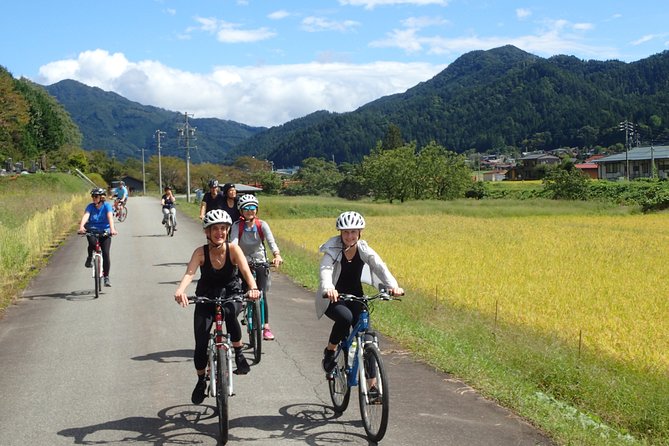
Hida-Furukawa has the sort of scale that rewards slow movement. You can leave the meeting point in the historic center and soon trade shopfronts and traditional buildings for open fields, old farmhouses, mountain-framed views, and quiet village roads.
By car, these scenes pass in a flash. On a bicycle, you have time to notice vegetables arranged at a local market, canals running through the town, and large folk houses scattered through the countryside. The tour is less about checking off famous sights and more about seeing how the area functions day to day.
I especially like that the ride connects the old town with the surrounding farming country. You are not kept inside a sightseeing district. The change is gradual, from graceful historic streets to the wider Satoyama area, where rice fields and village life take center stage.
The scenery changes with the seasons. The supplied information does not promise a particular seasonal display, but the local operator notes that returning at a different time of year can offer a different experience. That is a good reason to focus on the countryside itself rather than expecting one fixed postcard view.
Starting at 2 pm in the old town
The meeting point is the operator’s Furukawa office at 11-32 Furukawachō Ninomachi. The tour begins at 2 pm and returns to this same location after about three and a half hours.
An afternoon start works well if you spend the morning exploring Hida-Furukawa or arrive from Takayama earlier in the day. It also gives you a clear block of time without taking up the entire day. You should arrive ready to ride, since the activity begins from the office rather than from a remote countryside transfer point.
Your guide will introduce the bicycles and helmets, then set the tone for the afternoon. The strongest part of this experience is the guiding. Ayato has been praised for his enthusiasm about Japanese culture and nature, while Hisa has adapted routes to suit families and different cycling abilities. Nanami has been singled out for explaining local customs, animals, and the area’s past in a clear, friendly way.
That range matters. A countryside ride can otherwise become a pleasant but forgettable spin through pretty scenery. A good guide gives meaning to the canals, farming methods, shrines, houses, and local market stops.
Riding through Hida-Furukawa’s historic center
The first part of the route takes you through Hida-Furukawa’s old town. This is a graceful introduction because you begin among the built features of the community before seeing the rural setting around it.
Expect to pedal at an easy pace, with explanations along the way. One particularly memorable local detail concerns the koi fish living in the town’s canals. The fish are not just decoration, and the story behind them helps explain how water, homes, and community life connect in Furukawa.
The route also includes traditional cultural sights such as shrines. The exact stops can vary, so you should think of this as a guided ride through the area rather than a fixed museum itinerary. Your guide may pause when something deserves a closer look or when the group wants photographs.
The bicycles do not have attached baskets. Keep your belongings light and secure, especially if you are carrying a camera, phone, or water bottle. Food and drinks are not included, although snacks are provided.
From village roads to rice fields
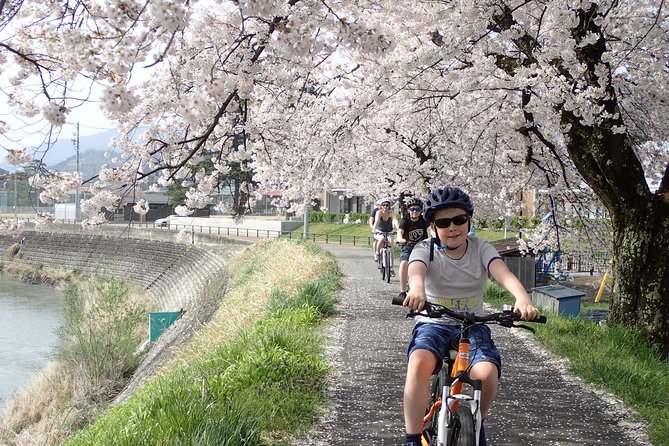
After the old town, the ride moves into farming villages and open rice fields. This is where the tour earns its off-the-beaten-track appeal.
The Satoyama setting is a mix of cultivated land, woodland edges, homes, waterways, and mountain scenery. It is not untouched wilderness. Its appeal comes from seeing people work with the land and from noticing how villages fit into their surroundings.
You may see local vegetables laid out at a market and large old folk houses spread around the countryside. The route gives you time to stop for photos, and guides have adjusted the pace for families with children as young as seven and nine. One guide also helped a rider regain confidence after more than 20 years away from cycling.
That is a strong sign that the ride is not designed as a race. You will still cover a substantial distance, but the point is to look around, listen, and enjoy the setting. The experience works best for people who want steady movement rather than technical biking or a hard workout.
The scenery is especially effective because it is tied to real life. You might see farm work in progress, hear about local animals, or learn how people use the fields and waterways. The ride gives you a clearer sense of rural Japan than a quick visit to a preserved old street.
A market stop and small cultural details
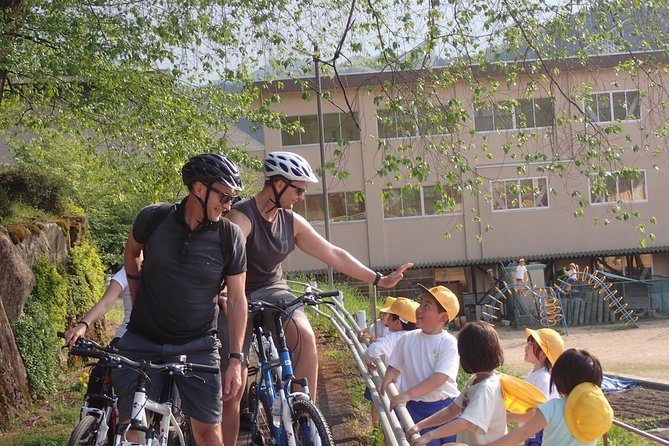
A stop at a local farmer’s market is one of the useful breaks along the way. It adds a practical, everyday element to the tour. Instead of viewing the countryside only as scenery, you get a glimpse of what local people grow, sell, and eat.
The market is also a natural place for your guide to explain regional habits. Nanami has been praised for combining local history with information about wildlife, while other guides have focused on customs and traditional culture. The amount of explanation seems to be adjusted to the group, which is helpful if you prefer conversation to a nonstop lecture.
Some outings include a tea and biscuit stop. Snacks are included, but the tour description does not promise a full refreshment service, so you should eat beforehand and bring any drinks you need. Since food and drinks are listed as not included, do not treat this as a food tour.
I like this balance. The market and refreshment pause break up the cycling without turning the afternoon into a series of formal attractions. You get a chance to catch your breath, ask questions, and take in the place at a human pace.
How hard is the 22-kilometer ride?
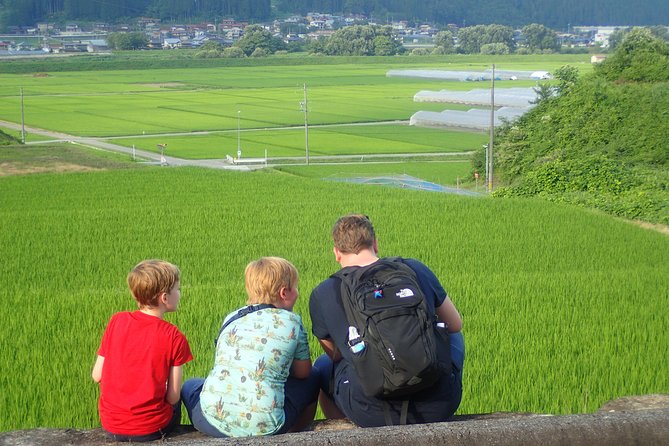
The ride is described as easy, with no special gear required, and the bicycles and helmets are supplied. Most people can participate, but the minimum age is six and the minimum height is 125 centimeters, about 4.1 feet.
Those limits are important for families. A child may meet the age requirement but still need to meet the height requirement, so check both before booking. The guides have tailored rides to the ages of children and to the ability of the group, which makes this more flexible than a standard fixed-speed bike excursion.
Still, easy does not mean effortless. Twenty-two kilometers is a real afternoon ride. If you have not cycled in years, tell the guide at the start and be honest about your comfort level. The strongest evidence from the supplied experiences suggests the guides are supportive, but you should not book this expecting a short, purely sightseeing ride.
The route’s relaxed character gives you room to recover. The stops, conversation, and photo opportunities keep the outing from feeling like a timed athletic event. Comfortable clothing and shoes are sensible, and you should prepare for changing weather.
What happens if it rains?
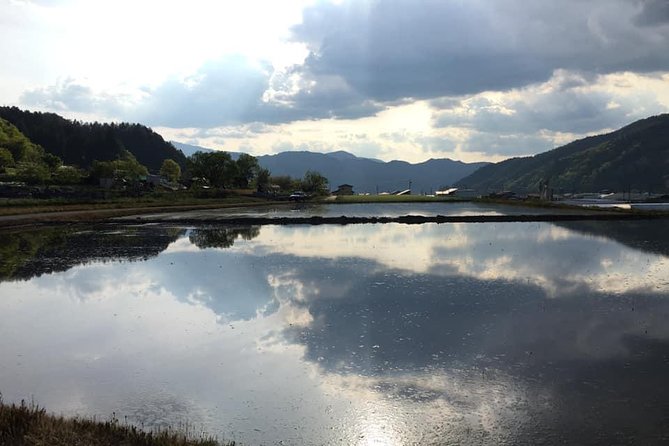
Rain is the clearest practical risk. One outing stopped early because of wet weather, after which the guide showed the group around town and museums instead. That response shows some flexibility, but it does not remove the possibility that poor weather will reduce the cycling portion.
The supplied information does not state a detailed weather cancellation policy. It does state that you can cancel for a full refund up to 24 hours before the start time. Cancellations or changes made less than 24 hours before the 2 pm start are not accepted for a refund.
For a better chance of a full ride, check the forecast before the deadline and bring suitable clothing if you decide to go ahead. If rain arrives during the tour, ask your guide what alternatives are available. Do not assume the cycling route will continue in heavy rain.
Is the private format really private?
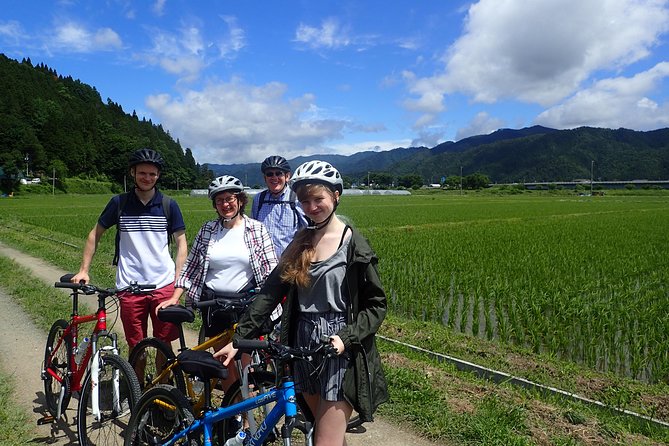
The activity is presented as a private tour, with only your group participating, and the maximum is eight people per booking. That is a useful size: large enough for a family or group of friends, but small enough for direct contact with the guide.
There is one point worth clarifying before you pay. A past participant described riding with six complete strangers, despite selecting an option that did not seem to cover that format. Since the current description calls the activity private, ask the operator whether your booking will be exclusive or combined with another group.
That question matters if you are booking for a couple, a family, or a group that wants a quiet private outing. It also matters for pace. A mixed group can bring different cycling abilities, although the guides have shown they can adapt the ride.
What the price includes at $214.48
At $214.48 per person, this is not a bargain bicycle rental. You are paying for a guided, small-group experience lasting about three and a half hours, with bicycles, helmets, insurance, local taxes, and snacks included.
The value rests mainly in access and interpretation. You could ride around Hida-Furukawa on your own for less, but you would need to choose a route, find the countryside roads, understand what you are seeing, and manage navigation. The guide adds the local context that turns a pleasant ride into a more meaningful introduction to the area.
The price makes more sense for families, first-time visitors, and people staying in Takayama who want a carefully planned afternoon outside the main sightseeing loop. It is less compelling for experienced cyclists who already know the area or want a long, independent ride.
The fact that the tour is often booked far ahead also suggests you should not leave it until the last minute during a busy Japan itinerary. Confirmation arrives within 48 hours, subject to availability. Group discounts are available, which may improve the per-person value for larger parties.
Who should book this Hida-Furukawa ride?
I would choose this tour if you want countryside scenery without committing to a demanding outdoor excursion. Families are a good match, provided children meet the age and height rules. The guides have adjusted the pace for young riders and mixed abilities.
It also suits anyone who wants cultural context. The old town, canals, koi, shrines, markets, rice fields, and folk houses become more interesting when someone explains how they fit into local life.
You may want a different activity if you dislike bicycles, have difficulty riding 22 kilometers, or need a guaranteed indoor plan in uncertain weather. The route is gentle, but the distance and weather exposure remain real considerations.
Should you book the afternoon cycling tour?
Book it if you want a calm, personal look at Hida beyond the main streets. The best parts are the transition from old town to farm country, the local stories, and the chance to see rice fields and village life at ground level.
Before booking, confirm the private-group arrangement, check the 125-centimeter minimum height for children, and be realistic about the 22-kilometer distance. Bring light belongings because the bikes have no baskets, and remember that snacks do not replace lunch or a full supply of drinks.
For visitors based in Takayama, this is a worthwhile way to spend an afternoon in Hida-Furukawa. You get exercise, scenery, and local insight in one outing, with enough flexibility to make the ride comfortable for a range of abilities.
FAQ
Where does the cycling tour start?
The tour starts at the local operator’s Furukawa office at 11-32 Furukawachō Ninomachi, Hida, Gifu 509-4235, Japan.
What time does the tour begin?
The afternoon tour starts at 2 pm.
How long does the tour last?
The tour lasts approximately three hours and 30 minutes.
How far do you cycle?
The route is approximately 22 kilometers long.
Where does the tour end?
The activity ends back at the meeting point.
What is included in the price?
The price includes a local guide, bicycle, helmet, insurance, local taxes, and snacks.
Are food and drinks included?
Food and drinks are not included. Snacks are included, but you should plan separately for other refreshments.
Are there age and height requirements?
The minimum age is six, and the minimum height is 125 centimeters, approximately 4.1 feet.
How many people can join a booking?
A maximum of eight people can be included in one booking. The activity is described as private, with only your group participating, but you should confirm the exact arrangement with the operator.
Can I cancel for a full refund?
You can cancel up to 24 hours before the experience start time for a full refund. Cancellations or changes made less than 24 hours before the start are not accepted for a refund.
Cycling Tours, compared.
 ★ 5.0Bike Tour Exploring North Kyoto plus LunchFrom $106
 ★ 5.0Tokyo Great Cycling TourFrom $99
 ★ 5.0Tokyo Top Highlights 3h Guided E-bike TourFrom $63
 ★ 5.03h Tokyo E-Bike Tour: Hidden Gems, and Local Life with guideFrom $63
 ★ 5.0Arashiyama Bamboo Forest & Hidden Gems Bike Tour (Early Bird)From $106
 ★ 5.0Hiroshima in a Nutshell: Morning Bike AdventureFrom $72
 ★ 5.05 Top Highlights of Kyoto Full Day Bike Tour (E-bike option)From $172
 ★ 4.83-Hour Bike or E-Bike City Highlights TourFrom $453 hours