
Reviewed · E-BIKE TOURS
Mount Fuji E-Bike Tour: Explore Nature and History
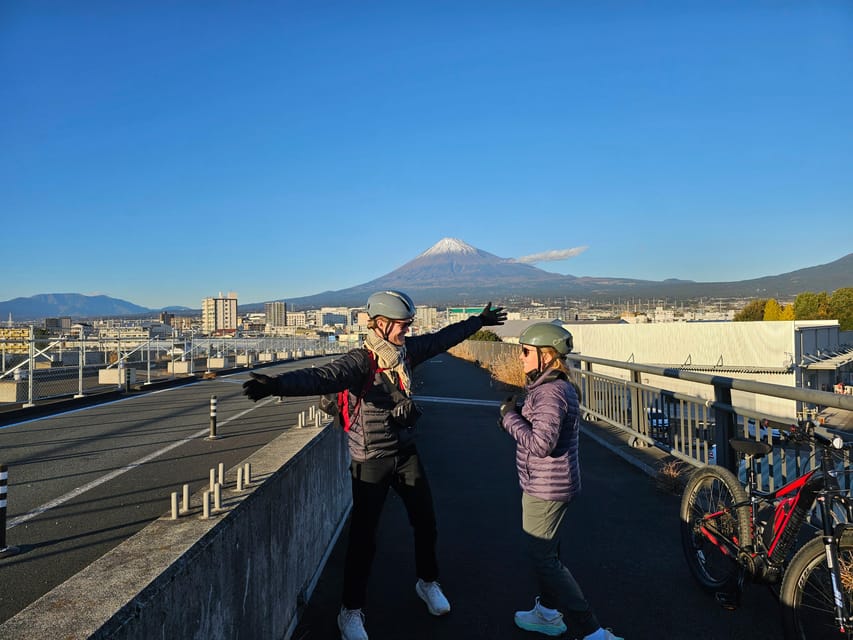
Mount Fuji is more than a photo backdrop here. You ride through Fuji City and nearby Shimizu, tracing spring water, shrines, earthquake history, tea culture, and the everyday streets beneath Japan’s most famous peak. The route feels local rather than staged, with guides such as Yasu and Aiko adding personal touches, including tea stops and, when arranged, a visit to a family home.
I like the small group size, capped at five, because it gives the guide room to explain things and stop for photos. I also like the easy reach from Tokyo: meet at Shin-Fuji Station, ride for two and a half hours, and return to the station the same day. The $109 price is reasonable if you value a guide, e-bike, helmet, insurance, and local access over a quick viewpoint stop.
The main catch is practical: Mount Fuji may be hidden by clouds, and this is still a bike tour, not a sightseeing bus. You need to ride confidently, dress for the weather, and meet the tour’s physical limits. The route is not suitable for children under 150 centimeters, people over 65, wheelchair users, or anyone with certain mobility, back, or vision concerns.
In This Review
- Key points to know before you book
- Why this short ride feels different from a Mount Fuji viewpoint
- Starting at Shin-Fuji Station
- Suzukawaminato Park and the first coastal views
- A brief stop on Suzukawanishicho lanes
- Izuminosato Yusui Park and Mount Fuji’s water
- Hounji and the spiritual side of Fuji
- The personal touches from Yasu and Aiko
- How the price compares with the experience
- Weather, fitness, and who should book
- Should you book the Mount Fuji E-Bike Tour?
- FAQ
- Where does the Mount Fuji e-bike tour begin?
- How long does the tour last?
- How much does the tour cost?
- Is Mount Fuji guaranteed to be visible?
- What languages does the guide speak?
- How many people can join the tour?
- What is included in the price?
- Are food and hotel transfers included?
- What should I bring?
- Can anyone join the bike tour?
Key points to know before you book
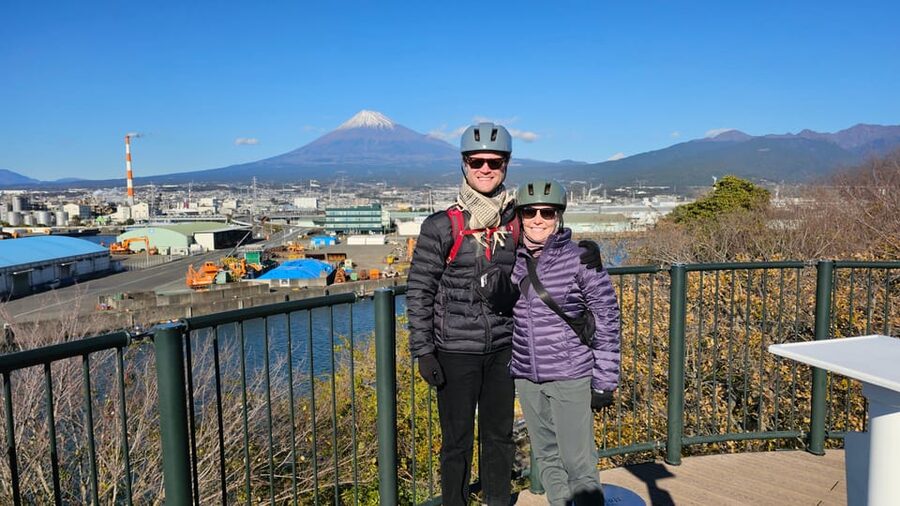
- Mount Fuji views depend on weather: The mountain may disappear behind cloud, so book this for the wider experience, not only the famous silhouette.
- Spring water is part of the story: You visit Izuminosato Yusui Park and other water sites fed by Mount Fuji’s underground reservoirs.
- The human touch matters: Yasu and Aiko have included tea stops and visits to Aiko’s mother’s house, giving the ride a personal Japanese flavor.
- The route mixes coast, lanes, fields, and shrines: It is less about one grand viewpoint and more about seeing how the region works.
- Five people is the maximum: A small group makes this more flexible than a standard coach excursion.
- Bring a refillable bottle: You can refill at the spring-water stops, and water is not included.
Why this short ride feels different from a Mount Fuji viewpoint
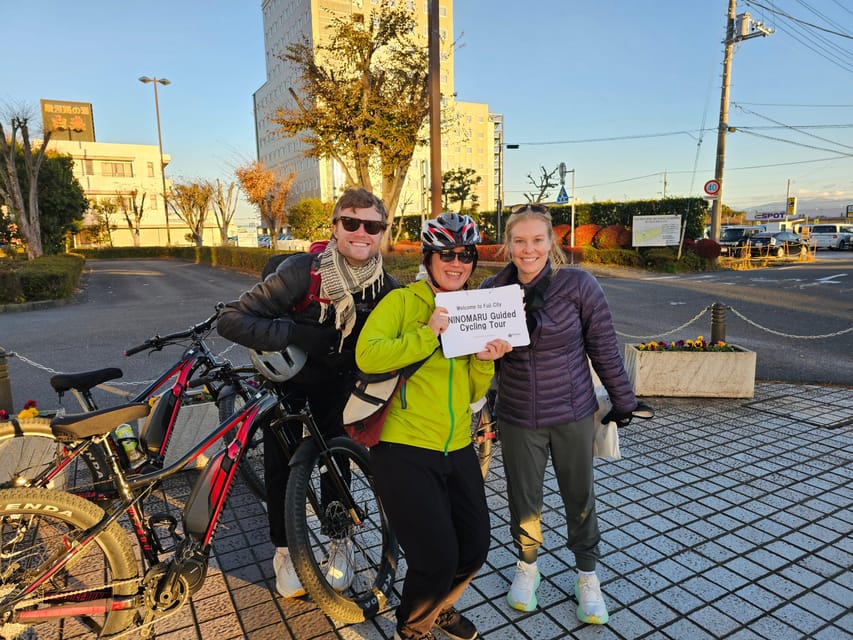
Many Mount Fuji outings are built around one question: can you see the mountain? This tour asks a better one: how does the mountain shape life around it?
The answer comes through water, worship, farming, industry, and natural disasters. Mount Fuji was formed by volcanic activity and plate movement over thousands of years, and its underground water supplies continue to feed springs in the area. Local shrines and temples connect the peak to spiritual practice, while lessons about earthquakes bring the region’s natural risks into the conversation.
That gives the ride a useful sense of place. You are not simply stopping at a lookout, taking a picture, and leaving. You are moving through the area by e-bike, which lets you notice small lanes, fields, coastal stretches, and ordinary corners that are easy to miss from a car.
The tour lasts 150 minutes, so it is compact. I would not book it expecting a full day of mountain exploration. I would book it as a focused introduction to the Fuji area, especially if you are staying in Tokyo and want something more active and local than another major sightseeing stop.
A few more Fujinomiya tours and experiences worth a look
Starting at Shin-Fuji Station
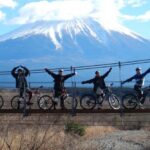
Your meeting point is the south exit of Shin-Fuji Station. Look for the guide holding a NINOMARU Guided Cycling Tour sign.
This location is useful for a day trip because the tour begins and ends at the same station. The advertised travel time from Tokyo is about one hour, making it possible to fit the ride into a wider Japan itinerary without staying overnight in Fuji City.
Give yourself enough time to find the south exit and identify the sign. If you are arriving from Tokyo, check your train plans carefully. One participant arrived an hour late after taking the wrong train, and the guide was gracious, but you should not count on a delayed start being possible for every departure.
After a quick introduction, you receive an e-bike and helmet. Insurance is included, but after booking you must provide the information needed for enrollment. Comfortable shoes, clothing suited to biking, a small backpack, and your own water bottle are the sensible basics.
Suzukawaminato Park and the first coastal views
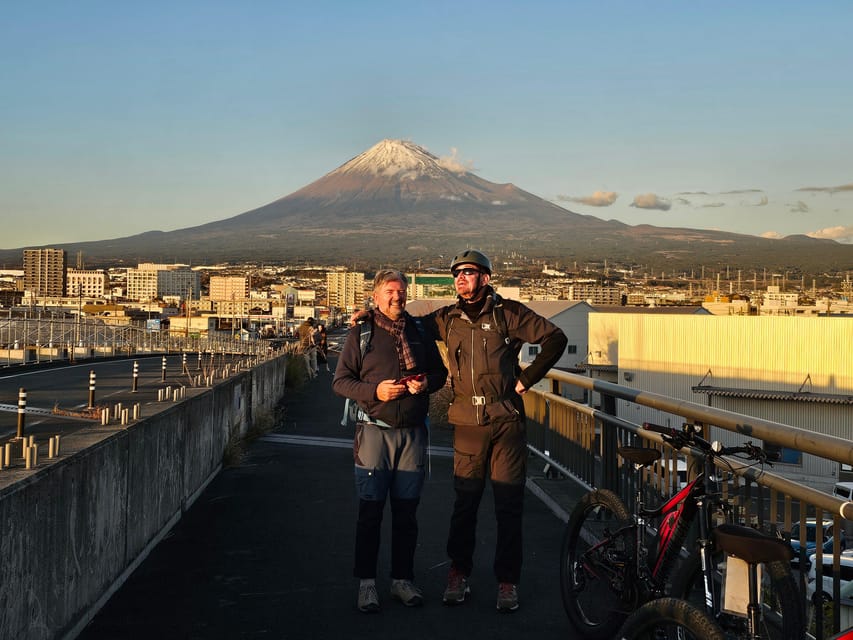
The first listed stop is Suzukawaminato Park, reached after about 15 minutes of riding from the station. You have around 10 minutes here for a visit and photographs.
This early stop helps you get your bearings. The ride is not confined to temple grounds or tourist lanes. The coastal setting gives you a different angle on the Fuji area, and on a clear day it may provide one of the better opportunities for a mountain photograph.
Still, keep your expectations flexible. The tour clearly warns that Fuji visibility is not guaranteed. Cloud, haze, or poor weather can change the view, so the park should be treated as part of the route rather than a guaranteed postcard moment.
The cycling itself is one of the appealing parts. An e-bike reduces the strain of covering several stops, though it does not remove the need to pedal, balance, and pay attention to the road. You should feel comfortable riding a bicycle before booking.
A brief stop on Suzukawanishicho lanes
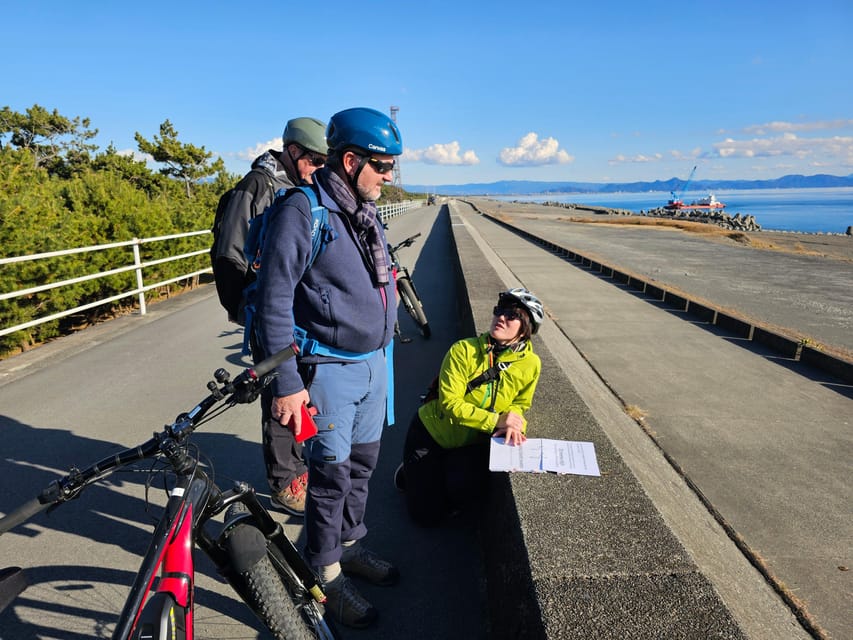
From the park, the ride continues for roughly five minutes to 13-32 Suzukawanishicho. The stop lasts about five minutes and is mainly for a visit and photographs.
On paper, this is the shortest stop. In practice, short pauses like this can be useful because the guide can point out details that would mean little if you were passing alone. The ride’s appeal comes from these smaller places, not just the headline sights.
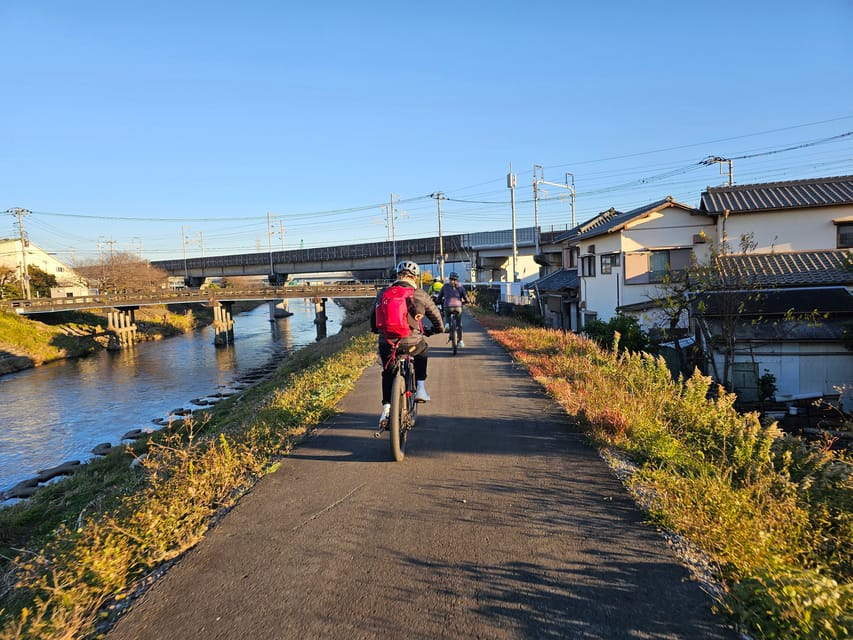
The route through back streets and narrow lanes has been a highlight for several participants. It gives you a look at the town beyond the station and major roads. You may find the scenery less dramatic than a dedicated Fuji viewpoint, but that is also the point. This is a look at daily surroundings, not a parade of famous monuments.
Izuminosato Yusui Park and Mount Fuji’s water
The longest transfer comes next, about 25 minutes by e-bike, followed by a 10-minute stop at Izuminosato Yusui Park.
This is one of the most distinctive parts of the outing. Mount Fuji’s snow and rain filter underground through volcanic rock, creating water sources in the surrounding region. The tour uses these spring sites to explain how the mountain has supported life for generations.
Bring a reusable bottle. The instructions specifically encourage you to refill at the spring-water spots, which makes the water theme practical rather than purely academic.
You should also pay attention to the guide’s explanation of geology. The experience connects the clear water below your feet to the volcanic forces and plate movement that shaped the area. It is a good example of how a natural feature becomes part of local culture and daily routine.
The drawback is that the stop is brief. Ten minutes is enough to see the site and listen to an explanation, but not enough for a long, slow visit. If you enjoy geology, you may wish the tour spent more time here.

Hounji and the spiritual side of Fuji
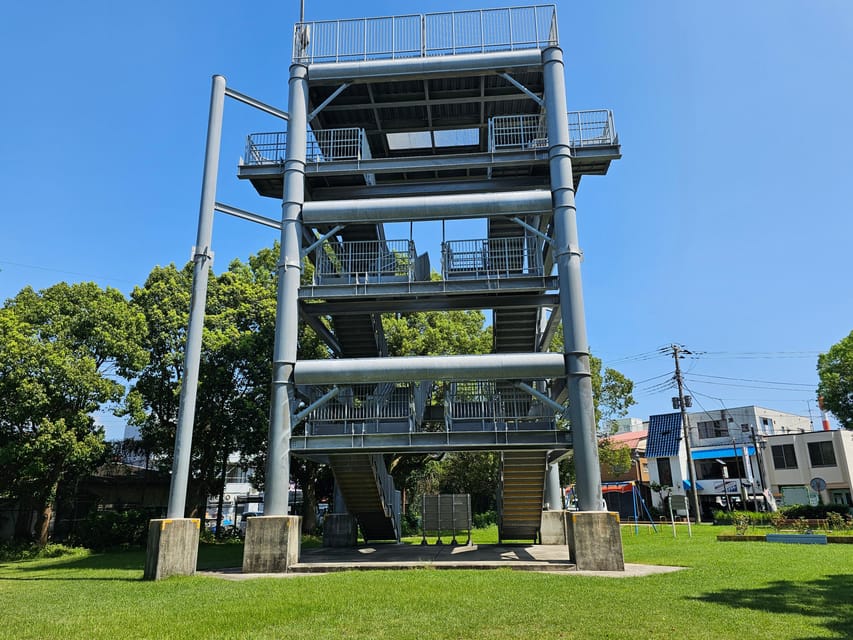
After another 15-minute transfer, you reach Hounji for about 10 minutes. The tour describes its temple and shrine visits as a way to understand Fuji’s spiritual role.
This stop gives the ride a needed cultural counterpoint. The spring water explains how the mountain supports communities physically. Temples and shrines show how people have understood and honored it spiritually.
The exact presentation will depend on the guide and the day, but you should expect a concise introduction rather than a long formal temple tour. With only 10 minutes at the site, listen closely and ask questions while you have the chance.
The ride then takes about 20 minutes back to Shin-Fuji Station. That final stretch gives you time to enjoy the route without the pressure of catching another sightseeing stop. The tour finishes where it began, which is convenient if you are continuing by train.
The personal touches from Yasu and Aiko
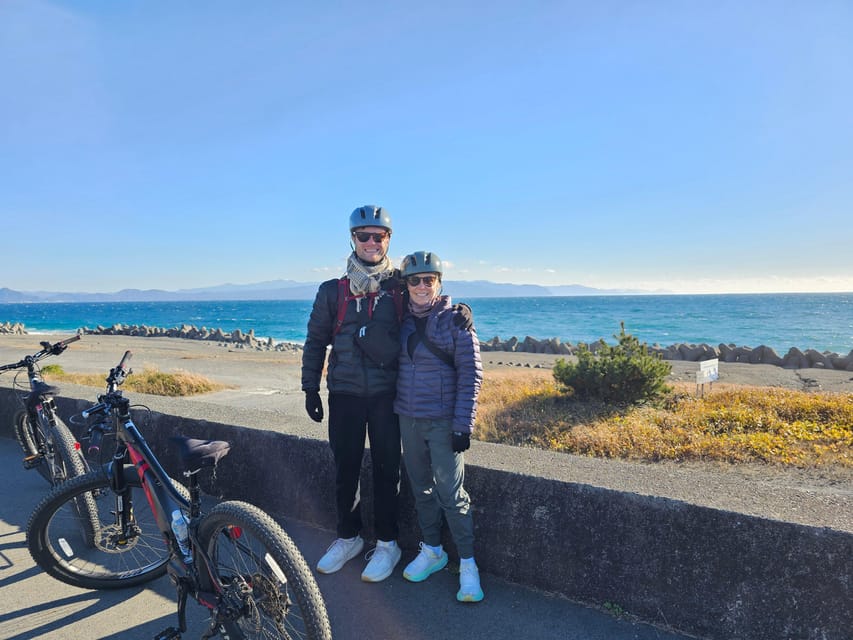
The guide can make a major difference on a short activity, and this experience has several personal elements worth understanding before you book.
Yasu has taken participants to scenic places, allowed time for group photographs, and added tea stops. One memorable version included tea at his mother’s home and a visit to a tea shop for a tasting. Aiko has also led rides through small lanes, rice fields near Mount Fuji, the Shimizu peninsula, and a temple described as 1,300 years old, followed by tea at a local home and a lesson at a tea master’s shop.
These visits are not listed as guaranteed itinerary stops, so you should not book expecting a meal or home visit every time. But they explain why the tour can feel more personal than a standard cycling circuit.
The important value is access to local context. A guide can explain how tea is made and served, connect a shrine to regional practice, or point out why a spring matters. Those details are hard to gain from a map and easy to remember after the ride.
The listed languages are English and Japanese. The group is limited to five, which should make conversation easier and allow the guide to tailor explanations more than on a large tour.
How the price compares with the experience
At $109 per person, this is not the cheapest way to see Mount Fuji. You are paying more than a simple train ride to a viewpoint, but you are receiving an e-bike, helmet, local guide, and insurance, along with a planned route through several sites.
The strongest value comes from the combination. You get transport between stops, an active way to cover ground, interpretation about geology and earthquakes, and access to local culture. If you already have a rental bicycle and know the area, you could spend less independently, but you would also need to plan the route and understand the sites yourself.
The small group is another reason the price can make sense. Five participants is a useful limit for cycling, photo stops, and questions. It also reduces the risk of spending the whole ride waiting for a large group to regroup.
Meals are not included. Since the tour lasts only 150 minutes, that is not a serious problem, but do not arrive expecting lunch. Bring water and perhaps a small snack if you need one.
Weather, fitness, and who should book
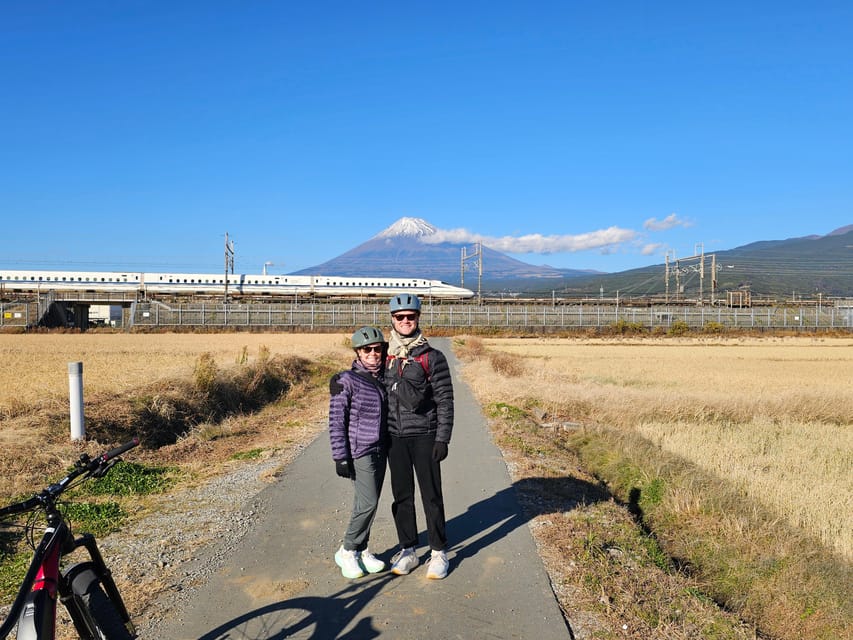
The biggest unknown is the sky. Mount Fuji may be completely hidden, even when the rest of the day is pleasant. I would book this if you want to understand the region and enjoy riding through it, with the mountain view as a welcome bonus.
You should also be honest about your cycling ability. The tour is not suitable for people who cannot ride a bike, pregnant women, people with back problems, people with mobility impairments, wheelchair users, or people with visual impairments. It also excludes people under 150 centimeters, people over 104 kilograms, and anyone over 65.
Those limits are unusually specific, so take them seriously. An e-bike helps with effort, but it does not solve balance, road awareness, or physical comfort. Wear shoes that stay secure and clothing that suits the forecast.
Smoking and pets are not allowed. A small backpack is recommended for personal items, but keep it light so the ride remains comfortable.
Should you book the Mount Fuji E-Bike Tour?
Book this tour if you want a small, active introduction to Fuji City, especially if you are coming from Tokyo or arriving at Shimizu Port. It suits you if you enjoy local streets, short cultural visits, spring water, tea, and conversations with a guide more than a checklist of grand attractions.
I would be cautious if your only goal is a guaranteed Mount Fuji photograph. Weather can defeat that plan, and the itinerary gives each stop limited time. I would also choose another activity if you are not a confident cyclist or if the stated physical restrictions apply to you.
For the right person, $109 buys more than a ride. It buys a human-scale look at the region, with water, worship, earthquakes, tea, and ordinary town life all tied to the mountain. That is a good deal for a half-day experience that feels connected to the place rather than simply parked in front of it.
FAQ
Where does the Mount Fuji e-bike tour begin?
Meet at the south exit of Shin-Fuji Station. The guide will be holding a NINOMARU Guided Cycling Tour sign.
How long does the tour last?
The tour lasts 150 minutes, or two and a half hours.
How much does the tour cost?
The listed price is $109 per person.
Is Mount Fuji guaranteed to be visible?
No. Weather conditions can affect visibility, so Mount Fuji may not be visible during the tour.
What languages does the guide speak?
The tour is available with a live guide in English or Japanese.
How many people can join the tour?
The tour is limited to five participants.
What is included in the price?
The price includes insurance, a local guide, an e-bike rental, and a helmet. You must provide the information needed for insurance enrollment after your reservation is confirmed.
Are food and hotel transfers included?
No. Meals and hotel pickup or drop-off are not included.
What should I bring?
Bring comfortable shoes, water, a refillable water bottle, clothing suitable for biking, and a small backpack. Check the forecast and dress appropriately.
Can anyone join the bike tour?
No. The tour is not suitable for people who cannot ride a bike, pregnant women, people with back problems, mobility impairments, or visual impairments. It is also not suitable for wheelchair users, people under 150 centimeters, people over 65, or people over 104 kilograms.
More Cycling Tours in Fujinomiya
More E-Bike Tours in Fujinomiya
More tours in Fujinomiya we've reviewed
E-Bike Tours, compared.
 ★ 5.0Tokyo Top Highlights 3h Guided E-bike TourFrom $63
 ★ 5.03h Tokyo E-Bike Tour: Hidden Gems, and Local Life with guideFrom $63
 ★ 5.05 Top Highlights of Kyoto Full Day Bike Tour (E-bike option)From $172
 ★ 4.83-Hour Bike or E-Bike City Highlights TourFrom $453 hours
 ★ 5.0E-Bike Tours of the highlights of Kyoto!!!From $109
 ★ 4.83-hour Guided E-Bike Tour of the City’s Hidden GemsFrom $65
 ★ 5.0Osaka E-Bike Tour with a Local GuideFrom $59
 ★ 5.03-Hour Bike/E-Bike Tour of the City’s HighlightsFrom $63
Browse the lists this tour appears in