
Reviewed · KYOTO CYCLING TOURS
Japan’s Rural Life & Nature: Private Half Day Cycling Near Kyoto
A 20-minute shinkansen ride from Kyoto takes you to a very different Japan: quiet lanes, rice fields, small villages, and the broad setting of Lake Biwa. From Maibara Station, guide Tako leads a private 13-kilometer loop through rural Shiga, with temple stops, a spring, a short hike, and plenty of local stories.
I like the easygoing route, which is suitable for beginners, and the chance to see ordinary country life instead of adding another crowded temple to your Kyoto schedule. I also like the personal scale. Your own group rides together, and Tako can explain local customs, farming, and history in clear English.
The main consideration is time. Three to four hours gives you a pleasant taste of the area, not a full day beside Lake Biwa. You also need moderate fitness, decent weather, and a plan for lunch afterward.
In This Review
- Key points at a glance
- Why Maibara makes a smart half-day escape
- What the 13-kilometer ride feels like
- Saienji Temple and a village with local character
- Iwaya Zenkodo Temple, cave, and mountain shrine
- The untreated spring and the story beneath the fields
- Lake Biwa views and optional time in Hikone
- The guide makes the difference
- Is $255 a fair price?
- Who should book this ride?
- Practical details before you reserve
- Should you book it?
- FAQ
- Where does the cycling tour start and finish?
- How far do you cycle?
- How long does the experience last?
- Is the route suitable for beginners?
- Is the tour private?
- Who guides the tour?
- What is included in the price?
- Is lunch included?
- Can I visit Lake Biwa or Hikone Castle too?
- What happens if the weather is poor?
Key points at a glance
- A quick escape from Kyoto: Reach Maibara by shinkansen in about 20 minutes, then begin and end the ride at the station.
- A beginner-friendly 13-kilometer route: Expect rural back roads, villages, rice paddies, and agricultural scenery rather than hard climbs.
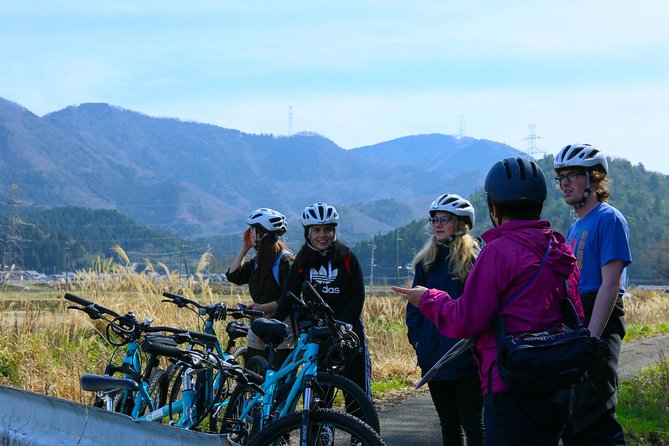
- A private experience with Tako: Your group rides alone, with an English-speaking guide who brings local history and culture into the journey.
- More than a bike ride: Stops include Saienji Temple, Iwaya Zenkodo Temple, an old cave, an Inari Shrine, and a natural spring.
- A glimpse of changing rural Japan: Former water areas were drained after the war and turned into farmland for rice production.
- Easy to pair with other sights: After the tour, you can spend more time at Lake Biwa or visit Hikone Castle.
Why Maibara makes a smart half-day escape
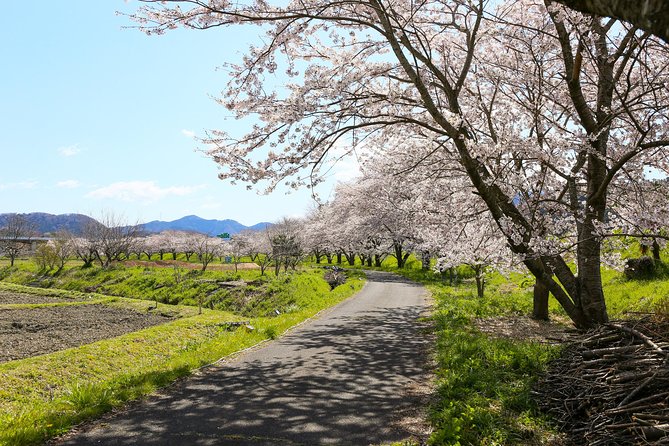
Kyoto gives you temples, gardens, and packed lanes. Maibara gives you breathing room. The change happens quickly: after the short train ride, you meet at Maibara Station and head into the farming areas and villages around town.
That fast shift is the appeal. You do not spend hours on a long transfer to reach the countryside, yet the setting feels far removed from central Kyoto. This makes the tour a useful choice when you want one outdoor morning or afternoon without sacrificing an entire day.
The route follows areas that were once separate farming communities but were later joined under Maibara’s local government. That detail adds useful context as you ride. You are not simply passing through pretty countryside. You are seeing how villages, fields, and local administration have changed over time.
The tour both starts and ends at Maibara Station. The train journey from Kyoto is described as taking about 20 minutes, but the bicycle tour itself begins at Maibara, so check your train plan and allow enough time to arrive before the scheduled start. The activity price is $255, and because it is a private tour, that cost makes the most sense for a small group that values personal attention.
What the 13-kilometer ride feels like
The ride is about 13 kilometers, or roughly eight miles, over three to four hours. That total includes stops, short walks, refreshments, and explanations, so you are not pedaling continuously.
The route is presented as beginner-friendly. You can expect rural back streets, village roads, rice paddies, and agricultural areas. The pace is designed for looking around, not racing. You will have time to notice the shape of the fields, the houses, the small religious sites, and the way the countryside opens toward Lake Biwa.
This is a good fit if you ride occasionally but do not want a demanding cycling excursion. You still need moderate physical fitness. The tour is not described as suitable for people unable to cycle or walk for portions of the route, and one stop includes a short hike up a small mountain.
The bikes are provided. One useful detail from the experience is that the bicycles have been described as new, which should help you feel more comfortable if you are not used to long-distance riding. Still, you should wear practical clothes and shoes for cycling and a short walk. The weather matters here. There is little point in booking a countryside ride if you are hoping to stay dry under cover, and poor weather can lead to a rescheduled tour or full refund.
Saienji Temple and a village with local character
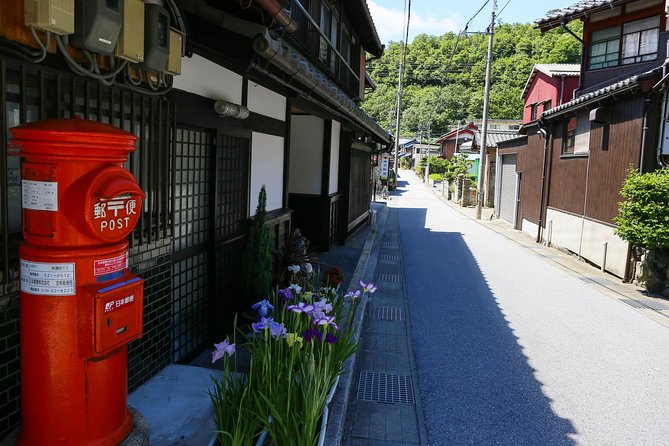
The first cultural stop is Saienji, a Chinese-influenced Zen temple that also gives its name to the nearby village community. The stop lasts about 15 minutes, so think of it as a concise introduction rather than a long temple visit.
Its value comes from the setting. You see the temple alongside a traditional rural village, which helps connect religious buildings to daily life. In Kyoto, temples often appear as major attractions with large grounds and queues. Here, the temple is part of a small community and the visit feels tied to the surrounding homes and fields.
Your guide’s explanations are important at this stop. Tako is fluent in English and uses a binder to help explain Japanese history and the local area. That kind of background can make a modest temple more rewarding, especially if you have already visited famous Kyoto sites and want to understand how religious places function outside major tourist centers.
The short timing is also a limitation. If you want extended photography, quiet meditation, or a detailed architectural study, Saienji may feel brief. The tour is built around variety, so you will keep moving.
Iwaya Zenkodo Temple, cave, and mountain shrine
The most unusual stop is Iwaya Zenkodo Temple, built into the side of a small mountain about 120 meters high. You stop for around 30 minutes, including a short hike and refreshments.
This is where the outing becomes more than a pleasant bike ride. The temple’s position in the mountain gives it a different character from the freestanding temples you see in Kyoto. There is also an Inari Shrine and an old manmade cave with its own local story.
You should expect some walking and uneven ground. The supplied details do not give a precise trail length or accessibility information, so anyone with mobility concerns should ask before booking. The stop is short, which means you are likely to see the main features rather than take a long mountain walk.
Coffee, tea, water, and snacks are included during the experience. That is a small but useful touch. You can pause, catch your breath, and listen without having to search for a shop in a rural area. Lunch is not included, so plan to eat before or after the ride.
The untreated spring and the story beneath the fields
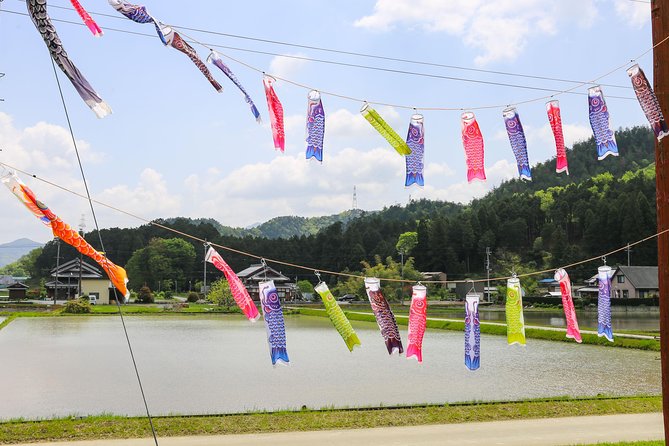
The stop at the natural spring lasts about 10 minutes. It is part of an underground water route between Mount Ibuki and Lake Biwa, and the local community has shared it for a long time.
The spring is not for drinking. The water is untreated, although local people use it for washing vegetables and other household purposes. This is exactly the sort of detail that can get lost on a standard sightseeing route. The stop shows how water still connects rural life to the surrounding mountains and lake.
Do not treat this as a dramatic waterfall or a major scenic viewpoint. It is a simple local place, and its interest comes from use and context. Tako’s explanation helps you understand why an ordinary spring matters.
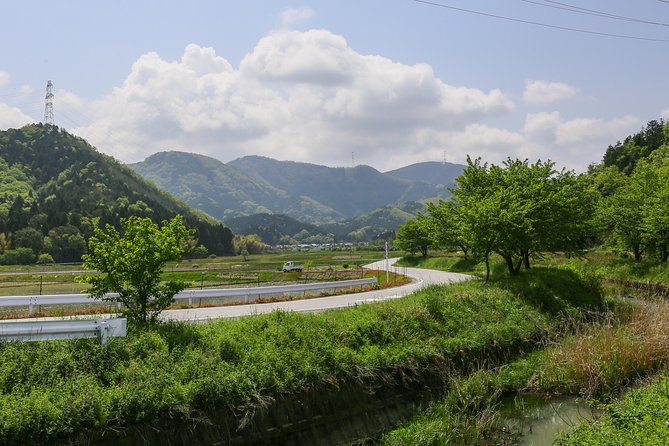
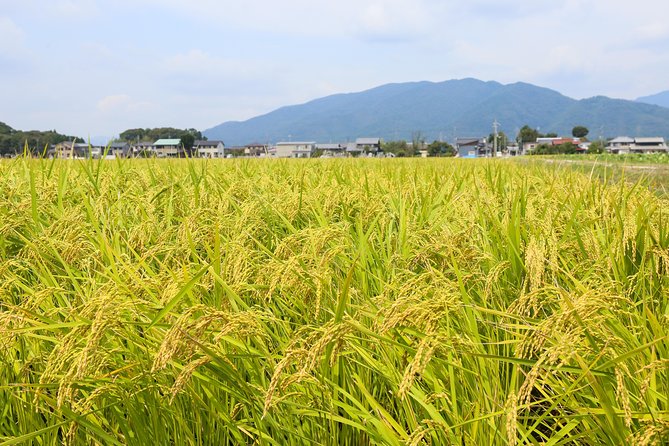
The agricultural section adds another layer. Before the war, this area was a smaller inland lake near Lake Biwa. It was later drained and converted to farmland to produce rice during Japan’s postwar recovery. As you cycle past the fields, you are seeing the result of a major change in how the land was used.
That story gives the rice paddies more meaning. They are not just attractive scenery for photographs. They reflect food needs, public decisions, and the long connection between farming communities and water.
Lake Biwa views and optional time in Hikone
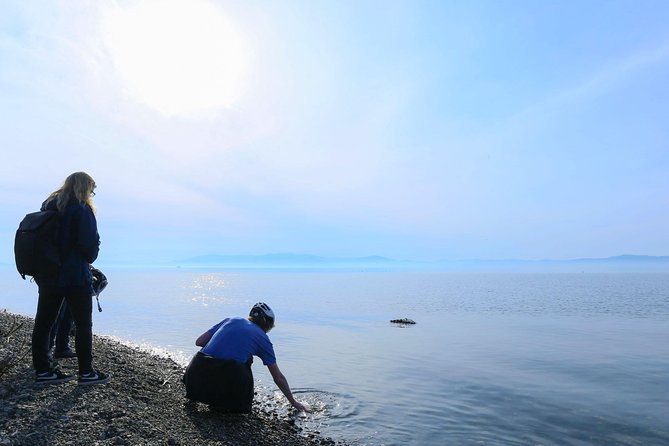
The route includes a ride toward Lake Biwa and lakeside scenery. Lake Biwa is Japan’s largest lake, but the tour does not promise a long lakeside stay. The water is part of a wider circuit through villages, mountain foothills, and fields.
If Lake Biwa is a priority, ask Tako about spending extra time there or adjusting the pace. The tour allows some flexibility because it is private, and the provided information specifically suggests adding time at the lake or at Hikone Castle if you like.
Hikone Castle is another practical pairing. It is not part of the standard cycling route, but it can fit naturally into a day based around Maibara. One family group even received a ride to Hikone Castle from the guide, an example of the personal help that can be possible on a private outing. Do not assume that extra transport is guaranteed, but it is sensible to ask about your plans.
A good schedule might be a morning cycling tour followed by lunch and Hikone Castle. Another option is to visit the castle first and cycle later, depending on availability. The key point is to avoid treating the half-day ride as a complete Lake Biwa tour. It gives you a rural introduction and leaves room for another sight.
The guide makes the difference
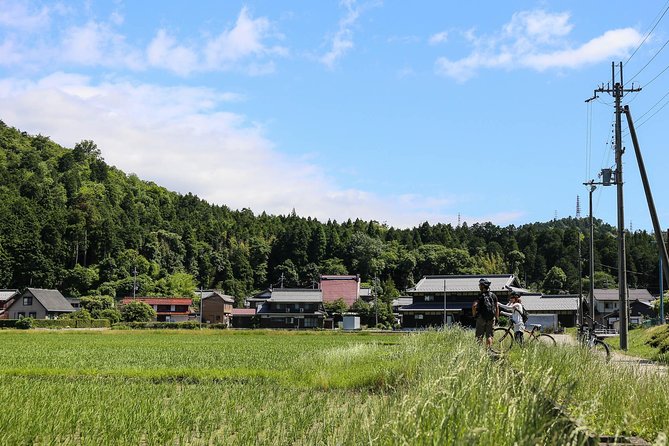
Tako is the central reason this experience feels personal rather than procedural. She speaks fluent English, has lived in the United States, and explains both Japanese history and the Maibara area. Her local connections can also lead to brief, unexpected encounters, including greetings from residents along the route.
That matters on a ride through small villages. Without context, you may see a temple, spring, or farm road and keep pedaling. With a guide, you can learn why the village has its name, how the fields were formed, and what the local sites mean.
The private format gives you more room to ask questions and request photo stops. You are not tied to the pace of a large group. If someone in your party is 11 years old and comfortable on a bicycle, the route may work well for a family, though every rider should be able to manage the cycling and short hike.
The experience is not a performance or a staged village visit. Its best moments appear in the spaces between formal attractions: a back road, a rice field, a local greeting, or a story about water. That makes it a good match for you if you want everyday Japan explained by someone who knows the area.
Is $255 a fair price?
At $255, this is not a budget rental-bike outing. You are paying for a private experience, a professional guide, bicycles, refreshments, and a route that would be difficult to plan smoothly on your own in a few hours.
The value improves when two or more people share the cost. Group discounts are available, though the exact reduction is not stated. A private tour also removes the uncertainty of joining strangers and lets your group ask for a slower pace, extra photographs, or time near Lake Biwa.
The price is harder to justify if you only want to cycle independently. Maibara’s rural roads may be enough for confident riders who do not need interpretation. You should also remember that lunch, train fare, and any separate visit to Hikone Castle are not included in the stated inclusions.
For a small group seeking local guidance and an easy break from Kyoto’s busiest sights, the price can be reasonable. For a solo cyclist focused mainly on distance, it may feel high.
Who should book this ride?
I would choose this tour if you want:
- A short, simple escape from Kyoto
- A private outing rather than a large group
- A beginner-friendly ride through villages and farmland
- An English-speaking guide with local knowledge
- A mix of nature, rural history, temples, and light walking
- A flexible day that can include Lake Biwa or Hikone Castle
I would think twice if you dislike cycling, need a fully flat and fully accessible route, or want a long athletic ride. The 13-kilometer distance is moderate, but the temple stop includes a hike and the weather can affect the schedule.
Families can consider it, especially if children already ride comfortably. The private format is helpful because your group is not forced to match a stranger’s pace. Couples and friends will likely appreciate the quiet roads and the chance to talk with a guide instead of moving from one famous sight to the next.
Practical details before you reserve
The meeting point is Maibara Station in Shiga Prefecture, and the activity returns there. The tour operates near public transportation, making it practical from Kyoto by train.
Coffee or tea is included, along with water and snacks. Lunch is not. Confirmation is sent within 48 hours of booking, subject to availability, so do not leave this reservation until the last minute if your schedule is tight.
Free cancellation is available up to 24 hours before the start time for a full refund. Changes or cancellations inside that 24-hour window are not accepted for a refund. If bad weather cancels the activity, you are offered another date or a full refund.
The mobile ticket is convenient, but the important item is your arrival plan. Since the cycling starts and ends in Maibara, confirm the train timing, meeting instructions, and any plan to continue to Hikone afterward.
Should you book it?
Book this ride if you want to see the quieter side of Japan without committing to a full rural day. The short train journey, gentle cycling, and private guiding make it one of the easier ways to trade Kyoto crowds for villages, rice fields, temples, and Lake Biwa scenery.
I especially recommend it for repeat visitors to Kyoto, families with confident young cyclists, and anyone who prefers local stories to a checklist of major attractions. The strongest part is not one grand sight. It is the combination of Tako’s explanations, small religious sites, working farmland, and the feeling of moving through a real community.
Skip it if your main goal is a strenuous ride, a long stay at Lake Biwa, or a full visit to Hikone Castle. For everyone else, this is a well-shaped half-day outing with a clear sense of place and a welcome change of pace.
FAQ
Where does the cycling tour start and finish?
The tour starts and ends at Maibara Station in Shiga Prefecture.
How far do you cycle?
The route covers about 13 kilometers, or approximately eight miles, through rural areas around Maibara.
How long does the experience last?
The activity lasts about three to four hours, including cycling, sightseeing stops, refreshments, and the short hike.
Is the route suitable for beginners?
The ride is described as beginner-friendly, but participants should have moderate physical fitness because the experience includes cycling and a short hike.
Is the tour private?
Yes. Only your own group participates in the activity.
Who guides the tour?
The English-speaking guide named in the tour information is Tako. She has lived in the United States and explains Japanese history and the local area in English.
What is included in the price?
The price includes a professional guide, use of a bicycle, coffee or tea, water, and snacks.
Is lunch included?
No. Lunch is not included, so you should plan to eat before or after the activity.
Can I visit Lake Biwa or Hikone Castle too?
You can ask about spending more time at Lake Biwa or visiting Hikone Castle. These are not described as standard included stops, so any additional arrangements should be confirmed in advance.
What happens if the weather is poor?
The experience requires good weather. If it is canceled because of poor weather, you can choose a different date or receive a full refund.
Kyoto Cycling Tours, compared.
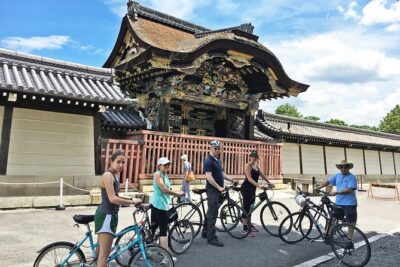 ★ 5.0Bike Tour Exploring North Kyoto plus LunchFrom $106
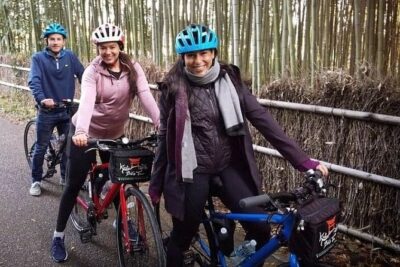 ★ 5.05 Top Highlights of Kyoto Full Day Bike Tour (E-bike option)From $172
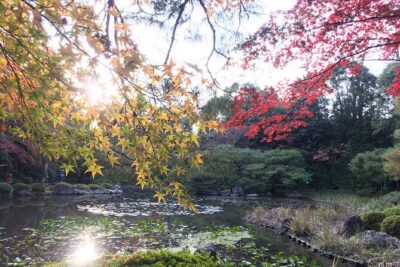 ★ 5.0E-Bike Tours of the highlights of Kyoto!!!From $109
 ★ 5.0Afternoon Kyoto Bike Tour: Bamboo Forest, Monkeys & Hidden SpotsFrom $106
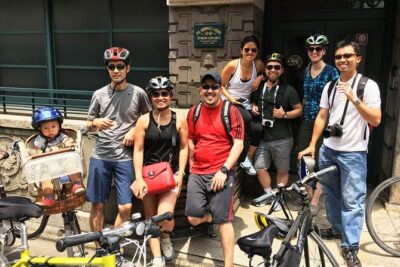 ★ 5.0South Kyoto in a Nutshell: Gentle Backstreet Bike Tour!From $79
 ★ 4.9Kyoto: City Secrets eBike TourFrom $1273h 45m
 ★ 5.0Pedal Adventure Kyoto’s iconic landmarks on an e-bike tourFrom $86
 ★ 4.9Kyoto: Hidden Gems E-Bike Tour with Local Japanese GuideFrom $753h 30m
Browse the lists this tour appears in