
Reviewed · E-BIKE TOURS
Hyogo E-Bike tour through rural Japan
The most striking part of this Hyogo ride is the way the old mining route links ordinary village life with industrial ruins. You pedal from Ikuno’s traditional houses and former mine buildings into quiet mountain country, then arrive at the enormous Mikobata Ore Dressing Plant, where the scale of Japan’s mining past becomes hard to miss. The 170-year-old cast-iron bridge is another fine stop, especially with the river below it.
I like the private format, since your own group can set the pace and ask questions without being lost in a crowd. I also like the route itself: it gives you rural Japan, old shrines, waterways, homes, and working roads rather than only a polished historic district. The main catch is simple: this is not a sightseeing ride for people who are unsure on a bicycle. You need to handle a bike comfortably, and the tour depends on good weather.
In This Review
- Key details before you book
- Why this route feels different from city cycling
- Starting at Ikuno’s former mine residence
- Pedaling through Kuchiganaya and the old ore route
- Leaving town for Habuchi and the first bridge stop
- The Mikobata Ore Dressing Plant is the big finish
- Ending at Asago Cycling Station and Nii Station
- How difficult is the e-bike ride?
- Who will get the most from the $149.85 price?
- The best season and the right expectations
- Should you book the Hyogo E-Bike tour?
- FAQ
- Where does the tour start?
- Where does the tour end?
- How long does the tour last?
- Is this a private tour?
- How much does the tour cost?
- Do I need to know how to ride a bicycle?
- What are the main historic sights?
- Is lunch included?
- What happens if the weather is bad?
Key details before you book
- A 1,200-year-old mining town: Begin in Ikuno, a former silver-mining center with old homes, company housing, and traces of the ore railway.
- A ride along the Ore Road: Follow the route once used to move mined ore by trolley, with time to walk part of the old track.
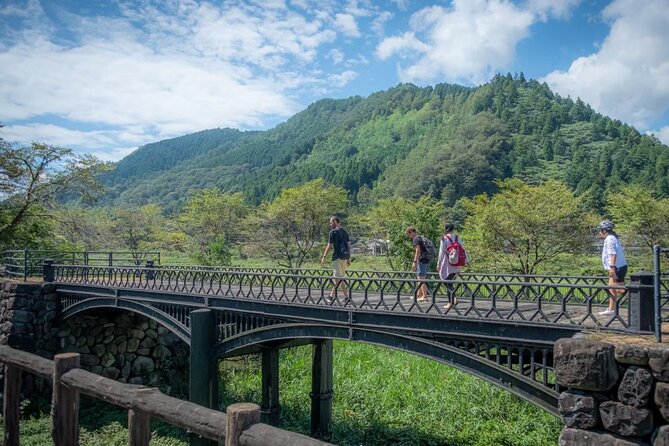
- A French-built cast-iron bridge: Stop at one of Japan’s oldest surviving cast-iron bridges, built more than 170 years ago.
- A huge industrial ruin: Spend about two hours at the Mikobata Ore Dressing Plant, including time for local history and souvenirs.
- A practical rail finish: Start at Ikuno Station at 9:00 a.m. and end at Nii Station, where the Bantan train stops.
- A private half-day outing: The price is $149.85 per person, with group discounts available and free cancellation up to 24 hours ahead.
Why this route feels different from city cycling
If you have cycled around Osaka or Kyoto, this tour gives you a very different view of Japan. There are no dense streets or famous urban sights competing for your attention. Instead, the route connects a small mining town, narrow local roads, rivers, shrines, mountain views, and industrial remains.
That change of pace is the real value. You are not simply being taken from one photo stop to another. You see how a settlement formed around mining, how ore was moved, and how the remains of that industry still shape the surrounding towns.
The tour covers roughly five to six hours, including stops. That is long enough to feel like a proper outing but short enough to fit into a wider Hyogo trip. You begin at Ikuno Station and finish at Nii Station, so the route works well for visitors using the Bantan train rather than trying to return to the starting point.
The experience is private, meaning only your group takes part. That matters on a bicycle tour. You can ask for clarification about the mining sites, pause for photographs, and manage the day with your own companions instead of riding beside a large mixed group.
A few more Hyogo Prefecture tours and experiences worth a look
Starting at Ikuno’s former mine residence
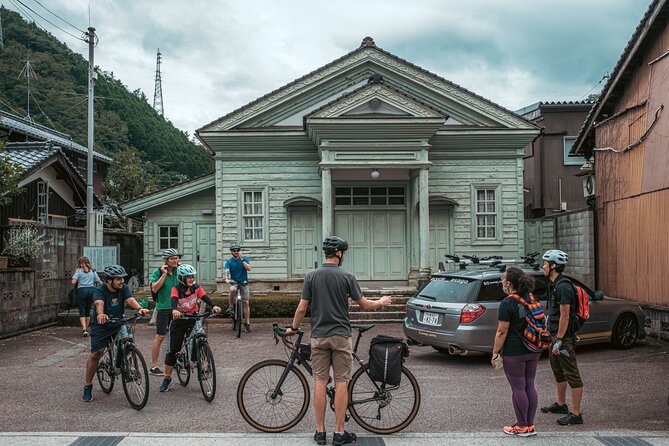
The first stop is the Old Official Residence of Ikuno Mine. This is one of the oldest surviving official residences and examples of company housing in Japan. It sits within Ikuno, a former mining town that has been recognized as a nationally important cultural area.
Give yourself time to notice the character of the place. This is not only a preserved building with a sign outside. It helps explain how the mine affected daily life, administration, and housing. The mining story begins with people and homes before it moves on to bridges and machinery.
About 30 minutes are set aside here, and admission is included. That makes it a useful opening stop, especially if you want context before getting on the bike. The tour is more satisfying when you understand that Ikuno was not merely a scenic village. It was a working town shaped by more than twelve centuries of mining.
Pedaling through Kuchiganaya and the old ore route
From the former residence, you cycle through Ikunocho Kuchiganaya. This part of the route brings you into the town itself, with traditional Japanese houses and the feel of a place that grew around a long-running industry.
The old ore road is one of the most appealing features of the day. It follows the remains of the railway line where mine carts once carried ore. You can ride along part of it and walk some sections, giving you a closer look at the route rather than viewing it only from the saddle.
I like this combination of movement and short walks. A bicycle lets you cover more ground than a walking tour, while the walking portions keep you from rushing past the details. You may notice the relationship between the road, river, homes, and religious sites more clearly at a slower pace.
This section includes about 30 minutes, with no separate admission charge. The route is described as scenic and rural, but you should still expect ordinary roads and changing surfaces rather than a fully separated cycle path all day. If you are not comfortable with basic bicycle controls, this is not the right outing for you.
Leaving town for Habuchi and the first bridge stop
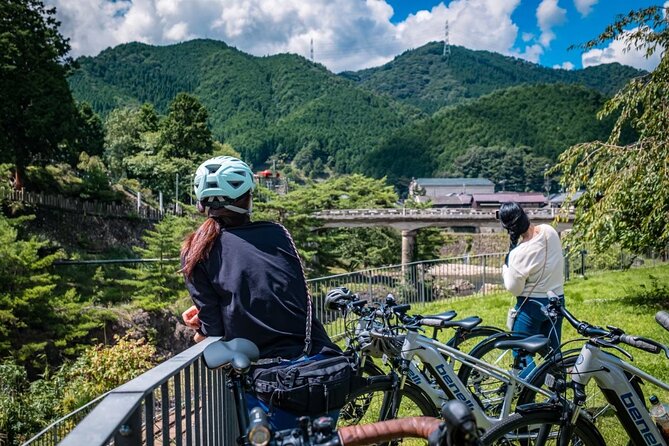
After passing local residences, the route leaves Ikuno and heads toward Habuchi along the Ore Road. The surroundings become more open and nature-focused, with a mountain route and rivers replacing the tighter town setting.
There is a short check stop at Habuchi, scheduled for about 10 minutes. It is a small pause, but these brief stops help break up the riding and give you a chance to take in the change from historic town to rural valley.
The route then reaches the Mikobata Cast Iron Bridge. The bridge was built by French engineers more than 170 years ago and is described as one of the oldest cast-iron bridges in Japan. It is a compact stop, around 20 minutes, but likely one of the day’s best photo opportunities.
The river adds to the appeal. You get water, mountain surroundings, and an unusual piece of engineering in one frame. This is also a good example of the tour’s balance: the bridge is not treated as an isolated monument. You reach it by following the old transport network that made the mining industry possible.
The Mikobata Ore Dressing Plant is the big finish
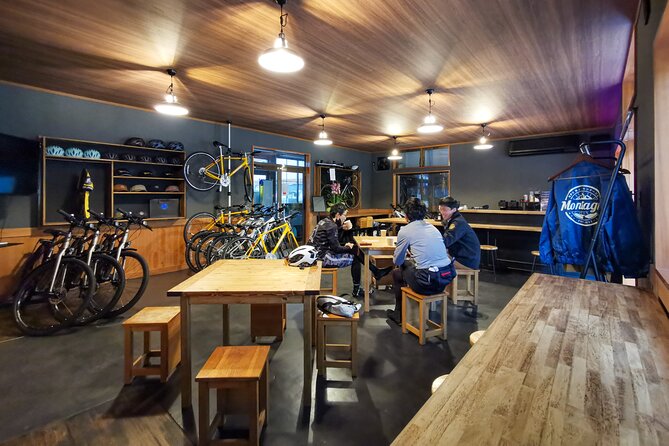
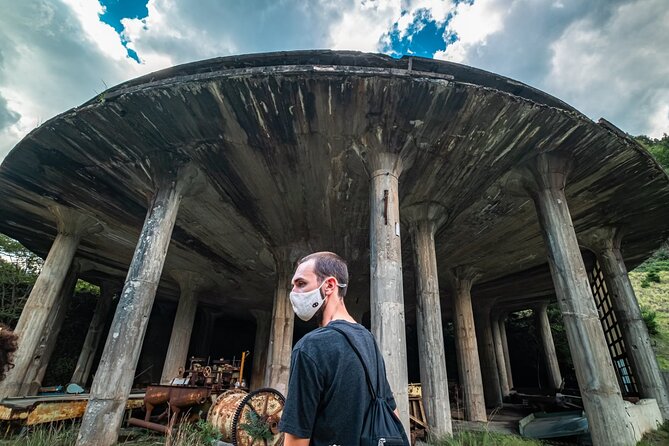
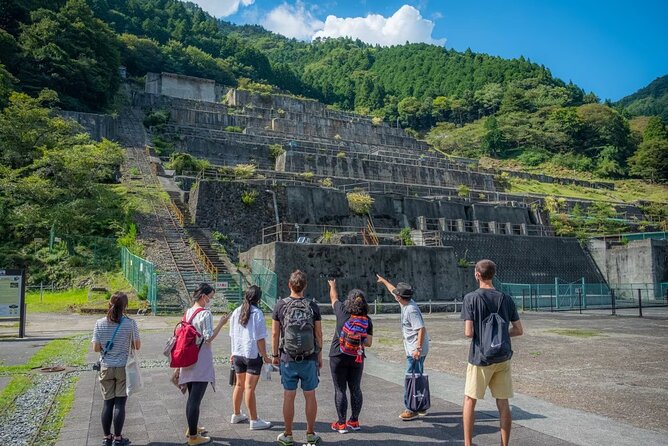
As you approach Mikobata, the ruins of the Mikobata Ore Dressing Plant come into view. The first impression is scale. The site is described as huge, and that size gives the stop more weight than a small abandoned building or single mine entrance.
Ore dressing plants processed mined material before it moved onward. You do not need to arrive with a technical background to appreciate the site. The remains show how much labor, machinery, transport, and infrastructure were needed to support mining in these mountain communities.
About two hours are allotted here, making it the longest stop by far. That is useful because the site needs time. You can learn about its history from local people, look across the ruins, and buy locally made souvenirs. There is also a lunch stop here, followed by free time to explore the area.
Because the supplied details do not specify exactly what lunch includes, I would confirm that point before booking if the meal is important to your budget. The same practical rule applies to any planned souvenir purchases. The price is $149.85 per person, and the value is strongest if you want transport by bike, guiding, historic interpretation, and access to several connected sites in one private outing.
For me, the plant is the reason to choose this tour over a simple countryside cycle. The views are pleasant, but the industrial remains give the day a clear story. You start with the people and homes of Ikuno, follow the path used to carry ore, cross old infrastructure, and finish at the place where the material was processed.
Other cycling tours in Hyogo Prefecture
Ending at Asago Cycling Station and Nii Station
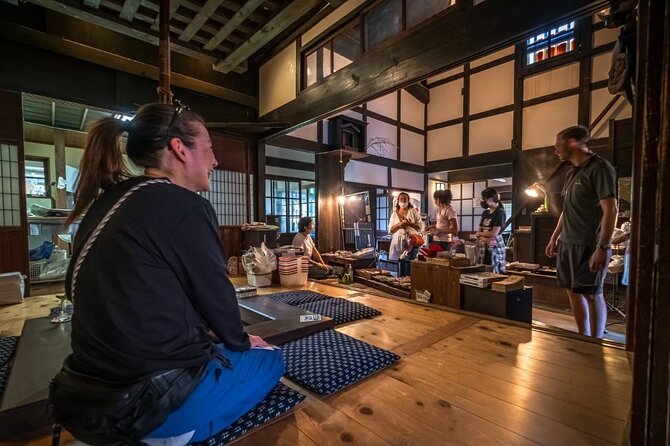
The final stop is the dedicated Asago Cycling Station, operated by Roots & Routes. You finish with a complimentary drink and time to unwind in a comfortable setting before departure. After that, the tour ends at Nii Station.
Nii is important for planning. The Bantan train stops there, so you can continue by rail from the end point. Since the start and finish are different stations, check your train connections before the morning begins, especially if you are traveling with luggage or working around a tight schedule.
The stop at the cycling station is only about 30 minutes, but it gives the tour a gentle finish. You are not simply dropped at a platform after a long ride. You have a short chance to sit, drink something, and gather yourself before leaving the area.
How difficult is the e-bike ride?
The experience is described as an e-bike tour, but the participation notes make the important point clear: you must be able to cycle and understand the basic workings of a bicycle. It is not recommended for someone who cannot ride or who is unfamiliar with standard bicycle operation.
The available information does not give a total distance, elevation gain, bike model, or exact trail surface. I would ask the operator about those details if you have concerns about hills, road conditions, or stamina. The route includes a mountain path and winding roads, so do not book it assuming the motor removes every physical demand.
At the same time, the tour is aimed at ordinary participants rather than elite cyclists. The scheduled stops, photo breaks, and long visit at Mikobata keep it from being a nonstop endurance ride. You should be comfortable riding for several hours, but the day is built around sightseeing as much as pedaling.
Good weather is required. If poor weather forces cancellation, you are offered another date or a full refund. You can also cancel for a full refund if you do so at least 24 hours before the 9:00 a.m. start. Changes or cancellations made inside that window are not accepted for a refund.
Who will get the most from the $149.85 price?
At $149.85 per person, this is not a bargain transport option. You are paying for a private experience lasting about five to six hours, along with the use of an e-bike, guided visits, included admission at the official residence and Mikobata site, a complimentary drink at the cycling station, and the convenience of a planned one-way route.
The price makes more sense for a small group that values history and rural scenery. Group discounts may improve the cost for larger parties. Since only your group participates, the price also buys flexibility and a more personal setting, though the exact discount should be checked when booking.
I would not choose this tour simply because you want a cheap bike rental. You could spend less by arranging your own local ride, but you would then need to find the old ore route, understand the mining sites, manage the station logistics, and organize your own stops.
The value is strongest if you have already seen Japan’s major cities and want a quieter day with a clear local story. It is also a good fit if you enjoy combining light activity, industrial history, village architecture, and scenic stops.
The best season and the right expectations
Autumn should be particularly appealing here. The route passes through mountain country, and one account of the experience describes a picturesque November ride. Seasonal changes also give you a reason to return, since the route’s appeal is not limited to one famous monument.
Still, do not expect a packed sightseeing schedule. Several stops are short, and the charm comes from the spaces between them. The tour is about the ride through the countryside as much as the named attractions.
You may also want to allow extra time in your wider plan for Ikuno and Asago. The tour gives you a strong introduction, but the schedule is organized around cycling, not an exhaustive visit to every shrine, museum, or historic building in the area.
Should you book the Hyogo E-Bike tour?
Book it if you can ride confidently, want a private half-day, and are curious about the rural side of Kansai. The combination of Ikuno’s old mining town, the Ore Road, the French-built bridge, and the massive Mikobata plant gives the outing a stronger sense of place than a generic countryside ride.
Think twice if you dislike winding roads, need a guaranteed flat route, or want a tour packed with famous indoor attractions. The route is weather-dependent, the cycling ability requirement is real, and the total distance and terrain details should be confirmed before you pay.
For the right cyclist, this is a thoughtful way to see northern Hyogo: active but not rushed, historic without feeling staged, and far removed from the usual city circuit.
FAQ
Where does the tour start?
The tour starts at Ikuno Station in Ikunocho Kuchiganaya, Asago, Hyogo. The scheduled start time is 9:00 a.m.
Where does the tour end?
The tour ends at Nii Station in Asago. The Bantan train stops at Nii Station.
How long does the tour last?
The experience lasts approximately five to six hours.
Is this a private tour?
Yes. Only your group participates in the activity.
How much does the tour cost?
The listed price is $149.85 per person. Group discounts are available.
Do I need to know how to ride a bicycle?
Yes. The tour is not recommended for people unable to cycle or people unfamiliar with the basic workings of a bicycle.
What are the main historic sights?
The route includes the Old Official Residence of Ikuno Mine, the old Ore Road, the Mikobata Cast Iron Bridge, and the Mikobata Ore Dressing Plant.
Is lunch included?
The tour includes a lunch stop at the Mikobata Ore Dressing Plant, but the provided details do not state exactly what is included in the meal. Confirm this with the operator before booking.
What happens if the weather is bad?
The experience requires good weather. If it is canceled because of poor weather, you can choose another date or receive a full refund. Free cancellation is also available up to 24 hours before the start time.
More E-Bikes in Hyogo Prefecture
More Cycling Tours in Hyogo Prefecture
More E-Bike Tours in Hyogo Prefecture
More tours in Hyogo Prefecture we've reviewed
E-Bike Tours, compared.
 ★ 5.0Tokyo Top Highlights 3h Guided E-bike TourFrom $63
 ★ 5.03h Tokyo E-Bike Tour: Hidden Gems, and Local Life with guideFrom $63
 ★ 5.05 Top Highlights of Kyoto Full Day Bike Tour (E-bike option)From $172
 ★ 4.83-Hour Bike or E-Bike City Highlights TourFrom $453 hours
 ★ 5.0E-Bike Tours of the highlights of Kyoto!!!From $109
 ★ 4.83-hour Guided E-Bike Tour of the City’s Hidden GemsFrom $65
 ★ 5.0Osaka E-Bike Tour with a Local GuideFrom $59
 ★ 5.03-Hour Bike/E-Bike Tour of the City’s HighlightsFrom $63
Browse the lists this tour appears in