
Reviewed · HIROSHIMA CYCLING TOURS
Hiroshima Country Cycling: Explore Rural Life 1 HR from City
A short bus ride from Hiroshima takes you to a Japan many visitors only glimpse from the expressway: rice fields below, tiled roofs, working farms, and small communities shaped by the seasons. This four-hour e-bike tour with local guide Jonah gives you time to stop, ask questions, and meet people rather than simply pass through.
I like the comfortable assisted bicycles, which make the route manageable at a relaxed pace, and I like the personal contact with rural residents. You may meet a farmer still tending rice fields at age 92, or make sushi in an old Japanese house, depending on the day and arrangements. The main drawback is the long overall day: the cycling lasts four hours, but bus connections make this an all-day outing from Hiroshima.
In This Review
- What makes this countryside ride worth your time
- Leaving Hiroshima for a quieter Japan
- E-bikes make the countryside accessible
- Kakeyama and the first hour on the road
- A traditional village with personal encounters
- Farm food, herb gardens, and sushi making
- What the four-hour route feels like
- The guide makes the difference
- Who will enjoy this Hiroshima day trip
- Is $83 a fair price?
- Should you book the rural Hiroshima cycling tour?
- FAQ
- Where does the Hiroshima countryside cycling tour take place?
- How do I get to the tour starting point?
- How do I return to Hiroshima?
- Can I use a JR Pass for the bus?
- How much does the highway bus cost without a JR Pass?
- Is lunch included in the tour price?
- Are local farmer or resident visits guaranteed?
- What languages does the guide speak?
- How many people can join the tour?
- What happens if bad weather cancels the tour?
What makes this countryside ride worth your time
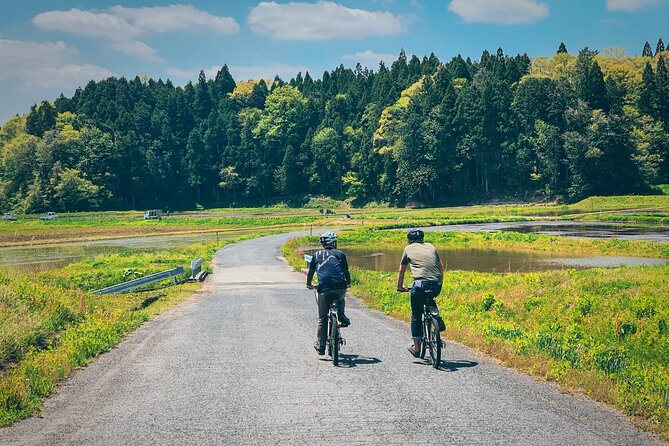
- A real working community: Ride past rice fields, vegetable plots, traditional houses, and farms that still support everyday life.
- Jonah’s personal touch: English-speaking guide Jonah explains local history, agriculture, and seasonal customs in a friendly, patient way.
- E-bikes keep the pace easy: Electric assistance helps with the uphill sections, so the route is not just for strong cyclists.
- Local food is part of the story: Lunch may include vegetables from the herb garden, or you may have the option to make sushi in a traditional home.
- Small groups matter: With no more than eight people, it is easier to talk with the guide and local residents.
- Straightforward bus access: Hiroshima Station and Hiroshima Bus Center connect directly with Oasa Interchange, and JR Pass holders can ride at no extra cost.
Leaving Hiroshima for a quieter Japan
This outing begins before the bicycles do. You take the JR highway bus from Hiroshima Station at 9:00 AM or Hiroshima Bus Center at 9:15 AM, arriving at Oasa Interchange at 10:14 AM. The bus ride is part of the appeal. It carries you away from the city and into open country without the stress of driving or changing trains.
If you depart from Hiroshima Station, use Bus Stop 3 on the ground level near the Tourist Information and Bus Ticket Office. From Hiroshima Bus Center, use Bus Stop 9 on the third floor of the Sogo building. These details matter, especially if you are still getting used to Hiroshima’s transport system.
Your guide meets you at Oasa Interchange. At the end of the day, the bus leaves Oasa at 3:44 PM, reaches Hiroshima Bus Center at 4:43 PM, and arrives at Hiroshima Station at 4:58 PM. The guide escorts you back to the interchange, which removes the worry of finding the correct return stop.
The round-trip fare is ¥3,560 unless you hold a JR Pass. For JR Pass holders, the bus ride is included. For everyone else, the transport cost brings the total price above the advertised $83, so keep that in mind when comparing this outing with activities based in central Hiroshima.
E-bikes make the countryside accessible
The bicycles are a practical choice rather than a racing machine. The route includes uphill riding, but electric assistance takes much of the strain out of it. The pace is described as relaxed, with stops to look around and talk, so you should not expect a high-speed cycling workout.
You receive a bicycle, helmet, guide service, and accident insurance. There are several water refill points along the route, but you need to bring your own bottle. Comfortable clothing and shoes are sensible, and cash is useful for lunch and optional food activities.
You still need to be able to ride a bicycle. The tour is not suitable for wheelchair users, people with mobility impairments, children or adults under 140 centimeters, or anyone over 110 kilograms. It is also not suitable for anyone who is intoxicated.
The small maximum group of eight helps Jonah adjust the pace. If you book several days ahead and have a particular interest, the ride may be tailored to some degree. That does not mean you should expect a private itinerary, but it does give the guide room to respond to your interests and cycling comfort.
Kakeyama and the first hour on the road
The first named stop is Kakeyama, where you spend about an hour. The value here is not a famous monument or a packed attraction list. It is the chance to see how a small Japanese community functions away from major tourist routes.
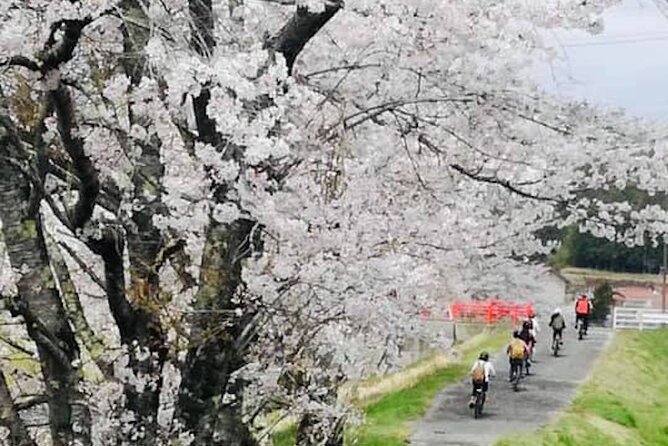
You ride through open countryside, with rice fields, vegetable farms, and traditional homes forming the backdrop. Jonah explains how agriculture and the seasons affect daily routines. In a place with a population of roughly 2,000, the pace is slower and the connection between homes, fields, food, and local customs is easier to see.
This is also where a guide who speaks good English makes a real difference. Jonah can answer the practical questions that signs and guidebooks cannot: what is grown locally, how the seasons change farm work, and why younger residents often leave for larger cities.
Do not expect a parade of formal sights. The pleasure comes from the pauses. You stop, look, listen, and have a chance to ask something before moving on. If you prefer nonstop sightseeing, this may feel too quiet. If you want to understand ordinary rural life, the slower rhythm is exactly the point.
A traditional village with personal encounters
The next hour focuses on a traditional village. The old homes and farming setting give you a clearer sense of rural Japan than a preserved district in a large city can provide. You are seeing a community where traditional buildings sit alongside active farms and present-day life.
Visits with farmers or residents can sometimes be arranged in advance, depending on availability. This is not guaranteed, so you should treat it as an added possibility rather than a promised stop. When it works out, it can become the most memorable part of the day.
One especially striking example is the chance to meet an older farmer who continues working his rice plots at the age of 92. Encounters like this put a human face on the region’s changing population. Rural communities are dealing with the movement of younger people to cities, yet farming knowledge and local routines continue through the people who remain.
Jonah helps keep these meetings informal. You can ask questions, but the visit is not presented as a staged show. Be polite, listen carefully, and remember that you are entering someone’s community and, in some cases, someone’s workplace.
Farm food, herb gardens, and sushi making
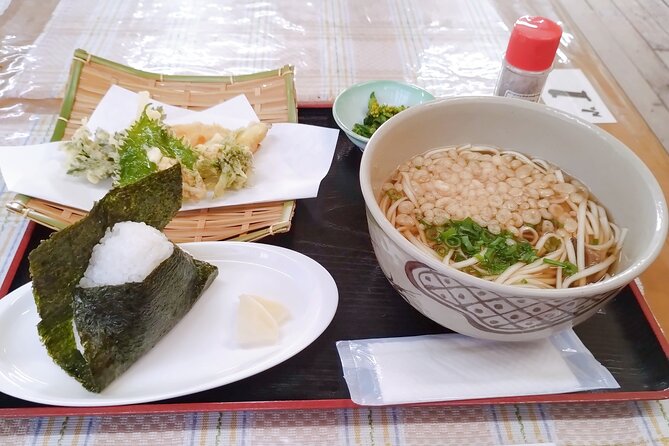
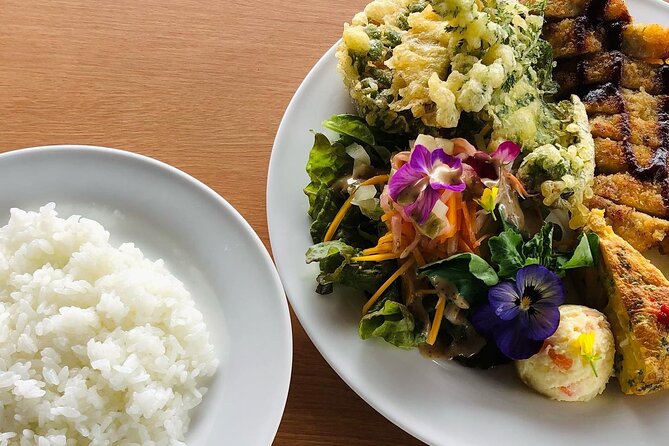
The local restaurant stop lasts about an hour and gives the cycling day a welcome break. A meal at the herb garden costs about ¥1,000 to ¥1,300 per person. The food is simple, and the vegetables are grown locally, which makes the meal feel tied to the fields you have just passed.
Several people have singled out the herb kitchen as a favorite part of the day. That makes sense. A farm meal turns the earlier talk about agriculture into something you can taste. It also offers a practical value advantage: you are not paying for a polished city restaurant, but you are getting food connected to the place.
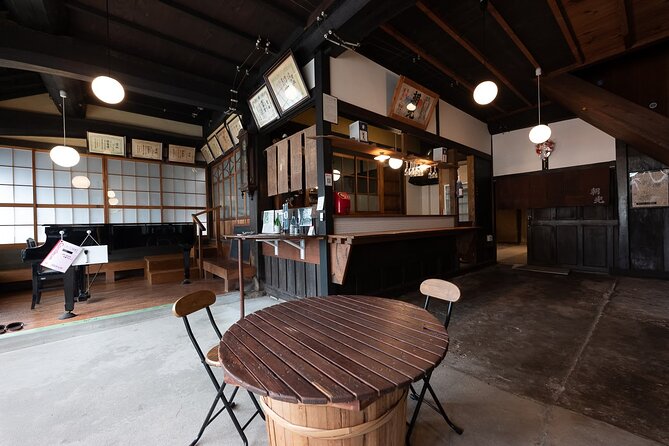
Sushi making is another possible food activity and costs ¥3,000 per person. The session takes place in an old Japanese house, with the process explained before you eat what you prepare. It is a stronger choice if you want hands-on participation rather than a standard lunch.
The supplied schedule lists both the herb garden meal and sushi making as additional costs, so ask what is planned when you reserve. You may not do both, and local visits depend on availability. Bring cash, since the tour specifically recommends it.
What the four-hour route feels like
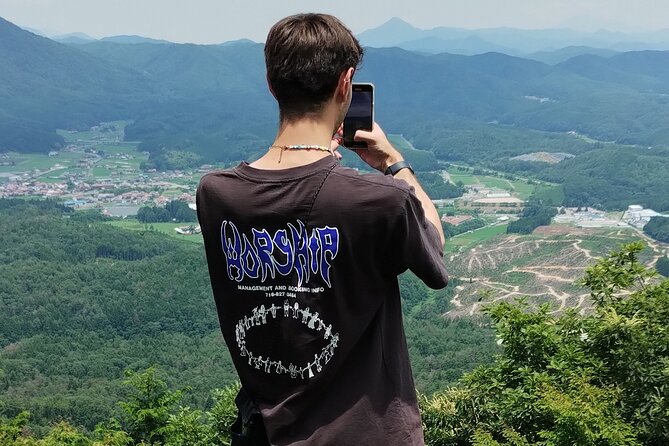
The listed stops each take about an hour, but the day should not feel like four rigid appointments. The route is built around cycling, pauses, conversation, and local contact. Jonah can explain what you are seeing as you move between stops, then allow time to ask follow-up questions.
The cycling itself is balanced. You get enough movement to feel that you have crossed some ground, but the assisted bikes and regular stops prevent the day from becoming an endurance test. One useful tip is to tell Jonah ahead of time if you have concerns about pace or want more focus on farming, food, or local history.
The ride is at its best when you allow room for small details: a field being worked, a traditional roofline, a village road, or a conversation with someone who lives there. It is less about collecting famous sights and more about seeing the parts of Japan that are easy to miss from a bus window.
Because the tour requires good weather, a rain cancellation is possible. If weather causes the cancellation, you are offered another date or a full refund. That policy is sensible for a bicycle trip, but you should avoid placing this activity on the only day of your Hiroshima stay if a change would cause problems.
The guide makes the difference
Jonah is central to the quality of this outing. He speaks English and Japanese, explains history in a relaxed way, and has the patience to answer a long stream of questions. That last point matters on a rural tour, where much of the meaning comes through conversation rather than signs or formal attractions.
He also helps connect you with local people. The best moments may come when the planned route opens into an unhurried exchange with an English-speaking resident, farmer, or community member. These meetings are subject to availability, but Jonah is the person who makes them possible and helps keep the conversation comfortable.
The guide also escorts you back to Oasa Interchange. That small service is useful because the return bus is at a fixed time. You can focus on the countryside rather than watching the clock and wondering where to go next.
Who will enjoy this Hiroshima day trip
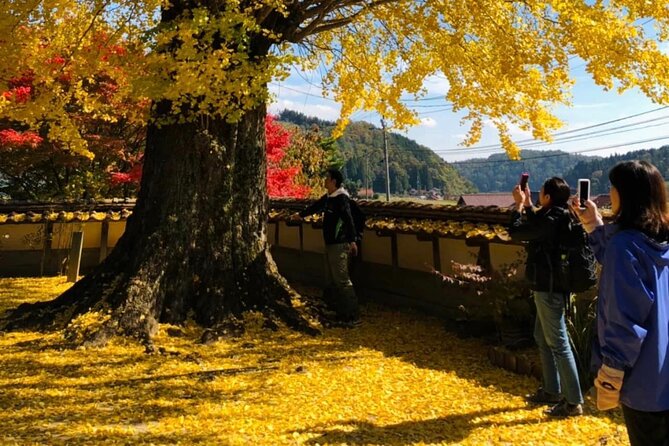
I would choose this tour if you have already seen Hiroshima’s central sights and want a different side of the region. It works particularly well after several days of city hopping, when four quiet hours outdoors sound better than another museum or shopping street.
It suits you if you:
- Can ride a bicycle and are comfortable with some uphill sections
- Want to learn about farming and seasonal customs
- Prefer small groups and conversation to large organized tours
- Enjoy local food and possible meetings with residents
- Like traveling by public transport instead of renting a car
- Have enough time in Hiroshima for the bus journey
It is less suitable if you want a tightly packed sightseeing schedule, cannot ride a bike, or need fully accessible transport and equipment. The tour also has age and size limits, including a minimum height of 140 centimeters and a maximum weight of 110 kilograms.
Is $83 a fair price?
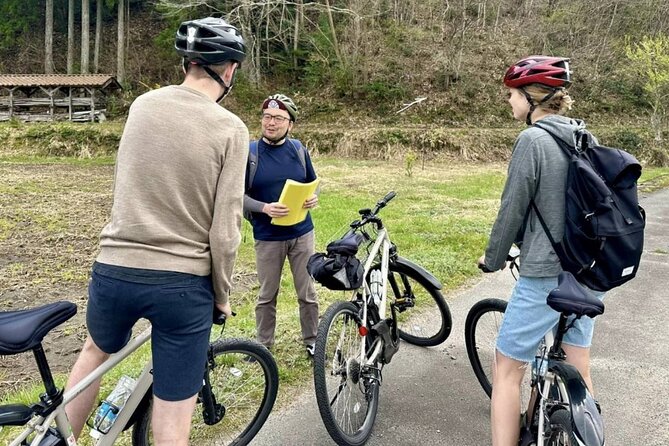
At $83 per person, the tour offers good value if you want a guide, bicycle, helmet, insurance, and a carefully organized rural outing. You are paying for access to a local setting and for Jonah’s ability to explain it, not just for four hours of bike rental.
The value changes once you add transport and food. Non-JR Pass holders pay ¥3,560 for the return highway bus, plus lunch or sushi making. That can make the total cost noticeably higher than the headline tour price.
Still, arranging the bus, meeting a guide at an outlying interchange, renting an e-bike, and finding rural food on your own would take planning. If you value ease and personal context, the added cost is reasonable. JR Pass holders get the best deal because the bus ride is included.
Free cancellation up to 24 hours before departure and the reserve-now, pay-later option also reduce the risk of booking. Check availability for the starting time, then confirm which food option and local visits are planned for your date.
Should you book the rural Hiroshima cycling tour?
Book it if you want to trade Hiroshima’s city sights for rice fields, village roads, local food, and honest conversation. The strongest reasons are the e-bikes, Jonah’s patient guidance, and the possibility of meeting people who still work the land.
Do not book it simply because you want a quick bike ride near the city. The bus journey takes time, the food costs extra, and the route depends on good weather. But if you have an extra day and want to see how rural Japan actually lives, this is a thoughtful, low-pressure choice with a strong connection to place.
FAQ
Where does the Hiroshima countryside cycling tour take place?
The cycling takes place around Oasa and nearby rural communities, including Kakeyama, traditional villages, rice fields, vegetable farms, and farming areas.
How do I get to the tour starting point?
Take the JR highway bus from Hiroshima Station at 9:00 AM or Hiroshima Bus Center at 9:15 AM. You get off at Oasa Interchange, where the guide meets you at 10:14 AM.
How do I return to Hiroshima?
The return bus leaves Oasa Interchange at 3:44 PM. It arrives at Hiroshima Bus Center at 4:43 PM and Hiroshima Station at 4:58 PM. The guide escorts you back to the interchange.
Can I use a JR Pass for the bus?
Yes. JR Pass holders can use the JR highway bus round trip at no additional cost.
How much does the highway bus cost without a JR Pass?
The round-trip bus fare between Hiroshima and Oasa is ¥3,560.
Is lunch included in the tour price?
No. Lunch at the herb garden costs about ¥1,000 to ¥1,300 per person. Sushi making costs ¥3,000 per person.
Are local farmer or resident visits guaranteed?
No. Visits can be arranged in advance for people with a particular interest in rural culture, but they depend on availability.
What languages does the guide speak?
The tour is offered with a live guide in English and Japanese.
How many people can join the tour?
The tour is limited to a maximum of eight participants.
What happens if bad weather cancels the tour?
Because the activity requires good weather, a cancellation caused by poor conditions gives you the choice of another date or a full refund.
Hiroshima Cycling Tours, compared.
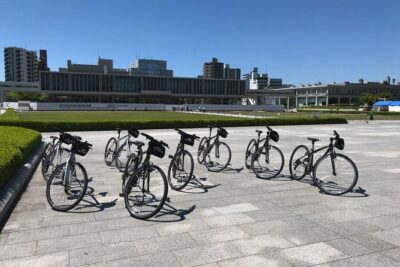 ★ 5.0Hiroshima in a Nutshell: Morning Bike AdventureFrom $72
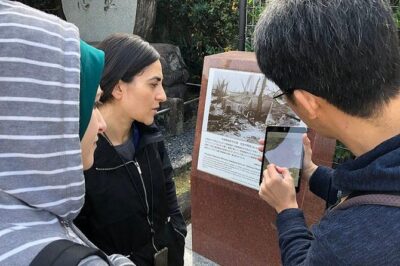 ★ 5.0Hiroshima 2hr Peace Cycling Tour with Local GuideFrom $59
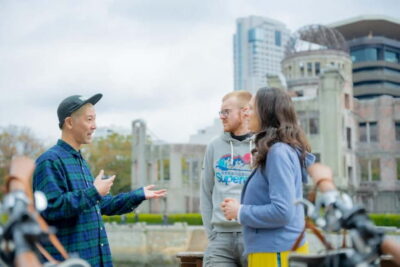 ★ 4.8Hiroshima: Peace Cycling Tour with Local GuideFrom $522 - 3 hours
 ★ 5.0Hiroshima and Miyajima by Bike and BoatFrom $142
 ★ 5.0Hiroshima 3hr Peace Cycling Tour with Local GuideFrom $85
 ★ 4.9Hiroshima: Best of Hiroshima Guided Bike TourFrom $703h 30m
 ★ 5.0Hiroshima Country Cycling: Explore Rural Life 1 HR from CityFrom $85
 ★ 5.0Hiroshima: City and Miyajima Bike and Boat TourFrom $1387h 30m
Browse the lists this tour appears in