
Reviewed · CYCLING TOURS
Custom Bike and Walk Countryside Adventure in Rural Japan
The best thing about this three-day trip is the way it gets you beyond Japan’s famous sights and into the daily rhythm of northern Nagano. You’ll pedal quiet lanes, eat at family inns, visit working villages, and sleep in places where the welcome matters as much as the room. Rural Japan feels close and personal here, not packaged for quick photo stops.
I like the mix of gentle cycling and real cultural contact, especially the washi-paper workshop in Uchiyama and the farm stay around Tsunan. I also like that the route can bend to your energy level, with e-bikes, shorter rides, and several Day 3 choices. The main catch is cost: the $585.28 tour price does not include accommodation, dinners, breakfasts, lunch, or transportation to Iiyama Station. You need to budget carefully before booking.
In This Review
- Key Points at a Glance
- Why This Nagano Trip Feels Different
- Day 1: Temples, Dolls, and the Road to Nozawa Onsen
- Day 2: Hokuryu Lake, Handmade Washi, and a Family Farm Stay
- Day 3: Choose Your Own Rural Route
- Akiyamago Valley
- Shorter Tsunan Route
- Najomon Cultural Park
- The Final Soak and Return to Iiyama
- What the $585.28 Price Really Covers
- Who Should Book This Experience
- Should You Book It?
- FAQ
- Where does the tour begin?
- How long does the experience last?
- How far is Iiyama from Tokyo?
- What type of bicycle is provided?
- Is luggage transportation provided?
- Is accommodation included in the tour price?
- Are meals included?
- Is this a private tour?
- Can the route be adapted for health or mobility needs?
- What happens on the third day?
- What is the cancellation policy?
Key Points at a Glance
- Iiyama is the starting point: Reach this Shinkansen hub from Tokyo in about two hours, then begin with a bicycle fitting and orientation.
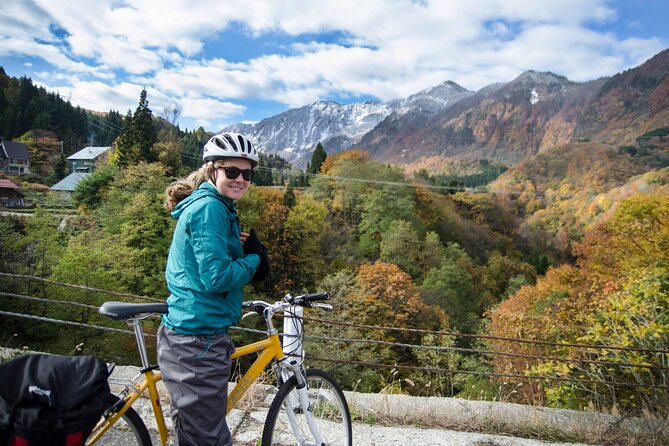
- The riding is scenic rather than extreme: Expect rice fields, apple orchards, riverside roads, forest lanes, and some uphill sections.
- Nozawa Onsen adds classic Japanese lodging: Sleep on tatami, wear a yukata, visit public bathhouses, and eat a seasonal dinner.
- Uchiyama gives you hands-on culture: Try traditional washi paper making in a village once known for its handmade paper.
- Day 3 is flexible: Choose Akiyamago Valley, a shorter Tsunan route, or the Jomon-focused Najomon cultural park.
- It is private and adaptable: Only your group takes part, and routes can be adjusted for health or mobility needs if arranged in advance.
Why This Nagano Trip Feels Different
Iiyama sits in northern Nagano, a part of Japan shaped by snowy winters, rice farming, mountain valleys, and small communities. You are only about two hours from Tokyo by Shinkansen, yet the pace changes quickly once the bikes leave the station.
This is not a sightseeing circuit where you spend ten minutes at a viewpoint and hurry to the next stop. The appeal is the gradual change from town to hamlet, from paved road to farm lane, and from organized activity to conversation around a family table.
The private format matters. Your group is not tied to a fixed public-tour pace, and the route can be adjusted around fitness, weather, and interest. The supplied bicycles include e-bikes or cross bikes, helmets, and basic accessories. A support vehicle handles luggage, which lets you ride without carrying your bags.
You should still have moderate physical fitness. E-bikes make the uphill sections easier, but this is an active trip spread over three days. The cycling is described as gentle in many places, yet you will spend real time in the saddle.
Day 1: Temples, Dolls, and the Road to Nozawa Onsen
Your first meeting point is the tourist information center at Iiyama Station. This is a practical place to begin because Iiyama is a Shinkansen stop, not a remote trailhead requiring a long private transfer.
Allow about 45 minutes for orientation. You’ll be fitted with a bicycle and helmet, arrange optional rain gear or GPS equipment, and hand over luggage for transport support. This opening is useful rather than ceremonial. You want the bike adjusted before the first real ride, especially if you have not used an e-bike or cross bike in Japan before.
The first outing explores Iiyama’s temple district. The town is sometimes called the Kyoto of northern Nagano because so many temples are gathered in a small area. That nickname should not set up the wrong expectation: this is a quiet local district, not a smaller version of central Kyoto with grand crowds and famous gates.
You’ll have around two hours to cycle or walk between temple grounds. The value is in the calm setting and the chance to notice traditional architecture at a human scale. If you have already spent days in Tokyo or Kyoto, this slower introduction helps reset your pace.
Next comes the Mayumi Takahashi Doll Museum, with about 45 minutes inside. Takahashi Mayumi’s dolls portray rural Japanese life, giving you a cultural stop tied to the region rather than a generic museum visit. It is a good counterpoint to the temples because the work focuses on people, clothing, and everyday character.
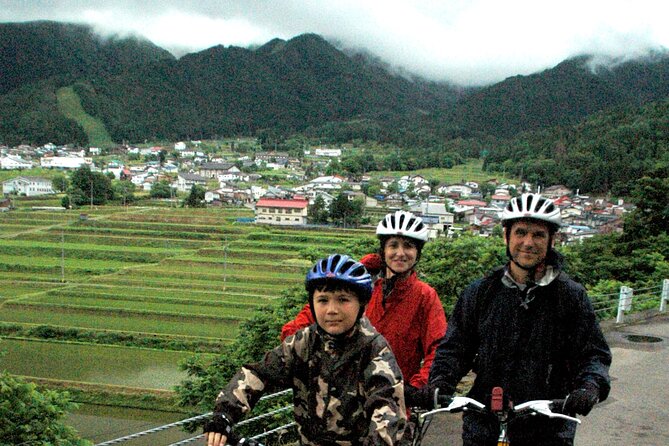
The afternoon ride heads through farmland and small hamlets on a plateau above the Chikuma River valley. Rice paddies, apple orchards, village lanes, and mountain views fill the route. The scenery changes with the season, but the basic pleasure remains the same: you are moving slowly enough to see how the countryside is organized.
This is one of the strongest parts of the trip for anyone who prefers roads with a sense of place. You are not simply cycling beside pretty fields. You are passing through communities where farming, homes, shrines, and roads still fit closely together.
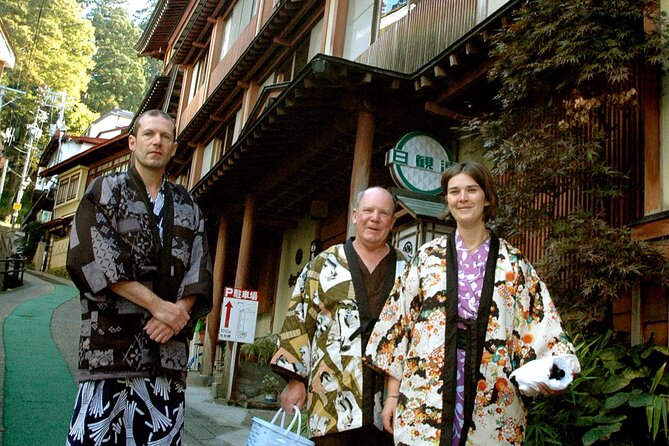
After about two hours of riding, you reach Nozawa Onsen. This historic hot-spring town traces its bathing tradition back to the 13th century. Check into a Japanese-style inn, change into a yukata, and take time for tea before exploring.
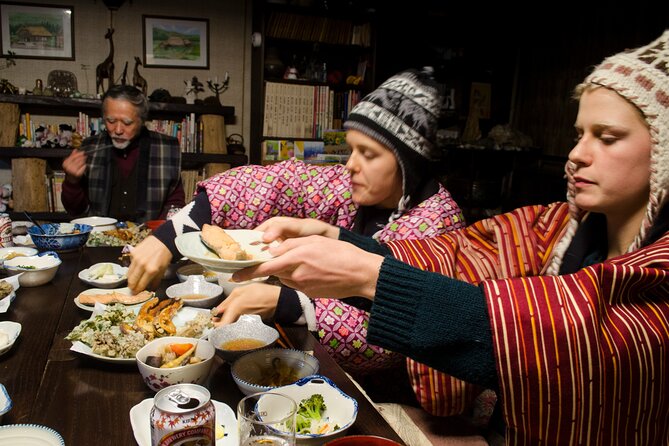
Nozawa Onsen is a fitting first-night base because the town lets you experience onsen customs without treating them as a quick add-on. Public bathhouses are part of the town’s character, and the ryokan setting gives you tatami, futons, and a seasonal kaiseki-style dinner.
The inn is family-run, and the exact property is arranged with assistance rather than included in the tour price. You pay the inn directly, with accommodation listed at ¥24,000 per person. Dinner and breakfast are also provided by the inn and included in that inn cost.
Expect a traditional setup, not a Western hotel routine. You may find the futon and shared-bath customs charming, but the experience is not designed around large rooms, private facilities, or anonymous service. If you value local atmosphere over hotel convenience, this night earns its place.
Day 2: Hokuryu Lake, Handmade Washi, and a Family Farm Stay
The second morning begins at your own pace. You can sleep longer, or join an optional sunrise ride along quiet rural roads. That flexibility is welcome after the first day, especially if you spent the evening visiting bathhouses.
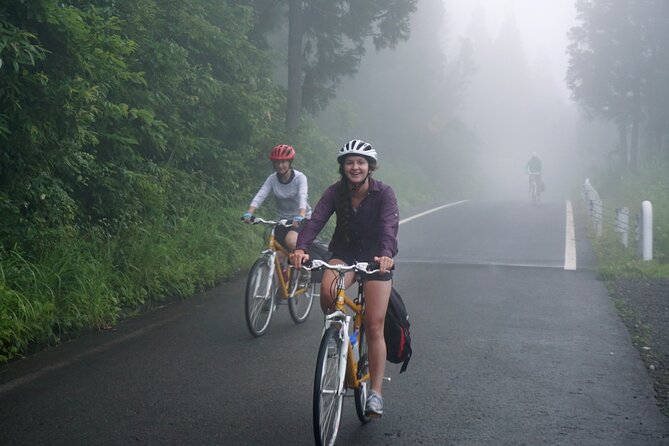
After breakfast, the route heads toward Hokuryu Lake. The ride takes about two hours through forest, hamlets, and country roads. Hokuryuko is a calm mountain lake, and the ride offers a change from the open rice fields and river valley views of Day 1.
The route is described as relaxed, but you should not mistake relaxed for entirely effortless. The countryside has slopes, and the next stop includes a short uphill ride. E-bikes are a practical choice if you want to save energy for the cultural activities.
You then reach Farmers Market and Café Sato-wa for about an hour. Local growers sell vegetables, fruit, jams, bread, sweets, honey, and regional wines. This is a useful stop because it connects the countryside scenery with the people who produce it.
Lunches are not included. Plan on paying as you go, with about ¥1,000 suggested for lunch. At a farmers market, your food choices may depend on what is available that day, so do not expect a fixed restaurant meal or a full tour-provided menu.
The next ride climbs toward Uchiyama Village, made easier by an e-bike. Uchiyama was once known across Japan for handmade washi paper, and the paper-making workshop gives the day its clearest hands-on activity.
I like this stop because it asks you to do something rather than simply watch. You get a direct sense of the work, materials, and patience behind a traditional craft. It also fits the surrounding villages, where older trades and household skills remain part of the local identity.
Allow about two hours for the Uchiyama visit. The uphill approach is short, but it is worth treating it as a genuine part of the ride. If you are concerned about mobility or stamina, tell the operator in advance so the route and support can be planned around you.
After the workshop, the group may stop at a Japanese supermarket. This is optional and depends on time and group interest. I find this sort of stop valuable because an ordinary supermarket can show you more about daily life than a souvenir shop, but it is not an essential highlight for everyone.
Another option is to continue along the Chikuma River to Iiyama Yutaki Onsen. The ride is gentle, with broad river views and a soak at a local hot spring. You may do the supermarket, the onsen, or adjust the plan based on time and the group’s energy.
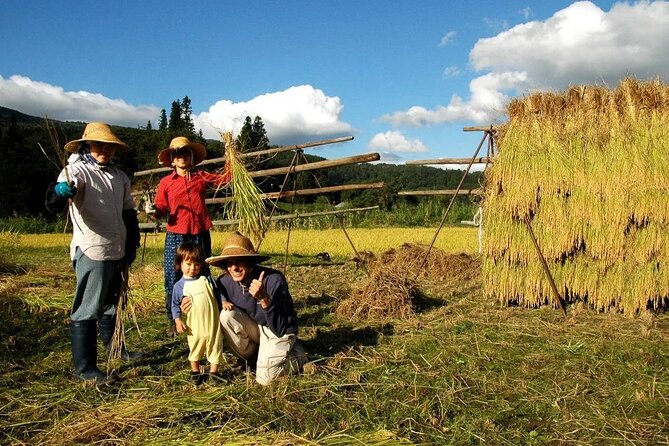
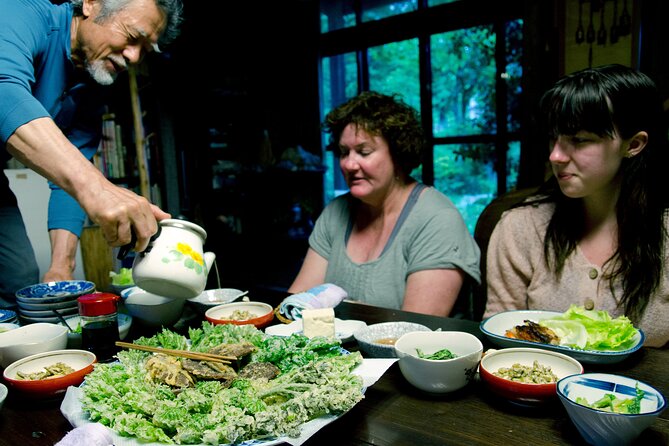
Day 2 ends at a local farmhouse in Tsunan-machi. The stay is designed to feel like a visit to relatives rather than a standard inn check-in. Dinner is shared with the hosts at the family table and consists of simple home cooking.
This is likely the most personal night of the trip. You should expect less polish and more contact. The farmhouse setting will appeal to you if you want conversation, local food, and a sense of how people live outside Japan’s major cities. It may be less appealing if you need a predictable hotel room or private dining.
Day 3: Choose Your Own Rural Route
Breakfast at the farmhouse includes homemade natural yeast bread, jams, and fresh eggs from the family hens. You can also have breakfast Japanese-style with rice and traditional side dishes. It is a small detail, but it gives the morning a clear connection to the farm.
The final day offers three route choices. This is where the private format becomes especially useful, since you are not locked into one demanding finish.
Akiyamago Valley
The longest option takes e-bikes into the remote Akiyamago Valley. The route includes the Tonenbo Folk Center and a preserved farmhouse, where you can see local folk materials and traditional rural architecture.
You may also stop at Minshuku Naebaso, a family-run inn that has welcomed visitors since the Edo period and appeared in an 1828 travel account. Lunch there may include hyasoba, a local noodle style. The itinerary notes a connection with bear hunting, so this stop offers a glimpse into the valley’s older food and travel traditions.
Yamagen Mokko is another possible stop. This century-old woodworking shop has been making tools and household items for generations. A short visit of about 30 minutes is enough to add craft and working life to the route without turning the day into a museum crawl.
On the downhill ride out, you may stop at Midama Fudoson Shrine. The small roadside shrine is linked with the history of the Heike clan and is known for pure spring water. The 20-minute stop is brief, but it adds a spiritual and local touch to the ride.
This is the best choice if cycling and remote mountain scenery are your main reasons for booking. It is also the option most likely to feel physically demanding, even with an e-bike.
Shorter Tsunan Route
The shorter route visits the Tsunan Folk Museum and a preserved thatched farmhouse. You can also pass Ryuugakubo Pond, one of Japan’s 100 Famous Waters, fed by underground springs and surrounded by beech forest.
Choose this route if you want a quieter final day or prefer more time for walking, museums, and conversation. It provides rural context without requiring the longest ride into Akiyamago.
Najomon Cultural Park
The third option visits Najomon, a museum and cultural park focused on the Jomon period and local farming traditions. Exhibits include pottery and stone tools found in Tsunan, and some activities are hands-on.
This option suits you if archaeology and local history interest you more than a longer bike ride. It also gives the trip a useful time span, connecting present-day farming life with the much earlier communities that lived in the area.
The Final Soak and Return to Iiyama
All three choices finish at Shinanso Onsen, a riverside hot-spring inn. The baths are known locally as the Silky Beauty Bath for their gentle, skin-softening water, and the inn has indoor and outdoor bathing areas.
Ending with a soak is more than a pleasant extra. Three days of cycling, even at a moderate pace, leave you ready for rest. It also brings the trip back to one of its central themes: rural Japan experienced through local water, food, craft, and hospitality.
The activity ends back at the meeting point in Iiyama. You arrange your own transportation to and from Iiyama Station, but the station’s Shinkansen connection makes the start practical from Tokyo.
What the $585.28 Price Really Covers
At $585.28 per person, this is not a cheap cycling excursion. The price covers the bicycle rental, e-bike or cross bike, helmet, basic accessories, luggage transport and support vehicle, cultural activities, and admission fees for listed attractions.
You must add ¥24,000 per person for accommodation, paid directly to the arranged inn. That amount also covers the breakfasts and dinners provided by the inn. Lunch is separate, with about ¥1,000 per meal as a working estimate.
You should also add the cost of getting to Iiyama Station and travel insurance. The true total depends on your transportation from Tokyo and the accommodation arrangements, so compare the complete cost with a standard multi-day tour, not just the headline price.
The value comes from the private planning and local access. You are paying for a bicycle-supported route, luggage handling, flexible choices, hands-on cultural stops, and assistance arranging traditional stays. If you tried to reproduce the same trip alone, you would need to coordinate bikes, luggage, route planning, inns, craft visits, and the different Day 3 options yourself.
Who Should Book This Experience
I would recommend this trip to you if you want rural Japan without giving up organized support. It suits active couples, families, friends, and small private groups who enjoy cycling but do not want a race or a rigid athletic itinerary.
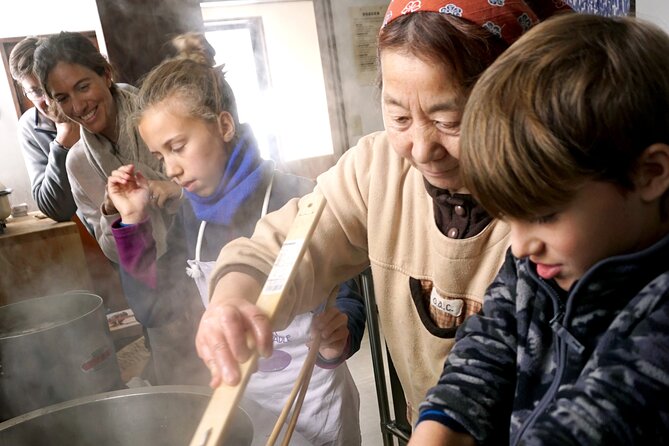
It is also a good fit if your favorite travel moments come from ordinary settings: a farmers market, a family meal, a supermarket, a paper workshop, or a conversation at an inn. The personal contact is the strongest feature, and the experience has included rustic activities such as helping with homemade mochi when timing and local arrangements allow.
You should think twice if your main goal is famous temples, major museums, or polished hotels. You also need to be comfortable with futons, Japanese-style inns, changing routes, and meals that are tied to local properties rather than selected from a broad restaurant menu.
The operator accepts service animals, operates near public transportation, and can adapt routes for health conditions or mobility limitations when notified ahead of time. This does not make the trip effortless, but it does make advance planning worthwhile.
Cancellation terms are strict close to departure. Cancel at least six full days before the start for a full refund, two to six days before for a 50 percent refund, and less than two full days before for no refund. Confirmation is sent within 48 hours, subject to availability.
Should You Book It?
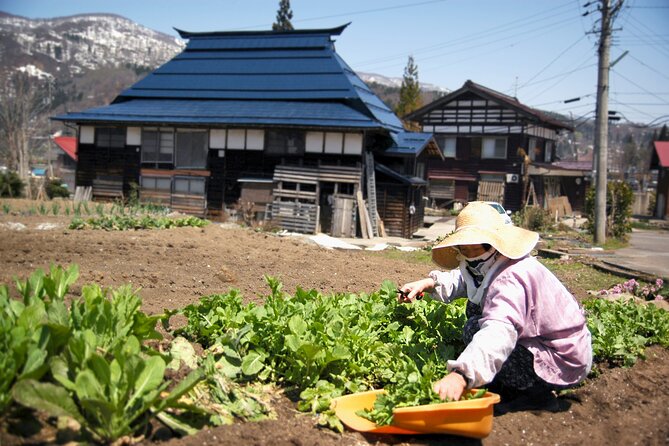
Book this Nagano experience if you want to trade the standard Japan checklist for three days of cycling, hot springs, farm food, and local contact. The best parts are the quiet roads, the family-run stays, the washi workshop, and the freedom to choose a suitable Day 3 route.
Skip it if you want a low-cost outing, hotel-style accommodation, or a fully fixed schedule with every meal included. For the right person, the price buys something difficult to arrange alone: a close look at rural life, supported by bikes and local connections, only a short train ride from Tokyo.
FAQ
Where does the tour begin?
The tour begins at the Iiyama Station Tourist Information Center in Iiyama, Nagano, Japan.
How long does the experience last?
The experience lasts approximately three days.
How far is Iiyama from Tokyo?
Iiyama is about two hours from Tokyo by Shinkansen.
What type of bicycle is provided?
You can use a rental e-bike or cross bike. A helmet and basic accessories are included.
Is luggage transportation provided?
Yes. Luggage transport and support vehicle assistance are included.
Is accommodation included in the tour price?
No. Traditional countryside accommodation is arranged with assistance, but you pay the inn directly. The listed cost is ¥24,000 per person.
Are meals included?
Dinners and breakfasts are provided by the inn and included in the inn cost paid directly by you. Lunches are not included and are paid as you go, with an estimated cost of ¥1,000.
Is this a private tour?
Yes. Only your group participates in the activity.
Can the route be adapted for health or mobility needs?
Yes. The itinerary can be adjusted for different health conditions or mobility limitations if you provide advance notice.
What happens on the third day?
You can choose among several options, including cycling into Akiyamago Valley, taking a shorter Tsunan route, or visiting Najomon and its Jomon-period exhibits. All routes finish with a soak at Shinanso Onsen before returning to Iiyama.
What is the cancellation policy?
You receive a full refund if you cancel at least six full days before the start time. Cancellation two to six full days ahead receives a 50 percent refund. Cancellations less than two full days before the start are not refunded.
Cycling Tours, compared.
 ★ 5.0Bike Tour Exploring North Kyoto plus LunchFrom $106
 ★ 5.0Tokyo Great Cycling TourFrom $99
 ★ 5.0Tokyo Top Highlights 3h Guided E-bike TourFrom $63
 ★ 5.03h Tokyo E-Bike Tour: Hidden Gems, and Local Life with guideFrom $63
 ★ 5.0Arashiyama Bamboo Forest & Hidden Gems Bike Tour (Early Bird)From $106
 ★ 5.0Hiroshima in a Nutshell: Morning Bike AdventureFrom $72
 ★ 5.05 Top Highlights of Kyoto Full Day Bike Tour (E-bike option)From $172
 ★ 4.83-Hour Bike or E-Bike City Highlights TourFrom $453 hours