
Reviewed · CYCLING TOURS
Art Island Naoshima BROMPTON Slow Cycling Tour
Naoshima is made for a slow ride, and this tour uses British-made BROMPTON folding bicycles to link its art sites, quiet lanes, and ferry views. You leave Takamatsu at 9:45 am, cross to Miyanoura Port, and spend the day moving between Naoshima’s best-known areas without making cycling a fitness test.
I like the easy pace and the way public transportation becomes part of the day, rather than something to work around. I also like the small group limit of six, plus the chance to see both the Honmura art houses and major museums such as Chichu and Benesse House.
The main consideration is cost. At $129 per person, you still pay separately for the ferry, art admissions, lunch, and insurance. The day also asks for moderate fitness, even though the guide supports riders who are not regular cyclists.
In This Review
- Key points to know before you book
- Why the BROMPTON makes Naoshima easier
- Takamatsu Port and the 9:45 am start
- Arriving at Miyanoura and finding Akakabocha
- Honmura and the Art House Project
- Chichu Art Museum and Benesse House
- Lunch, local flavor, and time away from the main sites
- A guide who adjusts to your pace
- What the $129 price really includes
- Weather, cancellation, and the return to Takamatsu
- Who should book this Naoshima cycling day?
- Should you book the BROMPTON Slow Cycling Tour?
- FAQ
- Is this tour suitable for people who are not regular cyclists?
- How many people can join the tour?
- Can one person book the tour?
- Where and when does the tour start?
- What is included in the tour price?
- What extra costs should I plan for?
- Does the tour return to Takamatsu?
- What happens if the weather is poor?
Key points to know before you book
- BROMPTON bikes make the ferry-and-cycling plan practical: You ride a compact folding bicycle designed for city travel and combine it with public transportation.
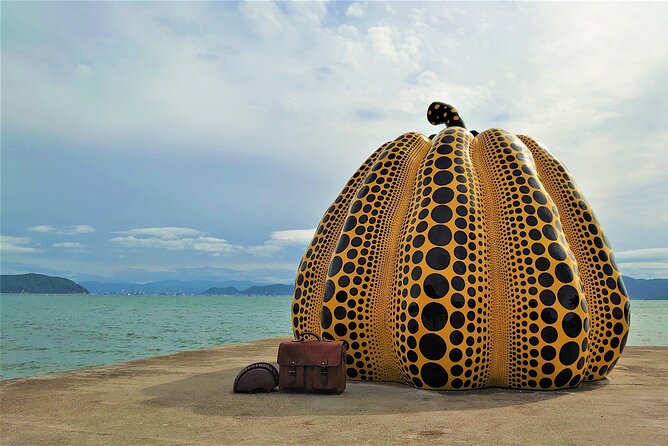
- Akakabocha gives you an instant Naoshima welcome: The famous red pumpkin at Miyanoura Port is the first major photo stop.
- Honmura brings the strongest village atmosphere: You can pedal through narrow lanes and visit the Art House Project at your own unhurried pace.
- The small group keeps the day personal: A maximum of six people makes it easier for the guide to adjust the pace.
- Museum costs are extra: Budget for the 990-yen round-trip ferry, 1,050 yen for the Art House Project, 2,100 yen for Chichu Art Museum, and 500 yen for tour insurance.
- The return ferry is part of the reward: The route ends back at Takamatsu, with sunset views over the Seto Inland Sea when conditions allow.
Why the BROMPTON makes Naoshima easier
Naoshima is not simply a place where you visit one museum and leave. Art installations appear around the port, in older residential streets, and across the island. A bicycle gives you more freedom than a strictly walking tour, but this experience avoids the hard-riding feel of a conventional cycling excursion.
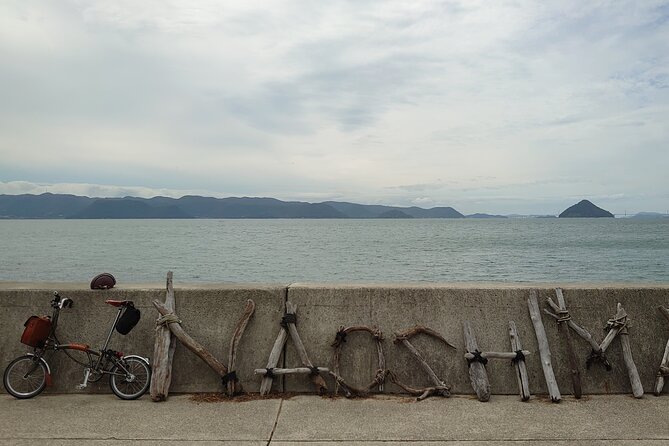
The BROMPTON is a folding bicycle, so it works well with the ferry and the tour’s public transportation approach. That matters because Naoshima is an island experience, and the ferry crossing is part of the rhythm of the day. You are not rushing from one attraction to another in a vehicle. You are crossing the Seto Inland Sea, riding into the island, stopping for art, then taking a different route back to the port.
I like this setup for people who want to cover a good portion of Naoshima but do not want to spend the day pushing a heavy rental bike up hills. The tour description makes clear that the guide supports people who are not confident cyclists, while still asking participants to have moderate physical fitness.
This is best understood as a gentle cycling day, not a completely effortless sightseeing trip. You will ride, walk, stop, and keep moving for roughly eight hours. Comfortable clothing and a willingness to stay active will make a difference.
Takamatsu Port and the 9:45 am start
The tour begins at Takamatsu Port, at 8 Sunport, Kagawa 760-0019. You meet there at 9:45 am, then take the ferry to Naoshima’s Miyanoura Port with the bicycles.
That start time gives the day a clear shape. You are not joining a short afternoon outing. The ferry, island riding, art stops, lunch, and return crossing fill most of the day, so you should keep your schedule open until the group returns to the same meeting point in Takamatsu.
The round-trip ferry is not included in the tour price and costs 990 yen. This is an important detail when comparing the total cost with other ways to visit Naoshima. The ferry is also more than a transfer. It gives you the first broad view of the Setouchi Inland Sea and sets up the return ride, when the changing light can make the trip back especially appealing.
The experience accepts mobile tickets, and confirmation is sent within 48 hours of booking, subject to availability. Reservations are generally for two people or more, so solo visitors should not assume they can book independently.
Arriving at Miyanoura and finding Akakabocha
The first stop is Akakabocha, the famous red pumpkin near Miyanoura Port. It is one of Naoshima’s most recognizable symbols and an obvious place to pause for photographs.
This opening stop works well because it gives you an immediate sense of the island’s unusual character. You do not arrive at a plain transport terminal and then spend an hour finding the art. The art begins at the port.
You can also use this part of the tour to get comfortable with the BROMPTON. The guide can help you settle into the bike and the day’s pace before you move farther into Naoshima. If you are not used to folding bicycles, that early adjustment is useful.
Akakabocha is a photo stop, not a full museum visit, so do not expect it to occupy a large portion of the day. Its value is symbolic and visual. It marks the point where ordinary island transport gives way to Naoshima’s art-focused streets.
Honmura and the Art House Project
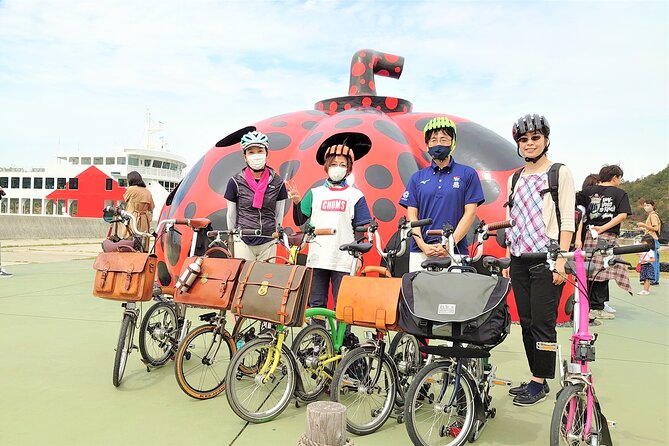
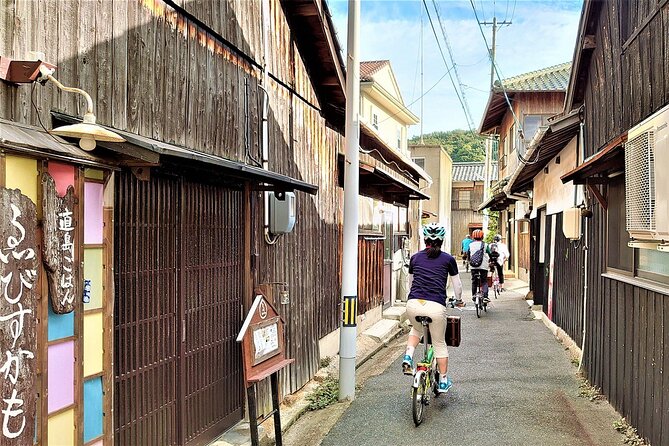
From Miyanoura, the ride continues toward Honmura on the island’s east side. This is one of the most rewarding parts of the day for anyone who prefers local streets to a nonstop museum schedule.
Honmura is known for the Art House Project, which places art inside and around older houses in the village. The experience is not just about entering galleries. You move through back lanes, pause at shops, and notice art woven into the fabric of the neighborhood.
The BROMPTON is particularly well suited here. You can cover more ground than on foot, then slow down when a lane, shop, or artwork catches your attention. The tour is described as a leisurely bicycle walk, which is a good way to picture it: ride when it helps, stop when something deserves a closer look.
The Art House Project costs 1,050 yen and is not included. That extra fee is worth considering because this stop supplies the most distinctly village-based art experience on the route. If your interest lies mainly in large museums, you may prefer to spend more time at Chichu or Benesse House. If you enjoy art in unexpected settings, Honmura is likely to be the day’s most memorable section.
You should also expect a little less control over your schedule than you would have traveling alone. The guide keeps the group moving, and a small group must share the available time. The upside is that you do not need to work out the route through the lanes yourself.
Chichu Art Museum and Benesse House
The route can also include Chichu Art Museum and Benesse House Museum, two of Naoshima’s best-known art destinations. Their large-scale spatial art gives the day a different feel from the intimate streets of Honmura.
Chichu Art Museum admission is 2,100 yen, paid separately. That is a meaningful addition to the $129 tour price, especially if you also plan to enter the Art House Project and buy lunch. Still, Chichu can be a strong reason to choose this experience because reaching the museum by bicycle, with the island’s other art districts included, creates a fuller picture of Naoshima than visiting one site from the port.
Benesse House Museum is also part of the stated route, though no separate admission price is provided here. You should confirm current entry details when planning your budget.
The key advantage is coverage. In one long day, you can combine the port’s public art, Honmura’s house-based works, and internationally known museums. That is a lot for a first visit, especially if you have limited time in the Setouchi region.
The tradeoff is depth. You may not have enough time to study every artwork at length, browse every shop, and linger over every museum room. I would choose this tour if your priority is seeing a broad range of Naoshima. If you already know you want a quiet, detailed day inside one museum, an independent visit may give you more control.
Lunch, local flavor, and time away from the main sites
Lunch is not included, and the schedule allows room for a meal and souvenir purchases. The food stop can add a welcome change of pace after riding and museum visits.
A local restaurant serving authentic produce was a pleasant surprise for one itinerary, and the setting was described as being away from the main tourist path. That detail matters because Naoshima can easily become a sequence of famous names and photo stops. A meal in a less obvious place gives you time to experience the island as a lived-in community.
You should not book this tour expecting a fixed restaurant menu or a guaranteed lunch selection, since those details are not specified. Instead, treat lunch as part of the day’s flexible middle section. Bring enough money for food and souvenirs, and be prepared to follow the guide’s timing.
The balance between planned art stops and small discoveries is one of the tour’s strengths. You get a route, but the day is not reduced to checking off museums.
A guide who adjusts to your pace
The group limit is six people, and that is a real advantage for a cycling tour. A guide can respond more easily when someone needs a break, wants an extra photo, or is still getting used to the bike.
Takashi is one guide associated with the experience. He has been particularly helpful in keeping the pace comfortable for riders who were moving slowly. That is useful information if you are worried that the word cycling means a fast, athletic outing.
The guide fee and bicycle rental are included in the $129 price. You are paying not only for the bike but also for someone to manage the route, connect the ferry and cycling portions, and help the day run smoothly.
Still, you should be realistic about the fitness requirement. The tour is designed to be accessible to non-cyclists, but it is not a seated bus tour. You need to handle a bicycle, ride between stops, and stay active for about eight hours. The tour provider describes the required level as moderate physical fitness.
What the $129 price really includes
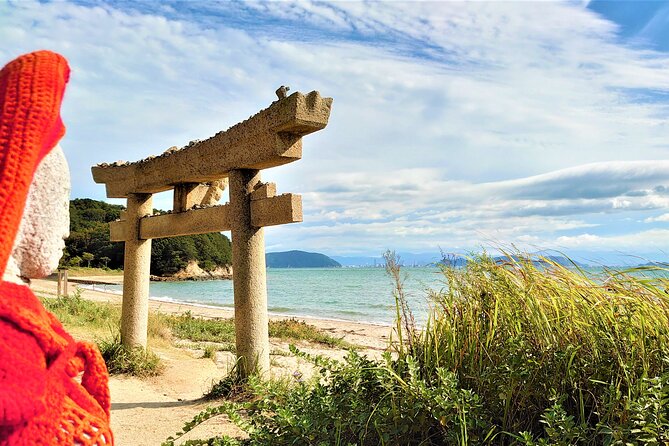
At $129 per person, this is not the cheapest way to reach Naoshima. The price includes the BROMPTON bicycle and guide, but several expected expenses sit outside the headline cost:
- Round-trip ferry: 990 yen
- Art House Project: 1,050 yen
- Chichu Art Museum: 2,100 yen
- Tour insurance: 500 yen
- Lunch and souvenirs
The total can rise quickly if you visit every paid site and buy a full meal. You should compare the final cost with the value of your time, not just the bicycle rental.
For me, the tour makes financial sense when you have one day for Naoshima and want help organizing several moving parts. You receive a bike, a guide, a small group setting, a ferry-based route, and access to several distinct parts of the island. That can save you from spending precious time figuring out connections and directions.
The value is weaker if you already have a bicycle, know Naoshima well, and want to decide your own museum times. Independent visitors can move at their own pace, while this tour’s benefit is structure and support.
Group discounts are available, but the exact discount is not stated. Ask for the current terms if you are booking with a larger party.
Weather, cancellation, and the return to Takamatsu
This experience depends on good weather. If poor weather forces a cancellation, you can receive a different date or a full refund. The same applies if the minimum number of participants is not reached.
For your own plans, that means you should avoid placing an important same-evening commitment too close to the return. The tour lasts approximately eight hours and ends back at Takamatsu Port, but ferry and weather conditions can affect the day’s rhythm.
The route back to Miyanoura Port follows a different path, which keeps the return from feeling like a simple repeat. After returning to the port, you take the ferry to Takamatsu. The sunset over the Seto Inland Sea is one of the nicest details of the schedule, though the actual view depends on the season and weather.
You can cancel for a full refund up to 24 hours before the start time. Cancellations or changes made less than 24 hours before departure are not refunded or accepted.
Who should book this Naoshima cycling day?
I would recommend it to you if you want to see several sides of Naoshima in one organized day. It suits people who like art but also want village lanes, ferry travel, photographs, local food, and time outdoors.
It is also a good fit if you are curious about cycling but do not consider yourself a cyclist. The guide-led pace and small group can make the day less intimidating than renting a bike alone.
You may want another plan if you dislike fixed schedules, have limited stamina, or want to spend most of the day inside one museum. The extra admission fees also mean you should calculate your likely total before booking.
Should you book the BROMPTON Slow Cycling Tour?
Book this tour if you want efficient coverage with a human pace. You can reach Akakabocha, Honmura, the Art House Project, Chichu, and Benesse House in one day, while the ferry crossings add a memorable Setouchi setting.
Skip it if your idea of a perfect Naoshima visit means choosing one museum, lingering for hours, and setting your own route. For everyone else, especially first-time visitors who want help with the island’s transport and cycling, this is a practical and enjoyable way to make a full day of Naoshima.
FAQ
Is this tour suitable for people who are not regular cyclists?
Yes. The tour is designed as a leisurely bicycle trip, and the guide supports people who are not confident cyclists. You should still have moderate physical fitness because the day involves riding and walking for about eight hours.
How many people can join the tour?
The maximum group size is six travelers.
Can one person book the tour?
Reservations are generally for two people or more. Solo bookings are not guaranteed under the stated booking conditions.
Where and when does the tour start?
The tour starts at Takamatsu Port, 8 Sunport, Takamatsu, Kagawa 760-0019, Japan. The start time is 9:45 am.
What is included in the tour price?
The bicycle rental and guide fee are included.
What extra costs should I plan for?
You should budget 990 yen for the round-trip ferry, 1,050 yen for the Art House Project, 2,100 yen for Chichu Art Museum, 500 yen for tour insurance, plus lunch and souvenirs.
Does the tour return to Takamatsu?
Yes. The activity ends back at the original meeting point in Takamatsu.
What happens if the weather is poor?
The experience may be canceled because it requires good weather. You will be offered a different date or a full refund. A full refund is also available when you cancel at least 24 hours before the start time.
Cycling Tours, compared.
 ★ 5.0Bike Tour Exploring North Kyoto plus LunchFrom $106
 ★ 5.0Tokyo Great Cycling TourFrom $99
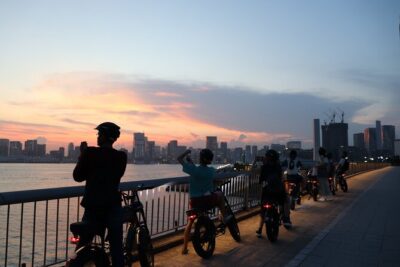 ★ 5.0Tokyo Top Highlights 3h Guided E-bike TourFrom $63
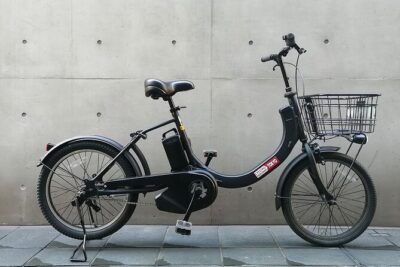 ★ 5.03h Tokyo E-Bike Tour: Hidden Gems, and Local Life with guideFrom $63
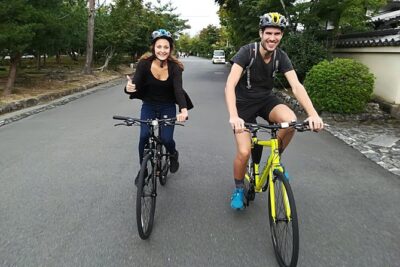 ★ 5.0Arashiyama Bamboo Forest & Hidden Gems Bike Tour (Early Bird)From $106
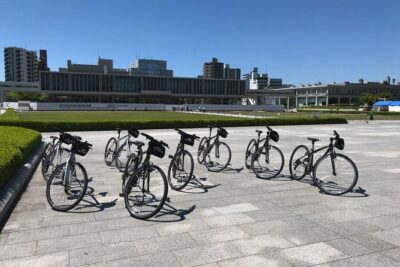 ★ 5.0Hiroshima in a Nutshell: Morning Bike AdventureFrom $72
 ★ 5.05 Top Highlights of Kyoto Full Day Bike Tour (E-bike option)From $172
 ★ 4.83-Hour Bike or E-Bike City Highlights TourFrom $453 hours