
Reviewed · CYCLING TOURS
3 Hour Cycling Tour in Kakunodate
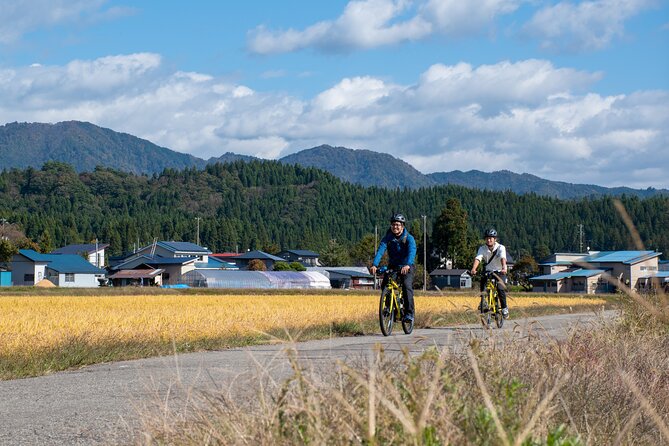
A one-car local train carries you through Akita’s countryside before you step off at an unmanned station and begin pedaling. From there, the route leads through Kakunodate’s samurai residences, chestnut country, temples, rivers, rice paddies, and old farm areas. It is a fine way to see rural Japan at ground level, not just through a train window.
I like the unusual train-to-bicycle format, and I like that the route mixes famous Kakunodate with quieter parts of Senboku City. The main consideration is physical effort: three hours on a bicycle, with several stops, suits people with moderate fitness better than anyone wanting a gentle sightseeing ride.
In This Review
- Key points to know before booking
- Why the train-to-bike format works so well
- Kakunodate, the old castle town with a compact center
- Katakurikan and the story of Saimyoji chestnuts
- Senboku’s rural roads, rivers, and rice paddies
- What the private format changes
- Is $126.82 a fair price?
- Fitness, timing, and practical comfort
- Who will get the most from this ride?
- Should you book the Kakunodate cycling tour?
- FAQ
- How long does the cycling tour last?
- Where does the tour start?
- What is included in the price?
- Does the tour return to Kakunodate Station?
- Is this a private tour?
- What happens if the weather is poor?
Key points to know before booking
- A local train ride begins the outing: Your Nairiku Line ticket is included, and the journey uses a small one-car, one-person-operated train.
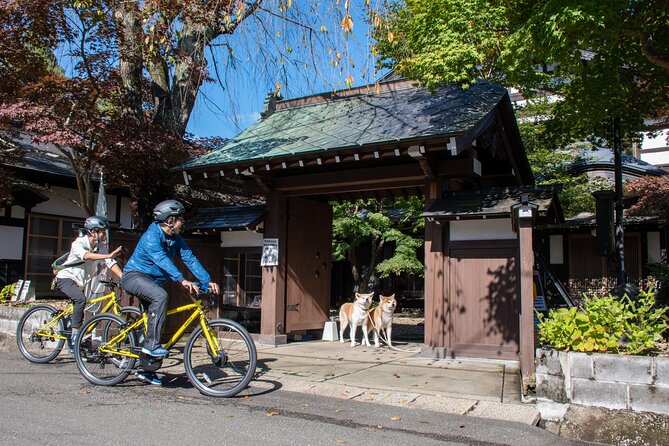
- Kakunodate supplies the cultural highlight: The old castle town has samurai residences and other historic buildings within a compact area.
- You cycle beyond the main sights: The route reaches temples, shrines, rivers, rice paddies, farmhouses, and castle ruins around Senboku.
- Katakurikan adds a local food story: The area is known for Saimyoji chestnuts, cultivated in Akita for more than 300 years.
- The tour is private: Only your group takes part, allowing the pace and explanations to stay personal.
- The price covers useful extras: At $126.82 per person, you receive bicycle use, snacks, train fare, and insurance, though transport to Kakunodate Station is not included.
Why the train-to-bike format works so well
Many sightseeing outings in Japan keep you on a fixed route. This one changes gears. You first watch Akita pass by from a small local train, then leave the carriage at an unmanned station and continue under your own power.
That opening matters. The train is not simply a way to reach the bicycles. It gives you a look at the original scenery of northern Japan, including the slower pace of local rail travel. The one-car, one-person-operated setup feels very different from riding a large city train or a high-speed service.
After you get off, the bicycle gives you access to places a bus cannot easily reach. You can move along rural roads toward old homes, waterways, fields, and religious sites. The route is not built around one major attraction. Its appeal comes from the way the stops fit together.
The experience lasts about three hours, so it gives you a substantial outing without taking an entire day. You get a taste of Kakunodate and its surrounding countryside, but you should not expect a long-distance cycling expedition or a full historical tour of every site in town.
Kakunodate, the old castle town with a compact center
The first major stop is Kakunodate, often called Michinoku’s Little Kyoto. It flourished as a castle town during the Edo period, and many samurai residences and other old buildings remain.
The compact layout is helpful. The historic area has a radius of about 2 kilometers, so you can see a good deal without spending the day crossing town. A bicycle is especially useful here because it connects the old streets with the countryside beyond them.
I would pay attention to the change in atmosphere as you approach the samurai quarter. The town is not only a collection of isolated buildings. Its value comes from the old street pattern, the preserved residences, and the sense that Kakunodate was planned as a place of power and status.
You have about one hour at this part of the outing. That is enough for an introduction, photographs, and a few explanations, but it is not enough for a slow visit to every residence. If historic architecture is your main reason for coming to Akita, you may want to return independently and spend more time here.
The tour works best if you treat Kakunodate as one part of a larger picture. You see the famous old town, then continue into the less formal rural setting that supported it. That combination gives the visit more context than a quick walk around the samurai district alone.
Katakurikan and the story of Saimyoji chestnuts
The stop at Katakurikan lasts about 30 minutes and adds a local agricultural detail to the day. This area produces what is described as Japan’s largest chestnut.
The story reaches back more than 300 years. Seeds were brought from Kyoto and Gifu to Akita for cultivation, and improved varieties are now known as Saimyoji chestnuts. That detail helps connect Akita to the wider movement of crops, ideas, and farming skills across old Japan.
You should not expect a long market visit or a full food-focused activity from this short stop. Instead, Katakurikan gives you a pause between the historic town and the longer countryside ride. Snacks are included, which is useful during a three-hour cycling outing, though the available information does not specify what the snacks are.
I like this stop because it shows how a regional product can tell a larger story. The tour is not limited to samurai buildings. It also points to the farms and food traditions that make the area distinct.
Senboku’s rural roads, rivers, and rice paddies
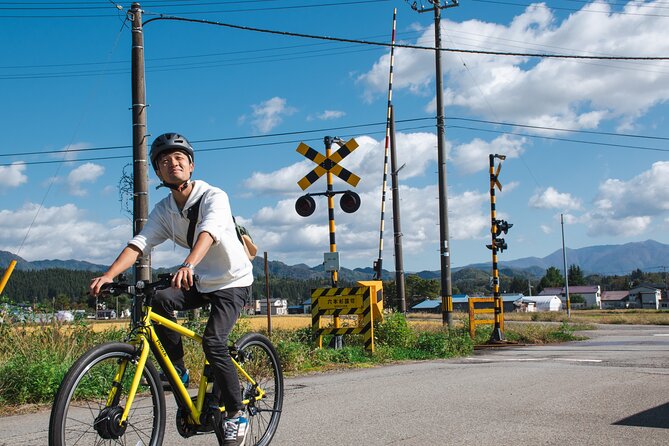
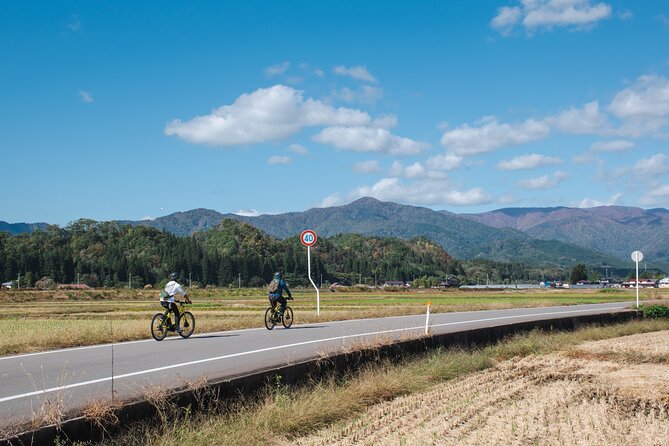
The final portion takes about one hour and 30 minutes, making it the longest section of the tour. It runs through the rural scenery of Senboku City, without focusing on a single named attraction.
That open-ended route is part of the appeal. You may pass temples, shrines, rivers, rice paddies, farmhouses, and the remains of castles. These places show a quieter side of Akita, far from the polished presentation of a major tourist site.
The bicycle is the right tool here. You can cover more ground than on foot while still moving slowly enough to notice fields, buildings, and waterways. You also avoid the narrow focus of a standard town walk.
At the same time, this section requires realistic expectations. The information does not promise a particular temple, a special viewpoint, or a single dramatic landmark. The reward is the ride itself and the steady sequence of ordinary rural scenes.
I would choose this tour for the chance to see how the area fits together. Kakunodate gives you the old political and cultural center. The surrounding roads show farms, villages, waterways, and religious sites. The result is more personal than simply checking off a famous street.
What the private format changes
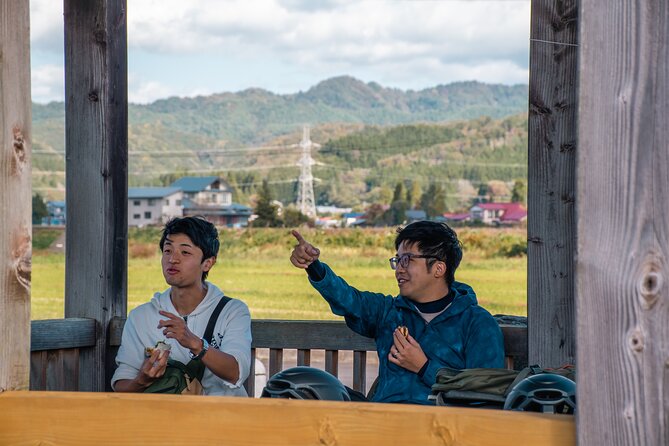
This is a private activity, so only your group participates. That makes a difference on a bicycle. You are not trying to stay with a large pack, and the guide can keep the outing focused on your group.
The available information does not name the guide, but the guide is an important part of the experience. A strong guide can explain why Kakunodate developed as a castle town, point out the value of the old residences, and give meaning to details such as the Saimyoji chestnuts.
A private format is also useful if one person in your group wants more time at a temple or another person would rather keep moving. Still, the tour has a set duration of roughly three hours, so private does not mean unlimited time. The group will need to keep a reasonable pace to cover the train connection and planned stops.
The experience has received a top rating from four published ratings, including strong praise for the guide and for the way the tour met expectations even before the cherry trees had bloomed. That seasonal point is worth noting: the ride can be enjoyable outside peak sakura time, but you should not book it solely for cherry blossoms unless the timing is confirmed separately.
Is $126.82 a fair price?
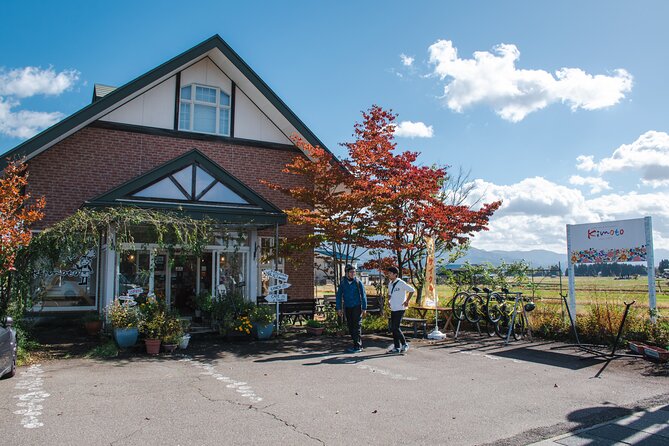
At $126.82 per person, this is not a bargain bicycle rental. It is priced as a private, guided outing with several components bundled together.
The fee includes:
- Bicycle use
- Train fare for the Nairiku Line
- Snacks
- Insurance
That package has real value. You do not need to arrange a separate rental, buy the local train ticket, or plan a route through the surrounding countryside. You are also paying for the guide’s time and for a structured connection between Kakunodate and the rural area.
The value is strongest for visitors who want local rail travel and countryside access but do not want to handle the planning themselves. If you already have a bicycle, know the roads, and are happy to explore without a guide, the cost may feel high.
The private setup also affects the price. You are not sharing the outing with a large group, and the experience is built around your party. For two or more people, compare the total cost with private taxis, separate bicycle rental, and train tickets before deciding. The exact value depends on how much you would otherwise spend arranging the same day yourself.
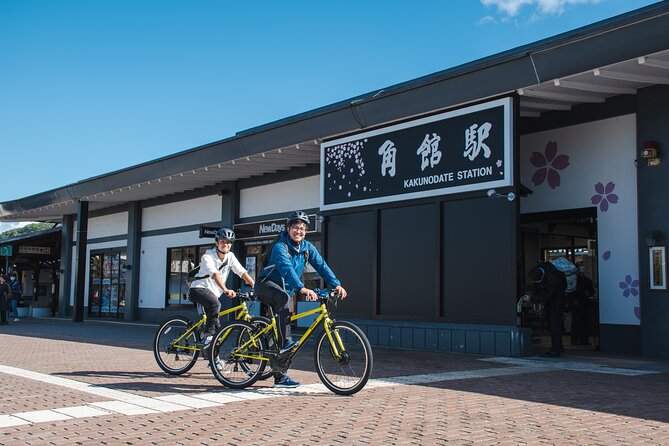
Transportation to Kakunodate Station is not included. You need to reach the meeting point at Kakunodate Station on your own, though pickup is offered as a feature of the experience. Confirm the pickup details when booking so you know exactly what help is available and where it applies.
Fitness, timing, and practical comfort
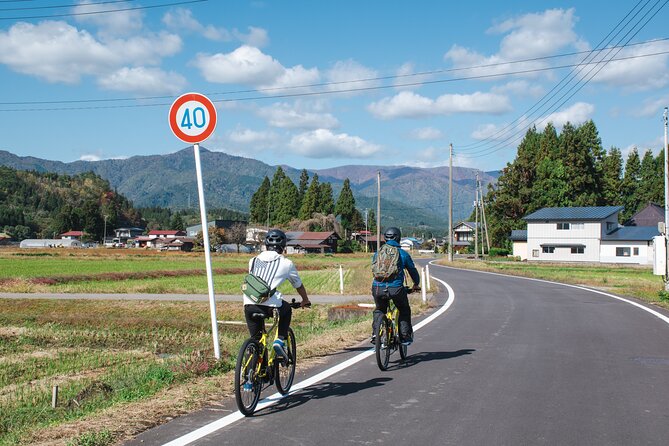
You should have a moderate level of physical fitness. The tour combines a train ride with cycling, stops, and enough distance to keep you moving for most of the three-hour period.
The supplied details do not state the bicycle type, route surface, elevation, or distance. I would therefore avoid assuming that the ride is flat, effortless, or suitable for every cyclist. Ask the operator about those points if you have limited cycling experience, a medical concern, or a strong preference about road conditions.
Weather matters. The activity requires good weather, and poor conditions can lead to a different date or a full refund. That is sensible for a bicycle tour, especially in an area where rain can make rural roads less pleasant and reduce the enjoyment of the scenery.
The tour is offered with a mobile ticket, and booking confirmation arrives at the time of booking. You should keep the ticket easy to access on your phone, particularly since the day includes a local train connection.
Free cancellation is available up to 24 hours before the start time. Canceling or changing the booking less than 24 hours before departure does not qualify for a refund, and changes are not accepted inside that window. The cut-off follows local time in Japan.
Who will get the most from this ride?
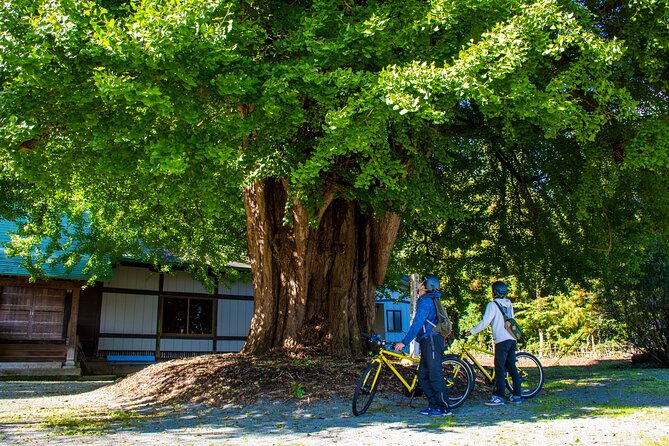
I would recommend this experience to you if you want several kinds of Japan in one short outing:
- You enjoy local trains as part of the travel experience.
- You prefer small towns and rural roads to large urban attractions.
- You want a guide rather than a self-planned cycling route.
- You have moderate fitness and are comfortable riding for part of three hours.
- You are interested in both samurai-era buildings and everyday countryside.
- You are visiting Kakunodate but want more than the central historic district.
It may not suit you if cycling is difficult, if you want a fully indoor activity, or if you need a very flexible schedule. It is also not the best choice if your sole goal is to spend several hours inside Kakunodate’s samurai residences. The tour gives the town about one hour, then devotes substantial time to the surrounding area.
Families and mixed-age groups should consider the physical requirement carefully. The activity is private, which helps with pacing, but the available information does not provide age limits or bicycle specifications. Ask before booking if those details affect your decision.
Should you book the Kakunodate cycling tour?
Book it if you want the journey to matter as much as the destination. The small train, unmanned station, bicycle route, old castle town, chestnut-growing area, temples, rivers, and rice fields form a varied three-hour introduction to Akita.
The strongest reason to choose it is the mix. You see Kakunodate’s preserved samurai setting, then ride into the countryside that gives the region its character. The included train fare, bicycle, snacks, and insurance also make the price easier to justify for visitors who value convenience.
Skip it if you are looking only for a short stroll through Kakunodate or if moderate cycling is not comfortable for you. For everyone else, especially visitors who enjoy local transport and quiet rural views, this is a thoughtful way to see more of Senboku without committing to a full-day tour.
FAQ
How long does the cycling tour last?
The activity lasts approximately three hours. The planned stops include about one hour in Kakunodate, 30 minutes at Katakurikan, and one hour and 30 minutes cycling through Senboku City.
Where does the tour start?
The meeting point is Kakunodate Station in Semboku, Akita Prefecture. Transportation to the starting point is not included.
What is included in the price?
The price includes snacks, bicycle use, the Nairiku Line train ticket, and an insurance fee.
Does the tour return to Kakunodate Station?
Yes. The activity ends back at the meeting point.
Is this a private tour?
Yes. Only your group participates in the activity.
What happens if the weather is poor?
The experience requires good weather. If it is canceled because of poor weather, you will be offered another date or a full refund.
Cycling Tours, compared.
 ★ 5.0Bike Tour Exploring North Kyoto plus LunchFrom $106
 ★ 5.0Tokyo Great Cycling TourFrom $99
 ★ 5.0Tokyo Top Highlights 3h Guided E-bike TourFrom $63
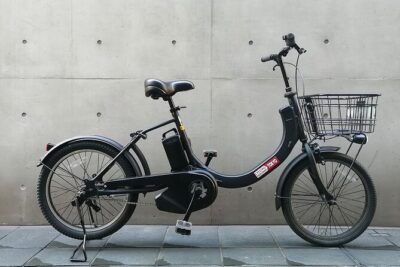 ★ 5.03h Tokyo E-Bike Tour: Hidden Gems, and Local Life with guideFrom $63
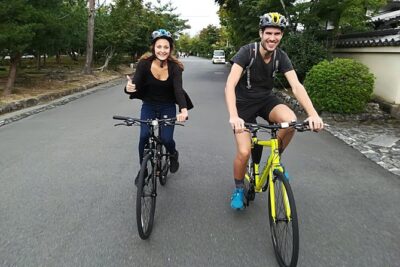 ★ 5.0Arashiyama Bamboo Forest & Hidden Gems Bike Tour (Early Bird)From $106
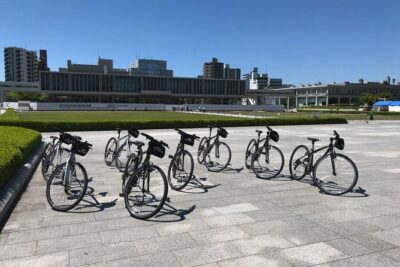 ★ 5.0Hiroshima in a Nutshell: Morning Bike AdventureFrom $72
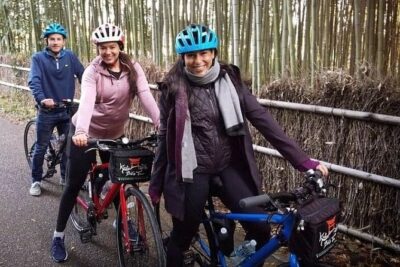 ★ 5.05 Top Highlights of Kyoto Full Day Bike Tour (E-bike option)From $172
 ★ 4.83-Hour Bike or E-Bike City Highlights TourFrom $453 hours
Browse the lists this tour appears in