
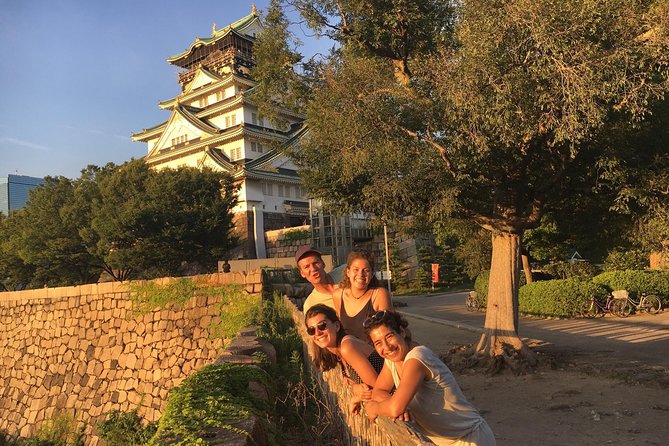
Reviewed · OSAKA CYCLING TOURS
Osaka in a Nutshell: Three hour bike tour
Osaka makes more sense from a bicycle seat. This mostly flat, 90% easy route links grand Osaka Castle, riverside paths, old business streets, and leafy parks without making you wrestle with the city’s train map. You cover a lot of ground, yet the pace leaves room for photos and short talks.
I like the included light hybrid bike and helmet, and I like the small group size, capped at eight people. Guides named in the tour feedback include Matt, Peter, and Sam, with English commentary and a strong focus on Osaka’s past and daily life. The main caution is heat: August can be hot and humid, so bring water, use sun protection, and expect a moderate amount of physical effort.
In This Review
- Key points to know before you book
- Why a bicycle is a smart way to see Osaka
- Nakanoshima Park and the old business district
- Riverside cycling through a quieter Osaka
- The Mint Museum grounds and Osaka’s modern story
- Osaka Castle Park by bicycle
- Utsubo Park, a surprising green pause
- The guides and the feel of the ride
- Bikes, comfort, and weather
- Is $72.67 a fair price?
- Who should book this Osaka bike tour?
- Should you book it?
- FAQ
- How long does the Osaka bike tour last?
- What time does the tour start?
- Where does the tour begin?
- Where does the tour finish?
- Is a bicycle included?
- Is bottled water provided?
- Does the tour enter the Mint Museum?
- Can I cancel for a full refund?
Key points to know before you book
- A nearly flat route: About 90% of the ride is flat, with most cycling on paths and only a small amount on roads.
- Four very different stops: You move from Nakanoshima’s formal gardens to Osaka Castle, the Mint Museum grounds, and quiet Utsubo Park.
- Small-group guiding: The maximum is eight people, giving you a more personal ride and easier access to the bilingual guide.
- Useful local advice: Guides share tips on places to eat and drink, along with background on Osaka’s culture and history.
- Good in warm weather: The breeze helps on hot days, though humidity can still make the ride tiring.
- A city overview, not a full sightseeing day: You see several areas from outside and do not enter the Mint Museum.
Why a bicycle is a smart way to see Osaka
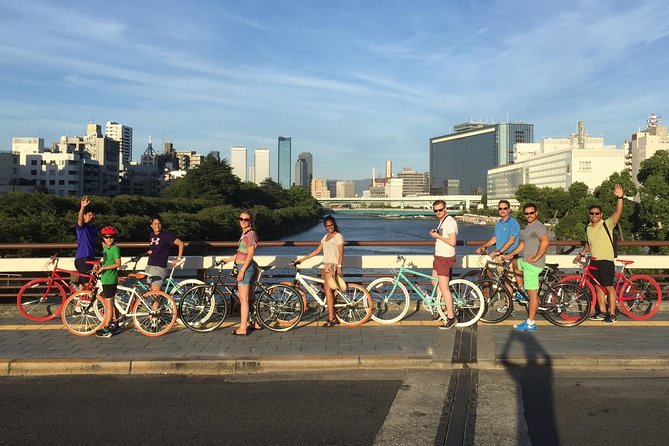
Osaka is large enough that walking between its main areas can eat up much of your day. Public transport is quick, but the system can feel like a puzzle when you are still learning the city. A guided bike ride gives you a clear route and lets you notice the spaces between the major sights.
This tour is especially useful early in your stay. You get a basic mental map of central Osaka, learn which districts sit along the rivers, and collect food and drink suggestions for later. You also see how much of daily Osaka happens on two wheels. Bicycles are common here, and the tour gives you a practical look at the city rather than only taking you from one famous building to another.
The ride lasts about three to four hours and starts at 10:00 a.m. at 1-chōme-10-7 Tenma, in Kita Ward. It returns to the same meeting point, which is handy if you have afternoon plans. Since the ride is not a point-to-point transfer, you will need to allow time afterward to reach your next destination.
The route is described as 90% flat, and the strongest praise goes to its easy pace and light bikes. Most of the cycling takes place on paths, with only a small amount of road riding. That makes this a better choice for someone who wants to explore by bike but does not want a demanding athletic outing.
Still, you should be comfortable riding for several hours. One useful local warning is that cyclists and pedestrians share some pavement space, so you need to watch carefully for people moving around you. The route may be gentle, but Osaka remains a busy city.
A few more Osaka tours and experiences worth a look

Nakanoshima Park and the old business district
The first stop is Nakanoshima Park, where landscaped gardens sit between the city’s rivers. This is a calm opening to the tour, especially after the noise and crowds of central Osaka. You can expect about 15 minutes here, enough for a short explanation and a few photos rather than a long garden visit.
The park is also a good introduction to Osaka’s old business center. European-style buildings and formal public spaces reflect the city’s period of modern growth. You get a sense of Osaka as a commercial city, not just a destination for shopping and food.
I like this stop because it helps you read the city. Instead of racing straight to a castle, you begin with Osaka’s waterways, offices, gardens, and older civic buildings. It gives the rest of the ride a useful setting.
The limitation is time. Fifteen minutes will not allow a full walk through the park or a detailed look at every building. Think of Nakanoshima as a scenic orientation stop, not a standalone attraction visit.
Riverside cycling through a quieter Osaka
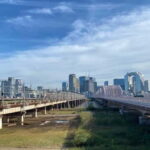
Between the named stops, the route follows a river through a less familiar part of the city. This is one of the tour’s best features because it breaks up the major sights with peaceful riding and open views across the water.
A river route also makes the ride feel less cramped. You are not spending the entire morning on crowded streets or stopping at traffic lights. The changing view gives you a better feel for Osaka’s size and layout, while the guide can point out details that are easy to miss from a train.
The exact length of this section is not specified, so you should treat it as part of the connecting route rather than a separate sightseeing stop. The value comes from the transition itself. You are moving through the city while learning how its parks, waterways, and business areas fit together.
On hot days, this portion can be welcome. The moving air makes the heat easier to handle, although it does not remove the need for water and sensible clothing. Bottled water is included, but I would still arrive hydrated.
The Mint Museum grounds and Osaka’s modern story
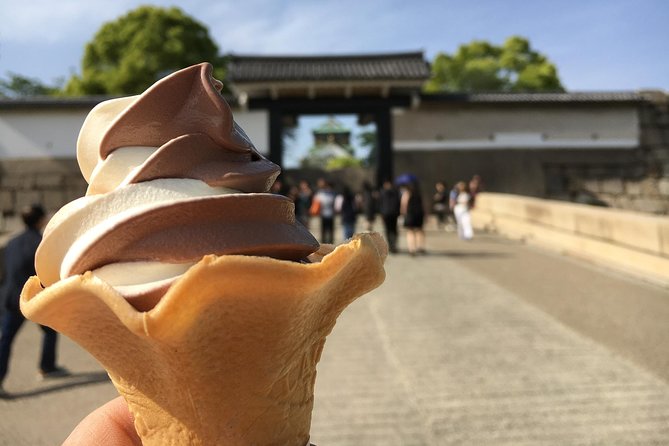
The tour stops at the grounds of the Mint Museum for about 15 minutes. You do not have time to enter the museum, so this is a short outdoor visit paired with an explanation of the area’s role in Japan’s modernisation.
That distinction matters. If you specifically want to see the museum exhibits, you will need to return on your own at another time. The tour gives you context and a look at the grounds, but it is not a museum tour.
As a brief stop, it adds variety. The ride is not only about scenic parks and Osaka Castle. You also hear about the country’s move toward a modern economic system, with the Mint area providing a concrete setting for that story. A bilingual guide can make this kind of background much easier to follow than a quick sign or a hurried internet search.
The stop is best for you if you enjoy connecting places with broader events. If you prefer long visits inside museums, you may find this part too short. The guide’s explanation is the main reason to pause here.
Osaka Castle Park by bicycle
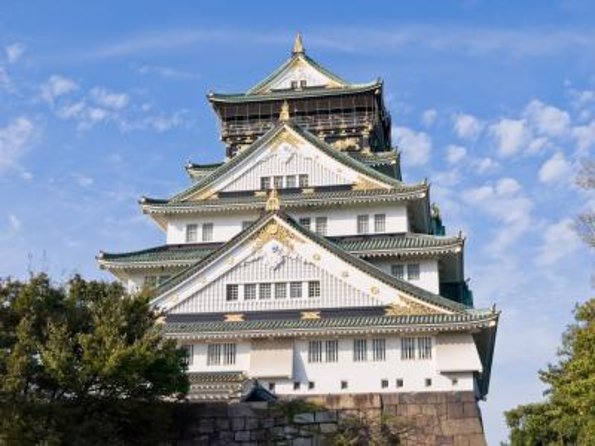
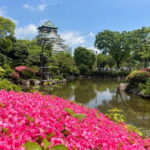
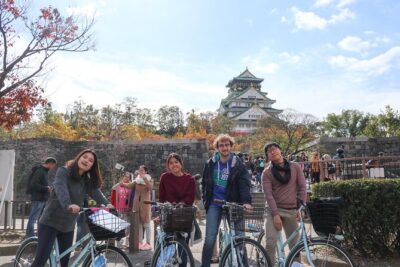
Osaka Castle receives the longest scheduled stop, about 30 minutes. You ride through the greenery of the castle park, pause for photos, take a cool drink, and hear about the castle’s place in Japanese history and culture.
Seeing the park by bike has a clear advantage over walking in from a distant station. The grounds are broad, and a bicycle helps you reach scenic viewpoints without using your best energy before the castle itself comes into view. The ride also lets you appreciate the park as a large public space, rather than treating the castle as one isolated structure.
You should be clear about what is included. The tour takes you through the park and provides postcard-style views, but the information does not include entry to Osaka Castle’s interior. If you want the museum inside the castle tower, plan a separate visit and allow extra time.
The guide’s historical talk is an important part of this stop. Several comments highlight the value of guides who enjoy explaining Osaka and Japan’s past, and one rider specifically wished they had taken the bike tour before walking around the castle on their own. That is sensible advice. Context can make the park and castle far more meaningful, while the bike gives you a practical way to cover the grounds.
Cherry blossom season can make this stop particularly attractive, with guides able to point out good places for blossoms. The exact flowering dates vary, so do not book solely for that reason. The castle park remains the main visual highlight even when the trees are not in bloom.
Other cycling tours in Osaka
Utsubo Park, a surprising green pause
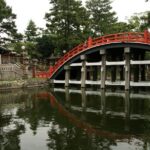
Utsubo Park is described as Osaka’s most beautiful city-center park, and the tour gives you about 10 minutes there. That is a short visit, but it provides a pleasant change after the castle grounds and city streets.
The park is known here for its photogenic setting and surprising past. Your guide explains that background while you take in the greenery and relaxed atmosphere. This is the kind of place you might skip if you were following a list of Osaka’s biggest attractions, which is exactly why it works well on a guided route.
Ten minutes is enough for a quick look and photographs, but not enough for an unhurried walk through the entire park. If Utsubo interests you, note its location and return later. The tour’s role is to introduce it, not replace a longer visit.
I like the balance of this final stop. Osaka Castle gives you scale and national history; Utsubo Park gives you a quieter view of the city people use every day. Together, they prevent the ride from becoming a simple checklist of famous monuments.
The guides and the feel of the ride
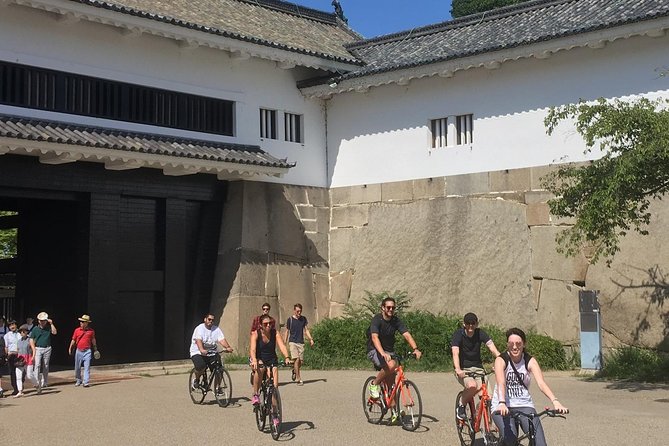
The tour uses bilingual guides, and the strongest praise is directed at their clear English, local knowledge, and ability to make the history enjoyable. Matt is singled out for thoughtful explanations and a considerate manner. Peter is described as leading an easy, flat ride, while Sam is praised for adding plenty of historical detail.
Names can change with the schedule, so you should not book on the guarantee of one particular guide. What matters is the format: a guide rides with you, explains the places you pass, and shares practical ideas for eating and drinking in Osaka.
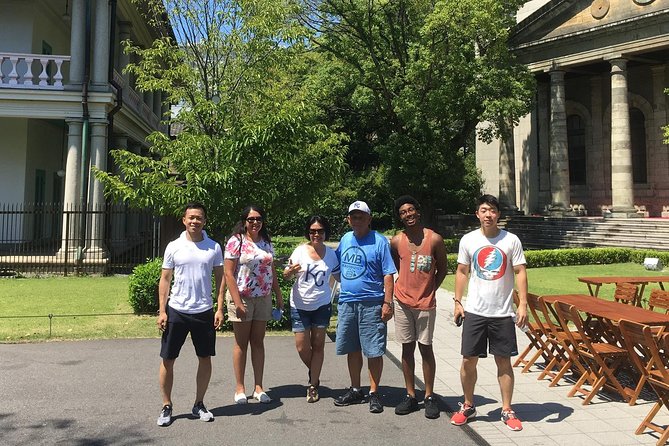
The small maximum of eight people is a real advantage. It is easier to hear the commentary, ask a question, and stay together at crossings. It also makes the ride feel less like a convoy. You still need to follow the guide’s instructions and keep alert around pedestrians.
The pace appears designed for sightseeing rather than speed. You have time for photos and short periods of free time at the stops. At the same time, this is a full morning on a bicycle, so it will not suit someone looking for a completely passive city tour.
Bikes, comfort, and weather
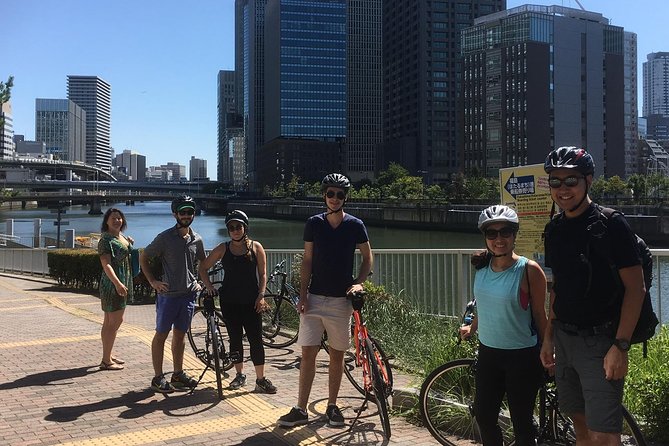
A hybrid bike and helmet are included, along with bottled water. The bikes are described as light and in good condition, which matters more than fancy equipment on a route that is mostly flat.
The tour information calls for a moderate fitness level. You do not need an intense cycling background, but you should be comfortable riding for three to four hours, stopping and starting, and sharing paths with other people.
Weather is a serious planning point in Osaka. The ride can feel pleasant in hot conditions because of the breeze, yet August heat and humidity can still wear you down. Wear comfortable clothing, protect yourself from the sun, and avoid arriving dehydrated. The included water is useful, but it is not a substitute for preparing properly.
Bad weather can cancel the experience. In that case, you are offered another date or a full refund. The same applies if the minimum number of participants is not reached. For a normal cancellation, you need to cancel at least 24 hours before the 10:00 a.m. start for a full refund. Changes or cancellations inside that window are not accepted.
Is $72.67 a fair price?
At $72.67 per person, this is not the cheapest way to move around Osaka. You are paying for more than bicycle use, though. The fee includes the bike, helmet, bottled water, a bilingual guide, route planning, and several hours of local commentary.
The value is strongest if you are new to Osaka and want a useful first look at the city. A guide removes the work of planning a route across separate districts, while the bicycle lets you see more than you could comfortably cover on foot. The small group also helps justify the price.
The value is weaker if you already know central Osaka, prefer to explore alone, or want long visits inside attractions. You do not enter the Mint Museum, and the castle interior is not part of the experience. In that case, you may prefer to rent a bicycle independently or use public transport between sights.
For me, the price makes sense as an orientation tour. You get a scenic route, practical city tips, and enough history to make later independent visits better. It is less compelling as a substitute for full admission-based sightseeing.
Who should book this Osaka bike tour?
I would choose this ride for a first or second day in Osaka, especially if you want to understand the city’s shape before exploring on your own. It suits couples, friends, and families with older children who can manage a moderate ride.
It is also a strong option for visitors who dislike spending a whole day underground on trains. You see rivers, parks, old buildings, and public spaces at street level. The route offers a more direct sense of local life than a simple transfer between major stations.
You should think twice if you have limited cycling ability, dislike humid weather, or want a slow tour with long stops. The route is easy by cycling standards, but it still requires steady physical participation. You should also be comfortable with a little road riding and shared pavement space.
Should you book it?
Book this tour if you want a friendly city overview with real historical context, light cycling, and a route that mixes major sights with quieter corners. The best reasons are the flat course, quality bikes, small group, and guides who make Osaka’s past understandable.
Skip it if your main goal is to spend hours inside Osaka Castle or the Mint Museum, or if you prefer to set your own pace. For most first-time visitors who can comfortably ride a bicycle, $72.67 is a reasonable price for three to four hours of orientation, fresh air, and useful local advice.
FAQ
How long does the Osaka bike tour last?
The experience lasts approximately three to four hours.
What time does the tour start?
The tour starts at 10:00 a.m.
Where does the tour begin?
It begins at 1-chōme-10-7 Tenma, Kita Ward, Osaka, 530-0043, Japan.
Where does the tour finish?
The activity ends back at the meeting point.
Is a bicycle included?
Yes. A hybrid bicycle and helmet are included in the tour price.
Is bottled water provided?
Yes. Bottled water is included.
Does the tour enter the Mint Museum?
No. The tour stops in the museum grounds, but there is not enough time to enter the museum.
Can I cancel for a full refund?
Yes, if you cancel at least 24 hours before the experience start time. Cancellations made less than 24 hours before the start are not refunded.
More Cycling Tours in Osaka
More Osaka Cycling Tours in Osaka
More tours in Osaka we've reviewed
Osaka Cycling Tours, compared.
 ★ 5.05-Hour Osaka Bike Tour to the Neighborhood of Osaka CastleFrom $87
 ★ 5.0One-Day Osaka Bike Adventure: 5–6 HoursFrom $106
 ★ 5.0Eat, Drink & Cycle: Osaka Foodie Bike TourFrom $99
 ★ 5.0Osaka E-Bike Tour with a Local GuideFrom $59
 ★ 4.85-Hour Osaka Highlights Bike Tour with LunchFrom $855 hours
★ 4.7Osaka E-Bike Tour With A Local GuideFrom $573 hours
★ 4.85-Hour Osaka Highlights Bike Tour with LunchFrom $855 hours
★ 4.7Osaka E-Bike Tour With A Local GuideFrom $573 hours
 ★ 5.0Urban Canvas: Osaka Street Art Bike TourFrom $89
 ★ 5.0Osaka Half-day E-bike Adventure: Minoh Falls & Katsuoji TempleFrom $34
Browse the lists this tour appears in