
Reviewed · OSAKA CYCLING TOURS
Osaka: City Highlights Bike Tour
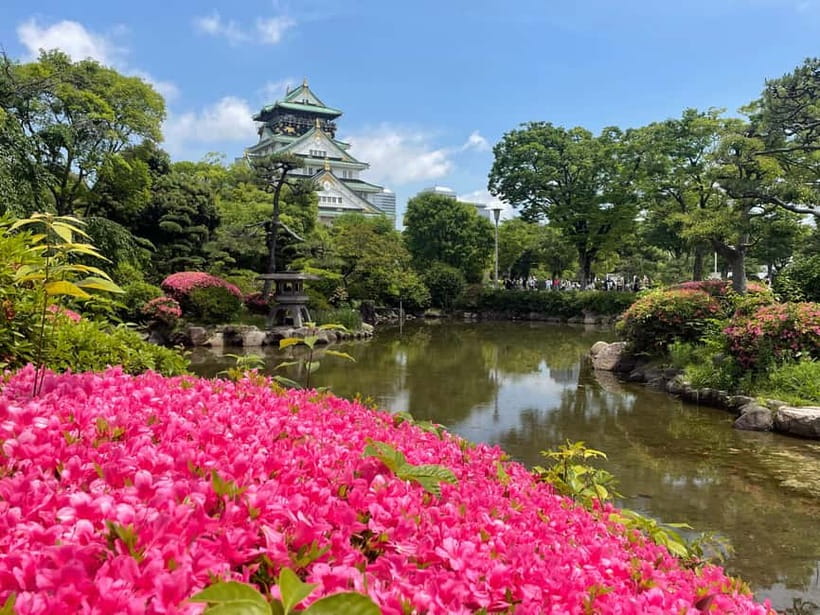
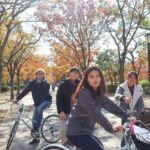
Osaka reveals itself differently from a train window. On this 90% flat bike route, you follow riverside paths, quiet streets, formal gardens, and broad castle grounds while moving between some of the city’s best-known sights. The north side feels calmer and greener than Osaka’s neon-heavy image.
I like the efficient route and the small group, limited to eight people. You get the Japan Mint, Tenmangu Shrine, Nakanoshima Island, Utsubo Park, and Osaka Castle in three hours, without spending much of that time waiting at traffic lights. I also like the practical advice about places to eat and drink, plus the chance to ask questions as you ride.
The main caution is price. At $70 per person, this is not a cheap way to rent a bicycle, so the value depends on how much you want a guide, local context, and a carefully planned route. One guide, Akira, has been praised for taking the group through back streets, though one participant found another guide’s strongly nationalistic comments uncomfortable.
In This Review
- Key points to know before you book
- Why cycling works so well in north Osaka
- Starting at Sakuranomiya and the Japan Mint
- A quiet pause at Osaka Tenmangu Shrine
- Nakanoshima’s gardens and civic architecture
- Reaching Osaka Castle by bicycle
- How difficult is the ride?
- The guide makes the difference
- Is $70 a fair price?
- Timing, weather, and what to bring
- Who should book this Osaka bike tour?
- Should you book it?
- FAQ
- How long does the Osaka City Highlights Bike Tour last?
- Where does the tour meet?
- What sights does the bike tour visit?
- Is the route difficult?
- What is included in the price?
- What is the minimum age?
- What happens if it rains?
Key points to know before you book
- A north Osaka route with real variety: You move from riverside cycling to a mint museum, a shrine, European-style civic buildings, gardens, a city park, and a feudal castle.
- Mostly flat and manageable: The route is about 90% flat, making it suitable for many fitness levels, though you still need to be comfortable riding a bicycle for three hours.
- Small groups matter here: With no more than eight people, the guide can keep the group together and offer more personal explanations than a large coach tour.
- The bike handles Osaka’s scale well: You cover a large area with less effort than walking, while avoiding the confusion of changing trains and reading station signs.
- You get more than sightseeing: The guide shares Osaka history and offers suggestions for food and drink after the ride.
- Weather can change the plan: With a 60% or higher chance of rain, the company contacts you about another date or a full refund.
Why cycling works so well in north Osaka
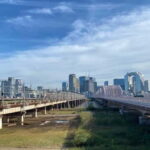
Osaka’s rail system is excellent, but it can make a short visit feel like a series of underground transfers. A bicycle gives you a clearer sense of how the city fits together. You see the rivers, bridges, office districts, shrines, parks, and castle grounds as connected places rather than isolated stops.
This tour focuses on the greener, more cultural north side. It is not designed as a hard athletic ride. The route is mostly flat, and the downhill section after Osaka Tenmangu Shrine makes the middle of the ride especially easy. Still, three hours in the saddle requires basic comfort on a bike. This is unsuitable for anyone who cannot ride, and it is not intended for children under 13, pregnant women, or wheelchair users.
The small group size is another practical advantage. A maximum of eight participants allows the guide to explain things without shouting across a crowd. It also makes street riding easier to manage. You should expect an English-language tour, a safety briefing, a bicycle, helmet, and water.
A few more Osaka tours and experiences worth a look

Starting at Sakuranomiya and the Japan Mint
After meeting at Cycle Osaka, about a 10-minute walk from Tenmabashi Station on the Osaka Metro or Keihan line, you begin with a 15-minute safety briefing. That time matters. You can get comfortable with the bicycle, listen to the riding instructions, and make sure the helmet fits before heading out.
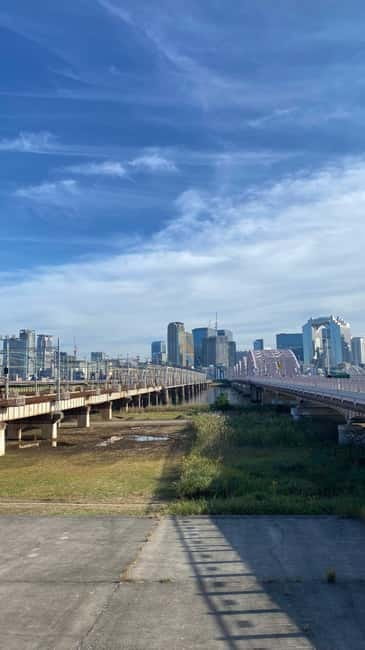
The first stretch takes you along the winding riverside path at Sakuranomiya. This is a pleasant opening because you are not thrown straight into heavy city traffic. The river gives the ride space, and you get your first view of Osaka as a city shaped by water and movement.
The route then reaches the Japan Mint and the Mint Museum. The stop is short, about 15 minutes, so do not expect a full museum visit. Instead, you get a guided introduction to the Mint and its place in Osaka. That is a useful touch because a building that might look like a simple civic attraction becomes part of the city’s working story.
The timing also shows how this tour operates. You are not spending an hour at every landmark. The guide gives you a compact explanation, then keeps you moving. If you want long museum visits, this is the wrong format. If you want a broad first look at Osaka, the pace makes sense.
A quiet pause at Osaka Tenmangu Shrine
From the Mint area, you cycle through Kita Ward toward Osaka Tenmangu Shrine. The ride segment is short, about 10 minutes, and the shrine visit lasts around 20 minutes.
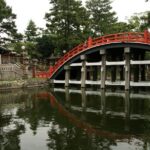
This is one of the tour’s best contrasts. Osaka can feel dense and fast, but a shrine creates a quieter pause without taking you far from the city center. You have time to look around and reflect, while the guide explains the site and its place in Osaka’s religious and local life.
The shrine is also a good point to reset before the route heads downhill into the city. The change in direction reduces the physical effort at this stage. I would still wear comfortable shoes and clothes that let you move freely. Bring a camera if you want photos, but keep your belongings secure and easy to carry on a bicycle.
The tour does not include food or drinks, though water is provided. The shrine stop is not presented as a meal break, so have something to eat before you arrive if you need regular fuel.
Nakanoshima’s gardens and civic architecture
After Tenmangu Shrine, the route heads toward Nakanoshima Island. You cycle for roughly 15 minutes before reaching the Nakanoshima Rose Garden area, followed by another 15-minute riding segment.
Nakanoshima gives you a different side of Osaka. The island is associated with formal public buildings, gardens, and a European-inspired style of architecture. The change from shrine grounds to civic streets and riverside spaces makes the tour feel varied rather than repetitive.
This is also where cycling saves time. On foot, the separate stops would require a fair amount of walking. By bicycle, you get the connecting streets and bridges as part of the experience, not as wasted time between attractions.
The route then continues toward Utsubo Park, one of the greener spaces included in the city ride. The park helps break up the built-up sections and gives you another look at how Osaka uses small pockets of open space. Do not expect a long park visit, but you should have a chance to see this quieter part of the city as you pass through.
The tour’s river paths, gardens, and parks are particularly useful for anyone who has already seen Osaka’s main shopping districts. You still get major sights, but the ride avoids making the whole experience about signs, department stores, and crowded streets.
Reaching Osaka Castle by bicycle
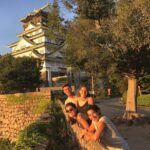
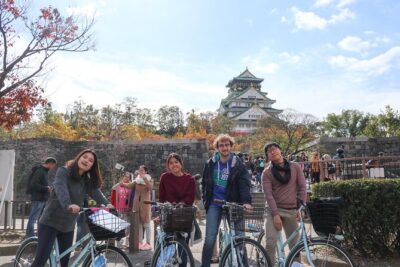
The final major sight is Osaka Castle, reached during a longer 30-minute cycling section. The castle gives the ride its strongest connection to Osaka’s feudal past and supplies a dramatic change from the modern office areas around Nakanoshima.
The tour is designed to show you the castle area rather than provide a lengthy indoor castle visit. That distinction matters. You are paying for a guided city ride with a castle stop, not a dedicated castle museum tour. If Osaka Castle is your top priority, you may want to return later with more time to explore it at your own pace.
As a cycling destination, the castle works well near the end of the route. Its grounds provide a broad, open setting after the narrower urban streets. The guide can explain the historical importance of the site while you take in the scale of the grounds and the contrast between old Osaka and the city around it.
After Osaka Castle, you return to Cycle Osaka. The full experience lasts three hours, so the ride is substantial but still easy to fit into a day of sightseeing. You could schedule it early in your Osaka visit and use the guide’s food and drink suggestions to plan later meals.
Other cycling tours in Osaka
How difficult is the ride?
The advertised route is 90% flat, which is the key physical detail. You should not need hill-climbing strength for most of the tour, and the route is intended for a broad range of fitness levels.
That does not mean it is effortless. You ride for three hours, including stops and city streets, and you need to control a bicycle safely. The tour is not suitable for someone who cannot ride. If you are bringing a young rider, contact the company first, since the normal minimum age is 13.
The route has been described as covering a large part of Osaka with minimal effort. That is the central benefit. You see more than you could comfortably walk in the same period, but you still move slowly enough to notice the city between attractions.
A safety briefing comes first, and a helmet is included. Wear comfortable clothing and shoes. Smoking is not allowed during the activity.
The guide makes the difference
A guided bike tour lives or dies by its guide. The route is well planned, but the explanations and tone shape the experience.
Akira is one guide specifically associated with this tour. His approach includes back-street cycling and a useful amount of Osaka history, giving you more than a direct ride from one famous stop to the next. Another participant praised the organization, friendly service, and humor of the guide and owner.
There is one important caveat. A participant found a guide’s comments overly chauvinistic and nationalistic. That is a personal reaction, but it is worth keeping in mind because the guide speaks throughout the ride. Most of the available feedback is positive, yet guide style can vary from one departure to another.
The group limit of eight gives you a better chance to ask questions and receive practical recommendations. It also means you are not anonymous in a large crowd. If you prefer complete independence or do not enjoy guided commentary, renting a bicycle on your own may suit you better.
Is $70 a fair price?
At $70, the tour costs more than a basic bicycle rental. The price includes the guided ride, bicycle, helmet, water, and an English-speaking local guide. It does not include meals, drinks beyond the supplied water, or hotel transport.
I see the value in the route planning. You are not just hiring a bike. You are paying to connect several parts of Osaka in a logical order, with someone handling directions, timing, safety, and explanations. The tour also helps you avoid the language and navigation stress that can come with arranging a complex public transport route.
The price is harder to justify if you are comfortable cycling alone and already know Osaka. It is also less attractive if you want long visits inside the Mint Museum or Osaka Castle. This is a sightseeing overview, not a series of extended admissions.
One participant considered the tour expensive but booked it because it was the only available option after arriving late. That is a useful warning: compare it with other activities before your schedule becomes tight. Book it because the format suits you, not simply because you need to fill a spare morning.
Timing, weather, and what to bring
The tour lasts three hours, with start times available according to the date you choose. Check the available departure time before booking, especially if you want to connect it with a museum, meal, or evening reservation.
The company pays attention to rain. If there is a 60% or higher chance of rain, you may be contacted with the option to change dates or receive a full refund. Stay reachable on the day before the ride. This policy is helpful, but it also means you should avoid scheduling an unmovable appointment immediately afterward.
Bring comfortable shoes, comfortable clothes, and a camera. Water is included. Food and other drinks are not. Hotel pickup and drop-off are not included, so plan your route to the Cycle Osaka meeting point in advance.
You can cancel up to 24 hours before the activity for a full refund, and the reserve-now, pay-later option keeps your plans flexible. These policies are useful in Osaka, where rain can alter a cycling day quickly.
Who should book this Osaka bike tour?
I would choose this tour for a first or second day in Osaka, especially if you want to understand the city’s layout before exploring it alone. It gives you a broad introduction without asking you to master the rail system immediately.
It also suits you if you enjoy light outdoor activity, want a small group, and prefer local explanations over a recorded audio guide. The route has enough landmark appeal for a first visit, but the riverside paths, parks, and back streets keep it from feeling like a simple checklist.
You may want another option if you cannot ride comfortably, need wheelchair access, are under 13, or are pregnant. You should also think twice if you dislike fixed group schedules, want extensive time inside attractions, or expect a very low-cost activity.
Should you book it?
Book this tour if you want to cover a wide section of north Osaka in three hours without a demanding ride. The best reasons are the mostly flat route, the eight-person limit, the mix of major sights and quieter city spaces, and the guide’s practical food and drink advice.
Skip it if $70 feels high for a guided overview or if Osaka Castle and the Mint require full, unhurried visits on your list. For the right rider, this is an efficient and pleasant way to get your bearings, see how Osaka’s neighborhoods connect, and save your feet for the rest of the trip.
FAQ
How long does the Osaka City Highlights Bike Tour last?
The tour lasts three hours, including the safety briefing, cycling, guided stops, and the return to Cycle Osaka.
Where does the tour meet?
You meet at Cycle Osaka. The location is about a 10-minute walk from Tenmabashi Station, served by the Osaka Metro and Keihan lines.
What sights does the bike tour visit?
The route includes the Japan Mint and Mint Museum, Osaka Tenmangu Shrine, Nakanoshima Rose Garden, Utsubo Park, and Osaka Castle.
Is the route difficult?
About 90% of the route is flat, and it is described as suitable for all fitness levels. You still need to be able to ride a bicycle for the three-hour activity.
What is included in the price?
The price includes the guided bike tour, bicycle rental, helmet, English-speaking local guide, and water.
What is the minimum age?
The minimum age is 13. If you are visiting with younger riders, contact the company before booking.
What happens if it rains?
If there is a 60% or higher chance of rain, the company contacts you and offers another date or a full refund. Make sure you can be reached before the tour.
More Cycling Tours in Osaka
More Osaka Cycling Tours in Osaka
More tours in Osaka we've reviewed
Osaka Cycling Tours, compared.
 ★ 5.05-Hour Osaka Bike Tour to the Neighborhood of Osaka CastleFrom $87
 ★ 5.0One-Day Osaka Bike Adventure: 5–6 HoursFrom $106
 ★ 5.0Eat, Drink & Cycle: Osaka Foodie Bike TourFrom $99
 ★ 5.0Osaka E-Bike Tour with a Local GuideFrom $59
 ★ 4.85-Hour Osaka Highlights Bike Tour with LunchFrom $855 hours
 ★ 5.0Osaka in a Nutshell: Three hour bike tourFrom $72
★ 4.7Osaka E-Bike Tour With A Local GuideFrom $573 hours
★ 5.0Osaka in a Nutshell: Three hour bike tourFrom $72
★ 4.7Osaka E-Bike Tour With A Local GuideFrom $573 hours
 ★ 5.0Urban Canvas: Osaka Street Art Bike TourFrom $89
Browse the lists this tour appears in