
Reviewed · NARA CYCLING TOURS
Nara – Heart of Nature Cross Bike Tour
Nara’s best surprise may be found beyond its famous deer and temples. This small-group bike tour takes you into forest roads, up Wakakusayama, and toward forgotten Buddhist sites where trees and stone share the scene. You’ll also visit Nigatsu-do, a 750-year-old knife shop, a waterfall, and carved Buddhist statues in Kasugayama.
I like the mix of hard-earned mountain views and quiet cultural stops. I also like the practical touches: hybrid bikes, helmets, cycling sunglasses, water refills, and a snack at the hilltop. The main catch is simple: this is a real workout, with hills and no e-bike option, so you should arrive ready to pedal.
In This Review
- Key points to know before you book
- Why this Nara bike tour feels different
- Starting at Nigatsu-do with a view over Nara
- Kikuichi and the 750-year knife tradition
- Climbing Wakakusayama for the day’s big reward
- A forgotten temple being reclaimed by the forest
- Uguisu Waterfall and a short walk among the trees
- Stone Buddhist figures in Kasugayama
- Finishing at quiet Sagi Pond
- What is included, and what you should bring
- Is $275.89 a good value?
- Who should book this ride
- Should you book the Heart of Nature Cross Bike Tour?
- FAQ
- Where does the Nara bike tour start?
- What time does the tour begin?
- Where does the tour end?
- How long does the experience last?
- How many people can join the tour?
- Is a bicycle provided?
- Is cycling gear included?
- Is food included?
- Is water provided?
- Is the tour suitable for solo bookings?
Key points to know before you book
- The route leaves central Nara behind: You spend much of the day in forest rather than among the busiest sights.
- Wakakusayama is the physical test: The climb pays off with a wide view over Nara, but you will need good fitness.
- Local crafts are part of the ride: Nigasha-do calligraphy and a traditional knife shop add cultural depth beyond temple sightseeing.
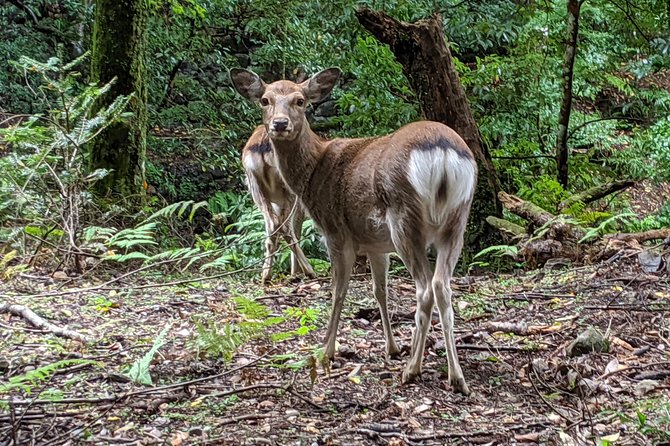
- The forest sites feel genuinely quiet: A ruined temple, Uguisu Waterfall, and stone Buddhist figures offer a different side of Nara.
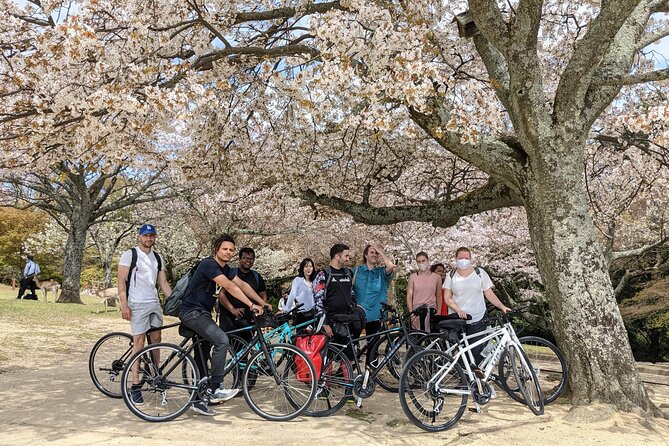
- The group stays small: The maximum is 10 people, with a bilingual local guide and a minimum of two people required for the tour to operate.
Why this Nara bike tour feels different
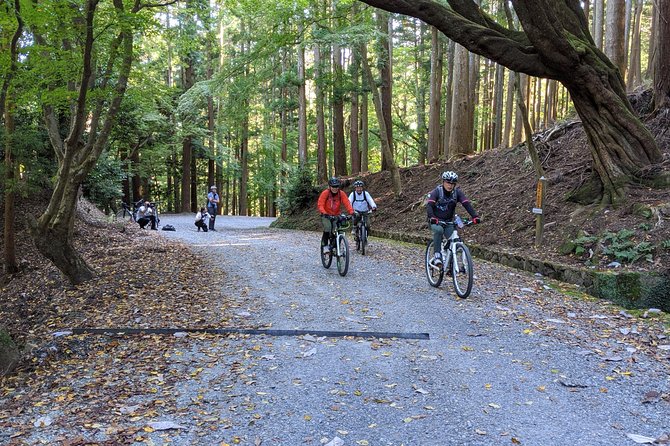
Many first visits to Nara follow a familiar path: Todaiji, deer, lanterns, and the broad paths of Nara Park. This ride gives you another version of the city. You still get temples and Buddhist culture, but the setting shifts quickly from open parkland to wooded slopes and narrow routes.
The tour lasts about five to six hours and begins at 10:00 a.m. at Japan Tour Adventure, 297-9 Furuichicho. It ends back at the same meeting point. That return-to-base plan makes the day easy to organize, but you should allow enough time afterward for a shower or a slower afternoon.
The group limit of 10 matters here. A bicycle outing becomes awkward when the line stretches too far, especially on hills or forest paths. A small group also gives the bilingual guide more room to adjust the pace and explain the sites without turning every stop into a speech.
Guides have included Elodie and Rémi. Elodie is described as personable, informative, and encouraging, while Rémi paced the ride well for a participant tackling the hills. Guide quality matters on this route because the day mixes physical effort with short cultural visits. A good guide keeps you moving without making you feel rushed.
A few more Nara tours and experiences worth a look

Starting at Nigatsu-do with a view over Nara
Nigatsu-do is the first major stop, near Todaiji. The temple is known for an annual water ritual, and its balcony gives you a fine view across the Todaiji area. You spend about 20 minutes here, enough for a look around, photographs, and a sense of how the temple sits above the city.
There is also a calligraphy connection. A calligraphy expert can sign your seal book, giving you something more personal than another photograph on your phone. If you collect temple seals or enjoy Japanese brushwork, this small detail adds meaning to the stop.
The visit is not built around a long temple lecture. Think of it as an early cultural introduction before the route heads into the hills. You’ll want comfortable shoes for any short walks around the temple area, even though the main activity is cycling.
Kikuichi and the 750-year knife tradition
The stop at Kikuichi Monju Shiro Kanenaga brings you into one of Nara’s traditional crafts. The shop has a 750-year history and focuses on Japanese knives. The guide explains how craft, history, and daily life connect in Nara, with calligraphy and blades forming a useful contrast to temple architecture.
You may try the knife on paper, a brief hands-on moment that helps you understand its sharpness and balance. It is not simply a shopping stop, although you can buy something if you wish. Shopping, souvenirs, snacks, and drinks cost extra, so you should not feel that the tour price includes anything from the shop.
This is one of the more distinctive parts of the route. Many sightseeing days show you finished cultural objects behind glass. Here, you get a closer look at a living craft tradition and a chance to ask questions through the guide.
Climbing Wakakusayama for the day’s big reward
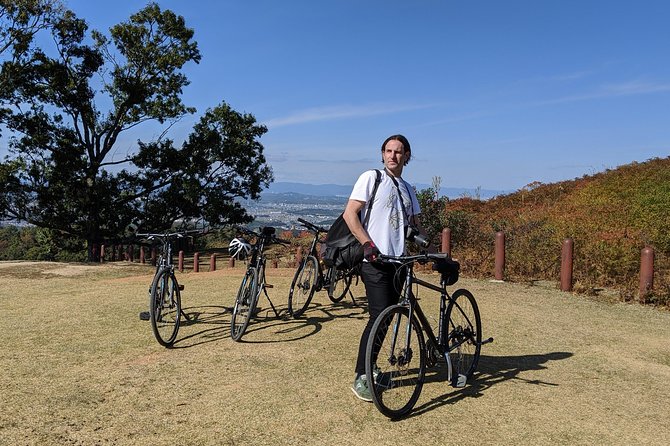
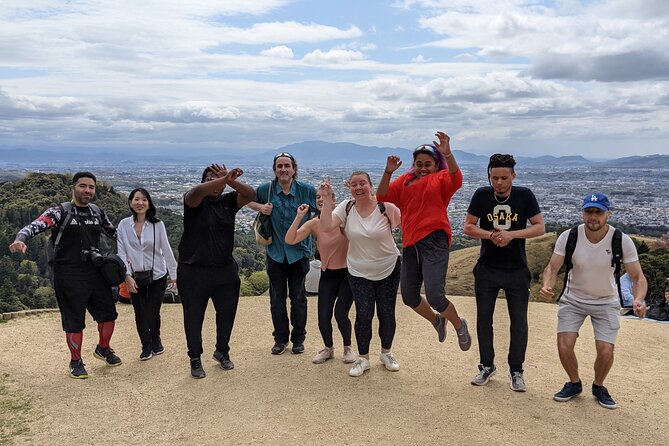
Wakakusayama is where the tour asks for effort. The route reaches the top of the hill for a broad view over Nara, and the stop is planned as a photo break. You get about 15 minutes at the summit, with a snack and water refill provided.
The climb is not a minor detail. One rider in their 60s described the hills as challenging but manageable on the hybrid bike, while also making clear that the ride involved huffing and puffing. That is useful guidance. You do not need to be a racing cyclist, but you should have a strong physical fitness level and feel comfortable riding uphill.
There is no e-bike option listed. If you normally rely on electric assistance, this may not be the right excursion. If you enjoy a workout and like the feeling of earning a view, the climb gives the day a clear high point.
Bring your own reusable bottle if you have one. The guide can refill it, and paper cups are provided as part of the effort to avoid unnecessary plastic. You will also appreciate the water at the top, especially in warm weather.
A forgotten temple being reclaimed by the forest
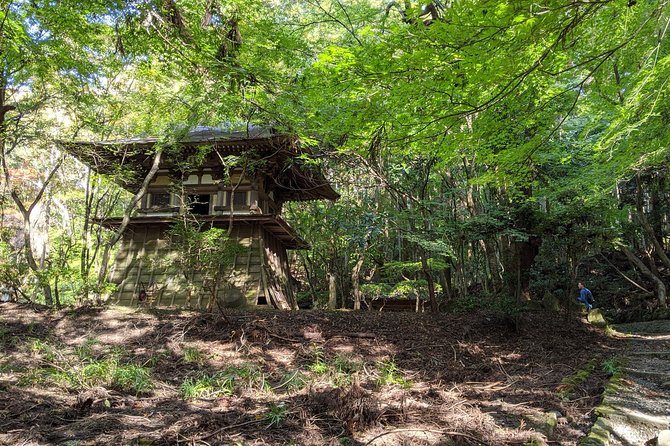
After the hill, the route reaches Kyofukuji, also called Kyofukuji Betsuin Uguisu Takikanki Ten. The temple is described as long forgotten, and the striking feature is the way nature has begun to take back the site.
This is not a polished temple complex with tidy paths and large crowds. You’ll see Buddhist architecture mixed with growth from the surrounding forest. That quiet, partly ruined feeling gives the stop a different mood from Nigatsu-do. It also shows how religious sites can change when they are no longer maintained as major destinations.
The visit lasts about 15 minutes. That is enough to take in the setting, but not enough for a long exploration. You may find the stop more atmospheric than informational, so listen closely as the guide explains what remains and why the place matters.
Other cycling tours in Nara

Uguisu Waterfall and a short walk among the trees
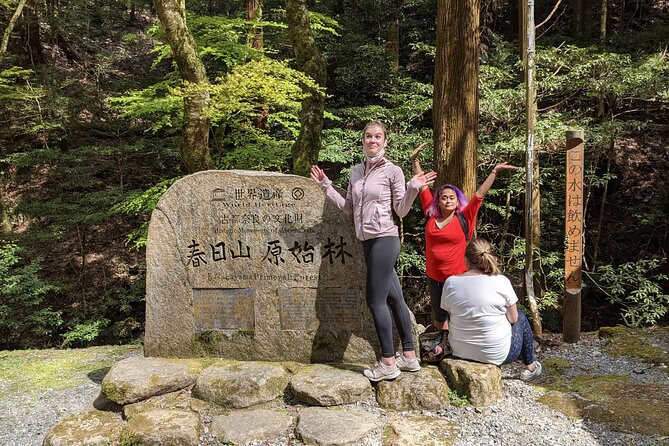
From the forest temple, you walk for a few minutes to Uguisu Waterfall. An old preserved bridge crosses the area, giving you a good photograph and a reason to pause.
The waterfall stop lasts around 15 minutes. It is a small nature break rather than a grand cascade, so keep your expectations in proportion. The appeal comes from the combination of water, bridge, trees, and the sense of being away from the main Nara route.
The tour information gives a playful warning about wildlife, including eight-legged creatures. That means you should pay attention to where you step and avoid treating the forest like a manicured city park. The route includes walking as well as cycling, so sturdy footwear is sensible.
Stone Buddhist figures in Kasugayama
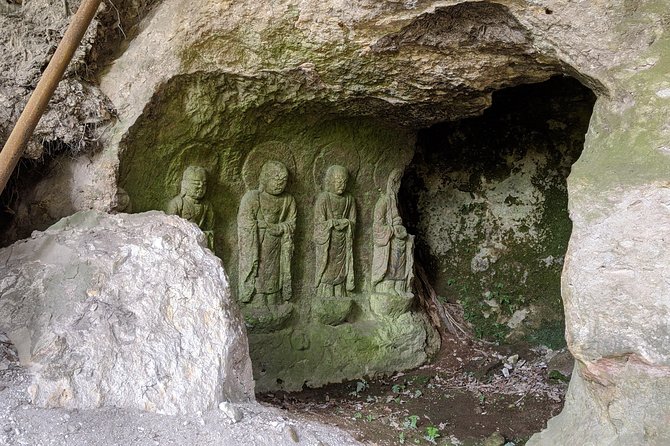
Mt. Kasuga Sekkutsubutsu offers one of the route’s most unusual cultural stops. In the Kasugayama forest, Buddhist statues were carved into stone. They are remains of an old Buddhist community, protected today and reached by people willing to walk or ride into the wooded area.
These carvings connect the natural setting with Nara’s religious past in a direct way. You are not only looking at a freestanding statue in a temple hall. You are seeing religious images cut into the rock itself, with the forest still shaping the experience around them.
The stop takes about 15 minutes. The short time means you’ll get an introduction and a chance to look closely, but not a long archaeological tour. The route’s value comes from the variety: a major temple, a craft shop, a hilltop, a ruined site, a waterfall, and carved stone figures all fit into one active day.
Finishing at quiet Sagi Pond
Sagi Pond is the final stop, located south of Nara Park and away from the main sightseeing paths. It offers a peaceful place for a last photograph before you return to the starting point.
This is a sensible ending. After the hills and forest stops, you get a calmer view rather than another demanding climb. The pond also gives you a chance to catch your breath and finish the ride at an unhurried pace.
You should not expect a major landmark here. Sagi Pond works because it is low-key. If you want to end your Nara day with a quieter scene, it fits well. If you prefer a final dramatic temple visit, the stop may feel modest.
What is included, and what you should bring
The tour includes the bicycle, helmet, cycling sunglasses, bottled water, water refills, all fees and taxes, and a bilingual local guide. The guide can provide paper cups, and you can bring your own bottle for refills.
Food is not included. Lunch is left out for safety, dietary, and allergy reasons. The group stops at a convenience store before leaving the city if someone needs to buy food, but you should plan ahead rather than depend on finding a full meal during the ride.
I would bring:
- A reusable water bottle
- Lunch or a substantial snack
- Comfortable cycling clothes
- Shoes suitable for short walks
- Sun protection
- A small bag for personal items
You should also consider the season. The route includes exposed uphill riding and wooded paths, so conditions can affect comfort. The tour requires good weather and may be canceled if conditions are poor, with a different date or full refund offered.
Is $275.89 a good value?
At $275.89 per person, this is not a cheap way to see Nara. The price makes more sense if you value a full half-day with equipment, a local guide, transport-free access to several outlying sites, and a workout built into your sightseeing.
You are paying for more than bicycle hire. The tour brings together places that would be difficult to connect efficiently on foot in one morning or afternoon. It also supplies the gear and organizes the route, which removes the work of planning a ride through unfamiliar roads and forest areas.
The value is weaker if you mainly want a relaxed ride or a quick look at Nara’s famous temples. You would be paying a premium for an active route when a slower self-guided visit might suit you better. The lack of an e-bike is also important at this price.
For people who enjoy cycling, the cost can be reasonable because the route has a clear shape and a strong mix of nature and culture. The maximum group size of 10 keeps the experience more personal than a large coach excursion, and the included snack, refills, and equipment make the day easier.
Who should book this ride
I would recommend it to adults and older teenagers who are comfortable with hills, enjoy being outdoors, and want to see a less crowded side of Nara. It also suits visitors who have already seen the main temples and want a fresh way to understand the area.
It is not recommended for children under 14 unless you contact the provider about a specific request. The stated fitness requirement should be taken seriously. If you dislike uphill cycling, have limited stamina, or want an easy sightseeing day, choose a gentler activity.
Solo booking is possible, but the tour needs at least two people to operate. A solo booking can be canceled if the minimum is not reached, with rescheduling or a full refund offered. For peace of mind, keep some flexibility in your schedule.
The tour has a maximum of 10 participants and an average booking lead time of 27 days. That does not guarantee a particular date will sell out, but booking ahead is sensible if your Nara schedule is tight.
Should you book the Heart of Nature Cross Bike Tour?
Book it if you want Nara’s forest side, a worthwhile physical challenge, and cultural stops that go beyond the standard temple circuit. The ruined temple, carved Buddhist figures, and traditional knife shop make the route more memorable than a simple park ride.
Skip it if you want an easy day, need an e-bike, or would rather spend five hours moving between major temples at a slow pace. For the right cyclist, the reward is a well-balanced day of views, local crafts, forest silence, and just enough sweat to make the hilltop snack taste better.
FAQ
Where does the Nara bike tour start?
It starts at Japan Tour Adventure, 297-9 Furuichicho, Nara, 630-8424, Japan.
What time does the tour begin?
The tour starts at 10:00 a.m.
Where does the tour end?
The activity ends back at the starting meeting point.
How long does the experience last?
The tour lasts approximately five to six hours.
How many people can join the tour?
The maximum group size is 10 people.
Is a bicycle provided?
Yes. Use of a bicycle is included in the tour price.
Is cycling gear included?
Yes. A helmet and cycling sunglasses are included along with the bicycle.
Is food included?
No. Lunch is not included. You should bring your own lunch, and the group can stop at a convenience store before leaving the city if needed.
Is water provided?
Yes. Bottled water and water refills are available. You can bring your own bottle, and the guide provides paper cups.
Is the tour suitable for solo bookings?
A solo traveler can book directly, but at least two people are required for the tour to operate. If the minimum is not met, you may be offered another date or a full refund.
More Cycling Tours in Nara
More Nara Cycling Tours in Nara
More tours in Nara we've reviewed
Nara Cycling Tours, compared.
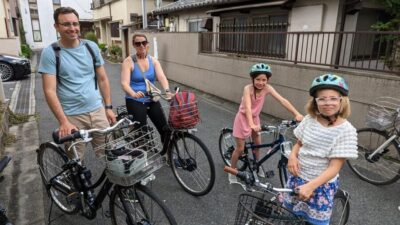 ★ 4.8E-Bike Nara Highlights – Todaiji, Knives, Deer, ShrineFrom $903h 30m
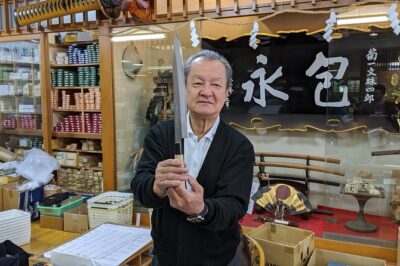 ★ 4.5Nara – Highlights Bike TourFrom $72
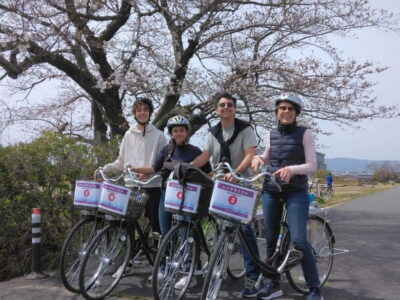 ★ 5.0Nara: Bike Tour in Ancient Capital UNESCO World HeritageFrom $222 hours
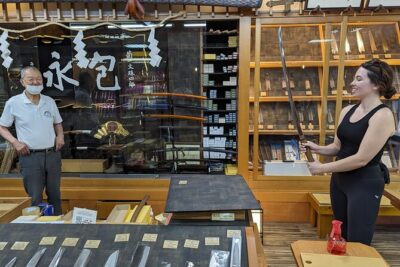 ★ 4.5E-Bike Nara Highlights – Todaiji, Knives, Deer, Shrine, and GemsFrom $92
 ★ 4.9Nara: City Highlights Shared Group or Private Bike TourFrom $703 hours - 210 minutes
 ★ 5.0Nara – Private Family Bike TourFrom $195
Browse the lists this tour appears in