
Reviewed · NARA CYCLING TOURS
Nara: Bike Tour in Ancient Capital UNESCO World Heritage
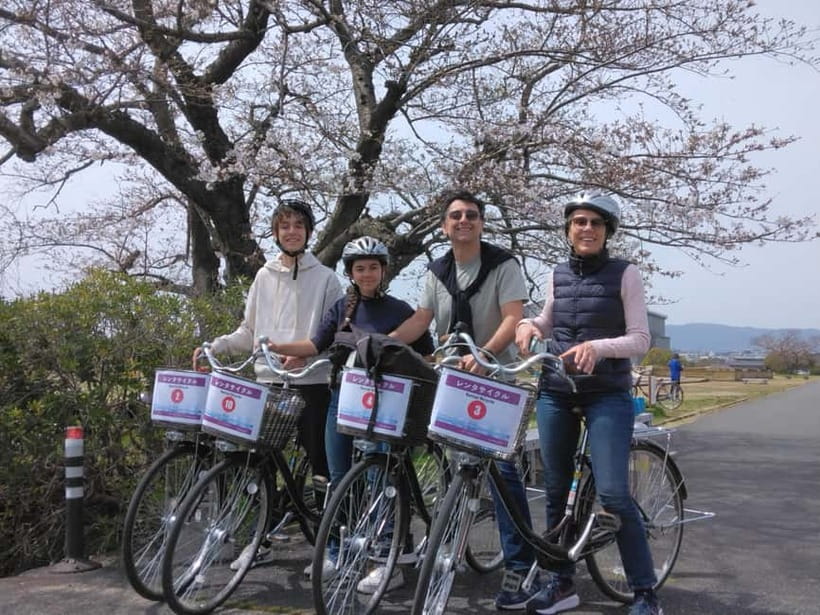
Heijo Palace is a fine place to see a quieter side of Nara. Instead of following the usual deer-and-temples route, you pedal across the broad former palace grounds, stopping at Suzaku-Gate, gardens, museums, and an ancient tomb. Guide Kay adds the story that turns scattered ruins and reconstructions into a picture of Nara’s time as Japan’s capital.
I like two things right away: the bicycle lets you cover a large site without wearing out your feet, and the small group, limited to eight people, keeps the ride personal. The peaceful loop around Mizukami Pond is another treat, with birds, ducks, turtles, and open views. The main consideration is the site itself: much of it is reconstructed or marked by excavation remains, so readers seeking old, untouched buildings may find two hours a little long, especially in August heat.
In This Review
- Key points at a glance
- Why Heijo Palace feels different from central Nara
- Meeting Kay at Suzaku-Mon Square
- Suzaku-Gate: your first view of the ancient capital
- Toin Garden and the roots of Japanese garden design
- The excavation hall: archaeology left in place
- A quiet loop beside Mizukami Pond
- Hishiage Kofun and the small scale of an ancient tomb
- The First Imperial Audience Hall and South Gate
- Heijo Palace Site Museum and the Tenpyo costume stop
- Is $22 a good value for two hours?
- Who will enjoy this ride most?
- Practical booking notes before you go
- Should you book the Heijo Palace bike tour?
- FAQ
- Where does the bike tour meet?
- How early should I arrive?
- How long is the tour?
- What languages does the guide speak?
- What is included in the price?
- Is hotel pickup included?
- Is food included?
- Is bike insurance included?
- What happens if bad weather cancels the tour?
Key points at a glance
- Suzaku-Gate sets the scene: Begin at the grand entrance to Heijo Palace, with time for photos and an introduction to Nara’s role as an ancient capital.
- Bikes solve the distance problem: The palace grounds are large, and cycling makes it possible to see several separate sights in two hours.
- Kay brings the past into focus: Her English and Japanese guiding, patience, and clear explanations are especially useful for first-time visitors.
- Toin Garden shows early Japanese design: Bridges, rocks, buildings, and water reveal how formal gardens served palace life.
- The excavation museum is unusually direct: You see remains preserved where archaeologists found them, rather than only objects placed in display cases.
- Tenpyo clothing adds a lighthearted finish: You can dress in traditional Nara-period costume and take keepsake photos.
Why Heijo Palace feels different from central Nara
Heijo Palace, also called Heijokyo, was the center of government when Nara served as Japan’s capital. The site is part of a UNESCO World Heritage setting, but it does not feel like a compact temple complex. It is spread across open ground, with reconstructed halls, marked foundations, museums, gardens, ponds, and archaeological remains separated by generous stretches of greenery.
That scale is exactly why I think a bike tour makes sense. On foot, you would spend more time crossing the grounds and less time looking at the important places. By bicycle, you can move between the main gate, garden, excavation hall, tomb, audience hall, and museum while still stopping often for explanations and photographs.
The experience also gives you a break from Nara’s better-known crowds. It has nothing to do with the deer in Nara Park. Its appeal is ancient government, archaeology, palace planning, and the calmer rhythm of a large historic site.
A few more Nara tours and experiences worth a look

Meeting Kay at Suzaku-Mon Square
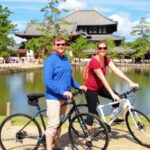
You meet at the rental bike reception counter inside Miharashi-Kan in Suzaku-Mon Square. Come 10 minutes before the start time. The meeting point coordinates are 34.68628944048124, 135.7926401146025, which is useful if you are using a map app.
Public buses make the approach fairly simple. From Kintetsu Nara Station, the bus ride to Suzakumon-hiroba-mae takes about 16 minutes, followed by a five-minute walk north. From Kintetsu Yamato-Saidaiji Station’s South Exit, allow about 10 minutes by bus and another five minutes on foot. From JR Nara Station’s West Exit, the bus ride is about 10 minutes, followed by the same five-minute walk.
You can also walk. The route takes about 20 minutes from the South Exit of Kintetsu Yamato-Saidaiji Station or from Shin-Omiya Station. The meeting point is not at the more famous Nara Park attractions, so plan the approach rather than assuming it is near the station shopping streets.
Kay leads in English or Japanese and holds a national government guide license. Her style, based on the experience details available, combines historical explanation with a patient, friendly pace. That matters if you are traveling with children. A six-year-old has been able to enjoy the ride, collect stamps, and keep up with the stops.
Suzaku-Gate: your first view of the ancient capital
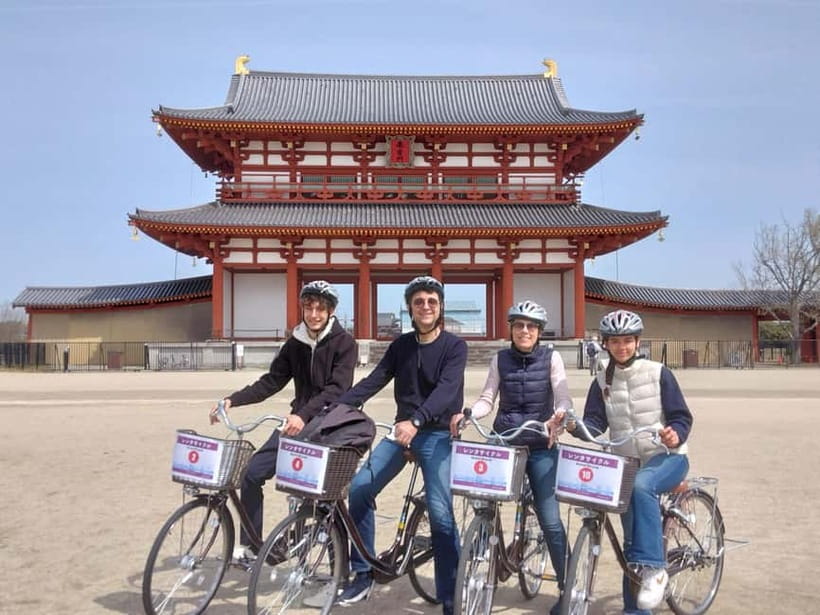
The tour begins at Suzaku-Gate, the main entrance to Heijo Palace. It is the right opening stop because it gives you a physical sense of how visitors and officials would have approached the palace in the Nara period.
The gate is also one of the tour’s best photo locations. The setting combines the reconstructed architecture with broad open views, so you get more than a close look at a building. You begin to see how much space the palace complex required.
Kay explains the role of the capital and helps you read the site before the tour moves on. This first 15-minute stop is short enough to keep the ride moving, yet long enough for an overview and photographs.
Toin Garden and the roots of Japanese garden design
Toin Garden, also called East Palace Garden, is a smaller and more composed stop. Here, the focus shifts from the scale of the capital to the arrangement of water, rocks, bridges, and buildings.
The garden served as a state guest house, so its design was not simply decorative. The layout helped create a setting for formal meetings and important visitors. Kay’s explanation gives the stones and bridges a purpose, instead of leaving you to see them as attractive scenery without context.
You spend about 10 minutes here. That is enough for a look around and photos, though anyone who loves gardens may wish the schedule allowed more time. The garden is one of the places that makes this tour feel varied. You are not only seeing palace buildings and excavation holes. You are also seeing how space was shaped for ceremony and hospitality.
The excavation hall: archaeology left in place
The Excavation Site Exhibition Hall is one of the most unusual stops. Rather than moving every find into a standard museum display, the remains are preserved and shown in the condition in which archaeologists discovered them.
That approach gives you a better sense of the work behind the site. You see the layers and traces of the old capital where they were found, which makes the archaeology feel less polished and more immediate. If you enjoy ruins, building methods, and the process of finding the past, allow yourself time to look closely.
The stop is scheduled for about 10 minutes. It may sound brief, but Kay’s explanation helps you understand what you are seeing without turning the visit into a long technical lecture. The museum is also useful on a hot or wet day because it breaks up the outdoor riding.
Other cycling tours in Nara


A quiet loop beside Mizukami Pond
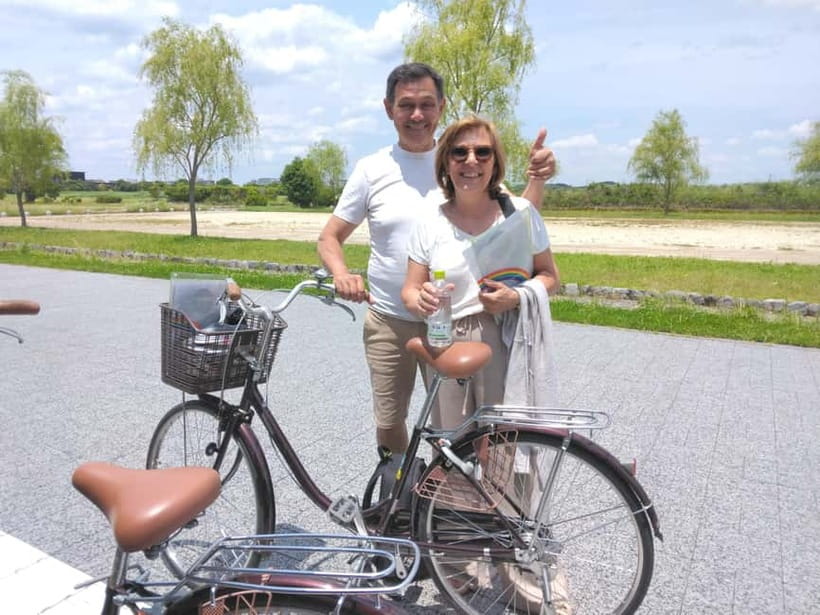
The ride around Mizukami Pond is one of the gentlest sections of the experience. You feel the breeze, hear birds, and may see ducks and turtles. It is a welcome change of pace after the formal palace sites.
This is where the bicycle earns its keep. You are not rushing from one attraction to the next. You are moving through the former palace grounds at an easy pace, with nature around you and open space ahead. Families can appreciate the change from historical explanation to simple observation, while photographers get a quieter setting for pictures.
The route is especially pleasant in spring, when local people may be enjoying hanami. It can also be very hot in summer, so the weather matters. One participant found August uncomfortably hot, and that is a fair warning. The tour provider may cancel for heavy rain, storms, or other severe weather, with a full refund, but ordinary heat is still something you need to prepare for.
Hishiage Kofun and the small scale of an ancient tomb
Hishiage Kofun is a chance to see an ancient tomb within the wider palace setting. The visit lasts about 10 minutes and includes time for photographs and an explanation of the tomb and its grave goods.
This stop adds a different layer to the story. The palace tells you about government and ceremony, while the kofun connects you with burial practices and elite life. You do not need to be an archaeology specialist to appreciate the change in subject.
Do not expect a huge monument with a long interior route. The value is in seeing how a burial site fits into the broader story of the region. Kay’s guidance helps connect the tomb to the period rather than treating it as an isolated mound.
The First Imperial Audience Hall and South Gate
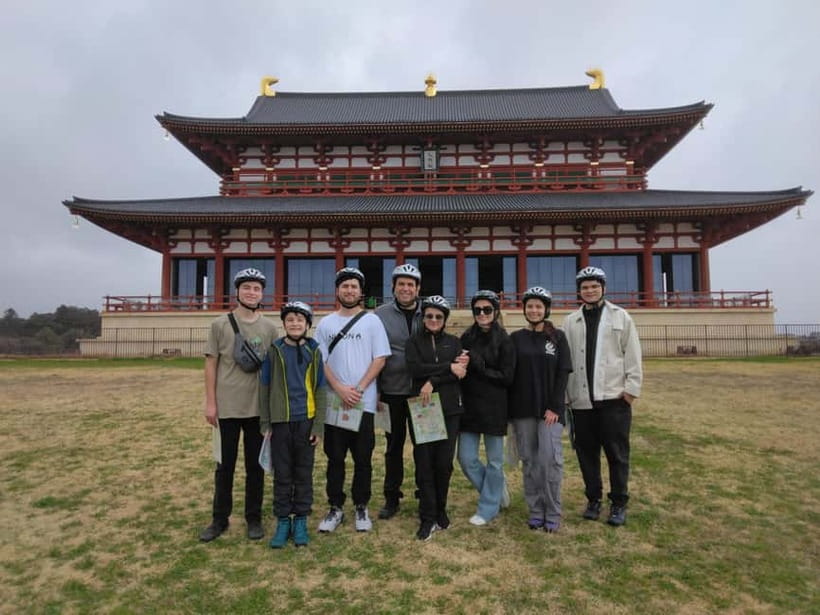
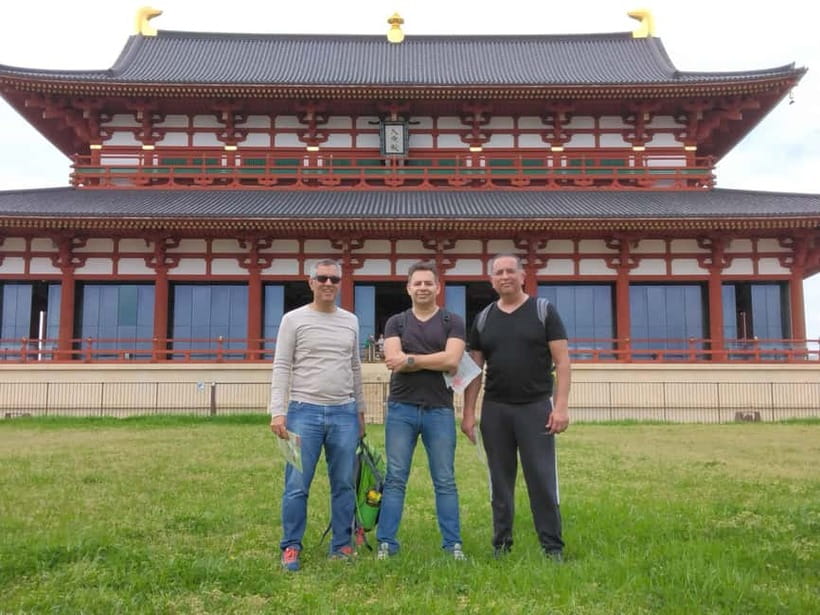
Daiichiji Daigokuden, the Imperial Audience Hall, is one of the tour’s major stops. This is a reconstruction of a large Nara Palace building used for special ceremonies. Inside, you can look at paintings, ornaments, and exhibits that explain the formal side of palace life.
The building gives you a sense of ceremony that a foundation alone cannot provide. It is easier to imagine officials gathering for major events when you can see the scale and interior decoration of the reconstructed hall.
The scheduled visit lasts about 15 minutes. That is enough for a clear introduction and a broad look around, although you may want longer if you like architectural detail. From the nearby Daiichiji Daigokudenin Daigokumon, also called the South Gate, you get another useful view of the palace arrangement. This brief five-minute stop is mainly for a guided look and photos.
Taken together, the hall and gate are the most visually grand part of the ride. They also raise an important expectation: these are reconstructions, not original Nara-period buildings. For some people, that makes the site easier to understand. For others, it reduces the sense of age. I would approach them as careful interpretations of a vanished capital, not as untouched monuments.
Heijo Palace Site Museum and the Tenpyo costume stop
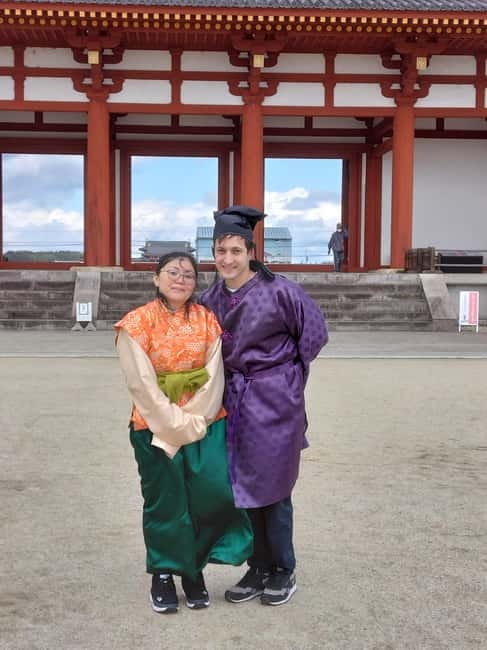
The Heijo Palace Site Museum is described as the oldest museum on the palace grounds. Its collection includes ancient roof tiles, wooden tablets, and models. These objects are small, but they can say a lot about daily administration and construction.
The wooden tablets are particularly useful for imagining the paperwork of government. The tiles help you notice the practical details of palace buildings, while the models make the sprawling site easier to understand. The visit takes about 10 minutes and gives the ride a final indoor history lesson.
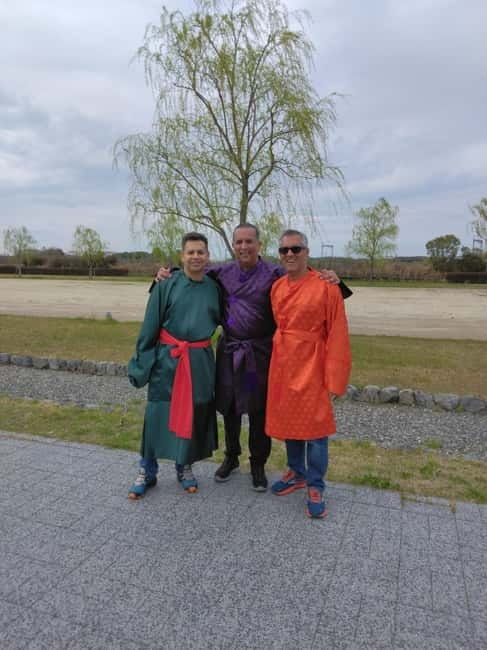
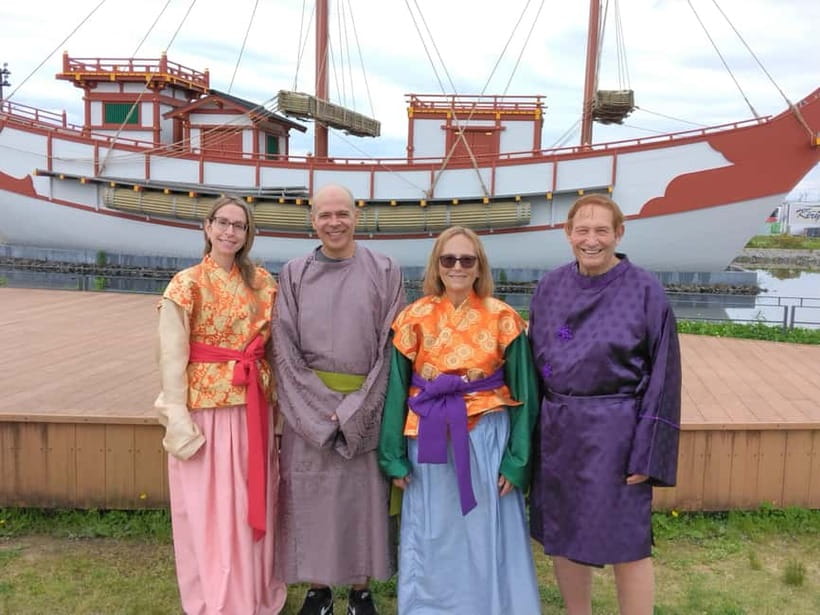
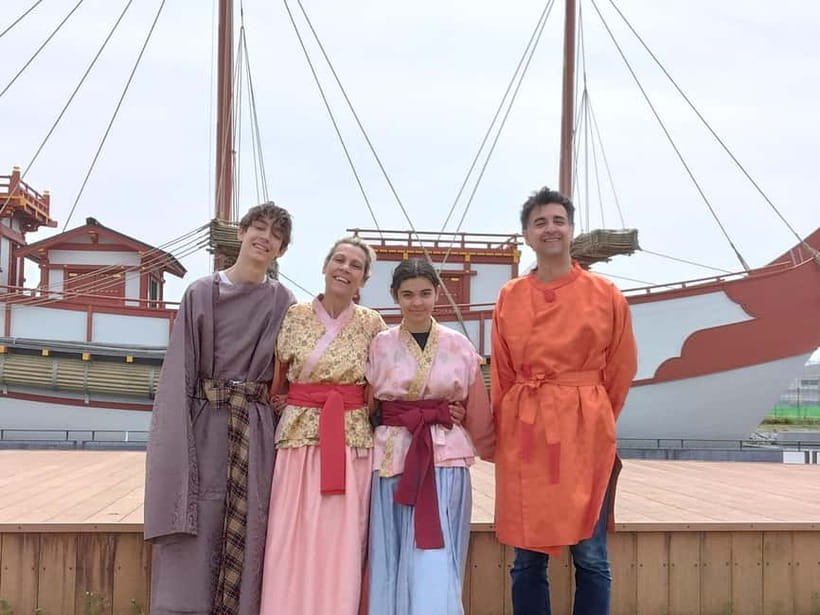
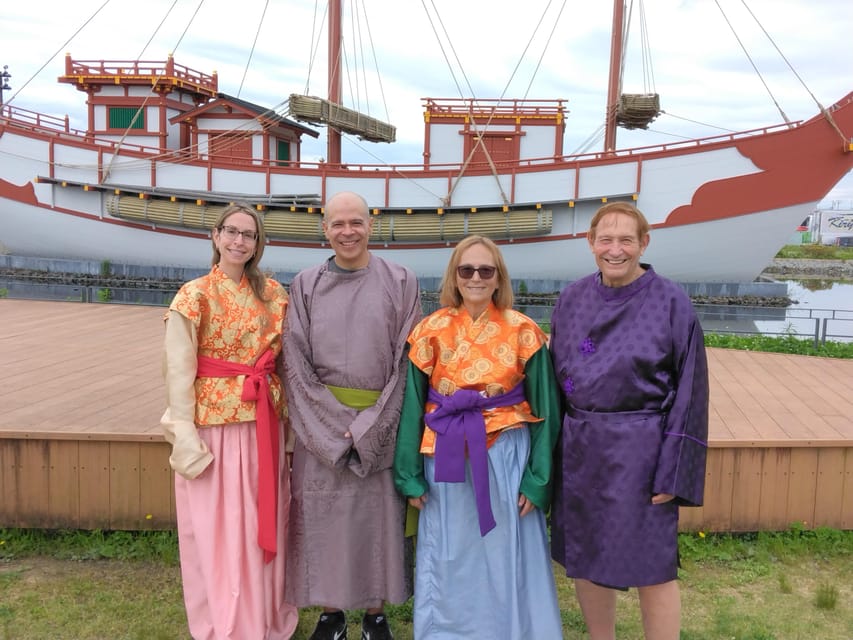
The Tenpyo costume experience brings a more playful note. You can wear clothing inspired by the Nara period and take memorable photographs. This is included in the price, so you do not need to pay an extra admission fee for the activity.
Costume experiences can feel superficial when separated from a place’s history. Here, the setting gives the photographs more meaning. You are dressing in the context of the period you have just been learning about, rather than stopping at a generic studio. The supplied details do not specify exactly how long the costume portion lasts, so think of it as one element of the two-hour route rather than a separate extended session.
Is $22 a good value for two hours?
At $22 per person, this is a strong-value way to see Heijo Palace. The fee includes the rental bike, helmet, guide, admissions, and traditional costume experience. You are paying for transport around a large site as well as interpretation at several places.
The value is better if you would otherwise try to cover the grounds on foot. A self-guided visit may cost less in guiding fees, but you would need to work out the route and understand what you are looking at on your own. Here, the national government licensed guide supplies the historical framework, while the bike saves time.
The small group is another plus. With no more than eight participants, Kay can answer questions and adjust the pace more easily than on a large coach-style outing. One tour even ran beyond the scheduled two hours so the group could continue at a comfortable pace. That is not something to assume every time, but it suggests the experience is not designed as a rushed dash between stops.
The tradeoff is that two hours cannot cover every detail of this enormous complex. You get a well-chosen introduction, not an exhaustive archaeological visit. If you already have a strong interest in ancient Japanese culture, you may want to return independently for more time at the museums and palace buildings.
Who will enjoy this ride most?
I would recommend this tour to first-time Nara visitors who want history beyond the famous temples. It is also a smart choice if you have already seen Nara Park and want a quieter half-day activity with a different subject.
Families can benefit from the movement, short stops, costume photos, and the chance to see ducks and turtles at the pond. The guide’s patience with a six-year-old is a useful sign, although every child’s cycling ability is different. You must be able to ride a bicycle, and the experience is not suitable for pregnant women, wheelchair users, or people with visual impairments.
The tour suits people who like archaeology, palace planning, Japanese gardens, and historical explanation. It is less suitable if your main goal is old wooden temples, deer, shopping, or a packed list of iconic Nara sights.
Wear comfortable clothes for cycling and consider the season carefully. Summer can be very hot, while rain and storms can cause cancellation. Food and drinks are not included, so plan your meal separately. Bike insurance is also not included.
Practical booking notes before you go
The tour lasts two hours and offers English or Japanese guiding. You can reserve now and pay later, which is useful if your Nara schedule is still shifting. Cancellation is free up to 24 hours before the start time, but no-shows and missed departures are not refundable.
The provider supplies the bicycles and helmets, and all admission fees are covered. Hotel pickup is not included, so allow time to reach Miharashi-Kan in Suzaku-Mon Square.
The overall rating is 5 out of 5 from 43 reviews, with repeated praise for Kay’s kindness, clear English, patience, and ability to explain Nara’s place in Japanese history. The praise is quite consistent, but one balanced point is worth keeping in mind: the site’s reconstructions and open foundations may feel less dramatic than original temples.
Should you book the Heijo Palace bike tour?
Book it if you want an affordable, gentle introduction to Nara’s ancient capital and prefer moving through open grounds instead of following the crowded deer park route. The combination of Kay’s guidance, included bicycles, several admissions, a quiet pond ride, and Tenpyo costume photos gives you a lot for $22.
Skip it if you cannot ride, dislike reconstructed sites, or want every minute devoted to intact historic buildings. For most visitors with a basic interest in Japanese history, though, this is an easy way to understand Heijo Palace without wasting energy on long walks. I would place it early in a Nara visit, since it gives you useful context for the city and leaves the rest of the day open for temples, lunch, or Nara Park.
FAQ
Where does the bike tour meet?
Meet at the rental bike reception counter inside Miharashi-Kan in Suzaku-Mon Square. The coordinates are 34.68628944048124, 135.7926401146025.
How early should I arrive?
Arrive at the rental bike reception 10 minutes before the scheduled starting time.
How long is the tour?
The scheduled duration is two hours.
What languages does the guide speak?
The tour is available with a live guide in English or Japanese.
What is included in the price?
The price includes the bike tour, guide, rental bicycle, helmet, all admission fees, and the traditional costume experience.
Is hotel pickup included?
No. You must make your own way to the rental bike reception at Suzaku-Mon Square.
Is food included?
No. Food and drinks are not included.
Is bike insurance included?
No. Bike insurance is not included in the tour price.
What happens if bad weather cancels the tour?
The provider may cancel because of heavy rain, storms, or other severe weather. If the provider cancels, you receive a full refund.
More Cycling Tours in Nara
More Nara Cycling Tours in Nara
More tours in Nara we've reviewed
Nara Cycling Tours, compared.
 ★ 4.8E-Bike Nara Highlights – Todaiji, Knives, Deer, ShrineFrom $903h 30m
 ★ 4.5Nara – Highlights Bike TourFrom $72
 ★ 4.9Nara: City Highlights Shared Group or Private Bike TourFrom $703 hours - 210 minutes
 ★ 4.5E-Bike Nara Highlights – Todaiji, Knives, Deer, Shrine, and GemsFrom $92
 ★ 5.0Nara – Heart of Nature Cross Bike TourFrom $275
 ★ 5.0Nara – Private Family Bike TourFrom $195
Browse the lists this tour appears in