
Reviewed · JAPAN
Make traditional Tosa washi paper using a recycling technique
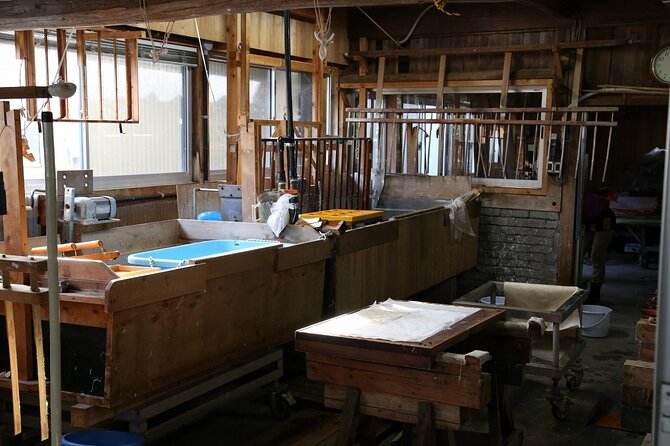
The most memorable part of this Kochi experience is getting close to the full washi-making process. At Tosawashi Inoue Tesuki Kobo, Mrs. Inoue, a fourth-generation paper maker, shows you how kozo bark becomes handmade paper, then lets you recycle old washi into a useful piece of paper art.
I like the rare behind-the-scenes demonstration and the chance to make something with your own hands. I also like the calm rural setting near the Niyodo River, one of Japan’s clearest water basins. The main consideration is the price: at $104.05 per person for about two hours, this is best for visitors who value a small, private craft lesson rather than a quick sightseeing stop.
In This Review
- Key points to know
- Why Tosa washi is worth your time
- Entering a 120-year-old paper workshop
- Watching kozo become paper
- Recycling old washi into your own project
- A quiet close with Kochi tea and sweets
- What the $104.05 price includes in value
- Who will enjoy this washi lesson most
- Practical details before you book
- Should you book the Tosa washi experience?
- FAQ
- Where does the washi-making activity take place?
- How long does the experience last?
- Who leads the paper-making lesson?
- What will I learn about Tosa washi?
- What can I make during the hands-on portion?
- Will my clothes get wet?
- Is this a private tour?
- Can I cancel for a full refund?
Key points to know
- See nearly every stage of washi-making: Watch kozo bark being boiled, cleaned, and beaten, and see how natural paste is prepared from tororoaoi roots.
- Learn from a fourth-generation craftsperson: Mrs. Inoue leads the visit at a studio with more than 120 years of paper-making history.
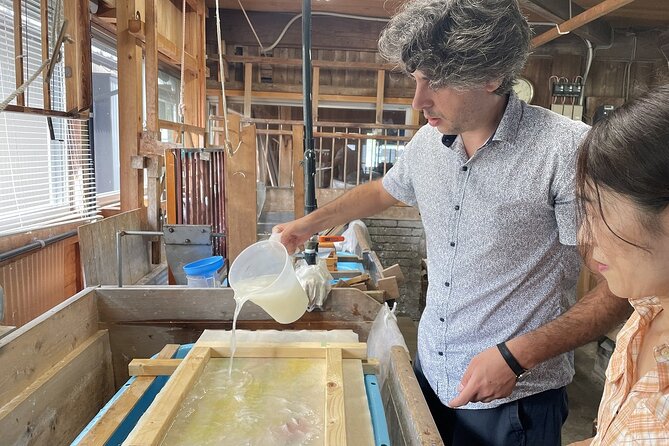
- Recycle old washi into paper art: Beat used washi, dissolve it in water, and make a colorful wall hanging, paper lamp shade, or paper bag.
- Enjoy a private activity: Only your group takes part, which allows room for questions and hands-on help.
- Expect a little water: An apron is provided, but your clothes may get wet during the paper-making work.
- Finish with local tea and sweets: The quiet refreshment at the end gives the lesson an unhurried close.
Why Tosa washi is worth your time
Washi is often treated as a decorative souvenir, but this visit gives you a better sense of how much work sits behind a single sheet. Tosa washi comes from Kochi Prefecture and is made with plant fiber, water, and careful handwork. Here, you see the materials before they become a finished sheet.
The main raw material is kozo, or paper mulberry. Its bark supplies the long fibers needed for Japanese paper. The process is not a simple matter of mixing pulp and pressing it flat. The bark must be prepared, cleaned, beaten, suspended in water, and guided into an even layer.
That slow process is part of the point. You get to see why handmade washi has a different feel from ordinary machine-made paper. The work depends on touch, timing, and repeated motions that have been passed through generations.
I especially like that this is not limited to a short demonstration followed by a gift-shop purchase. You watch the major steps, then handle old washi yourself. Recycling gives the activity a modern angle without losing the traditional method.
Entering a 120-year-old paper workshop
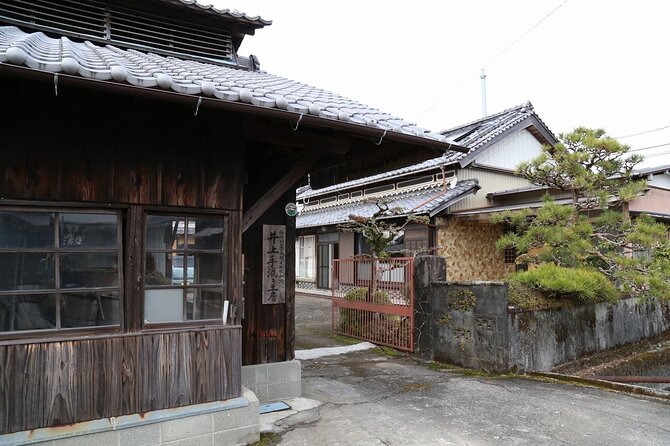
Your visit begins at Tosawashi Inoue Tesuki Kobo in Tosa, Kochi Prefecture. The activity starts and ends at the workshop, at 2776 Takaokachōotsu, Tosa, Kochi 781-1102.
Mrs. Inoue welcomes you and introduces the atelier, where handmade paper is produced with traditional techniques. The setting is part of the experience. This is a working studio in a quiet rural area, not a staged attraction built around a short photo opportunity.
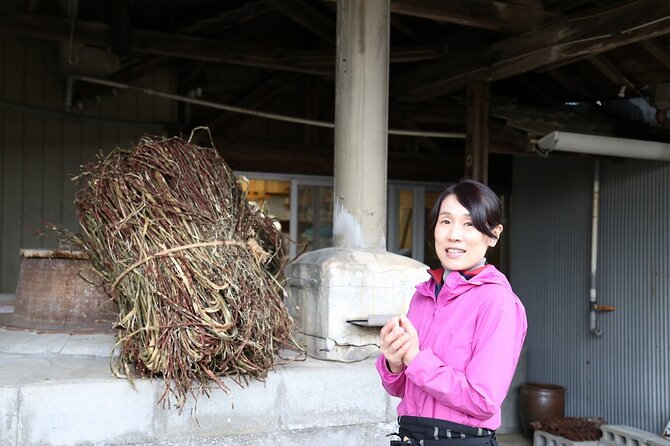
You will first learn about Tosa washi, its characteristics, and the role of the workshop. Mrs. Inoue also shows you kozo, the paper mulberry bark that supplies the fiber.
The studio’s family connection matters here. A fourth-generation maker can explain the process as both a craft and a living practice. You are not just seeing an old method preserved behind glass. You are watching a family workshop continue to use it.
The visit works particularly well for people who enjoy meeting the person behind a traditional craft. It also suits families. An 8-year-old and a 17-year-old were able to take part with their parents, so the lesson can work across a broad age range. Children still need to follow the safety instructions, especially when using the beating stick.
Watching kozo become paper
The demonstration covers almost all of the main steps, which is unusual for a short washi visit. Mrs. Inoue explains how kozo bark is boiled, a step that softens the material and prepares it for further work.
Next comes cleaning. Impurities must be removed from the bark before the fibers can be used. This is a good moment to understand why handmade paper requires patience. The quality of the final sheet depends on preparation long before you see anything that looks like paper.
You also watch the bark being beaten with a stick. The motion breaks down the fibers so they can spread through water. It may look simple at first, but the work calls for care and control. You will later use a beating stick yourself, so pay close attention to how Mrs. Inoue handles it.
Another useful detail is the natural gluing paste. It is made from the roots of tororoaoi, also called sunset hibiscus. This paste helps the fibers stay suspended in water and supports the traditional paper-making method.
I like this part because it connects the finished object to ordinary plant materials. You see the bark, the roots, the water, and the hand tools. The paper no longer feels like an anonymous craft product.
Recycling old washi into your own project
After the demonstration, you get to make new paper from old washi. You beat used paper and dissolve it in water, creating a fresh mixture for your project.
This is not simply a children’s craft added to the end of a tour. Recycling shows how washi can continue to be useful rather than being discarded after one purpose. The process also gives you a more active role. You are not only watching a professional work at speed. You are learning what it takes to prepare the material yourself.
You can choose one of three projects:
- A colorful wall hanging
- A paper lamp shade
- A paper bag
The wall hanging offers the most decorative option. A lamp shade gives you a practical object for the home, while a paper bag turns the lesson into something useful for everyday life. The available choices make the activity easier to match to your interests, though the supplied information does not specify how large each finished item will be or how it is transported home.
Expect to work with water. The workshop supplies an apron, but your clothing may still get a little wet. I would wear clothes that can handle a few splashes, particularly if you are bringing children.
The beating stick also deserves attention. Follow the host’s safety instructions carefully. The activity is accessible to most people, but it is still a hands-on workshop with tools, not a passive museum visit.
A quiet close with Kochi tea and sweets
Local tea and sweets are served at the end. This small detail helps the experience finish at a comfortable pace instead of stopping the moment your paper project is complete.
The refreshment also gives you time to look at what you made and ask any final questions. In a rural setting near the Niyodo River, a quiet cup of tea feels more fitting than a hurried departure.
The location may appeal to you if you want a break from Kochi’s more obvious sightseeing stops. The experience does not promise a major river excursion or a scenic tour, so you should not book it for a long nature outing. The river connection is mainly about the peaceful setting and the quality of the surrounding water basin.
Still, that slower setting is valuable. Craft traditions make more sense when you are not rushing from one attraction to the next. Allow yourself enough time around the scheduled two hours if you want to linger before or after the activity.
What the $104.05 price includes in value
At $104.05 per person, this is not a bargain-priced craft class. The cost makes more sense when you consider what you are receiving: a private activity, a detailed workshop tour, instruction from a fourth-generation maker, hands-on recycling, a choice of paper project, and tea with sweets.
Because only your group participates, you avoid the feel of a crowded public demonstration. A private setting can be especially useful if you have questions, are traveling with children, or want the lesson to move at your group’s pace.
The price is harder to justify if you only want to make a quick souvenir. You might find a cheaper craft activity elsewhere, but it may not include such a broad demonstration of the production process or access to a family-run studio with more than 120 years of history.
Group discounts may improve the value for families or larger parties. Since confirmation is subject to availability, book ahead if this is a priority for your Kochi visit. The average booking lead time is 179 days, which suggests that planning early is sensible.
Who will enjoy this washi lesson most
I would recommend this to you if you like traditional crafts, small workshops, and activities that explain how an object is made. It is also a strong choice for families who want something more thoughtful than a standard sightseeing stop.
The experience suits:
- Families with school-age children and teenagers
- Couples who prefer a private cultural activity
- Visitors interested in Japanese materials and handwork
- People looking for a calm rural experience in Kochi
- Anyone who wants to take home a handmade project
You should think twice if your schedule is very tight or if you dislike getting your hands wet. The workshop is about process, not speed. It also may not suit you if you want a large museum, a long nature walk, or a broad tour of Tosa.
Language may require some planning. The supplied details identify Mrs. Inoue as the host and note that one booking used the Japanese guide version. That group spoke some Japanese and still had a warm, useful introduction. If you do not speak Japanese, confirm the language arrangement when booking rather than assuming a particular guide language.
Practical details before you book
The activity lasts about two hours and is a private tour. You meet at Tosawashi Inoue Tesuki Kobo and return to the same meeting point at the end.
Mobile tickets are available, and group discounts are offered. Confirmation is sent within 48 hours of booking, subject to availability.
Wear practical clothing. The workshop provides an apron, but splashes are possible. Closed, comfortable clothing is a sensible choice, and you should avoid wearing something you would be upset to dampen.
Most people can participate, but take the tool briefing seriously. You will use a beating stick, and the host provides safety instructions before that part of the work.
Free cancellation is available if you cancel at least 24 hours before the start time. Changes or cancellations made inside that period are not accepted for a refund, and the cut-off follows local time.
Should you book the Tosa washi experience?
Book it if you want a personal look at a traditional Japanese craft and value learning by doing. The strongest reasons are the full demonstration, Mrs. Inoue’s fourth-generation connection to the workshop, and the chance to recycle old washi into something you can take with you.
I would be more cautious if the $104.05 price feels high for a two-hour activity. This is a specialized lesson, not a general Kochi tour, so its value depends on your interest in paper-making. For families, couples, and craft-minded visitors with time in the Tosa area, it offers a meaningful change of pace and a souvenir with a story behind it.
FAQ
Where does the washi-making activity take place?
It takes place at Tosawashi Inoue Tesuki Kobo, 2776 Takaokachōotsu, Tosa, Kochi 781-1102, Japan.
How long does the experience last?
The activity lasts approximately two hours.
Who leads the paper-making lesson?
Mrs. Inoue, the current fourth-generation washi maker, welcomes you and leads the workshop tour and demonstration.
What will I learn about Tosa washi?
You will learn about the history and characteristics of Tosa washi, see kozo paper mulberry bark, and watch the main stages of preparation and paper-making.
What can I make during the hands-on portion?
You can recycle old washi into a colorful wall hanging, a paper lamp shade, or a paper bag.
Will my clothes get wet?
An apron is provided, but your clothes may get a little wet during the activity.
Is this a private tour?
Yes. Only your group will participate in the activity.
Can I cancel for a full refund?
Yes, if you cancel at least 24 hours before the experience start time. Cancellations or changes made less than 24 hours in advance are not refunded.